Fixing a Flat Wheelbarrow Tire

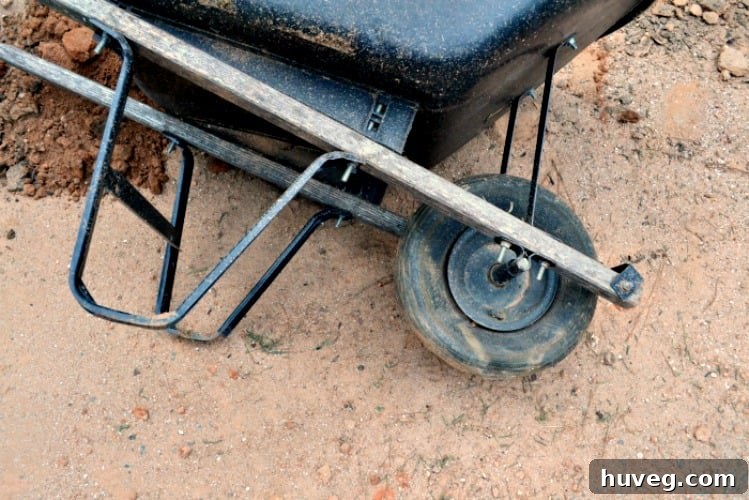
Funny how your current projects will push you to get really old items off your to-do list. In this case, it was finally replacing my wheelbarrow’s always-flat tire with a universal, no-flat version.
Say Goodbye to Flat Tires: A Definitive Guide to Upgrading Your Wheelbarrow Wheel
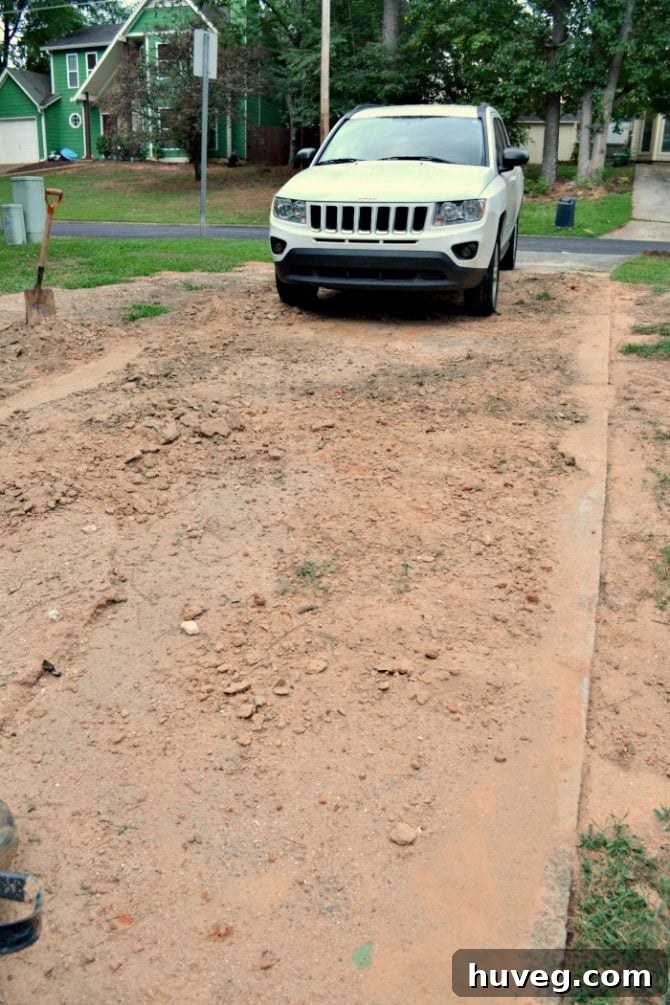
Every homeowner or gardener knows the frustration of a trusty tool letting you down at the worst possible moment. For many, that tool is the wheelbarrow, and the culprit is often a perpetually flat tire. This isn’t just a minor inconvenience; it’s a project stopper, a momentum killer. Year after year, I found myself in the same cycle: inflate, use, deflate, repeat. Whether it was from being overzealous with a heavy load or simply neglecting it for too long, returning to a flat tire became an unwelcome ritual. After tackling an extensive backyard sinkhole project, I faced yet another deflated tire. But enough was truly enough. With a driveway still covered in dirt that needed clearing – a task my backhoe talents couldn’t entirely resolve on their own – I knew immediate action was required before the next rain washed everything into my garage. It was time for a permanent solution: a universal, no-flat wheelbarrow tire.
The decision to upgrade to a flat-free wheelbarrow tire is a game-changer for anyone tired of constant maintenance. This guide will walk you through the simple, yet incredibly rewarding, process of replacing your old, unreliable tire with a durable, maintenance-free alternative. Imagine never having to worry about punctures, slow leaks, or the dreaded flat mid-task again. This DIY project is not just about fixing a flat; it’s about investing in efficiency and peace of mind for all your future landscaping and construction endeavors. Get ready to transform your wheelbarrow into a reliable workhorse, ready for any job, any time.
Why Go Flat-Free? Understanding Common Wheelbarrow Tire Problems
Before diving into the replacement process, it’s worth understanding why traditional pneumatic (air-filled) wheelbarrow tires are such a persistent problem. They are susceptible to punctures from thorns, nails, or sharp rocks, dry rot from sun exposure, and valve stem issues that lead to slow leaks. Even perfectly maintained tires can lose air over time, especially when stored or used inconsistently. The constant need for inflation, patching, or replacement can severely hinder project progress and create unnecessary stress. This recurring issue can turn a simple task into a frustrating ordeal, diminishing the usefulness of your wheelbarrow when you need it most.
A flat-free tire, typically made from solid polyurethane foam or a similar durable material, eliminates these vulnerabilities entirely. These innovative tires offer the resilience of a solid tire with the cushioned ride of a pneumatic one, without any of the hassle. They are designed to withstand harsh environments, resist punctures, and maintain their shape and performance for years without any air pressure checks. This upgrade not only saves you time and effort but also provides a significant boost in productivity and reliability for all your hauling needs, making your wheelbarrow a truly dependable tool in your arsenal.
Tools You’ll Need for the Wheelbarrow Tire Replacement:
- Wrench or Socket Set (to fit hex nuts, preferably a ratcheting wrench for ease)
- Pliers (for stubborn nuts, cotter pins, or minor adjustments)
- Penetrating Oil (optional but highly recommended for rusted or stuck bolts)
- Work Gloves (for protection against grime and sharp edges)
- New Flat-Free Wheelbarrow Tire Kit (ensure it’s compatible with your axle diameter and length)
- Blocks or Stands (to stabilize the wheelbarrow during the process)
- Measuring Tape (for checking axle and hub dimensions if purchasing a new wheel)

1. Safely Remove the Old Wheel
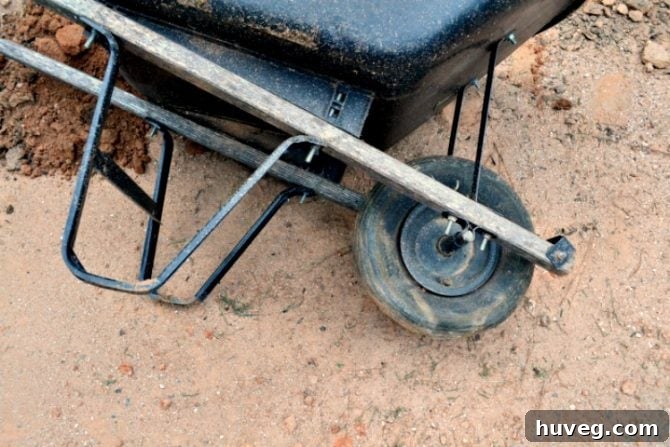
The first step in this transformative upgrade is to carefully remove the existing, problematic wheel. Despite any initial apprehension or procrastination, this task often proves to be much simpler than anticipated, making you wonder why you waited so long! Begin by stabilizing your wheelbarrow. You can tip it onto its handles or use sturdy blocks, sawhorses, or even a bucket to elevate the front frame, ensuring it’s secure and won’t wobble or tip over while you work. Safety is paramount to prevent injury.
Locate the hex nuts or bolts that secure the wheel to the axle. These are typically found on either side of the wheel, at the very ends of the axle. Using a wrench or socket set of the correct size, begin to loosen these nuts. It’s crucial to use the right size tool to avoid stripping the nuts. If they are particularly stubborn due to rust or prolonged tightening, a little penetrating oil (like WD-40 or a similar product) applied beforehand can make a significant difference. Allow it to soak for a few minutes before attempting to loosen them again. For very tight nuts, a pair of pliers can provide extra grip or leverage if a wrench is slipping, but a proper-fitting wrench or socket is always preferred for applying even pressure and preventing damage to the fasteners. Once loosened, you should be able to unscrew them the rest of the way by hand. Carefully slide the axle out from the wheelbarrow frame, allowing the old wheel, along with any washers or spacers, to come free. Pay close attention to the arrangement of these small components as you remove them – noting their order and position will be crucial for proper reassembly with the new wheel.
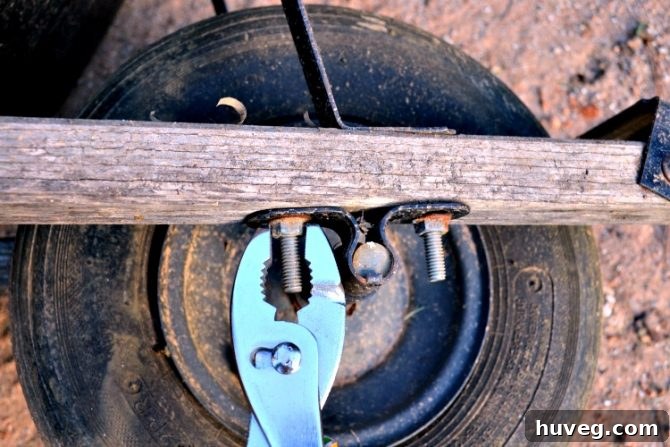
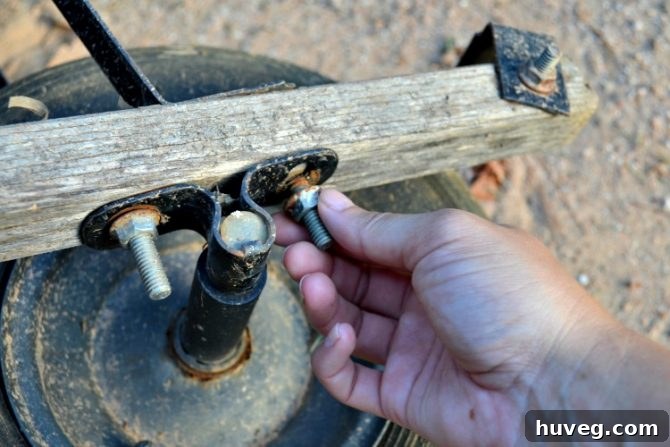

2. Keep Track of Small Pieces and Choose the Right Fit
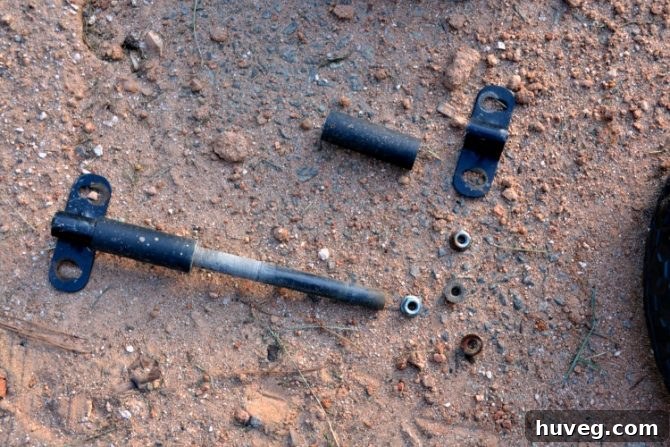
Once the old wheel is successfully detached, the next critical step is to meticulously organize all the small components – washers, spacers, and bolts. It’s surprisingly easy for these crucial pieces to get lost, especially when working outdoors in a potentially cluttered environment. I’ve learned this the hard way on more than one occasion! A good practice is to place everything in a single, secure spot, such as a small tray, a plastic container, or even just a clean patch of ground away from the immediate work area. Better yet, take a clear photo of the original assembly before disassembling further; sometimes, remembering to capture these details for the blog genuinely comes in handy, serving as a reliable visual reference during reassembly, especially if you get distracted or need to come back to the project later.
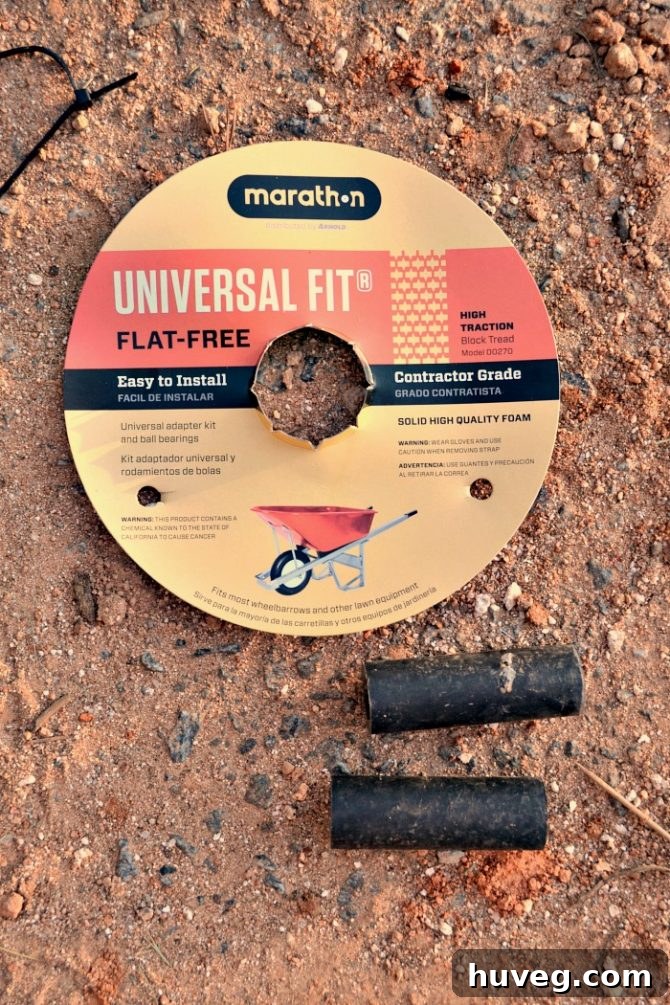
Now, let’s talk about the new tire. I opted for a “universal fit” flat-free model, specifically designed to fit “most wheelbarrows and lawn equipment.” While this claim is often true, it’s essential to understand what “universal” truly means in practice. It usually implies that the kit comes with a variety of spacers and bushings to accommodate different axle lengths and diameters, rather than a single perfect fit. Before purchasing, it’s highly recommended to measure your existing axle’s diameter and length, as well as the hub length (the part of the wheel where the axle passes through) of your old wheel. This information, combined with the specifications of the new flat-free tire, will help ensure the best possible match and minimize potential fitting issues. The goal is to select a tire whose bore (the hole in the center of the wheel) matches your axle, and then use the provided spacers to center the wheel perfectly within your wheelbarrow’s frame. These no-flat tires offer superior durability, impervious to punctures, and provide consistent performance without the need for air pressure checks, making them a truly set-and-forget solution that will save you countless headaches in the long run.

3. Mount the New Tire in Place and Center it Properly
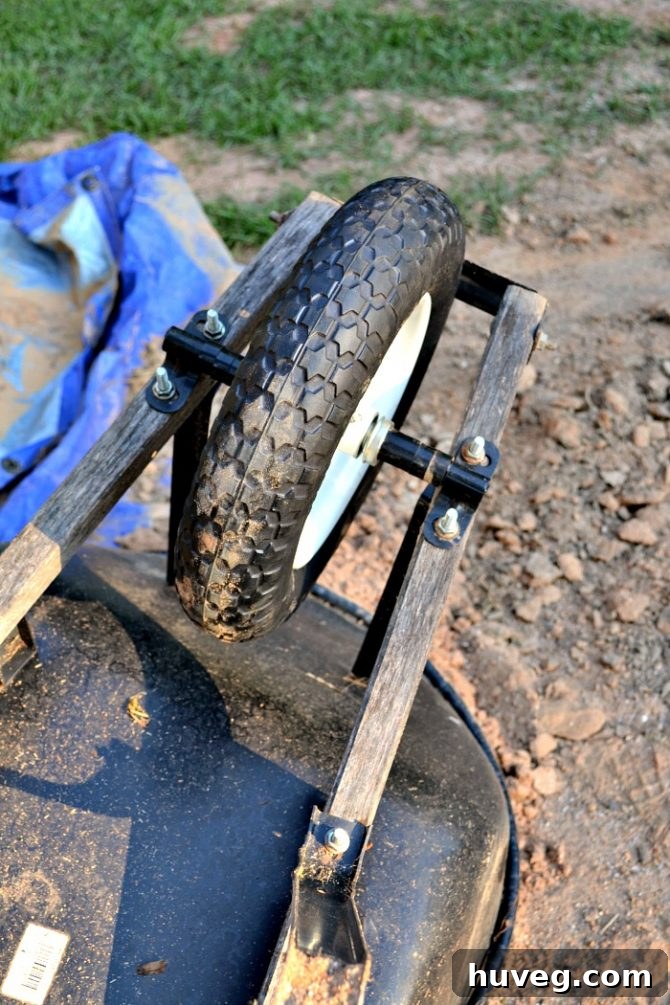
With the old wheel removed and your new flat-free tire ready, it’s time for the crucial step of mounting it onto your wheelbarrow. This is where the “universal fit” kit truly comes into play. Most kits include a selection of extra pieces – typically various sizes of spacers, bushings, or washers – designed to ensure a snug and centered fit for your new wheel. The primary goal here is to use these components to fill any gaps between the wheel hub and the wheelbarrow frame, ensuring the wheel sits centrally on the axle and has minimal side-to-side wobble. Proper centering is vital for the wheelbarrow’s stability, ease of use, and preventing unnecessary strain on the frame or a lopsided load.
Start by sliding one side of the axle into the wheelbarrow frame. Then, carefully begin adding spacers onto the axle, followed by the new wheel, and then more spacers on the other side. You might find yourself experimenting with different combinations and numbers of spacers to achieve the perfect balance. It’s a bit of a trial-and-error process, so patience is key. The wheel should not be too tight that it restricts its rotation, nor too loose that it causes excessive play or slop. Once you have a configuration that looks centered and feels secure, carefully slide the other end of the axle through the wheelbarrow frame. Re-attach the hex nuts or bolts, tightening them securely, but avoid over-tightening which could bind the wheel and prevent smooth rotation. Spin the wheel to ensure it rotates freely and smoothly. If there’s any binding or excessive play, you’ll need to readjust the spacers until the wheel moves perfectly.

4. Ensure Adequate Clearance and Perform Final Checks
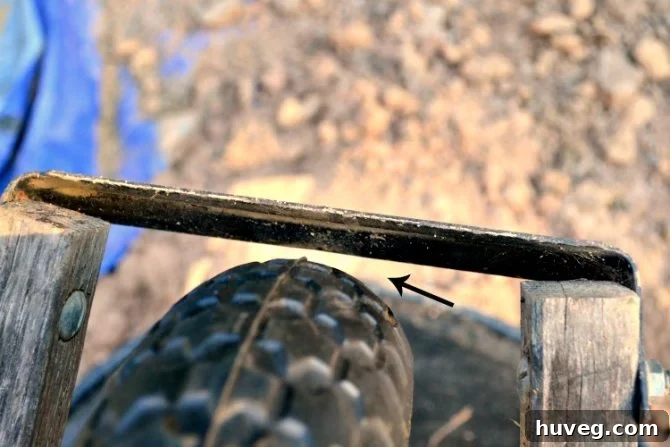
After successfully mounting the new tire and ensuring it spins freely, the final and equally important step involves confirming that there is adequate clearance for the wheel to rotate without any obstruction. In my experience, the new flat-free tire was a tiny bit larger than the old pneumatic one, leading to a momentary panic that had me mentally cursing the “fits most wheelbarrows” claim. It’s not uncommon for replacement tires, even “universal” ones, to have slightly different dimensions – be it diameter or tread width – compared to your original equipment.
Carefully inspect the wheel’s rotation. Manually spin the wheel and check if it rubs against any part of the wheelbarrow frame, especially the fenders, support brackets, or the bottom of the tray. Initially, I noticed a slight rub, but after realizing that the front support piece of my wheelbarrow was already slightly off-kilter, a minor adjustment to straighten it out resolved the issue, albeit barely. If you encounter similar clearance problems, first check for any existing misalignments or bends in your wheelbarrow’s frame that can be corrected by loosening and re-tightening bolts. Sometimes, simply adjusting the frame components can create the necessary space. In rare cases where the new tire is significantly larger and causing severe rubbing, you might need to consider a different tire size or, if feasible and safe, make very minor structural modifications to the wheelbarrow’s frame (though this should be a last resort and done with extreme caution to maintain the structural integrity and safety of your wheelbarrow).
Once you’re completely satisfied with the clearance and smooth rotation, perform a final check of all fasteners. Ensure that all nuts and bolts are securely tightened to prevent any loosening during use. Give the wheelbarrow a few pushes and pulls, perhaps even load it with some weight (like the dirt I had waiting!), to simulate real-world conditions and confirm everything is stable and functioning correctly. This small but significant upgrade means your wheelbarrow is now ready to tackle any task, from hauling heavy loads of dirt and rocks to moving mulch or garden waste, without the constant interruption of a flat tire. The relief and productivity boost are immense; I can now focus on the task at hand, rather than wrestling with tools to reinflate a tire. I’m decidedly less excited about hauling dirt as I was when it first arrived, but at least the wheelbarrow won’t be adding to my woes!
Embracing Efficiency: The Long-Term Benefits of a Flat-Free Wheelbarrow
Completing this simple DIY wheelbarrow tire replacement might seem like a minor task, but its impact on your productivity and peace of mind is anything but. The transition to a flat-free tire eliminates a recurring source of frustration and wasted time, transforming your wheelbarrow into a truly reliable piece of equipment. No more interrupting your flow to pump up a tire, no more worrying about sharp objects on your path, and no more delays when you need your wheelbarrow most. This upgrade is an investment in efficiency, allowing you to focus on the larger projects – like leveling a yard or clearing a driveway – without being constantly derailed by a “little” problem.
Beyond immediate relief, the long-term benefits are substantial. You’ll save money on replacement inner tubes, patches, and even replacement tires in the future. You’ll save time by eliminating pre-project checks and mid-task interruptions. Most importantly, you’ll gain confidence in your equipment, knowing it’s always ready to perform. This project serves as a perfect reminder that sometimes, to achieve significant accomplishments, you first need to address the seemingly minor obstacles that stand in your way. By tackling these “little things,” you clear the path for bigger successes and enjoy a smoother, more satisfying work process, whether it’s in your garden, on a construction site, or simply moving materials around your property.
What seemingly small but impactful tasks are you planning to accomplish this week to make your life or projects easier? Share your experiences in the comments below!