Mailbox Garden Makeover: Edging for Definition, Phlox for Flourish

Transform Your Mailbox Garden: A Permanent & Beautiful Creeping Phlox Upgrade
For years, my mailbox garden bed was a revolving door of seasonal annuals. Every spring, it was a ritual: selecting new plants, digging them in, and watching them flourish for a few short months before the cycle began anew. From vibrant geraniums to charming vinca, sunny marigolds, and whimsical snapdragons, this small space served as a valuable learning ground for understanding my yard’s unique growing conditions and the care different flowers required. While it was undoubtedly fun to test my developing gardening skills, a distinct shift began to emerge with the early arrival of spring. I craved something more enduring, a planting solution that would offer lasting beauty without the annual fuss. This desire led me to a transformative decision: upgrading my mailbox garden with resilient, stunning creeping phlox.
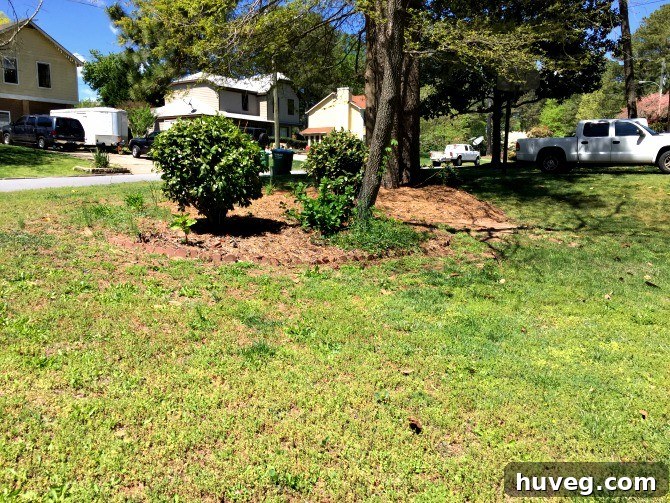
This decision wasn’t made in isolation; it was part of a larger, ongoing effort to revitalize my front yard. What was once a rather drab, brown expanse has undergone a significant transformation, now blanketed in fresh pine straw. The impact of this simple change is remarkable, lending an immediate sense of neatness and warmth to the landscape.
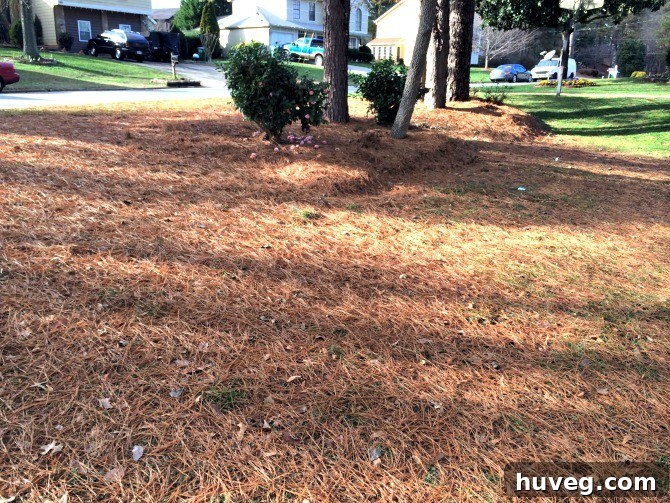
Furthermore, significant improvements have been made to the tree situation. With the majority of the towering pine trees now removed and the remaining foliage expertly pruned back, my front lawn is bathed in an abundance of bright sunlight. This glorious light also pours directly into my front windows, dramatically brightening the interior of my home. While an untrained eye might still perceive a lawn grappling with some weeds, for me, it represents progress. Seeing this much vibrant green outside my windows, knowing the effort that has gone into reclaiming this space, fills me with immense satisfaction and happiness.
Each year, my confidence in my gardening abilities has steadily grown. I’ve successfully demonstrated to myself that I can, in fact, cultivate healthy and beautiful (and sometimes even wonderfully overgrown!) flowers. A significant realization also dawned on me: unlike many other outdoor projects I’d tackled, the mailbox garden and the immediate front garden were the only two areas where I had deliberately avoided making a permanent landscaping decision. I suppose I always anticipated this flexible approach, adding new annuals each season as whim or necessity dictated. I was content with this experimental method until a truly inspiring vision presented itself.
Finding Inspiration: The Power of Perennials
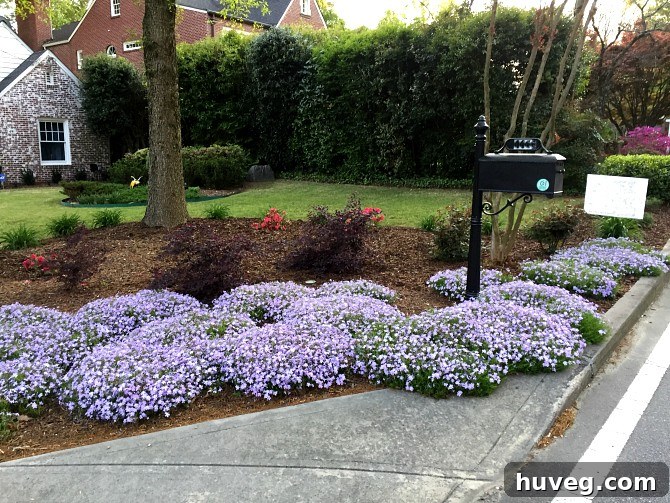
My journey to discovering the perfect perennial for my mailbox garden began with my weekly running routine. Nearly every Monday, I meet a running group in a different part of Atlanta. Since transitioning to working from home, I’ve found maintaining a regular schedule and getting out of the house to be incredibly important for my well-being. These runs offer a fantastic way to exercise, socialize, and explore new neighborhoods. While winter runs often take place in the dark, the longer days of spring and summer provide a unique opportunity: I get to run past countless homes, observing their diverse landscaping designs in full, vibrant detail. For me, visualizing interior design projects comes quite naturally, but imagining outdoor landscaping has always been more of a challenge. Therefore, I eagerly anticipate these runs, taking mental notes from the beautiful homes I pass, hoping to stumble upon an idea that would be a perfect fit for my own yard.
One particular sighting struck me profoundly: a lush, thriving bed of bluish-purple flowers. I quickly captured a photo and found myself returning to it repeatedly over the next week, growing increasingly captivated by the plant’s charm. These were phlox, a genus I’d experimented with before, but never truly considered for the mailbox. My prior inclination had always been towards annuals, largely due to their lower upfront cost. The understanding with annuals is that they won’t return the following year, so I typically opted for the most budget-friendly options on sale, often snagging six-packs for as little as $1.50 if I timed my hardware store visits correctly. However, as my gardening confidence blossomed, the idea of investing in perennials became less of a risk and more of an exciting opportunity. Perennial plants, like phlox, are designed to return year after year, offering long-term beauty and significant savings on time and money in the long run. Furthermore, reputable retailers like Home Depot and Lowe’s often offer guarantees on their perennial plants – if they don’t survive the first year, a receipt and the plant itself are usually enough for a replacement. This assurance made the slightly higher initial investment (around $5 per plant) much more palatable. Out of the numerous phlox cultivars available, I selected four ‘Emerald Blue’ plants, their striking color immediately catching my eye among the five different types offered at the store.
Preparing the Mailbox Garden Bed for Perennial Success
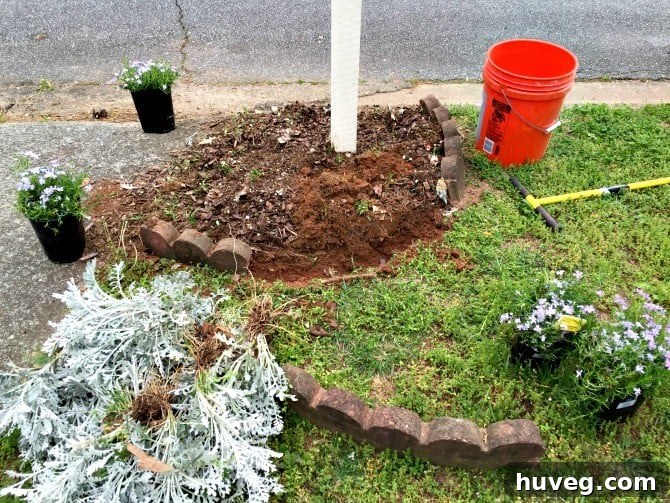
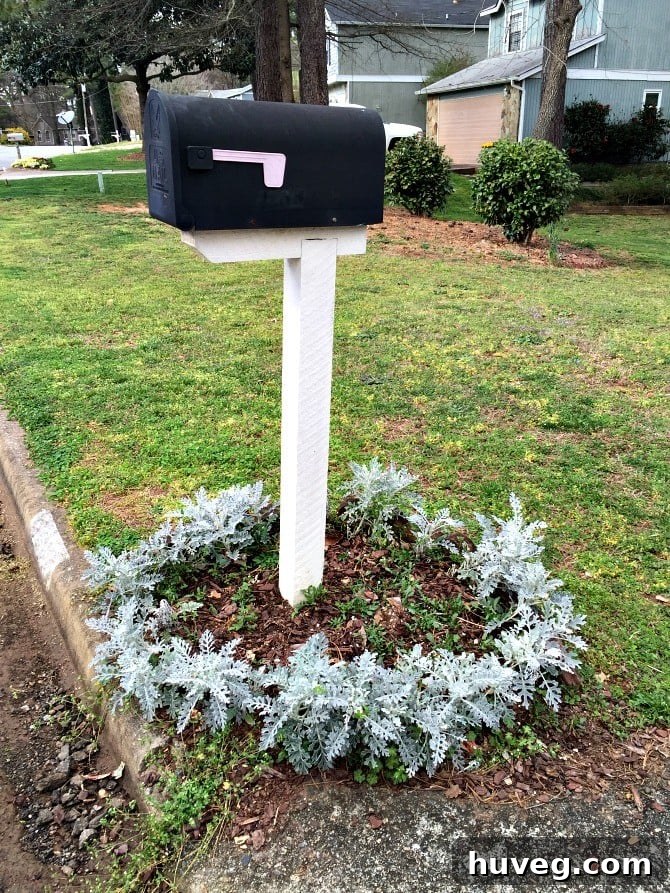
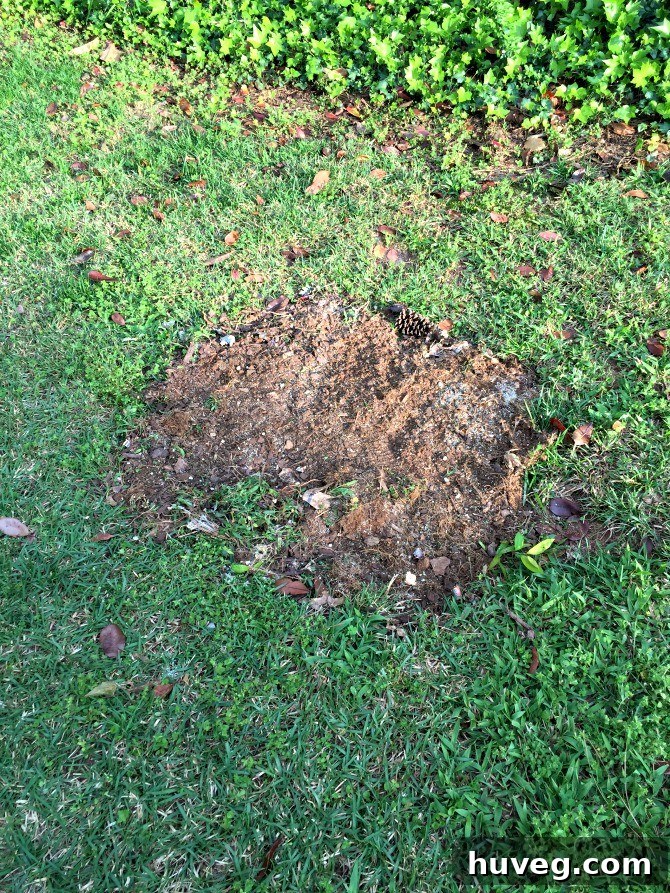
The first step in this transformation was clearing out the existing landscape. This involved carefully digging out the remaining dusty miller that I had planted the previous fall. These plants were surprisingly robust, still thriving even after several months, so I set them aside with the intention of replanting them elsewhere. I genuinely adore the soft, silvery foliage of dusty miller, and while they are often treated as annuals here, they can establish themselves and last a good while. This clearing process also provided a crucial opportunity to address a long-standing issue: layers of accumulated mulch. Over multiple seasons of replanting, I had simply added fresh mulch on top without removing the old, resulting in an ever-growing mound. This time, I meticulously scraped away the excess, ensuring a clean and level bed for the new plantings. The excavated mulched soil and weeds found a new purpose: filling in a small, empty spot in my front yard where an old tree stump had been removed years prior (this was before my recent tree removal project). I compacted the soil with my feet, then generously applied grass seed and fertilizer, envisioning a seamless, green patch that would eliminate any tripping hazards (my dad had, on occasion, stumbled there when not paying attention to his footing).
Securing the Scalloped Edging: A Long Overdue Task
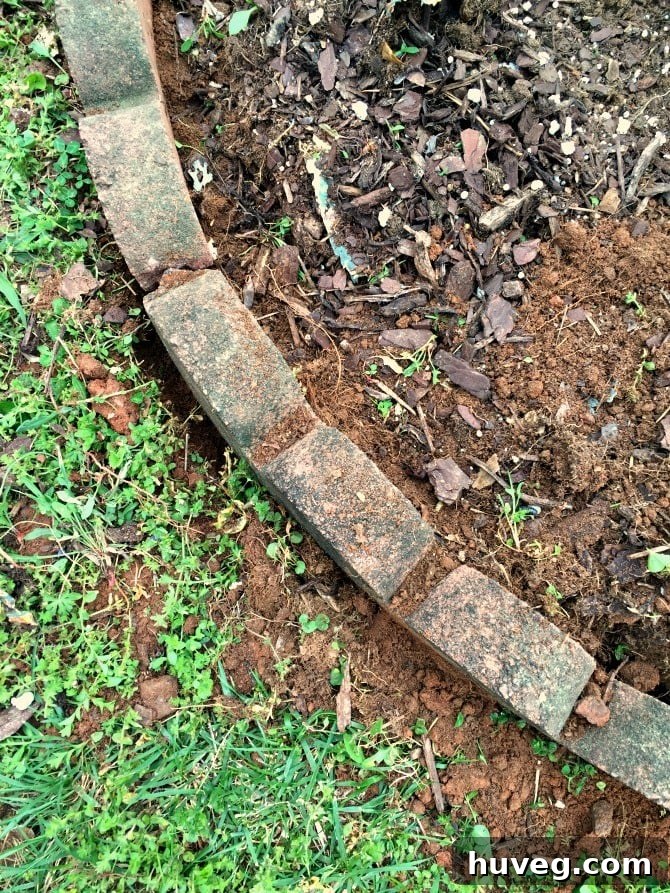
Next on the agenda was a task that had been postponed for far too long: securing the scalloped garden edging. This particular style of edging is prevalent throughout my entire front and back yards, and while it isn’t my personal favorite aesthetically, replacing all of it would be a significant and costly undertaking. The edging around the mailbox had been dug out years ago when I first moved in, with the initial intention of either replacing it with a more preferred style or enlarging the garden bed and re-embedding the existing pieces. The latter option became more pressing as the lawnmower repeatedly knocked the loose stones out of place, creating a perpetual mess. My wallet, however, ultimately made the decision for me. I concluded that I disliked the existing edging far less than I disliked the idea of spending a substantial sum to replace it all. So, a mere five years later, I finally committed to digging these scalloped stones back into the earth, a true #slackerproject moment of triumph.
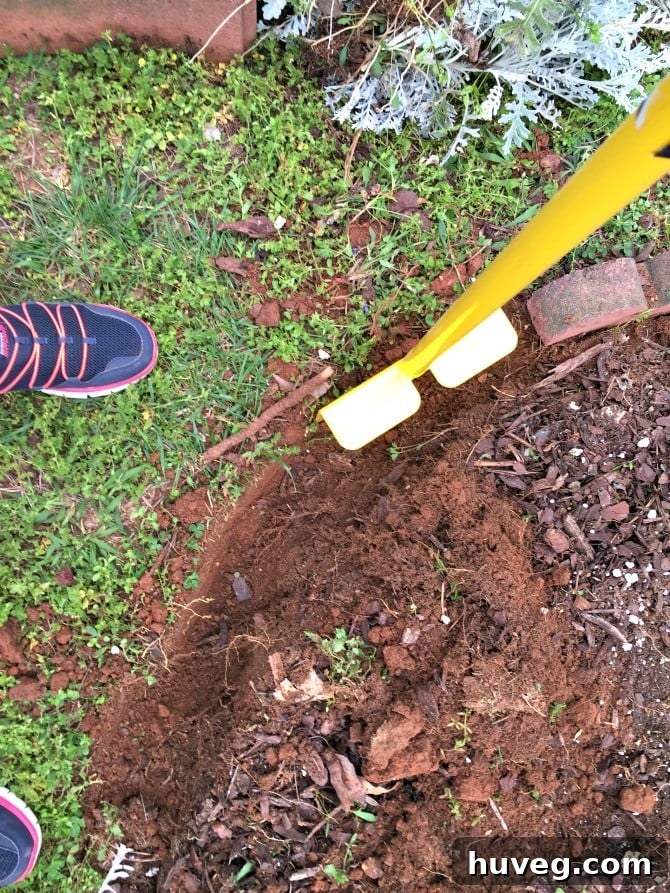
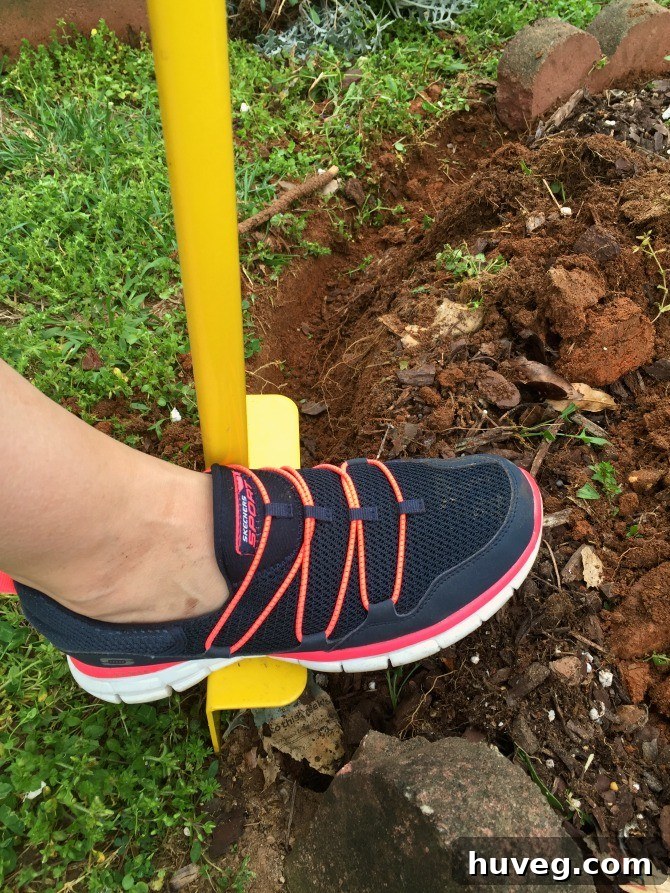
Fortunately, my new garden edging tool proved to be an invaluable asset, making this daunting task much quicker and easier than anticipated. With just a few firm stomps every few inches, the tool created perfect voids in the compacted soil, allowing me to snugly settle the stones into place. This efficiency has certainly inspired me to tackle other sections of my yard with the same tool in the near future.
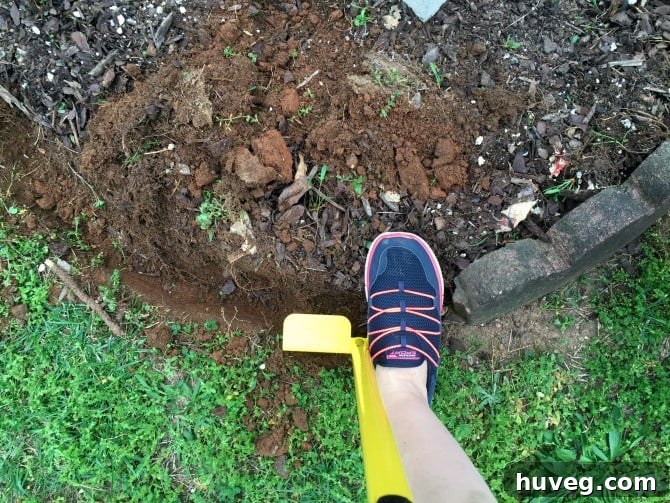
Once the stones were set, I reused clumps of the previously excavated dirt to fill in and compact the space on both sides of the edging. While the red Georgia clay isn’t always ideal for planting, its density is absolutely fantastic for securing loose edging stones, ensuring they stay firmly in place. It’s often the little things that make the biggest difference in gardening, isn’t it?
Planting the Creeping Phlox for Long-Term Beauty
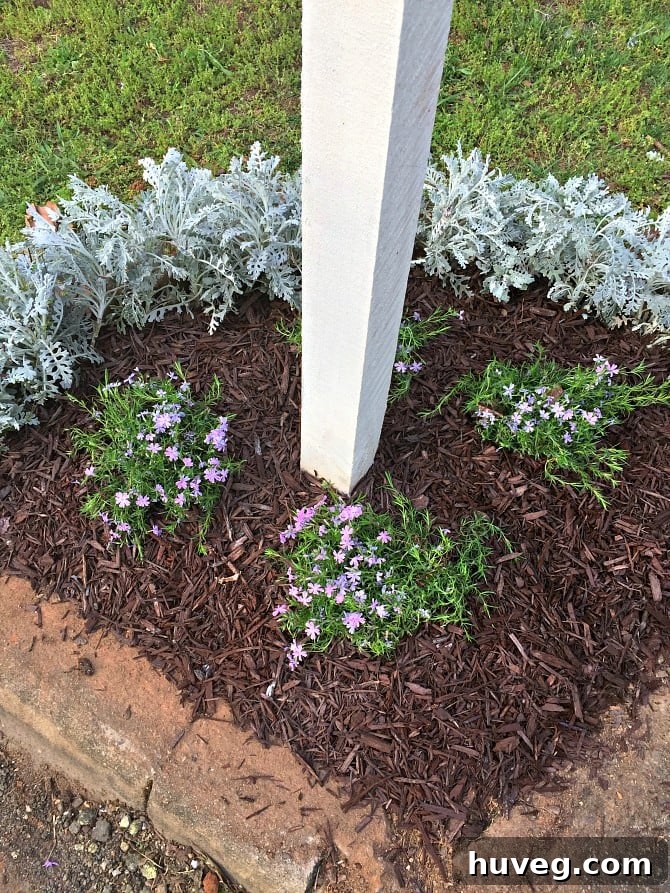
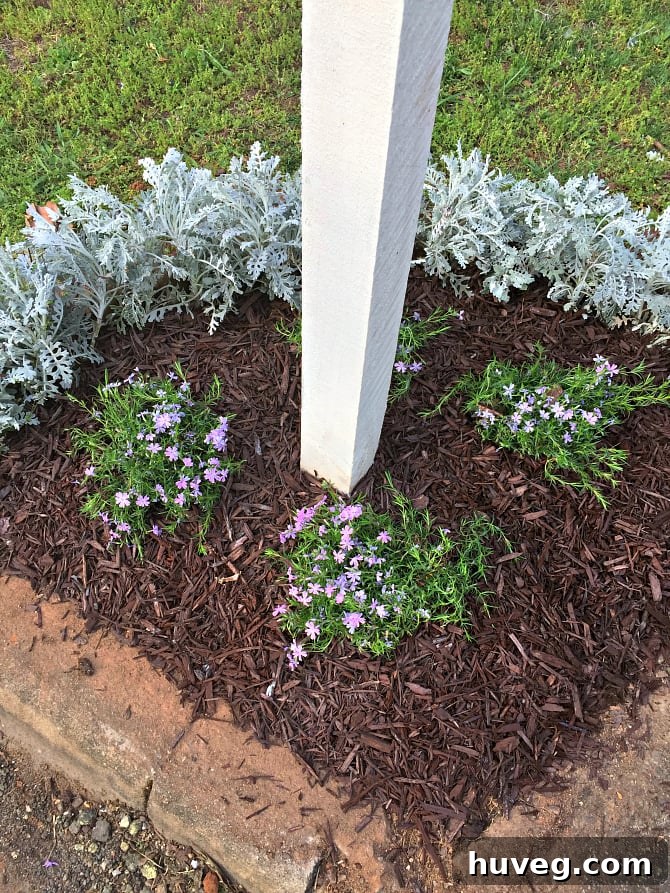
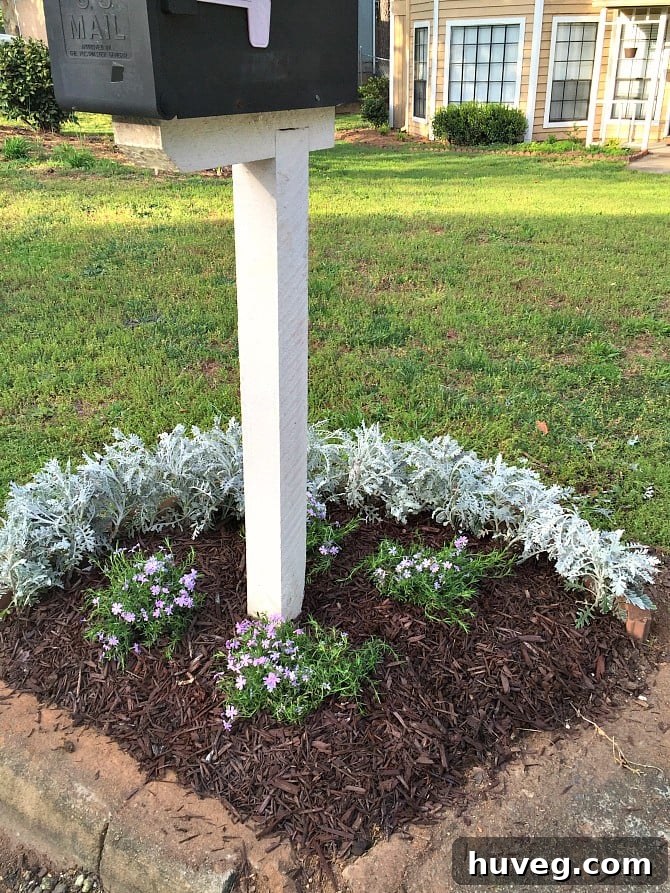
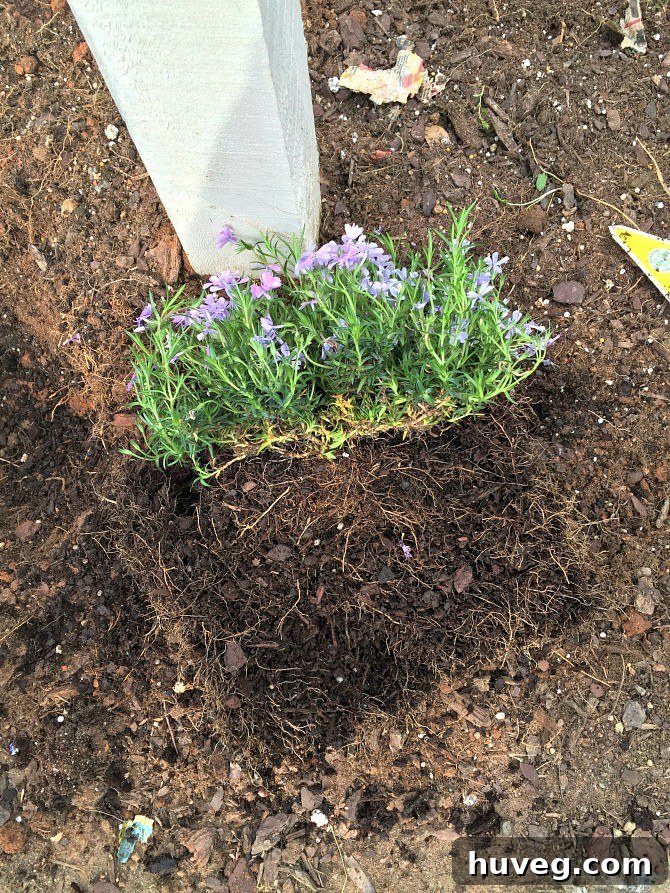
With the bed meticulously prepared and the edging finally secured, it was time for the stars of the show: the creeping phlox and a border of the saved dusty miller. Creeping phlox is a versatile perennial that can be easily divided in both spring and fall, a characteristic I utilized during planting. I carefully split the root ball of each phlox plant down the middle, gently spreading the roots open much like opening a book. This technique allowed me to plant them in a more crescent shape, effectively encircling the mailbox post. While I don’t have scientific proof that this method will significantly aid in future divisions once the plants have fully established, I reasoned that creating a wider spread for the roots from the outset would encourage more robust growth and faster coverage. Before applying my usual weed-suppressing layers, I also incorporated some granular fertilizer into the topsoil to give the new plants a healthy start. This was then followed by my tried-and-true method of layering newspaper and mulch, an eco-friendly and effective way to suppress weeds and retain soil moisture.
The Long-Term Vision: A Low-Maintenance & Stunning Mailbox Garden
This switch to creeping phlox marks a significant departure from my annual planting tradition at the mailbox. It represents an impactful and strategic change that promises long-term beauty with considerably less maintenance. Creeping phlox is an exceptionally resilient plant, boasting natural tolerance to drought, pests, deer, and frost, making it an ideal choice for a gardener like me who appreciates a beautiful landscape without constant demanding attention. While it will undoubtedly take some time for these young plants to spread and fill in as fully as the inspiring lawn I encountered on my run, its very name — “creeping” phlox — alludes to its natural growth habit of slowly but surely creating a dense, colorful carpet. This transformation is a true win-win: a stunning, vibrant mailbox garden that will return reliably each year, saving both time and money. It’s a testament to the power of thoughtful plant selection and embracing sustainable gardening practices for lasting beauty. What creative planting projects have you been embarking on lately?