Sarah: Enchanted Gauntlet

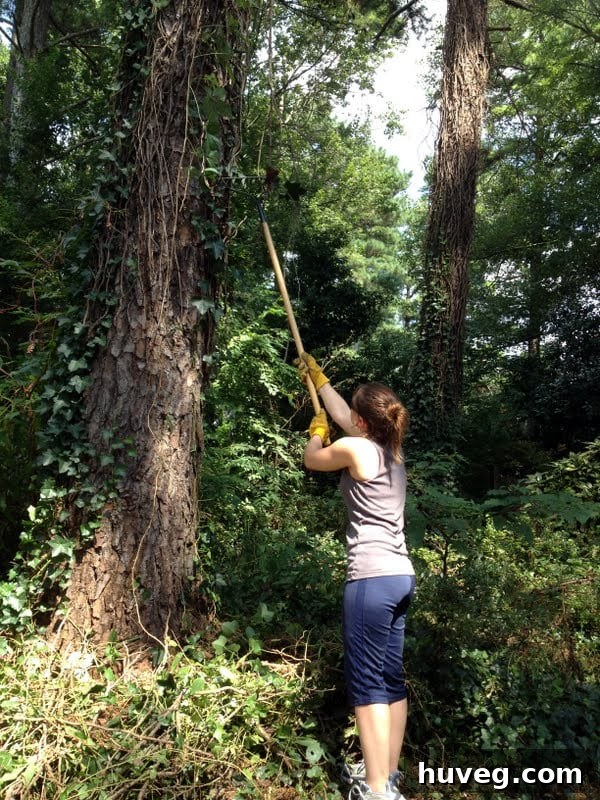
Transforming a neglected backyard into a vibrant, functional outdoor space is a rewarding endeavor. For many homeowners, this journey often begins with a formidable opponent: invasive ivy. This tenacious vine, while sometimes admired for its lush green appearance, can quickly overtake trees, smother other plants, and even damage structures, turning a serene garden into an impenetrable thicket. My own backyard, affectionately dubbed “The Enchanted Forest” for its wild beauty and hidden corners, recently became the battleground for a significant ivy removal project, a challenge that required more than just a casual approach.
My property, though modest in size, had developed a distinct personality over the years, largely due to areas I’d inadvertently neglected. Believe it or not, until recently, there were sections of my backyard I hadn’t properly explored – particularly the furthest reaches, where a dense growth of ivy, coupled with a healthy dose of apprehension about encountering poison ivy, had created an unofficial no-go zone. It’s quite remarkable that in a small suburban subdivision, it took me this long to survey every inch of my own land, but the allure of avoidance can be surprisingly strong!
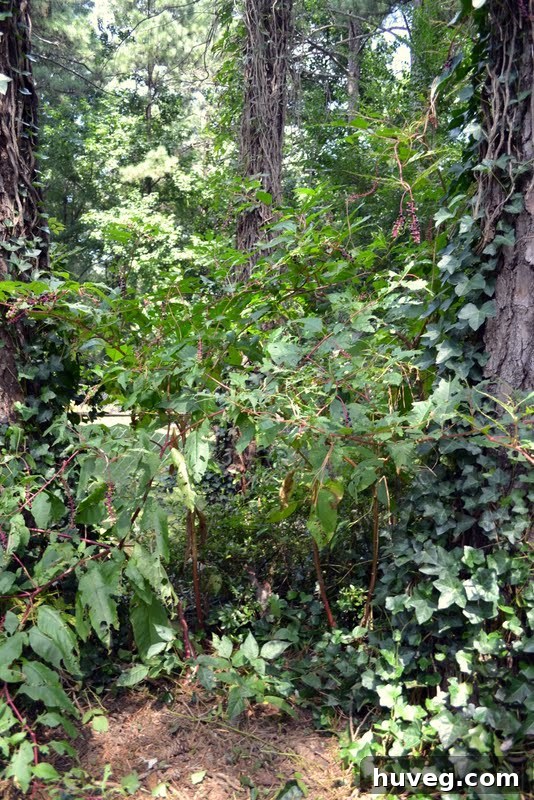
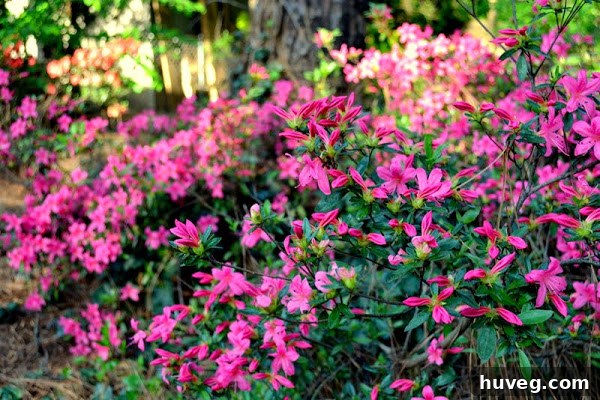
The name “The Enchanted Forest” perfectly captures the duality of my backyard. In spring, when the azaleas burst into bloom, it transforms into a riot of pinks and greens, a truly cheerful and magical space. Yet, beneath this charm, an unruly wilderness lurked, dominated by the relentless march of ivy. This contrast highlights the continuous effort required to maintain a balance between nature’s wildness and a cultivated aesthetic.
My journey to tackle the ivy isn’t entirely new. Several years ago, I made a half-hearted attempt to eradicate it. My previous strategy involved merely chopping away a few feet of ivy from the base of each tree and liberally applying a potent herbicide. The idea was simple: kill the ivy, watch it shrivel, and then expect it to gracefully detach itself. The initial results were promising; the ivy did indeed turn a sad, withered brown. We prematurely celebrated, believing the job was done.
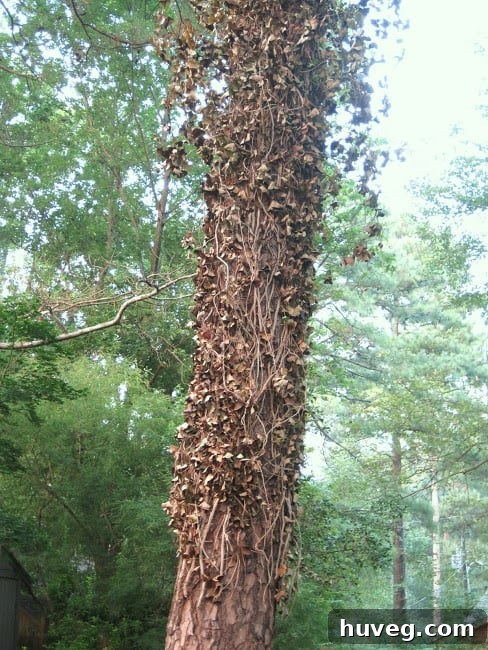
However, we were profoundly mistaken about the resilience of ivy. After waiting patiently for months for the dead vines to simply fall away, life intervened, and the backyard fell off my priority list. Graduate school, a demanding job, a new puppy, and a house full of other projects consumed my attention. The brown ivy clung stubbornly to the trees, a constant reminder of an unfinished task. As the years passed, the living ivy began its relentless resurgence, stronger and more widespread than before.
Which brings us to the present situation:
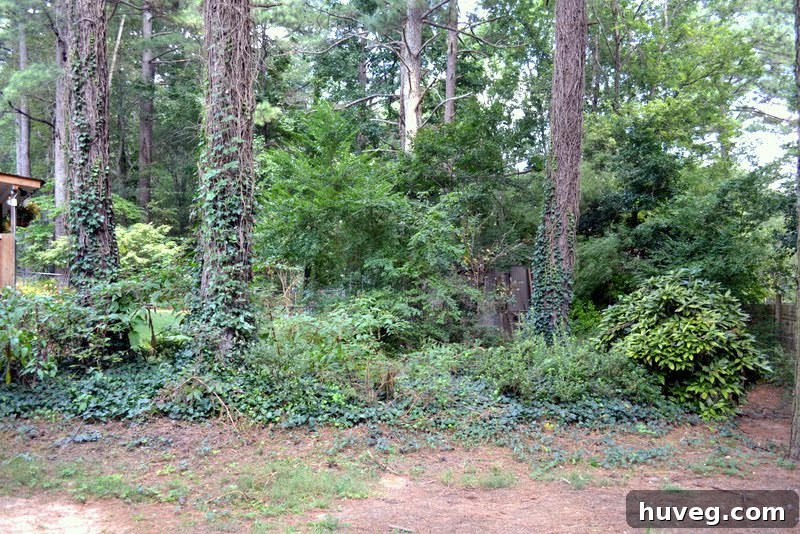
The ivy had returned with a vengeance, its dense foliage once again engulfing tree trunks and spreading across the ground. It was clear that my previous, overly optimistic approach was utterly insufficient. This time, I understood that effective ivy removal demands a more hands-on, labor-intensive method. I needed to apply real muscle and strategic effort to conquer “The Enchanted Forest.”
Day One: Preparing for Battle
The first day of what I affectionately termed “Sarah versus The Enchanted Forest” began after a morning spent in class. My dad, ever the supportive helper, met me at the house in the afternoon. I quickly changed into sturdy work clothes, ready to confront the green menace. My initial focus was on the trees, which were heavily cloaked in thick ivy vines.
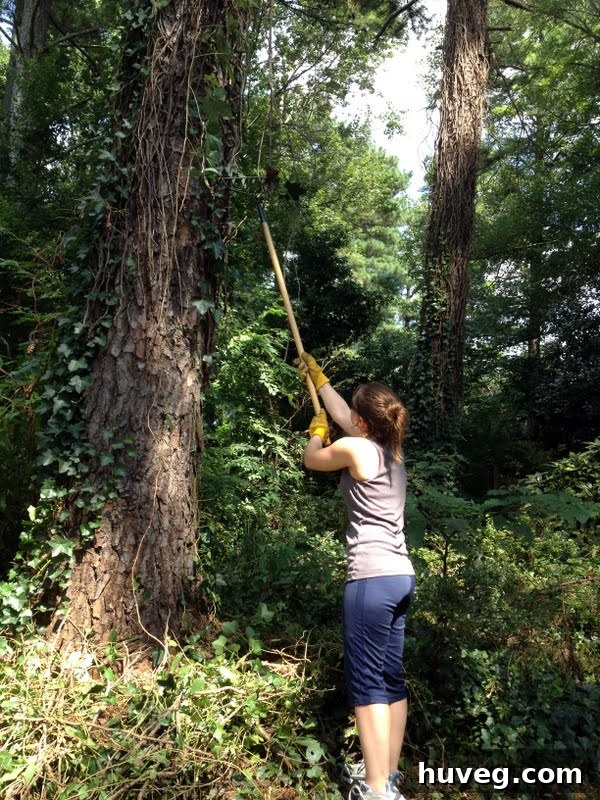
A crucial lesson was learned almost immediately: adequate protective gear is paramount when tackling dense ivy. Working directly overhead, I quickly discovered the multitude of creepy-crawlies that call ivy home. Despite my best intentions, I found myself instinctively flinching whenever something fell down my shirt. While I powered through Day One, by Day Two, I was significantly better prepared with appropriate attire.
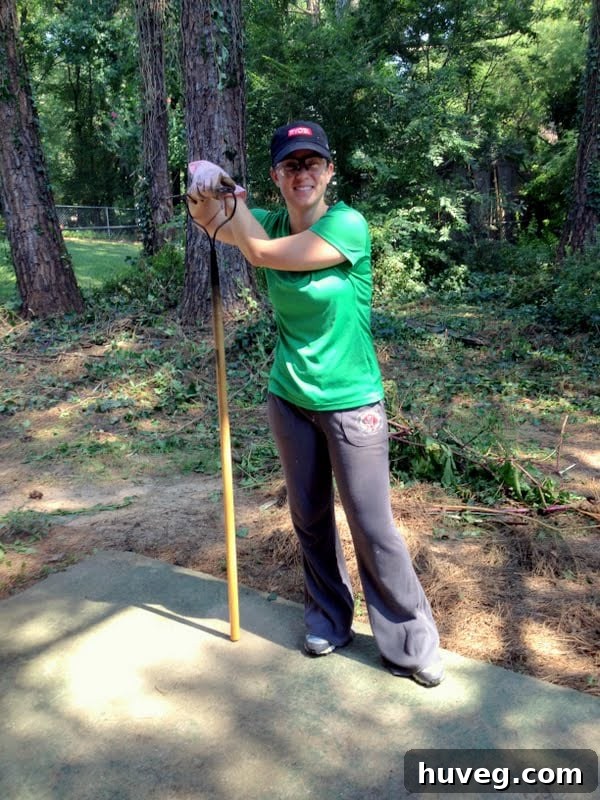
Effective Tools and Techniques for Ivy Removal
Surprisingly, a simple garden rake proved to be an incredibly effective tool for dislodging the ivy from the tree trunks. The vines were deeply woven into the bark, forming a thick, suffocating layer that also included remnants of the previously “dead” ivy. The rake’s tines were perfectly suited for digging in, grabbing hold of the tangled mass, and ripping it away from the tree without causing significant damage to the bark. This manual removal method is crucial for long-term control, as it physically separates the vines from their support structure.
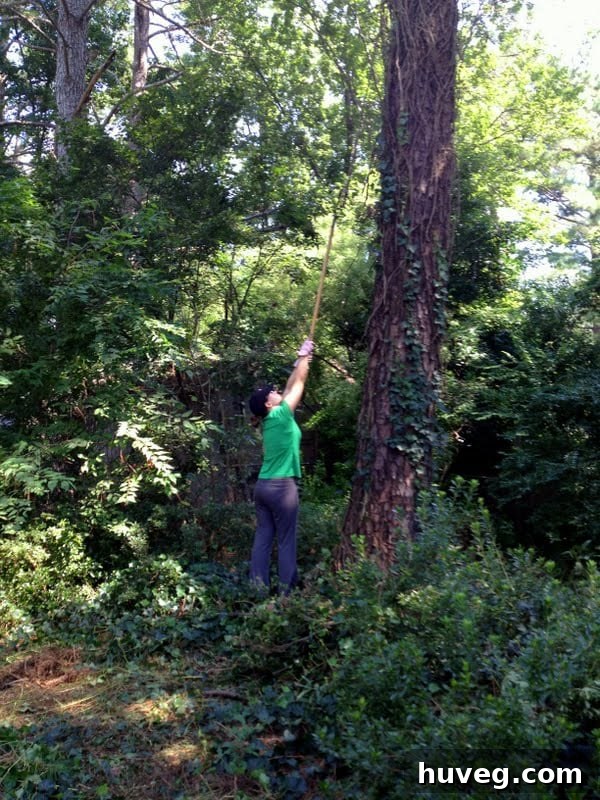
The primary objective for the first couple of days was to clear the trees as thoroughly as possible. I even attempted to use a ladder to reach higher sections, but this endeavor unfortunately resulted in more bugs finding their way into my clothing than additional feet of ivy being removed. For safety and sanity, I decided to postpone higher-reach tasks until I could acquire a larger, more stable ladder. As I meticulously worked my way down the tree trunks to the root systems, other opportunistic weeds and plants inevitably emerged from beneath the ivy’s cover. This signaled the next phase: pulling everything out by the roots.
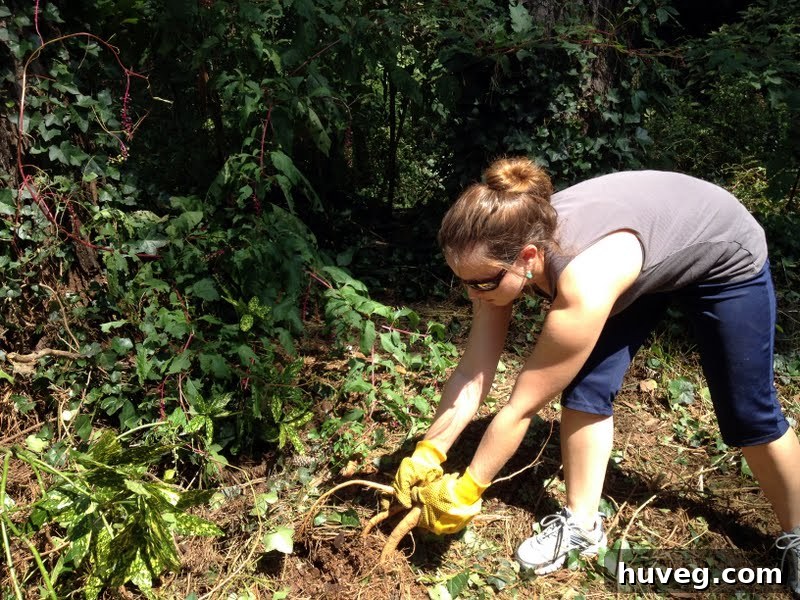
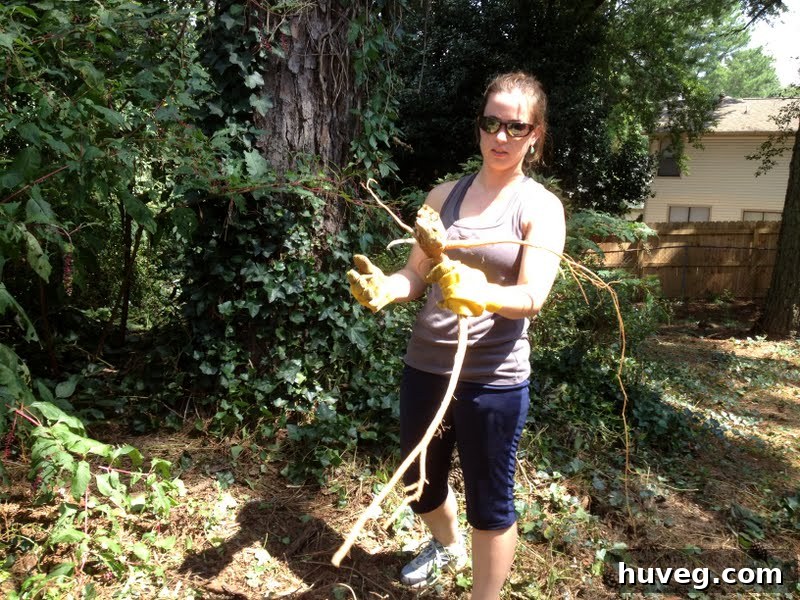
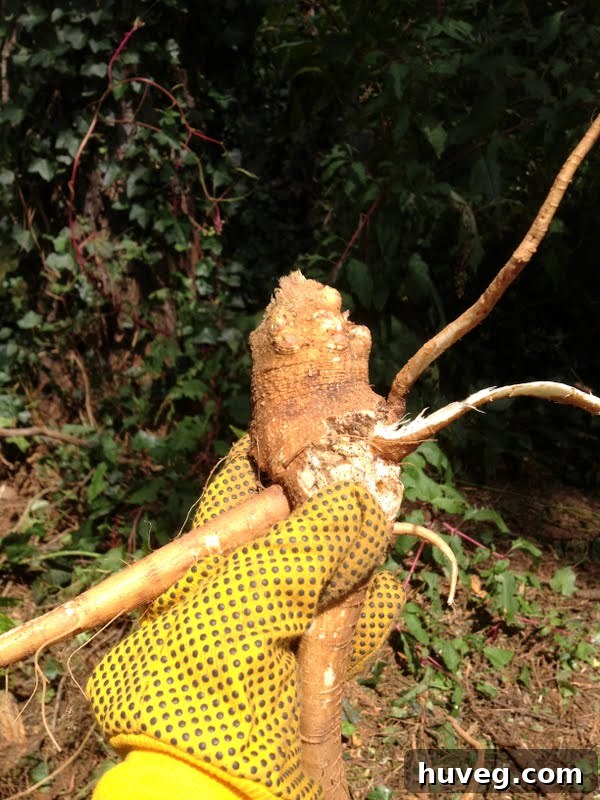
Little did I realize the true extent of the underground network I was dealing with! Ivy’s root systems are notoriously robust and far-reaching, making complete removal a challenging but essential step to prevent immediate regrowth. Digging and pulling out these roots requires considerable effort, but it’s the only way to ensure lasting control.
Beyond Ivy: Pruning and Power Tools
Beyond the primary ivy removal, Day One also included some necessary pruning of other overgrown plants. I took a reciprocating saw to a Japanese laurel (at least, that’s my best guess at identification, as plant identification isn’t my strong suit). The cordless reciprocating saw I had received earlier in the year proved incredibly handy for this task. The goal here wasn’t eradication, but rather a significant trim to manage its size and shape, much like how my dad rejuvenated the camellias in the front yard, which have since grown back healthier and more vibrant.
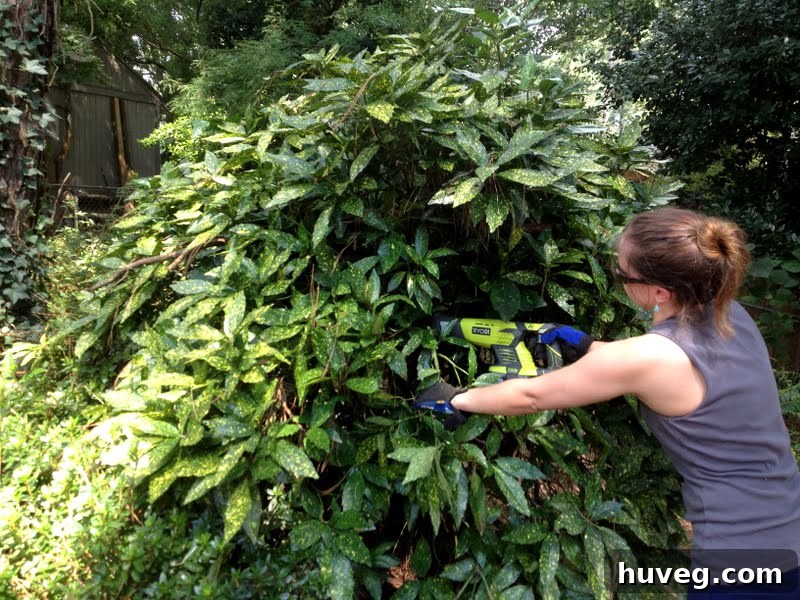
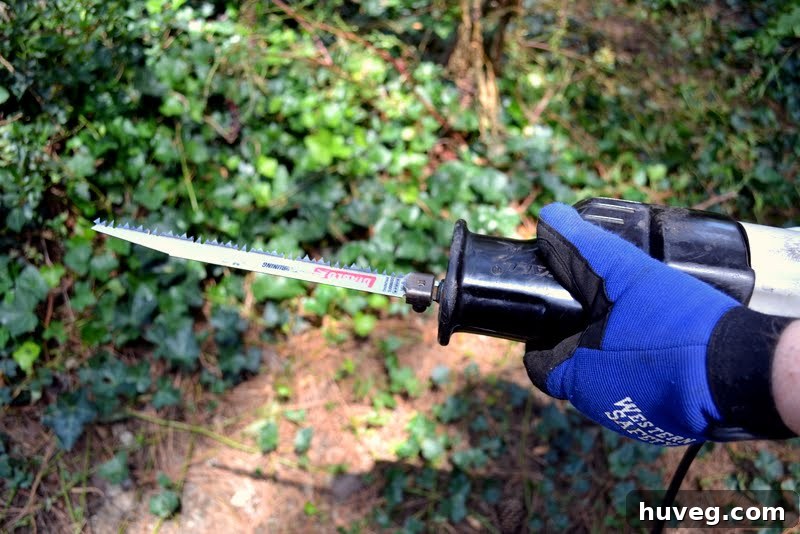
Using power tools for gardening can be quite satisfying, though it’s also physically demanding. Operating the reciprocating saw, especially for extended periods, gave my forearms a serious workout, coordinating holding the safety button, managing the handle, and steadying branches for the cut. I eventually switched between my cordless saw and a heavy-duty corded model for thicker branches. The cordless option was invaluable when maneuvering deep within dense bushes, while the corded saw provided consistent power for larger tasks.
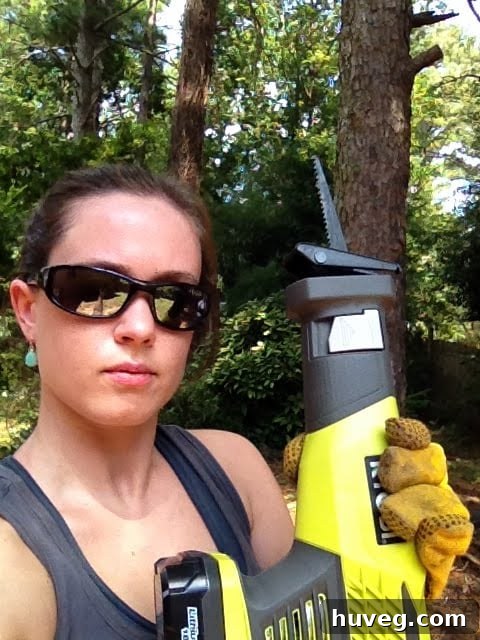
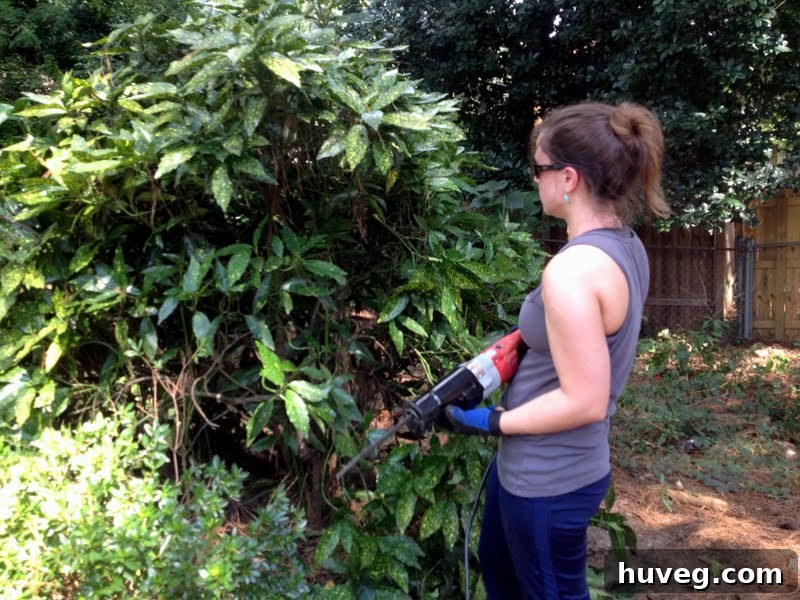
For efficient pruning, investing in a blade specifically designed for wood or pruning is a game-changer. These specialized blades cut through branches with remarkable ease, making quick work of what would otherwise be a tedious chore. My dad also joined me with his pole saw, and together, we tackled the low-hanging branches near the neighbor’s fence. This simple act immediately allowed more sunlight to penetrate the yard, a small but significant victory that brightened the entire space.
The Aftermath and Looking Ahead
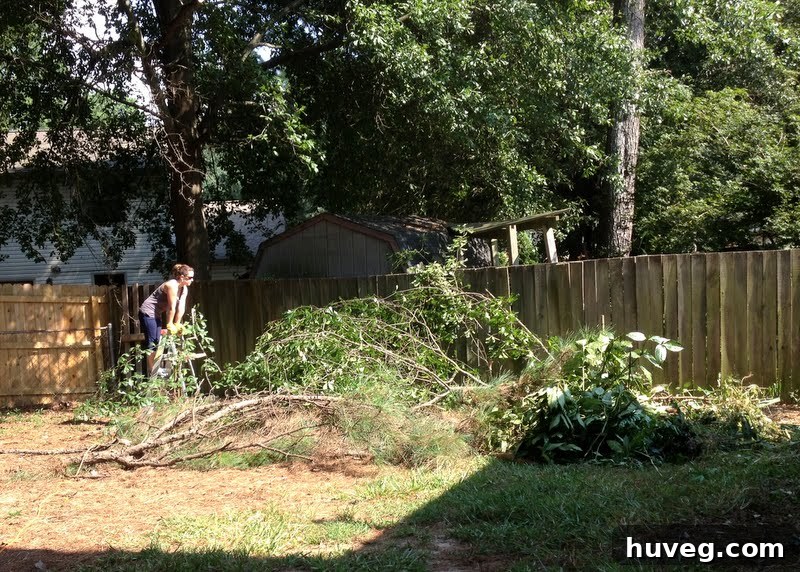
By the end of the day, I was exhausted, and so was my dad, who had been an indispensable partner – serving as photographer, branch-dragger, limb-chopper, and truck-loader. His assistance was truly invaluable. Before I knew it, we had accumulated a colossal pile of branches, broken vines, comically oversized root systems, and perhaps, more importantly, a much-improved backyard. The sheer volume of debris was a testament to the scale of the task, and the cacophony of power tools had certainly given my dog, Charlie, a few anxious moments.
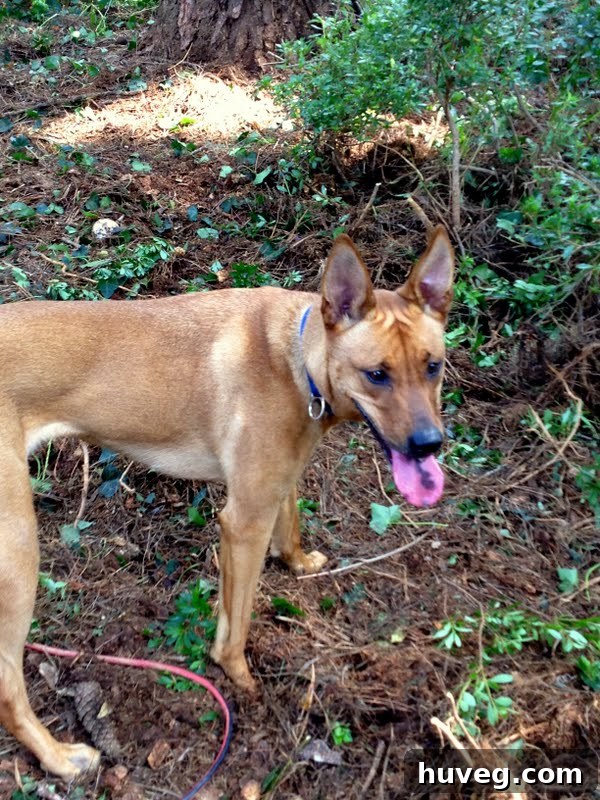
Every great project deserves a proper send-off, and for me, that often means a cameo from my furry companion. And of course, Charlie had to make an appearance to mark the end of a very productive week.
Happy weekend, everyone! It’s not often I get to preview upcoming projects, especially when they’re usually only half-finished. But next week, I’m thrilled to share some exciting “before and after” transformations that will truly showcase the impact of these efforts. Tackling invasive plants like ivy can seem daunting, but with the right tools, a clear strategy, and a bit of determination, reclaiming your outdoor space is entirely achievable. Stay tuned for more updates on our journey to cultivate “The Enchanted Forest” into the serene haven it’s meant to be!