Effortless Grout Protection

Effortlessly Seal Your Grout: A Comprehensive DIY Guide
For many homeowners, the thought of tackling a home improvement project like grout sealing can conjure images of messy, time-consuming tasks filled with unpleasant odors. I once harbored similar misconceptions, expecting a daunting ordeal. To my pleasant surprise, the reality of sealing grout couldn’t have been simpler or more straightforward. This guide will walk you through the process, debunk common myths, and empower you to protect your tiled surfaces with confidence.
Understanding Grout and the Imperative of Sealing
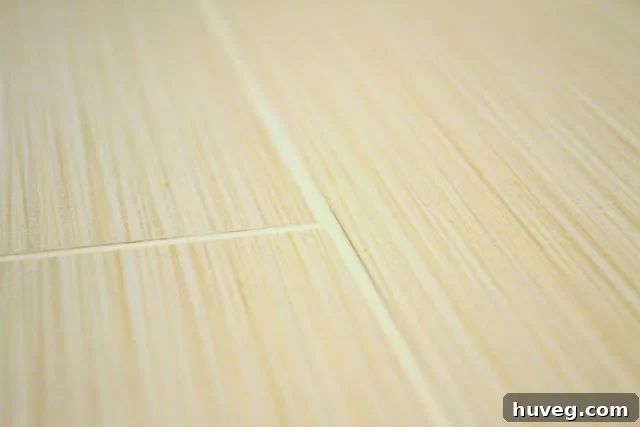
When I first ventured into the world of tile selection, a crucial piece of information emerged: the necessity of grout sealant. Grout, the material that fills the spaces between your tiles, is inherently porous. This porosity makes it highly susceptible to absorbing liquids, dirt, grease, and grime, leading to unsightly stains, discoloration, and even the growth of mold and mildew. While porcelain tiles themselves are often incredibly durable and stain-resistant, requiring minimal protection, the grout lines are the Achilles’ heel of any tiled surface. Varieties of porous tiles, such as natural stone, also demand robust sealing for both the tile and the grout to maintain their integrity and appearance over time.
Sealing grout creates an invisible barrier that significantly reduces its porosity. This protective layer acts as a shield, preventing staining agents from penetrating the surface. More importantly, it helps repel moisture, which is critical in wet areas like bathrooms and kitchens. By keeping moisture out, sealed grout not only stays pristine and vibrant longer but also contributes to a more hygienic environment by inhibiting microbial growth. Neglecting to seal your grout can lead to premature degradation, making your beautiful tile installation look aged and worn long before its time.
Demystifying Grout Sealer Types: Additives vs. Surface Sealants
Navigating the options for grout protection can be confusing, as there are primarily two distinct approaches available on the market:
- Grout Additives (Integral Sealers): These products are formulated to be mixed directly into dry grout powder, replacing a portion or all of the water during the mixing process. The idea is that as the grout cures and dries, the additive integrates itself within the grout matrix, forming a protective membrane from within. Proponents suggest this method eliminates the need for a separate sealing application after the grout has cured, offering a convenient all-in-one solution.
- Surface-Applied Sealants (Penetrating Sealers): This is the traditional method where a liquid sealant is applied directly to the surface of the grout lines after the grout has fully cured. These sealants penetrate the grout, creating a durable, invisible barrier that repels water and stains. They can be used on both pre-mixed grout and grout that was initially mixed with water. Surface-applied sealers are further categorized into water-based and solvent-based formulas, each with its own drying times and application characteristics.
My decision leaned heavily towards treating the grout lines after curing, a choice influenced by several practical and experiential factors:
Why Choose a Surface-Applied Grout Sealer: A Comprehensive Rationale
1. Trust Your Gut and Sidestep Aggressive Sales Pitches: During my initial research, I encountered store clerks who aggressively pushed the additive product, often with a condescending tone that instantly raised my skepticism. Over years of undertaking various home projects and receiving conflicting advice, I’ve learned to trust my instincts. While not an indictment of the product itself, overly forceful sales tactics are often a red flag, prompting me to explore alternatives. Relying on your intuition and seeking balanced opinions is a valuable strategy in any DIY endeavor.
2. Dispelling the “Forever” Fallacy: Research vs. Claims: My online research into grout additives revealed a mixed bag of opinions, particularly concerning their “forever” sealing claims. Many users reported that even with additives, their grout eventually stained, suggesting either improper application or limitations in the product’s long-term effectiveness. If an additive doesn’t provide indefinite protection, then the eventual need for re-sealing means there’s little practical difference compared to starting with a surface sealant. The consensus seemed to lean towards surface sealants offering a more predictable and verifiable level of protection.
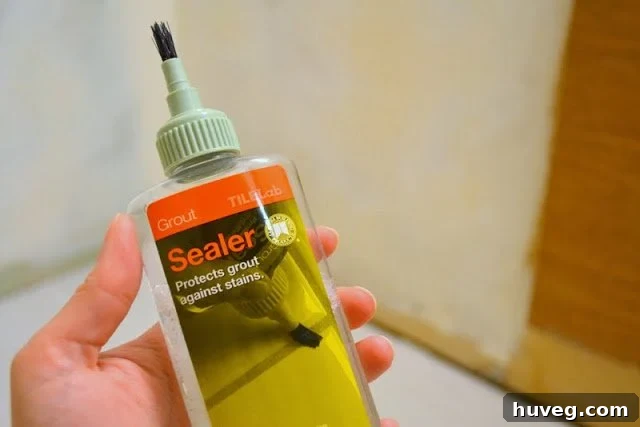
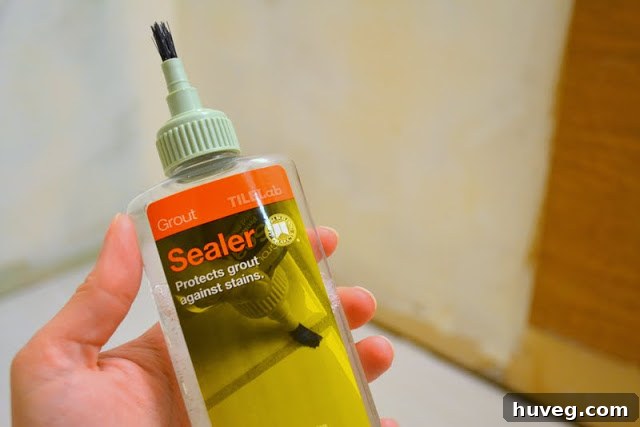
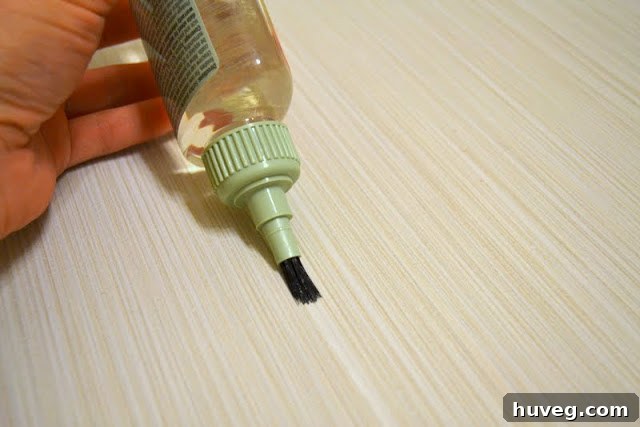
3. Unparalleled Ease of Application: Precision and Simplicity: Unlike the meticulous mixing required for grout additives, where exact specifications are paramount and errors can compromise the entire batch (a particular concern for a first-time grout job like mine), surface sealants offer remarkable simplicity. Many come with a nifty applicator brush, much like a giant bottle of nail polish. This direct, visual application method makes the process incredibly user-friendly and almost foolproof, even for novices. The ability to see where you’re applying and control the coverage provides immense peace of mind.
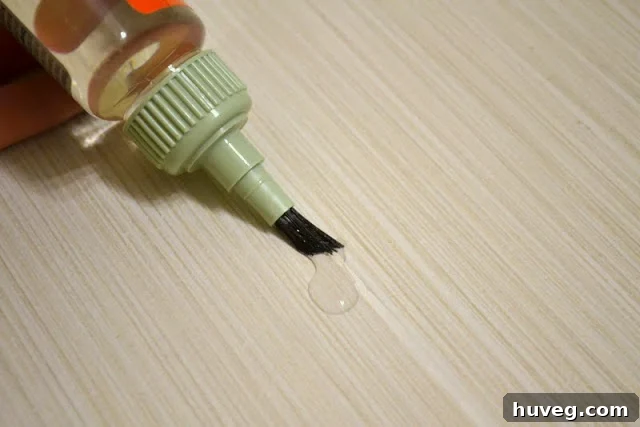
4. Efficiency and Immediate Gratification: The actual application of a surface sealant is surprisingly quick. The process involves applying the liquid generously along the grout lines, allowing it to soak in for approximately 15 minutes, and then wiping off any excess from the tile surface. A second coat, applied after a brief waiting period (usually around 30 minutes), typically completes the job. This entire process took me less than an hour, consuming only a small amount of liquid and a wad of paper towels. The immediate visual improvement and the knowledge that the grout is protected offer a satisfying sense of accomplishment.
5. Professional Endorsement and Industry Standards: I consulted several seasoned tilers and flooring professionals, all of whom had years of experience in the field. Not a single one suggested using a grout additive. While this isn’t to say additives are entirely ineffective, it does highlight a preference among experienced tradespeople for the proven performance and control offered by surface-applied sealers. It could be argued that additives are a newer innovation and not yet universally adopted, but the consistent advice from experts underscored the reliability of traditional methods.
6. Adherence to Manufacturer Guidelines: Finally, and perhaps most decisively, the specific bag of grout I was using explicitly instructed against the use of additives, recommending plain water for mixing. For once, I made a concerted effort to read and follow the instructions to the letter. This simple act of compliance removed any lingering doubt and solidified my choice for a post-curing surface sealant application.
The Step-by-Step Grout Sealing Process: A DIYer’s Guide
Embarking on the grout sealing journey is straightforward when you follow these clear steps:
1. Preparation is Paramount: Clean and Dry
Before you even think about applying sealer, ensure your grout lines are impeccably clean and completely dry. Use a good quality grout cleaner and a stiff brush to remove any dirt, grime, or soap scum. Rinse thoroughly with clean water to remove all cleaning solution residue. Allow the grout to dry for at least 24-48 hours, or even longer in humid environments. Moisture trapped beneath the sealer can lead to a cloudy appearance or prevent the sealer from adhering properly. Address any necessary grout repairs before cleaning.
2. Selecting Your Grout Sealer
Choose a high-quality penetrating grout sealer. These are typically available in water-based or solvent-based formulations. Water-based sealers are generally easier to clean up and have less odor, while solvent-based sealers might offer deeper penetration and quicker drying times in some cases. Always read the manufacturer’s instructions carefully, as specific drying and curing times can vary significantly between brands.
3. Application Technique: Generous and Controlled
Equip yourself with the appropriate applicator. Many sealers come with a small brush built into the cap, similar to nail polish, or you can use a small artist’s brush, a foam brush, or a specialized grout sealer applicator bottle. Apply the sealer generously and evenly along the grout lines. The goal is to saturate the grout without pooling excessively on the tile surface. Work in small sections to ensure you can manage the application effectively before the sealer begins to dry.
4. Allow for Penetration: The Soaking Time
After application, allow the sealer to penetrate the grout for the time specified by the manufacturer, typically 5-15 minutes. During this period, the grout absorbs the protective liquid, forming the barrier within its pores. Do not let the sealer dry on the tile surface during this stage.
5. Wiping Away Excess: Avoid Haze
This is a critical step! After the recommended penetration time, use a clean, dry cloth or paper towels to thoroughly wipe off any excess sealer from the tile surface. If left to dry on the tiles, the sealer can create a hazy, dull film that is extremely difficult to remove. Change cloths frequently to avoid reapplying removed sealer. Pay extra attention to textured or matte tiles where haze can be less obvious.
6. Second Coat (Optional but Highly Recommended)
Most manufacturers recommend a second coat for optimal protection, especially in high-traffic or wet areas. Wait the prescribed time between coats (usually 30 minutes to an hour) before applying the second application, repeating steps 3-5. This ensures maximum saturation and a more robust seal.
7. Curing Time and Testing the Seal
Allow the sealed grout to cure fully before exposing it to heavy moisture or foot traffic. Curing times can range from 24 hours to several days, depending on the product and environmental conditions. Once cured, you can test the seal by dropping a few beads of water onto the grout. If the water beads up and sits on the surface, your grout is properly sealed. If it soaks in, another coat might be necessary.
Maintaining Your Sealed Grout for Lasting Beauty
Sealing your grout isn’t a “set it and forget it” task, but it significantly simplifies maintenance. For daily cleaning, use pH-neutral cleaners specifically designed for tile and grout. Avoid harsh acids or abrasive cleaners, which can degrade the sealer over time. Regularly sweep and mop to prevent dirt buildup that can prematurely wear down the seal.
To determine when your grout needs re-sealing, perform the water bead test annually. If water no longer beads on the grout surface but soaks in, it’s time to reapply. The frequency of re-sealing depends on factors like grout porosity, traffic levels, and cleaning routines, but typically ranges from every 1-3 years.
Conclusion: Empowering Your DIY Journey
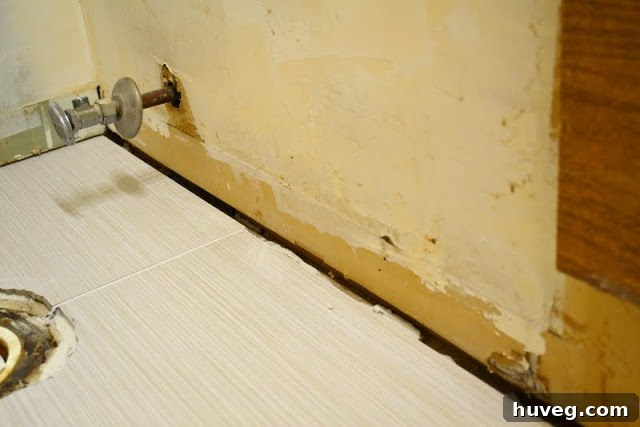
Reflecting on my initial apprehension, I realize that the decision to use a surface-applied sealer, while stemming from a mix of personal conviction and practical reasoning, led to a fantastic outcome. My grout is now impeccably sealed, protected against the rigors of daily life, and looks as good as new. This simple, hour-long task has transformed a potential headache into a point of pride, leaving only one other part of the floor to address before I can move on to the walls.
Grout sealing is an accessible and highly rewarding DIY home improvement project that every homeowner with tiled surfaces should consider. It’s an investment in the longevity, cleanliness, and aesthetic appeal of your home. So, what easy yet impactful project are you ready to tackle next?