Construct a Superior Bee House Free Detailed Plans

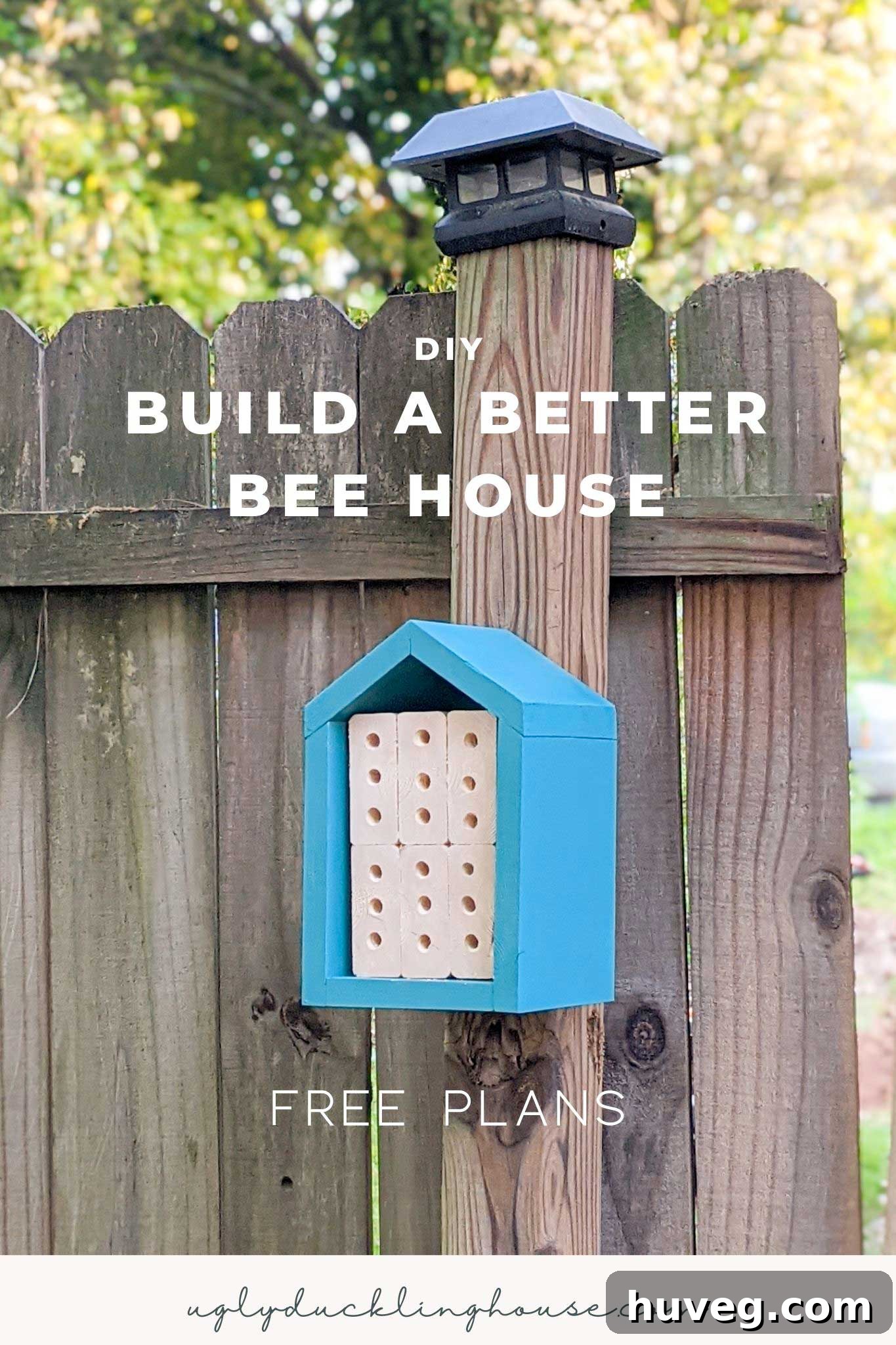
Build a Better Bee House: Your Guide to Supporting Solitary Bees and Boosting Garden Health
What started as a straightforward home improvement task — removing bee-infested porch railings and revamping the entryway — quickly evolved into a fascinating journey into the world of bee conservation. For years, carpenter bees had made themselves at home in my old porch railings, leaving behind tell-tale trails of sawdust and wood pulp. While their persistent drilling was an annoyance, observing their perfectly uniform tunnel entrances sparked a curiosity that would soon transform my perspective from pest control to pollinator protection.
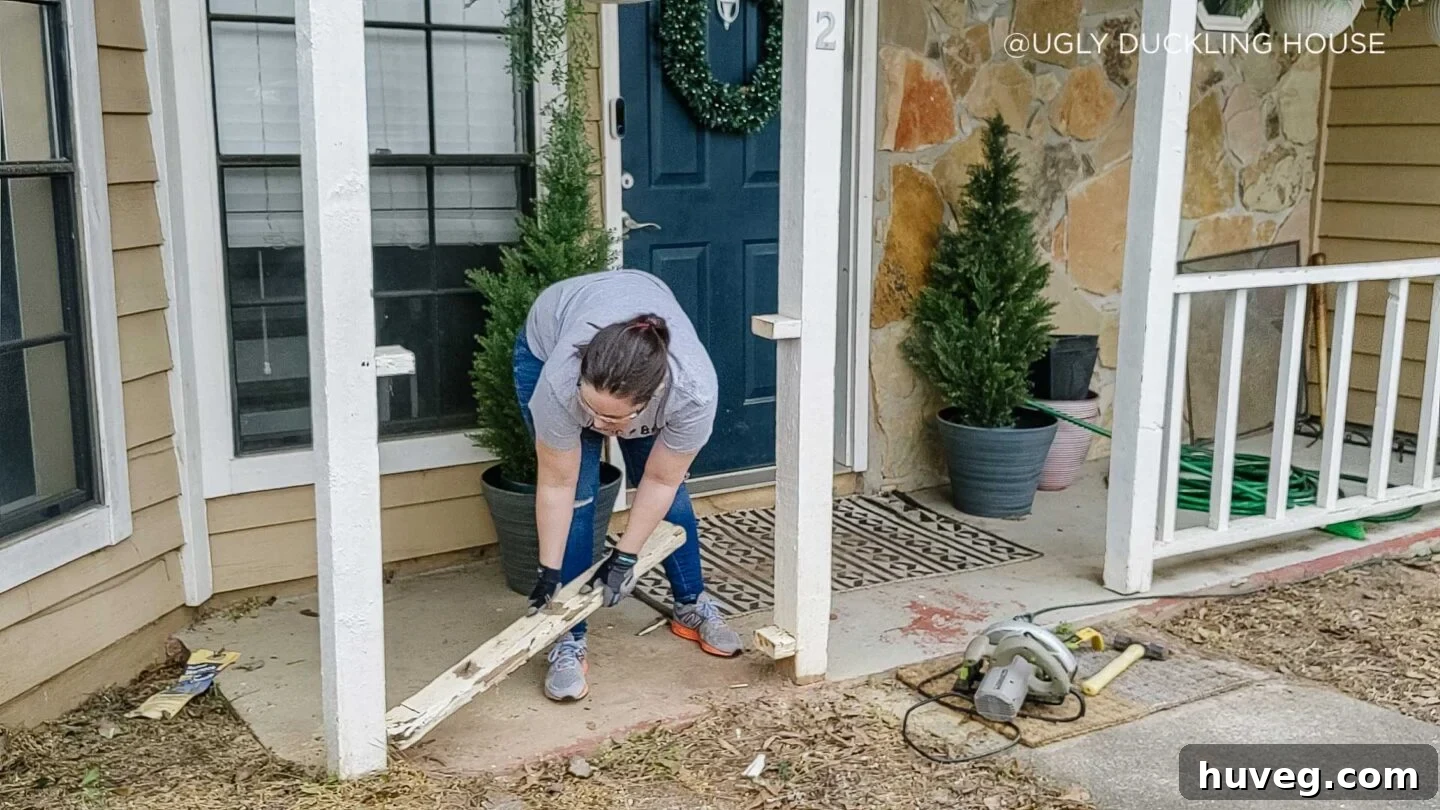
The plan to replace the railings and wrap the posts in cedar had been on my to-do list for ages. It was only when I finally tackled the project that I fully appreciated the extent of the damage, and the intricate craftsmanship of these tiny architects. My friend Brittany from Pretty Handy Girl even shared in my excitement as I documented the process on Instagram – that’s the kind of DIY camaraderie we love!

A simple message from a follower sparked an idea: “What about re-housing the bees? They’re fantastic pollinators for your garden!” This seemingly small suggestion opened up a world of discovery. My initial thought was to quickly construct one of those charming bee hotels I’d seen at garden centers from scrap wood. A quick, easy solution – providing a new home for pollinators without resorting to harmful chemicals, and even offering free plans to fellow DIY enthusiasts. A win-win, I thought.
But then, curiosity got the better of me. A brief search for “mason bee facts” quickly spiraled into a deep dive, revealing a wealth of information far beyond my initial expectations. What I discovered about building effective bee habitats was enlightening, challenging many common assumptions about commercial bee houses. This isn’t just a simple craft project; it’s an opportunity to create truly beneficial structures that support our local bee populations. So, grab your favorite beverage, settle in, because we’re about to delve deep into the fascinating world of solitary bees and how to build a truly better bee house.
(If you’re eager to jump straight into the building process, feel free to scroll down to the DIY section or use the table of contents below for quick navigation.)
In This Post
- Why Most Commercial Bee Hotels Miss the Mark
- Understanding Our Solitary Pollinators
- Crafting Optimal Nesting Spaces: Spacing and Depth
- The Essential Practice of Bee House Hygiene
- Protecting Bees from Pests and Predators
- Strategic Placement for Bee Success
- The Visual Appeal: Color and Bee Attraction
- Your DIY Mason Bee House: Step-by-Step Guide
- Where to Find Your Free Bee House Plans
Why Most Commercial Bee Hotels Miss the Mark
When it comes to supporting our native bee populations, thoughtful research is paramount. Many commercially available bee hotels, while aesthetically pleasing to us, often fall short of providing optimal, healthy habitats for bees. After reviewing numerous studies and articles on the efficacy of various bee house designs, it became clear that a few critical rules of thumb are essential for creating a bee home that truly fosters healthy, thriving native bee populations, mirroring their natural nesting preferences as closely as possible.
The core issue I uncovered is that our design choices are frequently driven by human aesthetics rather than the specific biological needs of bees. As a result, many mass-produced bee hotels are generalized for a wide array of species, some of which may not even be native to your local area. This generalized approach can often do more harm than good. Let’s explore these crucial distinctions in more detail.
Understanding Our Solitary Pollinators
One of the most significant insights from my research was recognizing that not all bees are created equal. While I observed carpenter bees diligently drilling into my porch, I also learned about mason bees and leafcutter bees – all solitary species with distinct habits and needs. Unlike honeybees, which live in large, social colonies with a queen and specialized roles, solitary bees work independently, much like many of us in the DIY community! Each female solitary bee builds her own nest, provisions it with pollen and nectar, and lays her eggs.
- Mason, carpenter, and leafcutter bees are examples of solitary bee species. They don’t live in hives, produce honey, or have queens. Instead, each female is a self-sufficient builder and provider for her offspring.
- Mason bees are exceptionally efficient pollinators. Often overshadowed by honeybees, the humble mason bee is a pollination powerhouse. Unlike honeybees, which meticulously collect pollen into specialized “pollen baskets” on their hind legs, mason bees gather pollen all over their fuzzy bodies. This messy method means they deposit significantly more pollen with each flower visit. In fact, a single mason bee can pollinate 95% of the flowers it visits, compared to a honeybee’s 5%. This makes them invaluable for gardens and agricultural crops.
- Solitary bees are remarkably docile. Despite their appearance, solitary bees, including carpenter and mason bees, are non-aggressive and rarely sting. While female solitary bees *can* sting, it’s a defensive last resort, and far less painful than a honeybee or wasp sting. So, while a carpenter bee drilling into your home can be frustrating, it’s a minor inconvenience compared to the threat of a social bee sting.
- Their pollination range is localized. Solitary bees typically forage and nest within a much smaller area, usually around 300 feet, compared to honeybees, which can travel up to 2 miles. This makes them ideal for supporting pollination in your specific garden or backyard, as they’re more likely to stay close to the bee houses you provide.
- Bees can recognize faces. This fascinating fact highlights their intelligence and further underscores why swatting at them is not only ineffective but also potentially unnecessary. They are aware of their surroundings.
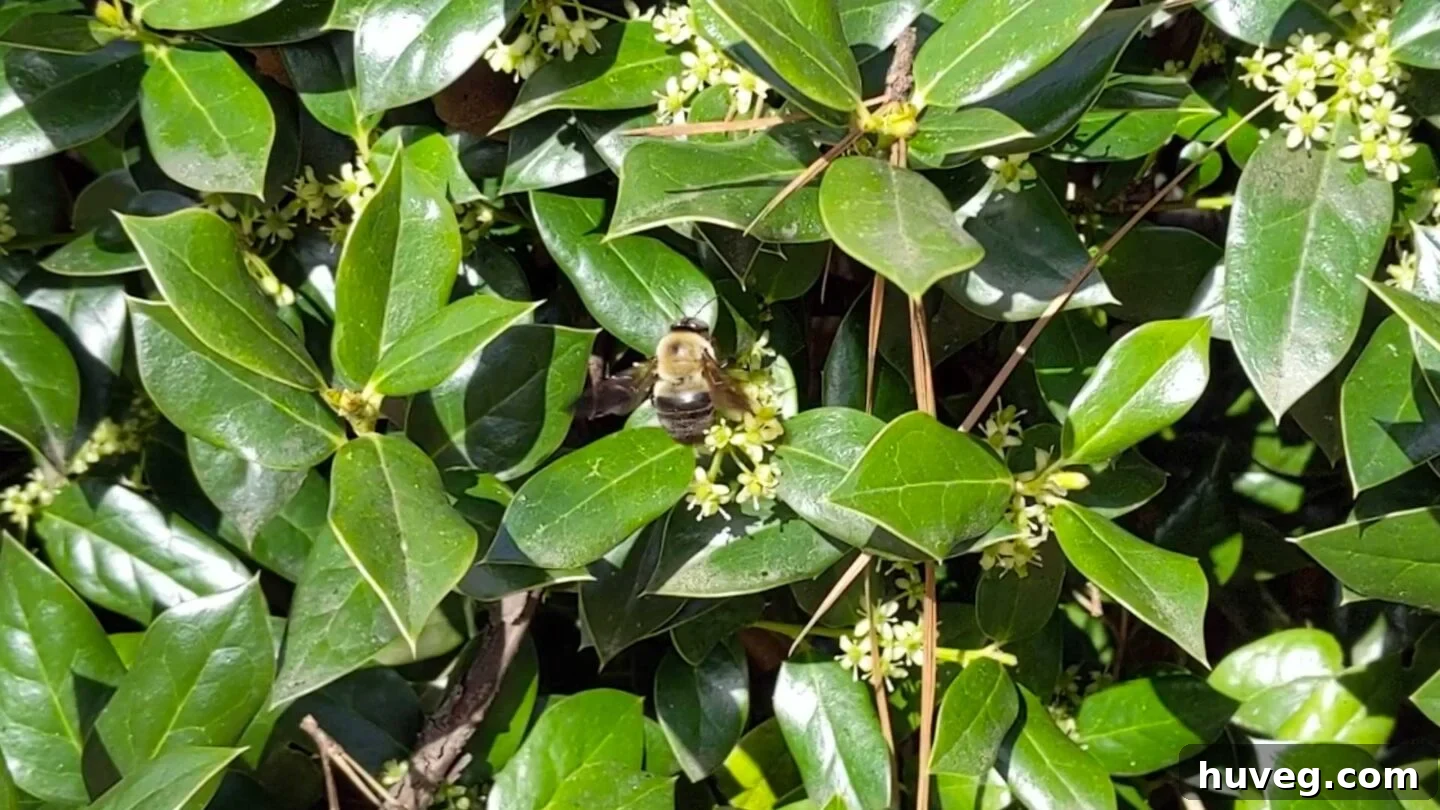
- Distinguishing carpenter vs. mason bees: Carpenter bees are typically larger, with shiny, hairless abdomens, and are known for drilling their own nesting tunnels into wood. Mason bees are smaller, fuzzier, and prefer to utilize existing holes or tunnels for their nests.
- Carpenter bees can be “lazy.” Interestingly, even though carpenter bees *can* drill their own holes, they may prefer readily available, pre-drilled tunnels. By providing an attractive and suitable bee house, you might actually deter them from boring into your porch or deck, redirecting their nesting efforts to a safer, more beneficial location.
Crafting Optimal Nesting Spaces: Spacing and Depth
Just as different bee species have unique preferences, their nesting requirements can vary significantly. Creating the ideal bee house involves carefully considering factors like hole depth, lining materials, and diameter to cater to the specific needs of local solitary bees.
- Depth of holes: The depth of nesting tunnels can influence the sex ratio of the offspring. Shorter holes tend to produce more males, while deeper holes are more likely to produce females. To support a balanced and healthy population, it’s beneficial to vary hole depths rather than making them uniform. Generally, depths of 6-8 inches are recommended for optimal results, producing a good mix of both sexes. While my original porch railings had slightly shorter tunnels, I kept this consistent for my first bee house. However, future designs will incorporate deeper holes to encourage a robust female population, which are the primary pollinators.
- Lined vs. unlined holes: The choice of lining can also depend on the bee species you wish to attract. Some species thrive in unlined wooden tunnels, preferring the natural wood texture, while others may benefit from removable cardboard or paper tubes. These linings can make cleaning easier and prevent the buildup of pathogens. The best approach is to research the types of solitary bees native to your specific region and tailor your bee house to their known preferences. Offering a mix of lined and unlined holes in separate, smaller houses can also increase the chances of attracting a wider variety of beneficial pollinators.
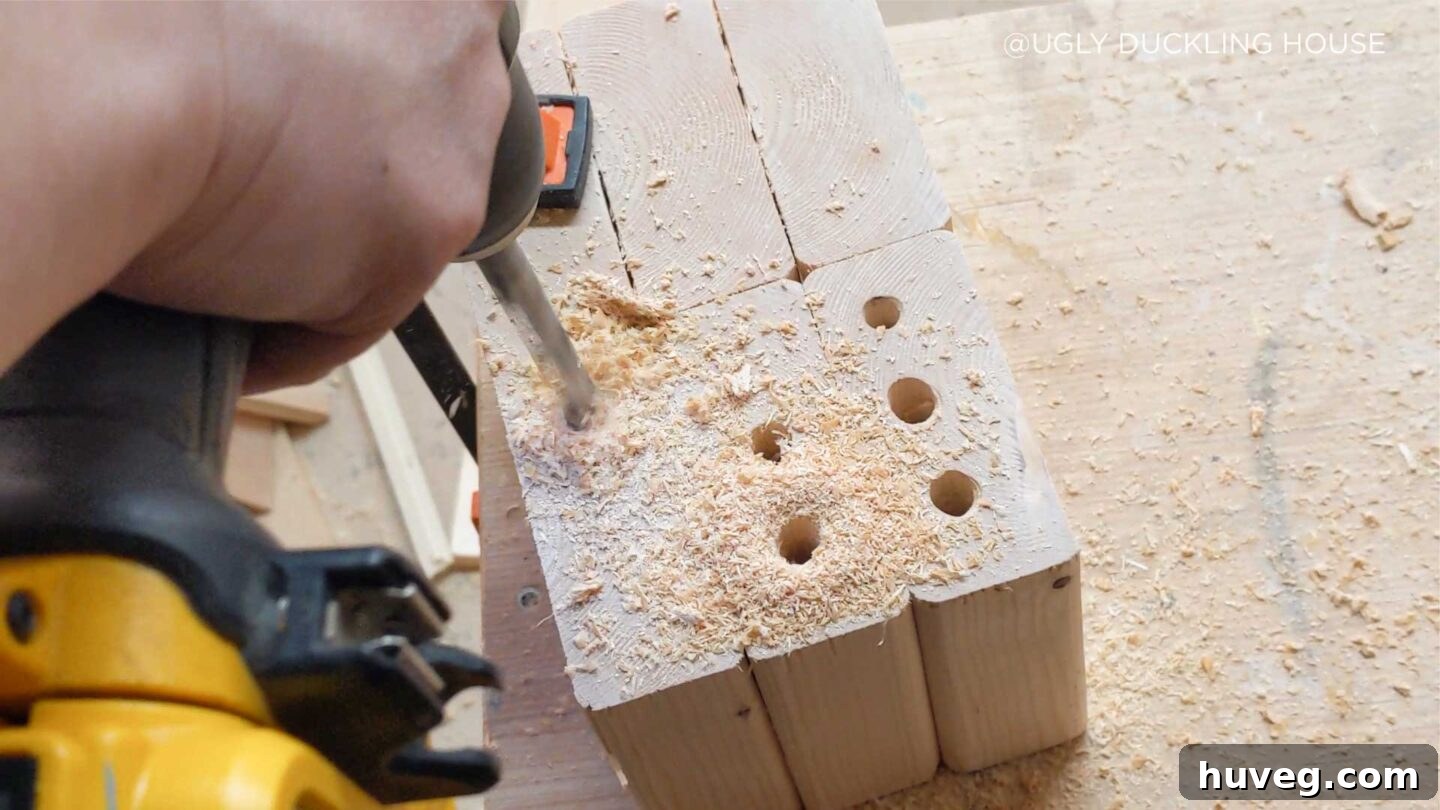
- Hole diameter: Different solitary bee species require different tunnel diameters. This was an easy factor for me to determine thanks to the samples from my old porch railing! Most online resources suggest a diameter of 5/16″ for mason bees. However, my carpenter bee tunnels were slightly larger, possibly due to repeated use over the years. When designing your bee house, consider providing a range of diameters, perhaps from 1/4″ to 3/8″, to accommodate various species, but always prioritize the sizes suitable for the most common native solitary bees in your area.
The Essential Practice of Bee House Hygiene
Perhaps the most crucial, yet often overlooked, aspect of maintaining a healthy bee house is regular cleaning and maintenance. Think of it this way: would you want to stay in a hotel that never changes its sheets? Bees, and especially their delicate larvae, are highly susceptible to diseases and parasites that can accumulate in old, dirty nesting tunnels. This single factor can make the difference between a thriving bee habitat and a breeding ground for problems.
- Annual or biennial replacement of nesting material: It is imperative to replace the nesting material every one to two years, ideally at the end of the nesting season (fall or early winter). This prevents the build-up of harmful mold, fungi, bacteria, and parasitic pollen mites. These mites feed on bee eggs and larvae, and a contaminated bee house can quickly decimate an entire population.
- Bee houses need replaceable or cleanable components: A well-designed bee house should facilitate easy cleaning and replacement. This often means using individual paper or cardboard tubes that can be removed and replaced, or wooden blocks with drilled holes that are designed to be swapped out. While some have suggested plastic straws, these are generally not recommended as bees prefer natural materials like wood or paper, which also offer better moisture regulation.
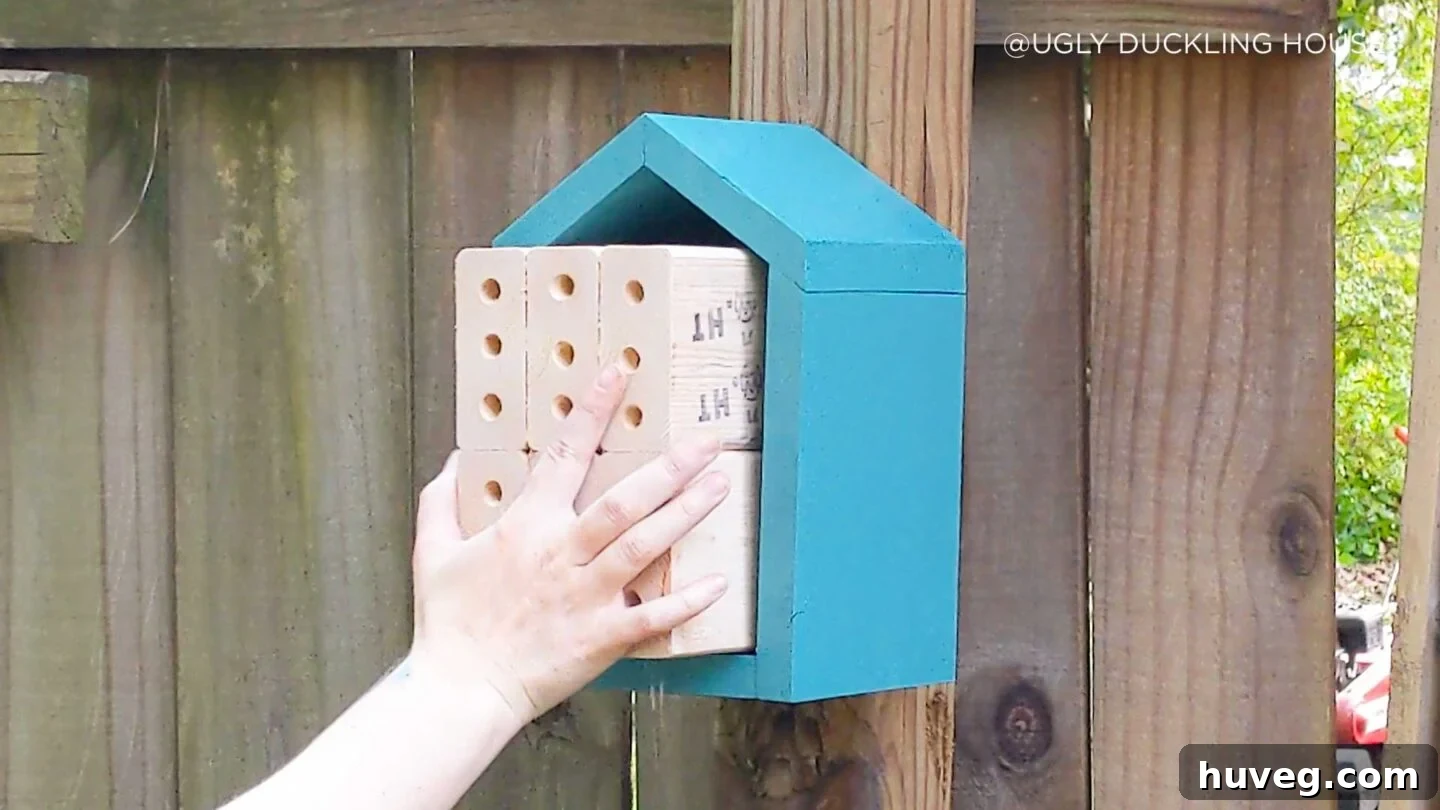
- Incorporating disposability into the design: For my DIY bee house, I opted for a design where the outer wooden structure is permanent, but the inner nesting blocks with drilled holes are easily removable and disposable. Every two years, I plan to create new nesting blocks to fit into the existing housing. This practical approach ensures a fresh, hygienic environment for each new generation of bees without the complex process of harvesting cocoons in winter, which can be time-consuming and daunting for many home enthusiasts. This design ensures that the bee habitat remains clean, preventing the spread of diseases and parasites, and ultimately supporting a healthier local bee population.
Protecting Bees from Pests and Predators
While the goal is to attract beneficial native bees, poorly designed bee houses can inadvertently become magnets for pests, parasites, and predators, potentially doing more harm than good. Thoughtful design choices are crucial to creating a safe and welcoming environment for our pollinators.
- Focus on specific identities: Avoid the “one-size-fits-all” approach of many commercial bee hotels that feature a jumble of different-sized tubes, sticks, and holes. This broad array can attract a wider range of opportunistic insects, including non-native species and predators. Instead, create smaller, more focused bee houses that cater to a few specific types of holes or one particular bee species native to your area.
- Keep bee hotels SMALL: This is a critical point emphasized by entomology experts. Many manufactured bee hotels are simply too large. Solitary bees naturally space their nests out to avoid competition and the rapid spread of disease. A large “bee condo” can lead to overcrowding, which not only stresses the bees but also makes them more vulnerable to disease and infestation. Furthermore, large clusters of nests can attract predators like wasps (which lay eggs in bee nests) and birds (especially woodpeckers), turning your bee hotel into an easily accessible “insect buffet.” Distributing several smaller bee houses throughout your garden is far more effective and safer for the bees.
- Avoid bamboo and plastic materials: While seemingly convenient, materials like bamboo and plastic do not allow for proper moisture dissipation. High humidity within nesting tunnels creates an ideal environment for mold and fungal growth, leading to the rotting of larvae and pupae. Opt for natural, breathable materials like untreated wood, paper, or cardboard tubes.
- Steer clear of glued-in nesting: For similar reasons regarding hygiene and disease prevention, avoid bee houses where nesting blocks or reeds are permanently glued in place. This makes it impossible to clean or replace the nesting material, leading to an inevitable buildup of mites and pathogens that are deadly to bee larvae. Always choose designs that allow for easy access, removal, and replacement of nesting components.
- Always include a protective overhang and a solid back: A properly designed bee house must include a significant overhang to protect the nesting tunnels from rain and moisture, which can lead to mold and rot. A solid back also provides insulation and prevents pests from entering from behind. While my initial bee house had a modest overhang, future designs will feature even deeper overhangs to ensure maximum protection. This consideration also ties into hole depth; deeper holes require more substantial overhead protection.
Strategic Placement for Bee Success
The location of your bee house is just as important as its design. Optimal placement ensures the bees are comfortable, safe, and productive, maximizing their contribution to your garden’s health. Solitary bees are known to be quite loyal to successful nesting sites, often returning to the same general area year after year.
- Stability is key – avoid hanging from strings: A bee house must be mounted securely and rigidly. Do not hang it from a string or wire where it can sway in the wind. Constant movement can dislodge delicate eggs or larvae from their pollen provisions, leading to their demise. Mount your bee house firmly against a fence, wall, or sturdy post using screws or brackets.
- Morning sun exposure for warmth: Position your bee houses to receive direct morning sunlight. The warmth from the sun helps adult bees emerge earlier in the spring, energizing them for foraging and nesting activities. It also aids in the development of the larvae within their cocoons. However, it’s important to avoid prolonged exposure to harsh afternoon sun, especially in hot climates, which can overheat the nests. A location that gets morning sun and partial afternoon shade is often ideal.
- Proximity to food and water sources: While solitary bees have a smaller foraging range, placing your bee houses near a diverse array of native flowering plants (for pollen and nectar) and a shallow water source (like a bird bath with pebbles) will make the habitat more attractive and supportive.
- Face different directions (if possible): While the exact reason I noted this slipped my mind, a general principle in bee behavior is that distinct visual cues can help bees navigate and return to their specific nests. Facing multiple smaller bee houses in slightly different directions might aid individual bees in orienting themselves, especially if you have several houses in close proximity.
The Visual Appeal: Color and Bee Attraction
While we might appreciate a vibrant red bee house, bees perceive colors very differently from humans. Understanding bee vision is crucial for choosing exterior colors that genuinely attract and guide them to their new homes.
- Bees see a different color spectrum: Did you know bees can see color, but not in the same way we do? They are sensitive to ultraviolet light, blue, and green, but they cannot see red. For bees, red appears as black or a very dark gray, which they might perceive as a shadow, a threat, or simply an uninviting void. Therefore, painting your bee house in red or orange tones could actually deter them.
- Avoid dark colors: Dark colors, in general, should be avoided as they absorb more heat, potentially overheating the nests, and may also appear less distinct or confusing to bees.
- Recommended colors for bee houses: Entomologists often recommend painting bee houses in shades of blue, purple, white, or light yellow. These colors are highly visible and attractive to bees. Blue and purple are particularly good choices as they mimic the colors of many nectar-rich flowers.
- Color for navigation and recognition: Beyond attraction, color also plays a vital role in bee navigation. Different colors can help individual bees recognize their specific bee house and even particular nesting holes within a structure. If you’re building multiple smaller bee houses, painting them in a variety of attractive colors can aid the bees in orienting themselves and returning to their exact nest location. My first house is blue, and I plan to use various other bee-friendly colors for subsequent builds to help the bees differentiate.
Your DIY Mason Bee House: Step-by-Step Guide
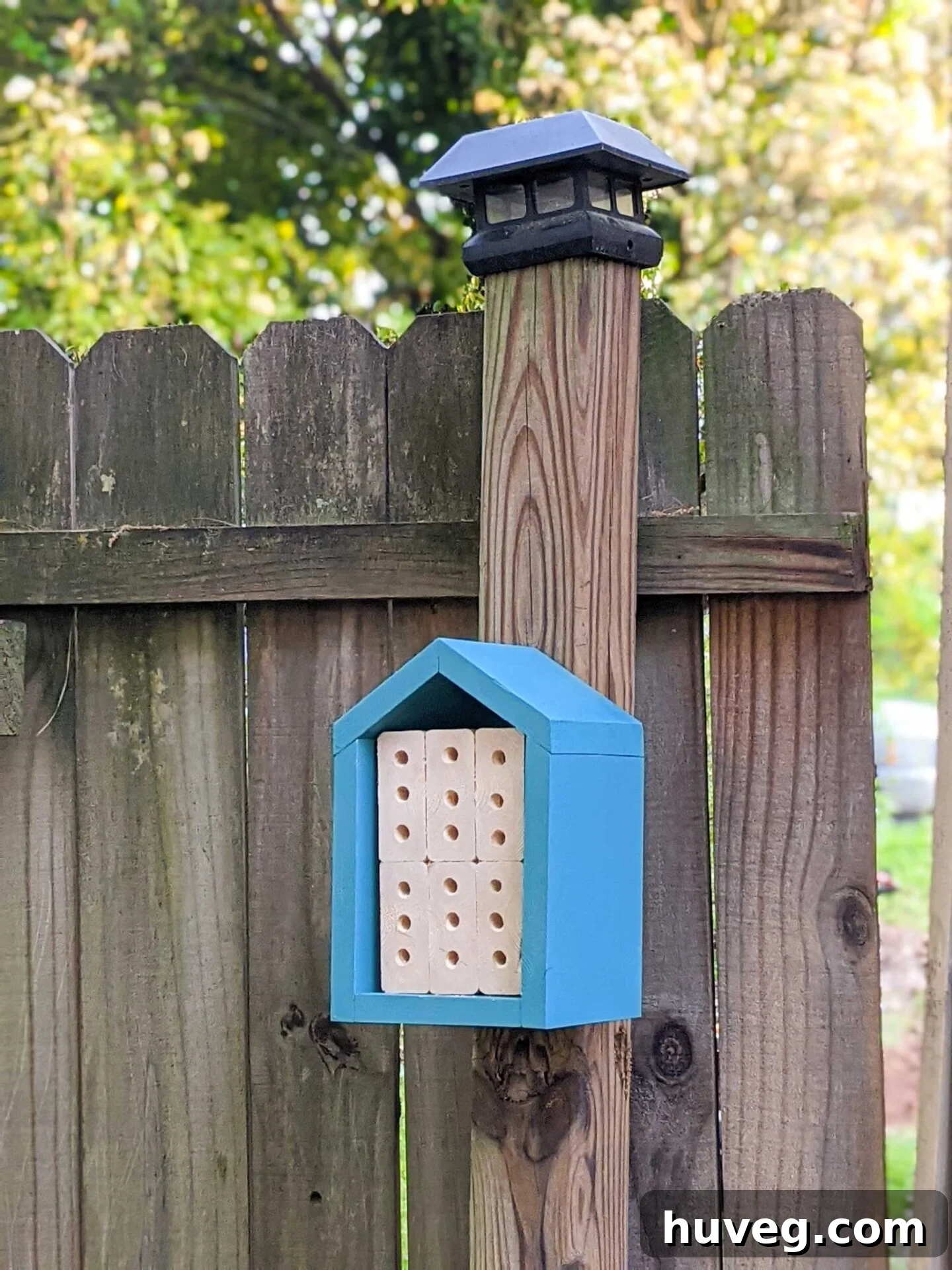
Armed with extensive research on optimal bee habitats, I pivoted from my initial idea of a single, large bee hotel to constructing several smaller, species-specific houses. This approach aligns with expert recommendations for preventing disease and attracting a wider variety of solitary bees. Most of these houses are crafted from salvaged scrap lumber, primarily pine, giving each one a unique character. I also intend to paint them in distinct, bee-friendly colors to further assist bees in recognizing their individual nesting sites.
I’m excited to share the free plans for this functional and sustainable DIY mason bee house. Below, you’ll find a concise video tutorial and detailed steps, courtesy of Krylon (who sponsored this project on my Instagram, a disclosure I always make for transparency). This project demonstrates how simple materials and informed design can create a truly beneficial addition to your garden.
A quick note: while I’ve done my best to provide thorough and accurate information based on my research and personal observations, I am not an entomologist. This guide is based on readily available knowledge for home gardeners seeking eco-friendly solutions. I chose spray paint for the exterior protection, ensuring the interior wood remains untreated and safe for bees. I understand that DIY projects can sometimes attract differing opinions, but my hope is that this guide empowers you to foster a healthier garden ecosystem and encourages a more symbiotic relationship with our beneficial insect friends. Let’s shift our perception from “pests” to vital pollinators! Enjoy creating a haven for your local bees!
Materials & Tools
- Miter saw (for precise angle cuts)
- Safety gear: Safety glasses, hearing protection, breathing mask
- Spray paint (in bee-friendly colors)
- Outdoor wood glue (such as Titebond II or III)
- Drill
- Assorted drill bits (e.g., 5/16″ and slightly larger/smaller)
- Scrap wood (e.g., 1x6s for housing, 2x4s for nesting blocks). I opted against pressure-treated exterior wood to avoid potential chemical residues that could harm bees.
See it come to life in the video:
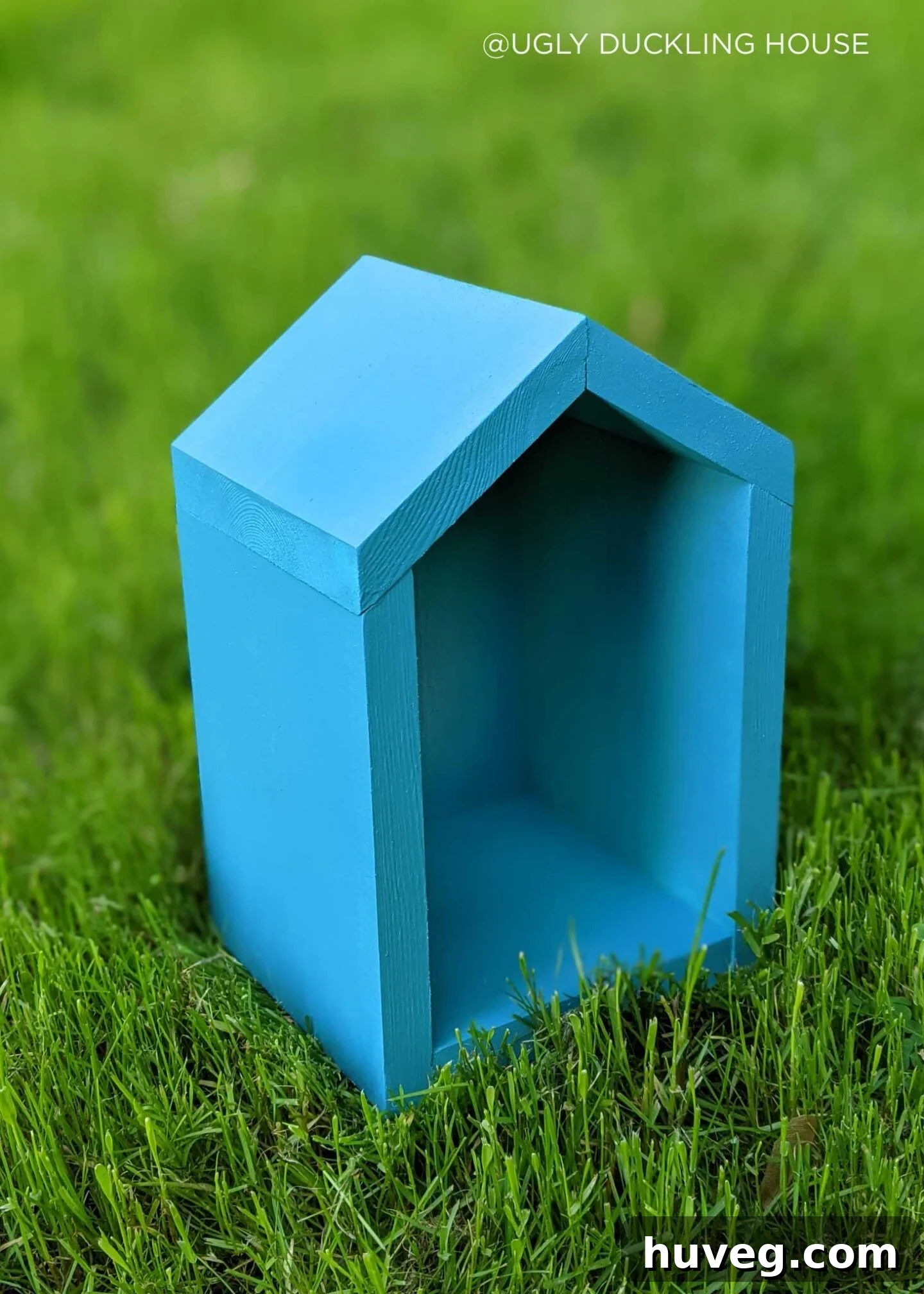
- Start by cutting your housing pieces. While I used scrap 1x6s, I highly recommend using wider boards (e.g., 1×8 or 1×10) for a more substantial overhang, offering better protection from rain. Cut two roof pieces with your miter saw set to a 22.5° bevel. This is a common preset for crown molding, providing a good angle for the roof pitch.
- Next, cut two side pieces. The tops of these pieces should also be cut to the same 22.5° bevel to align perfectly with the roof. You can adjust the height of these side pieces to make your bee house taller or shorter, simply by cutting the boards longer or shorter, respectively.
- Cut a bottom piece and a back piece from scrap wood. For the back, I used leftover plywood. While plywood won’t last indefinitely when exposed to the elements, it provides a solid barrier, protecting the inner drilled nesting blocks from rain and drafts. Ensure all cuts are square for a snug fit.
- Assemble all the housing pieces together using a durable indoor/outdoor wood glue. Apply glue generously to all mating surfaces and clamp or use screws to hold them securely while the glue dries.
- Prepare your nesting blocks. Glue together several pieces of scrap 2x4s to create a solid block, then cut it to a uniform depth that fits snugly inside your assembled housing. Once dry, use your drill to create nesting holes. Aim for 5/16″ diameter holes, or slightly larger/smaller, depending on the specific native bee species you wish to attract. Remember the importance of varying hole depths (e.g., 4-6 inches deep for smaller bees, up to 8 inches for larger species) to promote a balanced bee population. Ensure the holes are clean and free of splinters.
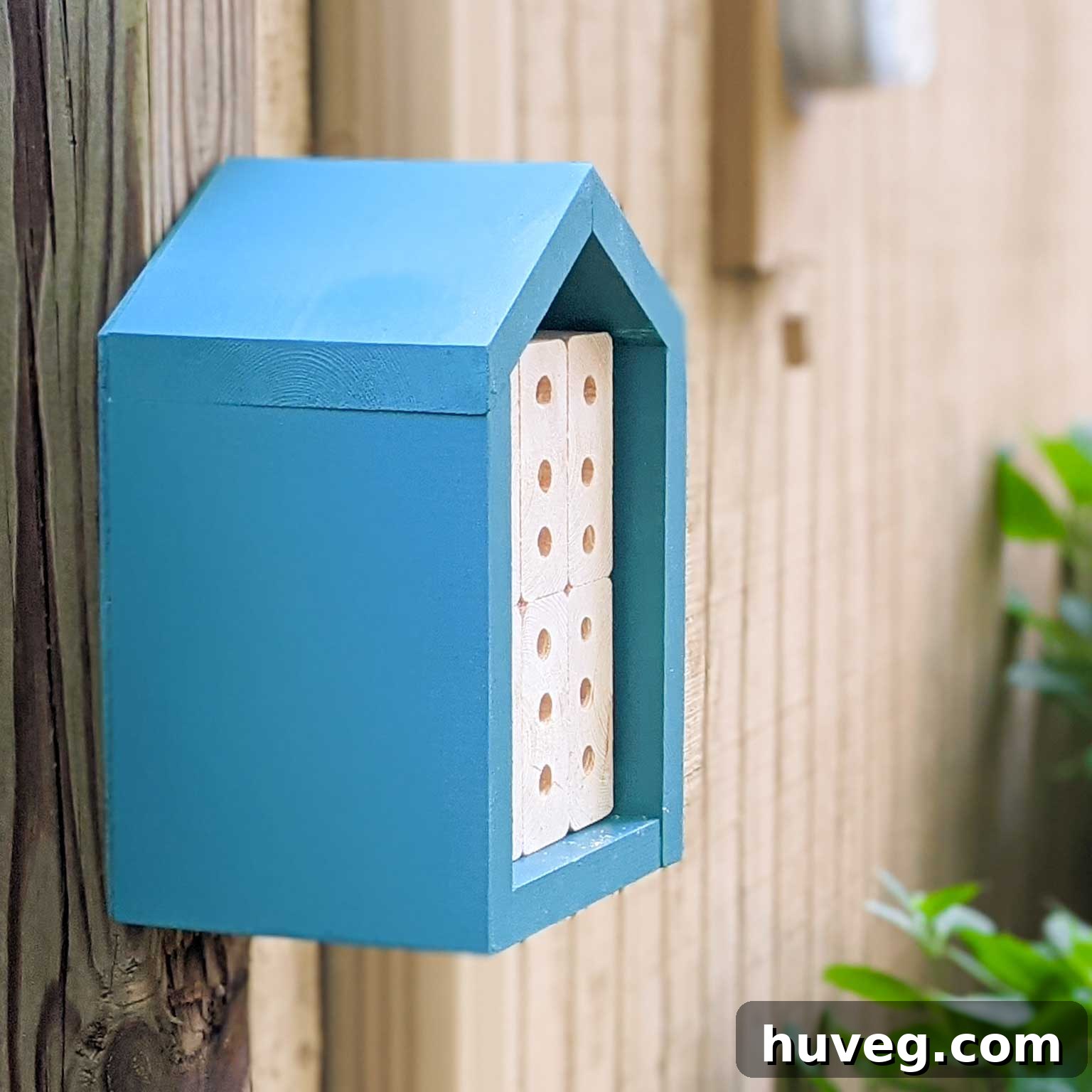
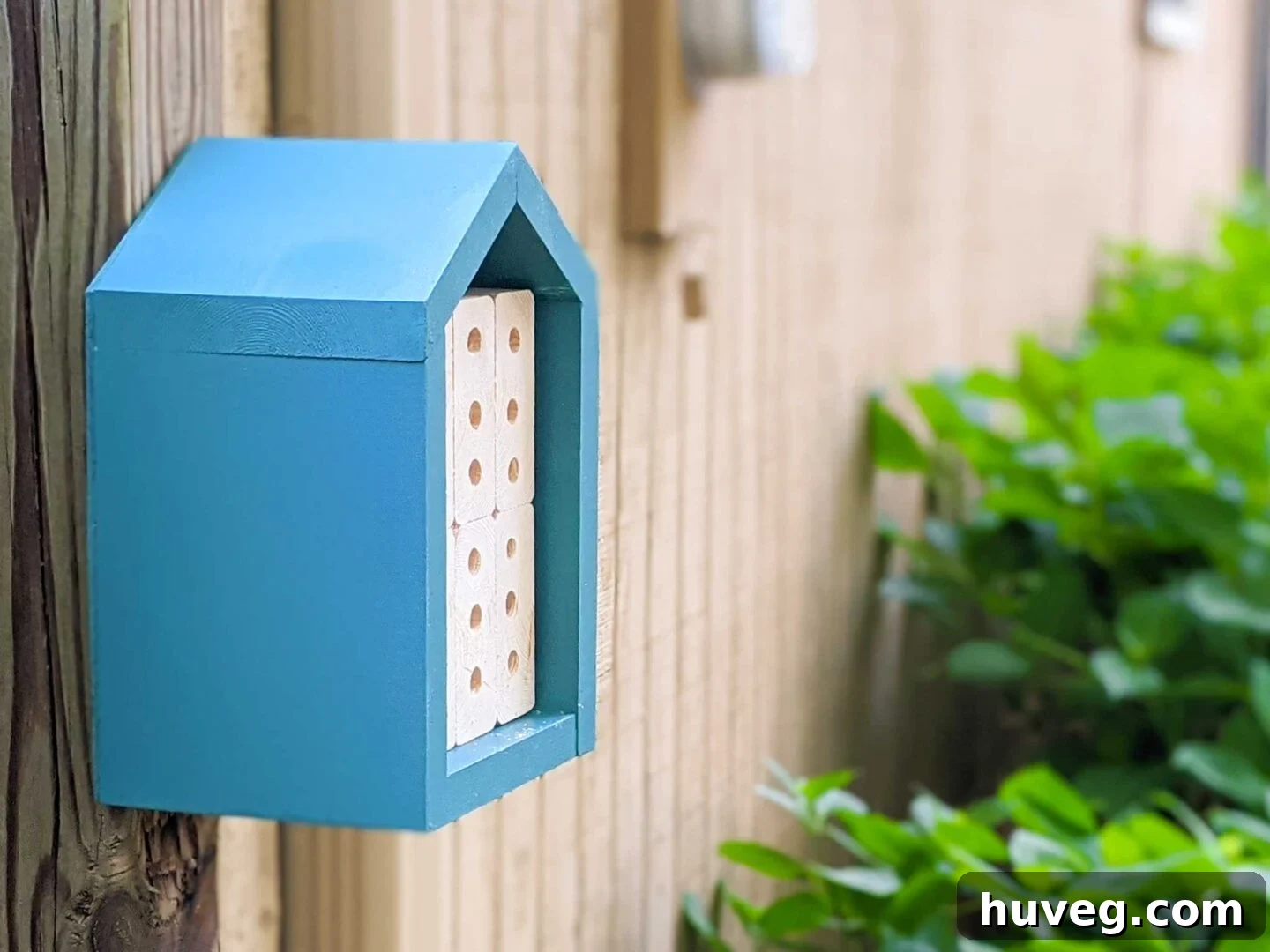
- Paint the exterior of your assembled bee house. I chose Krylon’s Rolling Surf blue, a color known to attract bees, and one that complements my new cutting garden. Crucially, *only paint the exterior*. The interior of the housing and the nesting blocks themselves should remain bare, untreated wood, as chemicals can be harmful to bees.
- Finally, hang your new bee house in a location that receives ample morning sun, mounted securely to a fence or wall (avoid hanging it from a string). Insert the drilled 2×4 nesting block into the housing. I didn’t secure my inner nesting block with screws as it fit tightly, but if you’re concerned about it shifting, you can add a small screw or two to hold it in place.
- Commit to replacing the nesting material every one to two years. This crucial maintenance step helps prevent the buildup of mold, parasites, and diseases, ensuring a healthy environment for future generations of bees.
For precise measurements and a detailed cut list, you can access the free plans for this DIY Mason Bee House in my Woodworking Plans Library. They will be available this weekend!
Update: Success! This past spring, many of the nesting holes were plugged, indicating active use by bees. I’m thrilled to observe a noticeable decrease in carpenter bee activity around my home’s eaves and front entrance, suggesting they are opting for the dedicated bee house instead. This project proves that with a little research and DIY effort, we can effectively redirect these beneficial pollinators to a safe and sustainable habitat, enhancing our gardens and supporting local ecosystems. Woo-hoo!
Enjoy your project, and don’t forget to share and pin this guide if you found it helpful!