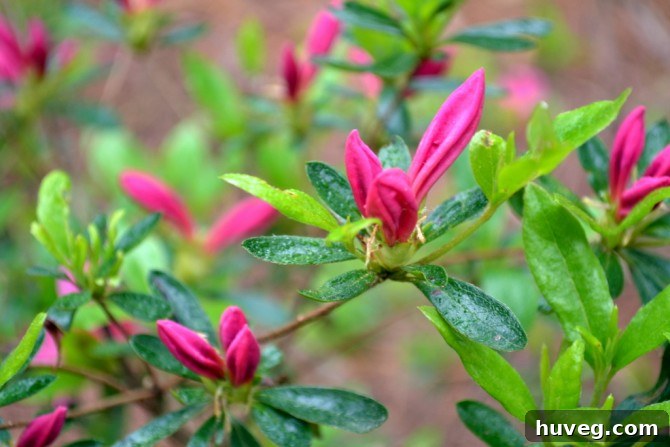
Azaleas in Bloom

From Trauma to Triumph: My Azaleas’ Remarkable Resilience and Our Backyard Transformation Journey
As a self-proclaimed novice in the vast world of gardening, my journey has been filled with more questions than answers, more tentative steps than confident strides. My recent experience with my beloved azaleas perfectly encapsulates this learning curve, transforming initial fear into unexpected delight. This spring, a dramatic turn of events left me fearing the worst for these vibrant shrubs, yet they’ve defied all expectations, blooming beautifully against a backdrop of unexpected change and new landscaping challenges. It’s no secret that my gardening skills are still very much in their infancy – perhaps even less than a beginner, more of a “plant hopeful” than a “plant expert.” Given my track record, I was more than a little fearful that the considerable trauma my azaleas experienced earlier this spring might keep them from ever blooming again. But as often happens with nature, and with learning, surprises were in store.
The Dramatic Event: Surviving the Storm
The “trauma,” as I playfully refer to it, was anything but trivial. Earlier this spring, a significant portion of a large, mature tree unexpectedly gave way, collapsing directly onto the section of my yard where these azaleas resided. The sheer weight and impact were staggering, leaving behind a scene of considerable upheaval and wreckage. I remember the immediate dread, the concern for the plants buried beneath tons of timber. My initial assessment was bleak; I truly believed these delicate-looking shrubs wouldn’t stand a chance. It felt akin to a natural disaster on a micro-scale, leaving me to wonder if my fledgling gardening efforts were doomed before they even truly began. You can imagine my horror when confronted with this scene:
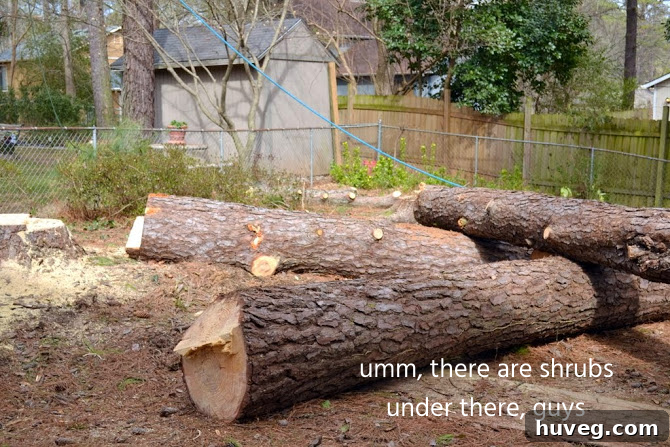
I mean, if 2,000 pounds of tree landed on top of me, I don’t think I’d be doing much of anything, either! The sheer volume of branches and wood that had to be cleared was immense, and throughout the process, I held little hope for the tender shrubs that had been crushed beneath. I fully expected to find nothing but mangled stems and broken dreams. But sometimes, plants surprise you with an inner strength you never anticipate.
The Blooming Surprise: A Testament to Nature’s Strength
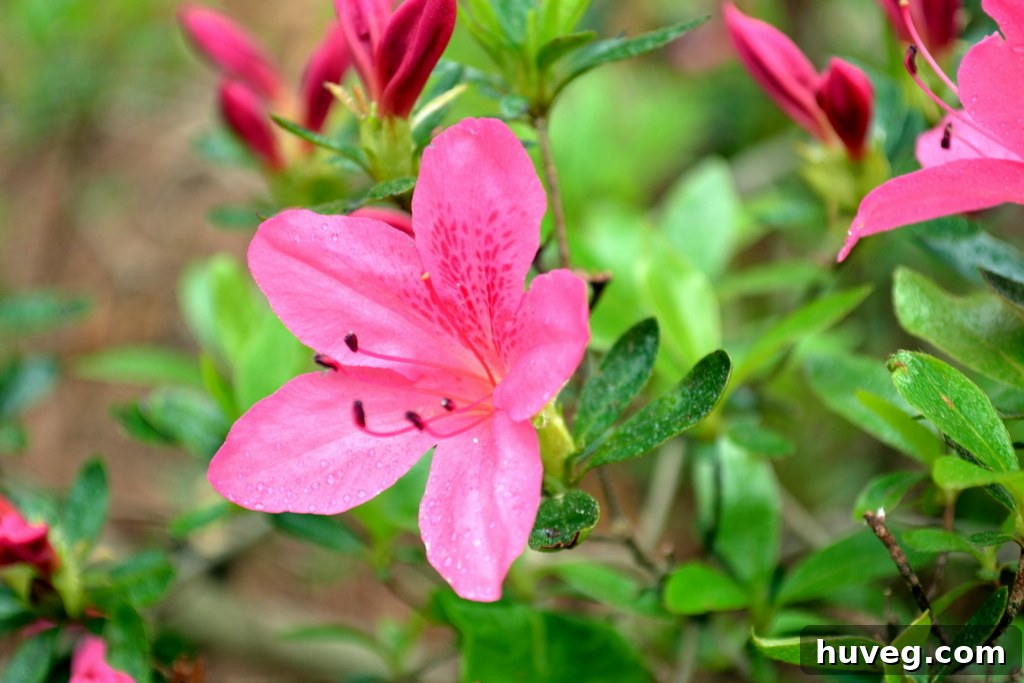
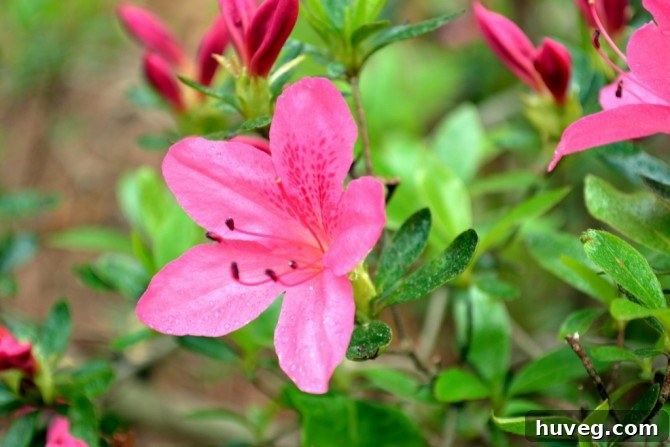
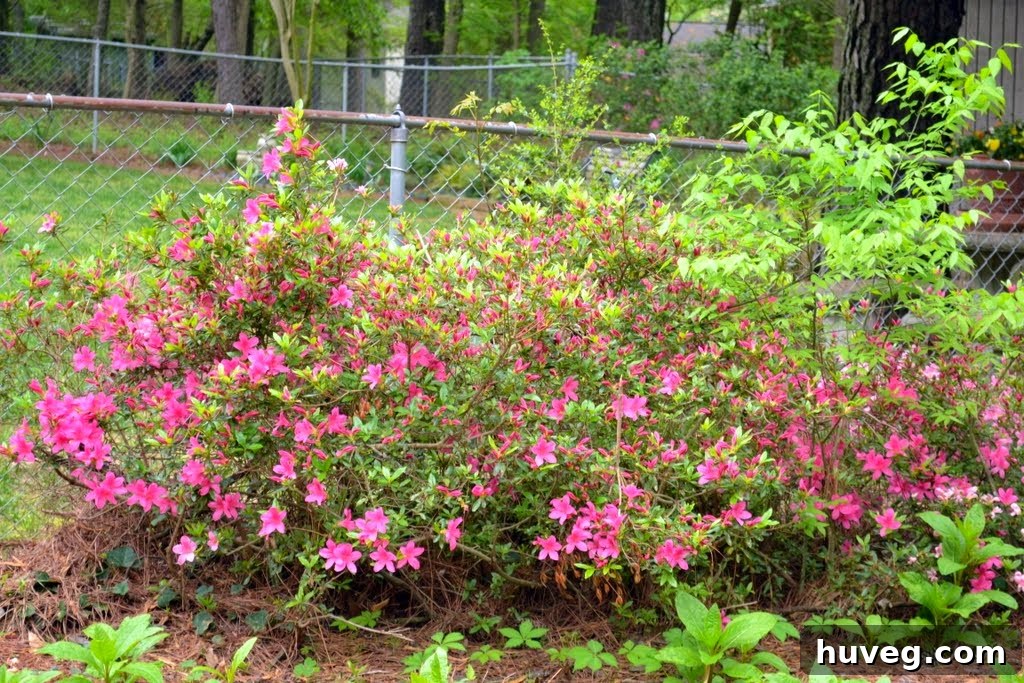
Yet, to my absolute astonishment, these resilient beauties not only survived but thrived! Emerging from beneath the debris, they have since burst into a spectacular display of color, their vibrant pink blooms painting a picture of defiance and strength against all odds. It’s a powerful reminder that nature often possesses an innate hardiness that far surpasses our human estimations. Their ability to recover and flourish has been a truly inspiring sight, proving that even in the face of adversity, life finds a way to bloom. My azaleas have taught me a profound lesson about the hidden power within the plant kingdom, turning a moment of despair into one of pure gardening joy. They truly are a lot stronger than I ever anticipated.
Rethinking the Landscape: Why My Azaleas Need a New Home
While their survival is a cause for celebration, the removal of the troublesome trees has undeniably altered the landscape of my backyard. The azaleas, once nestled beneath the canopy, now find themselves somewhat exposed and, frankly, awkwardly placed. They appear almost out of context, seemingly without a clear reason as to why they were originally put in that exact spot, especially now that their companion trees are gone. This unexpected shift has prompted a complete reevaluation of my entire backyard layout. The spots where they currently reside, while allowing them to flourish this season, no longer align with the evolving vision for my outdoor space. Thus, a new plan has blossomed: to strategically relocate these gorgeous shrubs to a more purposeful and aesthetically pleasing area. They’ve done extremely well in their current spots, which is a testament to their hardiness, but replanting them along the fence line, where some of my bigger azalea shrubs are already doing quite well, will help achieve several important goals.
Strategic Relocation: The Benefits of Moving My Azaleas
The decision to move the azaleas isn’t just about aesthetics; it’s a strategic move that will significantly benefit the overall functionality and future development of my backyard. These beautiful plants, once relocated, will serve multiple purposes beyond merely existing. The benefits are threefold, each contributing to a more harmonious, practical, and visually appealing outdoor environment:
- Help Me Better Plan the Yard for Future Upgrades: One primary motivation for this relocation is to facilitate better, more cohesive future yard upgrades. Moving the azaleas will free up valuable space and allow me to design new planting beds, pathways, or even dedicated seating areas with a clean slate. It’s about optimizing the flow and aesthetics of the entire garden, ensuring every element serves a purpose and contributes to a harmonious whole. This forward-thinking approach is crucial for any gardener, especially a beginner like myself, trying to establish a long-term vision for their outdoor sanctuary. By thoughtfully repositioning these plants, I can lay the groundwork for a truly integrated and appealing garden space that evolves with my growing gardening skills and needs.
- Hide the Metal Fencing on the Left: Secondly, and quite practically, transplanting these azaleas along the fence line will help conceal the existing, rather unsightly metal fencing on the left side of the yard. While my dream is to eventually install more aesthetically pleasing wooden fencing, it’s a significant project that isn’t feasible in the immediate future due to budget and time constraints. Until then, using dense, attractive shrubs like azaleas to create a ‘living screen’ offers an elegant and natural solution. This approach enhances visual appeal, adds a much-needed layer of privacy, and helps to soften the harsh, industrial lines of the metal, transforming a purely functional barrier into a beautiful, green backdrop that integrates seamlessly with the rest of the garden.
- Get Out of Charlie’s Way (and More Specifically, Her Long Leash): Lastly, and perhaps most importantly for daily life, the move will get the azaleas out of the way of my energetic companion, Charlie. More specifically, it will free up the space currently occupied by the long leash that I have to use to ensure she doesn’t jump my fence. Moving the azaleas will allow for a more open and unobstructed path in that area, making it easier to manage Charlie during her outdoor adventures without her leash getting tangled in the foliage or causing damage to the plants. A pet-friendly garden is a happy garden, and ensuring both my plants and my dog have their ideal space is a key consideration in my evolving landscape design. This small adjustment will significantly improve the functionality and enjoyment of the backyard for all its inhabitants, canine and human alike.
Planning the Perfect Transplant: When and How to Move Azaleas
With the decision made, the next critical step is determining the optimal time for this delicate operation. I’ve been diligently researching the best practices for transplanting azaleas, and the consensus points towards waiting until after their current bloom cycle has finished, or even better, in the fall. Moving them during these periods allows the plants to focus their energy on root establishment rather than sustaining blooms or battling intense summer heat. This foresight in timing is essential to minimize transplant shock and maximize the chances of successful re-establishment in their new location along the fence line, where some of my larger azalea shrubs are already thriving. Proper preparation will be paramount to their continued success, including carefully digging a wide root ball, enriching the new soil, and providing ample hydration both before and after the move. I’m still finishing the overall plan for how to make everything work better together, but I’ll be able to share some of my ideas with you soon, detailing the steps I plan to take for a successful transplant and a beautifully re-envisioned backyard.
Addressing the Aftermath: Tackling New Voids and Pesky Weeds
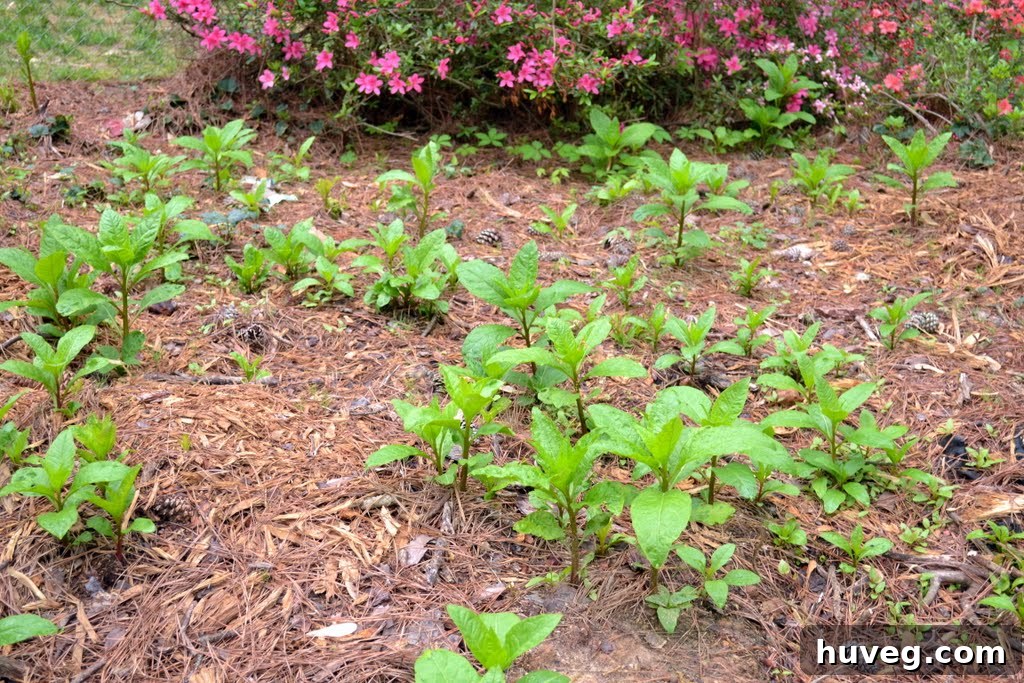
The removal of the trees has left more than just awkwardly placed azaleas; it has created significant voids in the landscape, areas now barren and ripe for opportunistic invaders. These new open spaces have quickly become the primary gathering spot for what I can only describe as a ‘backyard party for all the weeds.’ Couch grass, dandelions, broadleaf plantain, and various other unwanted flora have enthusiastically staked their claim in these sun-drenched patches. Coupled with various other debris such as mulched pine stumps, stray pine cones, and fragments of old landscaping fabric, these areas present a new and considerable challenge. Addressing these voids will be crucial for the overall health and aesthetic of the garden, transforming them from problem zones into purposeful and attractive features. My immediate plan involves thorough clearing of all debris and weeds, followed by strategic soil amendment to improve fertility and drainage. I’ll then consider introducing new, low-maintenance plantings that complement the existing garden scheme or applying a generous layer of fresh, organic mulch to suppress future weed growth. It’s a battle, but one I’m determined to win, turning these temporary eyesores into integral parts of my emerging dream garden.
Embracing the Journey: Enjoying the Present While Planning the Future
In the meantime, amidst all the planning, the research, and the impending hard work, I’m consciously taking a moment to simply enjoy the spectacular show these resilient azaleas are putting on. Their vibrant blooms are a constant source of joy and a powerful symbol of endurance, a beautiful reminder that even after unexpected hardships, beauty can flourish. Gardening, I’m discovering, is a continuous journey of learning, adapting, and celebrating small victories. It’s about being present with the plants, understanding their needs, and appreciating the incredible resilience of nature. As I continue to refine the overall plan for how to make every element of my garden work together harmoniously, from tackling new voids to perfecting the fence line, I look forward to sharing more of my evolving ideas and progress with you soon. This adventure from novice gardener to someone actively shaping their outdoor space is truly rewarding. Happy Monday, and happy gardening to all, whether you’re a seasoned pro or, like me, still happily finding your green thumb and learning lessons along the way!