Elevate Your Bathroom Style with Rustoleum Cabinet Transformations

Embarking on a DIY home improvement project can be both exciting and daunting, especially when it involves a central element like bathroom cabinets. Recently, I embarked on just such a journey, tackling my bathroom cabinets with a fresh coat of paint and a clear vision for an updated look. Following up on my initial impressions of the bathroom cabinet painting process, I’m thrilled to share the final results after applying the crucial polyurethane topcoat. This comprehensive guide will delve into the nuances of the application, reveal the ultimate finish, and offer valuable insights for anyone considering their own cabinet transformation. Join me as I explore how a simple painting kit can breathe new life into an old space, turning initial skepticism into genuine satisfaction.
Transforming Your Bathroom: A Deep Dive into Cabinet Refinishing with Rust-Oleum
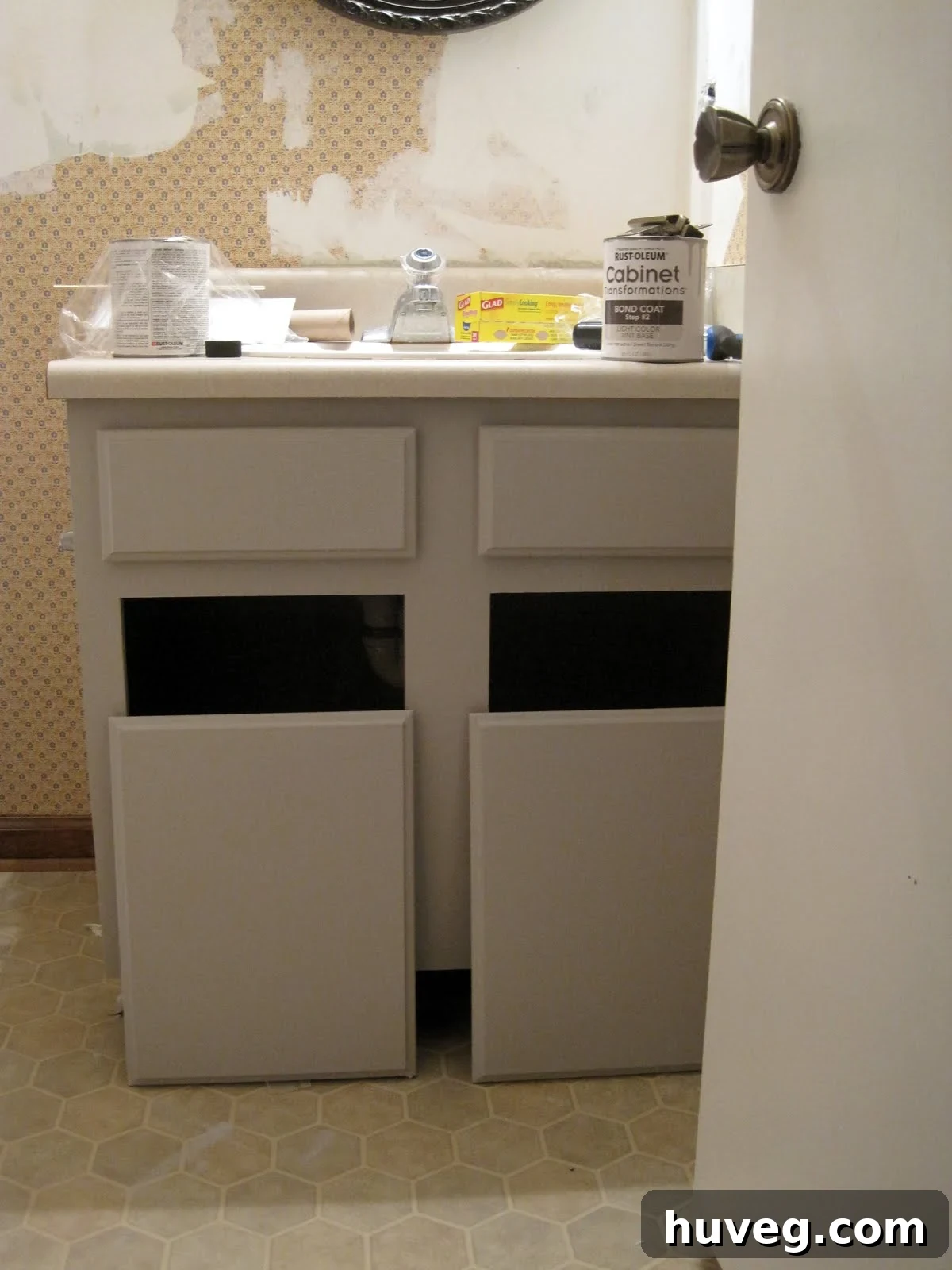
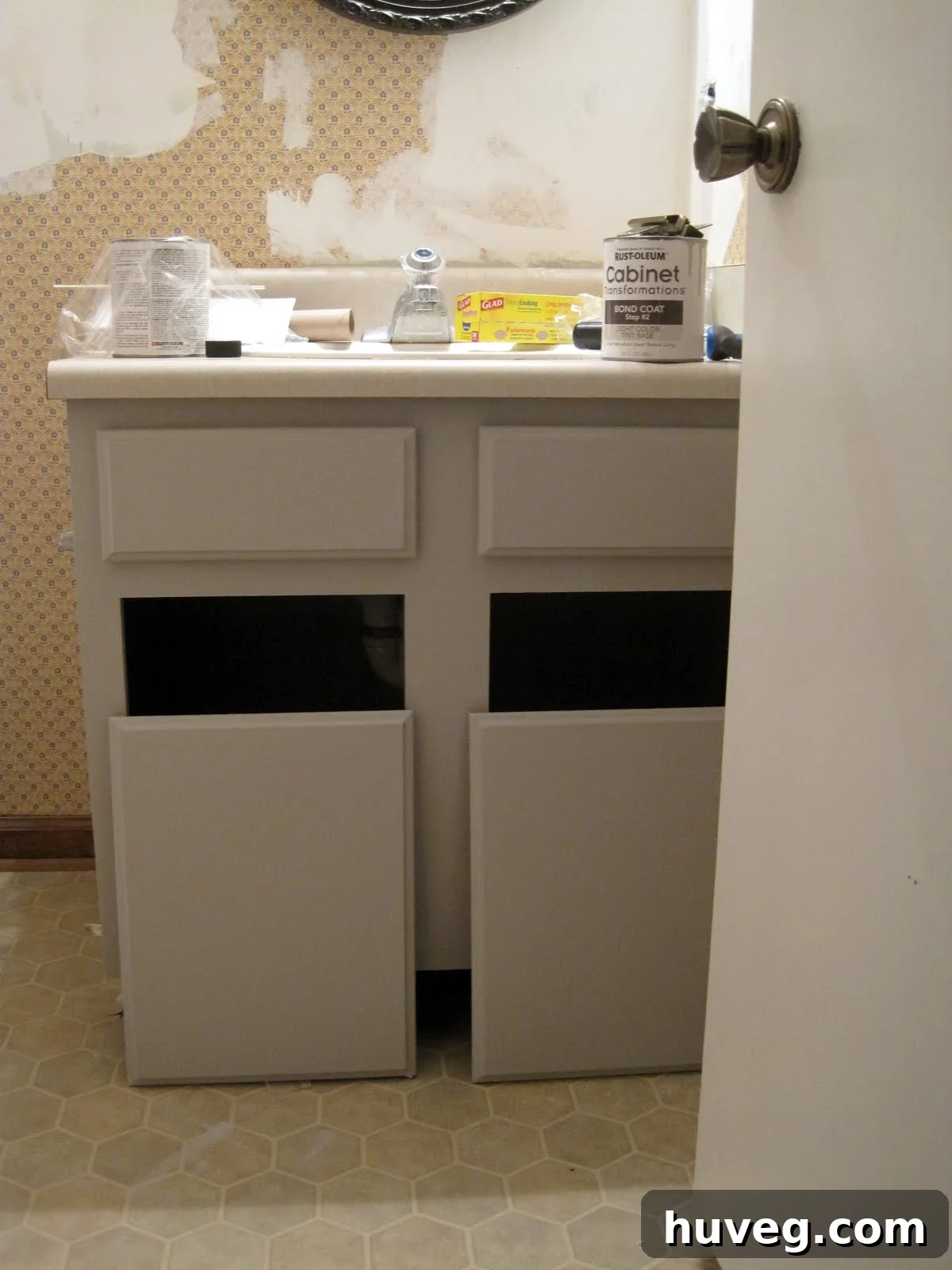
The final step in any cabinet painting project is often the most critical for durability and aesthetic appeal: the application of a protective topcoat. In my case, this involved polyurethane, a product known for its resilience and ability to enhance a finish. While the poly went on smoothly, I did observe that its consistency was thinner than anticipated, leading to a few minor drips that required quick attention. This experience underscores the importance of being prepared for unexpected product characteristics and adapting your technique accordingly. Despite this slight challenge, the polyurethane performed its magic, transforming the ultra-flat base coat into a beautiful, subtle satin sheen. This change not only added depth but also introduced a sophisticated elegance to the cabinets that was initially missing.
An interesting side effect during application was a subtle lightening of the base coat color. This unexpected shift proved advantageous, creating a clear contrast between the applied and unapplied sections. This visual guide made it significantly easier to ensure uniform coverage, even in less-than-ideal lighting conditions. I had braced myself for the possibility that adding a sheen might accentuate existing imperfections, particularly the wood grain, as shine often highlights flaws rather than concealing them. However, to my pleasant surprise, the opposite occurred. The final result after the poly cured left me feeling immensely satisfied, even joyful. Perhaps it was the ambient glow of painting during a storm-induced dimness in Atlanta, but the finished cabinets undeniably affirmed my decision to undertake this DIY transformation. While waiting for a perfectly dry, sunny day might have been ideal for the final coat, my eagerness to reassemble my bathroom and the 24-hour minimum dry time for the product (which turned into nearly 48 hours thanks to the rain) spurred me to complete the project without further delay. The immediate gratification of seeing the bathroom come together overshadowed any minor inconveniences caused by the weather.
Achieving the Desired Finish: Managing Wood Grain and Sheen
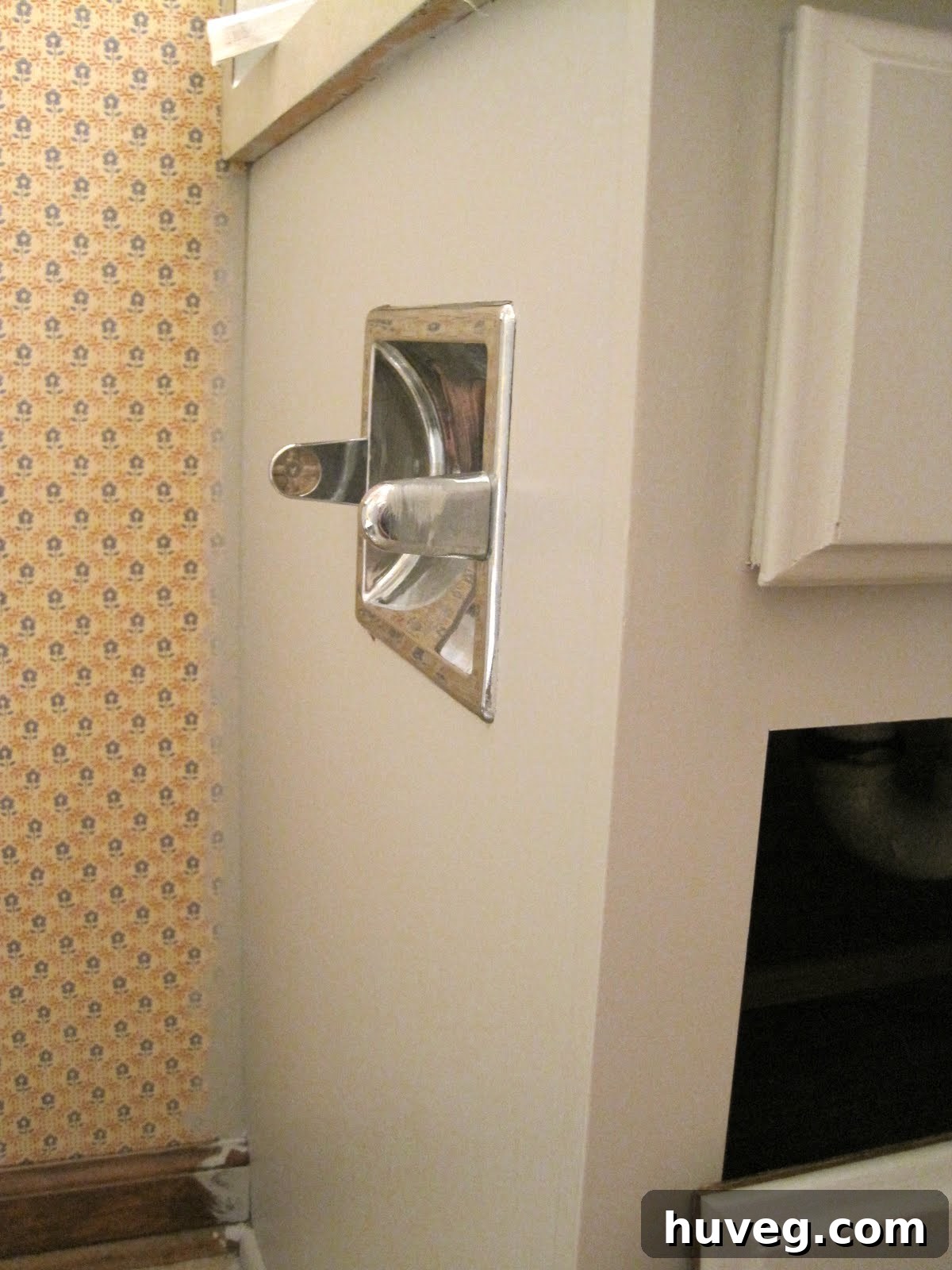
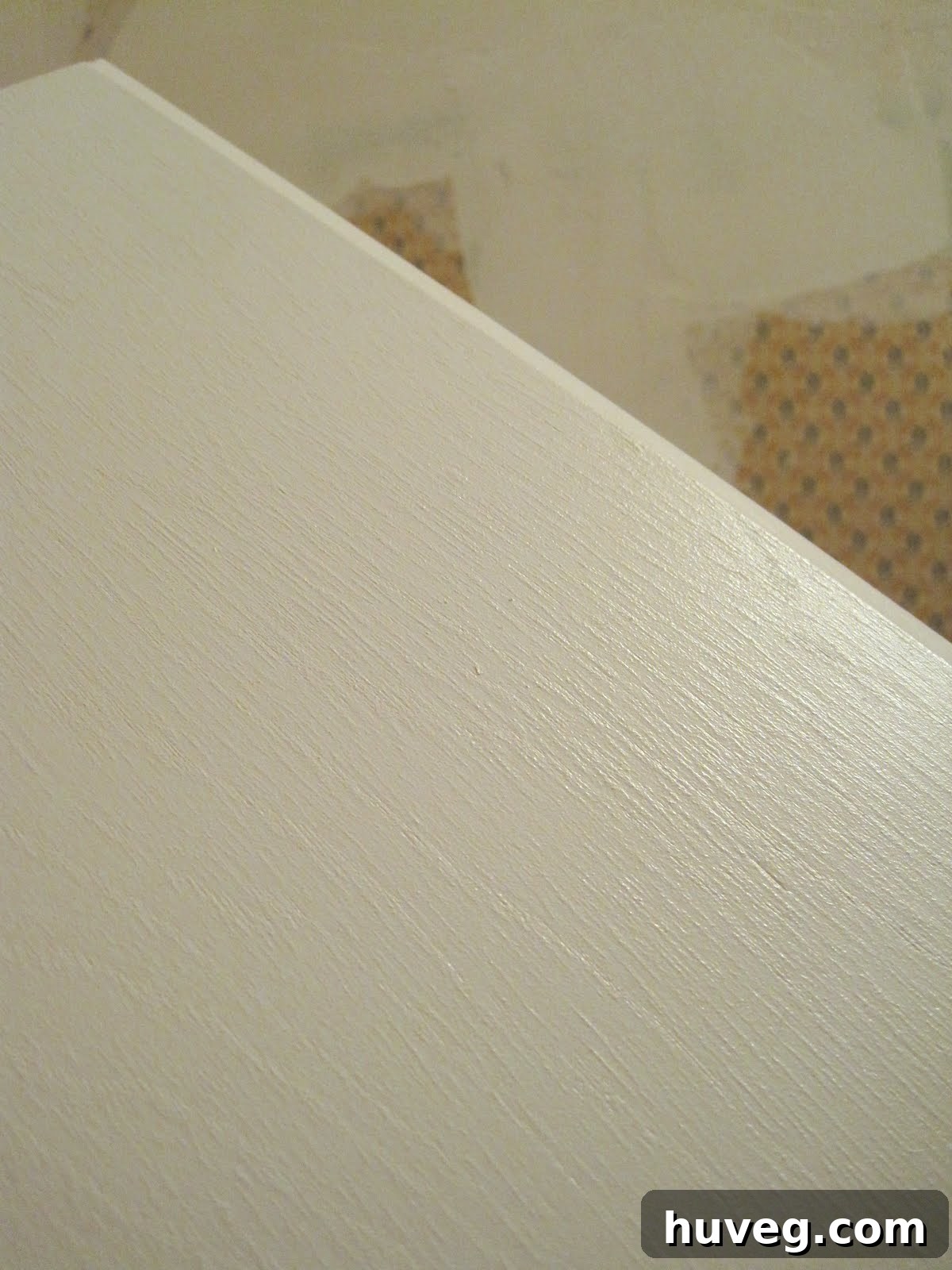
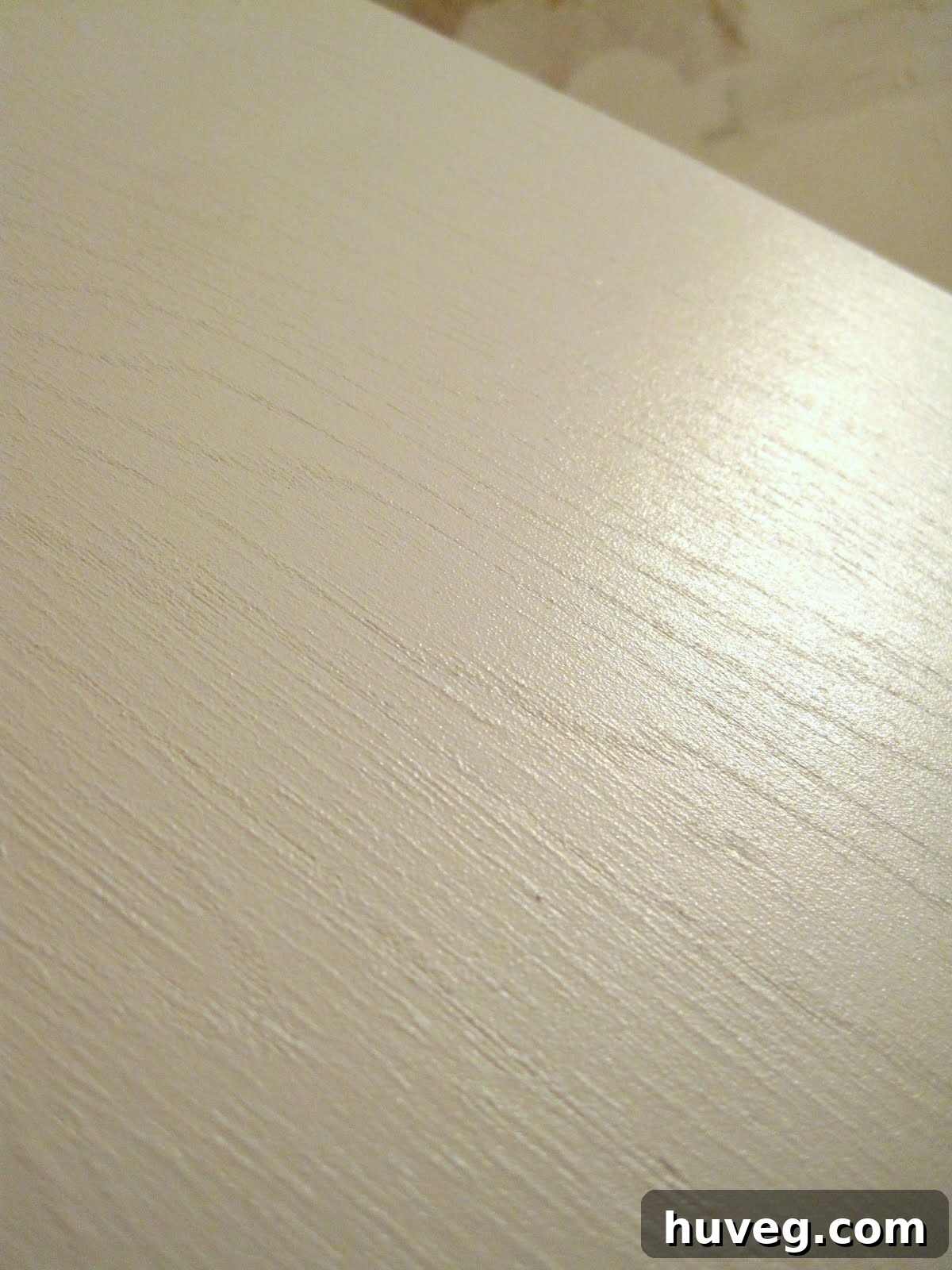
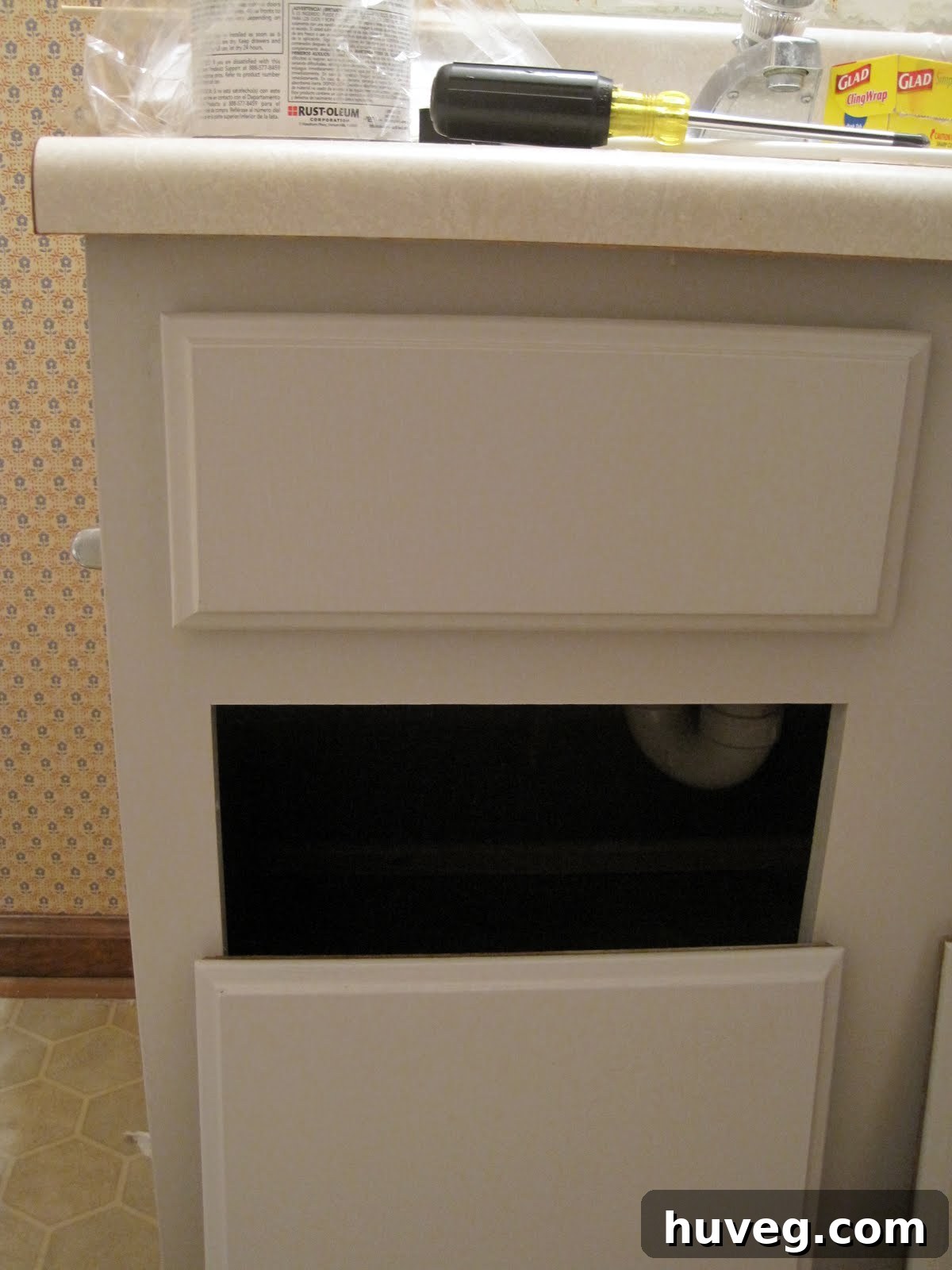
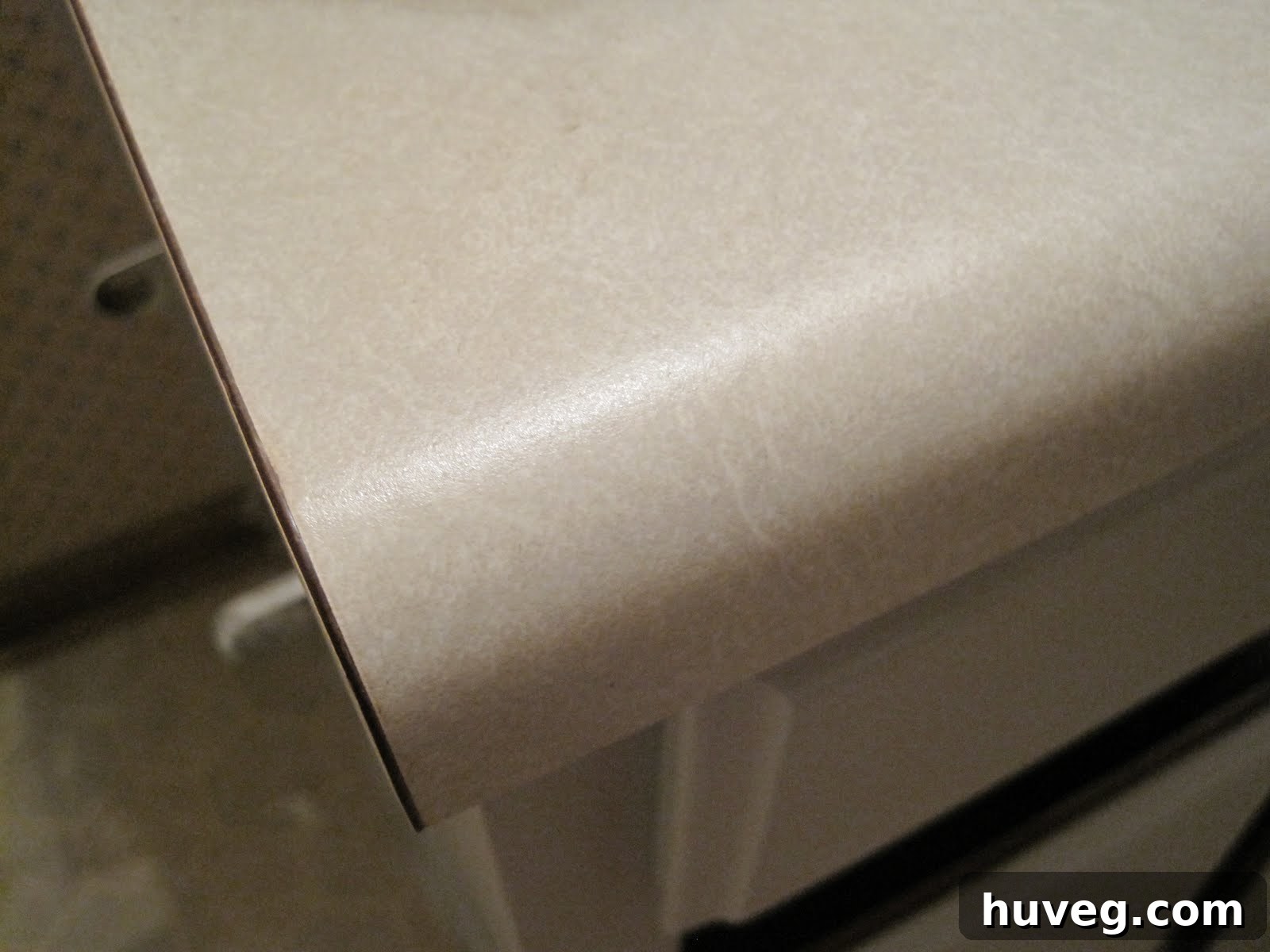
One common concern when painting over existing wood cabinetry, especially older oak, is the persistent visibility of the wood grain. As depicted in the accompanying photographs, the original wood grain remains quite discernible when illuminated by direct light. This is a characteristic feature of painting over textured wood, and while four coats of the base product successfully obscured the original oak color, the subtle texture of the grain itself still peeks through. While this outcome might not precisely align with a perfectly smooth, factory-like finish, it is a perfectly acceptable and often charming result for a DIY project. The key is to manage expectations; a complete obliteration of all wood texture usually requires extensive sanding and wood filler, steps that may go beyond the scope of a typical cabinet transformation kit. For me, the significant improvement in aesthetics and the fresh, clean look vastly outweigh the minor visibility of the grain. It retains a hint of the cabinet’s original character, seamlessly blended with its new identity.
Mastering the Polyurethane Application Technique for DIY Success
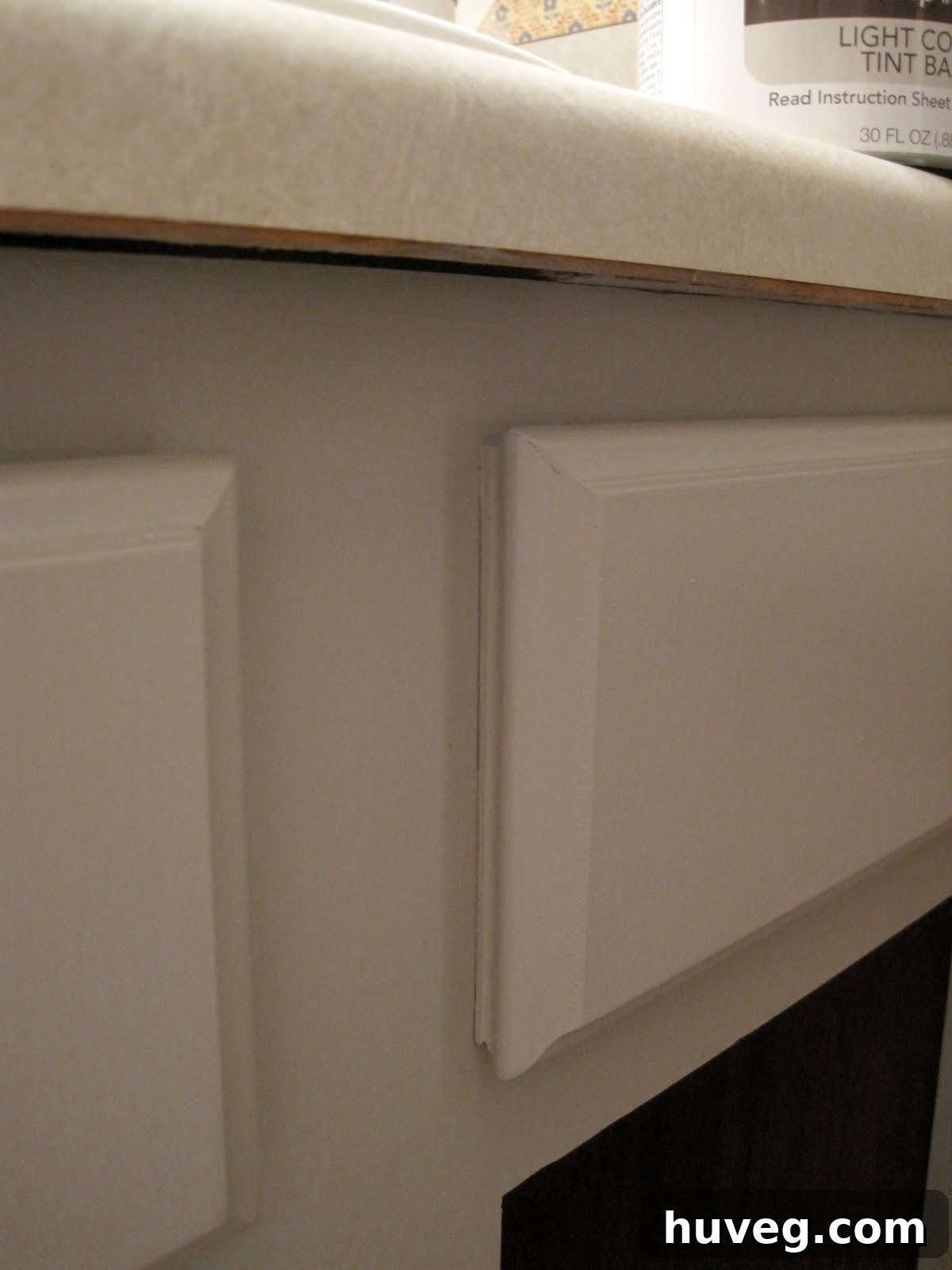
The application of the polyurethane, or topcoat, is a critical stage that demands precision and adherence to instructions. For this step, I relied solely on a 2-inch foam brush, which proved effective for achieving a smooth, even layer. The product’s instructions explicitly advised against re-brushing any area that had already begun to dry, emphasizing the importance of a single, decisive pass over each section. This guideline is crucial for preventing unsightly brush marks, streaks, and uneven texture in the final finish. To avoid compromising my meticulously applied base coats, I concentrated on working quickly and efficiently, ensuring that any drips or areas of over-application were immediately addressed before the poly had a chance to set. This methodical approach, coupled with the proper tool, significantly contributed to the overall professional appearance of the refinished cabinets. Using a foam brush minimizes visible brush strokes, making it an excellent choice for achieving a smooth, factory-like finish in DIY projects.
Beyond the Paint: The Broader Impact of a Cabinet Transformation Kit
It’s fascinating how quickly perceptions can shift. My initial impressions of this cabinet transformation kit, formed during the earlier stages of the project, were somewhat reserved. However, with the final coat now applied and the cabinets fully cured, my opinion has undergone a complete turnaround. The finished result is far more impressive and satisfying than I had originally anticipated. This newfound appreciation means that I no longer feel the urgent need to save aggressively for a complete bathroom renovation. Instead, I can comfortably live with and enjoy these refreshed cabinets for a considerable period, effectively postponing the larger overhaul. This flexibility is a significant benefit, as it allows me to re-prioritize my home improvement to-do list. Projects that had been languishing due to budget or time constraints can now move up, making overall home improvements more manageable and less stressful. The sheer cost-effectiveness and impressive outcome of this DIY solution have truly made a difference in my long-term planning for home aesthetics and functionality.
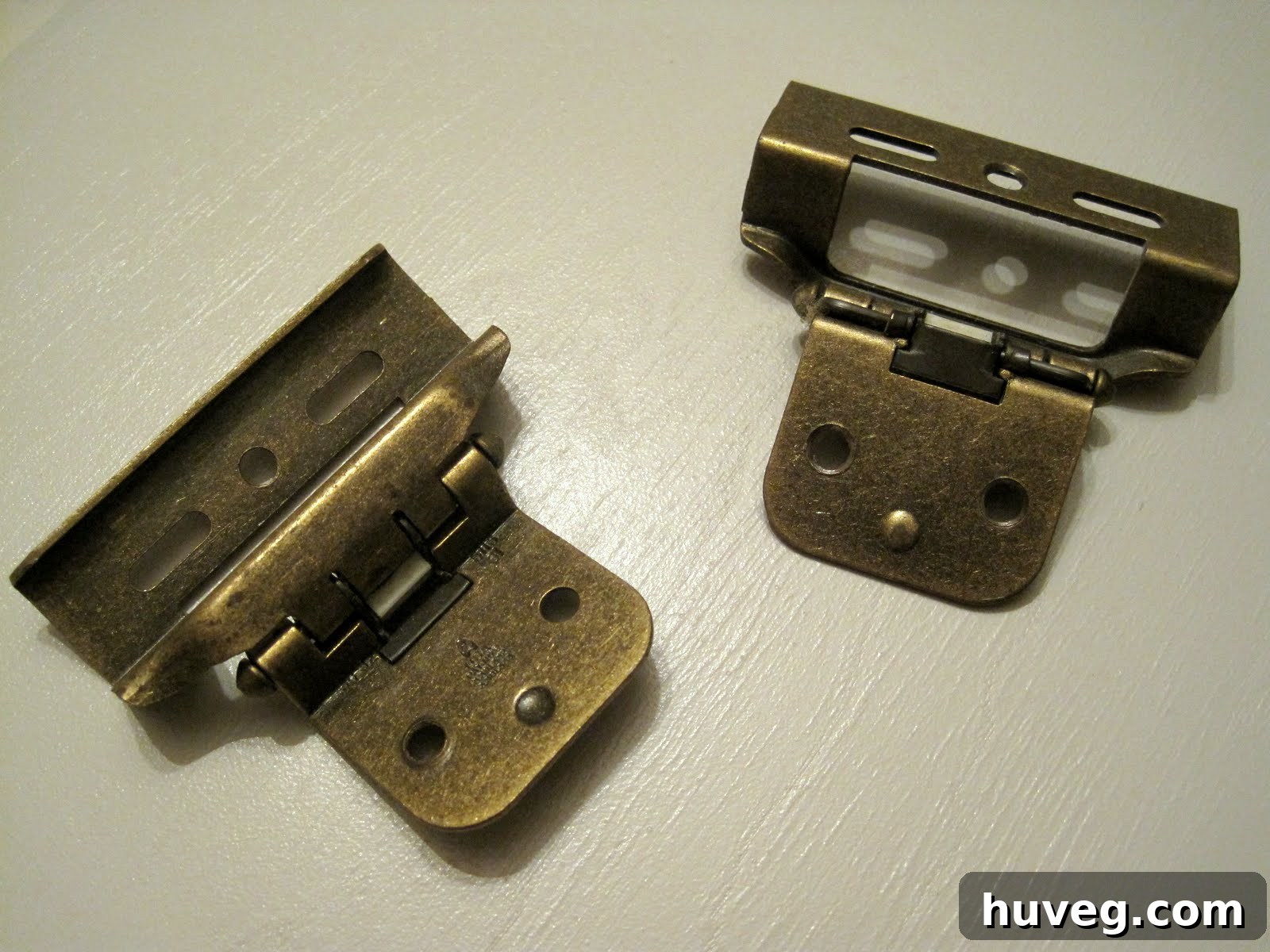
Despite this unexpectedly positive shift in my overall assessment – a testament to the transformative power of a single day and a coat of poly – there are still a few essential steps remaining to put a definitive checkmark next to this project. Foremost among these is the need to address the bathroom hardware. The existing hardware requires thorough cleaning and a fresh spray finish to complement the newly painted cabinets. This seemingly minor detail is crucial for a cohesive and polished look, ensuring that every element contributes to the updated aesthetic. Furthermore, I need to source two suitable pulls for the cabinet door fronts. Since this upgrade is still considered temporary until the full bathroom renovation eventually commences, I’m inclined to be budget-conscious regarding hardware expenditures. However, given that only two pulls are required, I might be able to splurge a little more than initially planned, opting for something that truly enhances the design without breaking the bank. A lingering question remains: should I add two purely decorative knobs to the top two drawer fronts? This aesthetic choice warrants careful consideration, balancing visual appeal with practicality. Your thoughts on this design dilemma would be greatly appreciated!
Maximizing Your Kit: Unveiling Unused Potential and Future Projects
Echoing my observations from the bond coat application, the polyurethane topcoat also demonstrated remarkable coverage, extending far beyond my initial expectations for the quantity supplied. The “small” kit, despite being rated to cover 100 square feet of cabinetry (excluding interiors), barely saw a dent in its quart of satin topcoat. This generous coverage is fantastic news, especially now that I am genuinely pleased with the finished results. It means I can confidently proceed with painting the cabinets in our guest bathroom to match the primary bathroom, with ample paint still remaining. This effectively doubles the value of the kit, providing a consistent aesthetic throughout our home’s wet areas. In fact, I have so much product left that I’m considering offering the excess to fellow DIY enthusiasts in the Atlanta area. If you’ve been contemplating giving your own cabinets a fresh look with the “Winter Frost” color, you might be in luck – I know someone with over half of a cabinet painting kit to spare! This surplus not only highlights the kit’s efficiency but also the potential for multiple projects from a single purchase.
A significant implication of this successful bathroom cabinet transformation is its influence on my plans for the kitchen cabinets. While I’m thrilled with the outcome in the bathroom, I am fairly certain (though not entirely decided) that our kitchen cabinets will ultimately feature a different color scheme. The true test will come when I can observe the finished bathroom cabinets under natural sunlight, which will provide the ultimate clarity for my decision-making process. Until then, I have about a week to acclimate to their appearance under less-than-ideal lighting, giving me ample time to reflect and plan the next big project.
The Rust-Oleum Cabinet Transformations Kit: A Cost-Effective DIY Solution
In summary, the journey of transforming our bathroom cabinets using the innovative Rust-Oleum Cabinet Transformations kit has been an overwhelmingly positive experience. With two bathrooms now benefiting from this “CT” treatment, the overall cost of this significant aesthetic upgrade amounted to a remarkably affordable $39.50 per bathroom. This incredible value makes the kit an outstanding option for homeowners seeking a dramatic change without the prohibitive expense of a full cabinet replacement. And since my foam brush is already primed for action, why stop at cabinets? My thoughts are already turning to the possibility of upgrading the countertop as well. While I’ve selected a different color for the bathroom counter than what I envision for the kitchen, it’s safe to say that this project maintains my signature UDH (Ugly Duckling House) style – practical, impactful, and budget-friendly. The reveal for the countertop transformation will follow shortly, once the humidity levels return to a more favorable state. This project serves as a powerful reminder that with the right tools and a little dedication, a stunning home makeover is well within reach for any DIY enthusiast.
Visualizing the Impact: Before & After Cabinet Transformation
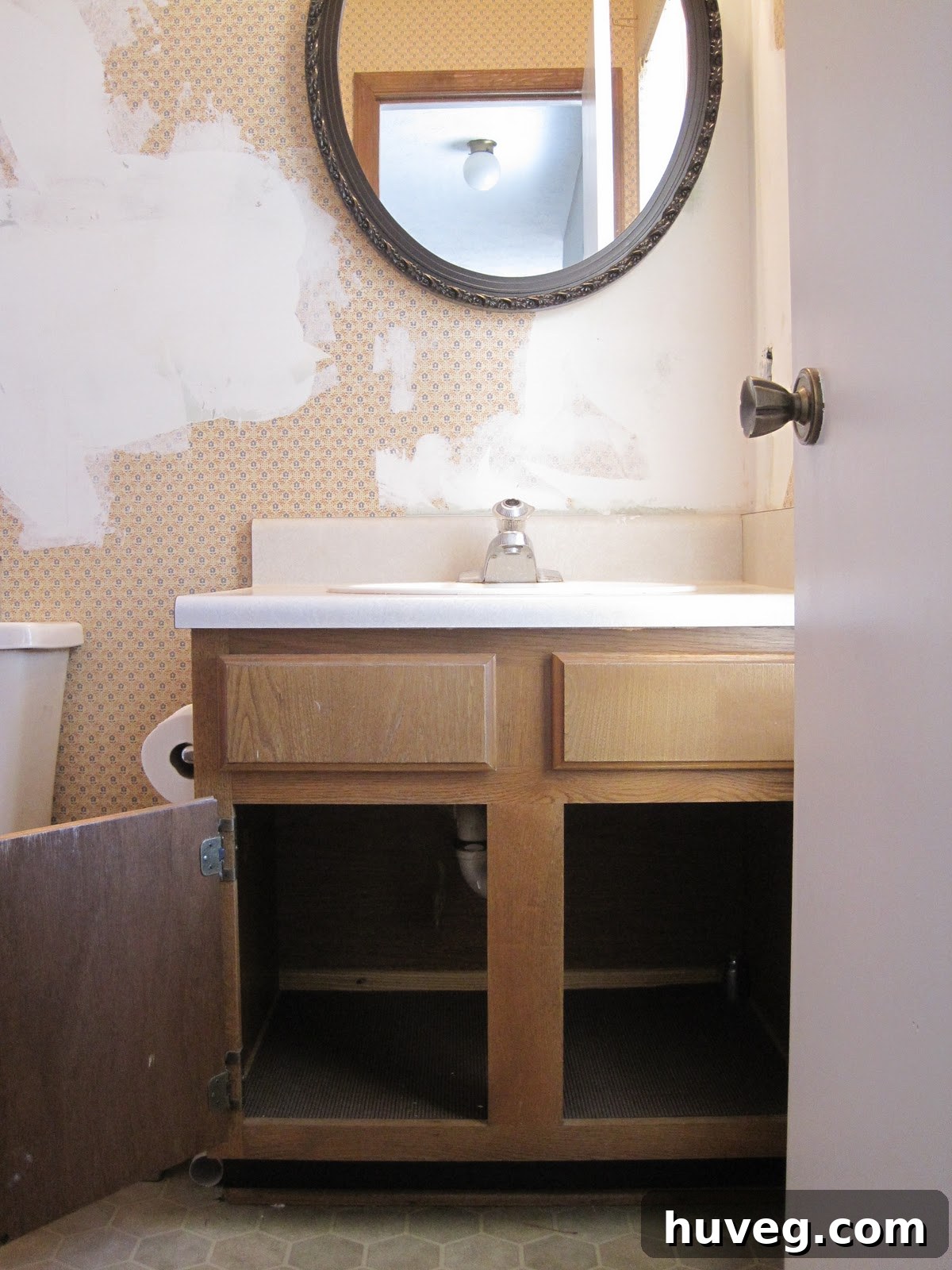
To conclude this post and offer a clear visual representation of the progress achieved, here’s a direct comparison of the bathroom cabinet before and after this mini-makeover. The transformation speaks for itself, highlighting the significant impact that a thoughtful DIY project can have on the overall aesthetic of a space.