My Epic Gardening Fail

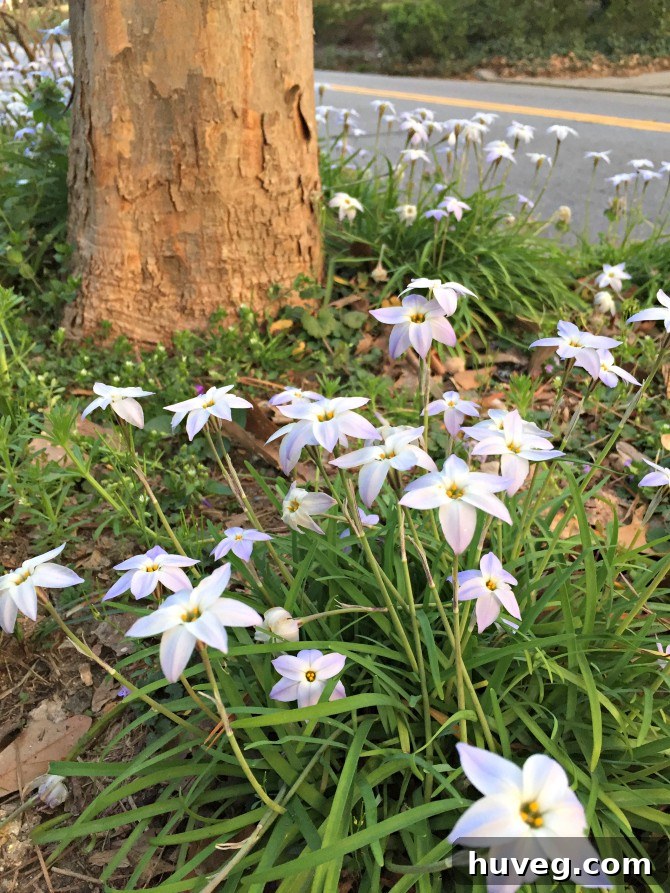
The arrival of warm weather in Georgia always brings with it a vibrant energy, transforming the landscape and sparking joy in countless hearts, mine included. This past week, with the sun gracing us so generously, I’ve found myself becoming that familiar figure—the one captivated by every budding flower encountered on morning runs, casual strolls, and essential coffee shop trips. If you happen to spot a fellow amateur smartphone photographer, engrossed in capturing nature’s ephemeral beauty and perhaps momentarily blocking your path, I urge a moment of understanding. While the impulse to “accidentally” spill your drink or playfully nudge them into a pile of blossoms they’re proudly sharing on Instagram might be strong, remember they are merely reveling in the fresh promise of spring. This newfound appreciation for the evening sun and the burst of floral life is a delightful, if fleeting, enchantment that many experience as the seasons turn. Soon enough, these wonders might be taken for granted once more, but for now, let’s allow everyone their moment of simple bliss. (And yes, a subtle smirk in their direction is still perfectly acceptable).
These initial weeks of spring invariably ignite my passion for planning and list-making. Reflecting on the remarkable productivity of 2015, I’m bubbling with excitement over the myriad DIY projects slated for the coming months. Behind the scenes, I’m diligently working to align every detail for some significant transformations, particularly in the backyard. Having just come indoors from planting and fertilizing a bountiful array of new flowers in the garden beds, I can assure you a detailed post on that endeavor is forthcoming. As I immersed myself in the soil and greenery, a crucial realization dawned: my gardening approach has evolved considerably since I first embarked on this journey with my house six years ago—can you believe it, six years already? Recognizing that many brand-new homeowners are among my cherished readers, I felt compelled to share these insights. This valuable lesson took me several years to fully grasp, so my hope is that you can fast-track your learning curve and avoid some of the initial pitfalls I encountered.
Embracing the “Zombie Plant” Philosophy: A Beginner’s Guide to Patience in Gardening
When you’re embarking on the rewarding, albeit sometimes challenging, path of learning how to garden, there’s one unconventional but incredibly effective mantra to keep in mind: plants are freaking zombies. While this might sound rather peculiar, it serves as an unforgettable reminder that often, the best course of action is to step back, observe, and return later, rather than hastily abandoning what appears to be a lost cause. Many new gardeners, driven by enthusiasm and a desire for immediate results, often misinterpret dormancy or a temporary setback for complete failure. This “zombie” perspective encourages a more patient, resilient approach to plant care, fostering a deeper understanding of nature’s cycles and the incredible tenacity of plant life. It means giving your plants the benefit of the doubt, understanding that many species have an innate ability to regenerate and surprise you, even after appearing utterly lifeless.
The Most Common Pitfall: The Perils of Impatience and Self-Doubt in New Gardeners
Looking back at my initial foray into gardening, the single biggest mistake I consistently made wasn’t a lack of knowledge about soil types or sunlight requirements; it was a profound absence of patience, coupled with an insidious creeping doubt. It’s a powerful, self-defeating combination: you doubt whether you’ve done everything correctly, then you see your garden’s seemingly dried and ragged carcasses, which unequivocally “prove” your complete failure. Finally, you lack the crucial patience required to simply wait and see if your efforts will, in fact, bear fruit. This cycle of doubt and impatience is a common trap for new gardeners. We live in a world that often rewards instant gratification, and when nature operates on its own timeline, it can be frustrating. We compare our nascent gardening attempts to the thriving, established gardens we see in magazines or on social media, inadvertently setting unrealistic expectations for ourselves and our plants. Understanding this psychological hurdle is the first step toward overcoming it and cultivating a truly flourishing garden.
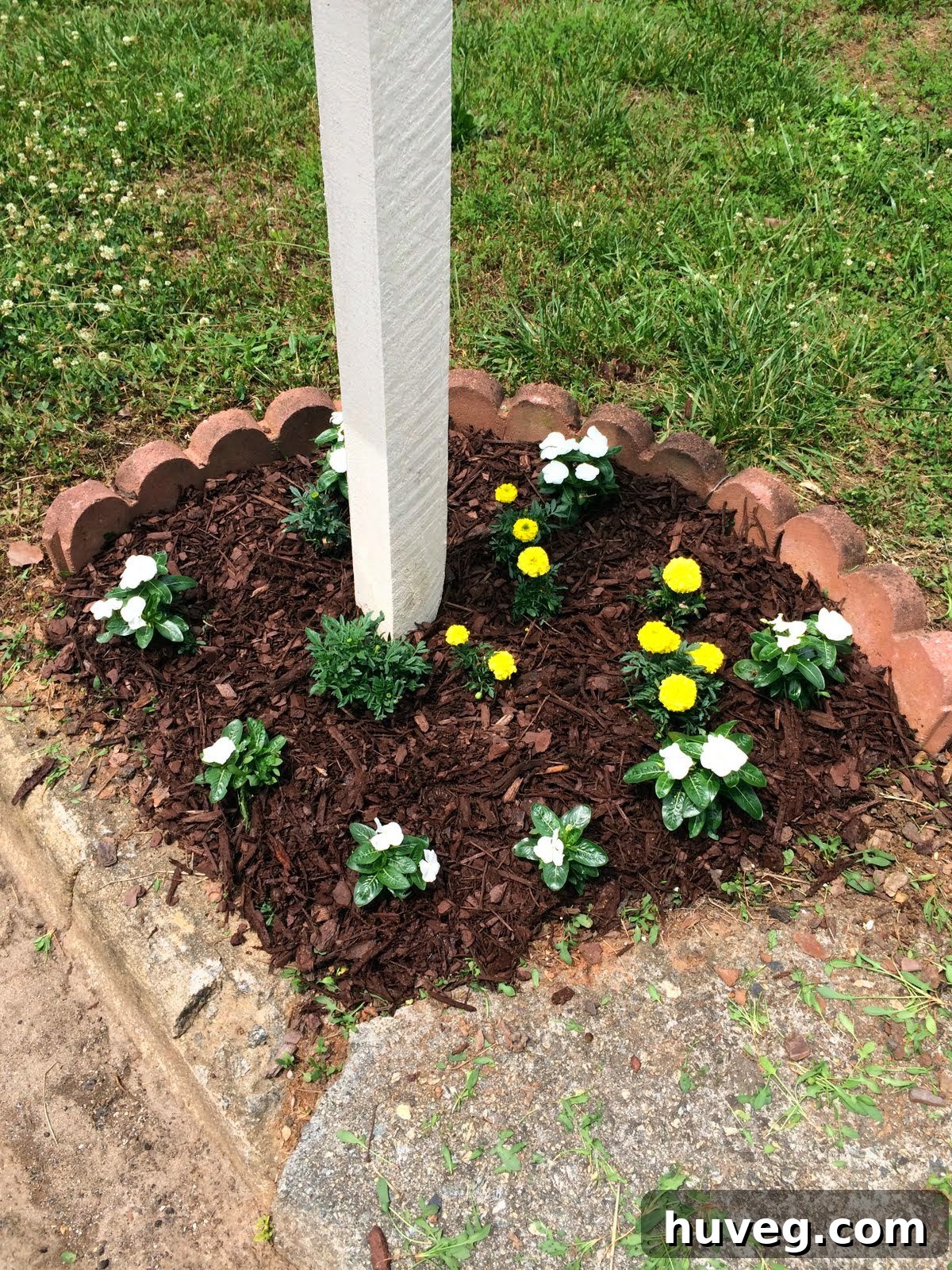
It’s no secret that when I first started my DIY journey, my gardening record was less than stellar; I killed a significant number of plants. Yet, despite the casualties, I persevered. I genuinely wanted to succeed enough to enjoy a few vibrant flowers and fresh herbs, without demanding a high-maintenance commitment (after all, I was simultaneously renovating an entire house, working, attending school, and striving to maintain a social life as a single twenty-something). I’d plant something I optimistically believed I could grow, get excited, and even convince myself I was making progress, only to discover later that things weren’t quite working out. At that point, my understanding of my house and its unique microclimates was minimal. I hadn’t yet grasped the specific light conditions each season brought, nor had I developed the instinctive knowledge of which plants would truly thrive. Essentially, before moving into this house, I had never truly planted anything, nor had I bothered to learn much about gardening in general. This meant a substantial amount of experimentation was necessary. Much of my initial learning happened outdoors, through slow, deliberate observation. I gradually discovered which plants truly thrived on neglect (a personal favorite category!), which ones were misleadingly marketed by garden centers as “low-maintenance” but proved unsuitable for my specific conditions, and critically, what my actual level of effort was willing to be for each area (spoiler: it isn’t much). Over time, I cultivated a repertoire of reliable species that I could count on without a second thought. And, to my delight, some of these “easy-care” plants even became personal favorites in my garden, like the resilient Vinca, a stark contrast to the less-favored Marigolds.
But here’s the profound truth I learned: plants can look utterly dead—and it’s often an elaborate trick of nature. Some truly are beyond saving, yes, but many are simply biding their time, poised to explode into magnificent growth. My breakthrough came when I learned to stop self-sabotaging through my own impatience. This realization transformed my approach, shifting from reactive despair to proactive observation and hopeful waiting.
A Case Study in Patience: The Resurrection of My Side Garden
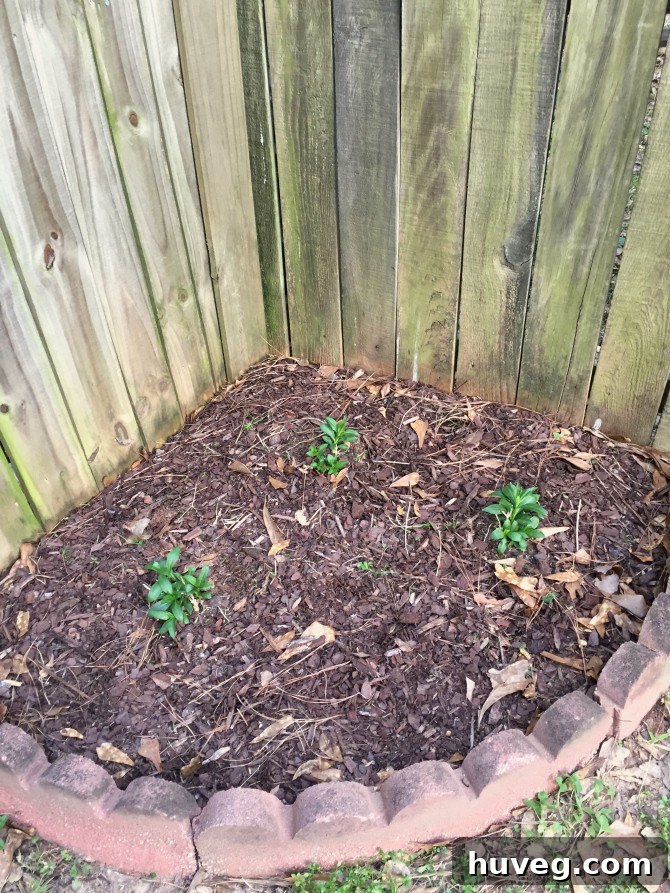
Consider, for instance, this small garden area I established last year along the side of the house. There’s still much to be done in the garden opposite it (more on that another time), but shortly after the initial planting, two out of the three plants seemed to be flourishing. The third, however, began to droop, dry up, and appeared to be well on its way to landscape heaven. My old instincts would have screamed to rip it out immediately, to start fresh. After all, the plant was a mere dollar, a testament to knowing precisely when to shop for perennials. I was confident the other two were thriving, so even replacing the third at full price would still be an inexpensive upgrade. But as winter descended, the entire area began to look considerably bleaker. I hadn’t done much beyond the initial newspaper and mulch application for weed control, and by the first few warm weekends of spring, the garden still presented a ragged, desolate appearance. The flowers themselves had all dried out, transforming into sickly, brittle sticks. Perhaps, more likely, they had all perished, leaving only weeds behind. The scene was, to put it mildly, discouraging.
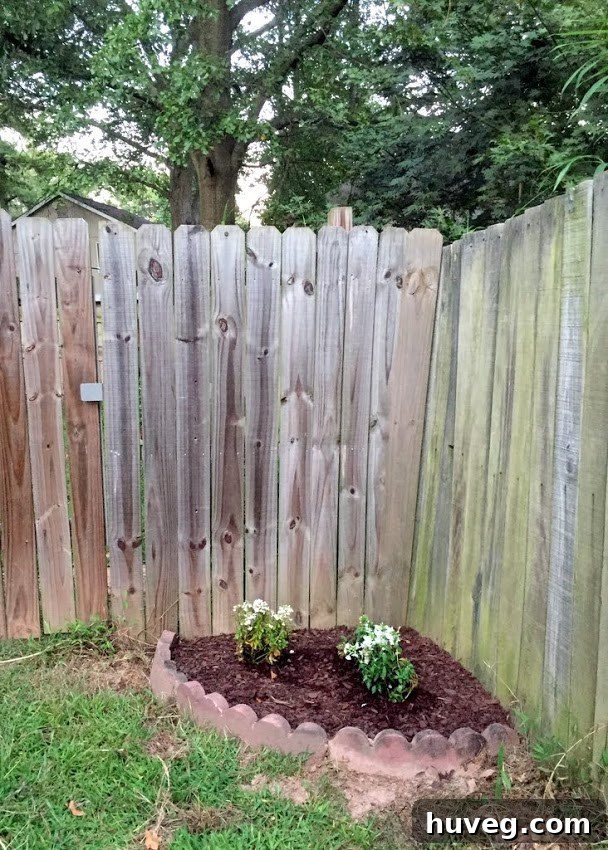
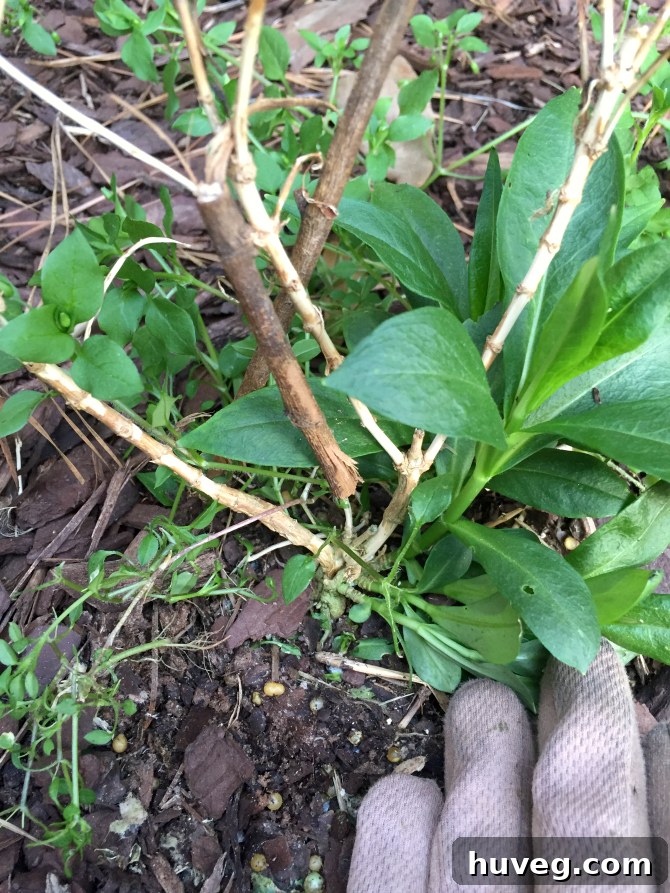
Once again, my ingrained habits (or lack thereof) urged me to yank out all the encroaching weeds, creating a pristine, blank slate for new plantings. The thought nagged at me: Maybe the plants I chose were entirely wrong for this spot after all? However, I decided to try a different approach, starting with the outermost weeds and meticulously working my way towards the center of each seemingly lifeless plant. As anticipated, the dried and spindly parts of each (what I still presumed were certainly dead) flower stem broke away with just a gentle brush. But then… the “zombie effect” kicked into glorious action!
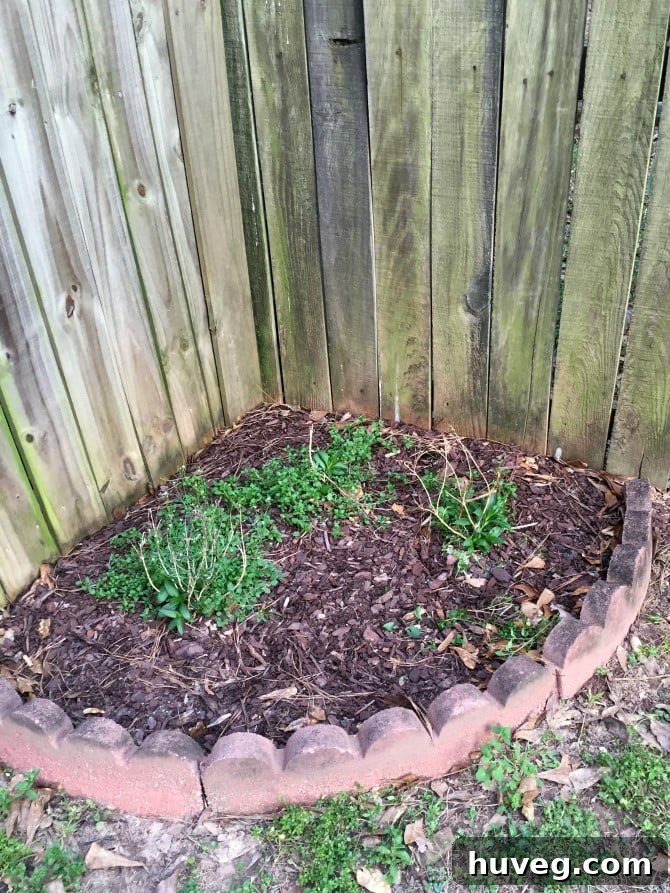
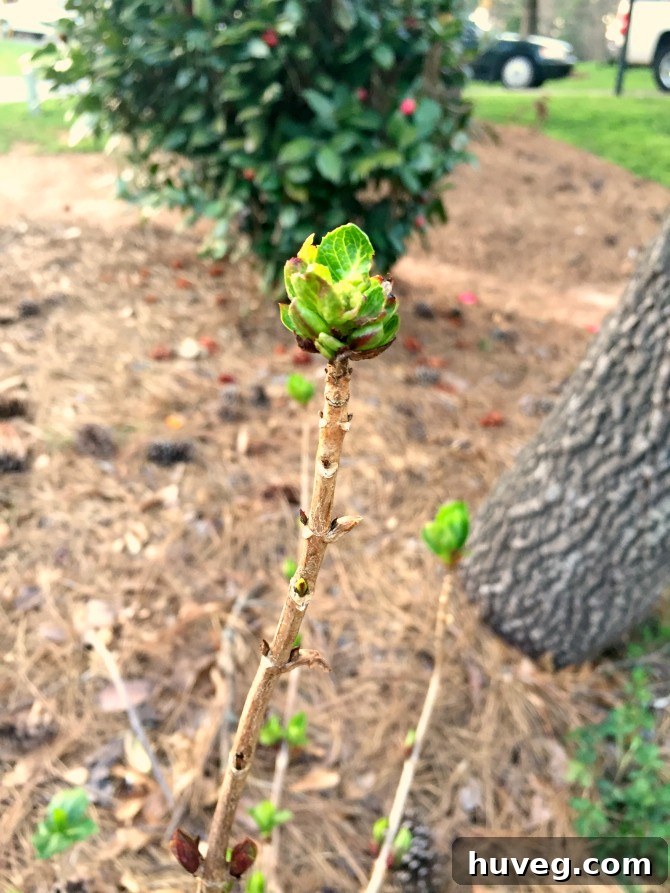
Upon closer inspection, nestled among the dry debris and persistent weeds, I spotted it: tiny, vibrant green shoots emerging from the base. It appeared this was yet another one of the many plants in my yard that adopts a nearly-dead or completely dead appearance throughout the winter months. I had first encountered this phenomenon with my hydrangeas, years ago, when a landscaper I’d hired to tidy up the garden mistakenly believed they were dead and cut them down to the root. When I questioned him about it, he adamantly insisted they were deceased. Given his supposed expertise and my novice status, I believed him—a regrettable mistake! Thankfully, the hydrangeas miraculously grew back, teaching me an invaluable lesson: always wait a little longer before prematurely ripping “dead” plants out of the ground. As I carefully peeled away more of the weeds from the side garden, I could clearly see that the robust root system of the old, seemingly “dead” flower was precisely where these new, hopeful plants had sprouted. It was a powerful, tangible demonstration of nature’s incredible resilience.
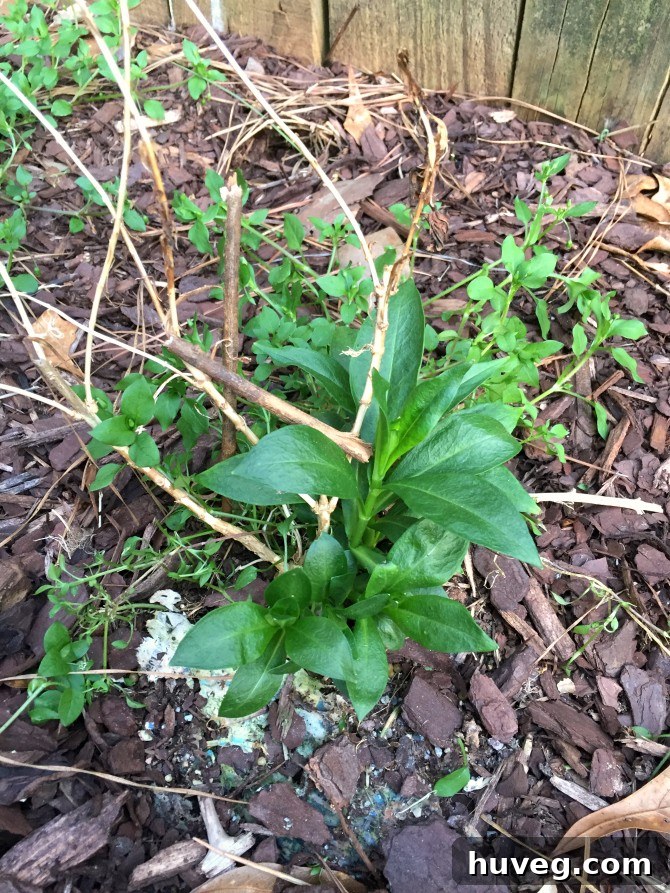
This experience solidified my understanding of perennial plants and their remarkable ability to rejuvenate. It’s a testament to the power of proper garden bed preparation, ensuring a healthy environment even during dormant periods. The initial layers of newspaper and mulch weren’t just for weed control; they were crucial for maintaining soil moisture and temperature, providing a stable habitat for the roots to survive the harsh winter conditions. Many beginner gardeners, myself included, often overlook the critical role of these foundational steps. They see the withered tops and assume the worst, not realizing that beneath the surface, life often persists, patiently waiting for the right conditions to re-emerge. This patience, combined with a little research into the specific dormancy patterns of your plants, can save you time, money, and the heartache of prematurely discarding perfectly healthy flora.
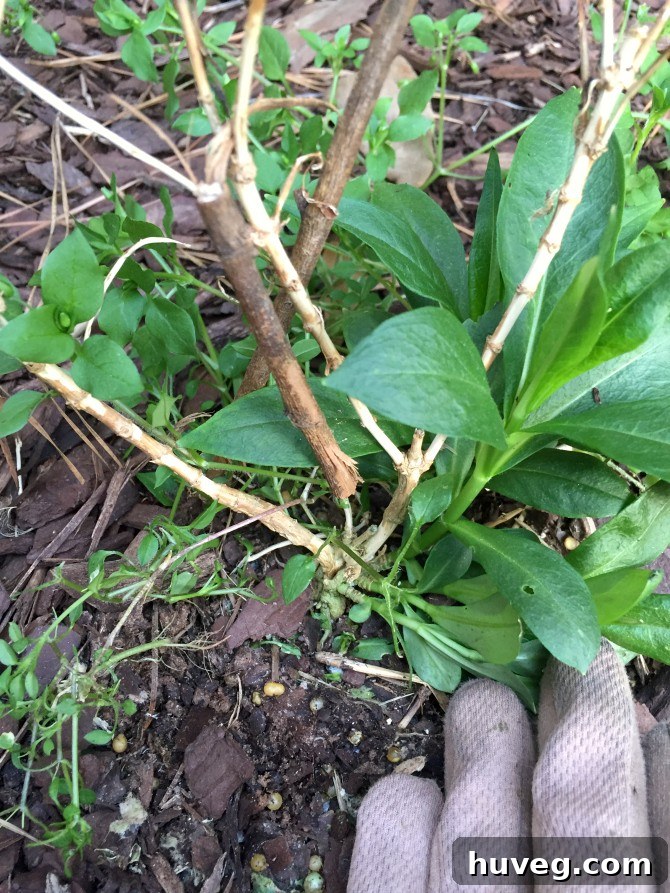
And once all the weeds were diligently removed, and the truly dead, brittle parts were carefully snapped off, what remained was not a blank canvas for new expenses, but a healthy, vibrant plant, ready to burst forth with life. It was a small victory, but a significant one in my ongoing gardening education.
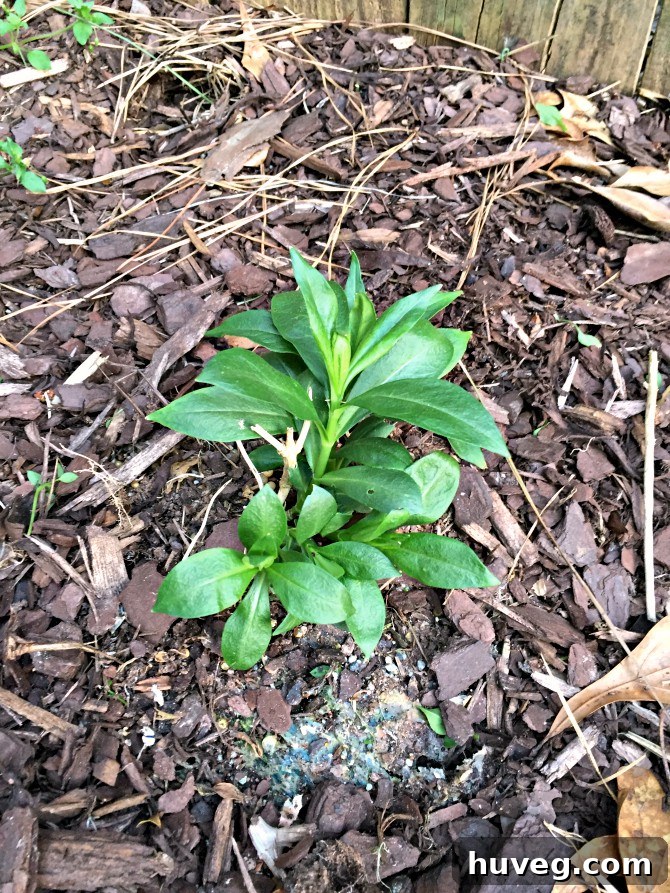
This particular plant, a vibrant phlox, simply needed a bit of new mulch to truly flourish. Any day I can transform a potential expense into a $0 save is a good day in my book! This simple act of observation and patience not only saved me the cost of a replacement plant but also deepened my connection to my garden and my understanding of its natural rhythms. It’s a powerful lesson in sustainable gardening – learning to nurture what you have rather than constantly replacing it. For new homeowners seeking to establish their gardens, embracing this philosophy means investing not just in plants, but in the time and understanding required for them to thrive naturally.
Cultivating Green Thumbs: The Rewards of Observation and Perseverance
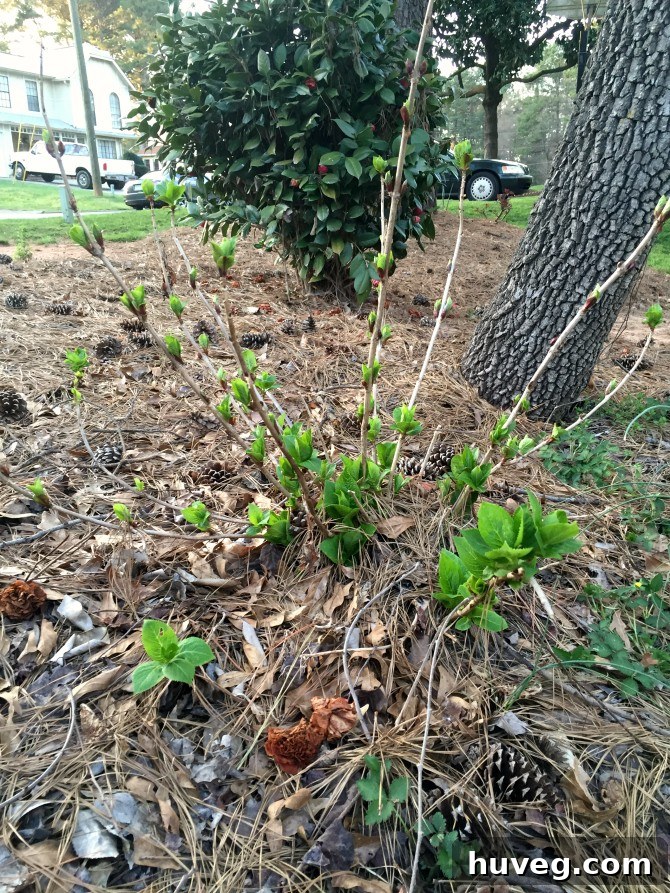
I suppose when you don’t possess a wealth of natural instincts to fall back on, you must progress at your own unique pace, painstakingly learning the lessons that others seem to effortlessly “get.” But through a process of trial and error, coupled with patient observation, I gradually realized a fundamental truth: if things look scraggly or appear to be struggling, it’s often perfectly okay. As long as I had properly prepared the garden beds, provided adequate fertilization, and met other basic needs, the next most effective action I could take was simply to step back and allow the plants the necessary time to establish themselves. Gardening, I discovered, is as much about learning to do nothing as it is about knowing what to do. It’s about understanding that growth isn’t always linear or immediately visible. Eventually, by internalizing all those lessons on how not to do something, you genuinely begin to discern what truly works for your specific garden. And then, as a beautiful testament to your perseverance and newfound wisdom, you might find yourself with a yard full of magnificent hydrangeas to proudly show for it. These resilient beauties, once victims of my impatience, now stand as towering symbols of what happens when you learn to trust nature’s timing and your own developing green thumb.
This journey from a plant killer to a confident gardener taught me that patience isn’t just a virtue; it’s a vital tool in the gardening shed. It’s about fostering an environment where plants can thrive, understanding their individual needs, and giving them the space and time to grow at their own pace. What has been the biggest mistake you’ve encountered and overcome while learning to cultivate and maintain your own gardens?