Truth Adjacent

The Unvarnished Reality of Skim Coating Drywall: Beyond the Smooth Finish
Last week, I shared a comprehensive guide on how to expertly skim coat drywall, aiming to equip you with all the knowledge needed to achieve perfectly smooth walls. While that tutorial covered the technical steps, I deliberately held back one crucial element: the grand reveal of the finished bathroom. There’s a very good reason for that, and it’s the gritty reality of DIY.
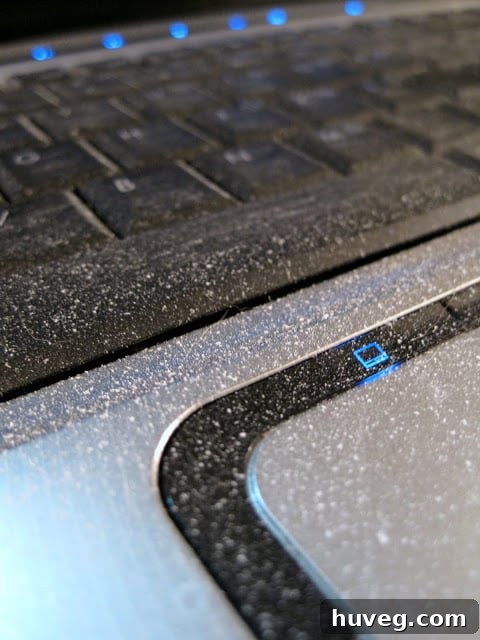
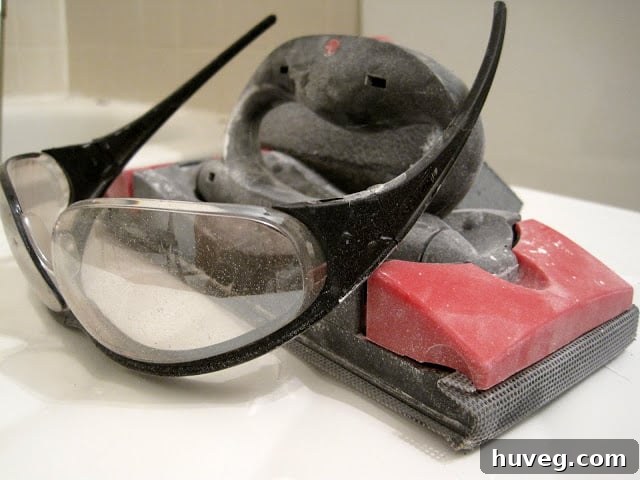
The plain truth is, I’m still deep in the trenches of the project. Specifically, I’m. still. sanding. And sanding. And sanding some more. The vision of those pristine, ready-for-paint surfaces is steadily materializing, but the path to get there is meticulously paved with fine dust and sheer determination.
The Gritty Reality of DIY Home Renovations: Not Your Average HGTV Episode
As wonderful as it sounds to swiftly tick off projects from your home improvement list, the unfortunate reality is that achieving a truly professional finish takes considerable time, unwavering effort, and an abundance of patience. This isn’t an episode of HGTV, where a magical montage transforms a dilapidated space into a showstopper in a mere thirty minutes. There are no animation screens to whisk you from the “Before” to a dazzling “After.” It’s just me, tackling this bathroom one painstaking stroke of joint compound and one dusty swipe of the sander at a time.
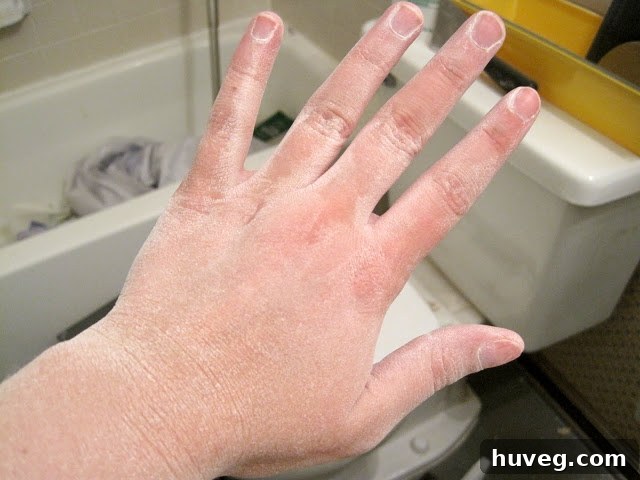
The physical toll is undeniably real. My arms, shoulders, and even my skin can only endure so much strenuous activity in a single evening. It’s a marathon, not a sprint, when you’re aiming for perfection. However, seeing the progress, however incremental, fuels the motivation. I’m thrilled to report that two of the bathroom walls are now gloriously smooth and almost entirely finished! Which, of course, leaves… a few too many still awaiting their turn. But every finished section is a small victory, a tangible testament to perseverance and the hours invested.
The Art and Effort of Skim Coating Drywall for Flawless Walls
For those unfamiliar with the term, skim coating drywall is a specialized technique used to create a perfectly smooth, uniform surface on walls or ceilings. It involves applying one or more very thin layers of joint compound over an existing surface. This method is invaluable for revitalizing old, damaged walls, covering imperfect textures, or simply achieving that coveted, flawless finish that paint absolutely adores. It’s the secret sauce for transforming a drab, uneven surface into a pristine, gallery-ready canvas.
Why Skim Coat? The Benefits of a Flawless Foundation
Investing the time in skim coating offers numerous long-term advantages for your home’s aesthetic and value:
- Repairs Minor Imperfections: Skim coating is excellent for seamlessly covering minor damage, small holes, dents, hairline cracks, and even small gouges. It gives your walls a fresh start without the need for extensive and costly drywall replacement.
- Evens Out Inconsistent Textures: If you’re dealing with old, inconsistent textures – perhaps from previous botched repairs or simply a dated design choice – skim coating creates a uniform, smooth, and modern look. It’s also a popular method for updating heavily textured walls or removing popcorn ceilings.
- Optimal Preparation for Paint: A perfectly smooth surface is the ideal foundation for painting. It allows the paint to go on evenly, minimizing streaks and roller marks, and ultimately creating a richer, more professional, and higher-quality appearance. Any imperfections beneath the paint will be magnified once the color is applied, making skim coating a critical step for a high-end finish.
- Boosts Home Value and Appeal: Smooth, well-maintained walls contribute significantly to the aesthetic appeal and perceived value of your home. This is particularly true in high-traffic areas or crucial rooms like bathrooms, where finishes are closely inspected.
- Enhanced Durability: The layers of joint compound can add a degree of protection to the underlying drywall, making the surface slightly more resistant to minor scuffs and dings over time.
The Skim Coating Process: More Than Just Mud and a Blade
While my previous tutorial delves into the intricate details, it’s worth reiterating that skim coating is a meticulous, multi-step process that demands precision and patience. It typically involves:
- Thorough Preparation: This crucial first step includes cleaning the walls thoroughly, patching any larger holes or significant damage, and ensuring any existing drywall seams are properly taped and mudded. A clean, stable surface is paramount.
- Applying the First Coat: Using a wide drywall knife, trowel, or even a roller specially designed for joint compound, a very thin, even layer of joint compound is applied. This requires a delicate touch and an understanding of how the material behaves to avoid excessive buildup.
- Adequate Drying Time: Allowing each coat to dry completely is non-negotiable. This can take several hours, or even overnight, depending on the humidity levels, room temperature, and the thickness of the application. Rushing this step will lead to problems.
- Sanding Between Coats: After the first coat is dry, it’s lightly sanded to knock down any ridges, lumps, or minor imperfections before applying subsequent layers. This is precisely where I currently reside – in the seemingly endless land of meticulous sanding!
- Applying Subsequent Coats: The application, drying, and light sanding process is repeated, usually for two or three coats, until the desired level of smoothness and uniformity is achieved across the entire surface.
- Final Sanding: This is arguably the most critical and often the most exhausting step. The entire surface is meticulously sanded to a glass-like finish, removing any remaining imperfections and ensuring a seamless transition. This final stage is what truly prepares the wall for primer and paint.
The Unsung Hero: Mastering the Art of Sanding Drywall
Ah, sanding. It’s the unsung, often dreaded, yet absolutely essential hero of drywall finishing. After carefully applying multiple layers of joint compound, it’s the sanding that truly refines the surface, transforming rough patches and subtle undulations into seamless, perfectly smooth transitions. While it might seem monotonous and physically demanding, mastering proper sanding technique is paramount for achieving a professional, high-quality outcome that will make your paint look impeccable.
Practical Tips for Mastering the Sanding Phase:
To make the sanding process as efficient and effective as possible, consider these invaluable tips:
- Utilize the Right Tools: Equip yourself with a good quality sanding pole for ceilings and high walls, a hand sander for accessible areas, and a variety of sandpaper grits. Start with a coarser grit (like 100-120) for initial leveling of more prominent imperfections, then move to finer grits (150-220) for the final polish. Dust-reducing sanding screens or specialized sanding sponges can also be incredibly helpful.
- Maintain a Light Touch: Don’t press too hard. Let the sandpaper do the work. Excessive pressure can create divots, gouges, or uneven spots in the compound, requiring more work to fix. Consistent, gentle pressure is key.
- Work in Manageable Sections: Break down larger walls or ceilings into smaller, manageable sections. This approach prevents fatigue, allows you to maintain focus on quality, and ensures you don’t miss any spots.
- Employ Good Lighting: This is a game-changer. Use a bright work light or floodlight held at a low, acute angle to the wall. This raking light will cast shadows and highlight any imperfections, ridges, or low spots that still need attention, making it infinitely easier to achieve a truly smooth surface.
- Implement Effective Dust Management: Drywall dust is insidious – it gets everywhere. Always wear a high-quality dust mask (N95 or better) and eye protection. Consider sealing off the work area with plastic sheeting and painter’s tape to contain the mess to a single room. Opening windows for ventilation and using a shop vacuum with a HEPA filter attachment can also significantly reduce airborne dust.
- Patience is Your Best Friend: This cannot be stressed enough. Rushing the sanding process will inevitably lead to an uneven finish that will be glaringly obvious once the primer and paint are applied. Take your time, feel the walls with your hand, and ensure every inch is smooth before moving on.
- Clean Between Sanding: After each sanding session, wipe down the walls with a damp (not wet) cloth to remove dust. This helps you see the true surface and prevents dust from getting trapped in subsequent layers of compound or paint.
Beyond the Dust: The Psychological Rewards of a DIY Makeover
Though the process can be grueling, I find myself happily telling myself how awesome my arms are going to look after a workout like this! Seriously, a girl’s gotta find her motivation somewhere, even if it’s an imagined bicep gain, to drag herself away from reruns of Scrubs and get off her lazy butt. It’s not just about the physical transformation of the room; it’s profoundly about the personal triumph that comes with tackling a significant home improvement project yourself.
There’s a unique sense of accomplishment and pride that radiates from knowing every smooth surface, every perfectly prepared wall, and eventually, every freshly painted corner is a direct result of your own sweat, skill, and perseverance. It builds confidence, teaches invaluable new skills, and connects you to your home in a deeper, more meaningful way. And, oh yeah, the bathroom might just wind up halfway decent, too. In fact, it’s destined to be better than decent; it’s going to be a masterpiece, meticulously crafted with my own two hands and a lot of grit.
The journey of renovation, especially one as detail-oriented and physically demanding as skim coating, teaches profound lessons in perseverance and delayed gratification. It reminds us that truly significant and lasting results rarely come without significant effort. Each stroke of the sanding block, each fine cloud of dust, is a tangible step closer to realizing the vision. And when it’s all done, stepping into that beautifully transformed space will serve as a constant, tangible reminder of what can be achieved with dedication, a bit of elbow grease, and the refusal to give up.