Gemstone Gambit

Embarking on a new outdoor project over the weekend might come as a surprise, especially when other endeavors await completion. Yet, this recent undertaking proved to be as demanding as it was rewarding, leaving me with dirt under my fingernails, a persistent knot in my back, and, as is often the case with my DIY adventures, a minor injury. While these challenges are hardly strangers to my project log, there’s a certain comfort in the predictability of some things, even if it means a little grit and grime along the way.
Transforming Your Outdoor Utility Area: A DIY Guide to AC Unit Landscaping for Efficiency and Aesthetics
The catalyst for this particular project was a compelling sale at Lowe’s, coupled with the seasonal necessity of preparing my home’s air conditioning unit for the scorching summer months ahead. Spring is the ideal time to ensure your AC system is running at peak efficiency; this includes having a professional check coolant levels and, crucially, clearing any vegetation that has grown too close to the unit. Beyond these essential maintenance steps, I discovered a few ingenious ways to save money and implement long-term, low-maintenance solutions for the area surrounding the AC unit. Proactive measures, I’ve learned, often translate into significant savings down the line, both in terms of cost and future effort. Tackling the majority of this project now felt like an undeniable win-win.
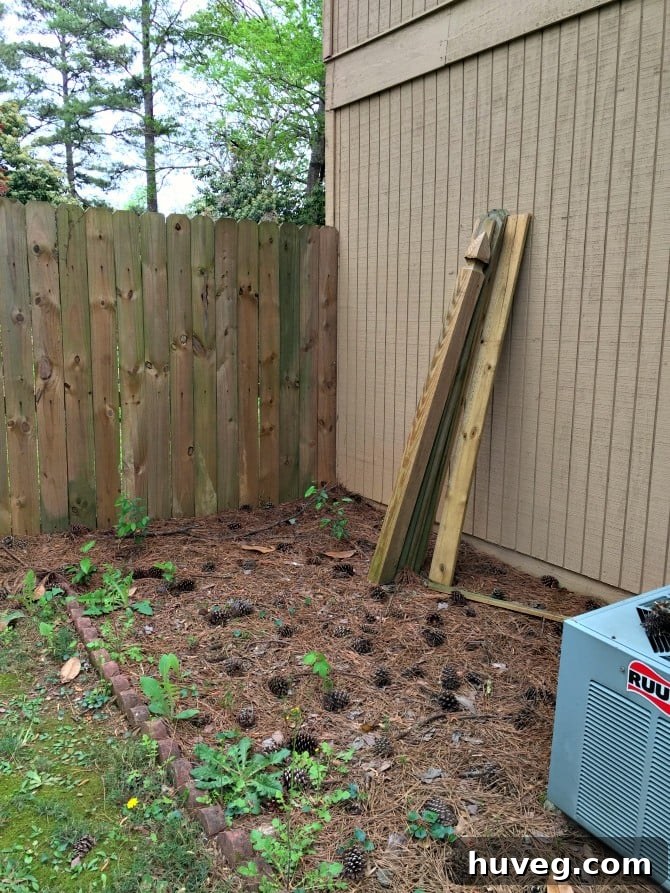
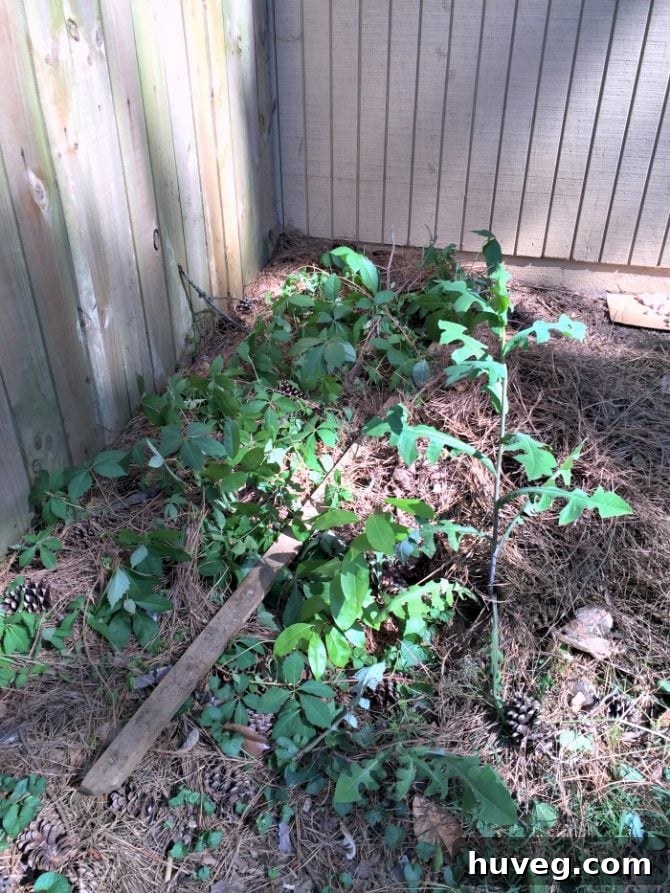
After previously dismissing this side of the house as a suitable spot for my trash bins, my focus shifted to addressing the unsightly pine straw bed that had long occupied the space around the air conditioning unit. My vision was to replace it with durable landscaping gravel. This side of the house benefits from near-total shade throughout the day, which is excellent for the AC unit’s performance, preventing it from overheating. However, this shaded environment also makes it a prime breeding ground for stubborn weeds and invasive vines, contributing to a generally unappealing aesthetic. It was clear this neglected zone was ripe for a significant spruce-up.
From Pine Straw to Pristine Gravel: Addressing Maintenance and Pest Concerns
The decision to transition from pine straw to landscaping gravel was driven by several practical considerations, far beyond mere aesthetics. Firstly, a properly installed gravel bed, especially when paired with an effective weed barrier, drastically reduces the ongoing battle against weeds and the relentless vines attempting to scale the side of the house. This immediately translates to fewer hours spent on tedious weeding and a cleaner, more controlled landscape.
Secondly, and perhaps more critically, the cedar siding of my house is particularly vulnerable to termite infestations. Mulching materials, like pine straw, when placed too close to the foundation, create an inviting habitat for these destructive pests. The general recommendation for effective termite prevention is to maintain at least a 15-inch clear zone between any mulch or organic material and the house foundation. Placing mulch too closely can even void the warranty of a professional termite bond, leaving homeowners exposed to costly damage. While I appreciate the aesthetic warmth of mulch more than pine straw, its practical drawbacks in this specific location made it an unsuitable choice. Although alternative options like rubber mulch, which I’ve used successfully in other areas close to the house (see here), were considered, the idea of incorporating stone simply resonated more for this particular utility area. The robustness and permanence of stone offered a superior solution.
Furthermore, having removed the pine trees last spring, I witnessed a dramatic reduction in the amount of pine straw maintenance required for my front yard (the transformation was huge, check it out here). This experience reinforced my desire for low-maintenance landscaping solutions. Embracing gravel around the AC unit felt like a fresh, exciting challenge—one with the promise of enduring results, unlike past projects that quickly became re-covered and high-maintenance. With a clear vision and an eye for a good bargain, I headed to the store, hoping to find the perfect materials to kickstart this transformation. If the right deal presented itself, I was ready to proceed; otherwise, I was prepared to wait for the opportune moment.
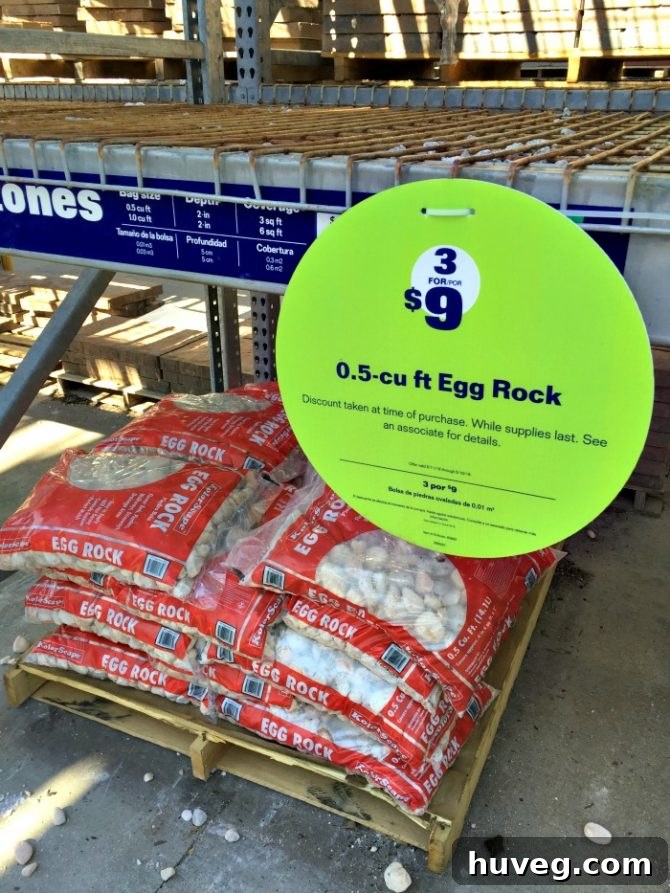
Smart Shopping for Landscaping Materials: Unearthing Value and Aesthetic Harmony
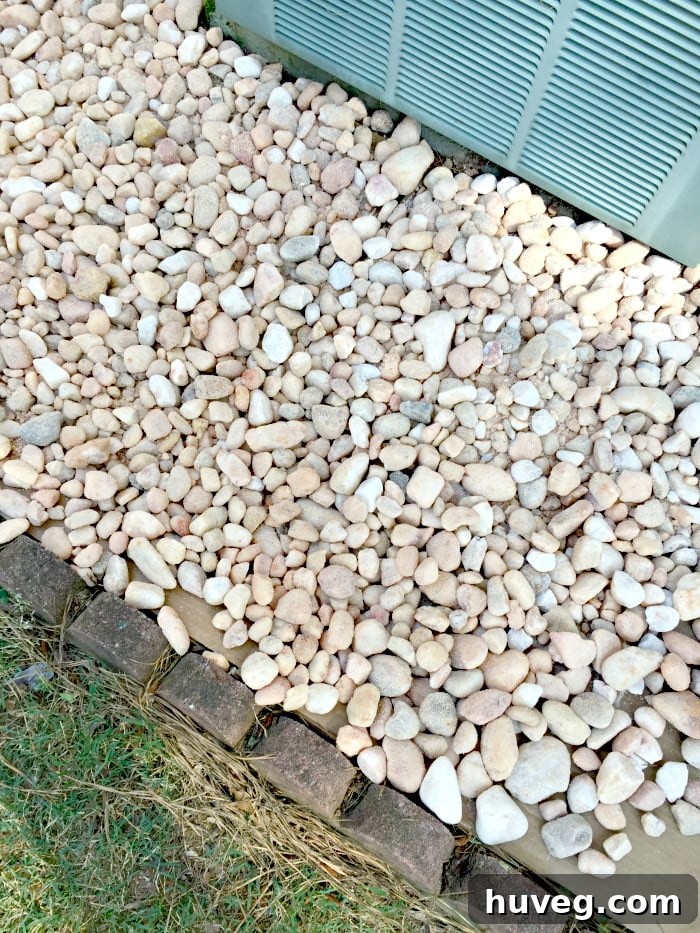
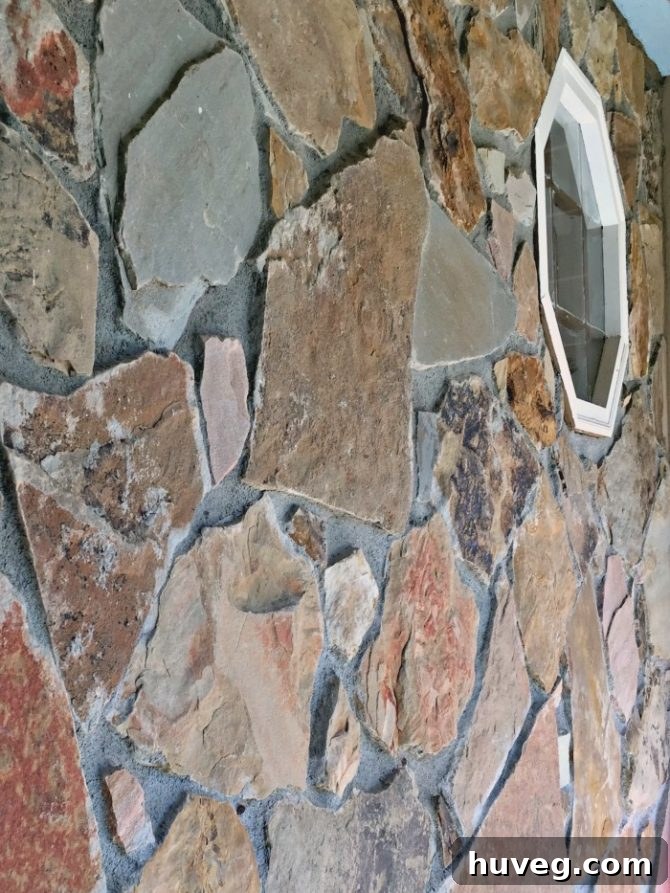
(*Links may contain affiliates, which sometimes happens when I link to stores I shop at*) Initially, egg rock wasn’t necessarily the first decorative stone that would have caught my eye. However, the allure of the sale price prompted a closer look. Comparing it to other stylistically appealing options, such as marble rock which I find particularly beautiful, I quickly realized that egg rock presented an exceptionally good choice, both for my budget and for its aesthetic compatibility with my home’s existing features. Its subtle color variations—hues of reddish-orange and gray—mirrored the stonework present in the front of the house and around the living room fireplace, ensuring a cohesive and harmonious exterior design. This unexpected discovery proved that sometimes the best solutions are found when you’re open to exploring options beyond your initial preferences, especially when a good deal is involved.
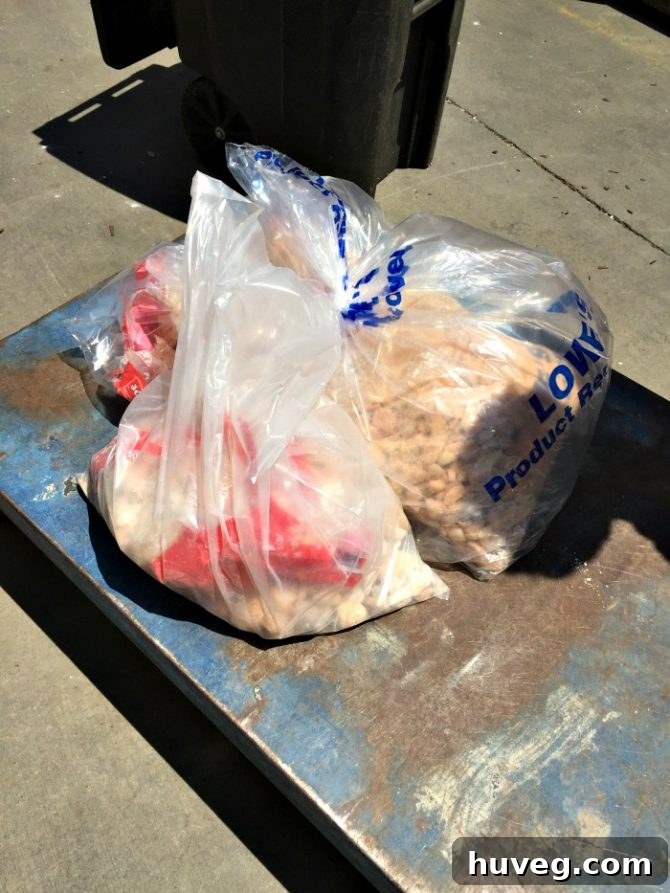
After loading a couple of full bags into my cart, a helpful associate restocking the section shared a fantastic insider tip: if I was willing, I could purchase any of the broken bags of rock at half off the already reduced sale price. While these bags, of course, didn’t contain the full 0.5 cubic feet stated on the label, each held significantly more than half. This meant I could effectively gain several extra square feet of coverage for free! To my delight, the staff even took the extra step of re-bagging the contents securely, preventing any spillage in my car. This unexpected discount was an absolute score, reinforcing the value of asking about damaged goods and demonstrating how a little resourcefulness can stretch a DIY budget even further. It’s a trick worth remembering for any future landscaping projects.
The DIY Process: Step-by-Step to a Low-Maintenance AC Area
I had a rough estimate of the number of bags needed, but I also wanted to avoid hauling more than necessary. The plan was simple: if I ran short (which I anticipated and indeed did), a quick trip back to the store before closing would suffice. With an initial supply of bags secured, I headed home, ready to begin the transformation. The first step involved meticulously raking back the existing pine straw, clearing the area thoroughly. Last year, I successfully employed scrap cardboard as an effective weed and grass blocker in my raised garden beds. Impressed with its performance, I decided to utilize it again for this project, leveraging its eco-friendly and inexpensive properties. Cardboard is remarkably easy to collect, especially if you receive regular shipments to your home. However, two important considerations are crucial when using it for weed suppression:
- If storing cardboard for this purpose, do so temporarily and keep it dry. While it excels at weed-blocking in garden beds, cardboard is also known to attract pests like roaches, providing them with ideal hiding spots. Avoid keeping it inside your house for extended periods.
- Always remove any tape and shipping labels from the cardboard. As the cardboard breaks down into the soil over time, these non-biodegradable elements would otherwise remain as unsightly trash beneath your mulch or stone, defeating the purpose of a clean installation.
The air conditioner unit itself rests on a sturdy cement slab. After carefully sweeping out any lingering pine straw from underneath the unit, I applied brush killer to any remaining stubborn vines or plant bits. This ensures no new growth immediately re-emerges through the weed barrier. Once the area was prepped, I laid down the cardboard, carefully overlapping the edges to create a continuous, impenetrable barrier. This critical step sets the stage for long-term weed control.
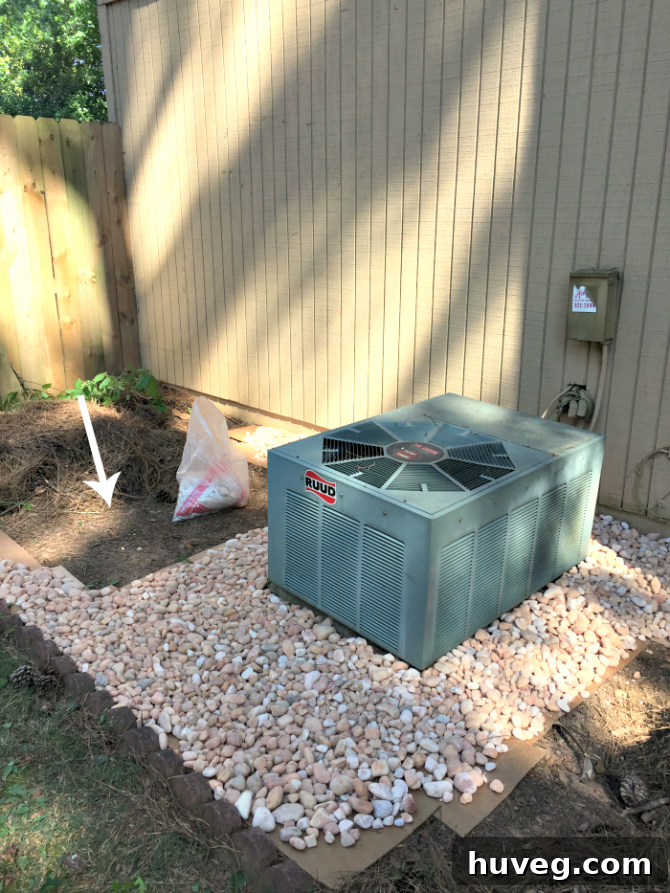
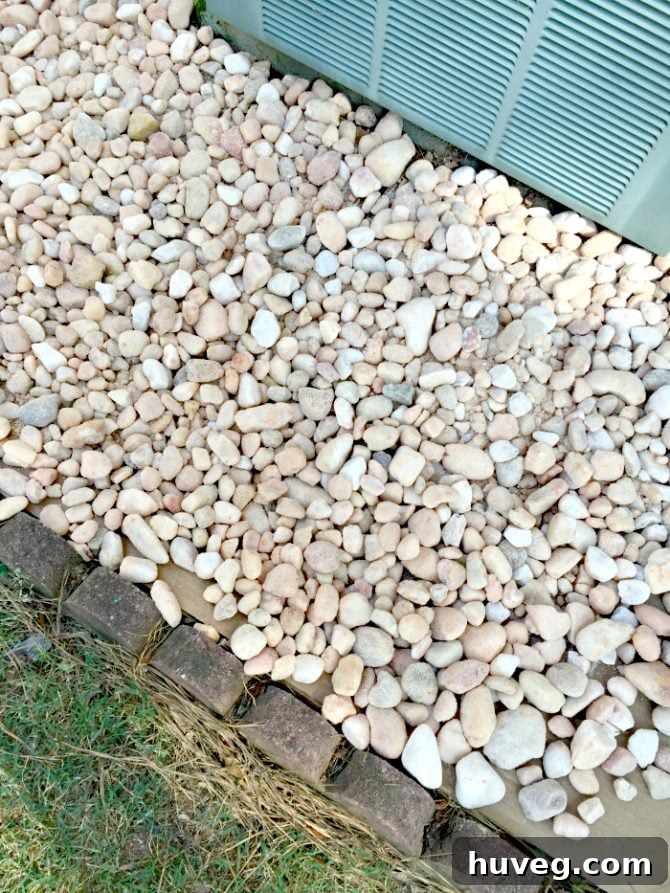
Then came the visually satisfying part: evenly spreading about an inch layer of the decorative egg stone on top of the cardboard. Each bag covered approximately 6 square feet, allowing me to transform the main area around the AC unit quite efficiently. Minimal ground leveling was required in my case, but I made sure to fill and compact any low spots with dirt *before* laying the stones. This prevents the formation of puddles, which could become breeding grounds for mosquitoes. Beyond aesthetics and weed control, the stones also offer excellent erosion control, helping to stabilize the soil around the foundation.
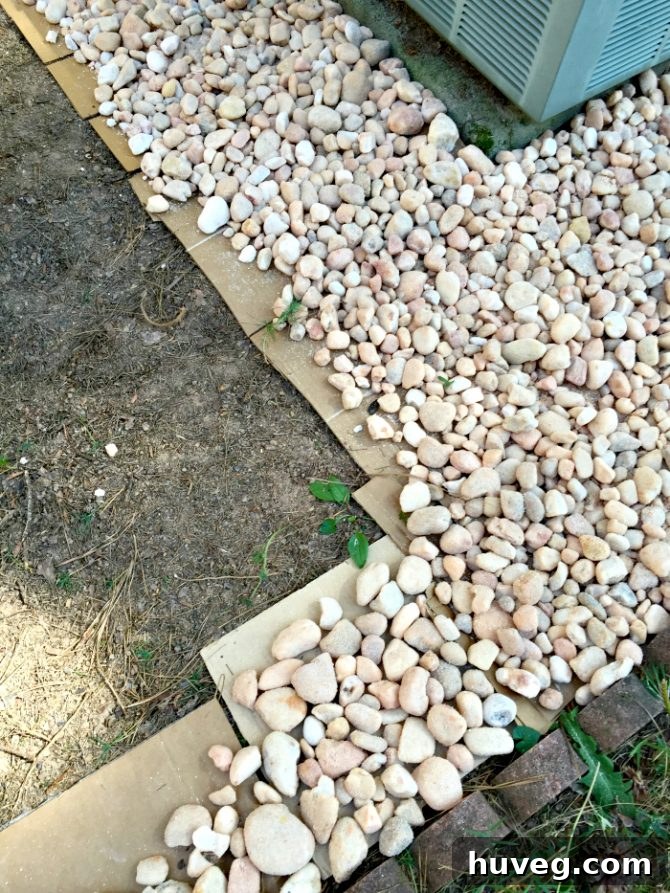
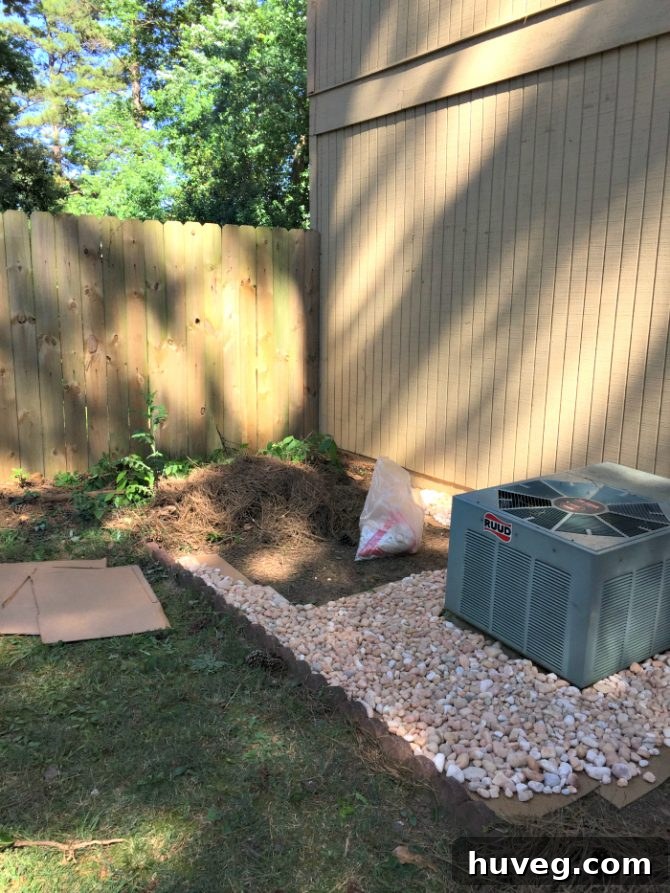
I worked diligently, panel by panel, bag by bag, steadily transforming the utility area. The progress was tangible, and the vision for a cleaner, more organized space was truly coming to life. I reached a significant point in the project, with much of the main area now covered in the attractive egg rock, looking significantly improved from its previous state.
Safety First: Lessons Learned from a DIY Mishap
Just as momentum was building, a moment of carelessness brought the project to an abrupt, albeit temporary, halt. I took an ill-advised step, placing my foot directly onto a small, discarded piece of siding—a piece that, unbeknownst to me, had a nail sticking straight up! Fortunately, the thick soles of my work shoes provided crucial protection, preventing the nail from piercing all the way into my foot. This near-miss was a stark reminder and a testament to the wisdom of having received my tetanus booster during my last doctor’s visit. More importantly, it served as an invaluable, if painful, lesson: always prioritize safety equipment and, without fail, pay close attention to where you step, especially on a busy job site. Even in familiar surroundings, unexpected hazards can lurk.
The offending board, it turned out, had been partially buried by a small accumulation of pine straw. In my haste to clear the area and prepare for the cardboard and rock installation, I had inadvertently covered it even further while raking. My best guess is that this rogue piece of siding was leftover material from when I hired out siding repairs on this side of the house the previous year, though I can’t confirm its exact origin. Regardless, my back was already starting to ache from the repetitive strain of hauling bags of gravel, and nearly impaling the ball of my foot felt like a perfectly legitimate reason to call it a day. Adding to the decision, I had completely run out of rock and needed to return to the store to acquire the remaining bags before the sale concluded. While I still need to fill in the areas closer to the fence and in the corner adjacent to the chimney, the project is off to an excellent start. And now, you’re armed with a smart tip for maximizing your gravel purchase the next time you embark on a similar landscaping endeavor!
The Vision Continues: Future Plans and Planting Ideas for a Shaded Utility Area
A final reveal of the completed utility area makeover will be coming soon! However, my intention is not to entirely fill the remaining space with gravel. Instead, I envision incorporating some thoughtful plantings to enhance the aesthetics and further define the space. This brings me to an exciting, yet challenging, aspect of the project: selecting the perfect plants for this shaded environment. I’m keen to add some shade-loving shrubs to the left side of the area, but with a crucial caveat: they must be varieties that do not defoliate or shed leaves, flowers, or debris in a manner that could potentially blow into the AC unit. Maintaining the low-maintenance goal of this entire project is paramount, and constant clearing of plant matter from the AC unit would entirely undermine that objective.
So far, common suggestions have included monkey grass, various types of holly, and hostas. While these are all viable options for shaded areas, none have quite captured my imagination as a definite favorite yet. I’m looking for something that offers visual interest, perhaps with interesting foliage or a unique growth habit, while remaining resilient and easy to care for. Considerations for plant selection in such a close proximity to an AC unit also include avoiding anything with aggressive root systems that could potentially interfere with the unit’s pad or nearby utility lines, and selecting plants that don’t grow too tall or wide, obstructing airflow to the unit or requiring constant pruning. The goal is to create a soft, natural buffer that complements the hardscaping without becoming another maintenance burden. What are your go-to shade-loving, low-shedding plant recommendations for a utility area like this? Your creative suggestions would be immensely helpful as I finalize the design for this renovated space.