Build Your Own Outdoor Concrete Pad Form

DIY Concrete Pad: Preparing a Robust Foundation for Outdoor Essentials
The journey of home improvement often unveils unexpected themes. For me, 2016 has undeniably been marked by a recurring motif: dirt. It seems every project, from major yard overhauls to smaller functional additions, involves a significant amount of digging, moving, or even strategically acquiring fresh soil. This year-long, subconscious theme has inadvertently turned my backyard into a highly effective, albeit unconventional, gym. The repetitive motions of shoveling and skillfully wielding a mattock offer an intense, full-body workout – particularly for the legs and glutes. So, if you’re seeking to simultaneously enhance your outdoor living space and maintain your fitness, look no further than a good old-fashioned dirt-moving project!
Laying the Groundwork: A Strategic Concrete Pad for Outdoor Organization
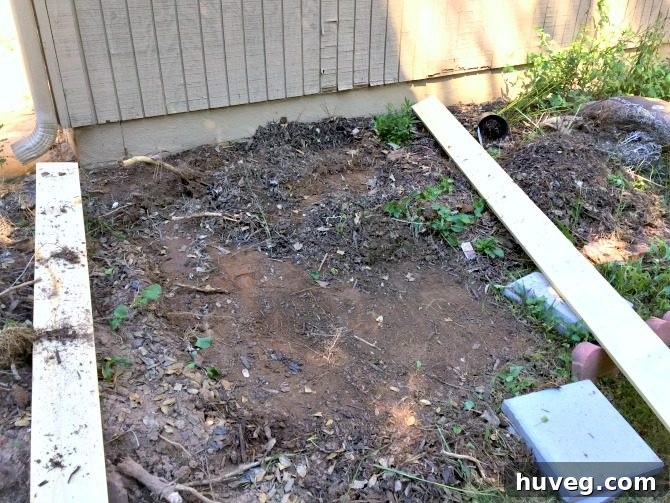
Despite the often-unpredictable schedule of a freelance blog design consultant, I’ve made consistent progress on a crucial outdoor project this past week. My current focus is to excavate an area approximately 4 to 6 inches deep, setting the stage for a precisely formed concrete pad. This slab is designed to serve as the sturdy, dedicated landing spot for my hidden outdoor trash bin. The intention is to transform a mundane utility into a clean, integrated feature, significantly boosting curb appeal and functionality. This project isn’t just about managing household waste; it’s also a strategic learning experience. By meticulously planning and executing this smaller concrete pour, I’m gaining invaluable hands-on experience and confidence. These acquired skills will be directly transferable to a much larger undertaking: pouring a substantial slab in the backyard to form the robust foundation for an upcoming shed construction project. This iterative approach allows for practical learning and refinement of techniques, ensuring a successful outcome for both current and future endeavors. (Transparency is key! This post contains carefully selected affiliate links. For more information on how these help support my DIY projects, please refer to my disclosure page.)
Conquering Georgia’s Red Clay and Persistent Tree Roots
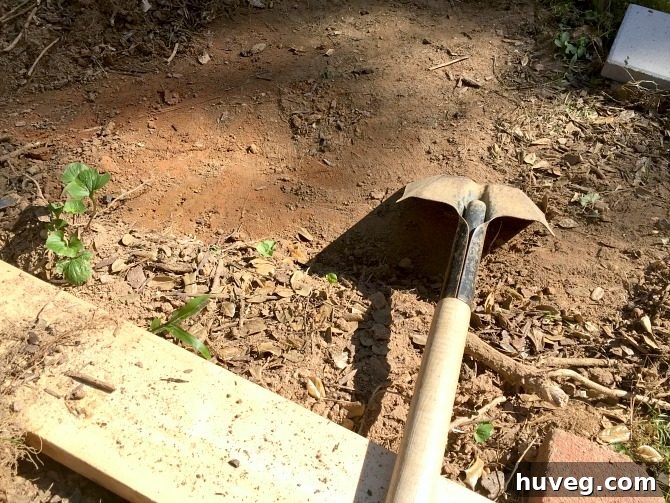
The initial layers of topsoil offered little resistance, making the first inch or so of excavation relatively easy. However, this brief respite was soon replaced by a familiar challenge for anyone undertaking landscaping or construction in the region: Georgia’s tenacious red clay. This dense, often rock-hard soil is notorious for its resistance to digging, requiring more than just a standard shovel. It quickly became clear that my trusty mattock was the indispensable tool for the job. Its pick-like end is perfect for breaking up large, compacted chunks of clay, while the broad blade helps to lever them out. While the inherent compaction of red clay offers a minor advantage – requiring less artificial compaction later on – its density presents a formidable obstacle during excavation. Moving this stubborn earth demanded significant physical effort and a strategic approach, turning a simple digging task into a true test of endurance.
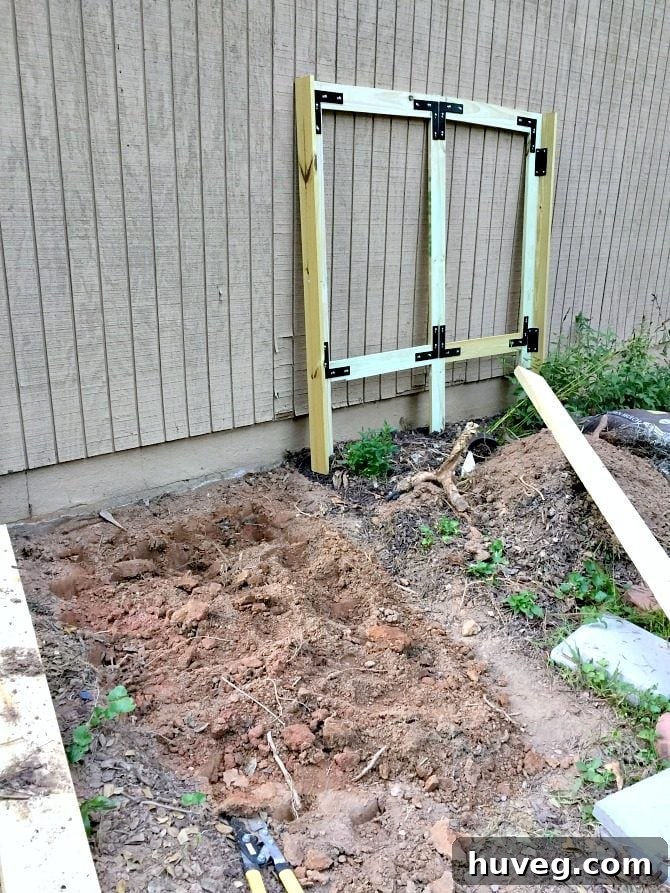
As if the red clay wasn’t enough, my excavation efforts soon unearthed another pervasive issue that seems to haunt this property: an abundance of tree roots. Despite a major root clearing effort when I rented a backhoe back in August for a larger leveling project, nature’s resilience meant that numerous roots persisted, lurking just beneath the surface. These unyielding obstacles demanded relentless hacking and digging, often requiring specialized tools like a root saw or heavy-duty loppers to sever them effectively. Thorough root removal is absolutely critical for any concrete project; left untended, growing roots can exert immense pressure on a slab, leading to cracks and structural failure over time. Each cleared root, though challenging, felt like a small victory, bringing me closer to a stable and lasting foundation.
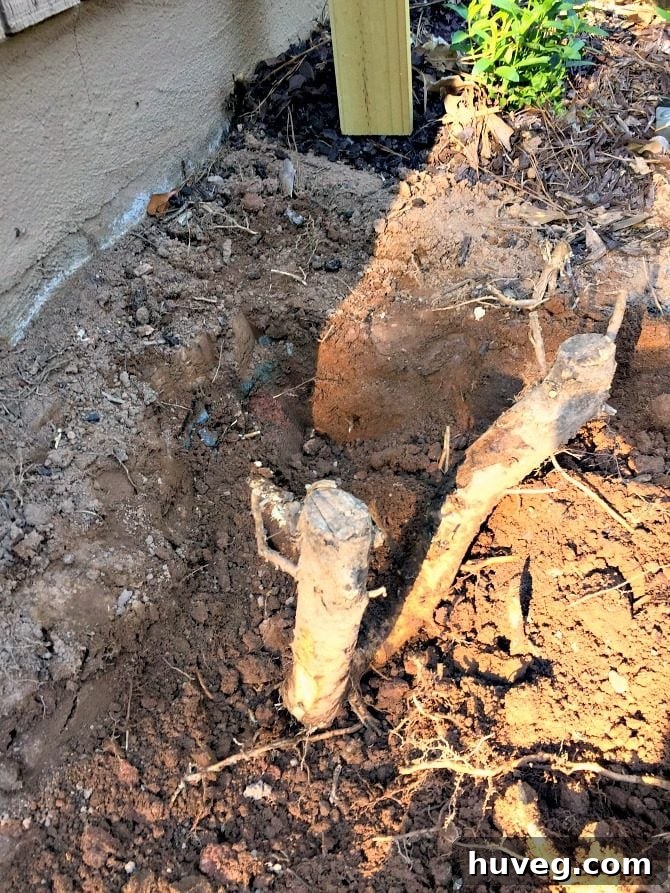
With the last of the stubborn roots finally clipped and the dense soil meticulously dug out, I was left with a perfectly sized and adequately deep trench. This cleared space marked a significant transition from raw excavation to the more precise phase of construction: planning the formwork. An interesting side benefit of the naturally stubborn Georgia clay is its inherent compaction; in some areas, it’s so dense that it minimizes the need for additional mechanical compaction of the sub-base, simplifying a step that can often be laborious. This little advantage felt like a small win after the intense physical labor, allowing me to shift my focus toward the careful layout and construction of the wooden frame.
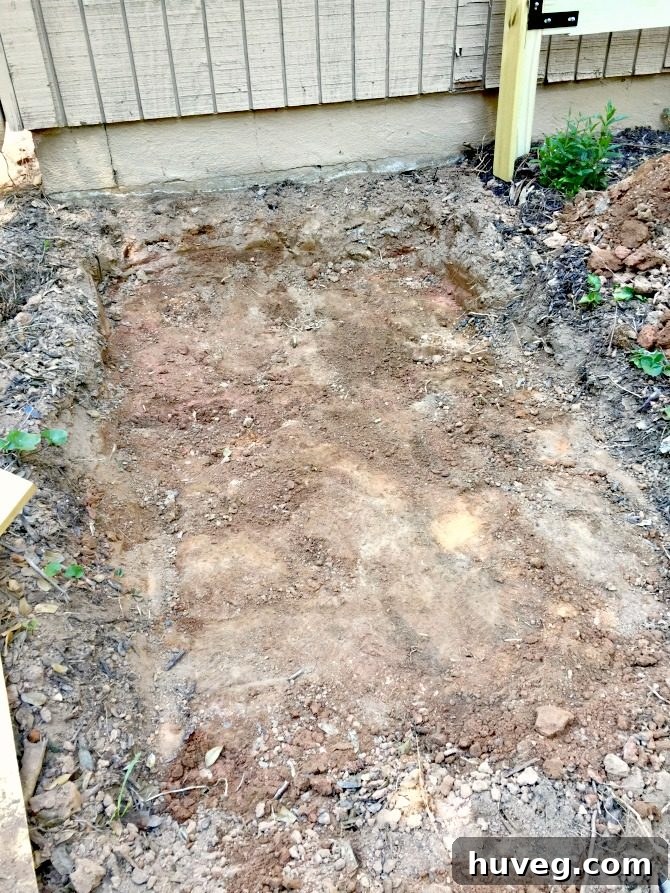
Crafting the Concrete Formwork: Resourcefulness and Precision
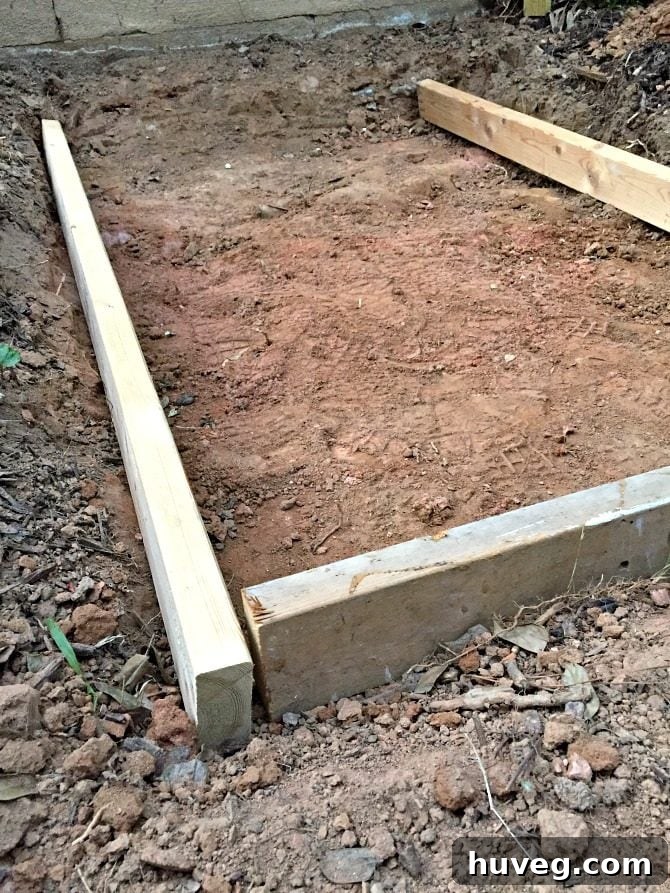
With the challenging excavation behind me, the next crucial step was to construct the formwork – the temporary wooden mold that will define the shape and dimensions of the concrete pad. Embracing resourcefulness, I delved into my garage’s stash of scrap lumber. From this collection, I carefully selected and cut two 2x4s to create a robust rectangular frame, meticulously sized to approximately 3 feet wide and 5 feet long. These dimensions are ideal for comfortably accommodating the outdoor trash bin while allowing for easy maneuverability and a clean aesthetic. Before permanently assembling the frame, I performed a critical double-check, verifying that the entire excavated area was uniformly deep enough. This ensures that the finished concrete pad will sit at the desired height, either flush with or slightly elevated above the surrounding grade, contributing to proper drainage and a professional appearance. This stage underscores the importance of precision in DIY projects, where careful measurements and checks prevent costly rework down the line.
Essential Tools for Accurate Framing: Corner Clamps and Beyond
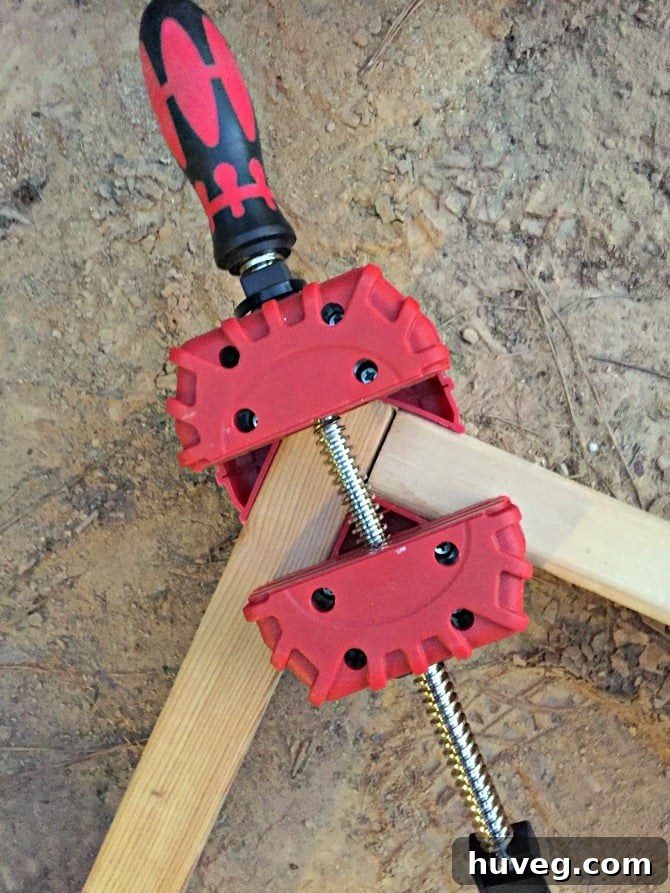
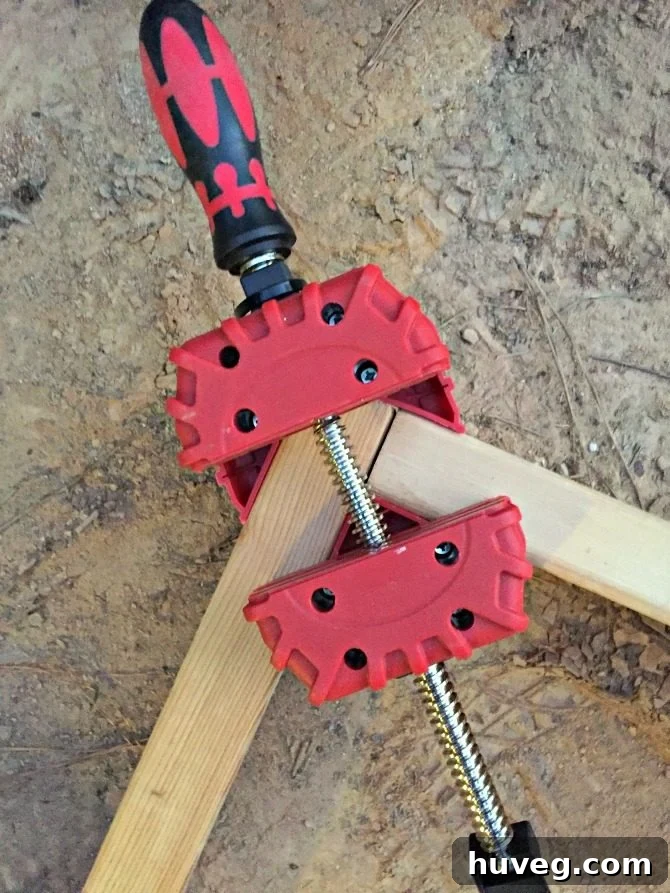
Achieving a perfectly square and stable formwork is non-negotiable for a professional-looking concrete pad. To assist with this crucial step, I recently added a few new tools to my arsenal from Harbor Freight: a set of corner clamps. While these were an economical option, they proved remarkably effective at holding the 2x4s precisely at 90-degree angles while I fastened them securely with screws. For this specific project, their performance was more than adequate. However, for those envisioning more intricate woodworking projects, such as building custom cabinetry or fine furniture, I would certainly advocate for investing in higher-grade clamps. I’ve often considered the Kreg corner clamp, which is highly regarded in the woodworking community for its superior precision and durability. It remains on my wish list, though not an immediate priority. If any fellow DIY enthusiasts have firsthand experience with the Kreg clamps, I’d genuinely appreciate your insights on whether they justify the investment for various projects!
Strategic Leveling and Implementing Essential Drainage Slope
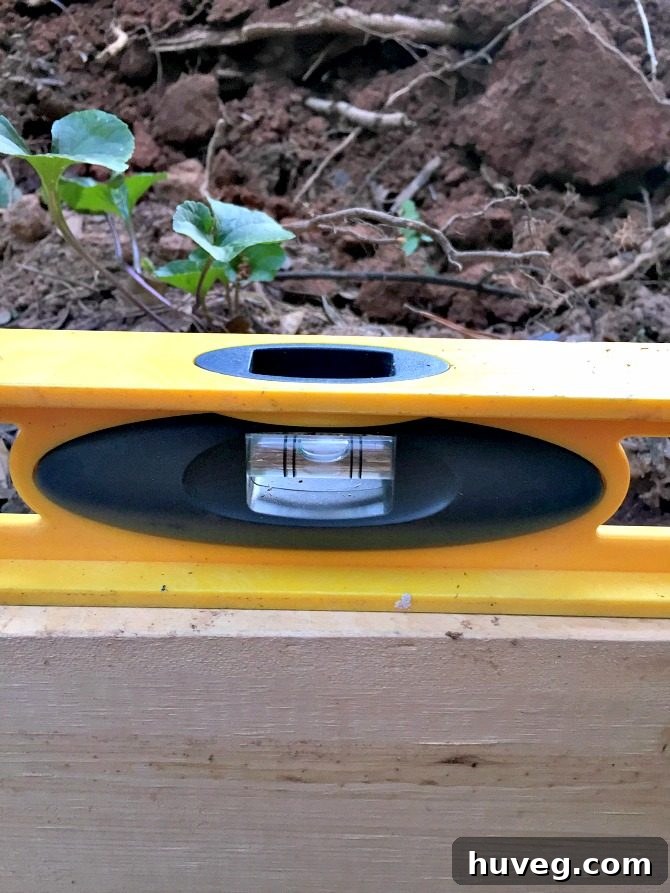
Once the frame was assembled and tightened, making it as “squar-ish” as DIY allows, I carefully positioned it back into the excavated area. The next critical task was to check for levelness using a spirit level. To my surprise, and somewhat humorously, the entire frame initially sat perfectly level without any prior deliberate adjustments! While a perfectly level surface might seem desirable, it’s often not ideal for outdoor concrete pads. For this specific trash bin pad, I intentionally aimed to introduce a subtle slope. This deliberate incline serves two vital purposes: firstly, it will significantly ease the process of wheeling the heavy trash bin on and off the pad, reducing physical strain. Secondly, and arguably more critically for long-term durability and home protection, the slope ensures efficient water runoff. By directing rainwater away from the house’s foundation, I mitigate the risk of water pooling, which can lead to moisture damage, erosion, or even foundation issues over time. Achieving this precise, consistent slope requires meticulous adjustments to the ground beneath the frame, carefully adding or removing soil until the desired gradient is established across the entire surface.
Preparing the Base: Gravel and Formwork Reinforcement
With the frame accurately squared and pitched to the necessary slope, the focus shifted to the final preparatory steps before the concrete pour. These involve two equally vital tasks: securely staking the wooden formwork into the ground to prevent it from bowing under the immense pressure of wet concrete, and establishing a robust base layer of all-purpose gravel. If you’ve followed my DIY escapades, you might anticipate my next move. Despite knowing that staking should ideally precede the gravel, I confess I yielded to the immediate gratification of adding the gravel – a classic example of DIY enthusiasm over strict protocol! Nonetheless, both components are crucial for ensuring the structural integrity and longevity of the concrete pad. Skipping either step can lead to significant problems down the line, from uneven surfaces to cracked concrete.
The Indispensable Role of a Gravel Base for Concrete Slabs
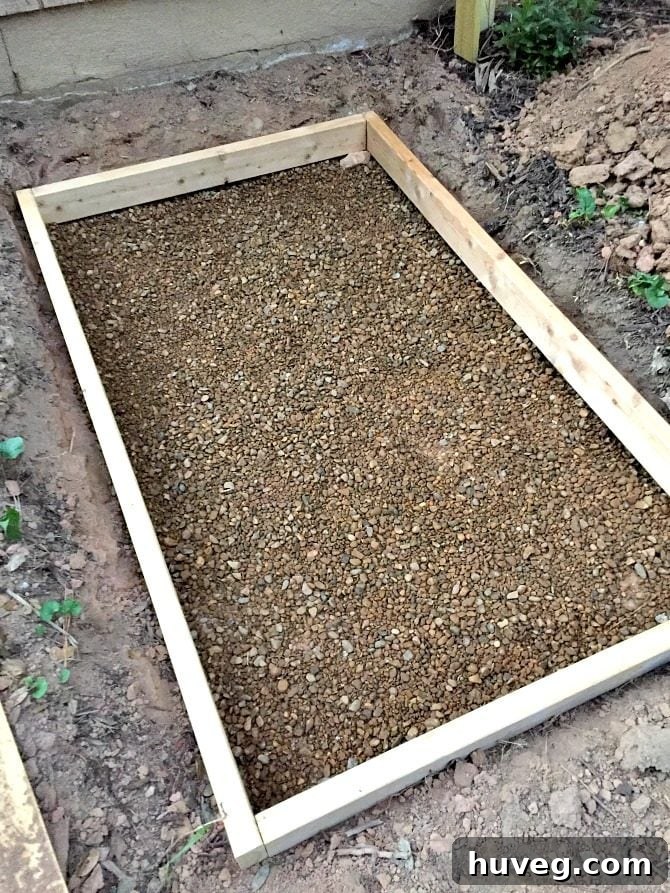
A properly prepared gravel base is not just an optional layer; it’s a fundamental element for constructing a durable and long-lasting concrete slab. The gravel performs several critical functions: it provides superior drainage, preventing water accumulation beneath the slab that can lead to freeze-thaw cycles and eventual cracking. Furthermore, it helps to evenly distribute the weight of the concrete, creating a stable and uniform foundation that resists settling. For this project, readily available all-purpose gravel was chosen for its effectiveness. After carefully establishing the desired slope, I began spreading the gravel. Two bags covered the initial area, but it became evident that a third bag would be necessary to achieve the optimal depth of 4-6 inches. Once spread, this gravel layer requires thorough compaction – a process I’ll undertake with a hand tamper or potentially a rented plate compactor. Proper compaction is key to creating a dense, stable sub-base that minimizes future settling and enhances the overall strength and durability of the finished concrete pad.
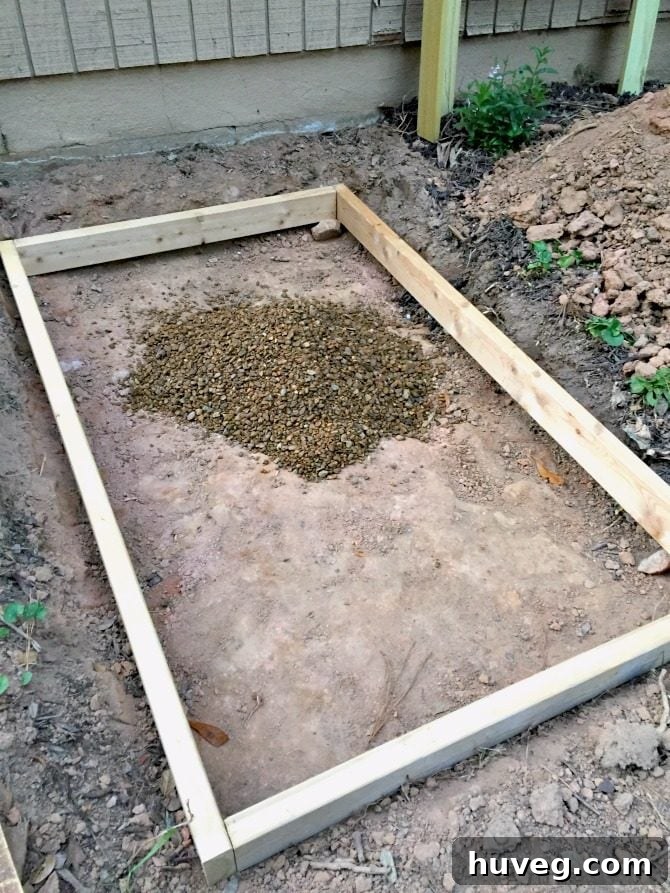
While the wooden frame itself is reasonably stable and square, the stakes serve as vital reinforcement. Their primary role is to anchor the formwork firmly into the ground, preventing it from bowing outwards or shifting when the heavy, fluid concrete is poured into the mold. Despite their critical importance, I inadvertently omitted purchasing stakes during my last hardware store visit. Undeterred and ever the improviser, I opted to proceed with laying the gravel. The image above shows the area after two bags of gravel have been spread, but it’s clear that a third bag is needed to achieve the ideal depth and consistency. The next immediate step, after adding the remaining gravel, will be to thoroughly spread and compact it. This will create an unyielding, robust bed for the concrete, ensuring a foundation that is both stable and resistant to future movement or settling.
DIY Formwork Stakes: Ingenuity with Repurposed Materials
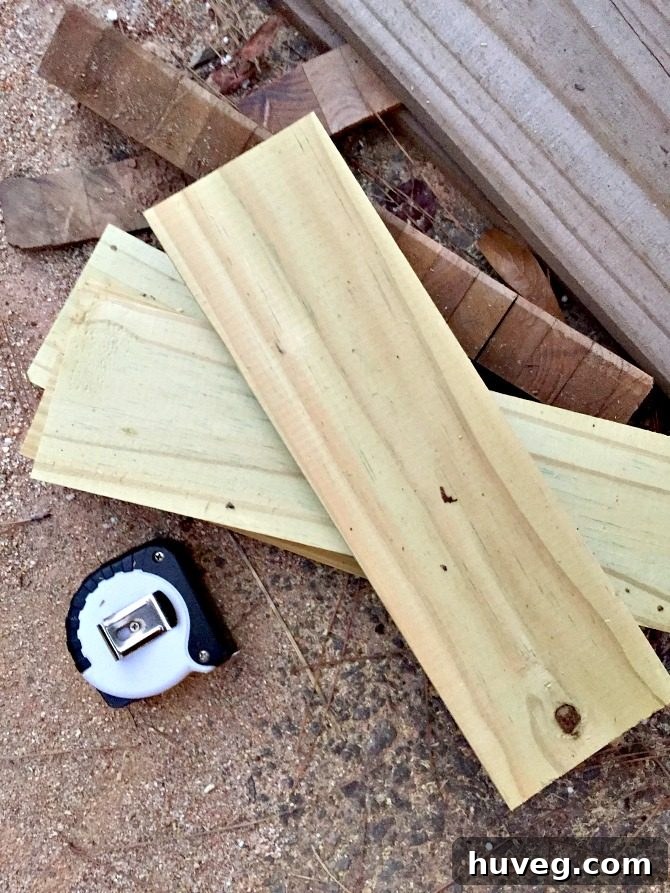
Given my oversight in purchasing pre-made stakes, I’ll be tapping into my DIY resourcefulness to craft my own. Conveniently, I have a stash of perfect scrap wood pieces remaining from constructing the frame for the decorative wood screen, which will ultimately stand next to this concrete pad to conceal the trash bin. This not only eliminates an extra trip to the hardware store but also aligns perfectly with my commitment to minimizing waste and maximizing material use – a core tenet of sustainable DIY. I’ll precisely cut these scrap pieces to appropriate lengths, then utilize my miter saw to add a sharp, 45-degree point to one end of each. This pointed tip will enable them to be driven easily and securely into the tough Georgia soil, providing the essential bracing required to maintain the formwork’s perfect alignment and prevent any bowing or shifting during the concrete pour. This small act of improvisation highlights the adaptability often required to navigate unexpected challenges in home improvement projects.
Weathering Delays and Anticipating the Concrete Pour
My progress on the concrete pad was brought to an abrupt halt by the unpredictable arrival of Hurricane Matthew. Pouring concrete in heavy rain is an absolute no-go in construction; excessive water can significantly compromise the concrete mix, dilute the essential components, and negatively impact the crucial curing process. This can lead to a weaker, less durable, and potentially cracked slab. Therefore, patience became the order of the day as I waited for suitable conditions. Fortunately, the forecast for the upcoming week looks exceptionally promising, with clear skies, plenty of sunshine, and mild temperatures – truly ideal conditions for mixing, pouring, and finishing concrete. I am eagerly anticipating having the stamina and energy required to mix several heavy bags of concrete by hand, carefully pour it, then meticulously screed and float it into a smooth, level surface. The excitement of seeing this critical phase completed is palpable, and I’m looking forward to sharing the successful results with you all very soon! Each step, no matter how physically demanding, brings me closer to realizing a more functional, aesthetically pleasing, and highly organized outdoor space.
What significant goals or challenging DIY projects are you tackling this week? Share your aspirations and progress in the comments below – I love hearing about your endeavors!