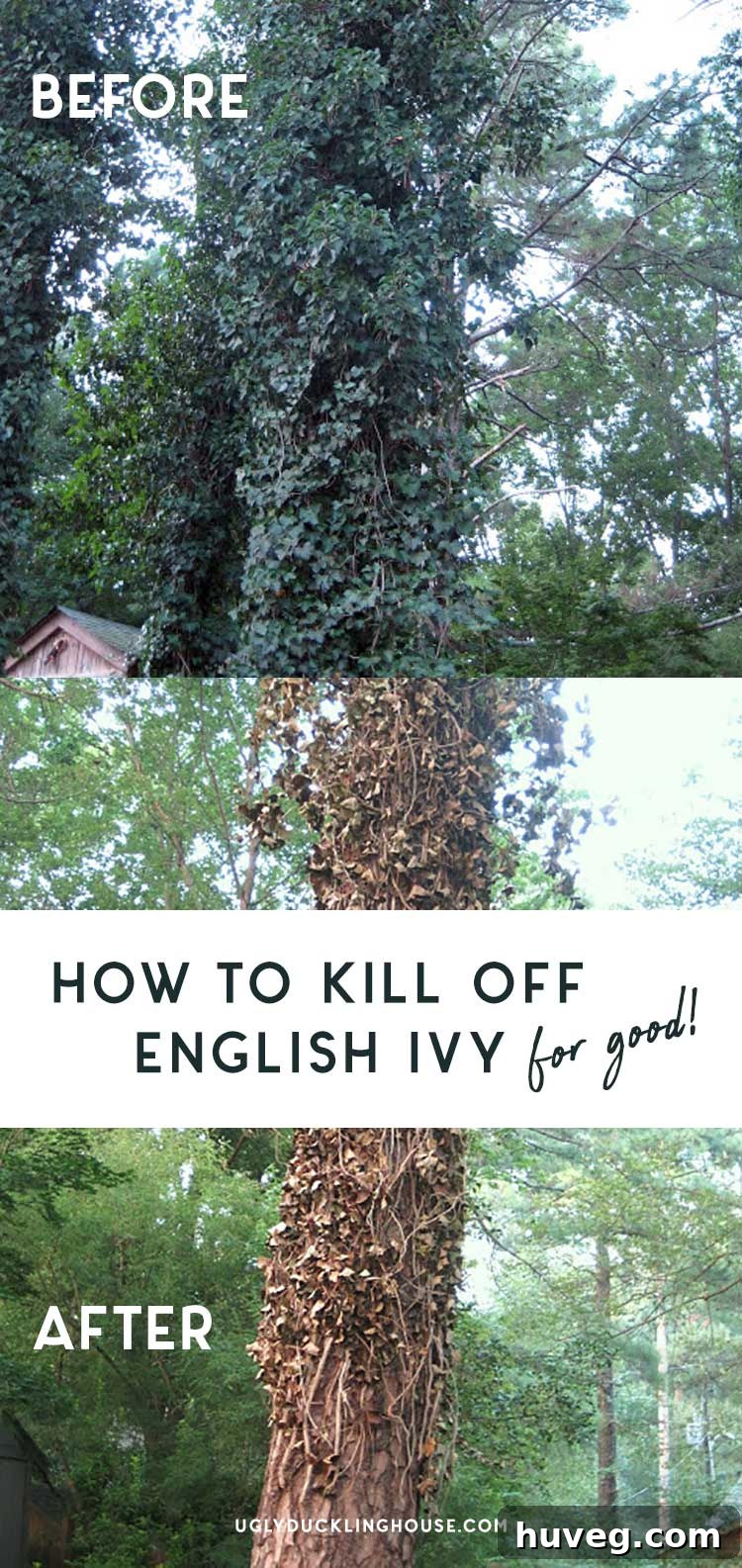
Permanently Eliminate English Ivy

Conquering English Ivy: Your Ultimate Guide to Eradicating Invasive Vines from Your Backyard
The relentless battle against invasive English ivy can often feel like an unwinnable war, especially when it threatens to engulf your beautiful backyard. Just weeks ago, our outdoor space was overrun, with stubborn vines clinging to trees and spreading relentlessly across the ground. Today, we’re thrilled to share that we’re finally winning! We’ve discovered a highly effective, two-pronged strategy that has accelerated our ivy removal process, transforming what could have been a multi-year struggle into a manageable, swift victory. This comprehensive guide will walk you through our successful approach, providing you with the knowledge and tools to reclaim your garden from this persistent green menace.
Understanding the Ivy Menace: Why English Ivy is a Persistent Problem
English ivy (Hedera helix) might seem harmless, even charming, with its lush evergreen foliage. However, it’s a highly invasive species known for its aggressive growth patterns. Once established, it can quickly choke out native plants, deprive trees of essential sunlight by girdling their trunks, and even compromise the structural integrity of fences, walls, and other garden features. Its dense, sprawling growth creates undesirable habitats for pests and can be incredibly difficult to remove once it takes hold.
Compounding the challenge, the mature leaves of English ivy possess a waxy coating, making them remarkably resistant to many conventional weed killers. This natural defense mechanism means that effective eradication requires more than just a casual spray or a simple trim. Recognizing the scale and specifics of the problem is the foundational first step toward developing and implementing a truly effective removal strategy.
The Two-Pronged Attack: Our Proven Strategy for Ivy Eradication
Initially, we believed a simple cutting back of the vines would suffice. We quickly learned that for lasting results, a comprehensive approach combining both mechanical removal and targeted chemical treatment was absolutely essential. What experts suggested could take up to two years with mechanical efforts alone, we’re now achieving in a single growing season. Here’s how our game plan unfolded:
Phase 1: Mechanical Removal – Cutting Back the Climb
Our first line of defense involved a physical assault on the climbing vines. This crucial initial step not only provides immediate relief to suffocating trees but also prepares the ivy for a more effective chemical treatment. Before we even considered herbicides, we meticulously tackled the ivy climbing our trees.
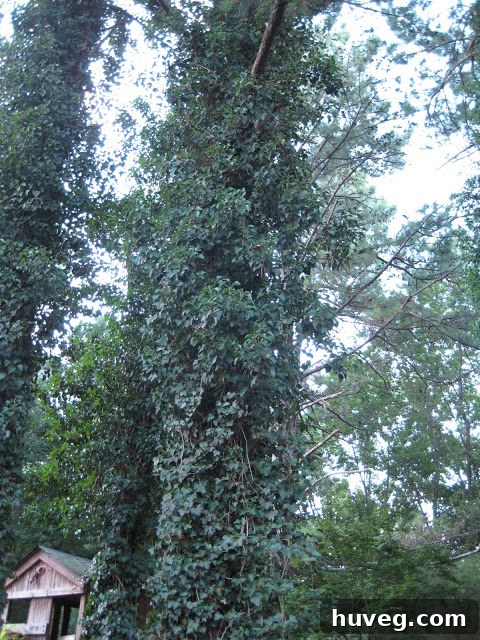
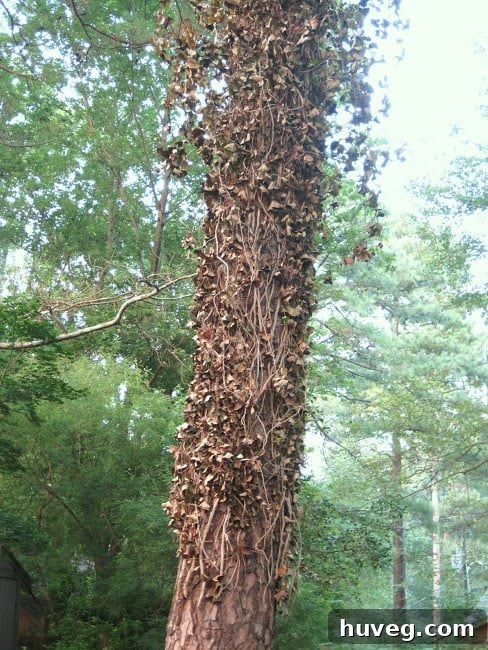
You can truly appreciate the initial state of our ivy-laden backyard in these pictures, which clearly illustrate the sheer scale of the challenge we faced. Armed with robust tools such as heavy-duty clippers and sturdy loppers, my partner carefully cut a significant section of ivy from each tree trunk. Our goal was to create a clear, ivy-free gap of at least three feet from the base of the tree upwards. This “no-ivy zone” around the trunks is vital; it prevents the ivy vines above the cut from receiving nutrients from the root system in the ground, effectively starving the upper growth. We observed the leaves above the cut starting to turn brown almost immediately – a visible and incredibly encouraging sign that our efforts were on the right track!
While cutting back the ivy from trees is an excellent and necessary first step, it’s important to understand its limitations. Mechanical removal alone won’t address the extensive network of ivy roots spreading across the ground. For that pervasive ground cover, a more systemic and comprehensive approach is unequivocally required.
Phase 2: Targeted Chemical Treatment – The Herbicide Advantage
With the tree-climbing ivy severed and starving, our attention shifted to the expansive ground cover. The cut vines would eventually die, but the ivy rooted in the ground, with its robust and established root system, would continue to thrive and relentlessly attempt to climb again. This is precisely where the strategic application of a specialized herbicide comes into play. By diligently combining mechanical cutting with a targeted chemical treatment, we significantly shorten the overall eradication timeline and ensure a more permanent, long-term solution.
Essential Tools & Materials for Effective Ivy Eradication
- Comprehensive Safety Gear: Investing in proper personal protection is absolutely non-negotiable when dealing with aggressive vines and chemical herbicides. You will need high-quality safety glasses to shield your eyes from splashes, debris, and airborne particles, and a reliable breathing mask to prevent inhalation of chemical fumes, which is especially important in poorly ventilated areas or during prolonged application.
- Robust Protective Gloves: English ivy can cause skin irritation in some individuals, and herbicides are, by definition, chemical compounds. Extra-long, heavy-duty gardening gloves are ideal for providing comprehensive protection to your hands and forearms from thorns, irritating sap, and direct chemical contact.
- Sharp Gardening Clippers/Trimmers Set: For effectively cutting back thick vines from trees, severing established runners, and generally managing denser patches of ivy, a reliable set of gardening clippers or pruners, along with powerful loppers for larger, woody stems, is absolutely essential. Ensure your tools are kept sharp for clean, efficient cuts.
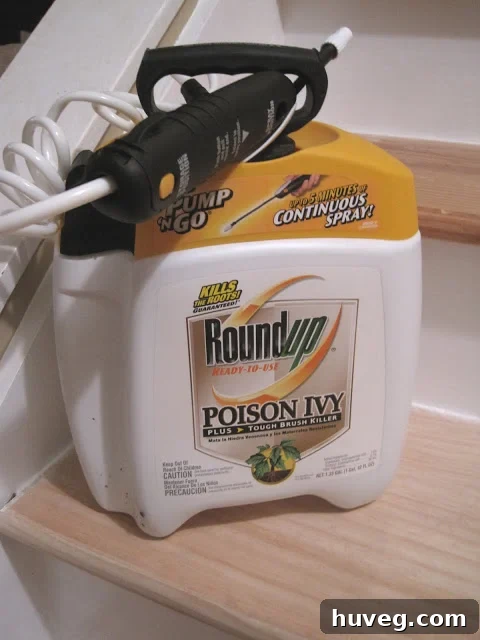
- Targeted Ivy and Brush Killer with Applicator: This is the star of the chemical treatment phase. Look for a product specifically formulated and designed for tough brush and invasive ivy. A spray bottle equipped with a wand attachment, such as this ivy and brush killer, offers superior precision in application, significantly reducing the risk of undesirable overspray onto plants you wish to keep.
Choosing the Right Herbicide for English Ivy: Key Ingredients Explained
Not all herbicides are created equal, particularly when confronting the notoriously tough and resilient English ivy. Our extensive research, which included consulting various gardening experts and online resources, consistently pointed to two key active ingredients that are especially effective against this persistent plant: Triclopyr and Glyphosate. Understanding their individual roles and how they work synergistically is crucial for selecting the best product for your ivy eradication project.
- Triclopyr: This powerful ingredient is highly effective on woody plants and broadleaf weeds, making it an excellent choice for tackling the robust, climbing vines of tree ivy and other stubborn brush. Triclopyr works by mimicking natural plant growth hormones, causing uncontrolled and chaotic growth that ultimately overwhelms the plant’s systems and leads to its complete demise. It’s particularly good at penetrating the waxy cuticles of woody stems.
- Glyphosate: As a broad-spectrum, non-selective herbicide, Glyphosate is absorbed through the leaves and green stems, then systematically translocated throughout the entire plant, including the deepest roots. It effectively kills the plant from the inside out by inhibiting an enzyme crucial for protein synthesis. Glyphosate is particularly potent against ground cover ivy and is instrumental in ensuring that the entire underground root system is eradicated, preventing future regrowth.
We found a highly potent and effective combination of both Triclopyr and Glyphosate in Round Up Poison Ivy Plus Tough Brush Killer. This product was readily available at our local Lowe’s, and you should find similar formulations at most major home improvement stores like Home Depot. This specific combination and formulation are expertly designed to penetrate the notoriously waxy leaf coating of tough weeds like ivy, ensuring maximum absorption and comprehensive effectiveness. Always make it a priority to read the product label meticulously to confirm it is suitable for your specific type of ivy and to thoroughly understand all application instructions, safety precautions, and environmental considerations.
Applying Herbicide Safely and Effectively: A Step-by-Step Guide
Proper and careful application of herbicide is paramount to both the success of your ivy eradication efforts and the safety of your surrounding environment. Here’s a detailed guide on how we approached treating our backyard ivy:
- Optimal Timing for Application: The absolute best time to apply herbicides is during the ivy’s active growing season. This typically falls in the late spring, throughout the summer months, and into early fall. During these periods, the plants are actively photosynthesizing, vigorously growing, and efficiently transporting nutrients (and thus, the herbicide) to their roots, ensuring maximum absorption and translocation throughout their entire system. It is critical to avoid applying herbicides on windy days to prevent drift onto desirable plants, and to ensure there is no rain expected within 24-48 hours after application, which could wash away the chemical before it has a chance to be fully absorbed.
- Precision Targeted Spraying: Since we had already undertaken the crucial step of cutting the ivy from the trees, our primary focus for chemical application shifted entirely to the extensive ground cover. We utilized a spray bottle equipped with a specialized wand to ensure precise and highly targeted application, directly coating only the ivy leaves and stems. This technique significantly minimizes overspray, which is vital for protecting any nearby desirable plants you wish to preserve. Aim to thoroughly coat the leaf surfaces, but avoid saturating the ivy to the point of runoff, as this wastes product and increases environmental risk.
- Strict Personal Protection: Always, without exception, wear your complete set of safety gear – including durable gloves, protective safety glasses, and a breathing mask – throughout the entire application process. Wearing long sleeves, long pants, and closed-toe shoes is also highly advisable to further minimize any potential skin exposure to the chemical.
- Patience and Unwavering Persistence: Do not expect instantaneous results immediately after application. Herbicides, particularly systemic ones, work gradually and methodically. It can take several days to a few weeks to observe the full and dramatic effects. You will typically notice the ivy leaves gradually beginning to wilt, followed by a change in color to yellow, and finally, a pronounced browning and die-back. This slow progression is a positive sign that the herbicide is working effectively throughout the plant’s system.
Witnessing the Transformation: Our Progress in Pictures
The visual evidence of our concentrated efforts has been incredibly satisfying and motivating. After just a single treatment application, the difference in our backyard was truly remarkable, offering a powerful testament to the effectiveness of our combined mechanical and chemical strategy. These images document the powerful transformation:
Before our two-pronged attack:
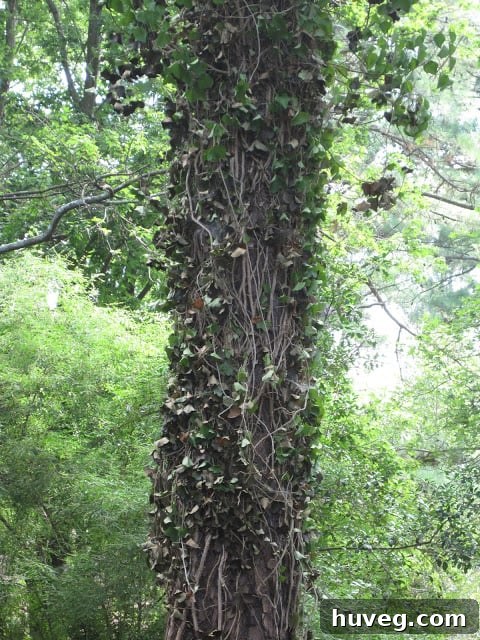
After the initial mechanical and chemical treatment:
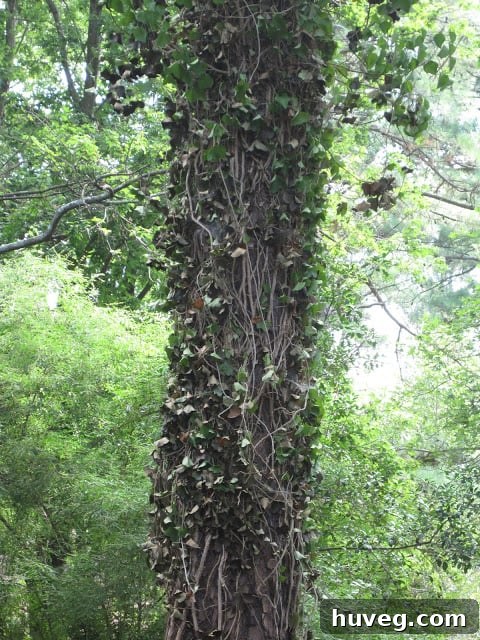
The progression continued swiftly and impressively beyond these initial results. For even more dramatic visual progress, you can refer to our update posted on August 30th, which vividly shows how much more the ivy had browned, withered, and retreated from the landscape. This profound change from a vibrant, suffocating green to widespread withered brown leaves unequivocally signifies that the herbicide is performing its job effectively and systematically eradicating the ivy.
Factors Accelerating Your Ivy Removal Success
Our remarkably rapid success in transforming our ivy-infested backyard was not solely attributable to the herbicide; rather, a strategic combination of diligent actions and advantageous environmental conditions played a significant, synergistic role in speeding up the entire eradication process:
- Strategic Cutting to Expose Vulnerable Plant Parts: By meticulously cutting 2 to 3 feet of vine away from each tree trunk where the ivy first began its ascent, we accomplished several critical objectives. Firstly, we immediately relieved the stress on the trees. More importantly for herbicide efficacy, this action exposed the more vulnerable inner tissues of the plant. The outer layer of mature ivy leaves and stems is notably waxy, which naturally repels liquids. By cutting the vines and either treating the freshly exposed cuts or targeting the new, less waxy growth that emerged, the herbicide could be absorbed much more effectively and quickly, leading to dramatically accelerated results.
- Utilizing a Specialized, Potent Herbicide: The deliberate choice to use an herbicide specifically formulated to tackle tough brush and invasive ivy, containing active ingredients like Triclopyr and Glyphosate, made an undeniable difference. These powerful chemical compounds are expertly designed to penetrate the natural defenses of robust weeds and systematically kill the entire plant, right down to its extensive root system, thereby ensuring comprehensive and lasting removal.
- Leveraging Environmental Stress Conditions: We were fortunate enough to capitalize on the local climate. The intense Georgia heat, particularly during the peak summer months, naturally places significant stress on even the hardiest plants. When plants are already under environmental duress—such as prolonged periods of drought or extreme heat—their physiological defenses are weakened. This state of vulnerability makes them considerably more susceptible to the effects of herbicides. This confluence of mechanical action, chemical treatment, and environmental stress created a truly lethal combination for the ivy, significantly speeding up its demise.
- Consistent Monitoring and Prompt Re-treatment: While not explicitly detailed as a separate point in our original plan, continuous monitoring for any new growth and prompt re-treatment of these nascent shoots is implicitly a cornerstone of long-term success. This diligent follow-up ensures that no new shoots establish themselves and that the eradication process continues without interruption until complete and total removal is achieved.
Important Considerations and Best Practices for Safe Application
While our method proved to be incredibly effective, it comes with important caveats and best practices that must be rigorously followed to ensure success while simultaneously protecting your surrounding environment and personal safety:
Critical Caution: This is a General Plant Killer! The herbicide we used is incredibly potent and, crucially, indiscriminate. It will kill almost any plant it comes into contact with, including your cherished garden flora. Therefore, extreme caution and meticulous planning are absolutely necessary during its application. If you have desirable plants or shrubs growing in close proximity to the ivy you wish to eliminate, consider implementing these protective measures:
- Implement Physical Barriers: Utilize readily available materials such as large sheets of cardboard, durable plastic sheeting, or tarps as temporary physical shields. Position these barriers strategically to block any potential overspray from reaching and damaging desirable plants.
- Consider Temporary Relocation: If feasible and practical for smaller, cherished plants, temporarily replant them to a safe, designated location. This should be done until the ivy is completely eradicated and the treated area is deemed safe for replanting.
- Thorough Rinsing for Accidental Contact: In the unfortunate event of accidental overspray onto plants you genuinely wish to keep, immediately and thoroughly hose off the affected foliage with copious amounts of clean water. This can help wash off the herbicide before it has a chance to be fully absorbed.
- Opt for Spot Treatment: For ivy growing in extremely close proximity to other valuable plants, consider a more manual and precise application method. You can cut the ivy vines, then carefully paint the herbicide directly onto the freshly cut ends using a small, dedicated brush, rather than risking broad spraying.
Crucial Follow-Up and Management of New Growth: It is common and entirely normal to observe fresh, vibrant green buds and small shoots popping up after your initial treatment. This new growth is simply the plant’s resilient attempt to recover and regenerate. However, these young leaves are particularly vulnerable because they have not yet developed the thick, waxy film characteristic of older ivy leaves. A quick, targeted squirt of the Round Up herbicide on these tender, unprotected shoots will cause them to shrivel away rapidly. This prompt re-treatment is vital for preventing re-establishment and ensuring the long-term success of your eradication efforts. Plan for repeat applications every two to three weeks during the active growing season until no new growth consistently appears.
Reclaiming Your Backyard: A Victory Within Reach
Our journey to reclaim our backyard from the pervasive clutches of invasive English ivy has been an incredibly rewarding and empowering experience. By meticulously adopting a diligent, two-pronged strategy—combining vigorous mechanical cutting with targeted herbicide application—we have managed to achieve truly significant results in a mere fraction of the time typically estimated for tackling such a formidable and stubborn foe. The immense satisfaction of seeing our trees breathing freely again and our ground cleared of dense, suffocating vines is immeasurable.
We are highly optimistic that with continued vigilance, consistent monitoring, and a few more targeted treatments, our backyard will be entirely ivy-free within the span of a single growing season. Imagine the triumph of transforming what could have been a arduous two-year battle into a swift, single-season victory! We wholeheartedly encourage you to arm yourself with the knowledge gleaned from this guide and the right tools, and confidently embark on your own ivy eradication project. The positive results are profoundly empowering, allowing you to create and enjoy a healthier, more beautiful, and truly reclaimed outdoor space.
We’ll continue to keep you posted after our second treatment and subsequent progress updates. Stay tuned for more insights into maintaining an ivy-free garden and enjoying your outdoor oasis!
Don’t forget to pin this comprehensive guide for future reference and to help others conquer their persistent ivy problems!