11 Water Heater Hacks to Cut Your Energy Bill

11 Essential Hot Water Heater Tips: Boost Efficiency, Extend Lifespan & Save Money
As homeowners, we frequently encounter the unexpected—a leaky faucet, a malfunctioning appliance, or the sudden need for a costly repair. While addressing these issues as they arise is an unavoidable part of homeownership, adopting a proactive approach can prevent significant stress, save valuable time, and dramatically reduce expenses in the long run. Few household systems exemplify this principle more profoundly than your water heater. Often located out of sight and out of mind, this workhorse quietly delivers the comfort of hot water every single day, yet it’s frequently overlooked until a cold shower forces its existence into our awareness.
This comprehensive guide moves beyond simply reacting to breakdowns. Instead, it offers 11 actionable strategies designed to help you *prevent* the next major repair expense, extend the operational life of your unit, and significantly lower your energy bills. From mastering the basic understanding of your system and implementing smart energy-saving habits to recognizing the optimal time for an upgrade, these insights will empower you to take complete control of your home’s hot water supply. We’ve compiled practical advice, clarified common misconceptions, and even collaborated with experts like the Propane Education & Research Council to bring you well-rounded recommendations on everything from routine maintenance to considering a modern, highly efficient replacement. Dive in and discover how a little prevention today can lead to substantial savings and peace of mind tomorrow!
Understanding Your Water Heater: Essential Basics for Every Homeowner
1. Know the Location of Your Water Heater Shutoff Valve
This isn’t just a convenient tip; it’s a fundamental safety and damage-prevention imperative for every homeowner. Imagine a catastrophic scenario: a burst pipe or a malfunctioning water heater suddenly spewing gallons of water uncontrollably into your home. Every precious minute spent frantically searching for the main water shutoff valve translates directly into more extensive property damage, potentially escalating repair costs into the thousands. Knowing its exact location and how to operate it allows you to act swiftly, minimizing potential devastation. Whether it’s a main shutoff valve controlling the water supply for your entire house or a dedicated valve specifically for the water heater, identify it now. If you share your home, ensure every adult knows its whereabouts and how to turn it off. Take a few moments today: locate the valve, label it clearly with a permanent marker or tag, and even perform a quick, safe test to confirm it’s functional. This simple preparedness can transform a potential catastrophic flood into a manageable leak, saving you immense heartache, extensive property damage, and significant financial burden.
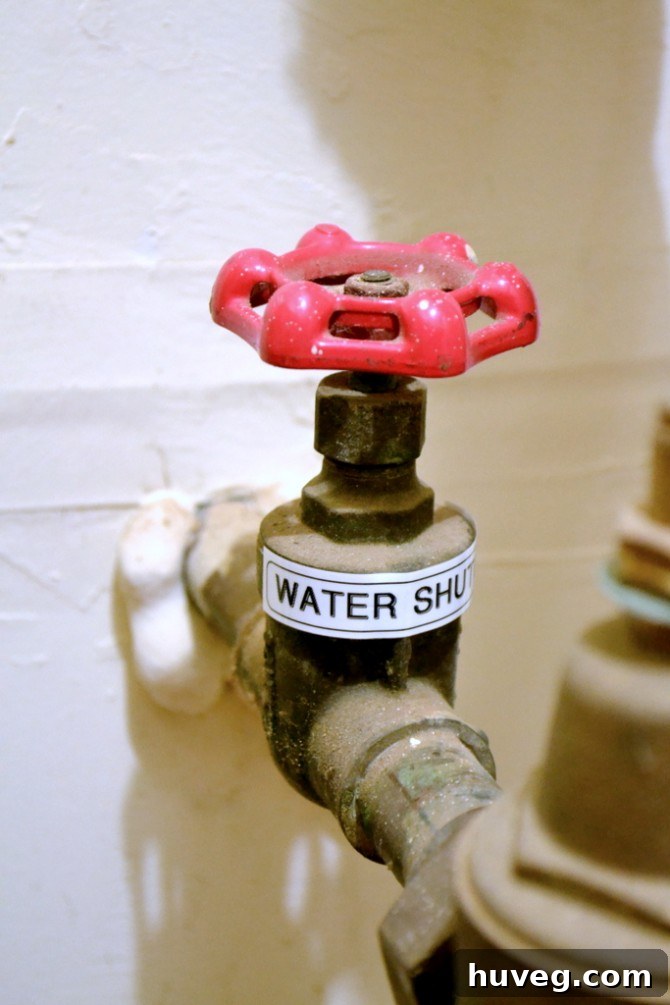
Many homeowners regrettably learn this lesson during a panicked, urgent early-morning emergency. Don’t wait for scalding hot water to be spraying from a ruptured pipe in your bathroom at 6 AM on a holiday weekend to discover you’re unprepared. A few moments invested today can buy you invaluable time and profound peace of mind when a crisis hits, enabling you to react calmly and effectively rather than succumbing to panic in a stressful situation. It’s a small effort for a monumental return in safety and property protection.
2. Identify Your Water Heater Type and Specifications
A comprehensive understanding of your water heater’s specific characteristics is paramount for effective maintenance, accurate troubleshooting, and informed future replacement planning. Start by determining its fundamental type: Is it a traditional tank-style heater that stores a reservoir of heated water, or a modern tankless (on-demand) system that heats water instantaneously as you need it? Next, identify its primary fuel source – is it powered by natural gas, propane, or electricity? These fundamental details significantly influence the unit’s operational efficiency, its specific maintenance requirements, and the nature of any repairs it might need.
Locate the manufacturer’s data label, which is typically affixed to the side of the tank or the exterior of the unit. This label is a treasure trove of vital information: it includes the serial number (critical for warranty claims, ordering replacement parts, or registering your appliance), the gallon capacity (a key specification for tank models), and often, specific operating and maintenance instructions tailored to your particular model. Having this information readily accessible will prove invaluable when scheduling service with a professional, enabling them to quickly understand your system, accurately diagnose issues, and recommend the most appropriate solutions. Knowing your unit’s characteristics is the indispensable first step toward intelligent and proactive water heater management.
3. Perform Regular Flushing and Visual Inspections
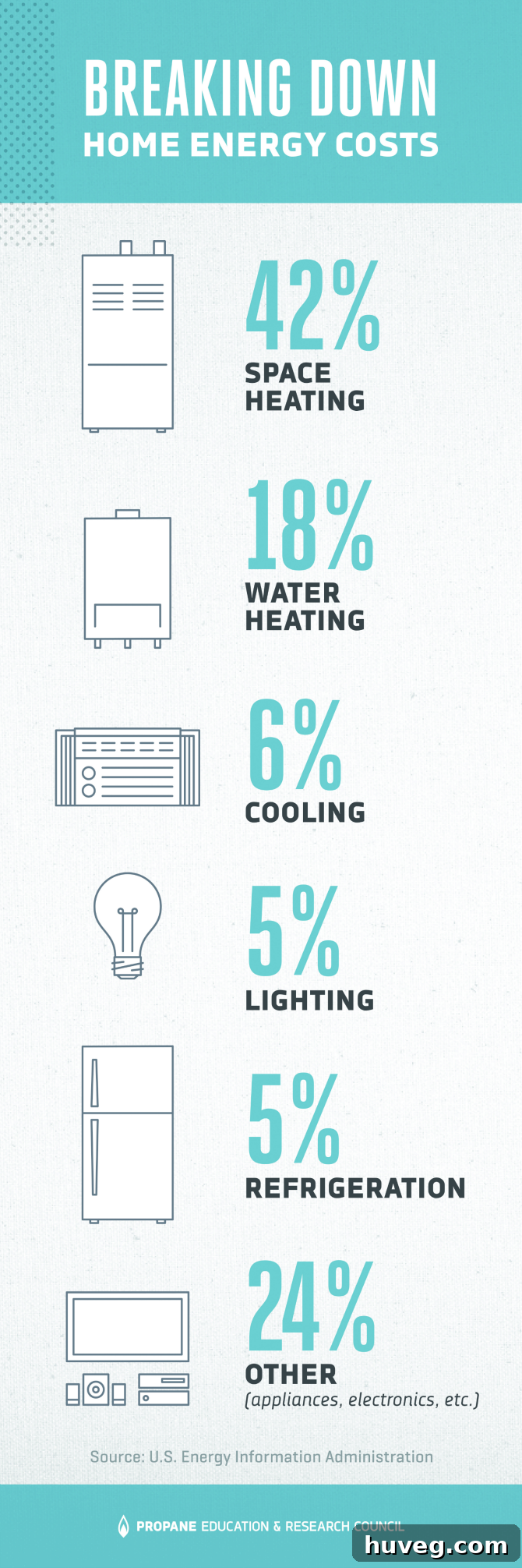
For tank-style water heaters, sediment—primarily mineral deposits like calcium and magnesium from hard water—inevitably accumulates at the bottom of the tank over time. This layer of sediment acts as an effective insulator, creating a barrier between the heating element and the water. Consequently, your water heater is forced to work significantly harder, consuming more energy and running longer to heat the water to the desired temperature. This not only decreases its overall efficiency but also translates directly into higher energy bills and can accelerate wear and tear on the unit. Regular flushing (draining) of the tank is crucial for removing these stubborn deposits, thereby restoring the heater’s efficiency, extending its operational lifespan, and preventing premature failure. While specific frequencies can vary based on water quality, an annual flush is a widely recommended rule of thumb. Always consult your owner’s manual or the detailed label on your water heater for precise instructions tailored to your specific model.
In addition to flushing, cultivate the habit of conducting periodic visual inspections of your water heater. Scrutinize the unit for any visible signs of corrosion, rust around connections, leaks, or soot accumulation (particularly important for gas-fired models). Be highly attentive to any unusual odors, especially a distinct smell of gas; if detected, immediately turn off the unit’s gas supply (if safely accessible) and contact a qualified professional without delay. Early detection of these potential issues can prevent minor, easily correctable problems from escalating into far more costly repairs, dangerous situations, or even catastrophic system failures. Proactive inspection is your best defense against unexpected problems.
Maximizing Efficiency: Smart Energy-Saving Strategies
4. Upgrade to Energy-Efficient Appliances
While this tip extends beyond the water heater itself, upgrading older, inefficient household appliances that rely on hot water can dramatically reduce your overall hot water demand and, consequently, your water heating costs. Appliances such as dishwashers, washing machines, and even some refrigerators (with integrated ice makers) are significant contributors to a home’s hot water consumption. Modern Energy Star certified appliances are meticulously designed to operate with exceptional efficiency, often using substantially less hot water or incorporating their own highly efficient heating mechanisms. For instance, new Energy Star dishwashers and washing machines can reduce water consumption by up to half compared to models from a decade or two ago. The initial investment for these upgrades can be significant, but the cumulative long-term savings on energy and water bills, coupled with potential federal tax rebates or attractive sales during specific holiday periods, makes it a profoundly worthwhile consideration. This is an investment that yields substantial dividends through reduced utility costs and contributes positively to a smaller environmental footprint.
5. Wash Laundry in Cold Water
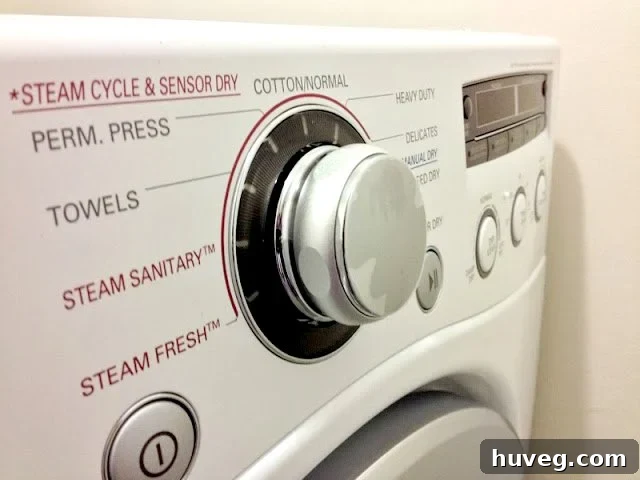
Heating water for laundry cycles represents a substantial portion of your washing machine’s total energy consumption, often accounting for 90% of the energy used per load. By consistently opting for cold water wash cycles whenever feasible, you can achieve remarkable energy savings without compromising the cleanliness or care of your garments. Modern laundry detergents are specifically engineered and formulated to be highly effective in cold water; they dissolve thoroughly, penetrate fabrics effectively, and tackle stains just as proficiently as their hot water counterparts. Unless you are dealing with heavily soiled items, specific fabrics that explicitly require hot water for sanitization, or stubborn grease stains, switching to cold water for the vast majority of your laundry loads is a straightforward habit change with an immediate and direct positive impact on your energy bill. Many new, highly efficient washing machines even come pre-set to colder water temperatures by default, making this energy-efficient choice even more effortless and convenient.
6. Embrace Shorter, More Efficient Showers
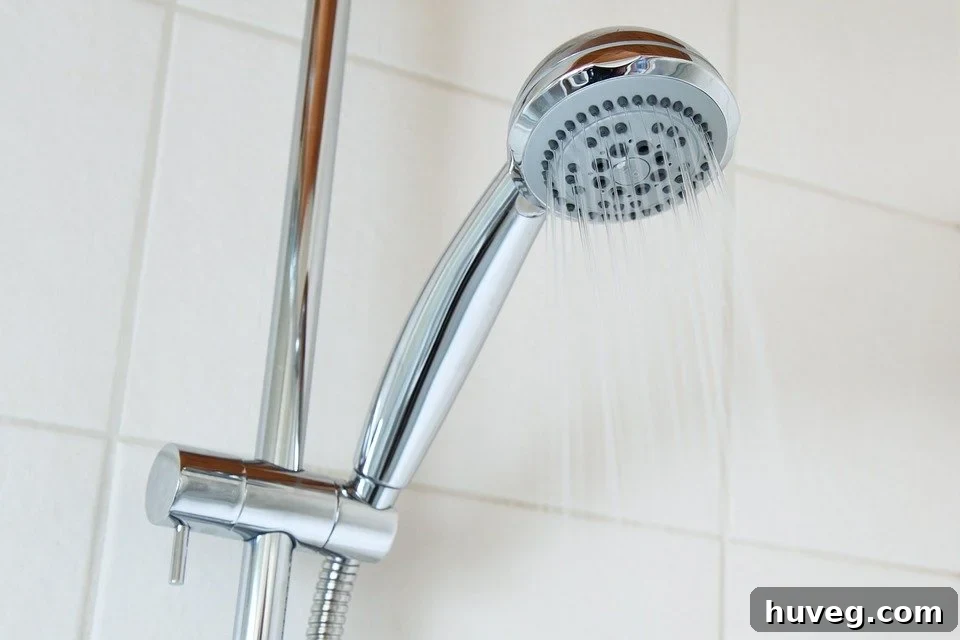
The long-standing advice to “take showers, not baths” holds some truth in terms of immediate water volume, as a typical bath generally consumes more water than a brief shower. However, the true energy and water savings stem from the *duration* and *efficiency* of your showers. Lingering in a hot shower for extended periods, no matter how relaxing it might feel, can quickly consume far more hot water and energy than a standard bath. The key to real savings is to take swift, purposeful, and efficient showers. For even greater reductions in consumption, consider the installation of low-flow showerheads and faucet aerators throughout your home. These ingenious devices are designed to restrict the flow rate of water without perceptibly sacrificing water pressure, dramatically reducing the amount of hot water consumed during each use. According to the U.S. Department of Energy, installing new, high-efficiency showerheads can lead to 25-60% greater water savings compared to models manufactured before 1992. Furthermore, a simple trick for retaining heat and encouraging shorter showers is to keep your bathroom door closed during and immediately after a shower, particularly in colder months. This helps trap steam and warmth, making it easier to turn off the water sooner and avoid those uncomfortable cold drafts.
7. Insulate Your Water Heater Tank
If you possess an older, tank-style water heater, particularly one with an R-value (a standard measure of thermal resistance) below 24, a remarkably simple, inexpensive, and highly effective upgrade is to add an insulation blanket around the tank. This specialized blanket acts as a crucial thermal barrier, significantly reducing standby heat loss—the energy wasted as heated water simply sits in the tank, losing warmth to the surrounding air between periods of use. Studies consistently demonstrate that a properly installed insulation blanket can diminish heat loss by an impressive 25-45%, leading to substantial, tangible savings on your water heating costs. In many cases, this investment pays for itself through energy savings within approximately one year. This project is notably DIY-friendly and relatively inexpensive, typically costing around $30. However, it is absolutely crucial to consult your water heater’s warranty documentation prior to installation, as some manufacturers may void coverage if an insulation blanket is added. It’s also important to note that newer, more energy-efficient tanks often come with sufficient insulation already integrated into their design, making this tip primarily relevant for older units. Additionally, many local utility companies offer free insulation blankets or even installation services as part of their energy conservation programs, so it’s always worth checking for such opportunities in your specific area.
8. Stop Leaks and Drips Immediately
A seemingly insignificant persistent drip from a faucet, showerhead, or a silent, hidden leak from a pipe might appear minor, but collectively, these can waste thousands of gallons of water annually—a substantial portion of which could be heated water. Beyond the sheer waste of a precious resource and the energy expended to heat it, unaddressed leaks can inflict significant and costly damage to your home’s structural integrity. These include issues like rotting wood, destructive mold growth, and even compromised foundations if leaks occur behind walls or beneath floors. Make it a regular habit to meticulously inspect all faucets, showerheads, and visible pipes for any signs of leakage. Even a small, slow drip, if left unattended, can accumulate to astonishing volumes over time. Fixing these issues promptly, whether through a simple DIY repair like replacing a worn washer, tightening a loose connection, or by calling a qualified plumber for more complex problems, is a critical and multifaceted step. It conserves water, saves energy, and crucially, protects your home from unnecessary and often extensive damage, safeguarding both your property and your wallet.
9. Optimize Your Water Heater’s Thermostat Setting
Many water heaters are factory-set to temperatures as high as 140°F (60°C). While this certainly provides an ample supply of hot water, it is often unnecessarily high for the majority of household needs and, more importantly, poses a significant scalding risk, particularly for young children and the elderly. Lowering your water heater’s thermostat to 120°F (49°C) is widely recommended as the optimal balance between comfort, enhanced safety, and maximum energy efficiency. This setting still provides comfortably hot water for common daily tasks such as showering, bathing, and washing dishes, without the excessive energy consumption or safety risks. For every 10°F reduction in the temperature setting, you can anticipate saving approximately 3-5% on your annual water heating costs. This simple adjustment is easy to make and typically does not negatively impact your daily hot water availability or comfort. Always refer to your water heater’s owner’s manual for specific, safe instructions on how to adjust the thermostat for your particular model.
When to Upgrade: Long-Term Savings & Performance
10. Consider a Water Heater Upgrade or Replacement
While diligent regular maintenance can undoubtedly extend the functional life of your water heater, all units inevitably reach the end of their service life, which typically falls between 7 to 10 years for conventional tank models. Clinging to an aging, inefficient water heater can quickly become a false economy, as it will likely consume significantly more energy than a newer model, leading to persistently higher monthly utility bills. If your unit is approaching or has already surpassed this age range, it is highly prudent to proactively explore replacement options *before* it fails completely and unexpectedly, potentially leaving you without hot water at the most inconvenient moment. Planning ahead allows for a considered decision rather than a rushed, emergency purchase.
As of 2015, new federal standards were implemented in the U.S., substantially increasing the minimum energy efficiency requirements (Energy Factor or Uniform Energy Factor) for all new hot water heaters sold. This means that virtually all newer models are inherently designed to be more efficient than their predecessors. When considering an upgrade, you have several primary options, each with distinct advantages:
- Conventional Storage Tank Heaters: Modern tank heaters are more efficient than older models. However, be aware that some newer, higher-efficiency models for specific fuel types (especially electric) might be slightly taller or wider due to increased insulation, potentially requiring minor adjustments to your installation space.
- Tankless (On-Demand) Water Heaters: These innovative units heat water only as it’s needed, thereby completely eliminating the standby heat loss associated with traditional storage tanks. Propane or natural gas-powered tankless models can offer substantial annual savings, potentially up to 30% lower ownership costs compared to electric tank models in many regions. They also reclaim valuable floor space and provide a virtually endless supply of hot water. While the initial investment for tankless units can be higher, their extended lifespan (often 10-15 years or more) and significantly lower operating costs can provide a superior long-term return on investment.
- Heat Pump Water Heaters (Hybrid Electric): These highly efficient electric units extract heat from the ambient air and transfer it to the water, similar to how a refrigerator works in reverse. They are incredibly energy-efficient, particularly in warmer climates or conditioned spaces.
- Solar Water Heaters: Utilizing the sun’s abundant energy, these systems can provide significant long-term savings on hot water production but typically involve higher initial installation costs and their efficiency is dependent on climate and sun exposure.
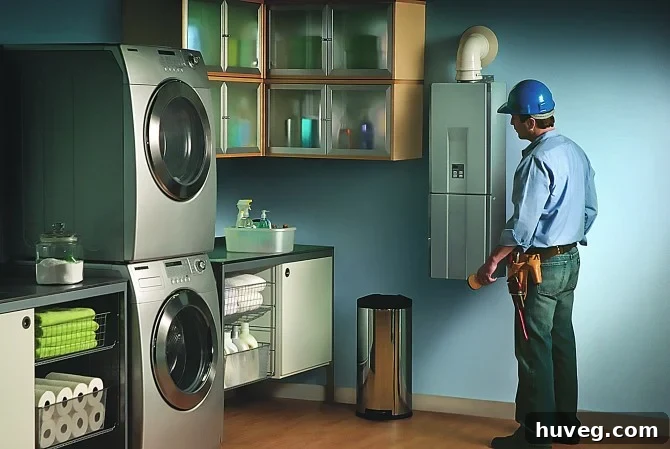
The optimal choice of fuel type (electric, natural gas, propane) will largely depend on your existing home infrastructure and local utility costs. However, for many homeowners seeking an ideal blend of high efficiency, considerable space savings, and a reliable, continuous supply of hot water, propane-powered tankless water heaters frequently present a compelling and cost-effective alternative to electric counterparts, especially in areas where natural gas isn’t readily available. Beyond the economic advantages, it’s worth considering the environmental impact: highly efficient tankless units can significantly reduce carbon emissions compared to standard electric storage tank water heaters, making them a greener choice.
Given the inherent complexity, precise sizing requirements, and crucial safety considerations involved, water heater replacement is unequivocally a job best left to a qualified and licensed professional. They can accurately assess your household’s specific hot water needs, explain the implications of new federal efficiency standards, and ensure proper installation for optimal performance, maximum safety, and adherence to all local building codes. Don’t hesitate to consult reputable resources like KnowYourWaterHeater.com to help evaluate your options and determine the best timing for your upgrade.
11. Install a Water Heater Timer or Smart Controller
For homes utilizing an electric tank-style water heater, a simple yet remarkably effective method for significant energy savings is the installation of a specialized timer. This device empowers you to program your water heater to operate and heat water only during specific times of the day when hot water is genuinely needed, such as during morning showers and evening clean-up routines. It allows you to automatically turn the heater off during prolonged periods of low demand (e.g., overnight, when you’re at work, or during vacations). This strategic scheduling prevents the tank from constantly reheating water when it’s not being used, thereby substantially reducing standby heat loss and unnecessary energy consumption. Modern smart water heater controllers elevate this concept even further: they can learn your household’s unique hot water usage patterns over time and intelligently adjust heating schedules automatically. Many also offer convenient remote control capabilities via a smartphone app, allowing you to monitor usage and make adjustments from anywhere. While this solution is not typically suitable for tankless or gas heaters (which benefit from other dedicated efficiency measures), a timer or smart controller is an excellent, cost-effective investment for electric tank owners seeking an easy and immediate way to cut energy waste and save significantly on utility bills without sacrificing comfort or convenience.
Implementing even a few of these proactive measures can make a substantial and positive difference in your home’s overall energy consumption, significantly extend the operational longevity of your water heater, and visibly reduce the size of your monthly utility bills. By shifting from a purely reactive mindset to one of thoughtful prevention and intelligent management, you are not merely maintaining an appliance—you are making a conscious and valuable investment in the comfort, safety, and financial well-being of your entire home. Take these practical tips to heart, and enjoy the lasting peace of mind that comes with a well-managed, highly efficient hot water system!