Transforming Hydrangea Hues

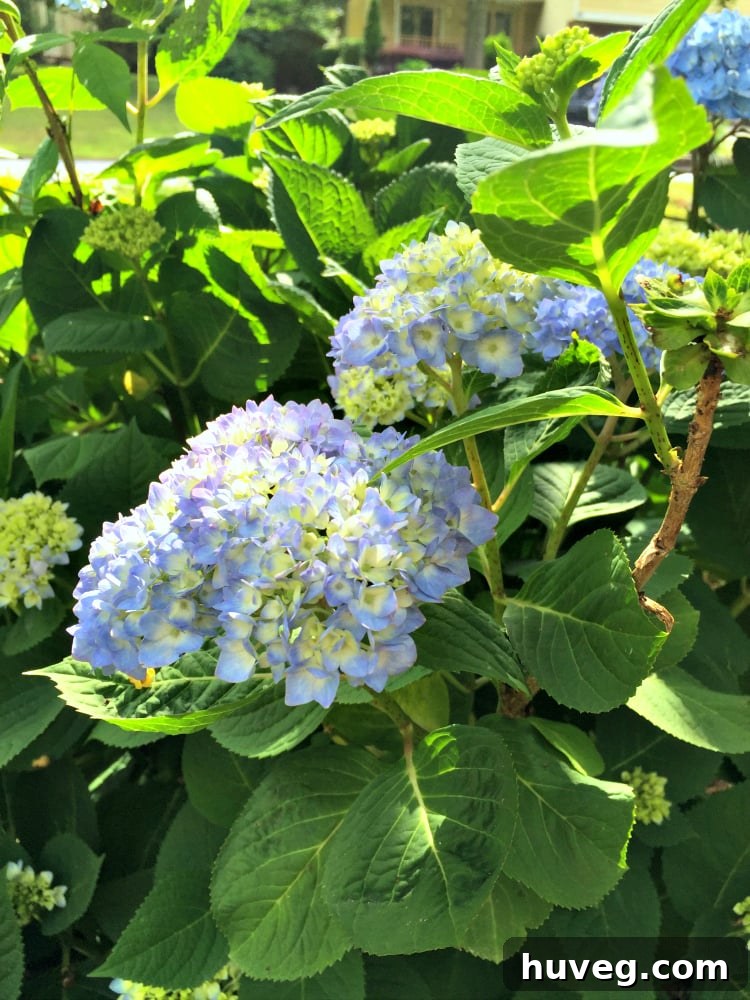
Unlocking the Secret to Hydrangea Colors: A Comprehensive Guide to Changing Pink to Blue and Blue to Pink
Few plants captivate gardeners quite like the hydrangea, with its lush foliage and magnificent, often enormous, blooms. But what truly sets certain hydrangea varieties apart is their enchanting ability to change flower color right before your eyes. If you’ve ever admired a neighbor’s vibrant blue mopheads and wondered how to achieve the same with your pink blossoms, or vice-versa, the answer lies hidden beneath the surface – quite literally, in the soil. This comprehensive guide will reveal the secrets to manipulating your hydrangea’s color, transforming your garden into a dynamic tapestry of blues, pinks, and purples, all through simple soil adjustments and attentive care. Get ready to dive into the fascinating world of soil chemistry and discover how you can become the maestro of your hydrangea’s hue.
As summer unfolds, bringing longer days and the sweet promise of vibrant gardens, my anticipation always peaks with the burgeoning growth of hydrangeas. Their resilience and stunning transformation from spindly winter structures to glorious summer spectacles are a constant source of joy and a powerful reminder that patience in gardening truly pays off. The sight of their beautiful mophead blooms unfurling fills me with renewed energy and excitement for the gardening season ahead, proving their worth far beyond their dormant, stick-like appearance in colder months.
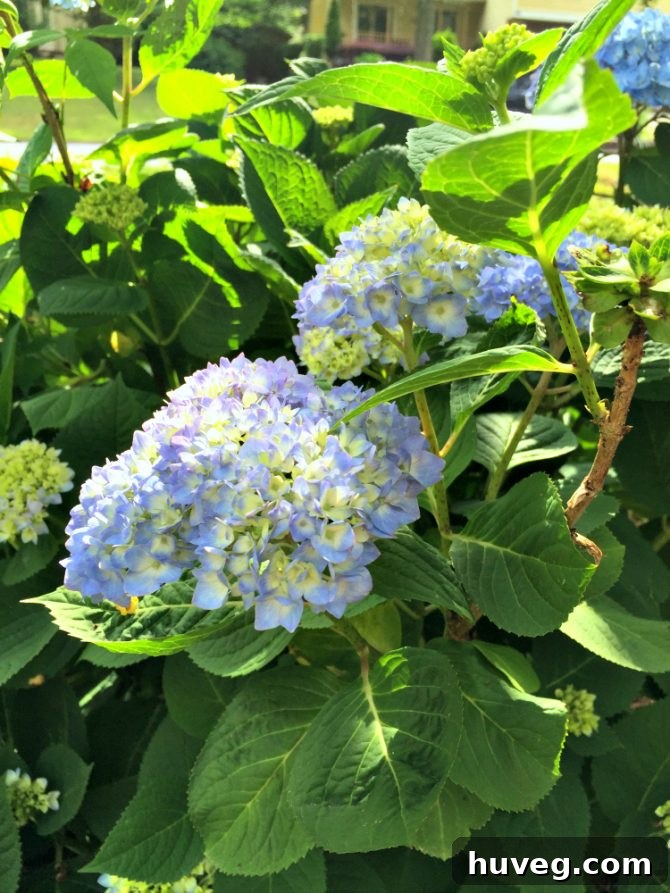
Nurturing Your Hydrangeas: From Winter Slumber to Summer Splendor
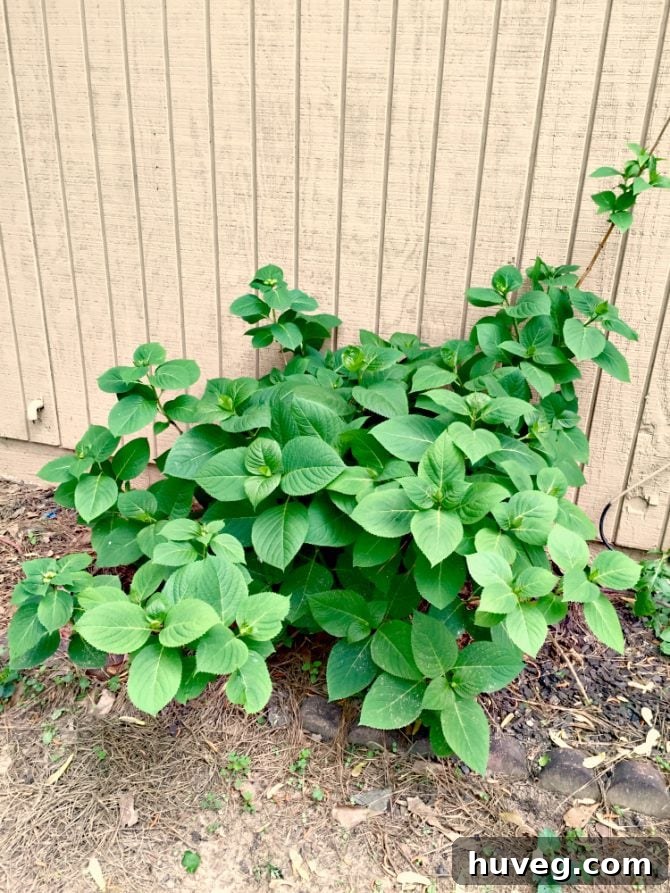
The journey from a bare winter garden to a summer full of flourishing hydrangeas is incredibly rewarding. I’ve learned firsthand the importance of resisting the urge to prune back the seemingly sickly branches during winter. While they may appear uninspiring, these stalks are crucial for the following year’s blooms on many popular varieties like the Bigleaf (Hydrangea macrophylla) and Oakleaf (Hydrangea quercifolia) hydrangeas, which typically bloom on old wood. My patience has been consistently rewarded; year after year, these plants rebound taller and healthier, bursting with new leaves and buds that branch off from existing stalks.
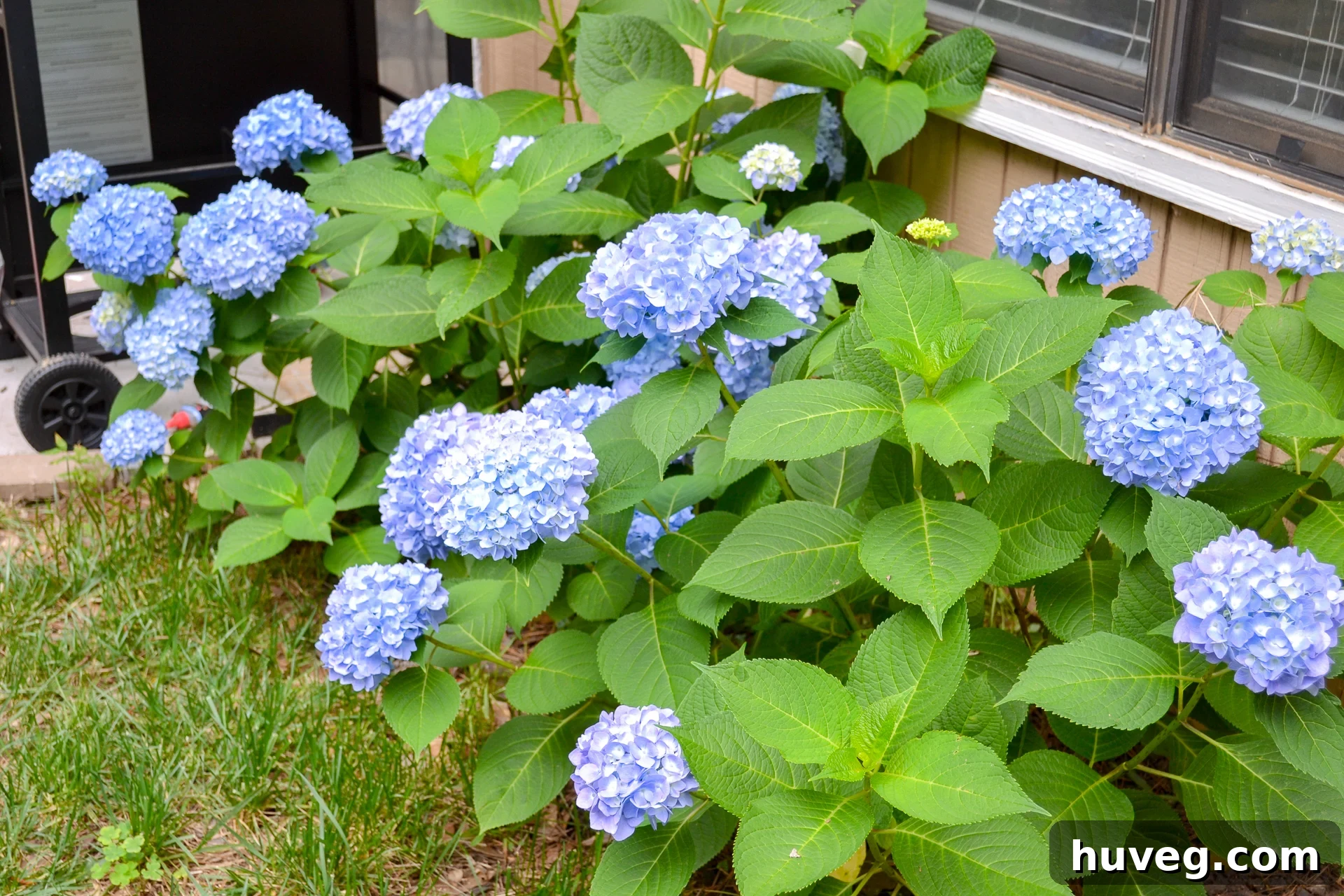
For instance, the hydrangeas nestled against the back of my house, which were petite back in 2013 when first planted, have truly flourished. By 2016, they had established themselves remarkably, showcasing robust growth and abundant flowers. Fast forward to 2019, and they had become an almost uncontrollable cascade of blooms, particularly around the newly built deck, a testament to their vigor and proper care over the years. This kind of healthy growth is not only beautiful but also essential for hydrangeas to successfully absorb the elements needed for color alteration.
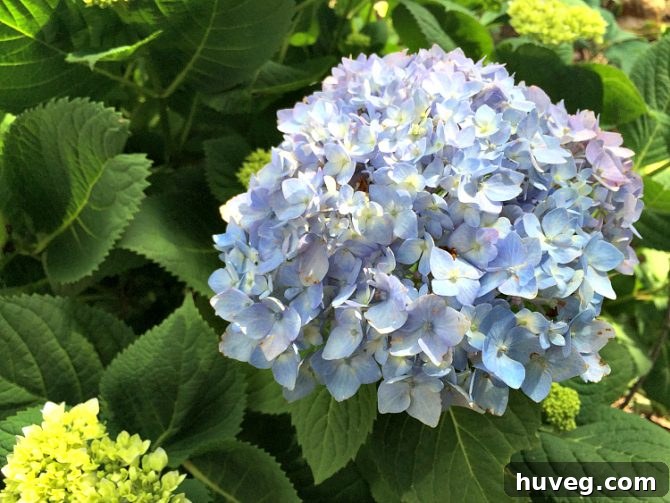
With such thriving plants, propagating new ones from existing stock becomes an exciting next step. Having three healthy plants of the same type that bloom and rebloom all summer long provides ample material. I’ve personally experimented with root hormone to encourage new growth, a process that, while sometimes challenging, adds another layer of satisfaction to gardening. Even with a history that might suggest a career as Tim Burton’s botanist, I find that each year brings new learning and improved success rates. Successfully propagating new hydrangeas not only expands your garden but also deepens your understanding of these remarkable plants.
The Science Behind the Spectacle: Soil pH and Hydrangea Color
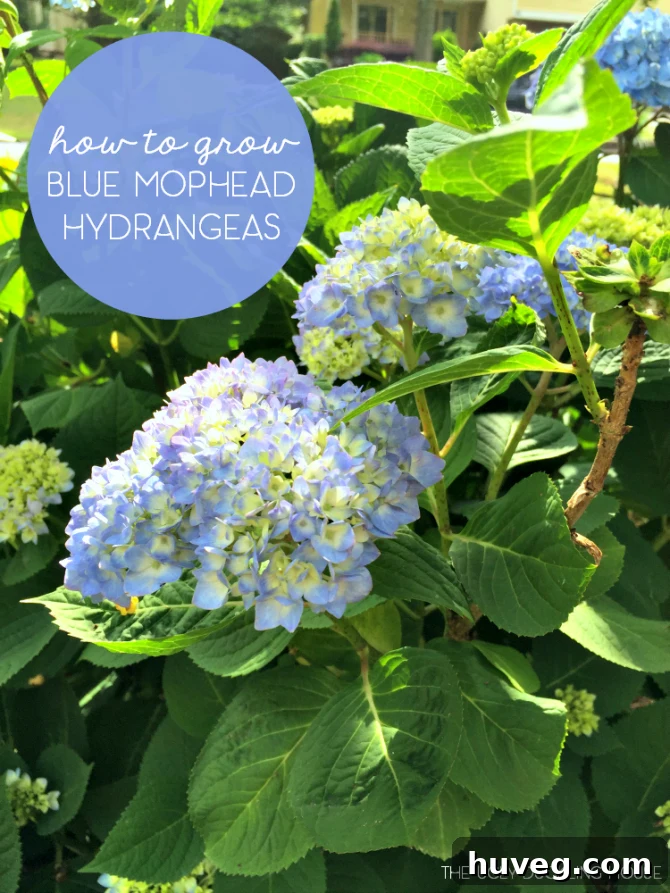
The dazzling array of blue, pink, and purple shades displayed by hydrangeas often leads to a common misconception: that these variations indicate different plant varieties. While it’s true that some hydrangeas (like White Hydrangeas such as Annabelle or Peegee varieties) cannot change color, for many popular Bigleaf (Hydrangea macrophylla) and Mountain (Hydrangea serrata) hydrangeas, their flower color is determined by a single, critical factor: the acidity or alkalinity of the soil, measured by its pH level.
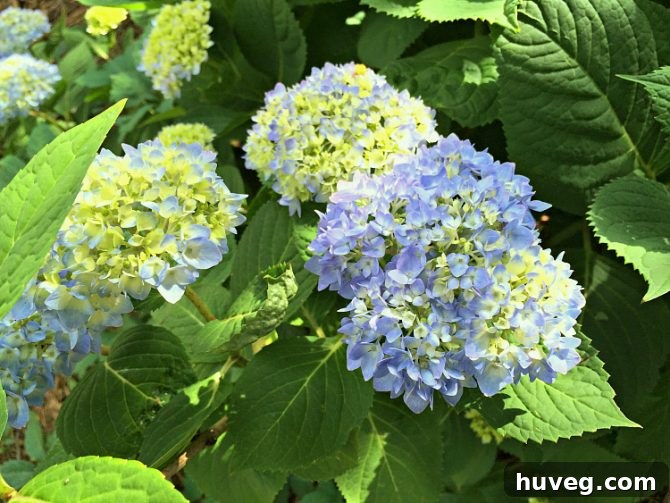
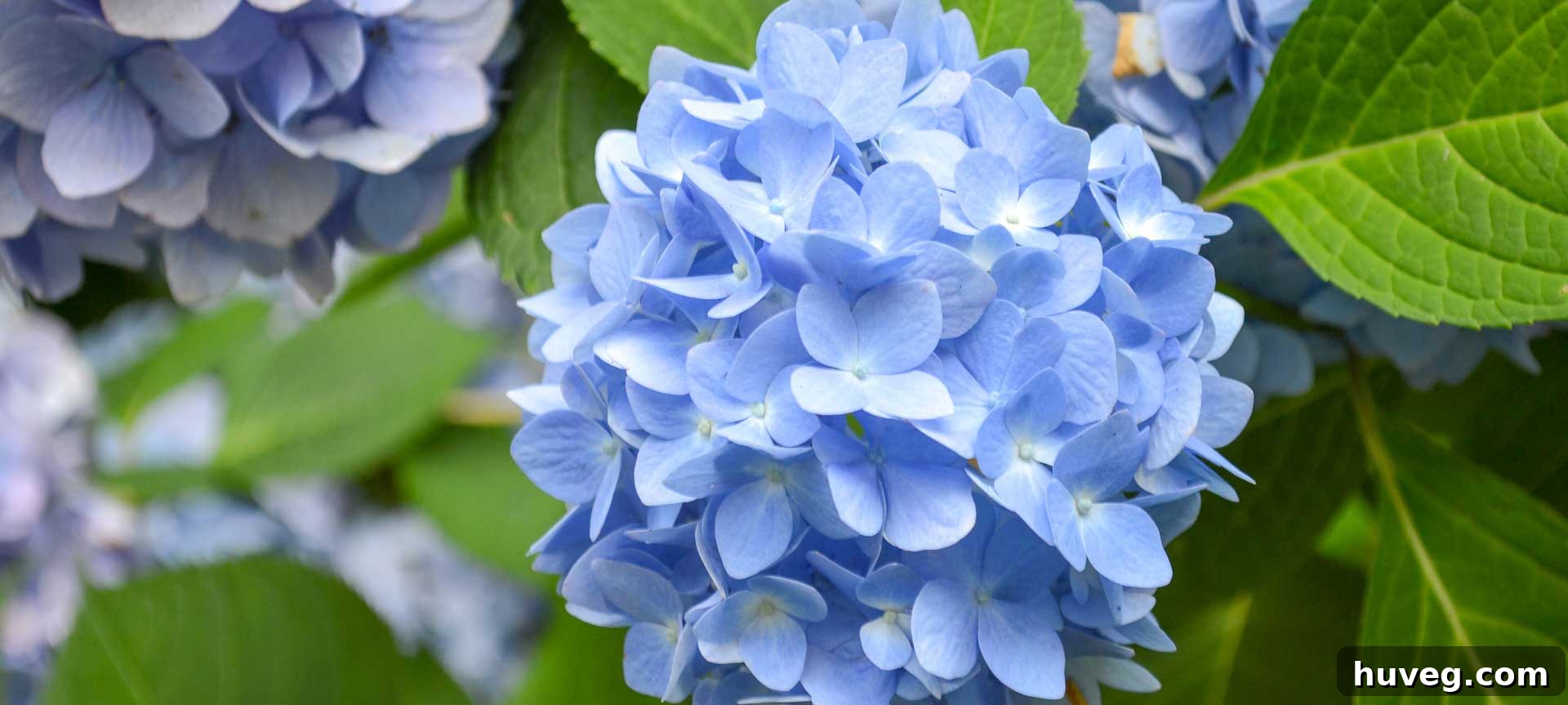
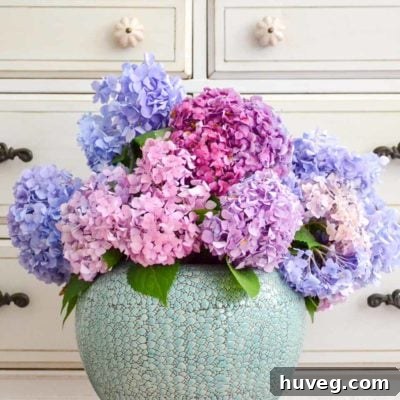
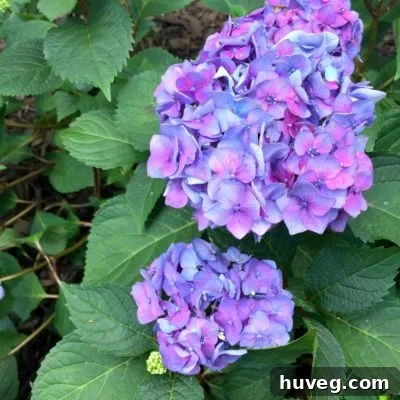
Specifically, it’s the availability of aluminum in the soil that dictates the color. When the soil is acidic (with a pH between 5.0 and 5.5), aluminum becomes readily available to the plant, resulting in beautiful blue blooms. Conversely, in alkaline soil (with a pH between 6.0 and 6.5 or higher), aluminum is less accessible, leading to charming pink flowers. In neutral soil (pH around 5.5-6.0), you might observe a blend of colors, often leaning towards lavender or purplish hues, or even a mix of pink and blue on the same plant!
Understanding your soil’s current pH is the first and most crucial step in any color-changing endeavor. Soil test kits, readily available at garden centers or online, provide an accurate reading of your soil’s acidity or alkalinity. Without this baseline knowledge, you’re essentially gardening in the dark. Once you know your soil’s pH, you can strategically apply amendments to shift the balance and unlock the desired hue for your hydrangeas. Remember, not all hydrangeas are capable of color change; only those varieties containing the pigment delphinidin (responsible for blue/purple) and an ability to absorb aluminum can make the switch. White hydrangeas, for example, lack this pigment and will always remain white, regardless of soil pH.
How to Change Pink Hydrangeas to Blue
To encourage your pink hydrangeas to transform into stunning shades of blue, you need to increase the acidity of your soil, making aluminum more available to the plant. This is a gradual process that requires patience and consistent application of specific amendments.
1. Chemical Fertilizers for Blue Hydrangeas:
One of the most effective and often quickest ways to achieve blue blooms is through specialized soil fertilizers. Products like Espoma Organic Soil Acidifier (or similar aluminum sulfate-based products) are formulated to lower soil pH and provide the necessary aluminum. These fertilizers are typically applied around the base of the plant, dissolved in water, and then watered in thoroughly. Always follow the manufacturer’s instructions for application rates and frequency to avoid over-acidifying the soil or damaging the plant. Start treatments in early spring, before the buds begin to develop color, and continue through the growing season as recommended.
2. Natural & DIY Methods to Increase Acidity:
- Coffee Grounds: A popular home remedy, coffee grounds can slowly acidify the soil as they decompose. Sprinkle used coffee grounds directly around the base of your hydrangeas and gently work them into the topsoil. This method is mild and will likely take several seasons to show a significant color change, but it also enriches the soil with organic matter.
- Pine Straw or Pine Bark Mulch: Using pine straw or pine bark as mulch around your hydrangeas is another excellent natural way to gradually increase soil acidity. As these materials break down, they release acidic compounds into the soil. Beyond color change, pine mulch also helps retain moisture and suppress weeds.
- Sphagnum Peat Moss: Incorporating sphagnum peat moss into the soil around your hydrangeas can also help lower pH. Mix a layer of peat moss into the top few inches of soil around the drip line of the plant.
- Aluminum Sulfate (Pure): While commercial fertilizers contain it, you can also buy pure aluminum sulfate. Be cautious, as too much can burn roots. Dilute according to package directions and apply. This is generally faster than organic methods.
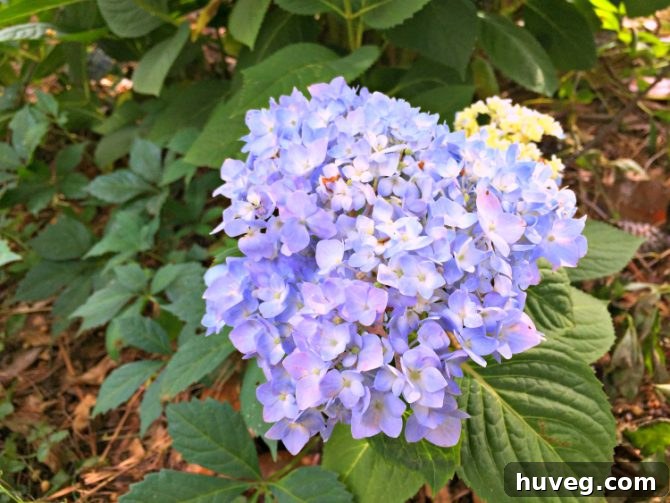
Regardless of the method chosen, consistency is key. Regular soil testing (once or twice a year) will help you monitor the pH levels and adjust your approach as needed. Remember, dramatic changes usually don’t happen overnight; a gradual shift over a season or two is more realistic and healthier for the plant.
How to Make Blue Hydrangeas Pink
If your hydrangeas are currently blue or purple and you desire a softer pink hue, the goal is to decrease the soil’s acidity (increase alkalinity) to make aluminum less available to the plant. This process also requires a strategic approach and patience.
1. Chemical Fertilizers for Pink Hydrangeas:
Specialized fertilizers designed to promote pink hydrangea blooms work by increasing the soil’s pH. These products often contain phosphorus and potassium but are low in aluminum and can help raise the soil’s alkalinity. An example is Miracid by Scotts (or other lime-based supplements), which can be applied according to package directions. Similar to blue treatments, begin applications in early spring before flower buds fully develop and maintain a consistent schedule throughout the blooming season.
2. Natural & DIY Methods to Increase Alkalinity:
- Garden Lime: This is arguably the most common and effective way to raise soil pH. Garden lime (either dolomitic or calcitic) works by neutralizing soil acidity. Spread granular garden lime evenly around the drip line of your hydrangea plants and water it in thoroughly. The amount of lime needed depends on your current soil pH and desired increase, so always refer to soil test results and product instructions.
- Wood Ash: If you have a fireplace, wood ash can be used as an alkaline amendment, but use it sparingly as it’s potent and also contains potassium. Avoid using ash from treated wood.
- Crushed Eggshells: While less effective and much slower acting than garden lime, crushed eggshells can contribute to increasing soil alkalinity over a very long period as they are primarily calcium carbonate. They offer a very mild, organic approach.
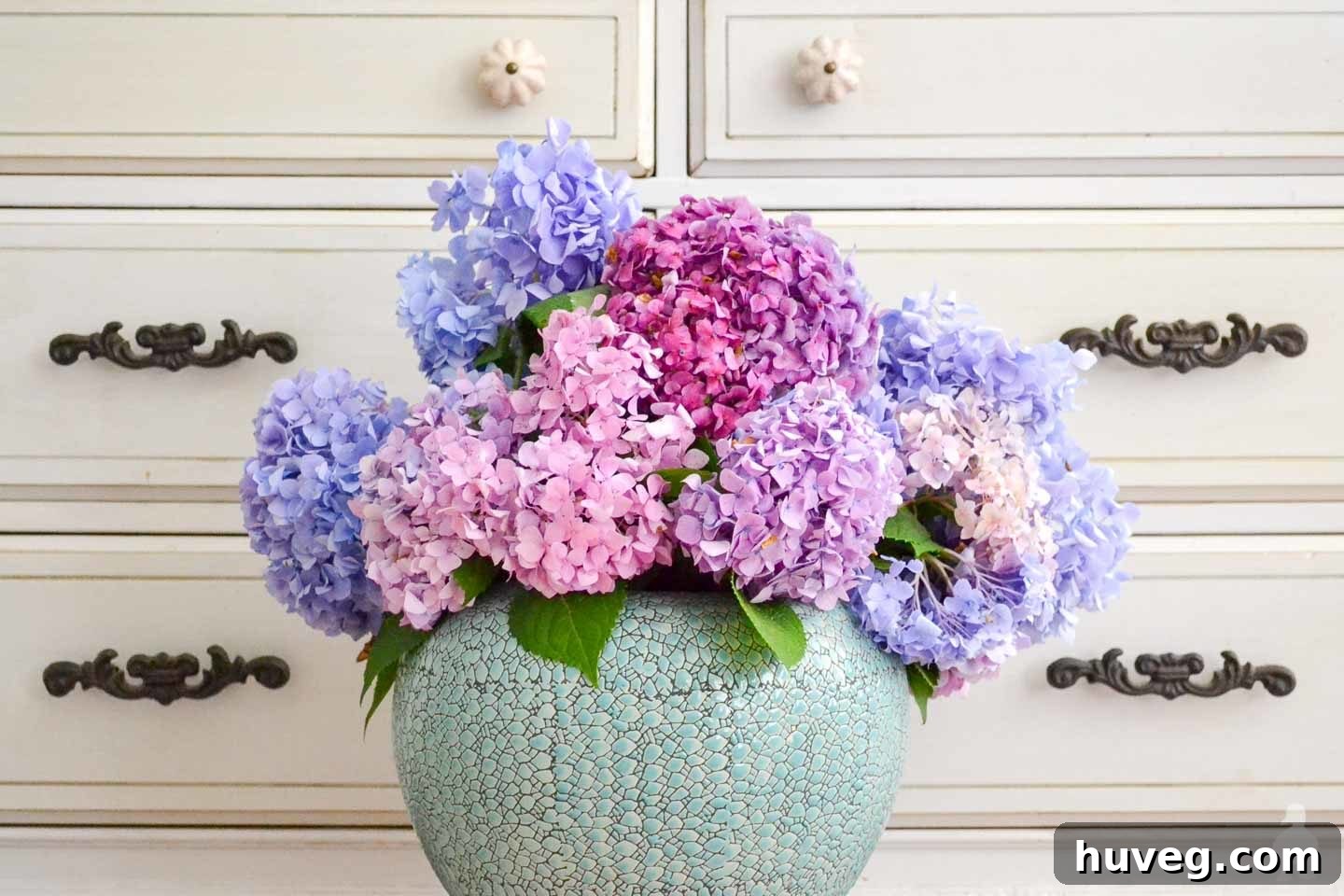
When aiming for pink blooms, it’s also important to minimize or remove any naturally occurring elements that contribute to soil acidity. For example, if you’ve been using pine straw mulch, consider replacing it with a neutral or slightly alkaline mulch, such as shredded hardwood mulch, which won’t significantly alter the pH. Like with blue hydrangeas, achieving a vibrant pink can take time, often one or two growing seasons, especially when relying on organic methods. Regular soil testing is crucial to guide your adjustments and ensure the plant’s health.
Patience and Ongoing Care: The Keys to Hydrangea Color
Regardless of whether you are striving for brilliant blues or charming pinks, the overarching principle is patience. Hydrangea color transformation is not an instant event; it’s a gradual adjustment reflecting the changing chemistry of the soil. While some commercial fertilizers may yield quicker, more vivid results, I personally prefer a more natural, organic approach using coffee grounds and pine straw to subtly influence the soil. This gentle method not only fosters healthier soil ecosystems but also allows for a wider spectrum of colors to emerge over time, creating a garden that truly comes alive with diverse hues – a magnificent variety I now cherish.
Maintaining the desired color is an ongoing commitment. Soil pH can fluctuate due to rainfall, watering practices, and the decomposition of organic matter. Regular annual or bi-annual soil testing will help you stay on top of these changes, allowing for timely adjustments with your chosen amendments. Remember, a healthy plant is a happy plant, and consistent care, including proper watering, appropriate light exposure, and mindful pruning, will always contribute to more spectacular blooms, regardless of their color.
The fascinating ability of hydrangeas to shift colors makes them one of the most dynamic and rewarding plants to cultivate. By understanding the simple science of soil pH and consistently applying the right amendments, you can truly customize your garden’s palette. So, embark on this exciting journey, experiment with your soil, and delight in the ever-changing beauty of your hydrangeas!
Now, I’m eager to hear from you! What dazzling blooms are taking center stage in your garden this month? Share your hydrangea stories and tips in the comments below!
Explore More Hydrangea Guides & DIY Ideas

*Disclosure: This post contains affiliate links. If you make a purchase through these links, I may earn a small commission at no extra cost to you. This helps support the content I create. I only recommend products I genuinely use and believe in.