Within These Lines

DIY Backyard Transformation: How We Built a Wooden Fence from Scratch
There’s a unique satisfaction that comes from a weekend of hard physical labor, even if it leaves you incredibly sore from head to toe. Or, more accurately, from the neck down, given my head fortunately avoided any bumps! But with the persistent ache in my feet and major muscle groups, I’m certainly counting the “toe part” too. And who knew you could actually get a bruise on your palm? I suspect it was from chiseling cement, a testament to the unexpected challenges of home improvement. I only realized it wasn’t just dirt after trying to scrub it off in the shower – a truly perplexing moment!
You might be wondering, what monumental project could lead to such widespread soreness? No, I wasn’t attempting a viral DIY workout video, as a humorous suggestion on Instagram implied. My weekend was entirely consumed by a much-anticipated backyard transformation: the installation of a brand-new wooden fence, a project that had been long overdue and promised to elevate the aesthetics and functionality of my outdoor space.
The Genesis of a DIY Fence Project: From Leftovers to Landscape
To truly appreciate the journey, let’s rewind a few months. My sister and brother-in-law had recently completed their own fence installation, with invaluable assistance from my dad. Fortuitously, they found themselves with a substantial surplus of fencing materials, which they generously offered to me. It was a fantastic opportunity to tackle a project I’d been dreaming of – adding a much-needed wooden fence to my backyard. After their intensive weekend of fence-building, my dad, understandably exhausted, simply offloaded the materials in a corner of my backyard while I was away. The spot, incidentally, was exactly where the new fence was intended to go. We both envisioned a swift start to my project, so there seemed little need for meticulous stacking or organization at that moment.
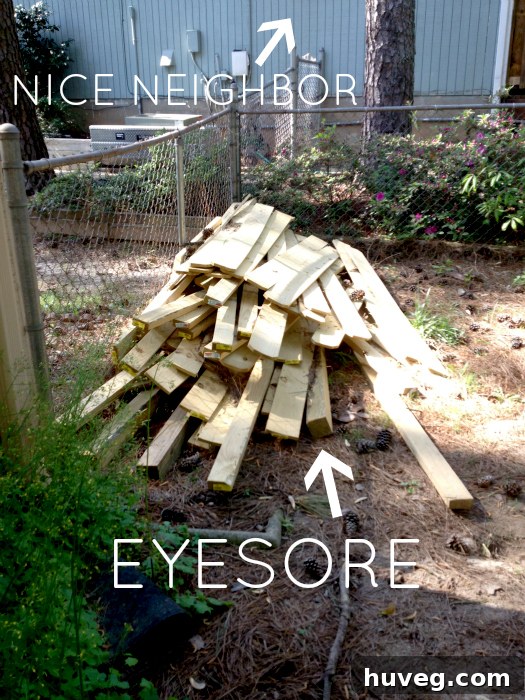
However, as often happens with ambitious home improvement plans, other commitments and distractions arose. The fence materials, though acquired with the best intentions, sat neglected for several months, gradually transforming into an unsightly pile. You might recall my lamenting this “eyesore” in a previous post, listing it as a top “birthday wish” to finally address. With renewed focus on my backyard landscaping, my dad suggested it was time to tackle this lingering project. Our immediate goal was at least to remove the visible chain-link section facing the street (the area on the left in the photo above), install the new posts, and set up the stringers. Despite having no prior fence installation experience, my dad’s confidence in our combined efforts was infectious; he was convinced we could conquer it in a single weekend.
Phase 1: Demolishing the Old Chain-Link Fence and Posts
Tackling Stubborn Chain Link
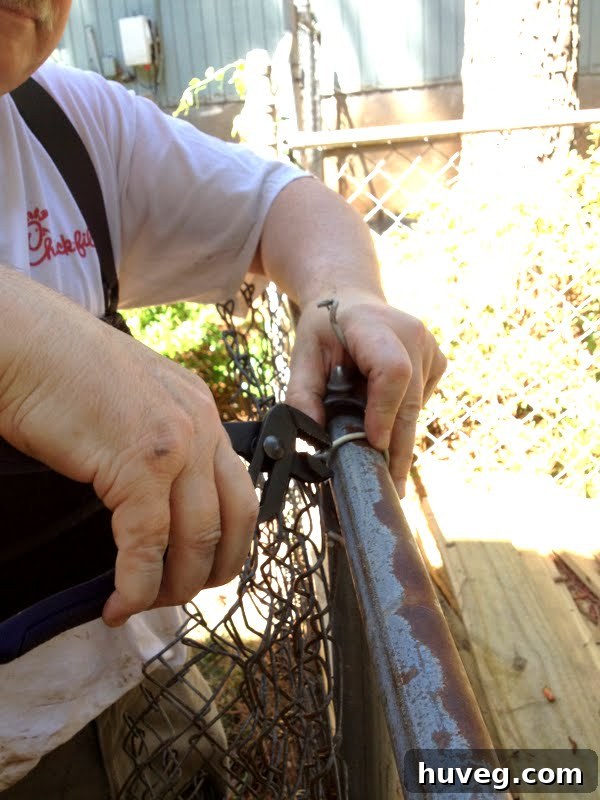
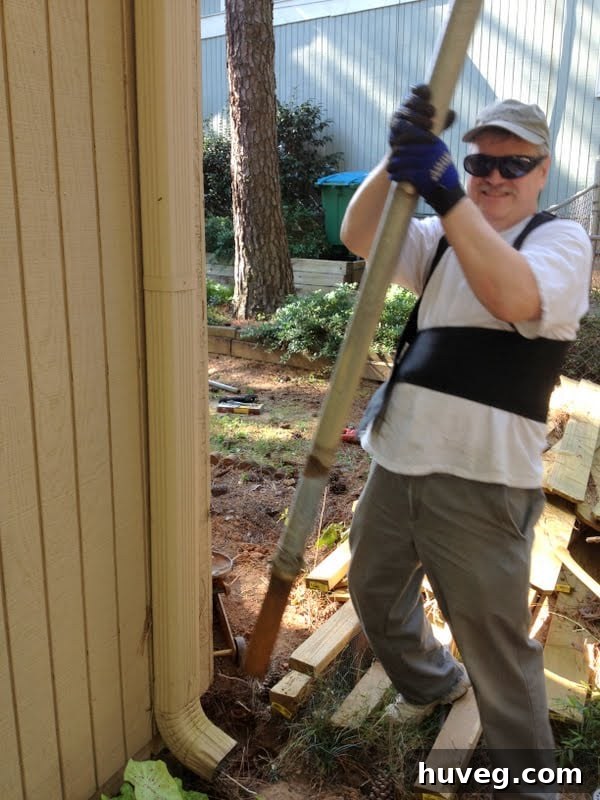
Our first major hurdle was the removal of the existing chain-link fence and its accompanying metal posts. As anyone familiar with DIY projects knows, things rarely go as smoothly as planned. These posts were stubbornly cemented into the ground, seemingly plotting to resist our every effort. Dad began by carefully unhooking the wires securing the chain link in place. He noted that this particular installation method wasn’t typical, but it surprisingly worked in our favor, as a single untwisted wire often released entire sections. We also used a socket wrench to detach the bolts connecting the chain link to the posts on either end.
The Battle Against Cemented Posts: A DIYer’s Challenge
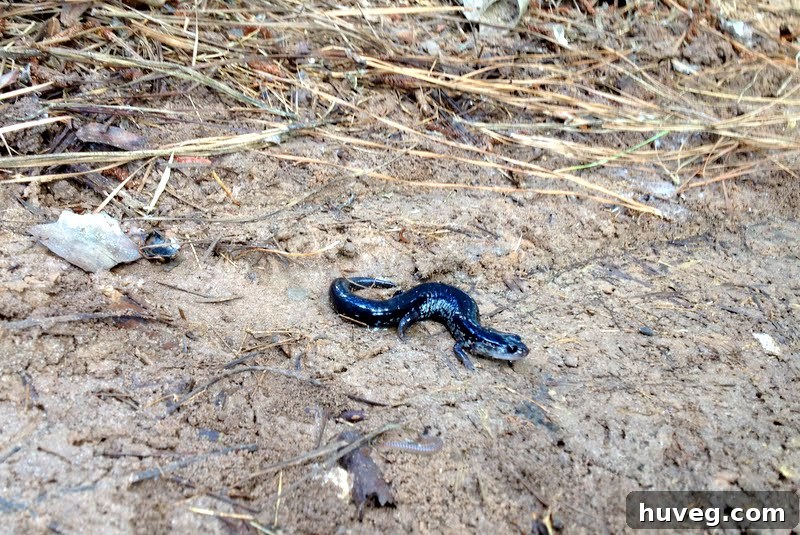
The middle post, to our pleasant surprise, detached from its base with remarkable ease – so quickly, in fact, I barely saw Dad do it. The posts at either end, however, presented a far greater challenge. One of these posts supported a long stretch of chain link dividing my property from a neighbor’s, so we decided to leave it untouched. This left us with just one exceptionally stubborn post by the side of the house to contend with. Before diving into the post removal, we also took a moment to organize the salvaged fence materials, moving them off the ground for easier access later. It was during this task that we uncovered a scared little critter (which startled me as much as I startled it!) hiding underneath. After a few minutes of quiet observation, it scurried off, hopefully to find a new, undisturbed home.
Dad began by digging around the cement base encasing the post, then used a sledgehammer to chip away at the concrete, hoping to loosen chunks. *DIY Tip: For added motivation (and humor), try getting “Another One Bites the Dust” stuck in your head while wielding that sledgehammer!* Together, we rocked the pole back and forth, gradually loosening it from the surrounding soil. We repeated this process, and eventually, larger pieces of cement broke free. We thought we were nearing the end, but the pole still refused to budge entirely, though it now twisted slightly within its base. Tired but determined, we considered heading to the store for a jack or winch. However, Dad had one more trick up his sleeve: he asked me to fill a bucket with water and pour it directly into the hole. The theory was that the water would soften the compact dirt around the remaining cement, making it easier to dig deeper or potentially free the post.
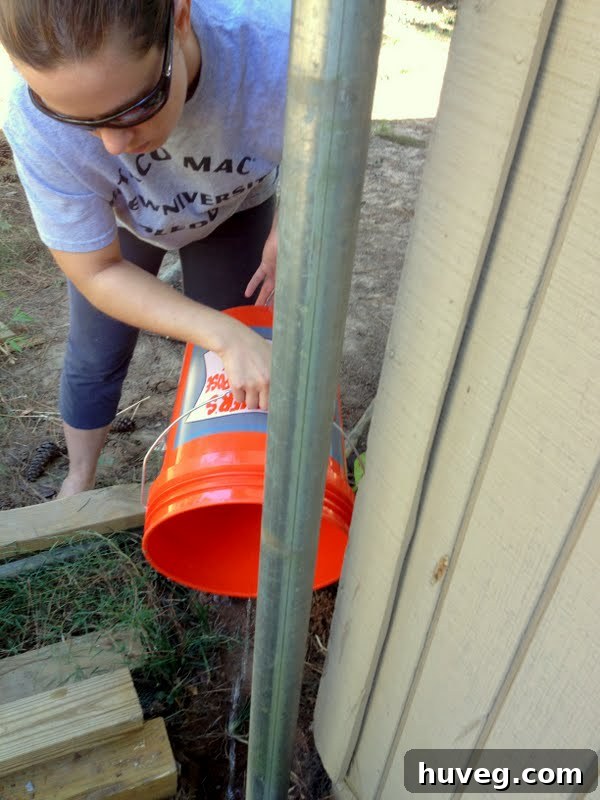
The Water Trick: A Simple Solution to a Stubborn Problem
After running our errands for supplies and grabbing some lunch, we returned to the project. Dad, almost as an afterthought, gave the post one more pull. To our amazement and relief, it popped right out! The “water trick” had worked its magic. Problem solved!
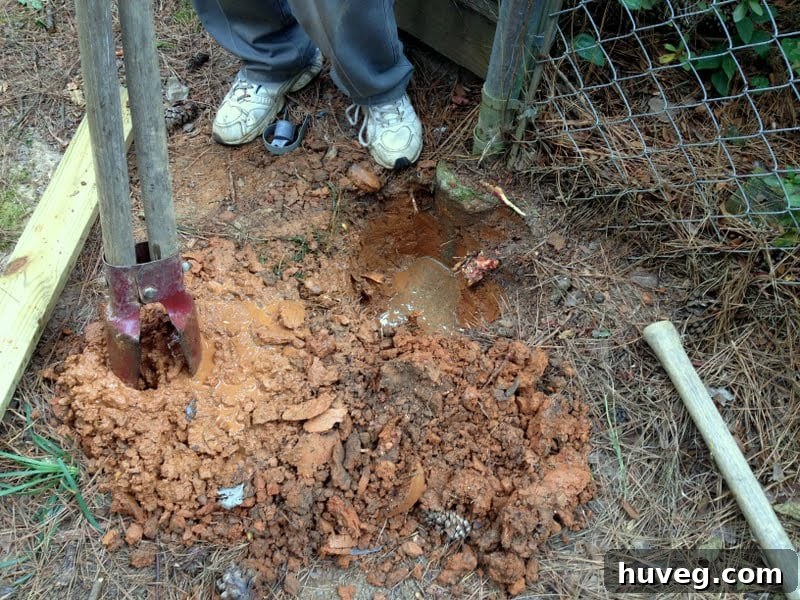
*Expert Tip: This simple yet effective technique isn’t just for fence posts; it’s also incredibly useful when planting shrubs or trees. Pouring water into the hole, allowing it to soak, and then letting your shovel do the rest significantly eases the digging process. Here in Georgia, our soil is predominantly tough red clay, which can be notoriously difficult to work with compared to standard topsoil. While the resulting mud might not be pretty, this trick has transformed potentially frustrating afternoons of digging into far more manageable tasks.*
Phase 2: Installing New Wooden Fence Posts and Stringers
Setting the Foundation: Digging and Leveling Posts
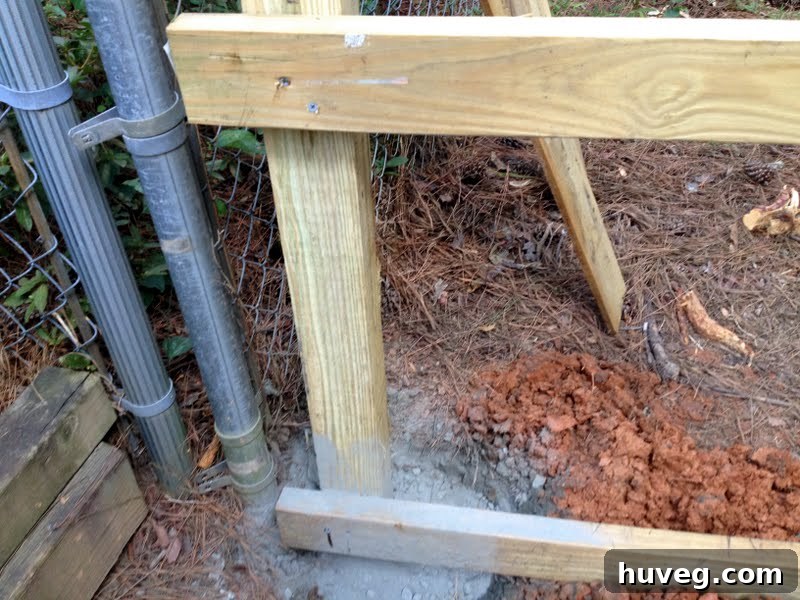
With the old chain link gone, Dad moved on to digging the holes for our three new wooden fence posts. We had a mix of leftover posts: two with decorative finials and one without. To maintain a consistent and simple aesthetic that matched neighboring fences, we opted to lop off the finials, embracing a clean, streamlined look. Next, we strategically placed dry cement into each post hole around the posts. This dry application was crucial because it allowed us to make subtle adjustments for perfect leveling before committing to the final position. We meticulously checked and re-checked the level, ensuring each post stood perfectly upright.
Attaching the Stringers (Risers): The Frame of Your Fence
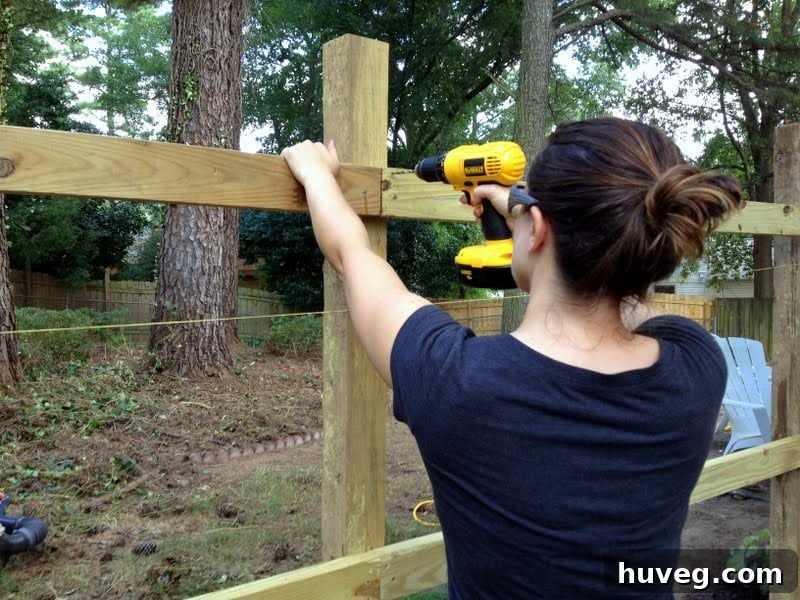
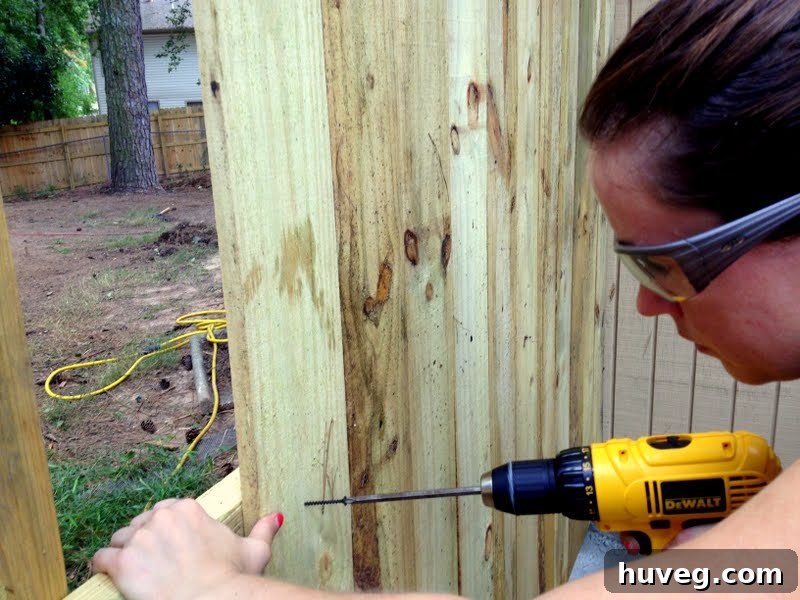
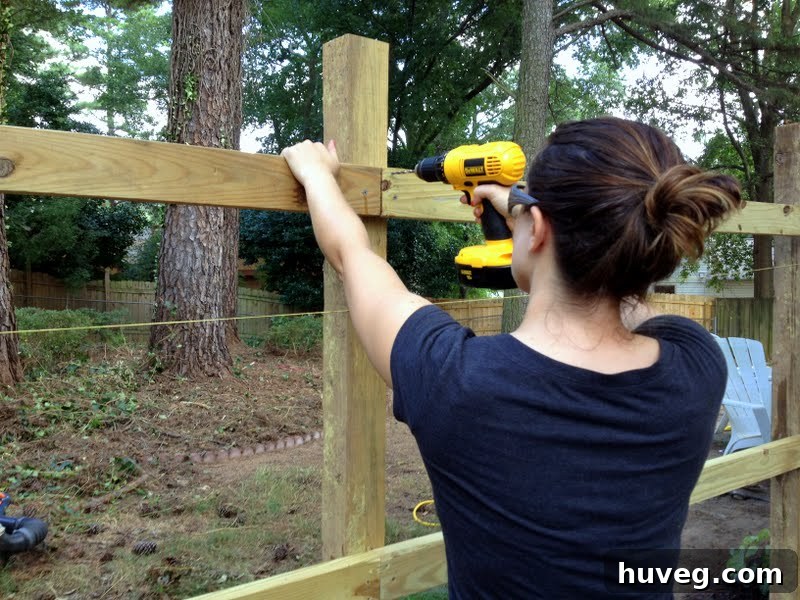
Once the posts were securely set and level, it was time to attach the stringers (also known as risers). These horizontal 2x4s form the structural backbone of the fence, to which the vertical pickets will eventually be fastened. We carefully measured and marked the precise locations for each stringer along the posts, ensuring even spacing and alignment. Then, we drilled pilot holes for 3 1/2-inch exterior screws, designed to penetrate both the 2×4 stringers and the posts themselves. *Pro Tip for Drilling: When drilling long pilot holes, it’s often best to drill about halfway, then pull the bit out to clear sawdust and shavings, and then complete the pilot hole. This prevents the bit from binding and ensures a cleaner, straighter hole.*
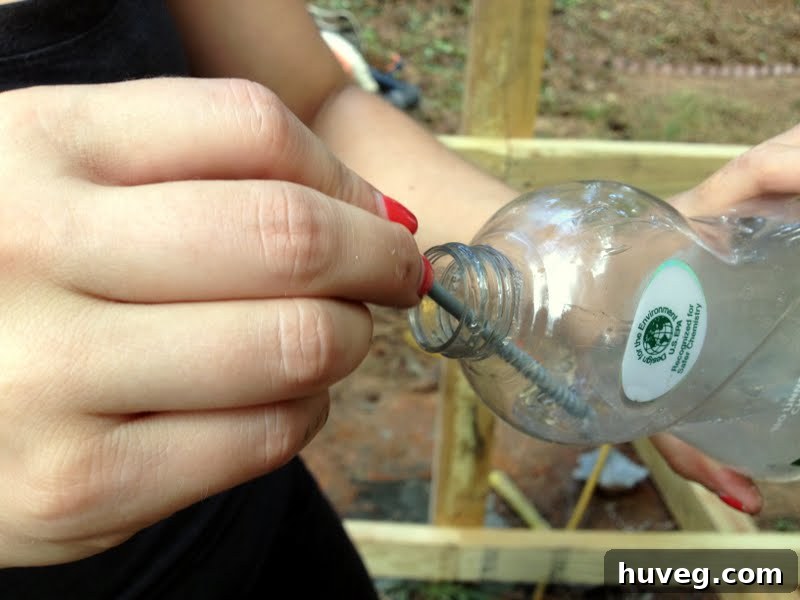
*Another Smart Tip: To make driving screws easier and faster, especially longer ones into dense wood, apply a small amount of wax, bar soap, or even liquid dish soap to the tip of the screw. This acts as a lubricant, significantly reducing friction and allowing the screw to glide more smoothly into the wood.*
Phase 3: Adding the Wooden Pickets and Final Touches
Bringing the Fence to Life: Attaching the Pickets
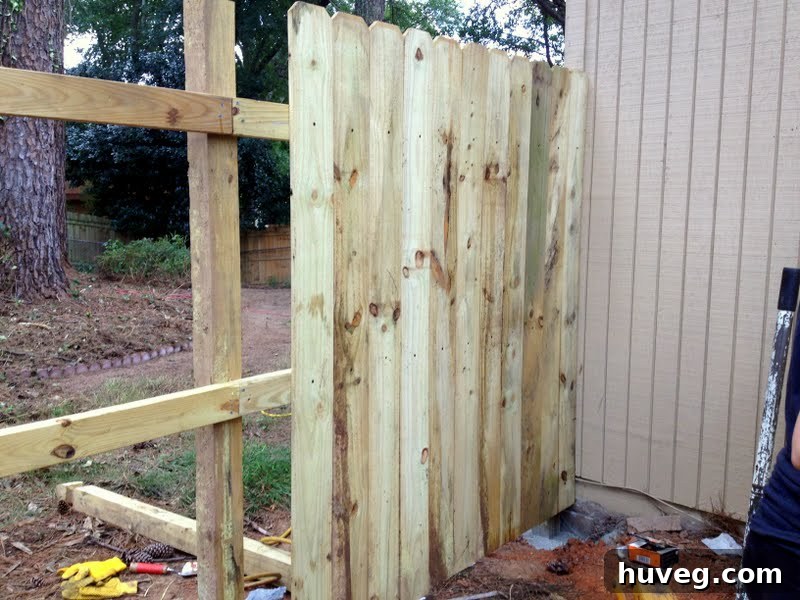
With the stringers securely in place, we performed one last check for level and alignment (thankfully, everything remained spot on). Then came the most satisfying part: transforming the skeletal structure into a true fence by attaching the wooden pickets. Our pickets featured a “dog-eared” decorative cut on one end, adding a touch of classic charm. We carefully eyeballed each picket’s placement, ensuring they connected consistently along the fence line. Dad shared an invaluable insight: pickets tend to shrink slightly over time, so he prefers to minimize the initial gap between them. We followed his advice, butting each picket tightly against the next. It’s important to remember that wood isn’t always perfectly uniform; boards can have slight warps or irregularities. In DIY fencing, striving for absolute perfection can be counterproductive; sometimes, fitting things as best you can manage is the most practical approach. With the structure leveled, Dad then poured water into each post hole to activate and cure the dry cement, locking everything into its final position. While the cement began to set, I eagerly got to work on fastening the pickets.
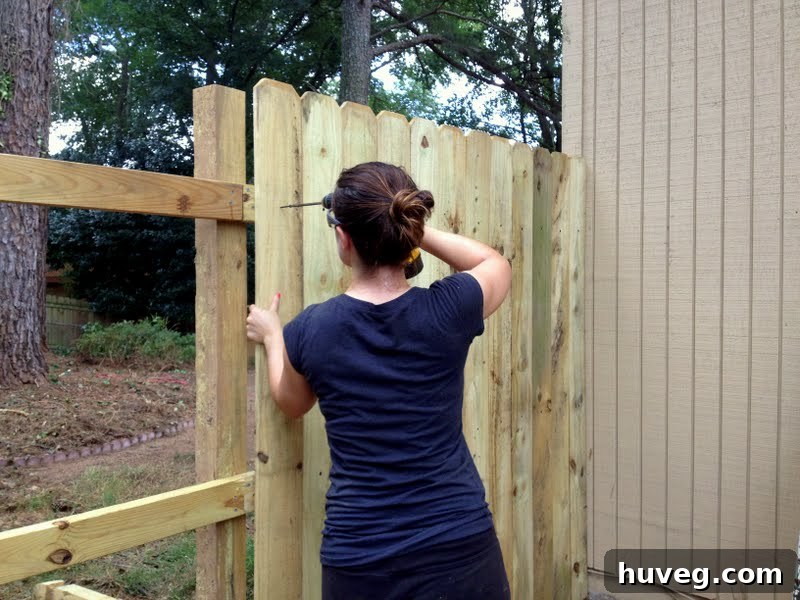
Despite it being September, the project was incredibly hot and sweaty; don’t let the occasional overcast skies in these photos deceive you about the Georgia heat! I encountered a few stubborn screws that put up a fight, but with each board installed, I found my rhythm. The process, though physically demanding and leaving me with a few fresh bruises and blisters, began to move surprisingly quickly.
A Weekend of Achievement: The Rewards of Building Your Own Wooden Fence
And that marked the completion of our initial fence-building phase for the day – definitely time for some much-needed recovery! Even in these photos, you can catch glimpses of other exciting backyard projects underway. Building this wooden fence was more than just a home improvement task; it was a deeply rewarding experience that transformed a previously neglected corner into a beautiful, private space. The sense of accomplishment that comes from creating something tangible with your own hands is truly unparalleled. I hope this detailed account of our DIY fence installation provides valuable insights and inspiration for your own home projects. Stay tuned, because tomorrow I’ll be sharing a plethora of reveal photos, along with updates on other creative endeavors and a special visit from a blogger friend. Here’s to productive weekends and the joy of DIY!