Uncovering the Gaps, My Dear

Mastering Your Exterior Paint Job: A Fresh Approach to Caulking and Painting
Embarking on a home improvement journey, especially one involving a major exterior paint job, can often feel like a juggling act. With multiple projects vying for your attention, it’s easy to get overwhelmed. Yet, every step forward, no matter how small, is progress towards creating the home of your dreams. Today, we’re diving deep into a common DIY painting dilemma and offering a fresh perspective that could save you time, frustration, and rework.
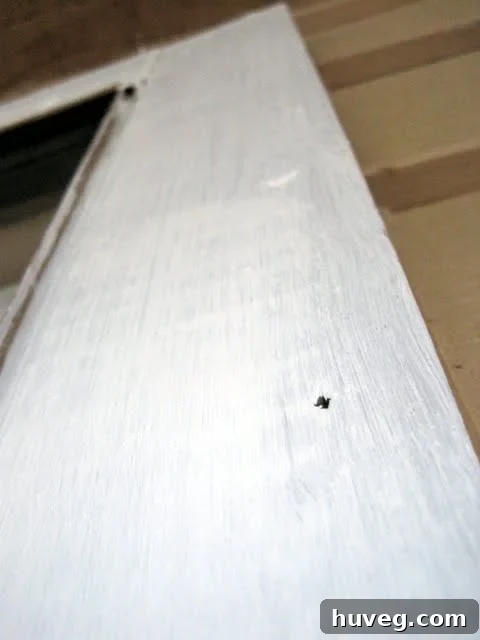
Many homeowners share a similar experience: you diligently prepare, caulk, prime, and then apply that first glorious coat of paint (or use a convenient primer and paint in one product, a true time-saver!). You step back, admiring your hard work, confident that all imperfections have been addressed. Then, as you brush over a specific area, a hidden truth reveals itself:
…and suddenly, you realize your caulking job wasn’t as flawless as you initially believed. That sinking feeling of “Ugh, not again!” can be incredibly demotivating. It feels like you’ve backtracked, having to revisit a task you thought was complete. The frustration of repeating steps, especially on an exterior project where the elements can be unforgiving, is a common pain point for DIY enthusiasts. You’re left wondering if you’ll ever truly finish.
The Traditional Approach vs. A Smarter Sequence
The conventional wisdom for painting often dictates a strict order: clean, repair, caulk, prime, then paint. While this method is tried and true, it comes with a particular pitfall: it can be surprisingly difficult to spot every tiny crack, gap, or hole that requires caulking when the surface is uniformly dirty, unpainted, or merely primed. Minor imperfections blend in, becoming almost invisible until the stark contrast of a fresh paint coat highlights them, forcing you to stop, recaulk, wait for drying, and then repaint.
But what if there was a way to make those elusive imperfections stand out, allowing you to address them with pinpoint accuracy and minimal fuss? What if you could enhance your visibility and streamline your workflow, particularly when tackling ambitious projects like transforming dark surfaces to bright, crisp white? This is where a slightly unconventional, yet highly effective, approach comes into play.
My Not-So-Secret Weapon: Caulk After the First Coat
Here’s a technique that many seasoned DIYers, including myself, have adopted to bypass the frustration of hidden gaps: I often apply the first coat of paint *before* I do my final caulking. Once that initial layer of paint dries, the smaller holes, cracks, and inconsistencies that were previously camouflaged become strikingly apparent. The paint highlights them, making them pop out against the newly uniformed surface. Only then do I meticulously caulk, and after the caulk has fully cured, I apply the second and final coat of paint.
This method isn’t just for exterior walls; it’s equally effective for interior trim work. For instance, when converting old, dark oak trim to bright white – a project that demands perfection – this sequence is a game-changer. The first coat of white paint dramatically reveals any hairline cracks or gaps between the trim and the wall, allowing for precise caulking that results in an incredibly smooth, seamless finish.
Why This Method Works Wonders for Your Paint Project
- Enhanced Visibility: The primary benefit is vastly improved visibility. A uniform base coat of paint makes imperfections far easier to identify than on raw wood or previously painted surfaces. You won’t miss those tiny gaps anymore!
- Increased Efficiency: While it might seem like an extra step, it often saves time in the long run by reducing the need for multiple touch-ups and re-dos after the final coat. You address all imperfections in one focused caulking session.
- Reduced Frustration: Say goodbye to that disheartening feeling of realizing you missed something after your final coat. This method helps you achieve a higher quality finish with less backtracking.
- Superior Finish: By caulking after the first coat, you ensure that all gaps are adequately filled and smoothed, leading to a much more professional and seamless appearance under the final layer of paint.
- Motivation Boost: Seeing that first coat of paint go on can be incredibly motivating. It provides a sense of accomplishment and clarity before you dive into the detailed caulking work.
Addressing Potential Concerns: Caulk Adhesion Over Paint
A common question arises: “Will the caulk stick as well to a painted surface?” In practice, for most well-prepared surfaces and quality acrylic latex caulks (which are paintable), adhesion is generally not an issue, especially with a light first coat. The crucial factor remains proper surface preparation – ensuring the area is clean, dry, and free of loose debris before any paint or caulk is applied. Remember, the surfaces we are caulking are rarely “perfect” to begin with; the caulk is there to bridge small gaps and imperfections. The thin layer of paint provides an excellent, clean substrate for adhesion, often superior to a dusty, porous, or inconsistent raw surface.
Essential Tips for a Flawless Paint and Caulk Job
Regardless of the order you choose, quality results hinge on careful preparation and execution. Here are some indispensable tips for both caulking and painting:
1. Choose the Right Caulk
- Acrylic Latex Caulk: Ideal for most interior and exterior painting projects. It’s flexible, paintable, easy to clean up with water, and adheres well to wood, drywall, and masonry. Look for options with silicone additives for enhanced flexibility and durability.
- Silicone Caulk: Excellent for areas needing high water resistance (e.g., bathrooms, kitchens, around windows). However, most silicone caulks are not paintable, so they are generally not suitable for areas you intend to paint over.
- Polyurethane Caulk: Extremely durable and flexible, great for outdoor applications where expansion and contraction are significant. Often paintable, but can be messier to work with.
2. Master Your Caulking Technique
- Preparation is Key: Ensure the surface is clean, dry, and free of old, loose caulk or paint. A clean surface ensures maximum adhesion.
- Cut the Tip Correctly: Cut the nozzle at a 45-degree angle, making an opening just large enough for the bead you need. A smaller hole gives you more control.
- Consistent Bead: Apply caulk in a steady, continuous motion. Maintain even pressure on the caulk gun trigger.
- Smooth It Out: Immediately after applying, use a wet finger, a specialized caulk tool, or a damp sponge to smooth the bead. This pushes the caulk into the gap and creates a clean finish.
- Drying Time: Always allow caulk to dry completely according to manufacturer instructions before painting over it. This typically ranges from 30 minutes to several hours, or even overnight for thicker beads.
3. Perfect Your Painting Process
- Surface Cleaning: Always start with a clean surface. For exterior projects, power washing or thorough scrubbing can remove dirt, mildew, and loose paint.
- Sanding: Light sanding between coats creates a smooth surface and helps the subsequent coat adhere better.
- Primer (When Needed): While some paints have primer built-in, a dedicated primer is essential for new, unpainted surfaces, stained areas, or when making drastic color changes (e.g., dark to light).
- Quality Tools: Invest in good quality brushes and rollers. They hold more paint, provide better coverage, and leave a smoother finish.
- Proper Technique: Apply paint in thin, even coats. Avoid overloading your brush or roller to prevent drips and runs.
- Optimal Conditions: For exterior painting, check the weather forecast. Avoid extreme temperatures, high humidity, or direct, scorching sunlight, which can affect drying and adhesion.
- Two-Coat Minimum: Almost all painting projects, especially those changing color or covering imperfections, require at least two coats for full coverage and durability.
Bringing Your Vision to Life
By adopting this flexible approach to caulking and painting, you can minimize frustrating reworks and achieve truly professional-looking results for your exterior paint job and beyond. It’s about working smarter, not harder, and transforming potential setbacks into opportunities for greater precision and efficiency.
Home improvement is a journey of continuous learning and adaptation. Don’t be afraid to experiment with techniques that make sense for your specific projects and challenges. The goal is always a beautiful, durable finish that you can be proud of.

Did you find these painting and caulking tips helpful?
Please subscribe to receive our latest home improvement insights and DIY guides directly to your reader or inbox for free!