Transform Your Laundry Room: Drilling Ceramic Pots for a Home Greenhouse

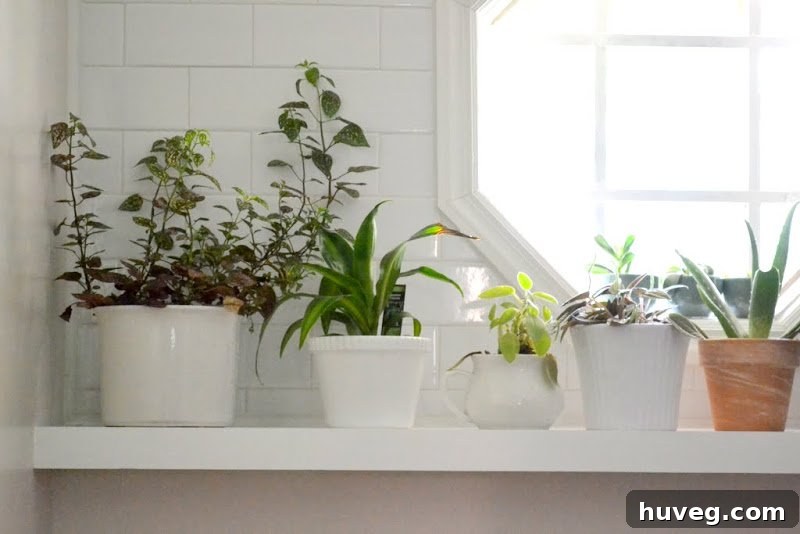
Welcome to an exciting new update for my laundry room – a space often overlooked, but ripe with potential for transformation! Today, I’m thrilled to unveil my latest addition: a charming little greenhouse nestled on the newly installed back shelf. This isn’t just about adding plants; it’s about redefining a functional area into a vibrant, inspiring corner of the home.
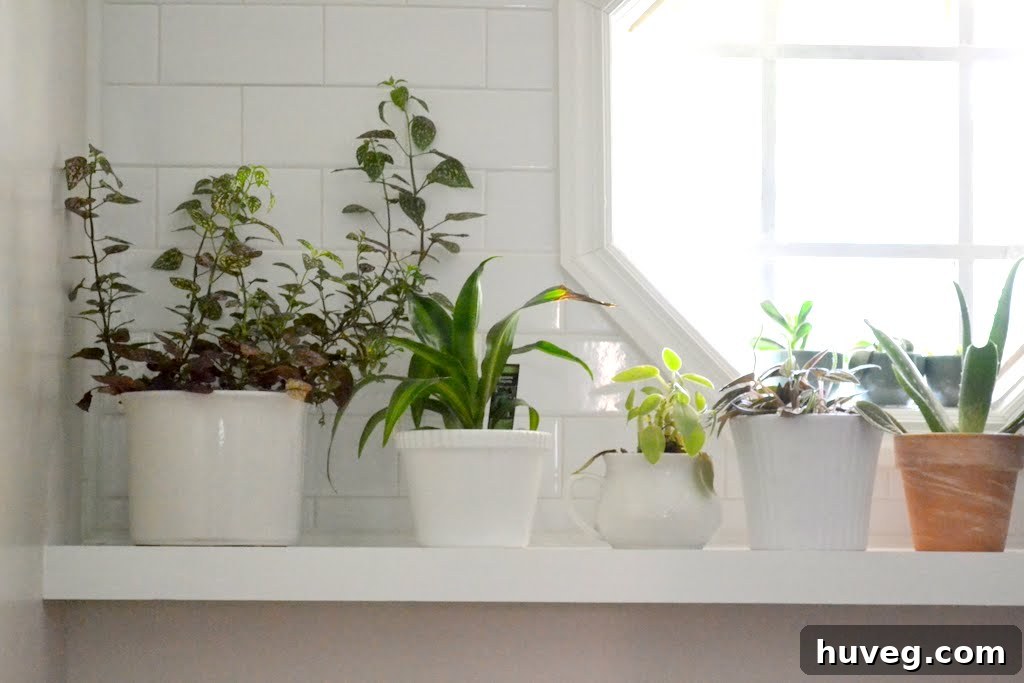
Transforming the Laundry Room: From Awkward Layout to Green Oasis
Less than two years ago, when I upgraded to a modern front-loading washer and dryer, I was faced with a significant design challenge in the laundry room: its inherently awkward layout. A narrow ledge runs beneath the back window, a feature that historically supported a deep shelf for laundry essentials. While practical in theory, this setup quickly proved problematic for my new design vision.
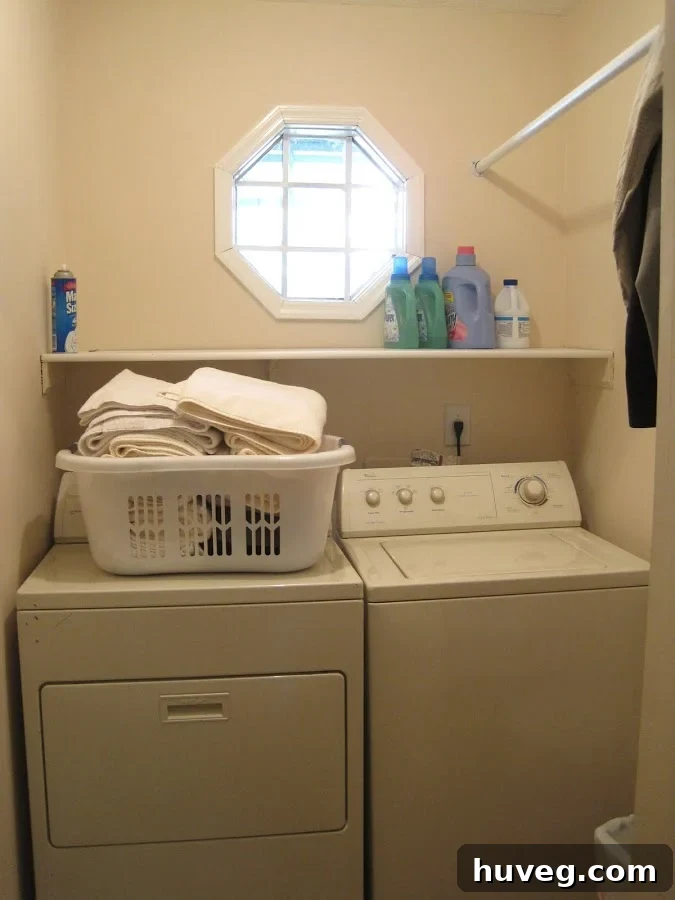
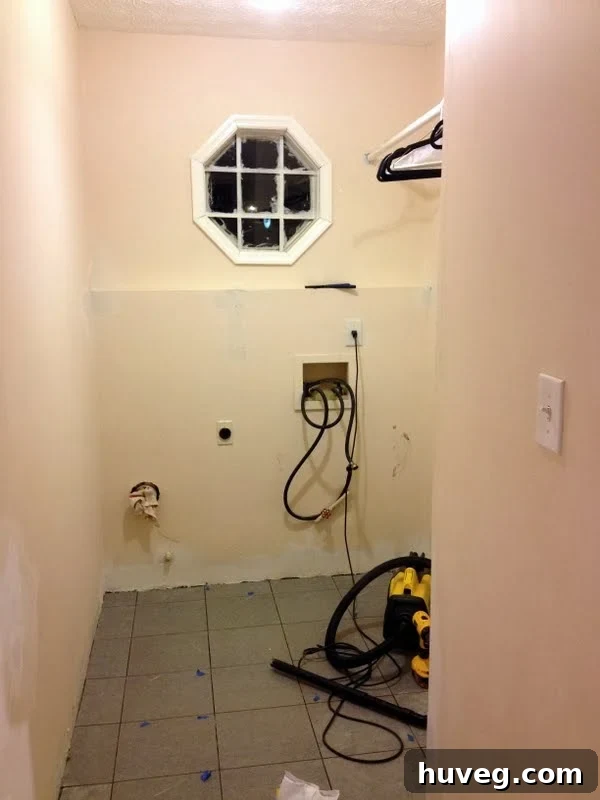
As the new design plan began to take shape, it became clear how frustrating it would be to try and integrate this existing ledge into a functional storage solution. The fixed ledge seemed to demand a shelf, but reaching over a soon-to-be-installed counter to access detergents or other items would make the space feel perpetually cramped. Even with a deep shelf, a step stool would likely be necessary, only to then constantly move it to open and close the appliance doors. Moreover, I was already planning to build two additional floating shelves on the right side to maximize storage. The idea of reinstating a deep shelf over the machines simply didn’t align with efficiency or aesthetic goals.
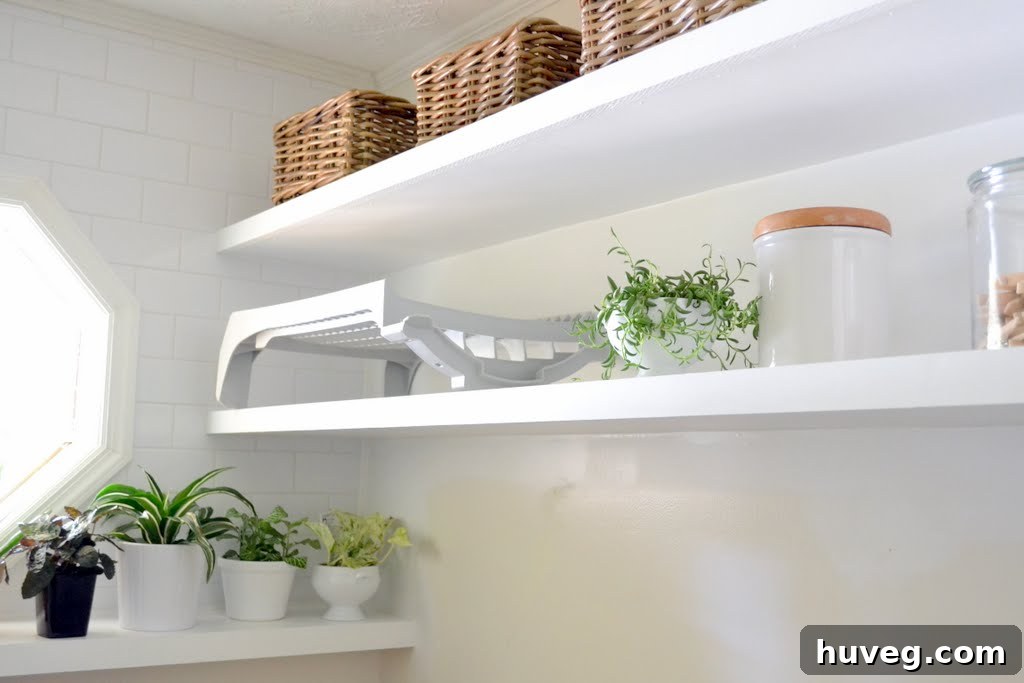
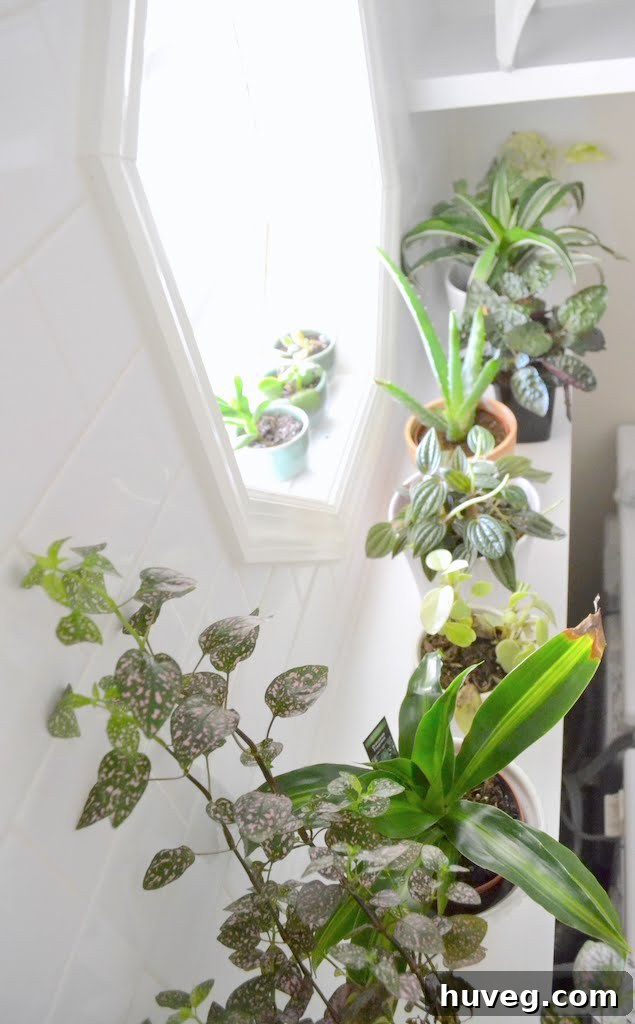
The traditional approach was clearly not a winning strategy. As various options swirled in my mind, a fresh perspective emerged, leading to a rather unconventional but brilliant conclusion. First, I confess: I genuinely dislike doing laundry. This led to my second realization: to make the task more bearable, I needed to infuse the room with something genuinely enjoyable, something that would draw me in regularly (like tending to plants). Finally, given that the room’s palette would be predominantly white, plants offered the perfect opportunity to introduce vibrant color, organic textures, and much-needed visual interest. The vision of a serene, green sanctuary in the laundry room began to solidify.
Cultivating a Budget-Friendly Indoor Garden
While plants can certainly add charm, the cost can quickly accumulate if you opt for specialty pots and exotic varieties. However, with a little resourcefulness and willingness to do some DIY work, this project can be remarkably affordable, easily kept under $75 for the pots alone.
My quest for unique and budget-friendly planters led me straight to Goodwill. Instead of a pricey specialty store, I discovered a treasure trove of ceramic containers. In total, I spent a mere $25 for an impressive collection of 17 pots, varying in size, height, and shape. My focus wasn’t on their current color or condition, but on their intrinsic visual interest and unique forms, knowing that they would all be unified by a cohesive new color scheme.
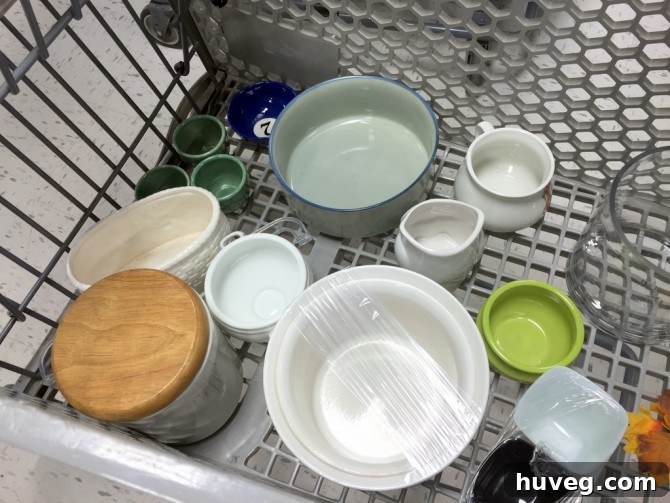
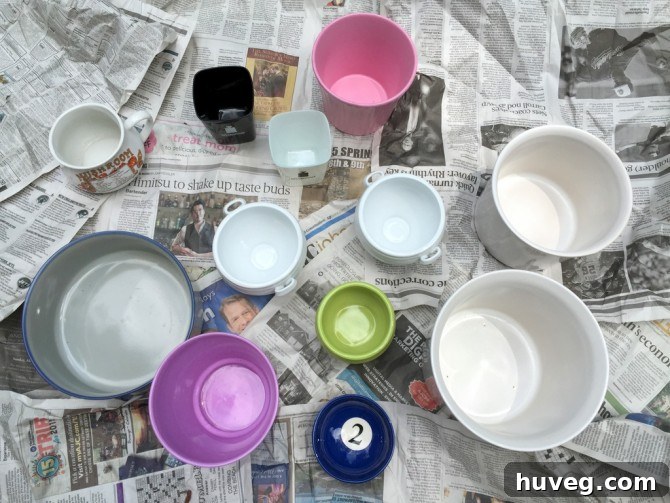
This kind of project truly requires an eye for potential, looking beyond surface imperfections like lime green glazes, unsightly labels, or purple specks. The shapes and textures were what mattered, providing the perfect canvas for a creative transformation. Once home, I meticulously unwrapped each container and divided them into two distinct categories: those I felt confident drilling through without significant risk (or wouldn’t mind if one broke in the process) and those I wished to preserve in their existing state for other purposes. I highly recommend performing the drilling step first, even before cleaning or painting, as there’s no point in investing effort into a pot that might crack.
DIY Guide: How to Drill Drainage Holes in Ceramic Pots
Creating proper drainage holes is paramount for the health of your indoor plants, preventing root rot and ensuring optimal soil conditions. This step, while seemingly intimidating, is quite manageable with the right tools and technique.
What you need:
- Diamond drill bits specifically designed for ceramic or glass (I used 5/16″, 3/8″, and 1/2″ for various pot sizes. Always double-check packaging to ensure compatibility with ceramic, as some bits are not suitable for certain materials despite being rated for tile).
- Painter’s tape
- Spray bottle filled with water
- A drill with variable speed settings or an impact driver (my personal favorite for control)
I chose to perform this task in the backyard on a patio, and I highly recommend doing so in an outdoor space. The process involves ceramic dust and water spray, which can create a bit of a mess. You certainly wouldn’t want to risk staining your hardwood floors or any valuable surfaces. A handy tip: the newspaper used to wrap the Goodwill items made an excellent, disposable drop cloth!
- Prepare Your Pots: Begin by laying out all the pots upside down. Carefully inspect each one for any existing cracks or weaknesses. Once you’ve confirmed their integrity, apply painter’s tape over the precise spots where you intend to drill. You can choose to drill one larger hole in the center or several smaller ones closer to the edges, but a single, larger hole generally means less drilling effort.
- Apply Water: With the tape firmly in place, spray a generous amount of water directly onto the taped drilling spot. Many of the ceramic containers I sourced had a small lip on the base, which conveniently helped to pool the water exactly where it was needed, keeping the drill bit cool and reducing dust.
- Start Drilling: Load the appropriate diamond drill bit into your drill. Begin drilling with a very slow speed, applying just enough pressure for the bit to catch and create a small indentation. Once it has a secure grip, gradually increase the speed. It’s crucial not to apply heavy pressure, as this can easily crack the ceramic. Instead, maintain consistent, moderate pressure to allow the bit to grind through the material. This process requires patience, as it takes some time.
- Maintain Cooling: Continue drilling, remembering that this can take several minutes per hole. When the water turns cloudy, it’s a clear indication that the drill bit is actively working its way through the ceramic. However, this friction also generates significant heat, which can damage the bit or the pot. To counteract this, spray water from your bottle every 30 seconds or so to keep the area cool and lubricated.
- Final Breakthrough: As you near the point of breaking through the other side of the pot, you might notice smaller bowls starting to rotate or rattle due to the pressure. Steady the pot firmly with your free hand, carefully finish drilling the hole, and then remove the painter’s tape.
- Clean Up: With the drilling complete, you can now thoroughly wipe down and wash your newly perforated plant pots. This prepares them perfectly for the next step: painting. A quick swipe with a Clorox wipe is my preferred lazy method, but a good old-fashioned soap and water scrub works just as well.
Revitalizing Planters: The Art of Painting Ceramic Pots
Painting these upcycled ceramic pots is where their transformation truly shines, allowing you to create a cohesive and stylish look regardless of their original appearance.
What you need:
- 220-grit sandpaper
- High-quality primer designed for ceramics or multi-surface use
- Spray paint in your chosen color and finish (I selected White and Blossom White in semi-gloss and satin finishes for subtle variation and depth)
- Optional: Clear protective coat (all my chosen products were Rustoleum 2x for excellent coverage and durability)
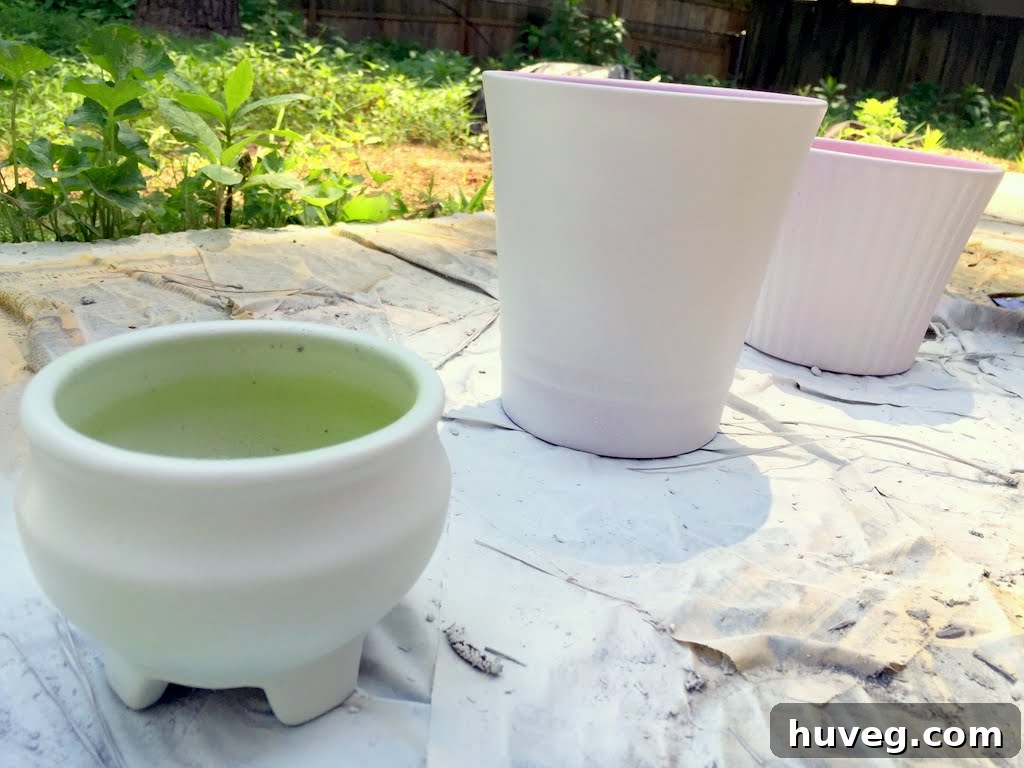
- Light Sanding: Gently sand down the entire surface of each pot that you plan to spray paint. This step helps to scuff the glossy ceramic surface, allowing the primer and paint to adhere better and create a more durable finish.
- Priming: Apply a light, even coat of primer to each piece. Patience is key here; multiple thin coats are always superior to one thick coat, as they prevent drips and ensure a much smoother, professional-looking finish. For additional spray painting mastery tips, consider exploring these 7 easy techniques.
- Interim Sanding (Optional but Recommended): Lightly sand between each coat of primer and color. While you might be tempted to skip this step for time, especially if you’re feeling lazy (I admit, I was about 50/50 on this!), it significantly contributes to a glass-smooth final finish by knocking down any minor imperfections or dust particles.
- Color Coats: Apply your chosen color spray paint. I opted for various shades of white to ensure the vibrant greenery of the plants would be the star of the show, but feel free to choose any color that complements your space. I personally find a flatter finish often looks more chic and contemporary, but varying sheens (like matte, satin, and semi-gloss) can also add interesting subtle texture and depth to your collection.
- Clear Coat (Optional Enhancement): For an added layer of protection and to achieve a specific sheen, apply a clear protective coat. While I’ve successfully spray painted many items without a clear coat, and they’ve held up just fine, a good clear coat can truly enhance the finish, especially if you’re aiming for a high-gloss, durable surface.
Once all your beautifully painted pots are thoroughly dry and cured, you’re ready for the exciting next step: planting!
Bringing Life to Your Laundry Room: Selecting and Planting Your Greenhouse
With your newly transformed pots ready, it’s time to fill them with life. My goal was to achieve a varied look without breaking the bank, so I bypassed boutique nurseries and headed to Walmart. I was pleasantly surprised by their wide selection of indoor plants and succulents, perfect for a budget-conscious project. I spent approximately $70, which brought home a fantastic assortment of greenery. Note that not all these plants were used in this specific laundry room project; many found happy homes in other parts of my house, making the actual cost for this particular setup even lower. When choosing plants, always check their labels carefully to ensure they are suitable for the lighting conditions and humidity levels of your laundry room.
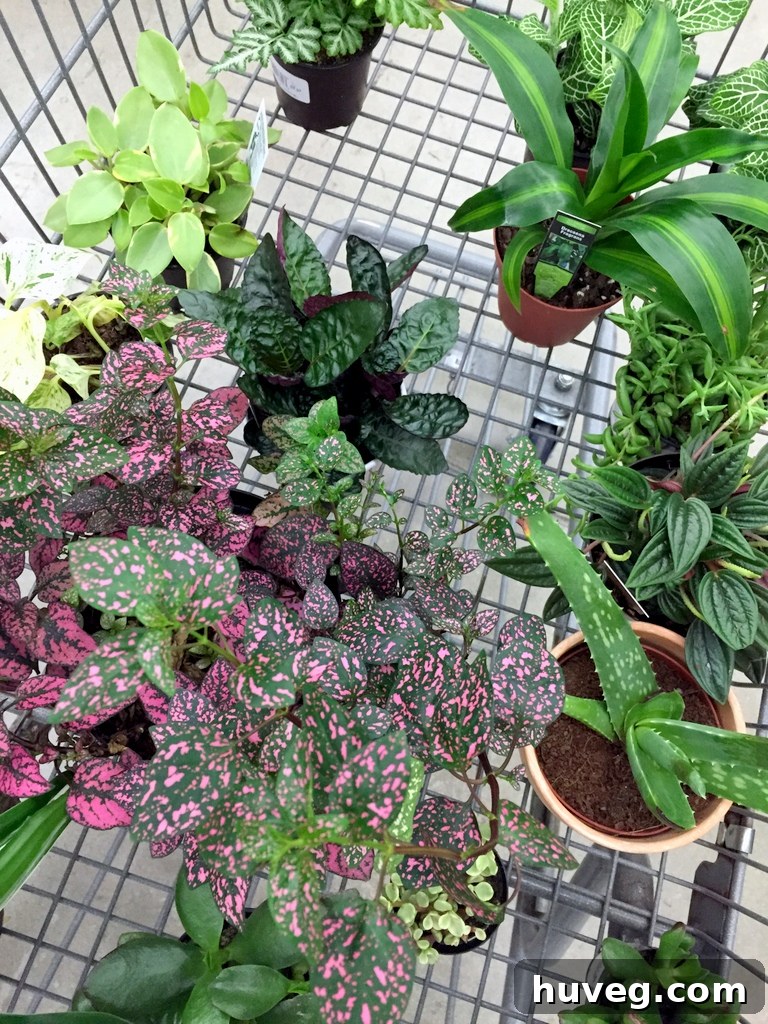
Beyond the plants themselves, you’ll also need a few essential supplies. A layer of gravel or small rocks at the bottom of each pot is crucial for enhancing drainage and preventing soil from escaping through the newly drilled holes. Additionally, ensure you have high-quality potting soil specifically formulated for indoor plants. For succulents, a specialized cactus potting mix is highly recommended, as it provides the fast-draining environment they thrive in.
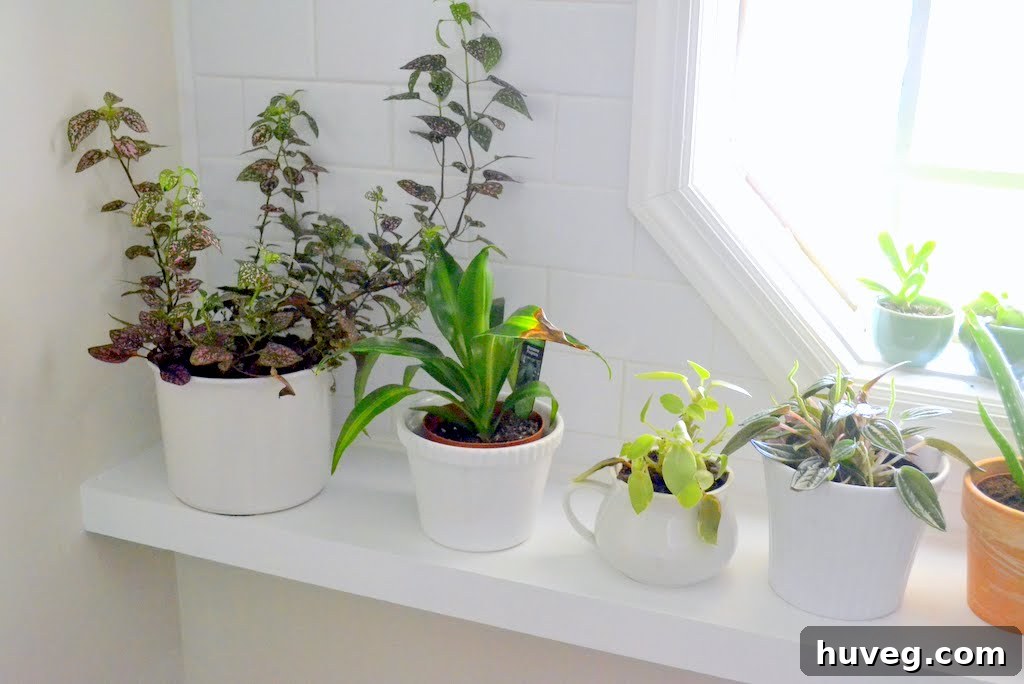
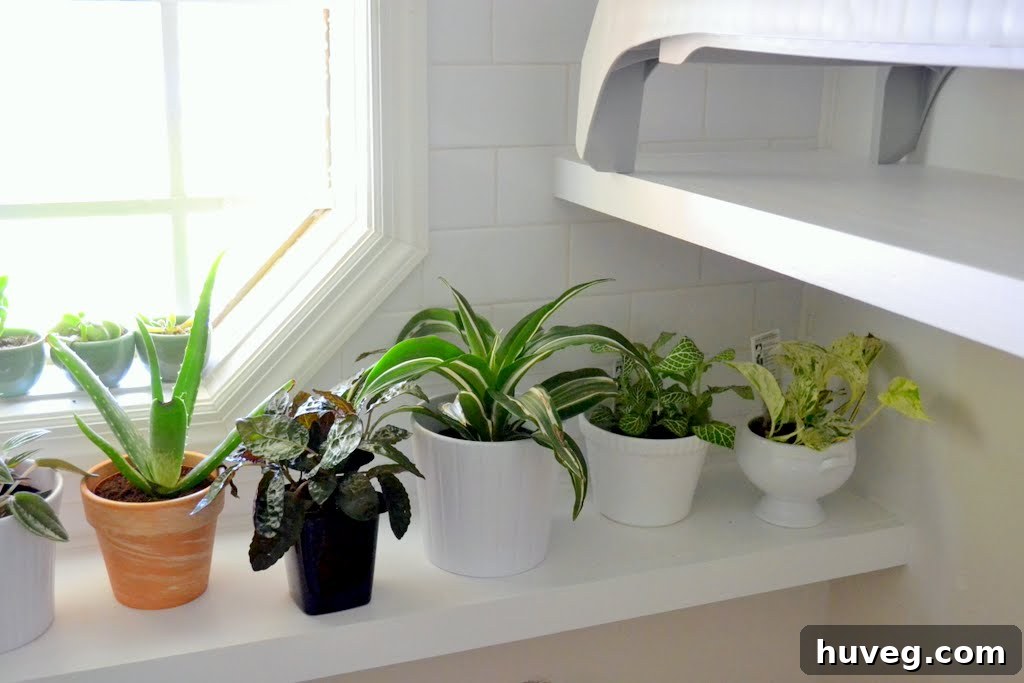
As the accompanying photos demonstrate, the final arrangement boasts a delightful variety of plants. I am genuinely thrilled with how this little greenhouse project turned out. The lush greenery adds so much life and character to the laundry room. I’m eager to capture a full, comprehensive shot of the entire setup once the counter is installed. Photographing directly into the only natural light source can often blow out images, so a whole-room shot will undoubtedly look much better once all the final elements are in place.
Nurturing Your Indoor Greenhouse: Simple Plant Care Tips
Maintaining a thriving indoor garden, even in a laundry room, is simpler than you might think. I’ve adopted a consistent weekly routine for checking on the watering needs of each plant. A fantastic tip I picked up from Kelly at VATW (view along the way) is to set a timer on my phone as a reminder. When the timer goes off, I simply stick my finger into the soil of each pot; if the soil feels dry, I add water. Succulents, however, are an exception, requiring watering only about once a month due to their drought-tolerant nature.
So far, things are progressing splendidly, and all my plants appear to be quite content. While I’m realistic that I might not keep every single one alive indefinitely, I’ve had considerable success with other indoor plants around the house over the past year. This extensive laundry room project truly feels like my ultimate test to see if I’ve finally earned my “green thumb”! To further support their growth, I also use a convenient foaming pump fertilizer, which makes feeding them incredibly easy and mess-free.
The Final Touches: Completing the Laundry Room Oasis
The laundry room renovation is nearing completion, with just a few more items on the to-do list, including the final paint job, installing a hanging rod, and adding the much-anticipated counter. However, even in its current state, the room is truly coming together beautifully. This project has not only solved a design dilemma but has also infused a sense of joy and vitality into a typically utilitarian space. Who knows? With such an inviting and inspiring environment, I might just find myself enjoying laundry day a little more, and perhaps even have clean socks on a regular basis!