Tiny Alterations, Profound Effects

Mastering the Art of Visual Perception: A Deep Dive into IKEA’s Subtle Room Transformations
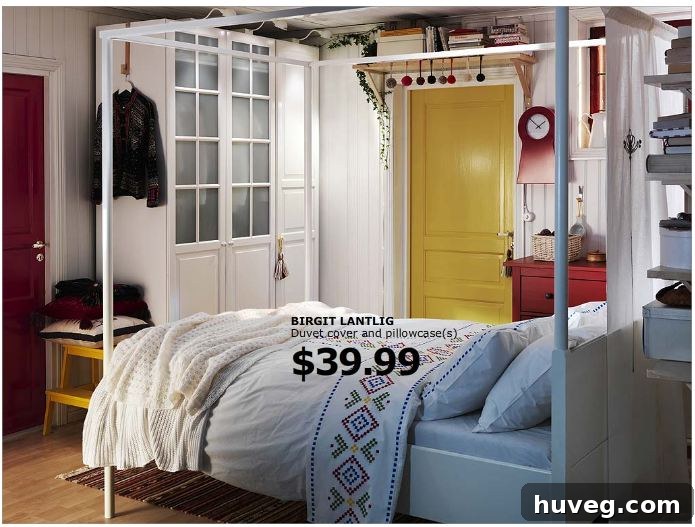
At first glance, some visual presentations can be deceiving. What appears to be a mere duplicate might, upon closer inspection, reveal a masterclass in subtle transformation. This is precisely the experience many encounter when confronted with two seemingly identical bedroom photos from the IKEA website. Initially, they might seem indistinguishable, but a keen eye quickly discerns a strategic evolution designed to enhance aesthetics and functionality.
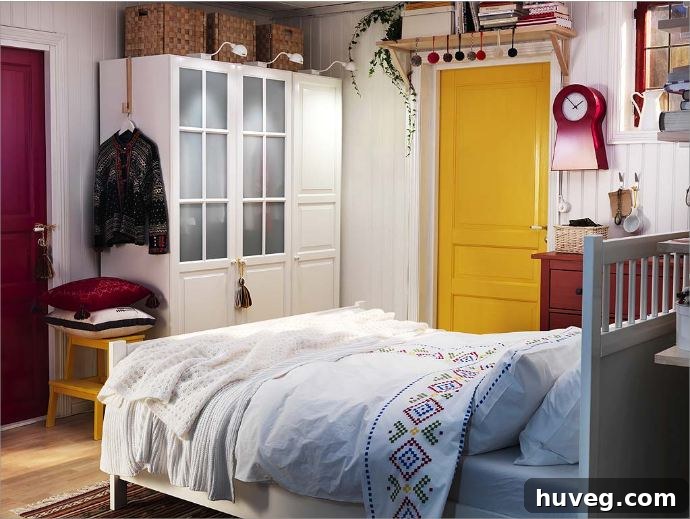
The true magic unfolds when you begin to toggle between these two images. A curious sensation arises – a subtle yet undeniable shift in ambiance. You start to ponder, “What is it about these photos that makes them feel so profoundly different, despite depicting the same core space?” This intriguing puzzle is more than just a casual observation; it’s an insightful lesson in interior design principles, strategic photography, and the psychological impact of visual presentation. It highlights how minor adjustments can lead to a dramatically improved perception of a room’s comfort, style, and overall appeal.
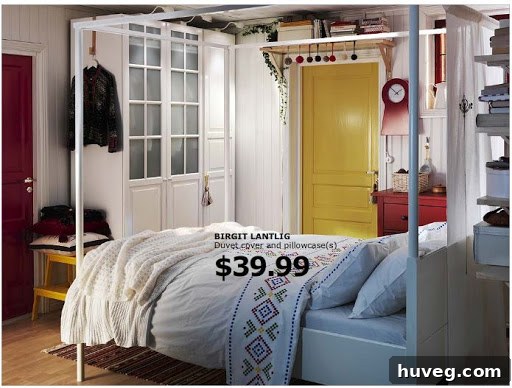
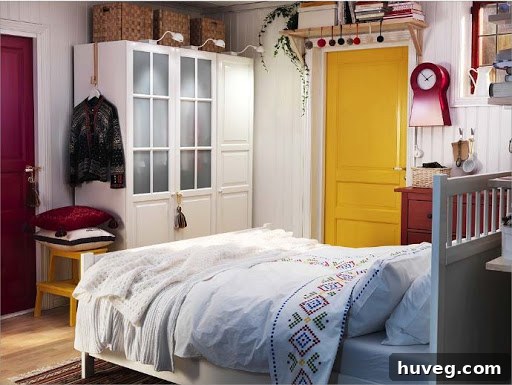
For many, this comparison transforms into a captivating game of “spot the difference,” a delightful challenge that highlights the intricate details often overlooked in everyday visual consumption. While the initial differences might be elusive, a closer examination reveals a meticulously executed strategy to elevate the room’s appeal. These aren’t just random changes; they are deliberate design choices aimed at optimizing the space for both aesthetics and perceived functionality. Let’s embark on a detailed exploration of these significant alterations, understanding the ‘why’ behind each adjustment:
- Strategic Cropping and Framing for Focused Presentation: The second photo (Photo B) is subtly cropped, notably reducing the visibility of the bookshelf on the right side. This seemingly minor adjustment is a masterstroke in composition, demonstrating a clear understanding of visual hierarchy. By subtly narrowing the frame, the focus is drawn more intensely to the central, most important elements of the room – the comfortable bed and the integrated storage solutions behind it. This strategic framing creates a more intimate, less cluttered visual experience, eliminating extraneous details that might distract the viewer or create a sense of busyness. The removal of a portion of the bookshelf doesn’t just cut it out; it redefines the spatial boundaries, making the room feel more intentional, curated, and effortlessly cohesive. It guides the viewer’s eye exactly where the designers want it to go, creating a stronger emotional connection with the showcased products.
- Illuminating the Space: Enhanced Lighting and Vivid Color Palette: Perhaps the most striking transformation lies in the manipulation of light and color. Photo B exhibits significantly brighter, more balanced lighting and a remarkably vivid color rendition. This isn’t merely a matter of increased exposure; it’s a deliberate choice that profoundly impacts the room’s mood and perceived cleanliness. The enhanced brightness makes the space appear larger, more inviting, and undeniably cleaner, while the richer, more saturated colors inject warmth, vitality, and a sense of freshness. This clever use of illumination and saturation breathes life into the room, transforming a potentially dull or dimly lit space into an appealing sanctuary that feels “cheerful and put together.” This subtle yet powerful lighting strategy directly influences a viewer’s emotional response, evoking feelings of comfort, modernity, and desirability.
- The Bed Transformation: Redefining the Central Focus and Flow: A pivotal change is the complete overhaul of the bed, which serves as the undeniable focal point of any bedroom. The original bed in Photo A, with its prominent posts and a top frame, introduces a degree of visual heaviness and complexity that can feel dated or imposing. These structural elements, along with the accompanying curtain, create visual interference, breaking up the clean lines of the background shelf and wardrobe. In stark contrast, Photo B features a streamlined, post-free bed design. This minimalist approach instantly declutters the visual field, allowing the eye to flow uninterrupted across the background and appreciate the integrated storage. The absence of the bulky top frame and curtain opens up the space, making the room feel significantly more spacious, contemporary, and harmonious. This change not only modernizes the aesthetic but also enhances the perceived openness and tranquility of the entire bedroom.
- Optimizing Vertical Space: The Wardrobe and Integrated Storage Solutions: The wardrobe in the background of Photo B has undergone a critical height adjustment; it is now subtly shorter, positioning its top line artfully below the door frame rather than awkwardly above it. This thoughtful alignment creates a harmonious visual flow, preventing the wardrobe from visually “competing” with the door frame and lending a sophisticated sense of architectural cohesion to the room. Furthermore, the newly available height above the shorter wardrobe has been ingeniously utilized with the addition of stylish, practical storage baskets. These baskets not only offer vital storage solutions for clutter-free living but also introduce an element of texture, warmth, and organized functionality. This exemplifies smart space utilization, turning a purely functional element into an integral design asset that enhances the room’s overall aesthetic appeal and perceived efficiency.
- The Subtle Art of Accessorizing: Beyond the Obvious Details: While not explicitly detailed in the initial observations, a closer look at Photo B reveals nuanced shifts in accessorizing that contribute significantly to its elevated appeal. Examine the bedding – is there a change in texture, a subtle pattern, or a slight variation in the arrangement of pillows? Photo B tends to feature a more ‘fluffed,’ inviting, and thoughtfully layered bed, subtly conveying supreme comfort and readiness for relaxation. Observe any smaller decor items on shelves or bedside tables. Even if minimal, the strategic placement or the careful absence of a small plant, a carefully chosen book, or a minimalist decorative object can dramatically impact the perceived tidiness, personality, and aspirational quality of the room. These seemingly minor details contribute immensely to the overall polished finish, making the space feel both lived-in and impeccably maintained.
- The Psychology of Clean Lines and Openness: Creating a Sense of Calm: The cumulative effect of these meticulously executed changes is a profound shift towards cleaner lines, enhanced visual flow, and a greater overall sense of openness. Photo A, with its more imposing bed frame, visually competing elements, and higher wardrobe, feels somewhat enclosed and visually dense. Photo B, through its thoughtful design choices, actively works to expand the perceived space. The removal of visual barriers, the alignment of furniture lines with architectural elements, and the brighter, more expansive lighting all contribute to an atmosphere of spaciousness and tranquility. This isn’t just about making a room look objectively “good”; it’s about strategically crafting an environment that evokes feelings of calm, order, and effortless style. This intentional design minimizes visual clutter, allowing the mind to relax and fully appreciate the serenity and functional elegance of the transformed environment.
Reflecting on these fascinating comparisons, I find myself profoundly impressed by the meticulous attention to detail demonstrated in Photo B. As someone who often embraces a more spontaneous approach to photography – primarily concerned with ensuring the subject is in focus and the immediate foreground appears “clean” (a generously applied definition, often meaning just clearing out visible laundry out of the frame!) – this analysis served as an invaluable wake-up call. It highlighted my previous oversight regarding the immense power of elements like carefully chosen lighting, strategic camera angle, purposeful cropping, and the cumulative effect these factors have on transforming a mere snapshot into a captivating visual narrative. The subtle art of composition, often underestimated, can dramatically alter how a space is perceived, influencing everything from its perceived size and warmth to its overall emotional resonance and desirability.
These revelations extend far beyond personal photography habits; they underscore fundamental principles applicable across various domains, from professional interior design and architectural photography to real estate staging, e-commerce product presentation, and even personal branding online. They remind us that effective visual communication isn’t accidental; it’s the result of deliberate choices aimed at evoking a specific response and creating an aspirational vision. Understanding how minor adjustments, when executed thoughtfully, can yield significant visual improvements is crucial for anyone looking to present a space – be it a home, a product, or a concept – in its most appealing and impactful light. The ultimate goal is to create not just an image, but an immersive experience, prompting viewers to connect with the depicted environment on a deeper, more emotional level, fostering desire and appreciation.
This deep dive into IKEA’s visual strategy has provided potent inspiration for my upcoming tutorials, emphasizing the critical importance of a holistic approach to visual presentation. It’s a compelling reminder that even industry titans sometimes embark on iterative design processes, continually refining their presentations to achieve optimal market impact and customer engagement. It also reinforces that continuous learning and adaptation are key to excellence, regardless of scale. The subtle yet powerful enhancements in Photo B are not just about making a room look tidier; they speak to a profound understanding of visual psychology and the art of crafting an aspirational living environment that resonates with a broad audience, fostering a sense of comfort, contemporary style, and functional elegance.
Now, it’s your turn to join the conversation. What hidden gems or strategic design choices did your discerning eye uncover in these two compelling images? Did you, like me, find Photo B to be a superior representation, exuding a heightened sense of refined calm and intelligent design that speaks volumes about modern living? Or perhaps you found an understated charm and raw, authentic simplicity in Photo A that resonated more with your personal aesthetic? Share your observations, insights, and preferences in the comments below – every perspective offers a unique and valuable contribution to the intricate world of visual aesthetics and home transformation.