Paving the Way

Revitalizing Your Backyard: Strategic Plant Relocation for a Stunning Transformation
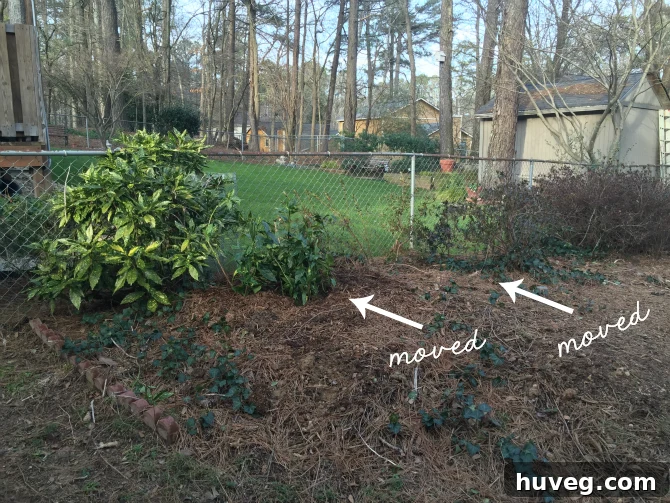
Every seasoned gardener or enthusiastic DIY homeowner knows that a backyard is a living canvas, constantly evolving and often demanding attention. While some weeks might throw unexpected challenges our way, they also present unique opportunities for growth – both in our gardens and our skills. This week, instead of dwelling on the minor setbacks, I decided to tackle a foundational task: strategically relocating key backyard plants before they burst into their vibrant spring blooms. It might not seem like a dramatic change initially, but these small, strategic moves are crucial stepping stones for the grander backyard upgrades planned for later this year.
Preparing your outdoor space for major renovation is a meticulous process, often beginning with seemingly minor adjustments that pave the way for bigger projects. My current focus is on giving several established plants a new home, ensuring their health and vitality while simultaneously creating space for future enhancements. It’s an essential pre-emptive strike against the upcoming warmer months, ensuring a seamless transition into a beautiful and functional backyard oasis.
The Evolution of a Backyard: A Journey of Transformation
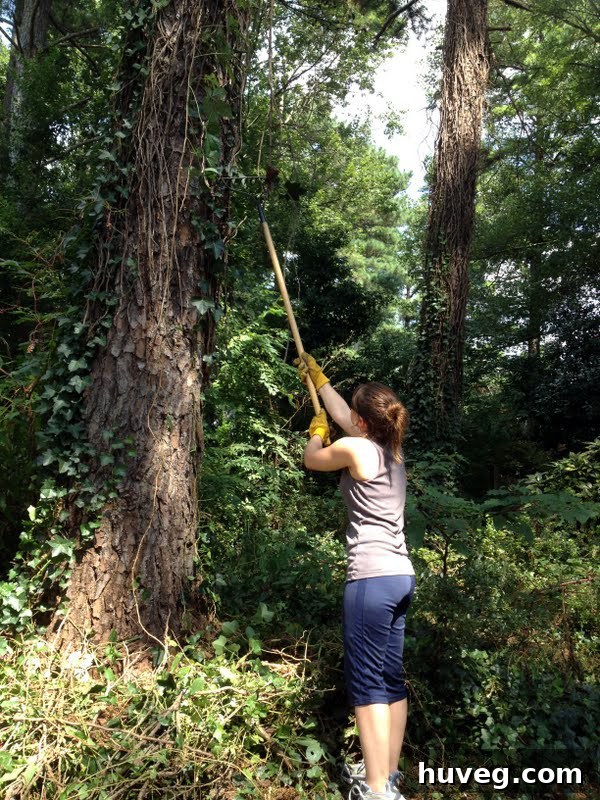
For those who have followed my home improvement journey, you’ll recall that this backyard has undergone several significant transformations over the past few years. Each project, no matter how daunting, has contributed to shaping the space into something more functional and aesthetically pleasing. The journey began a few summers ago with a major battle against an overwhelming infestation of ivy.
This vigorous, invasive plant had taken root and relentlessly climbed my trees since I first moved in, suffocating their growth and creating an unsightly, dense thicket. Removing tons of this stubborn ivy was a monumental effort, but it was absolutely essential to save the trees and reclaim the natural beauty of the yard. This initial clearing created an entirely new foundation for all subsequent projects, proving that sometimes, the biggest improvements start with radical removal.
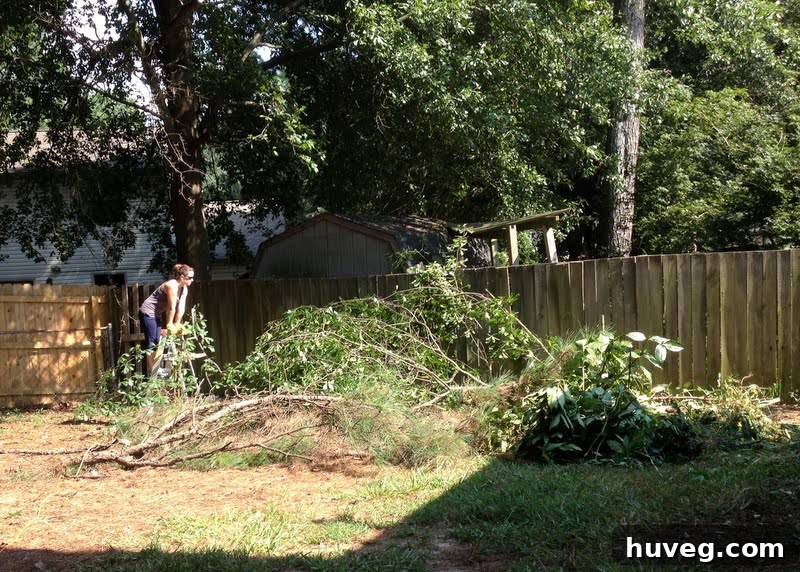
Following the ivy removal, the next major hurdle involved addressing the significant lack of sunlight in certain areas. This required cutting down numerous overhanging branches from neighboring trees that cast vast shadows across my property. This step dramatically increased the amount of natural light, instantly transforming the yard into a brighter, more inviting space, and creating better conditions for the plants I wished to cultivate.
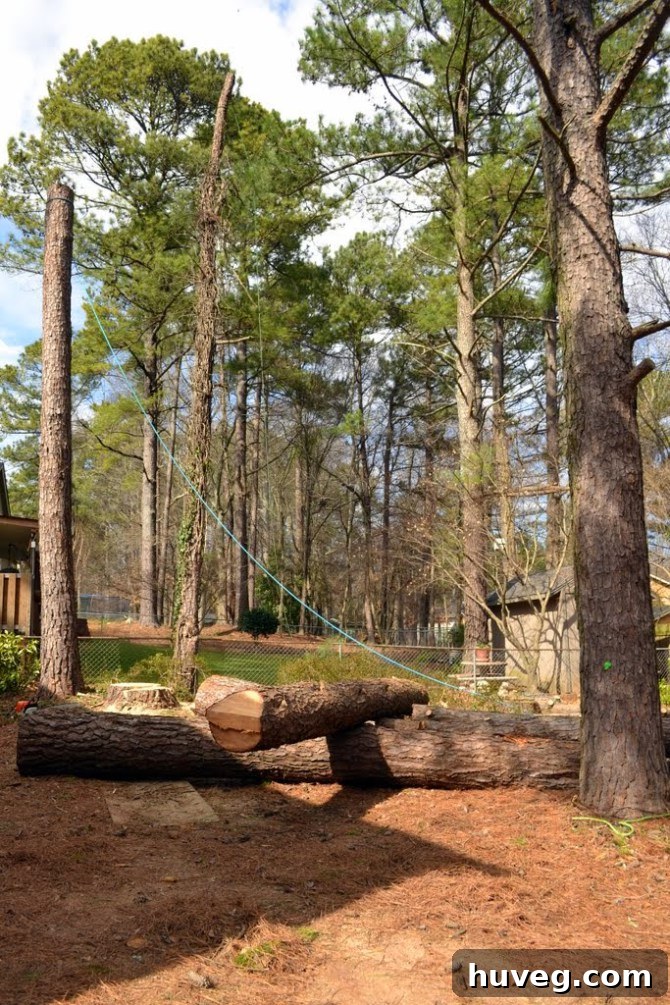
The biggest transformation, however, came with the removal of nearly every pine tree on my property. This was a significant undertaking, requiring professional assistance due to the size and location of the trees. While it felt drastic at the time, the decision opened up incredible possibilities, expanding the usable footprint of the yard and providing a blank slate for innovative landscape design. It taught me the importance of having a clear vision for the long-term potential of a space, even if it means making tough choices in the short term.
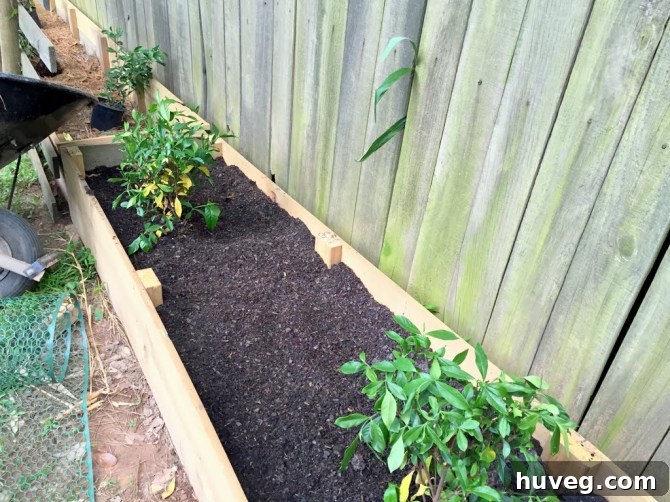
With the major clearing complete, I began to infuse some beauty back into the space. I focused on creating charming gardenia garden beds along the long-neglected fence line on the right side of the yard. Since the fence belonged to my neighbor, I wasn’t keen on investing in a full replacement, but I was determined to improve its appearance from my side. This summer, I plan to tack up a few replacement boards on the most damaged sections using leftover pieces from my own fence-building project, making it a cost-free upgrade that significantly enhances curb appeal.
An exciting aspect of these new garden beds was utilizing resources already on hand. The majority of the filler material for the beds came from the ground-out stumps of the removed trees, which had been left in a large mound. This sustainable approach not only saved money on purchasing new soil but also repurposed waste into a valuable resource, proving that creative problem-solving can lead to both beautiful and eco-friendly outcomes.
Addressing Awkward Placement: The Imperative to Relocate
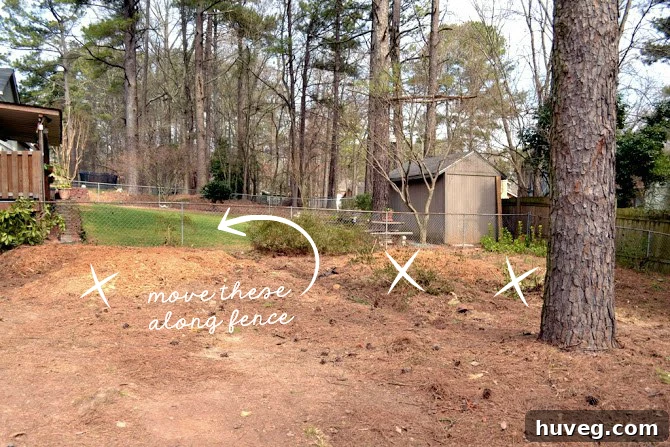
Despite these significant improvements, there remained one more crucial project that needed attention before the warmer weather truly set in: the relocation of several established azaleas, roses, and rhododendrons. These beautiful plants, once strategically placed in a more elaborate elevated area around the original trees by the previous owner, now found themselves in an awkward, isolated spot after the tree removal. While their vibrant blooms were charming when the trees provided context, their current “sitting next to nothing” placement felt out of place and impractical.
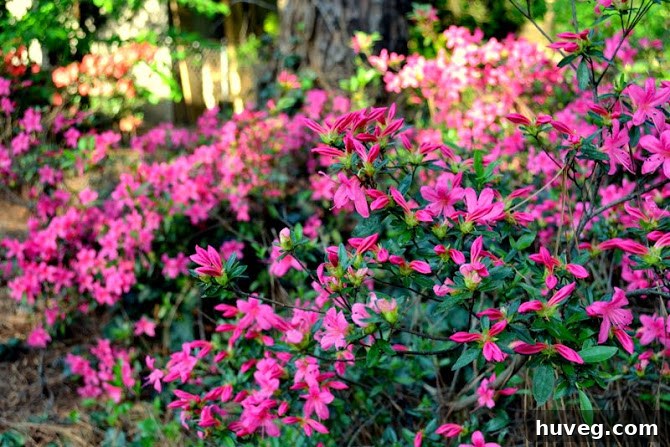
Before the trees were removed, their placement was less problematic, blending into a more elaborate, elevated garden design. The previous owner had evidently designed this area to complement the larger trees, creating a layered and textured landscape. By the time I moved in, it had become quite overgrown, but when everything was in full bloom, the visual impact was still quite lovely, showcasing a riot of color and foliage.
However, with the trees now gone, the original placement of these plants had become not just aesthetically challenging but also logistically inconvenient. My dog, Charlie, with her impressive ability to clear a 6-foot fence, needs to be on a very long leash when she’s in the backyard. Unfortunately, Charlie isn’t exactly a natural problem-solver when it comes to leash entanglement (a charming trait, if not always practical!). This means I frequently have to intervene to untangle her leash, preventing it from ripping out one of the precious bushes.
Despite my best efforts, I’m not always quick enough. There have been several instances where her strong legs, fueled by canine exuberance, have yanked a plant right out of the ground. These little “accidents” served as a clear, albeit sometimes frustrating, signal that a more strategic and practical layout was desperately needed. Relocating these plants was no longer just about aesthetics; it was about protecting them from accidental damage and creating a more harmonious space for both human and canine inhabitants.
The Art of Relocation: A Practical Guide to Moving Your Plants
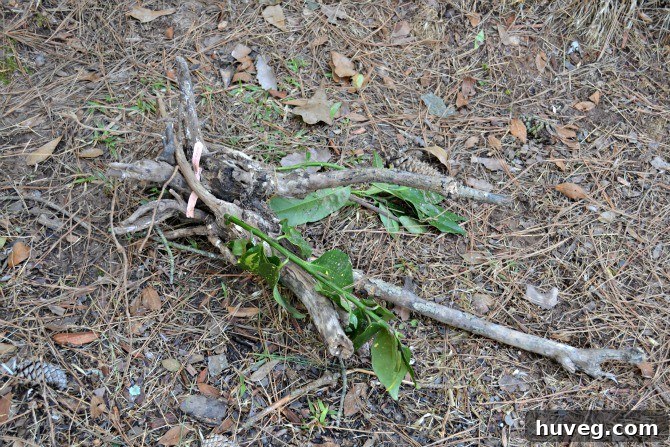
The task at hand was clear and surprisingly simple: carefully dig up the azaleas, roses, and rhododendrons and replant them in a more suitable location. Interestingly, it wasn’t until after the trees were removed that I even noticed the beautiful rose bush nestled among the other greenery. This highlights how easily certain plants can be overshadowed in an overgrown landscape, only to reveal their true potential once the clutter is cleared.
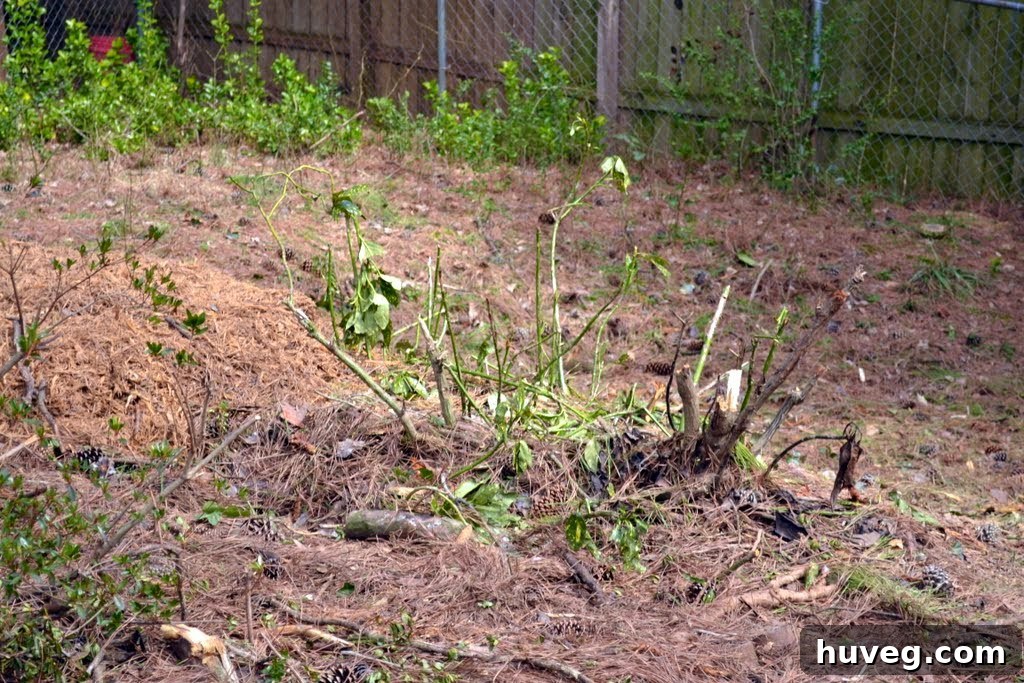
By this point, between the immense pressure from the tree removal equipment and Charlie’s repeated leash skirmishes, these once-thriving plants looked quite battered. Their foliage was tattered, and their overall appearance was somewhat bleak. However, having survived so much already, I was confident in their resilience and believed they were strong enough to endure the shock of replanting. The key to successful plant relocation lies in timing and careful execution.
Step-by-Step Plant Transplanting Guide:
- Choose the Right Time: The general consensus among gardening experts is to move plants during their dormant months. For many shrubs and perennials, this means late fall after they’ve dropped their leaves, or early spring before new buds begin to swell. Moving plants during dormancy minimizes transplant shock because the plant isn’t actively growing and therefore isn’t under as much stress. The roses had already finished blooming, and the azaleas weren’t due to bud until closer to spring, making this the ideal window. Here’s some general info I found helpful for understanding plant dormancy, and you can look up charts like this for your specific climate zone to pinpoint the best time for various species.
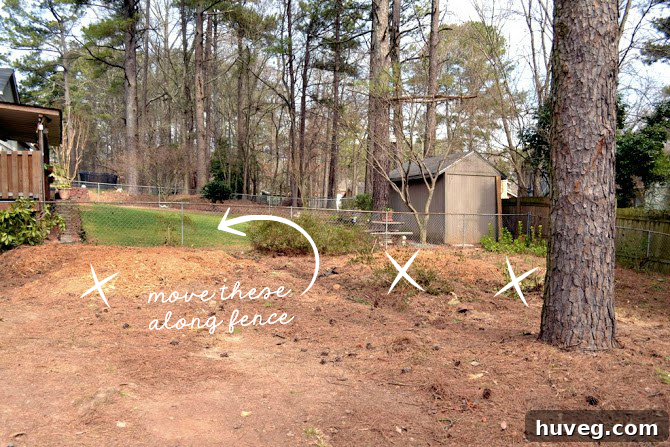
- Prepare the New Site: Before digging up the old, ensure the new location is ready. Dig holes that are twice as wide as the plant’s root ball and just as deep. Amend the soil with compost to improve drainage and nutrient content, creating an inviting environment for the transplanted specimens. For these plants, a spot along the fence line was chosen, offering both protection and a more integrated look.
- Careful Excavation: Begin by watering the plant thoroughly a day before moving it to hydrate the roots. Dig a trench around the plant, about 12-18 inches from the base, using a sharp spade. Aim to keep as much of the root ball intact as possible, as this minimizes root damage and stress. For larger bushes, this may require significant effort and a strong back.
- Divide and Conquer (If Necessary): Many larger, mature bushes like azaleas and rhododendrons can be carefully divided to create multiple plants. This not only gives you more plants for your money but can also rejuvenate older specimens. Gently separate the root ball, ensuring each new section has a healthy root system and some foliage. This process allows for strategic placement and better spacing along the fence line.
- Replanting: Place the plant in its new hole, ensuring the top of the root ball is level with or slightly above the surrounding soil to prevent waterlogging. Backfill with amended soil, gently tamping it down to remove air pockets.
- Post-Transplant Care: Water thoroughly immediately after planting, and continue to water regularly (but not excessively) for the first few weeks, especially if rain is scarce. While online forums suggested not fertilizing during winter, I decided on some very light-handed feeding to help mitigate the shock from the move. A balanced, slow-release fertilizer can be beneficial, but always err on the side of caution. Mulch around the base of the plant to help retain moisture and regulate soil temperature.
By following these steps, each plant was successfully unearthed, divided where possible, and replanted separately along the fence line. The goal is for them to thrive again, bringing new life and structure to this renovated section of the yard.
Paving the Way for Major Earthwork: Future Plans and Remaining Tasks
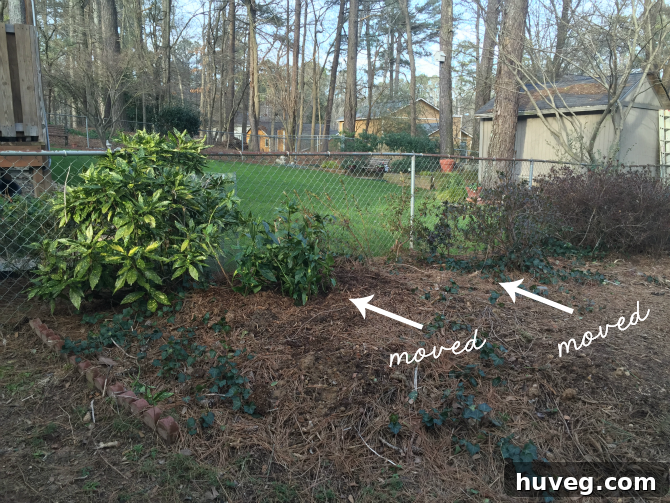
While the current placement of these plants along the fence line isn’t necessarily their permanent home, it serves a critical interim purpose. Moving them frees up nearly the entire mound of soil they were originally sitting on. This substantial volume of earth will be crucial for the next major phase of my backyard transformation: tackling a persistent sinkhole that has plagued a different section of the yard.
The immediate goal is to transport all of this liberated soil toward the back of my yard to help fill up that troublesome sinkhole. I recognize that this repurposed soil won’t be enough by itself to completely remedy the issue. I anticipate needing to purchase additional fill dirt and likely rent a mini excavator to efficiently move and level such a large quantity of material – an exciting (and slightly intimidating!) prospect for a DIY enthusiast. Nevertheless, this initial contribution of existing soil will go a long way toward significantly leveling out that large expanse of square footage, creating a much more stable and usable surface for future projects, perhaps a new patio or a lush lawn.
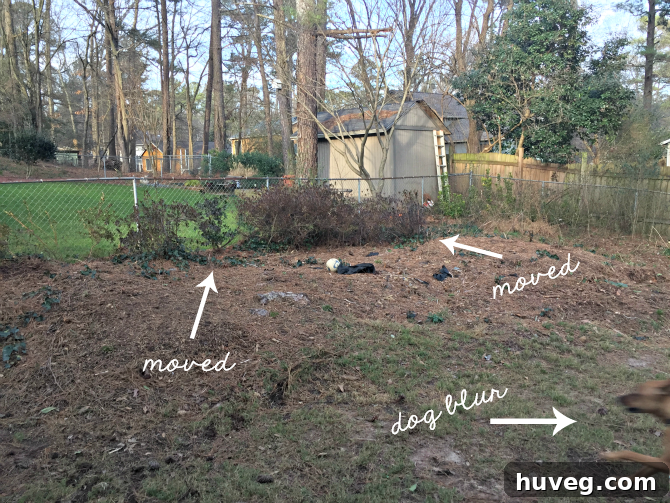
Before the large-scale dirt-moving operations can truly begin, there are a couple of essential preparatory tasks still outstanding:
- Excavate Remaining Decorative Stone Edging: A small section of decorative stone edging was not removed during the initial tree clearing. This needs to be carefully dug up to ensure a clear path for machinery and a smooth, consistent grade for the new soil.
- Remove Frayed Landscaping Fabric: Over time, a significant amount of landscaping fabric has become frayed and swirled into piles. Whether this was a consequence of the tree removal process or the playful antics of Charlie, it needs to be completely peeled up and disposed of. This will prevent it from becoming entangled in future machinery or interfering with the proper settlement of the new soil.
These tasks, while seemingly minor, are crucial to ensure the success and efficiency of the larger earthwork project. They require a day when the weather is a bit milder, allowing for comfortable and productive outdoor work. Once these preparatory steps are complete, the truly exciting “badass building plans” can commence, moving one step closer to realizing the ultimate vision for this backyard.
Embracing the Journey of Home and Garden Transformation
The process of transforming a backyard, from tackling overgrown invaders to strategically relocating beloved plants and planning for major earthworks, is a journey of continuous learning and immense satisfaction. Each step, no matter how small, contributes to creating a more beautiful, functional, and personalized outdoor space. It’s about envisioning potential, getting your hands dirty, and celebrating every milestone along the way. Stay tuned for the next phases of this exciting backyard renovation, and perhaps share your own garden transformation stories and tips!