The UPZ Anomaly

Navigating Life’s Unexpected Turns: From Car Troubles to Conquering the Unfinished Project Zone
Life often throws unexpected wrenches into our carefully laid plans, and sometimes, those wrenches come in the form of automotive trouble. After several weeks of anxiety and frequent, panic-stricken calls to my father during my morning commute, I’m finally nearing a point where my vehicle might reliably get me to work without triggering a dashboard light crisis. The process has been far from smooth; numerous parts have been replaced, incurring expenses that are anything but negligible. Yet, despite the financial strain, there’s a noticeable improvement in the car’s performance. While some suspicious noises and persistent warning lights remain – a fresh indicator even appeared this morning, just when I thought we were out of the woods – I remain hopeful that a complete resolution will be found by the end of the week. Naturally, the extensive repair work necessitated the cancellation of my much-anticipated holiday plans. It’s certainly been a disappointment, but the absolute necessity of a dependable mode of transportation undeniably took precedence over leisure.
Finding the Silver Lining: Turning Forced Downtime into Productive Time
Despite the initial letdown, I’ve been actively striving to adopt a more optimistic perspective. This unexpected period of being grounded, unable to travel, has opened up a significant window of opportunity. It’s allowed me dedicated time to finally address a multitude of projects that have been languishing on my to-do list, inching ever closer to what I affectionately call the Unfinished Project Zone.
Perhaps you’re unfamiliar with the UPZ? Allow me to enlighten you. Essentially, it’s a critical two-month window (on average, based on my personal experience) from the moment I embark on a new project. During this period, I typically maintain peak momentum. However, should a project extend beyond these crucial eight weeks, I inevitably lose steam, succumb to distractions, and defer its completion indefinitely in favor of a newer, more exciting endeavor. This is the precise moment a project crosses the threshold into the UPZ – a sort of Twilight Zone for well-intentioned undertakings that are destined to remain incomplete for months, years, or, in the most probable scenario, forever.
It’s important to clarify that I never consciously intend for projects to be abandoned. They simply are, sometimes. This phenomenon feels like an uncontrollable force. I typically launch into new ventures with boundless enthusiasm, working with intense focus, and more often than not, I emerge victorious, proudly stamping a mental “DONE” across the finished result. The satisfaction is immense, and the sense of accomplishment fuels future endeavors.
Understanding the “Unfinished Project Zone” (UPZ): A DIYer’s Dilemma
But then there are those other times, when a project mysteriously descends into the abyss. It loses its place on the meticulously crafted priority list, overshadowed by the latest “must-do-now” inspiration. This pattern is particularly evident with many of my holiday-themed craft projects. They might get started with great fanfare, but once the initial excitement wanes or a new holiday approaches, they’re relegated to a box, only to resurface the following year. By then, my interest in picking them back up may have completely dissipated. This two-month time limit isn’t a conscious decision; rather, it’s an observed pattern, a self-identified limitation that helps me understand my own project management style. It seems to be a hard boundary for maintaining consistent engagement.
The Allure of the New: Why Projects Get Abandoned
The psychology behind the Unfinished Project Zone is multifaceted. Often, the initial burst of excitement for a new project provides a powerful dopamine rush. We envision the perfect outcome, underestimate the time and effort required, and dive in headfirst. However, as the novelty wears off, or we encounter unexpected challenges – a difficult technique, a missing tool, or simply a task that’s more tedious than anticipated – our motivation begins to wane. This is exacerbated by the “shiny object syndrome,” where a newer, seemingly easier, or more appealing project captures our attention, leading us to abandon the current one. Perfectionism can also play a role; if the initial results don’t meet our idealized vision, we might get discouraged and stop rather than push through imperfections.
Identifying Your Personal Project “Shelf Life”
Recognizing your own project “shelf life” – whether it’s two months, two weeks, or even six months – is the first crucial step toward escaping the UPZ. Understanding this personal rhythm allows for more realistic planning and strategy development. It’s not about being disciplined every single day, but about being aware of your natural tendencies and building systems that work with, rather than against, them. For some, the initial planning phase is the most exciting; for others, it’s the finishing touches. Identifying where your energy peaks and dips can help you schedule the more challenging aspects of a project during your high-energy phases.
Strategies for Escaping the UPZ: Reigniting Your DIY Momentum
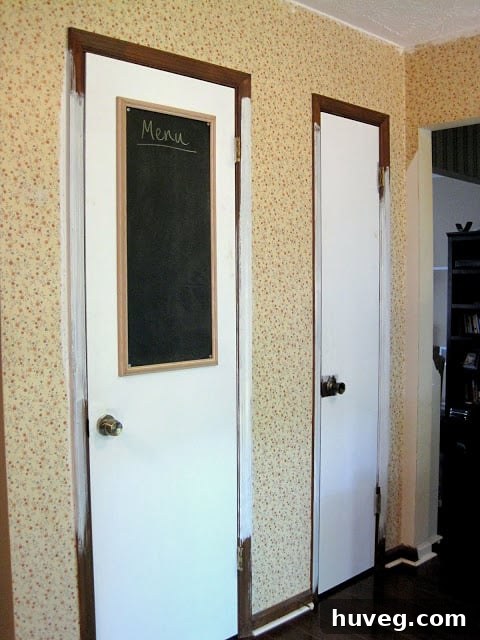
With my current car-induced hiatus, I’m strategically focusing on three specific items this week that are prime candidates for re-engagement from the UPZ: the front stoop, the painted kitchen rug, and the chalk wall. The most advantageous aspect of all three is that I already possess all the necessary supplies. This means I can make significant progress without incurring additional expenses and, crucially, without needing a functional car to run errands to the home improvement store. While this doesn’t guarantee immediate completion for any of them, it undeniably represents a concerted effort to pick these projects back up. This renewed attention, I hope, will provide the necessary push to see them through to completion – eventually. It might be wishful thinking, and I’m fully aware that I could lose steam again, but that’s simply the inherent nature of owning a home and embracing the “do-it-yourself” philosophy. The burden, and the glory, of every item on that colossal to-do list rests squarely on one person’s shoulders, and that one person ultimately dictates what gets accomplished.
Breaking Down the Beast: Micro-Tasks for Macro Progress
One of the most effective strategies for battling the UPZ is to break down large, intimidating projects into incredibly small, manageable tasks. Instead of “repaint kitchen,” think “clean kitchen walls,” “tape off trim,” “prime one wall,” and so on. Each micro-task should be small enough to complete in 15-30 minutes. The satisfaction of checking off these smaller items provides a consistent flow of positive reinforcement, keeping motivation high and demonstrating tangible progress, even when the final goal feels distant. This approach helps to overcome the initial overwhelm that often leads to procrastination.
Cultivating Sustainable Motivation: Beyond the Initial Spark
The initial burst of enthusiasm for a new project is fleeting. Sustainable motivation comes from a combination of structure, routine, and celebrating small victories. Scheduling dedicated, even short, blocks of time for your projects can transform them from aspirational goals into concrete habits. Use visual aids like progress charts or before-and-after photos to track your journey. Share your progress with friends or an online community to build accountability. Remember, the goal isn’t always perfection, but consistent effort. Understanding that some days will be more challenging than others, and giving yourself grace during those times, is also key to long-term success.
The Power of Intentionality: Setting Realistic Expectations
Before starting any new project, practice intentionality. Ask yourself: “Do I truly have the time, skills, and resources for this right now?” Be honest about your limitations. It’s better to delay a project until the conditions are right than to start and abandon it, adding another item to your UPZ. Research the project thoroughly, anticipate potential obstacles, and build in buffer time for unexpected issues. Realistic expectations prevent burnout and disappointment, ensuring that your excitement translates into actual completion rather than just a fleeting hobby.
Embracing Self-Reliance: The DIYer’s Journey
The DIY journey is one of incredible personal growth, problem-solving, and immense satisfaction. It teaches patience, resilience, and adaptability – qualities that extend far beyond home improvement tasks. From tackling an unexpected car repair to revitalizing a forgotten corner of your home, each challenge overcome builds confidence and a deeper connection to your living space. It’s a testament to self-reliance and the human desire to create and improve. While it can be overwhelming at times, the sense of accomplishment from standing back and admiring something you’ve built or fixed yourself is unparalleled. It transforms a house into a home, infused with your effort and personality.
Your Journey Through the UPZ: A Community Call
I’m curious to hear about your experiences. Do you have your own version of the Unfinished Project Zone? Is your personal time limit for projects longer or shorter than my two months? Share your thoughts, tips, and struggles in the comments below. And, of course, wish me luck as I attempt to conquer my current batch of UPZ residents!

Did you enjoy this post and find it helpful? Please subscribe to our newsletter or RSS feed to get the latest updates and inspiring content delivered directly to your reader or inbox for free!