The Kitchens Second Act

Transform Your Kitchen: A DIY Journey to Beautifully Painted Cabinets with Benjamin Moore Advance
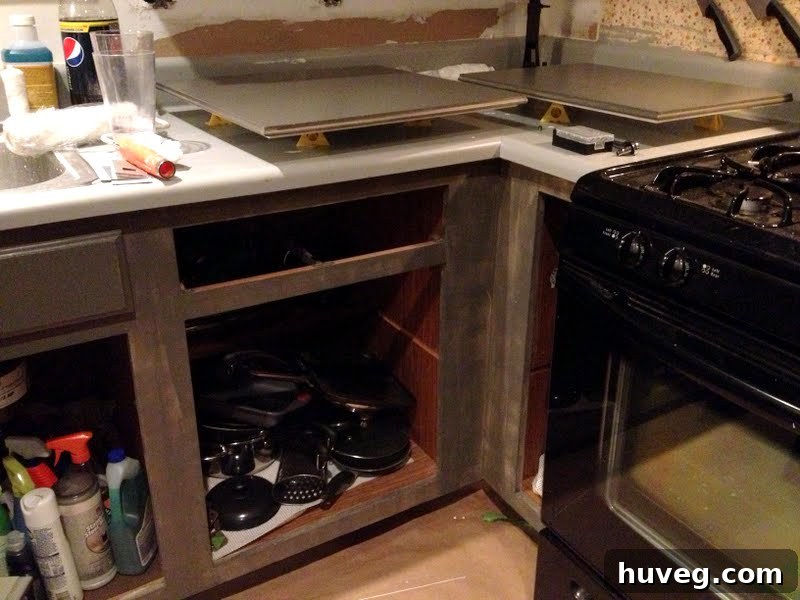
Embarking on a kitchen renovation can be one of the most rewarding home improvement projects, dramatically refreshing the heart of your home without the hefty cost of a full remodel. Our latest project is no exception: a complete kitchen cabinet makeover designed to breathe new life into an outdated space. While the process of DIY painting kitchen cabinets is undoubtedly a commitment, the stunning results make every effort worthwhile. This week, we dive deep into the initial phases of this exciting transformation, sharing the challenges, triumphs, and essential techniques learned along the way, particularly focusing on the application of Benjamin Moore Advance paint.
The Essential Preparation: Tackling Tough Obstacles and Setting the Stage for Success
Every successful painting project begins with meticulous preparation, and our kitchen cabinets were no different. Choosing to start with the back of the cabinet doors proved to be an invaluable decision, providing a crucial learning curve before tackling the more visible fronts. This strategic approach allowed us to experiment with techniques and correct mistakes in a less conspicuous area, building confidence for the main event.
Before any paint could touch wood, a significant hurdle needed to be overcome: a stubborn, nearly stripped screw that had thwarted previous attempts at cabinet door removal. This wasn’t just a minor annoyance; it was a testament to the unforeseen challenges often encountered in DIY projects. Standard power tools were useless in the tight, awkward space, demanding a more unconventional solution. After much frustration and some invaluable advice from fellow DIY enthusiasts, a socket wrench became our hero. With careful maneuvering and persistent pressure, jamming my arm into the cramped area, the offending screw finally surrendered. This experience underscored the importance of having the right tools—or the resourcefulness to find creative solutions—when faced with unexpected obstacles. Proper preparation also extended beyond this battle: a long weekend was dedicated to clearing a backlog of forgotten tasks, from replacing garage light bulbs with long-lasting alternatives to generally decluttering the workspace, ensuring a focused environment for the cabinet project.
Once all the cabinet doors were successfully removed, labeled, and transported to a dedicated workspace (which, admittedly, turned my kitchen into a glorious, organized mess), the real prep work began. Each surface was thoroughly cleaned to remove years of grease and grime, followed by a light sanding to create a smooth, adherent surface for the paint. This critical step, often overlooked, is fundamental for achieving a professional, long-lasting finish.
Choosing the Right Paint: Unveiling the Magic of Benjamin Moore Advance
For this significant undertaking, the paint choice was paramount. After extensive research and numerous recommendations, we opted for Benjamin Moore Advance, a premium waterborne alkyd paint celebrated for its exceptional durability, smooth finish, and most notably, its “self-leveling” properties. This unique characteristic promises to minimize brush marks and roller textures, resulting in a factory-like finish that is highly sought after in cabinet painting. The allure of a virtually brush-stroke-free surface was too tempting to resist, making it the perfect candidate to put to the test on our cabinet doors.
The First Coat Application: Learning, Refining, and Observing Self-Leveling
With the stage set and the paint ready, the application of the first coat commenced. My primary goal for this initial layer was to thoroughly evaluate the self-leveling capabilities of Benjamin Moore Advance. While the paint applied beautifully, a few brush marks were indeed visible after the initial application, particularly where I might have been a bit heavy-handed or less experienced with the new product. This highlighted an important aspect of even the best paints: technique still matters.
To ensure a flawless base for subsequent coats, a crucial intermediate step was implemented. Each door and cabinet surface received a light, fine-grit sanding. For this, I used a specialized sanding sponge (look for “between coat” on the label), which is designed to gently abrade the surface without removing too much material. The angled ends of these sponges proved incredibly useful for navigating the intricate nooks and crannies of the cabinet profiles, ensuring every part received attention. This light sanding not only smooths out any minor imperfections or brush marks but also creates a microscopic “tooth” that enhances adhesion for the next paint layer. While my first door demonstrated a slightly heavy hand, leading to more sanding, by the second door, I had refined my technique, resulting in a more even application and less corrective work.
Following the sanding, each surface was meticulously wiped down with a tack cloth. Tack cloths are indispensable for removing fine dust particles left behind by sanding, ensuring a perfectly clean surface for the next coat. While I admit the sticky residue tack cloths can leave on hands isn’t my favorite sensation (I tend to grab the most accessible and affordable option, often leading to a bit of post-task scrubbing), their effectiveness in achieving a dust-free finish is undeniable. For those who share my aversion, residue-free tack cloths are available and highly recommended, though a good pair of gloves can also mitigate the stickiness.
The Second Coat: Mastering the Dry Foam Roller Technique for a Superior Finish
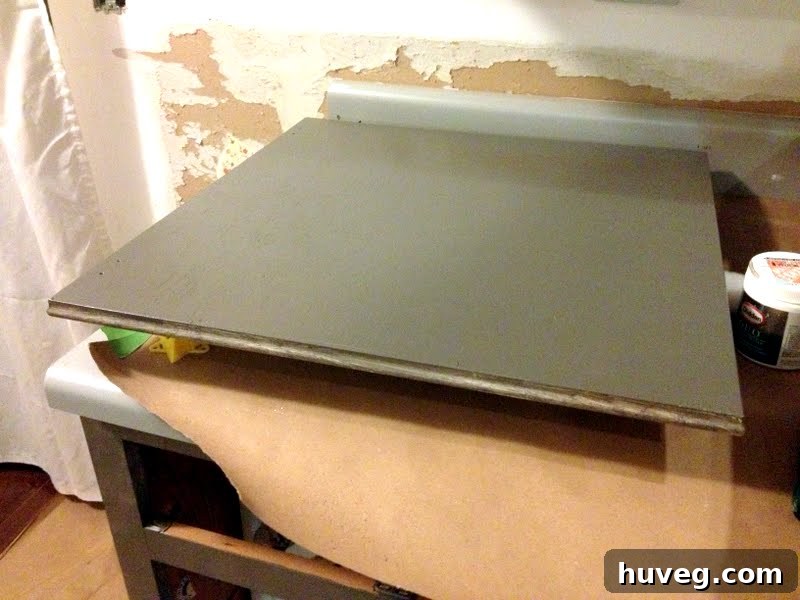
Building upon the foundation of the first coat, the application of the second layer was a revelation in achieving a truly professional, glass-smooth finish. This time, I combined the initial brush application with a critical technique: using a soft, dry foam roller. The dry foam roller is not meant to apply more paint; rather, its purpose is to gently smooth out any lingering brush marks or inconsistencies in the freshly applied paint, creating an incredibly even and uniform surface. By rolling over the wet paint with a completely dry roller, the paint’s self-leveling properties are maximized, and any minor textures are effortlessly smoothed away. This technique is surprisingly effective and became an indispensable step in refining the finish of each cabinet door.
Patience is a Virtue: Drying Times and Visible Progress
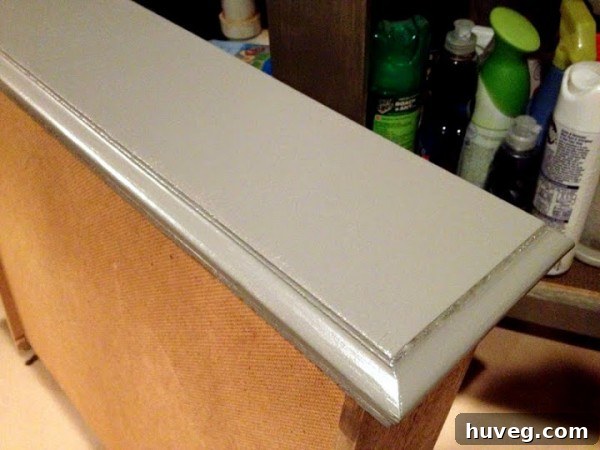
One of the most challenging aspects of cabinet painting, particularly with premium paints like Benjamin Moore Advance, is the required patience for drying and curing. There’s a significant waiting period between coats to ensure optimal adhesion and durability. As of last night, all the painted surfaces were still in the crucial drying phase. However, even at this intermediate stage, the transformation was remarkable. The finish was visibly smoother, a testament to the paint’s quality and the careful application techniques employed. The self-leveling magic was indeed working! By tonight, the first set of doors will be ready to flip, allowing me to apply the first coat to their fronts – a step I’ve been eager to take, now armed with confidence in my technique. I also hope to capture some new, high-quality images of the progress, moving beyond simple phone snapshots to truly showcase the evolving beauty of the cabinets.
Turning the Corner: Anticipating the Final Transformation
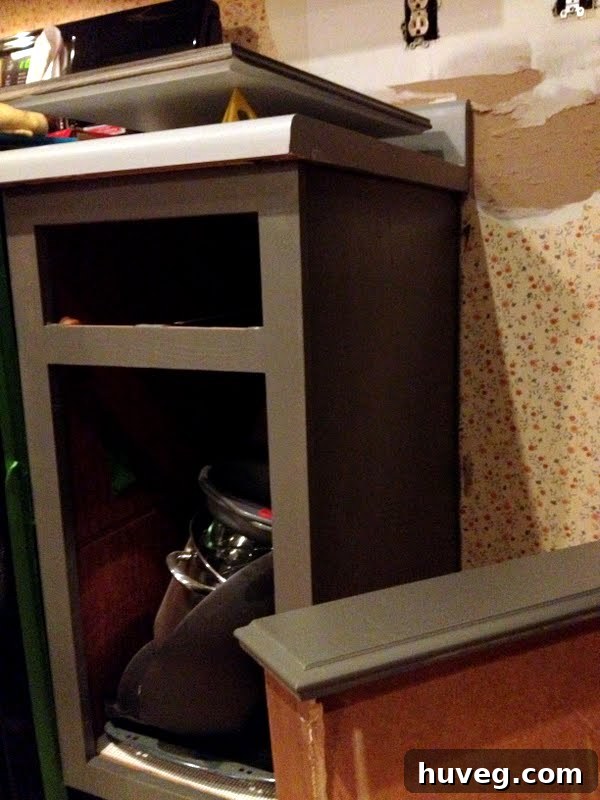
The journey to beautifully painted cabinets is truly turning a corner. While the first coat might have appeared a bit splotchy in areas (specifically a corner I couldn’t properly prime until that stubborn screw was vanquished), the overall progress is undeniable. The initial signs of primer are gradually disappearing with each subsequent layer of paint, revealing the true color and exquisite finish beneath. The cabinet section nearest the refrigerator is nearing completion, potentially requiring just one more coat to achieve perfection. The vision for the completed kitchen is becoming clearer with every brushstroke, and the anticipation is palpable. Things are undoubtedly looking up, and the dream of a fresh, modern kitchen is slowly but surely becoming a vibrant reality.
Key Takeaways for Your Own Cabinet Painting Project
Inspired to tackle your own kitchen cabinet transformation? Here are some essential tips to guide your journey:
- Prioritize Preparation: Thorough cleaning, degreasing, and light sanding are non-negotiable for a lasting finish.
- Invest in Quality Tools: Good brushes, rollers, and sanding sponges make a significant difference in both the process and the outcome.
- Choose the Right Paint: Research paints like Benjamin Moore Advance that offer features like self-leveling for a professional result.
- Patience is Crucial: Adhere strictly to drying and recoat times recommended by the paint manufacturer. Rushing can compromise durability and finish.
- Test Your Technique: Start with less visible areas (like the back of doors) to refine your application method.
- Don’t Skip Sanding Between Coats: A fine-grit sanding sponge creates better adhesion and a smoother final product.
- Use a Tack Cloth: Essential for removing dust and debris before each new coat of paint.
- Embrace the Dry Foam Roller: This technique is a game-changer for eliminating brush marks and achieving an ultra-smooth finish.
- Stay Organized: Label doors and hardware to ensure a smooth reinstallation process.
- Enjoy the Process: While challenging, the satisfaction of a DIY kitchen transformation is immense.
What’s Next for Our Kitchen Transformation?
As the final coats are applied and the curing process progresses, the excitement builds for the complete reveal of our transformed kitchen. The dedication, patience, and attention to detail invested in this project are already yielding beautiful results. We look forward to sharing more updates as we move towards reassembling the cabinets and showcasing the stunning final look. Have you embarked on any home improvement projects lately, perhaps over a long weekend? We’d love to hear about your experiences and any tips you’ve discovered!