Klima Neden Buz Tutar?

Unexpected Chill: Navigating a Frozen AC Unit and Lingering Water Damage
Returning home after a fantastic weekend filled with the roar of the crowd and the thrill of football, we anticipated nothing more than a quiet evening of unpacking and winding down. However, fate had a slightly different plan for us. Instead of a comfortably cool home, a rather unwelcome surprise greeted us, immediately shifting our focus from weekend highlights to an impending home emergency. It was a stark reminder that even when you’re away enjoying a well-deserved break, your home systems can have their own dramatic developments.
The air felt noticeably warm, a sure sign that something was amiss. A quick check of the thermostat confirmed our suspicions: the air conditioner was set to cool, but no cool air was circulating. What we discovered next was not just an inconvenience, but a genuine cause for concern. Our once reliable AC unit had transformed into an icy monument, completely frozen solid. It was a sight that instantly brought a wave of frustration, signaling the start of an unplanned repair saga. This wasn’t just a minor glitch; it was a visible manifestation of a significant HVAC issue, demanding immediate attention and a clear plan of action.
The Unwelcome Ice Sculpture: Discovering a Frozen Air Conditioner
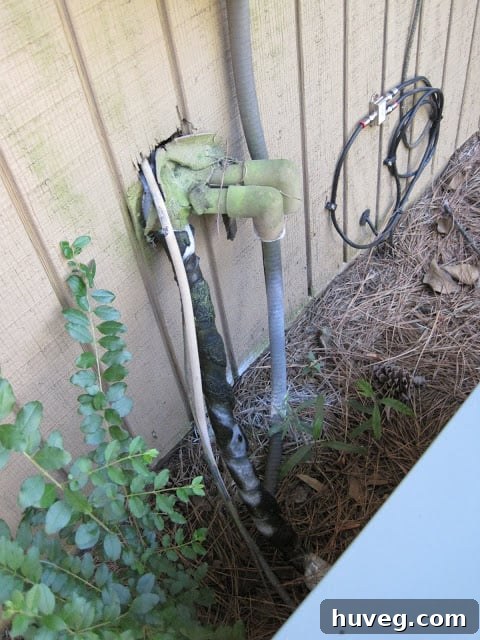
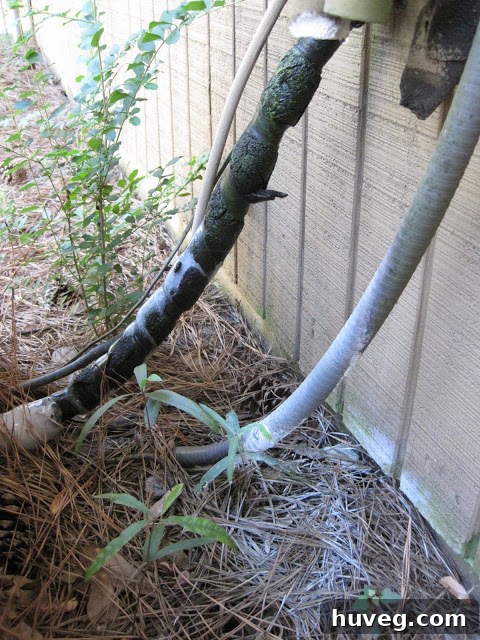
The sight of our air conditioning unit encased in a thick layer of ice was undeniably alarming. What should have been a functional piece of machinery, diligently cooling our home, had become an unwelcome ice sculpture. Both the outdoor compressor unit and, as we would soon discover, parts of the indoor evaporator coil were completely frozen. This isn’t merely an aesthetic issue; a frozen AC unit is a clear indicator of an underlying problem within the HVAC system. It means the unit is struggling to perform its basic function, and the ice itself can cause further damage if not addressed promptly and correctly.
Witnessing your home’s cooling system transform into a block of ice is a truly disheartening experience for any homeowner. It immediately raises urgent questions: “Why did this happen?” and “How serious is the damage?” The immediate consequence, beyond the obvious lack of cool air, is the potential for extensive water damage once the ice inevitably begins to melt. This initial discovery was a stark wake-up call, transitioning our relaxed weekend mood into a problem-solving mindset, highlighting the unpredictable and often challenging nature of home ownership and maintenance.
Beyond the Freeze: The Uninvited Ceiling Stain and Water Damage
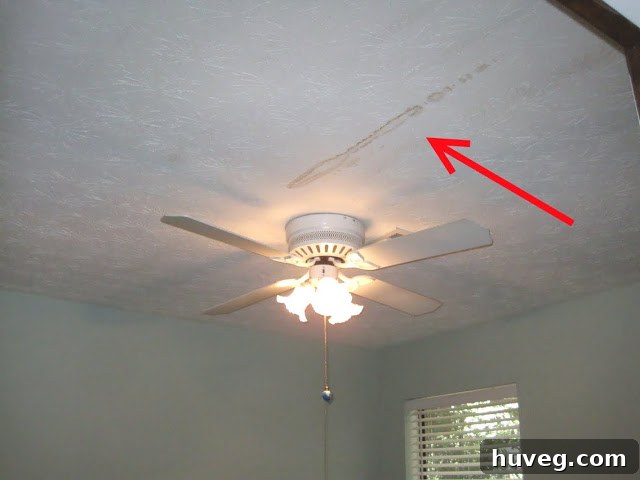
As if a frozen AC wasn’t enough to contend with, the situation quickly escalated. While the outdoor unit was still partially frozen, the interior evaporator coil had clearly begun its thawing process. This thaw, unfortunately, left behind a tell-tale sign of its distress: a rather unsightly water stain on the ceiling in our craft room. This wasn’t just a minor discoloration; it was a vivid brown mark, spreading across the drywall, indicating a significant amount of water had accumulated and seeped through the ceiling. The appearance of such a stain always brings a sinking feeling, confirming that the problem extended beyond just a malfunctioning appliance to actual structural damage.
Water damage, especially to ceilings, is a homeowner’s perennial nightmare. It not only affects the aesthetic appeal of a room but also raises immediate concerns about structural integrity, the potential for mold growth, and the overall air quality of the home. The craft room, a space typically dedicated to creativity, hobbies, and relaxation, was now visibly marred by this unwelcome blemish. The stain served as a tangible and unfortunate reminder of the AC unit’s failure and the silent battle against melting ice that had unfolded in our absence. It became clear that resolving the AC issue was only half the battle; the resulting water damage also demanded our immediate attention and a detailed plan for comprehensive repair.
Immediate Response: Containing the Damage and Calling for Expert Help
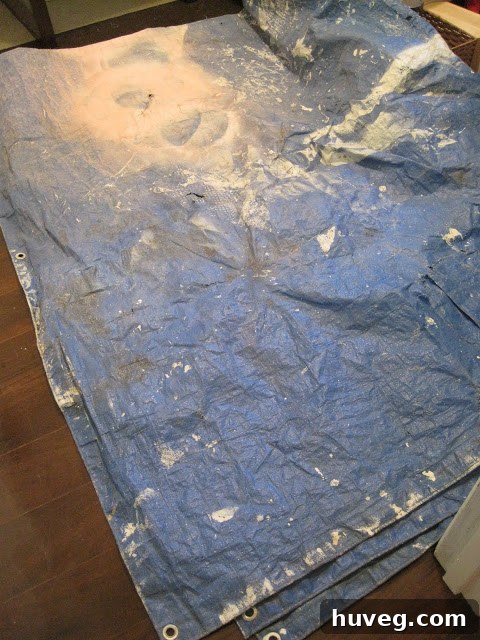
Faced with a frozen AC unit and a growing ceiling stain, immediate action was paramount to prevent further damage. My first instinct, and indeed the most practical step I could think of, was to mitigate additional water damage. This involved retrieving a large, heavy-duty tarp and carefully spreading it out beneath the affected area of the ceiling in the craft room. While it wasn’t a permanent fix, this makeshift solution offered a crucial layer of protection, designed to catch any additional drips from the melting ice and prevent further saturation of the floor, furniture, and other personal belongings below. It was a basic but essential containment strategy, buying us valuable time until a professional could assess and repair the underlying issue properly.
Beyond the immediate containment, the next logical and critical step was to call for professional reinforcements. HVAC systems are incredibly complex, and while some minor issues can be addressed through DIY efforts, a frozen unit with accompanying water damage is definitely a job that requires the expertise of certified professionals. We immediately contacted our trusted local HVAC technician, explaining the gravity of the situation and emphasizing the urgency. The hope, of course, is that they can quickly diagnose the root cause of the freezing and get our air conditioning system back up and running efficiently. Thankfully, as autumn approaches, the outdoor temperatures are starting to drop, which somewhat lessens the immediate discomfort of a non-functional AC. However, the need for repair remains pressing, not only to restore comfort but more importantly, to prevent recurrence and further, potentially more severe, damage to our home.
Understanding Why AC Units Freeze: Common Causes and Expert Solutions
A frozen air conditioner isn’t just a random occurrence; it’s typically a symptom of one or more underlying problems within the intricate HVAC system. Understanding these common causes can empower homeowners to better troubleshoot minor issues and even prevent future freezing, thereby saving on costly repairs and avoiding unexpected home emergencies. Here’s a detailed breakdown of the most frequent culprits behind a frozen AC unit:
1. Low Refrigerant Levels: A Silent Culprit
This is perhaps the most common and often most critical reason for a frozen AC. Refrigerant, often referred to by brand names like Freon, is the chemical compound responsible for absorbing heat from your home’s air and releasing it outside. If there’s a leak in the refrigerant line, the system’s pressure drops significantly. This reduced pressure causes the evaporator coil to get excessively cold – below freezing point – leading to the condensation of moisture in the air directly into ice instead of just cooling the air. A professional HVAC technician is absolutely required to diagnose and repair refrigerant leaks, ensuring proper sealing, and then accurately recharging the system to its precise specifications.
2. Dirty or Clogged Air Filters: The Airflow Blockade
A clogged or excessively dirty air filter is another primary reason for a frozen AC unit. When the filter is packed with dust, pet dander, and other debris, it severely restricts the airflow over the evaporator coil. When less warm air passes over the coil, it gets excessively cold because the heat exchange process is impaired. This leads to the moisture in the air freezing directly onto the coil. Regularly changing your air filter (typically every 1-3 months, depending on usage, the number of occupants, and the presence of pets) is a simple yet profoundly crucial preventive measure that can avoid numerous AC issues.
3. Blocked Condensate Drain Line: The Overflow Risk
The condensate drain line is a vital component responsible for removing moisture that condenses on the evaporator coil during the cooling process. If this line becomes clogged with algae, dirt, or other debris, water can back up into the drain pan. If the pan overflows, the excess moisture can then freeze on the coil or, as in our case, spill out and cause significant water damage to the surrounding structure, including ceilings and walls. Clearing the drain line, often with a simple mixture of distilled vinegar and water, can resolve this common issue, but consistent monitoring is key.
4. Blower Motor Issues or Restricted Airflow: System Suffocation
The blower motor is the heart of your AC’s air delivery system, responsible for pushing conditioned air through your ducts and over the evaporator coil. If the blower motor is malfunctioning, or if there are significant obstructions in the ductwork (such as closed vents, furniture blocking return air grilles, or leaky ducts), airflow can be severely reduced. This insufficient airflow mimics the effect of a dirty filter, causing the coil to get excessively cold and freeze. Homeowners should ensure all supply and return vents are open and unobstructed to allow for optimal airflow.
5. Dirty Evaporator Coil: The Insulating Layer
Even with a consistently clean air filter, the evaporator coil itself can accumulate a layer of dust and grime over time. This buildup acts as an insulating layer, hindering the coil’s ability to efficiently absorb heat from the air. This reduction in heat exchange leads to the coil operating at colder temperatures than designed, often below freezing, which results in ice formation. Regular professional cleaning of the coils, typically as part of an annual maintenance check, is highly recommended to maintain efficiency and prevent freezing.
The Broader Implications: Beyond the Frozen Coil and Stain
While a frozen AC unit and a subsequent ceiling stain are immediate headaches that demand attention, the consequences of these issues can extend far beyond initial discomfort and aesthetic damage. It’s crucial for homeowners to understand the potential long-term implications if not addressed thoroughly and promptly, as neglecting these problems can lead to more severe and costly complications.
Increased Risk of Mold Growth
Any instance of water damage, especially if not dried completely and quickly (ideally within 24-48 hours), significantly increases the risk of mold and mildew growth. Mold not only causes unpleasant odors and further staining but can also pose serious health risks to occupants, triggering allergies, asthma attacks, and other respiratory problems. The area affected by the ceiling stain needs meticulous drying, and if mold is suspected or visible, professional mold remediation may be necessary to ensure a healthy living environment.
Potential Structural Damage
Persistent or repeated water leaks can gradually weaken structural components of your home, such as drywall, insulation, and even wooden joists. Over time, this cumulative damage can compromise the integrity of your ceiling and walls, leading to costly and extensive repairs that go beyond a simple patch and paint job. A frozen AC unit that repeatedly thaws and leaks directly contributes to this type of structural degradation, eroding your home’s foundation over time.
Reduced AC Efficiency and Skyrocketing Utility Bills
A frozen AC unit operates incredibly inefficiently, consuming significantly more energy without effectively cooling your home. This directly translates to higher utility bills, as the system works harder to compensate for its impaired function. Furthermore, the added strain on components can lead to increased wear and tear on the entire HVAC system, potentially shortening its lifespan and necessitating premature replacement. Addressing the root cause of freezing is essential not only for comfort but also for optimal performance, energy savings, and extending the life of your expensive equipment.
Proactive Measures: Preventing AC Freezing and Water Damage
Prevention is always better, and certainly less expensive, than cure, especially when it comes to major home systems like your HVAC. Implementing a few routine maintenance practices and staying vigilant can significantly reduce the likelihood of encountering a frozen AC unit and the resulting costly water damage.
1. Regular Air Filter Replacement: The First Line of Defense
As highlighted earlier, this is perhaps the simplest, most effective, and most impactful preventive measure. Make it a habit to check your air filter monthly and replace it every 1 to 3 months, or even more frequently if you have pets, significant dust, or suffer from allergies. A clean filter ensures optimal airflow, allowing your AC to run efficiently and preventing the conditions that lead to freezing.
2. Schedule Annual Professional HVAC Maintenance: The Expert Check-up
Have a certified HVAC technician inspect and tune up your entire system annually, ideally before the cooling season begins. During this comprehensive service, they can check refrigerant levels, thoroughly clean evaporator and condenser coils, inspect the condensate drain line for blockages, verify electrical connections, and identify any potential issues before they escalate into major problems like freezing or leaks. This proactive approach can save you from unexpected breakdowns and extend the life of your unit.
3. Ensure Proper Airflow: Keep it Moving
Make sure all supply and return air vents throughout your home are open and entirely unobstructed by furniture, curtains, rugs, or other household items. Regularly inspect your ductwork for any obvious leaks or blockages. Proper and unrestricted airflow is absolutely critical for the evaporator coil to effectively absorb heat and prevent the super-cooling that leads to freezing.
4. Monitor the Condensate Drain Line: Prevent Overflows
Periodically check your condensate drain line for any signs of blockages or slow drainage. You can often clear minor clogs by pouring a cup of distilled vinegar mixed with water down the access pipe near your indoor unit. Many modern AC systems are equipped with a safety float switch in the drain pan, which will automatically shut off the AC if the pan overflows, thereby preventing water damage. Ensure this system is functioning correctly.
5. Maintain Appropriate Thermostat Settings: Avoid Extremes
While it might be tempting to set your thermostat to extremely low temperatures, especially if you’re leaving your home for an extended period, this can sometimes overwork the system. Constantly running at its lowest setting can contribute to freezing, especially if other issues like low refrigerant or poor airflow are present. A moderate, consistent setting is generally best for both efficiency and preventing undue strain on the unit.
Addressing the Water Stain: Restoring Your Ceiling and Peace of Mind
Once the underlying AC issue is thoroughly diagnosed and resolved, turning your attention to the water stain on the ceiling is the next crucial step. Repairing water damage effectively requires a systematic approach to ensure lasting results and prevent future issues like mold growth:
1. Dry the Area Thoroughly: The Foundation of Repair
Before any repair work begins, it is absolutely imperative to ensure the affected ceiling area is completely and thoroughly dry. Use fans, dehumidifiers, and open windows to promote maximum air circulation. This drying process can take several days, depending on the extent of the water saturation. If possible, confirm dryness with a reliable moisture meter to avoid trapping moisture, which can lead to mold.
2. Inspect and Treat for Mold: Health First
Carefully inspect the stained area for any signs of mold or mildew growth. Mold often appears as black, green, or fuzzy spots and may have a musty odor. If mold is present, it must be treated and removed safely. For small areas, a solution of bleach and water (1 part bleach to 10 parts water) can be effective. For larger infestations, or if you suspect mold growth within the walls or insulation, professional mold remediation is strongly recommended to protect your health and your home’s integrity.
3. Clean and Prepare the Surface: Ready for Paint
Gently clean the stained area with a mild detergent solution to remove any surface dirt, residue, or lingering traces of the stain. For stubborn water stains, a specialized, oil-based stain-blocking primer is essential. This primer will seal the stain completely, preventing it from bleeding through fresh layers of paint. Apply at least two coats of primer, allowing adequate drying time between each application, as directed by the product instructions.
4. Repaint the Ceiling: The Finishing Touch
Once the primer is completely dry and the stain is no longer visible, you can proceed with repainting. Apply two coats of high-quality ceiling paint. It’s crucial to use paint that perfectly matches the existing ceiling color for a seamless finish. If you’re not repainting the entire ceiling, carefully feather the edges of your new paint to blend it naturally with the surrounding area, ensuring a professional and invisible repair.
Conclusion: A Lesson in Home Preparedness and Vigilance
Our unexpected discovery of a frozen AC unit and a resulting ceiling stain was a stark, albeit unwelcome, reminder of the critical importance of diligent home maintenance and preparedness. While the immediate sight of a malfunctioning system and water damage was undeniably frustrating, it quickly spurred us into necessary action, from laying down a temporary protective tarp to promptly calling in professional HVAC assistance. The silver lining, if there is one, is the timely arrival of cooler autumn weather, which temporarily eases the burden and discomfort of a non-functional air conditioner.
This entire experience underscores the fundamental truth that home ownership comes with its unique share of challenges and surprises. However, by being prepared, understanding the potential issues that can arise, and knowing precisely when to call in the experts, a potentially stressful and costly situation can be transformed into a manageable one. We are now eagerly awaiting the arrival of our skilled technicians, hopeful for a swift and effective repair. More importantly, we are now more committed than ever to proactive and consistent home maintenance to ensure all our essential home systems run smoothly and efficiently. May your own home remain free from such icy surprises and unwelcome stains, allowing you to enjoy peace of mind season after season!