Rustic Kitchen Herb Signs from Scrap Wood

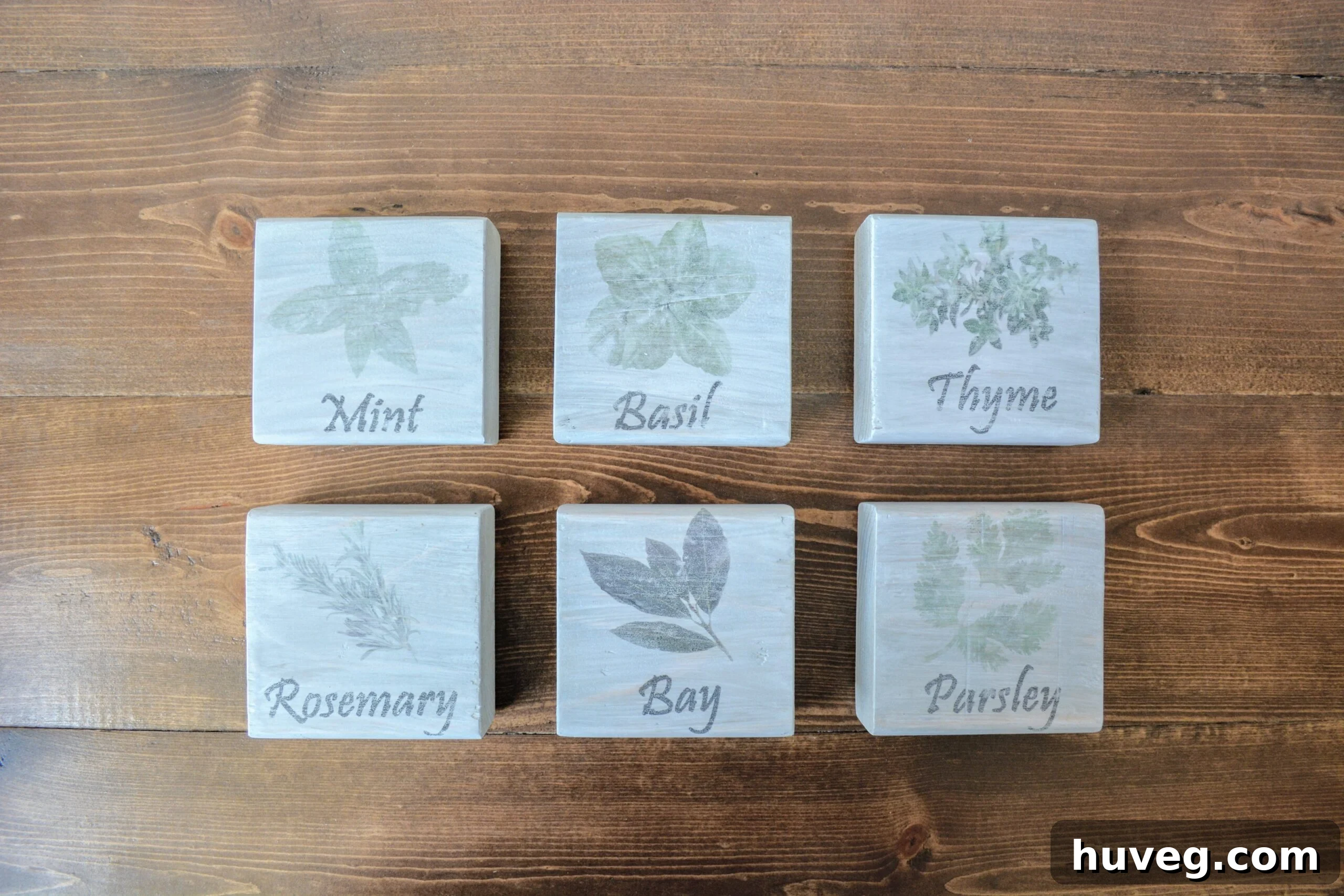
Welcome, DIY enthusiasts! As I continue making progress on the exciting new deck project, I’m thrilled to introduce you to an exceptionally talented new voice joining our Ugly Duckling House community. For those who might be new to how we operate here, about a year ago, I decided to expand our team by bringing on a select group of promising new bloggers. This initiative is deeply rooted in my philosophy of “paying it forward” – a way to extend a warm welcome and provide a valuable platform for emerging creators as they embark on their unique blogging journeys. Each of these contributors shares their expertise once a month, enriching our content with fresh perspectives and innovative ideas. I discover these incredible individuals through various social media channels, and they are always people whose work I genuinely admire and follow myself. I’m confident that you, our wonderful readers, will enjoy their contributions just as much! This month, prepare to be inspired by a fellow DIYer who shares my absolute passion for transforming humble scrap wood into beautiful, functional pieces: Tylynn from Bitterroot DIY.
Hello everyone! I’m Tylynn, the creative mind behind Bitterroot DIY, and I am absolutely delighted to be introducing myself today as a new contributor to The Ugly Duckling House! This blog holds a special place in my heart; it was actually one of the very first DIY blogs I started following long before I ever dreamed of launching my own. I was consistently impressed by the quality of the projects, the clarity of the tutorials, and Sarah’s incredible ability to make complex tasks feel approachable. There’s a certain camaraderie among those of us who aren’t afraid to roll up our sleeves, get our hands dirty, and confidently pick up a power tool, and connecting with others who share that spirit is always a joy. I first “met” Sarah virtually on Instagram, and I was genuinely surprised and incredibly honored when she reached out to ask me to contribute to her amazing platform. I’m so excited to connect with all of her fantastic readers and sincerely hope you enjoy my upcoming posts and projects!
To kick things off, I’m thrilled to share a fantastic scrap wood project straight from my ongoing Bitterroot Scrap Series!
The “Bitterroot Scrap Series,” you ask?
Let me elaborate a bit! My husband and I recently completed a big move, and as anyone who’s ever relocated knows, it’s a prime opportunity to declutter and make intentional choices about what comes with you. I realized I had accumulated quite a collection of scrap wood over the years, and the thought of hauling it all to our new home wasn’t very appealing. So, I saw this as the perfect challenge and opportunity to put that material to good use! Last month, I embarked on a mission to complete fifteen small scrap wood projects, and I’m proudly sharing a new one every other day throughout May over on my own blog, Bitterroot DIY. It’s been an incredibly rewarding endeavor, transforming what might otherwise be discarded into charming and useful items.
And today, I’m excited to bring you a super charming and easy DIY project: these adorable DIY Kitchen Herb Signs!
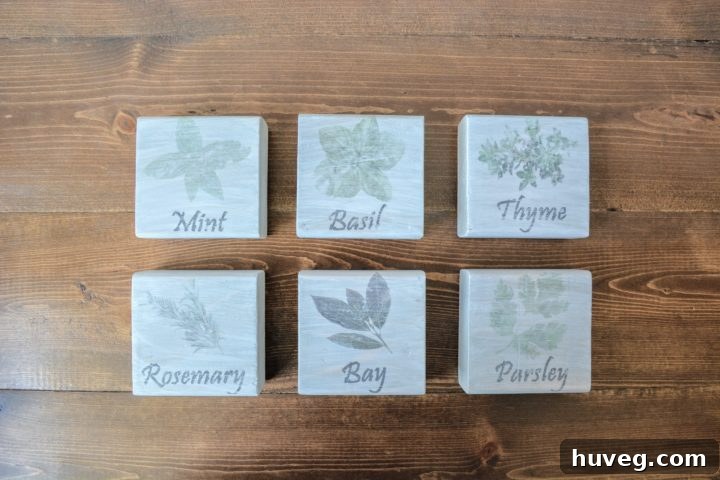
These signs embody everything I love about DIY. They are wonderfully simple to create, making them perfect for beginners or anyone looking for a quick craft. The process is incredibly quick, meaning you can have a set of these charming signs ready in just an afternoon. And the end result? Absolutely adorable! They add a touch of rustic elegance and personalized charm to any kitchen, instantly elevating your space with minimal effort and cost. Using up those stray pieces of lumber also makes this an eco-friendly project, giving new life to forgotten materials.
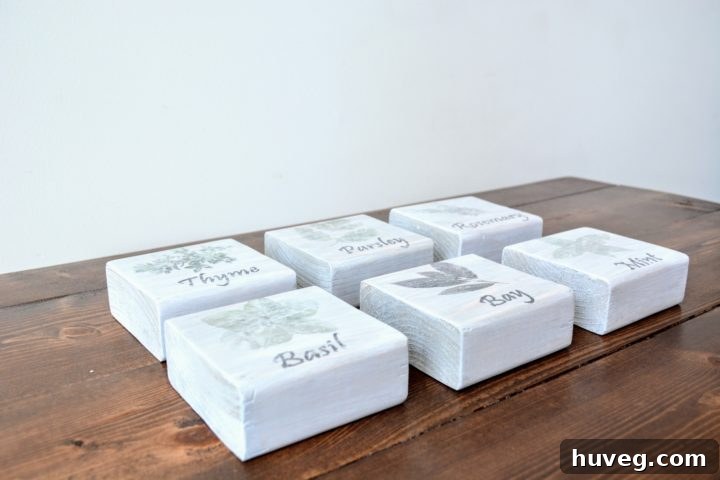
Essential Tools & Supplies for Your Herb Sign Project:
Before diving into the creative process, gather these items. Most are likely already in a well-stocked DIYer’s arsenal, or easily found at your local hardware store:
- 2 x 4 Lumber: Approximately 2 feet in length. This will be enough to craft all six signs shown in the examples. However, feel free to adapt and use any suitable scrap wood you have lying around. The beauty of this project is its flexibility!
- Wax Paper: Standard kitchen wax paper works perfectly for our image transfer method.
- Inkjet Printer: Essential for printing your mirrored herb designs onto the wax paper.
- Krylon Acrylic Spray: This will be your finishing touch, providing a protective seal for your transferred images.
- Rust Oleum Semi-Gloss White Paint: A versatile paint for creating that lovely distressed look.
- Minwax Classic Gray Wood Stain: To give your wood blocks a beautiful, aged base coat.
- Sandpaper: Various grits (e.g., 120-grit for initial shaping, 220-grit for a smooth finish).
- Spoon: A simple kitchen spoon is your secret weapon for image transfer!
- Small paintbrushes or foam brushes: For applying stain and paint.
- Rags: For wiping excess stain.
- Safety gear: Gloves, eye protection (especially when cutting and spraying).
Step 1: Precision Cutting Your Wood Blocks
The foundation of these adorable signs begins with carefully cut wood blocks. For a set of six signs, you’ll need to cut six pieces from your 2×4 lumber, each precisely 3.5 inches in length. This measurement will yield perfectly proportioned squares, ideal for displaying your herb names. If you’re planning to make more or fewer signs, simply adjust the number of cuts accordingly. When cutting, always prioritize safety: ensure your workpiece is securely clamped, wear appropriate eye protection, and use a saw that you are comfortable and familiar with, such as a miter saw or a handsaw with a miter box for straight cuts. The exact type of wood isn’t critical here, as long as it’s sturdy and has a relatively smooth surface, but pine or fir are common and easy to work with for 2x4s. Consistency in your cuts will ensure a cohesive look for your finished set.
Step 2: Sanding & Achieving That Perfect Distressed Finish
Once your blocks are cut, it’s time to prepare them for their transformation. Start by sanding each block thoroughly. Begin with a coarser grit sandpaper (like 120-grit) to smooth out any rough edges or imperfections from cutting. Follow up with a finer grit (such as 220-grit) to achieve a wonderfully smooth surface that will readily accept stain and paint. Wipe away all sawdust with a clean cloth. Next, apply a single, even coat of Minwax Classic Gray stain to each block. This stain provides a beautiful, muted base color, giving the wood an antique, weathered look that peeks through the top coat. Allow the stain to dry completely according to the manufacturer’s instructions – usually a few hours, or even overnight, is best to ensure proper adhesion for the next layer. Once the stain is dry, it’s time for the white paint. I used Rust Oleum Semi-Gloss White, but here’s where we add that lovely distressed character. I found that thinning the white paint with a small amount of water created a more transparent, wash-like effect, allowing the gray stain to subtly show through. Instead of pre-mixing a specific ratio, which can be tricky to get right, I recommend dipping your paintbrush into the white paint and then swirling it gently with a small amount of water on a separate plate or surface. This method allows you to adjust the transparency as you go, playing it by ear until you achieve your desired level of translucency and distressing. Apply this thinned white paint over the stained blocks, ensuring you don’t completely obscure the gray beneath. A light, uneven coat often works best for a rustic look. Let these beautifully painted blocks dry thoroughly before moving to the next exciting step.
Step 3: The Magical Wax Paper Image Transfer Technique
This is where the real magic happens! The wax paper transfer method is a fantastic, budget-friendly way to get crisp images onto wood. First, you’ll need your mirrored images of the herb names. I’ve already provided mirrored PDFs for these specific herbs on my blog, but if you’re creating your own custom designs, remember this crucial step: always mirror your images before printing! If you don’t, your text will appear backward on your signs. To ensure your wax paper runs smoothly through your inkjet printer without jamming, carefully tape a piece of wax paper (shiny side up) onto a regular sheet of printer paper. Make sure all edges are securely taped down to prevent curling or snagging. Now, print your mirrored images onto the shiny side of the wax paper using your inkjet printer. The ink will sit on top of the wax, rather than absorbing into it, which is key to the transfer. Once printed, handle the wax paper with extreme care. The ink is very delicate and can smear easily, as you might observe in the photo. Avoid touching the printed areas until you’re ready to transfer.
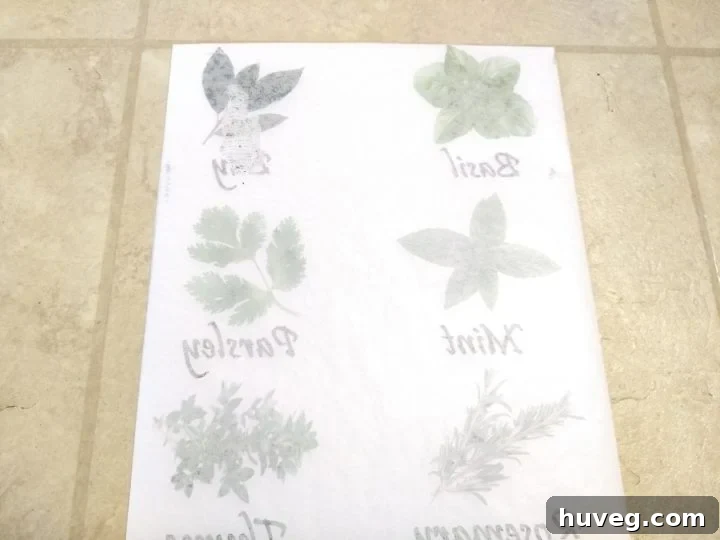
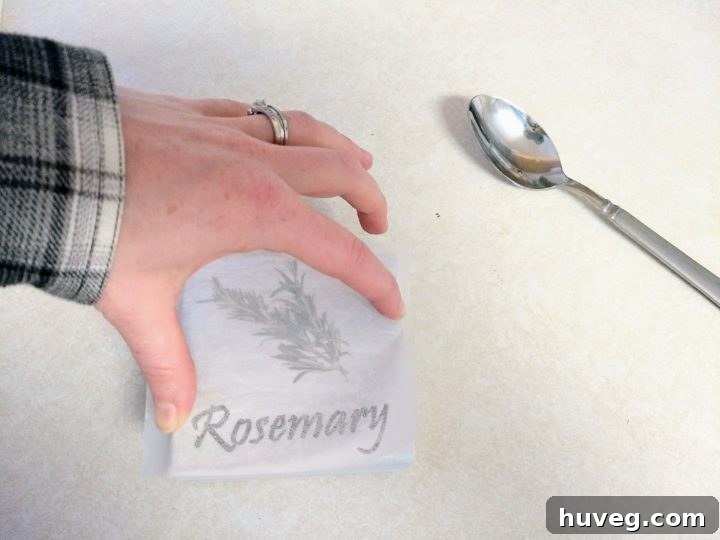
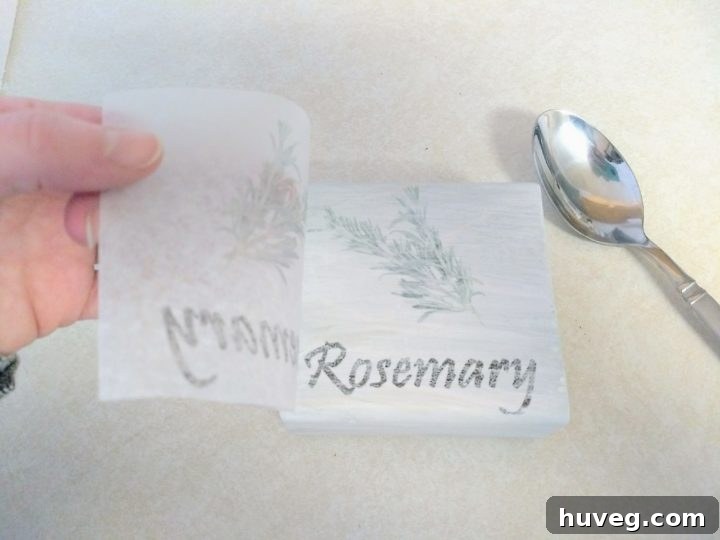
Once printed, carefully cut out each individual image, making sure to leave a small border around the design if preferred, or cut precisely to the edge. The next part requires a steady hand. Place the cut image face down onto your prepared wood block, positioning it exactly where you want the design to appear. It’s imperative that you hold the image very securely in place to prevent any shifting or smearing during the transfer process. With the image firmly held, take the back of a spoon and begin to rub the back of the wax paper with a fair amount of consistent pressure. The friction and pressure from the spoon will effectively transfer the wet ink from the wax paper directly onto the wood surface. Apply pressure evenly across the entire image, ensuring every part of the design has been rubbed. You can gently lift a corner of the wax paper to check your progress, but be careful not to shift the paper entirely until you’re confident the transfer is complete. This method might take a little practice, but once you get the hang of it, you’ll love the rustic, slightly imperfect charm it creates.
Step 4: Sealing for Durability and Protection
After successfully transferring all your beautiful herb designs onto the wood blocks, there’s one final, crucial step to ensure their longevity and protect your handiwork: sealing the ink. To do this, spray each block with Krylon Acrylic Spray. This protective coating will set the ink, preventing it from smearing or fading over time. It also adds a layer of durability, making your signs more resilient to everyday wear and tear, especially in a busy kitchen environment. When applying the spray, make sure you are in a well-ventilated area, ideally outdoors. Hold the can approximately 8-10 inches away from the surface and apply light, even coats. Multiple thin coats are always better than one thick coat, as this prevents drips and ensures a smooth, consistent finish. Allow each coat to dry according to the product instructions before applying the next. Once completely dry, your DIY Kitchen Herb Signs are ready to adorn your kitchen!
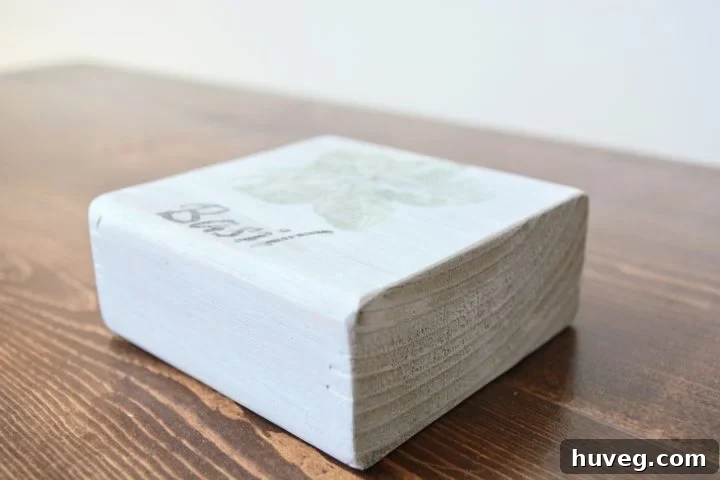
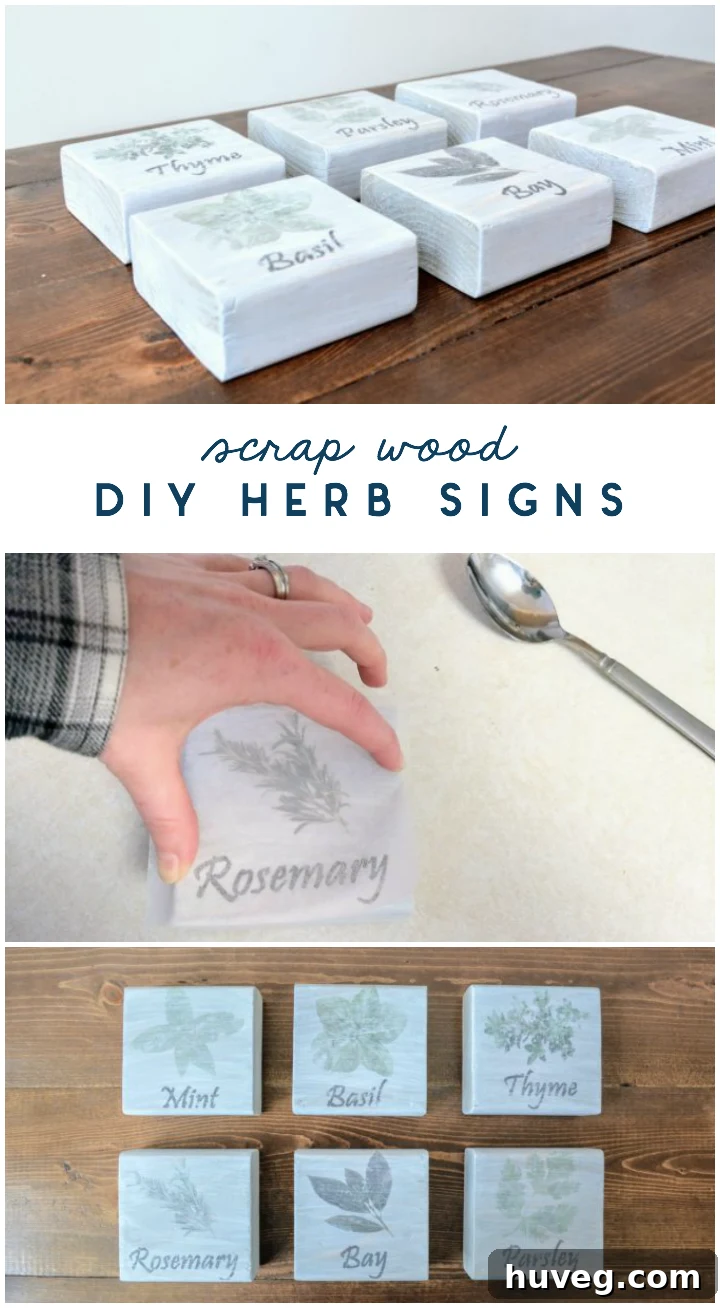
And there you have it – a project that truly lives up to its promise: simple to execute, quick to complete, and absolutely adorable in its final form. These DIY Kitchen Herb Signs are not just decorative pieces; they’re a testament to the charm and creativity that can emerge from discarded materials. They make thoughtful, personalized gifts for fellow foodies or gardeners, or a wonderful way to organize your own herb garden or kitchen spice rack. Imagine them neatly lined up on a windowsill, adding a rustic touch next to your potted herbs, or gracing a shelf with their understated elegance. Each sign tells a small story of sustainable crafting and personal expression.
Ready to create your own set? Head on over to Bitterroot DIY to snag the free printable designs for these specific herbs and begin transforming your kitchen with this delightful, custom decor! I can’t wait to see how you incorporate them into your home.
Explore More Creative DIY Projects from Tylynn