Keep Caulk and Glue Fresh Between Projects

There’s a universally frustrating moment for every DIY enthusiast or home improvement warrior: reaching for that tube of caulk or adhesive, perhaps only days after its last use, to find it completely hardened and useless. It’s a scenario that plays out far too often, leading to wasted materials, unexpected trips to the hardware store, and frustrating delays in projects that should be nearing completion. This common problem, while seemingly minor, accumulates into significant costs and disrupts the flow of creative work.
For anyone who regularly tackles projects around the house, the sight of a dried-up caulk tube can be maddening. Not only does it represent a financial loss—even if a tube only costs a few dollars, those losses add up—but it also halts momentum. Imagine being in the zone, everything progressing smoothly, only to discover your sealant or glue is no longer viable. That sudden need to run to the store can turn a quick fix into a half-day ordeal, often leading to procrastination and dragging out the project unnecessarily. This article aims to eliminate that frustration by providing a comprehensive guide to keeping your caulk and adhesive fresh and ready for action, starting with a surprisingly simple yet highly effective hack.
Understanding Why Caulk and Adhesive Dry Out
Before diving into preservation methods, it’s helpful to understand why caulk and adhesive harden in the first place. Most caulks and adhesives are designed to cure (dry and harden) when exposed to air and/or moisture. Once you cut the tip of a tube and break its factory seal, the material inside immediately begins its curing process when it comes into contact with the ambient environment. This exposure allows oxygen and moisture to penetrate the tube, initiating a chemical reaction that solidifies the liquid or gel material. The hardening typically starts at the opening and slowly progresses inward, eventually rendering the entire tube unusable if not properly sealed.
The rate at which a product dries can depend on several factors: the type of caulk or adhesive (latex, silicone, acrylic, solvent-based), humidity levels, temperature, and how effectively the tube was sealed after its last use. A robust seal is crucial to prevent air ingress and extend the product’s shelf life. By creating an effective barrier against the elements, you can significantly prolong the usability of your materials, saving both money and precious project time.
The Ingenious “Ooze-and-Seal” Method: A Simple Caulk & Adhesive Saver
This method is a game-changer for anyone who uses caulk or adhesive regularly, especially for projects spanning a few days to a week. Its beauty lies in its simplicity and the fact that it requires absolutely no additional materials—just the product you’re already working with. It’s an incredibly easy go-to solution for short-term preservation that you’ll wish you knew sooner.
Step 1: Create a Self-Sealing Plug
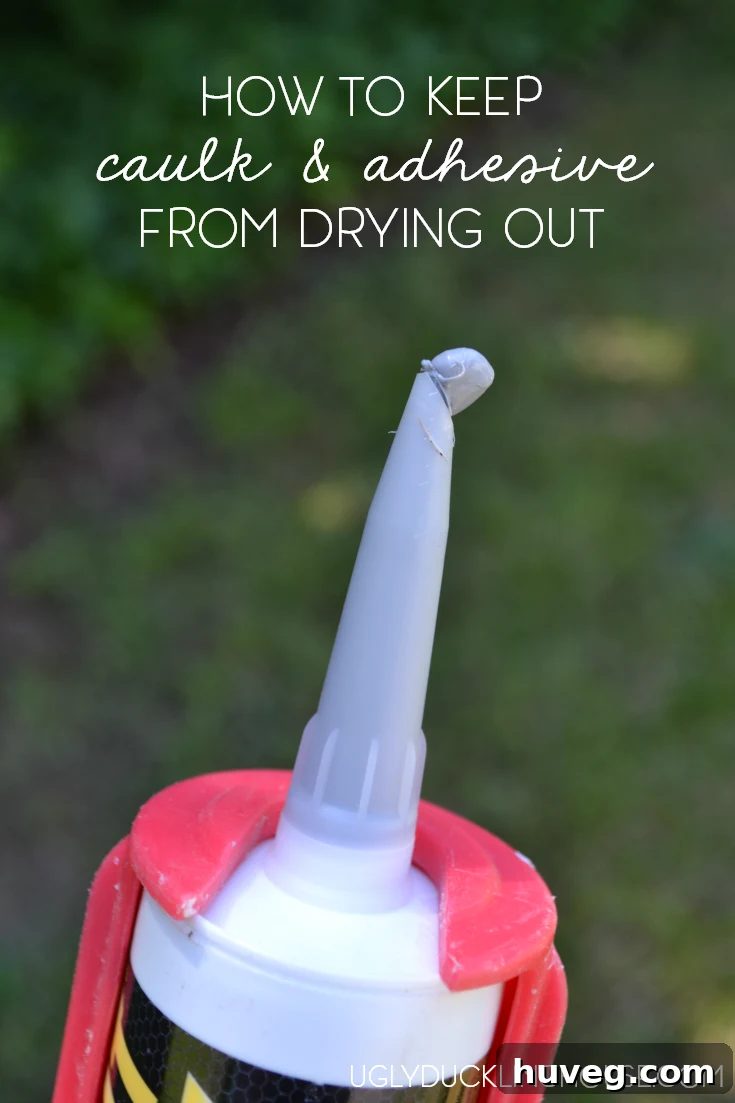
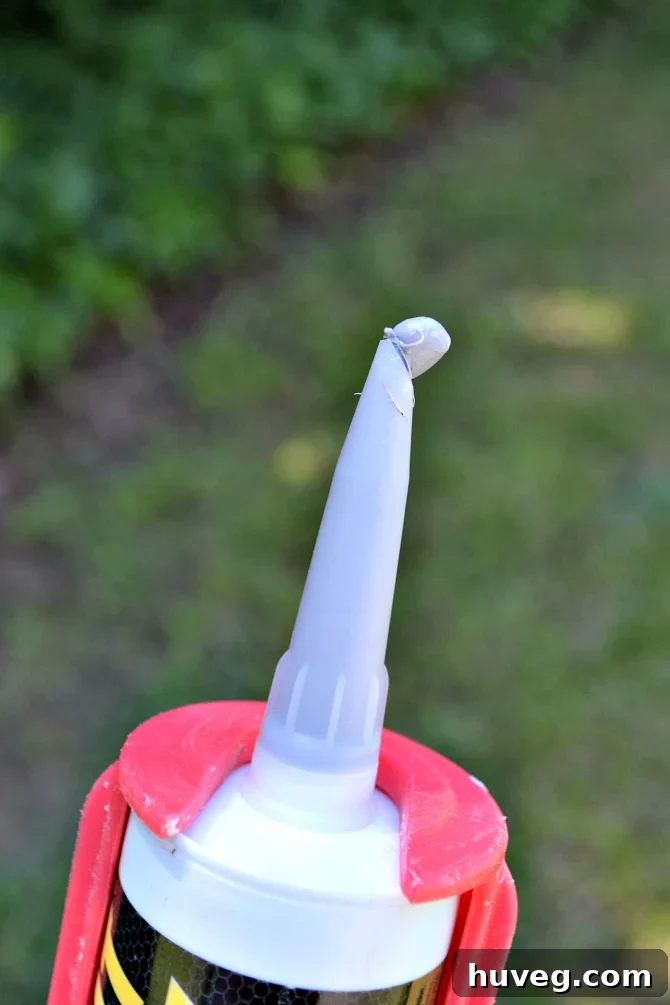
After you’ve finished applying caulk or adhesive, keep the caulk gun in your hand. Gently squeeze the trigger, allowing a small amount of the product to slowly ooze out of the tip. The goal here is to create a small, pea-sized lump or bead that completely covers the opening of the nozzle. For common latex or acrylic caulks, this usually happens quite easily as pressure is released. However, thicker adhesives, like liquid nails, might be a bit more stubborn, requiring a deliberate, slow squeeze.
The key is to ensure that the entire opening is thoroughly coated and sealed by the oozing material. Resist the urge to touch or smooth it immediately, as many products are quite sticky. Instead, let it form its natural barrier. This small extrusion acts as an immediate plug, preventing air from traveling down into the rest of the tube. By sacrificing just a tiny, pea-sized amount of material, you create a perfect, airtight seal without any external tools or caps.
Step 2: Allow the Plug to Cure
Once you’ve created this self-sealing plug, you can remove the tube from the caulk gun (or leave it in, if you prefer, especially if you plan to use it again very soon). Find a safe spot where the tube can rest undisturbed, allowing the extruded material to air dry and cure. Depending on the product type and your local climate (especially in warmer, drier conditions), this process typically takes only a few minutes to an hour. The goal is for this small lump of caulk or adhesive to harden completely, forming a solid cap over the nozzle. This cured plug is now your protective barrier, sealing the fresh material inside the tube from the elements.
This drying period is crucial for the method’s effectiveness. Once the plug is solid, it forms an impenetrable seal, safeguarding the rest of the product from unwanted air exposure and premature hardening. It’s a testament to the product’s own curing properties, ingeniously leveraged for storage.
Step 3: Re-use with Ease
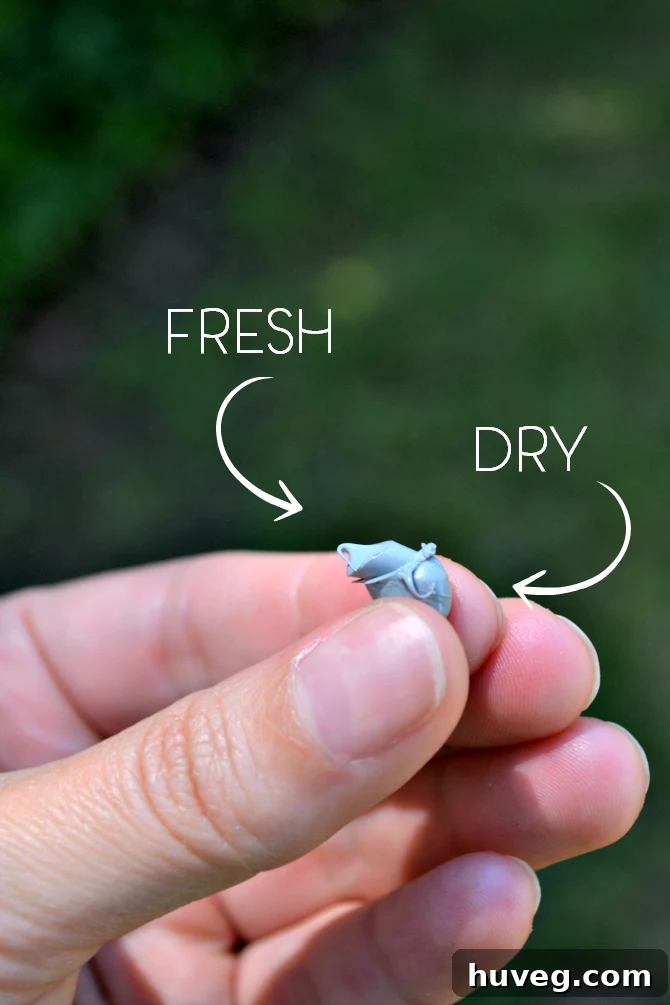
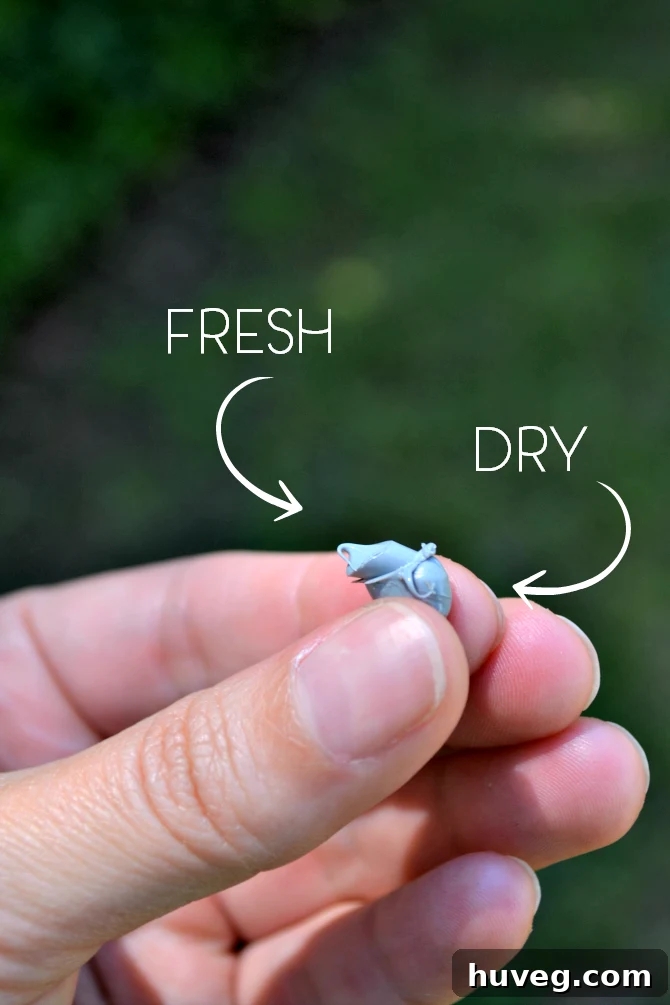
When you’re ready to use the caulk or adhesive again, simply grab the tube and pop off the dried, hardened plug at the tip. You might use a utility knife, a pair of pliers, or even just your fingers if it’s loose enough. What you’ll find underneath is perfectly fresh, pliable material, ready for your next application. The contrast between the rock-hard dried plug and the soft, usable caulk beneath it is often striking, demonstrating just how effective this simple method is.
This rapid re-activation makes it an ideal method for projects that require intermittent use of these materials. You save time by not having to struggle with stubborn, partially dried tubes or, worse, running out to buy a new one. This method has proven incredibly reliable for frequent users, ensuring that materials are always ready when inspiration strikes.
Beyond the Quick Fix: Alternative Caulk and Adhesive Preservation Methods
While the “ooze-and-seal” method is fantastic for routine, short-term use, those who use caulk and adhesive less frequently, or who want more robust long-term storage solutions, might explore other options. The DIY community has experimented with numerous techniques, each with its own advantages and disadvantages. It’s worth exploring these alternatives to find the best fit for your specific needs and product types.
- The Nail or Screw Plug: This common method involves inserting a long nail or a common screw into the nozzle of the tube after use.
- Pros: Nails and screws are readily available, inexpensive, and easy to insert. They can provide a decent initial seal, especially if snug.
- Cons: If not galvanized or rust-resistant, nails can rust, potentially staining light-colored caulk with unsightly rust streaks. They may not create a truly airtight seal, allowing slow air ingress over time, and can sometimes damage the nozzle. This is generally a short-to-medium term solution.
- Golf Tee Seal: Similar to the nail, a golf tee can be pressed into the nozzle.
- Pros: Golf tees are cheap, made of wood or plastic (no rust), and their tapered shape can create a snug fit in many nozzles.
- Cons: If there’s any residual pressure in the tube, or if the fit isn’t perfect, the tee can easily pop out. Like nails, they might not offer a completely airtight seal for extended periods. Best for very short-term storage.
- Wire Nut Cap: Some users advocate for twisting a wire nut onto the caulk nozzle.
- Pros: Wire nuts are reusable and designed to grip. They are small and easy to store.
- Cons: Achieving a truly airtight seal can be challenging, as the threads of the wire nut don’t perfectly match the caulk nozzle. Many find this method unreliable for long-term preservation due to potential air leaks.
- Resealable Latex or Plastic Caps (Caulk Savers): These are purpose-designed caps explicitly sold for preserving caulk and adhesive tubes. They come in various designs, often made of flexible latex or rigid plastic.
- Pros: Specifically designed for the job, they often provide a superior, airtight seal. Many are reusable and durable.
- Cons: They represent an additional cost and are another item to buy and keep track of. Not all caps fit all nozzle sizes perfectly, and they can sometimes get lost or misplaced.
- Duct Tape Seal: Applying a piece of duct tape or electrical tape over the nozzle opening.
- Pros: Duct tape is almost universally available and provides a quick, immediate cover.
- Cons: While it seems robust, tape often fails to create a truly airtight seal over time. Air can slowly seep in, and the adhesive on the tape can leave a sticky residue on the nozzle, making future use messy. It’s generally a very short-term, last-resort solution.
- Jabbing into a Toilet Wax Ring: This unusual method involves pressing the open end of the caulk tube into an inexpensive toilet wax ring.
- Pros: Wax creates an excellent, conforming, and airtight seal that can last a long time. It’s relatively cheap.
- Cons: This method is messy, and storing a caulk tube with a wax ring attached can be awkward and prone to attracting dust or debris. It’s best suited for materials like silicone caulk, as some water-based caulks might react with the wax.
- Inverting in a Bucket of Water: For water-based caulks, some suggest storing the tube upside down in a small container of water.
- Pros: Creates an effective barrier against air. Works well for water-soluble products like acrylic latex caulk.
- Cons: Not suitable for silicone or solvent-based adhesives, which can be ruined by water. It can be messy and risks diluting the product if not sealed well. Proper drying of the nozzle is necessary before next use.
- Melt the Caulk Tube Tip: A more extreme, permanent solution involves melting the plastic tip of the tube shut.
- Pros: Creates a completely permanent and airtight seal, often using a piece of thin plastic (like from a milk jug) melted onto the nozzle with a heat gun or lighter.
- Cons: This method is irreversible and requires careful handling to avoid burns. It also means you have to cut off the melted end each time you want to use it, potentially shortening the nozzle significantly over multiple uses. Not recommended for novices or those seeking convenience.
Maximizing the Life of Your Caulk and Adhesive: General Best Practices
Beyond specific sealing methods, adopting general best practices can further enhance the longevity and performance of your caulk and adhesives:
- Store in a Cool, Dry Place: Extreme temperatures, both hot and cold, can degrade caulk and adhesive over time, affecting their consistency and curing properties. A stable, moderate environment like a workshop cabinet or pantry is ideal.
- Clean the Nozzle Thoroughly: Before applying any sealing method, ensure the nozzle is as clean as possible. Remove any excess product from the exterior to prevent it from hardening and interfering with the seal.
- Cut the Tip Appropriately: When initially opening a tube, cut the nozzle at a 45-degree angle, making the opening as small as necessary for your application. A larger opening exposes more material to air, making it harder to seal effectively and leading to more waste.
- Release Pressure: After each use, always release the pressure from the caulk gun by pressing the small lever at the back. This stops the flow of material and prevents unwanted oozing, which can degrade the product faster.
- Consider Tube Size: For smaller projects or infrequent users, consider buying smaller tubes of caulk or adhesive. While the cost per ounce might be slightly higher, it reduces the risk of wasted material from large tubes drying out before they can be fully used.
Conclusion: Empowering Your DIY Projects with Fresh Materials
No more staring in dismay at a hardened tube of caulk or adhesive when you’re in the middle of a critical project. With the right knowledge and a few simple techniques, you can significantly extend the life of your materials, saving time, money, and preventing unnecessary frustration. From the ingenious “ooze-and-seal” hack that uses the product itself as a barrier to more traditional and innovative alternative methods, there’s a solution tailored for every DIY need.
Experiment with the different methods discussed, whether it’s the quick-and-easy self-sealing plug, a dedicated resealable cap, or even a creative solution like a toilet wax ring. Pay attention to the type of caulk or adhesive you’re using, as some methods are better suited for specific formulations. By adopting smart storage practices, you’ll ensure that your materials are always fresh, pliable, and ready to tackle your next home improvement challenge. Happy DIYing, and may your caulk always be flowin’!