Ground Breaking: The Formation of Sinkholes

Unearthing the Unexpected: My Backyard Sinkhole and the Path to a Dream Patio
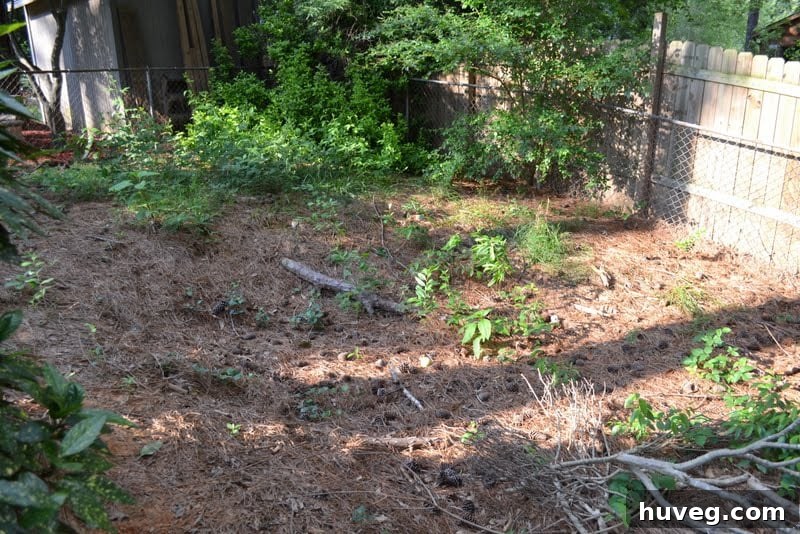
Every homeowner dreams of a perfect backyard, a sanctuary for relaxation and entertainment. What I discovered in mine, however, was less idyllic and far more… subterranean. It’s a revelation I’ve often alluded to, but surprisingly, I’ve never truly showcased the reality of the pit lurking just beyond my back door. For decades, it was a common, albeit regrettable, practice for builders to bury excess construction materials on-site rather than incurring the expense and effort of proper disposal. This hidden legacy was unveiled to me the moment I purchased this house, and over thirty years, those buried materials have begun their inevitable decay, leading to a significant void beneath the surface. The outcome? A genuine backyard sinkhole.
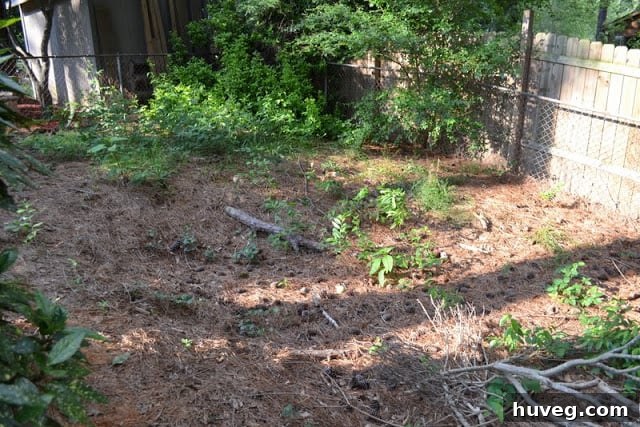
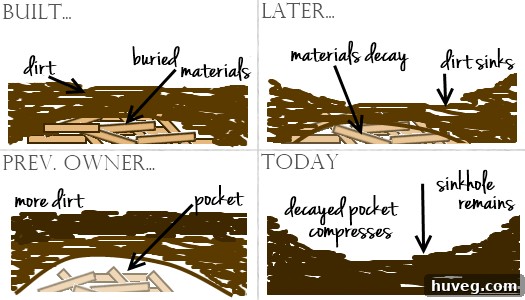
A true sinkhole. While its appearance might strike fear into the hearts of many, I was fortunate to have been made aware of its existence when I acquired the property. This prior knowledge transformed a potentially terrifying discovery into a manageable challenge. The previous owner had even attempted a solution, bringing in vast amounts of fill dirt to remediate the issue. Unfortunately, their efforts proved to be only a temporary reprieve. The sheer weight of the added earth, rather than permanently resolving the problem, merely served to compress the remaining vacant pockets created by the decaying matter beneath, setting the stage for its eventual reappearance. It’s a rather mundane explanation for such a dramatic geological feature, isn’t it? Perhaps a more illustrative image would better capture the essence of how such a cavity forms:
Understanding Anthropogenic Sinkholes: A Common Legacy of Past Construction
The historical context surrounding my sinkhole is crucial to understanding its origin. This particular construction practice was exceptionally common in the Atlanta metropolitan area, primarily between the years 1975 and 1991. My house, along with the majority of my neighborhood, was constructed precisely within this timeframe, making such a hidden defect a predictable consequence. While there are numerous types of sinkholes, often linked to natural geological processes like karst topography, mine is a classic example of an anthropogenic or human-induced sinkhole. It was almost certainly caused by the burial of land-clearing debris and leftover materials during the initial foundation laying of the house – a very common method of on-site waste management at the time.
This localized issue isn’t unique to my property. Many of my neighbors have faced similar challenges, tackling their own subterranean surprises over the years. The previous owner of my house indeed attempted to fill the void, but as common wisdom and anecdotal evidence from long-time residents suggest, a successful and permanent fix often requires more than a single pass. It necessitates multiple applications of fill material, carefully compacted to ensure the stability and longevity of the repair, preventing the underlying voids from simply re-collapsing or continuing to settle.
The Hidden Dangers and the Path to Remediation
Sinkholes, regardless of their origin, can pose significant risks to property owners. Beyond the immediate aesthetic concerns, they can compromise foundations, disrupt utility lines, and create dangerous uneven terrain. Luckily, my particular sinkhole is situated at the very corner of my yard, far removed from the structural foundations of my home and those of my neighbors. This fortunate placement affords me some breathing room, allowing me to address it systematically rather than as an emergency. I am aware that many other homeowners in different neighborhoods haven’t been so lucky, finding sinkholes much closer to critical structures, demanding immediate and costly professional intervention.
My current plan for remediation is pragmatic, balancing immediate needs with long-term goals. In the short-term, as I embark on a comprehensive yard cleanup, I intend to incrementally fill the existing depression. While it might seem counterintuitive to tackle a problem of decaying debris by adding more debris – albeit carefully chosen and managed – this interim solution will stabilize the surface and integrate it into the broader landscaping effort. This phased approach allows me to manage the project both in terms of time commitment and financial outlay. The corner location also minimizes any potential disruption to the immediate living spaces, making it feasible to allow the area to sit in this transitional state for a little while longer until a more permanent solution can be implemented as part of a larger backyard transformation.
Transforming My Backyard: From Challenge to Oasis
The sinkhole, while a significant undertaking, has become a catalyst for a much grander vision: the complete overhaul and redesign of my backyard. This ambitious project, centered around the creation of a much larger, more functional patio, is something I’ve yearned for since moving in. Fortunately, I have a valuable resource in my immediate vicinity: my neighbor to the right is a professional landscaper, and beyond his expertise, he’s an incredibly kind individual – he even helped dig my car out of a snow mound last winter! I’ve already engaged in productive discussions with him about the scope of the project, including the necessity of hiring a small team to assist with the initial clearing of the overgrown and debris-laden backyard.
The initial phase will focus heavily on clearing the existing vegetation and any remaining construction debris, making the entire area accessible and ready for transformation. This will naturally encompass addressing the sinkhole with a more robust and permanent fill solution, ensuring that the foundation for my future patio is solid and secure. We anticipate making limited but meaningful progress this summer, as these types of large-scale landscaping endeavors require careful planning, execution, and often, a bit of patience. However, my ultimate goal is ambitious yet attainable: to be able to celebrate our hard work and the completion of a significant portion of the patio by the Fourth of July next year, perhaps with a simple, celebratory barbecue with friends and family in our newly reclaimed outdoor space.
The Broader Impact: Responsible Property Management and Community
My experience with this backyard sinkhole serves as a valuable reminder for all homeowners about the importance of understanding a property’s history and being prepared for unexpected challenges. Property inspections can reveal a lot, but some issues, like buried debris, can remain hidden for decades, manifesting only when decomposition creates significant voids. This situation also underscores the long-term environmental and structural consequences of past construction practices that prioritized expediency over responsible waste management.
Beyond the physical remediation, this project is about creating a more functional, aesthetically pleasing, and safe environment for my family and me. It’s also a testament to the power of community and neighborly support. Collaborating with my landscaper neighbor not only brings professional expertise to the table but also strengthens our local ties, turning a potential burden into a shared endeavor. The journey from a hidden hazard to a welcoming patio is a significant one, promising to enhance not just my property value but, more importantly, my quality of life.
For those interested in the initial inspiration for this grand backyard scheme, you can look back at my early aspirations for this space: creating the larger patio I’ve been wanting. This project is a culmination of years of dreaming and planning, now finally moving into the realm of reality, beginning with the often-unseen work of addressing the very ground beneath our feet.