Flooring Facelift Making the Right Choice

After a productive weekend tackling smaller home improvement tasks, my focus naturally shifted to one of the biggest items on my renovation checklist: selecting the perfect flooring. This decision, as any homeowner knows, is pivotal, influencing not only the aesthetics but also the functionality and long-term value of a space. It’s a journey I’ve been eager to embark on, and after extensive research and weighing countless options, I’m excited to share my progress and, crucially, ask for your invaluable input!
Navigating the Flooring Maze: Hardwood vs. Engineered vs. Laminate
The initial phase of my flooring quest involved a deep dive into the three primary contenders: classic hardwood, versatile engineered wood, and durable laminate. Each promised unique benefits, but also presented distinct drawbacks, making the selection process far from straightforward. My goal was to find a solution that balanced aesthetics, budget, durability, and ease of installation, aligning with the specific needs of my home and lifestyle.
Eliminating Engineered Wood: The Veneer Concern
My first significant cut in the selection process was ruling out engineered wood flooring. While often touted as a more stable alternative to solid hardwood, especially in environments prone to moisture fluctuations, it didn’t quite hit the mark for me. The pricing, for the finishes I was drawn to, often mirrored that of solid hardwood, negating a significant cost advantage. More importantly, the very nature of engineered wood—a thin layer of real wood veneer over a composite core—sparked a strong reservation.
I’ve witnessed firsthand how veneers perform on less expensive furniture; they can scratch, peel, and show wear relatively quickly, offering limited opportunities for repair. The thought of investing thousands of dollars in a floor that shared this “veneered” characteristic, with only one or perhaps two opportunities for sanding and refinishing throughout its lifespan (if any), simply didn’t sit right with my inner pragmatist. It felt like a costly compromise on longevity and genuine material integrity, especially when compared to the robust, long-lasting appeal of solid wood or the uncompromising toughness of quality laminate.
The Practicalities of Installation: Why Laminate Took the Lead
With engineered wood off the table, the decision came down to solid hardwood versus laminate. This is where the practical considerations of my home truly came into play. Our first floor is built upon a cement slab, which presents specific challenges for hardwood installation. Solid hardwood typically requires either being glued directly to the slab or installed using a clip system, both methods often necessitating professional expertise. This translates to higher labor costs and a more complex, time-consuming process.
Laminate flooring, however, offers a refreshingly simpler alternative. Its ingenious click-lock system allows planks to snap together seamlessly, creating a “floating floor” that doesn’t need to be directly adhered to the subfloor. This characteristic makes it an ideal candidate for a do-it-yourself (DIY) project. While certainly a learning curve for a beginner like myself, the installation process for laminate is significantly less messy and more manageable than dealing with adhesives, specialized tools, and the precision required for hardwood. It promised a considerable reduction in overall project cost, allowing me to allocate resources elsewhere in the renovation.
Budget, Lifestyle, and Long-Term Value: Solidifying the Choice
The financial implications of hiring professionals for hardwood installation versus the budget-friendly DIY option for laminate were undeniable. This home, as I’ve mentioned before, isn’t intended as my “forever home.” Therefore, my focus is on smart, impactful upgrades that enhance immediate living quality and add reasonable value, rather than maximum long-term investment. Replacing the outdated carpet with any hard surface flooring would already be a significant improvement and value addition. Given this context, the substantial cost difference between professionally installed hardwood and DIY laminate became a decisive factor.
Beyond the budget, lifestyle played a crucial role. With active inhabitants—my boyfriend and our energetic dog, Colby—a new floor would undoubtedly face its share of daily wear and tear. I could already envision the inevitable scrapes and scuffs from chairs being dragged and playful paws scurrying across the surface. While I adore the look of hardwood, the constant worry about maintaining its pristine condition felt like an unnecessary burden for this particular phase of life. Laminate, renowned for its exceptional durability and resistance to scratches, dents, and spills, emerged as the clear winner. It offered the peace of mind knowing that everyday life wouldn’t compromise its appearance.
Ultimately, the combination of laminate’s DIY-friendliness, superior durability, and significant cost savings made it the obvious choice. My confidence grew that with careful selection, I could find a laminate option that beautifully mimicked the appearance of real wood, avoiding any hint of a “fake floor” aesthetic. The challenge now wasn’t what type of floor, but which specific style and finish would best transform my space.
The Aesthetic Quandary: Choosing the Perfect Laminate Finish
Having settled on laminate as the material, I thought the hardest part was over. How wrong I was! The vast array of finishes, textures, and color tones available within the laminate category presented an entirely new, and arguably more daunting, challenge. Selecting the right finish is an intensely personal decision that profoundly impacts the entire ambiance of a room. I’ve experienced the regret of choosing the wrong paint color—a relatively inexpensive fix. But committing to a floor that spans hundreds of square feet, representing an investment of thousands of dollars, without absolute certainty, is a decision that could certainly push one to the brink of an “OCD Project” episode!
The flooring finish sets the foundation for all other design elements in a room. A lighter tone can expand a space and create an airy, modern feel, while darker shades often lend sophistication and coziness. The grain pattern, plank width, and even the subtle texture can dramatically alter the perceived authenticity and style. It’s not just about matching existing decor; it’s about defining the future character of the home.
Your Opinion Matters: Help Me Choose My New Floor!
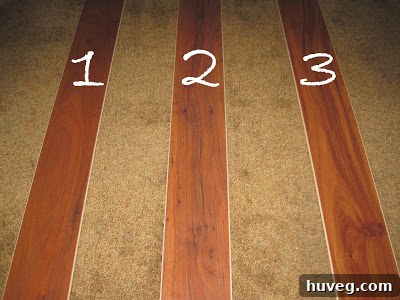
It was in this moment of delightful overwhelm that a brilliant idea struck me: why not leverage the collective wisdom of my incredible readers? As a community, we can navigate these design dilemmas together! So, dear reader, I would be incredibly grateful if you would participate in my very first blog poll. Your insights and preferences are invaluable as I make this significant home design choice. Please take a moment to look at the options below, vote for your favorite, and share your reasoning in the comments. Every opinion helps!
When evaluating these options, consider not just the color, but also the perceived texture, the plank width (though these are just samples, imagine them across a whole room), and the overall feeling each evokes. Think about what kind of furniture and wall colors would complement each choice, and how it might impact the brightness and spaciousness of a living area.
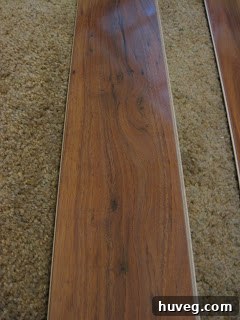
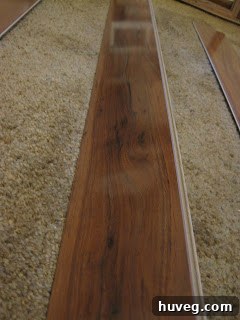
Option 1: “Caribbean Rosewood”
This option immediately evokes a sense of exotic warmth and rich sophistication. Caribbean Rosewood typically features deep, reddish-brown tones with prominent grain patterns, often showcasing subtle variations that add incredible depth and character. It can be a bold statement, perfect for creating a luxurious or globally inspired interior. Imagine it paired with creamy whites or deep greens, perhaps with natural textures and metallic accents.
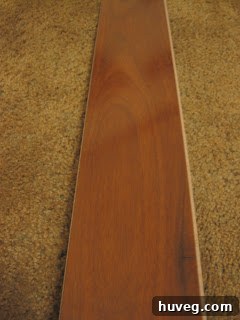
Option 2: “Mayan Beechwood”
Mayan Beechwood offers a distinctly different vibe, leaning towards lighter, more airy aesthetics. Beechwood is known for its fine, even grain and subtle, uniform coloring, often in pale yellow or light brown hues. This option could be ideal for brightening up a space, making it feel more expansive and contemporary. It aligns beautifully with minimalist, Scandinavian, or modern farmhouse styles. It would serve as a fantastic neutral base, allowing furniture and artwork to truly pop.
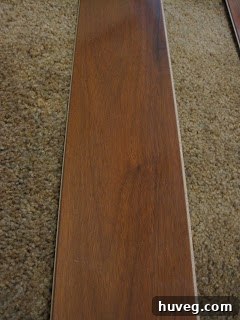
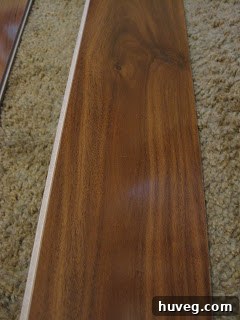
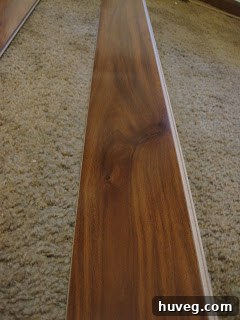
Option 3: “Exotic Walnut”
The “Exotic Walnut” option brings a sense of sophisticated drama and timeless elegance. Walnut is celebrated for its deep, rich brown tones, often with hints of grey or purple undertones, and a distinctive, flowing grain. This darker floor can anchor a room, providing a striking contrast to lighter walls and furniture, or enhancing a moody, luxurious decor scheme. It’s incredibly versatile, fitting both traditional and ultra-modern settings, and exudes a premium feel. It’s the kind of floor that whispers quality and comfort.
Thank you in advance for helping me with this exciting, yet challenging, decision. Your perspectives will undoubtedly help me finalize the perfect choice for my home. And for those curious about how these options look in a larger context, I’ve managed to find some real-world examples:
Flooring Update: Click here for photos of Option 1 (Caribbean Rosewood) installed in an actual room, and here for Option 3 (Exotic Walnut) in a completed space! Unfortunately, despite my best efforts, I came up empty-handed in my search for installed photos of Mayan Beechwood. Rest assured, I will continue to hunt for more visual inspiration!