Flawless Paint Prep Post Drywall Repair

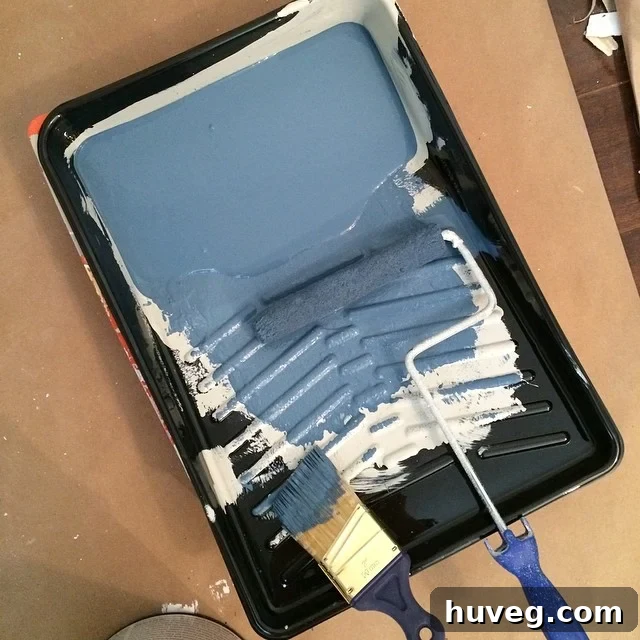
Achieving a pristine, smooth paint finish on your interior walls after extensive drywall repair or a comprehensive skim coat requires meticulous preparation. This guide delves into the crucial steps and expert tips for painting interior walls, ensuring your hard work results in a beautiful, long-lasting surface. While products mentioned may evolve, the core principles of proper preparation remain timeless.
Transforming a room with new paint is incredibly rewarding, but it’s the often-overlooked preparation that truly makes the difference. When dealing with newly installed drywall or extensively repaired surfaces, such as after wallpaper removal, the standard “paint and primer in one” simply won’t suffice. The unique characteristics of fresh drywall demand a dedicated approach to ensure paint adheres properly and delivers a uniform, professional look.
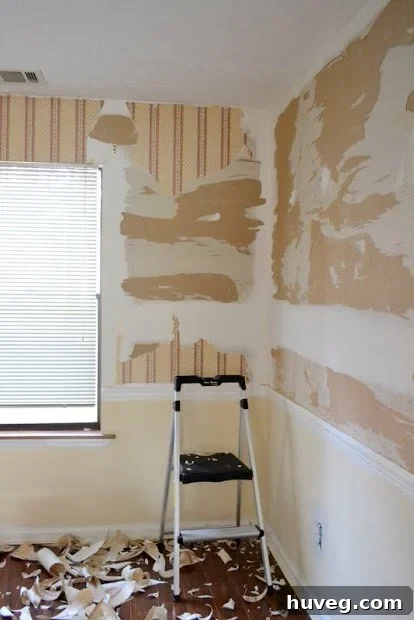
Properly repairing the drywall surface is foundational. We’ve previously covered in-depth techniques for skim coating and other vital drywall repair tips on this blog. Assuming your walls are now perfectly smooth, sanded, and repaired, it’s time to focus on the essential steps that lead directly to painting. Before we dive into the specifics, it’s important to acknowledge that the world of DIY advice can sometimes be contradictory. My recommendations are based on extensive research, personal experience, and testing various products to achieve optimal outcomes, often prioritizing readily available, low-VOC options suitable for a lived-in home.
For more detailed insights on earlier stages of wall preparation, consider exploring these related posts:
- How to Remove Wallpaper Effectively
- Comprehensive Guide to Fixing and Skim Coating Damaged Walls
- Advanced Drywall Repair Tips: Addressing Bubbles, Achieving Cleaner Sanding, and More
Achieving a Flawless Finish: Prepping and Painting Walls After Drywall Repair
The journey to a beautifully painted wall begins long before you open a can of paint. These crucial preparatory steps will prevent common issues like uneven sheen, poor adhesion, and visible imperfections, ultimately saving you time and frustration.
Step 1: Thoroughly Clean the Walls
This may seem like the most mundane step, but it is arguably one of the most critical. After sanding your drywall repairs or skim coat, an invisible layer of fine dust settles everywhere. If left unaddressed, this dust will prevent primer and paint from adhering properly, leading to a textured, inconsistent finish or even paint peeling off your roller and back onto the wall. This undesirable phenomenon is not only unsightly but also entirely avoidable.
To ensure optimal adhesion, meticulously wipe down all newly repaired and skim-coated surfaces. A slightly damp rag is usually sufficient. Avoid making the rag soaking wet, as excessive moisture can re-wet the top layer of joint compound, potentially compromising its integrity or extending drying times. Most joint compounds require a full 24-48 hours of dry time before priming; always check the manufacturer’s instructions on your specific product. This thorough wipe-down removes sanding dust, residual joint compound, and any other surface contaminants, creating a clean canvas for your primer.
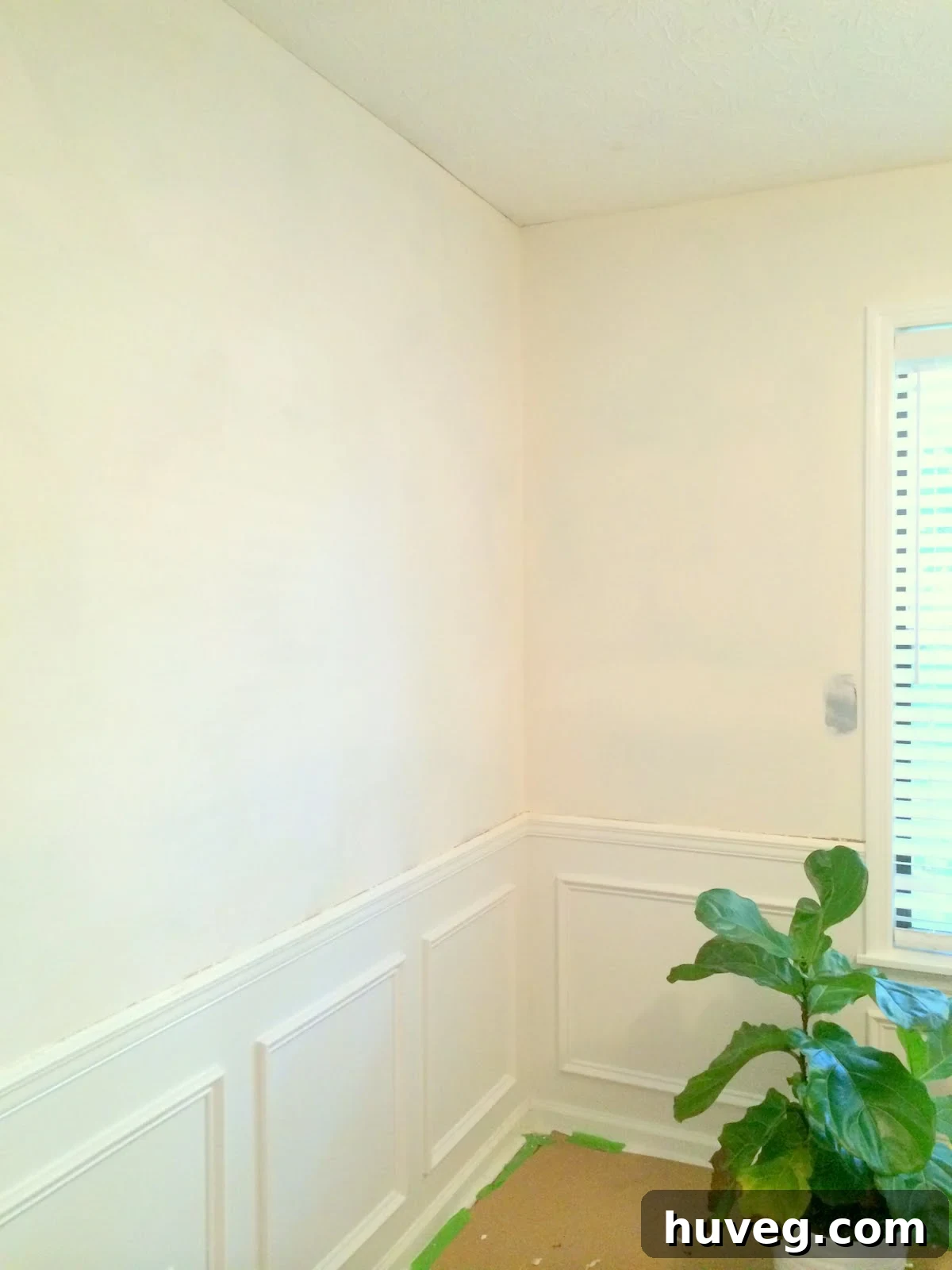
Step 2: Selecting the Optimal Primer for Drywall
Choosing the correct primer is paramount after drywall repair. It’s a specialized product designed to create a stable, uniform base for your paint. Don’t underestimate its role.
Why “Self-Priming” Paints Fall Short on New Drywall
A common question arises: can I use a paint-and-primer-in-one product? For new or extensively repaired drywall, the answer is a definitive no. While self-priming paints offer convenience for previously painted, well-conditioned surfaces, they are generally not formulated to handle the unique demands of freshly repaired drywall. New drywall and joint compound create a highly porous surface that acts like a sponge, absorbing paint unevenly and leading to “flashing” – areas where the paint sheen appears dull or inconsistent. A true primer’s primary role here is to seal this porosity, creating a uniform, non-absorbent surface.
Beyond performance, cost is another factor. High-quality dedicated primers are often more economical than self-priming combination paints. By applying a dedicated primer, especially one that is tinted, you effectively create a consistent base color, which typically reduces the number of topcoats required to achieve full coverage and a uniform finish. This often translates to using fewer gallons of the more expensive topcoat paint, leading to overall cost savings and less labor.
The Power of PVA Primer: Your Best Choice
For new or freshly repaired drywall, a specific type of primer is essential: a PVA (Polyvinyl Acetate) primer/sealer. These latex-based products are explicitly designed to seal the pores of bare drywall and joint compound, creating a uniform, smooth, and non-porous surface. They prevent the topcoat from soaking in unevenly, ensuring consistent color and sheen across the entire wall.
Through extensive research on contractor forums and personal testing, I’ve found that certain brands consistently deliver excellent results. Historically, products like Glidden Gripper Primer (now known as PPG Seal Grip Interior/Exterior Acrylic Primer with Sealer) and Zinsser Bulls Eye 1-2-3 are highly recommended. These water-based options are preferred for their lower odor and easier cleanup compared to oil-based primers.
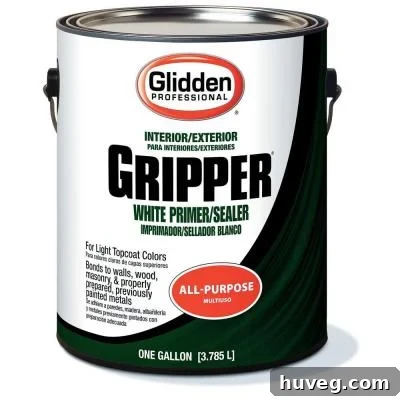
When selecting a primer, always look for explicit statements on the can indicating suitability for “new drywall” or “new walls” or “PVA drywall primer.” While Glidden Gripper (now PPG Seal Grip) initially stated it was for light topcoats, I’ve had great success using it, particularly when doing dramatic color changes. The key benefit is its ability to seal porous surfaces effectively. You can often tint primers to a shade similar to your final paint color, which further aids in achieving full coverage with fewer topcoats. Although some primers may have limitations on tinting dark colors due to space for colorants in the can, even a light gray tint can significantly improve the coverage of subsequent paint layers.
Today, dedicated PVA primers are more widely available in stores. Brands like Glidden PVA Drywall Primer and Kilz PVA primer are excellent options commonly found at home improvement stores. I plan to test these more extensively in upcoming projects involving bare drywall to provide even more specific feedback on their performance.
Can You Use a “Regular” All-Purpose Primer?
The question of using a general-purpose primer often arises. While a dedicated PVA primer is always the ideal choice for new or repaired drywall, in a pinch, an all-purpose primer might suffice, especially if it’s a high-quality product like Zinsser 1-2-3. Some professionals even report using simple flat white paint as a primer, although this practice is generally discouraged for optimal results. The key distinction lies between what is “best” and what is “acceptable.” Any primer coat is undoubtedly better than none, as it provides a foundational layer for adhesion. However, a primer specifically designed for drywall will offer superior sealing properties and a more consistently smooth surface, greatly contributing to a truly professional-looking final paint job. Based on my consistent positive experiences, the PPG Seal Grip (formerly Glidden Gripper) remains my top recommendation for its reliability and effectiveness.
Step 3: Addressing Other Essential Prep Work
Before the primer hits the wall, take a moment to meticulously prepare any adjacent trim, molding, or architectural details. This secondary prep work ensures that the entire area is ready for paint and that your efforts on the walls don’t get compromised by overlooked details.
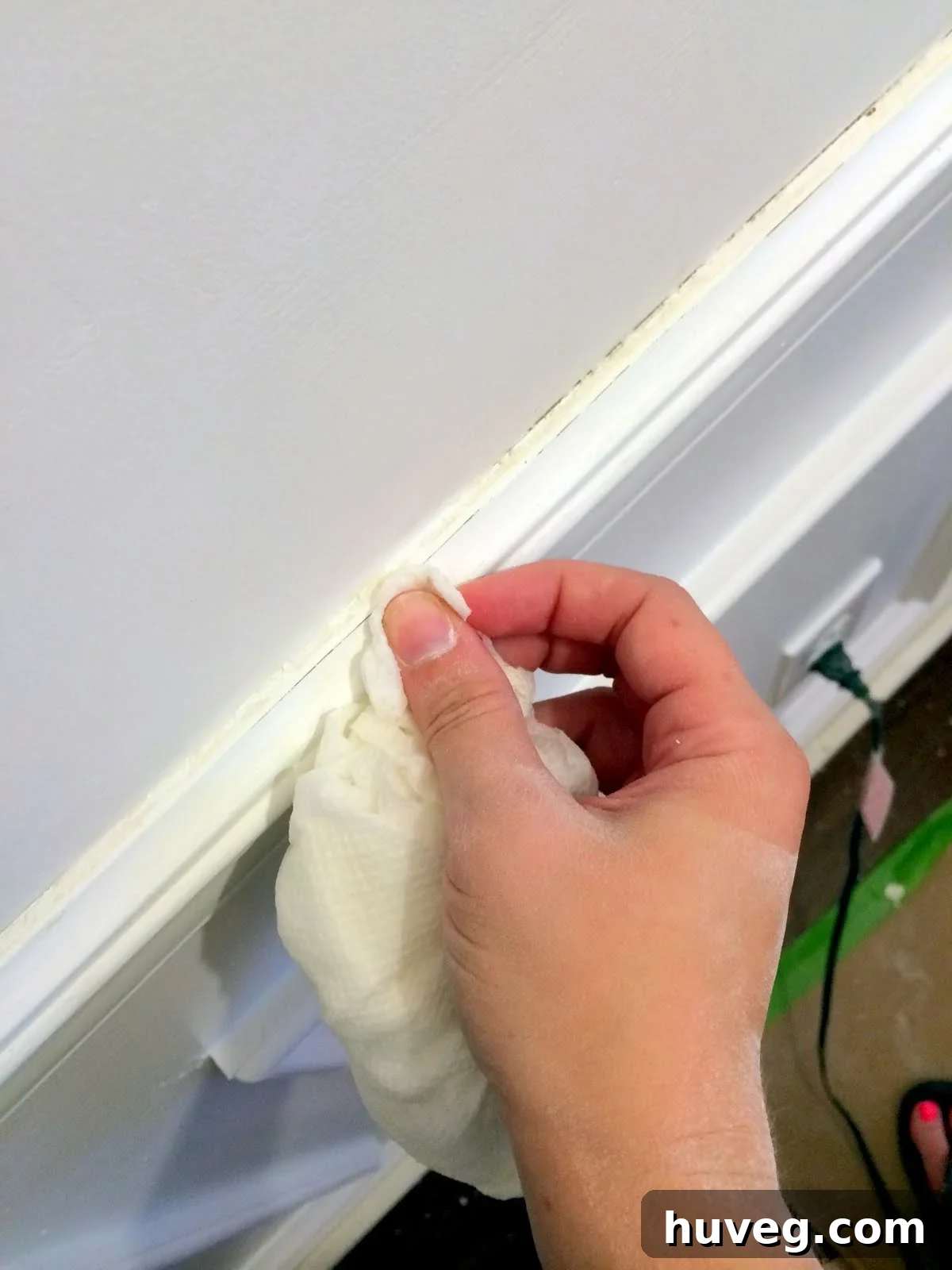
Begin by thoroughly cleaning all trim, such as chair rails, baseboards, and window casings. Drywall dust and errant joint compound can easily cling to these surfaces. A damp cloth, warm water, and perhaps a gentle scrub with a fingernail or soft brush can remove dried chunks or residues. Any areas where existing paint on the trim has been scuffed or stripped away during sanding should be spot-primed to ensure uniform adhesion and sheen for future paint layers.
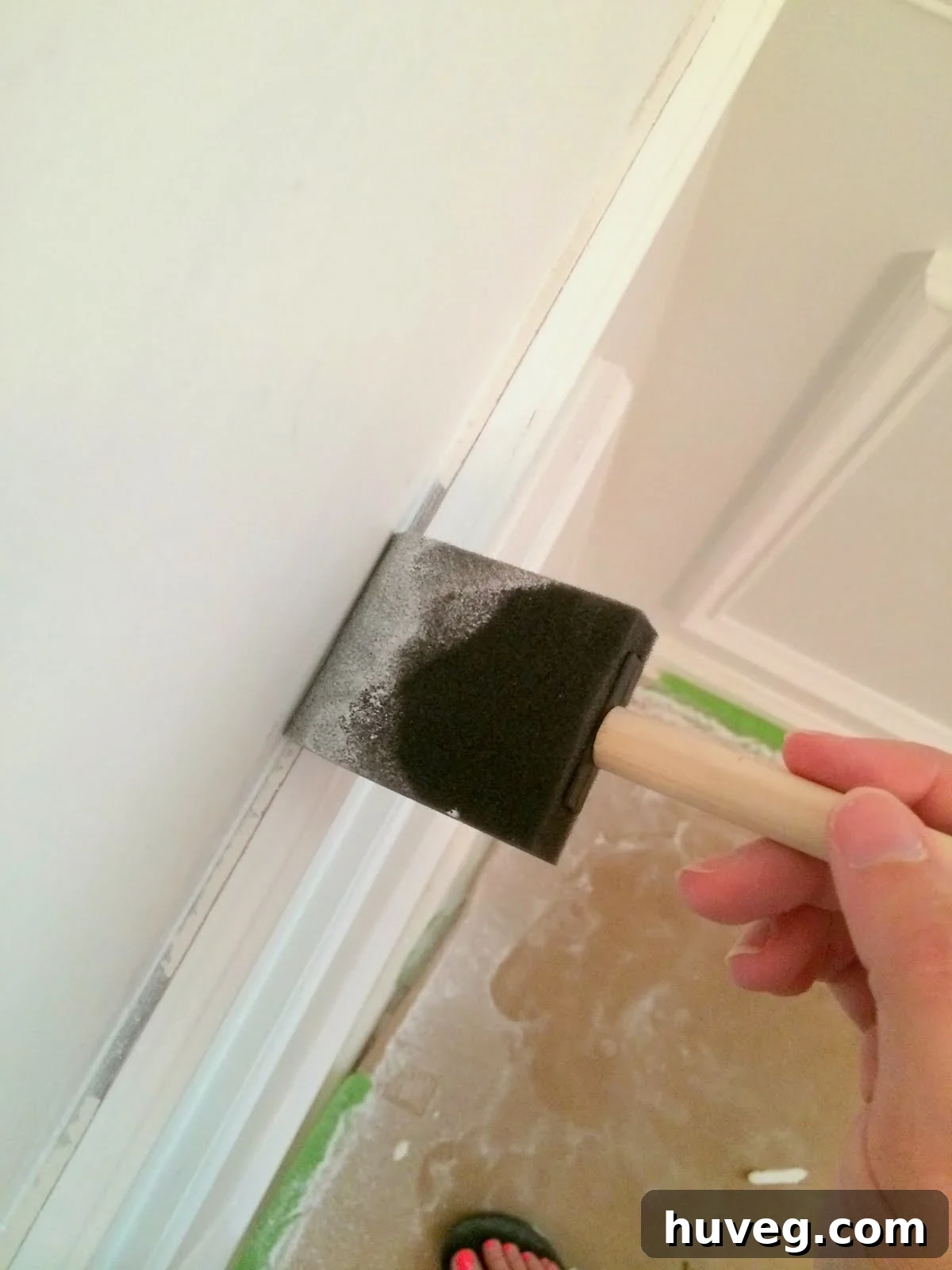
Applying a small amount of primer to bare spots on trim with a foam brush ensures these areas are sealed and ready for their final coat.
Next, focus on caulking. Any seams between the walls and trim (like the top of a chair rail or where baseboards meet the wall) should be meticulously caulked. This step fills unsightly gaps, creates a seamless transition, and prevents paint from bleeding into crevices, resulting in crisp, clean lines. I typically save this step until after the main drywall repairs are complete and the walls are smooth, as the dusty environment of sanding can compromise fresh caulk. Allow the caulk to dry completely according to manufacturer instructions before painting – usually a few hours.
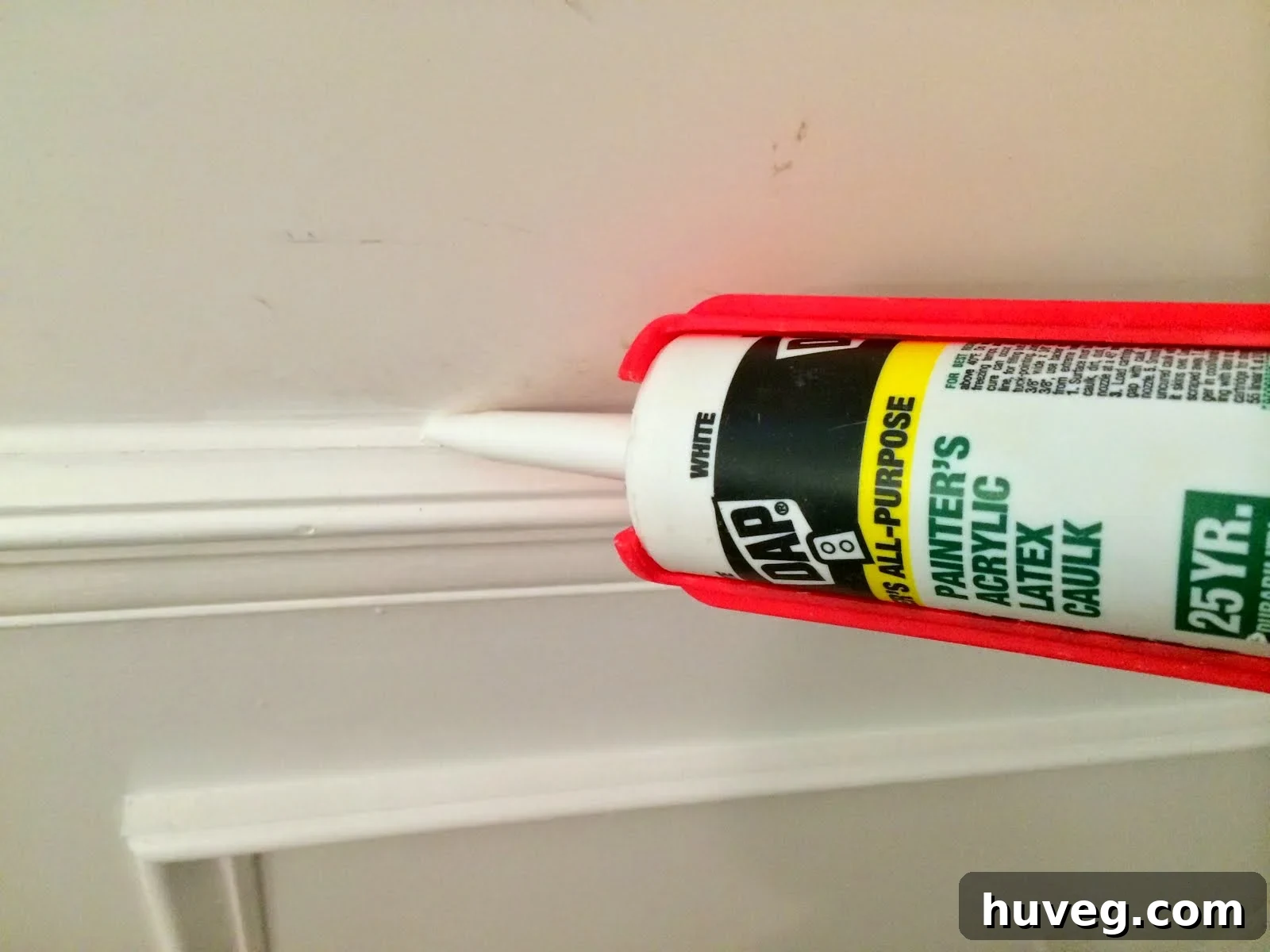
Pro Tip for Caulking: When applying caulk, especially along a seam, it’s often more effective to push the caulk gun along the joint rather than pulling it. This technique helps force the caulk deep into the seam, minimizing excess product on the surface and reducing the need for extensive cleanup.
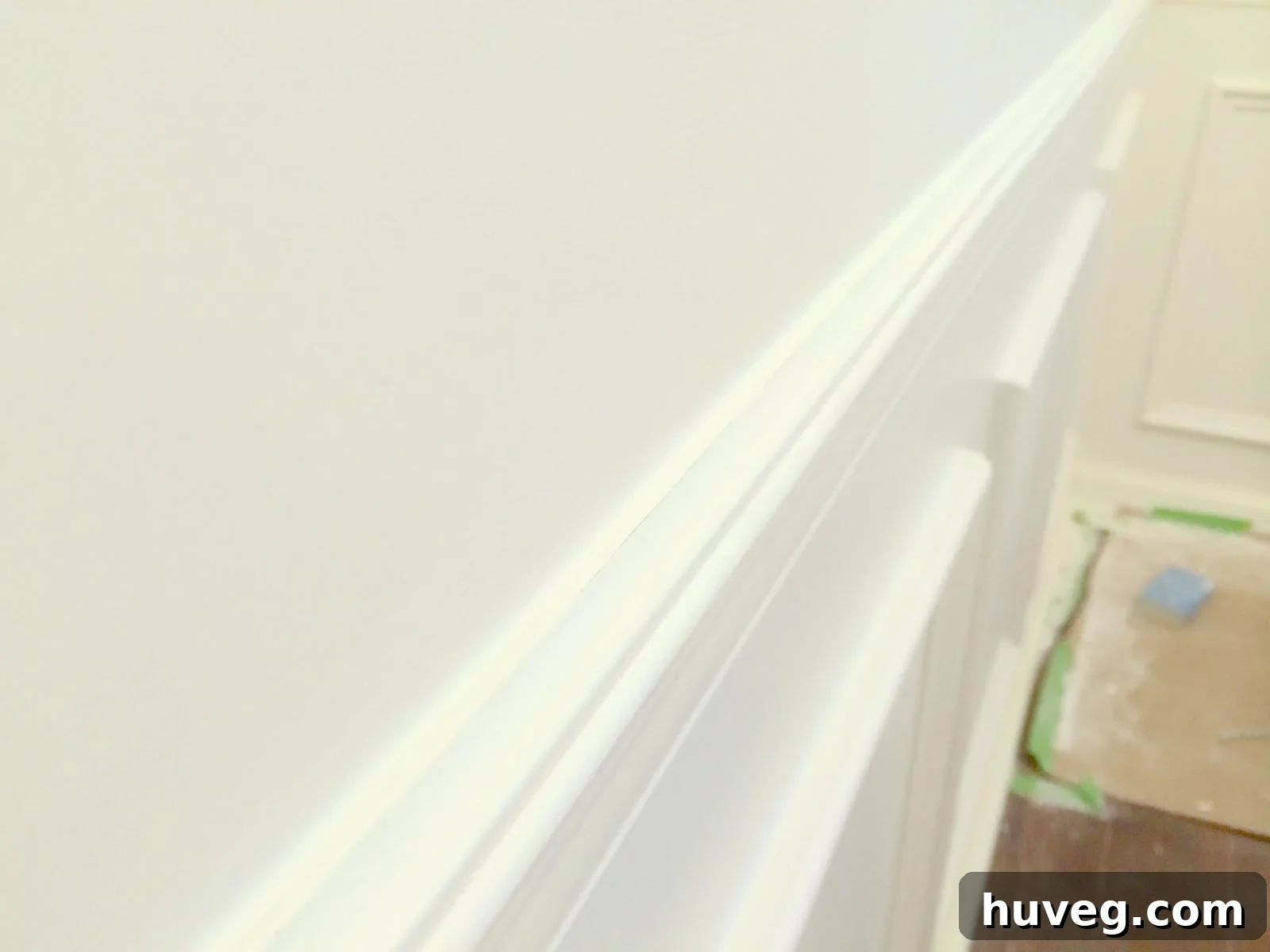
With these elements prepared, your wainscoting and trim will look significantly better, creating a sharp contrast against your freshly painted walls. Any minor touch-ups to trim paint (e.g., semi-gloss) can be done after the primary wall painting is complete, as even careful painters can experience some splatter.
Step 4: Applying the Primer Evenly
Finally, it’s time to apply your chosen primer. This is where your careful preparation truly pays off.
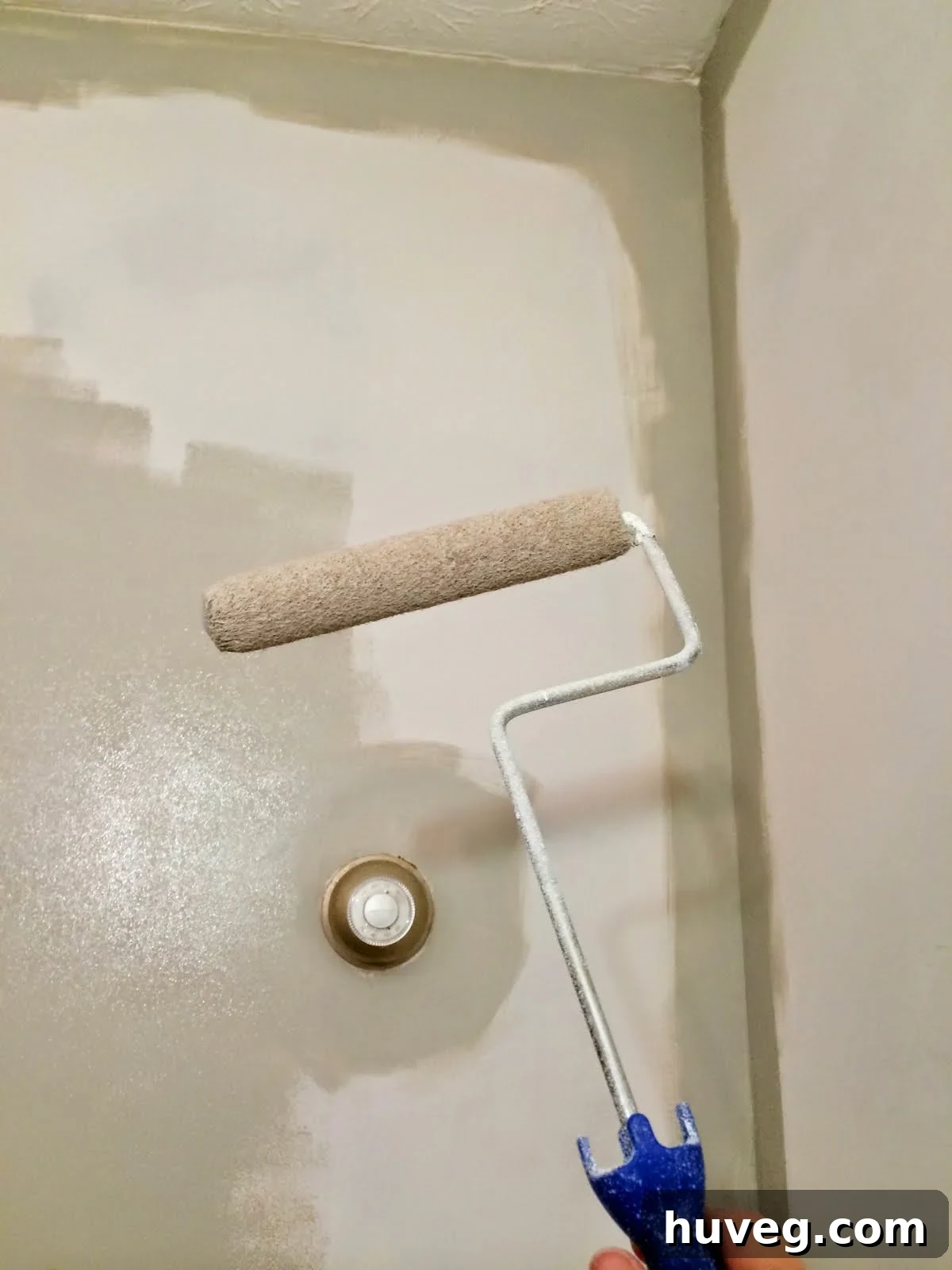
As you apply the primer, particularly if it’s tinted, you’ll immediately see the benefits of even coverage. Primer serves several critical functions: it seals the porous joint compound, preventing it from soaking up water-based latex paint like a sponge; it creates a uniform surface that promotes consistent paint adhesion and sheen; and its thicker consistency can subtly fill in tiny scratches or imperfections left by sanding, further smoothing the wall. This smoothing effect is not a substitute for proper sanding but certainly enhances the final result.
One of the most important roles of primer is to prevent “flashing.” Flashing occurs when paint is absorbed unevenly into different parts of the wall (e.g., bare drywall paper vs. joint compound), resulting in areas of differing sheen or color intensity. This is particularly noticeable with eggshell, satin, or higher gloss paints, where a dull spot can instantly betray a DIY job. A properly primed wall ensures a consistent, professional-looking sheen across the entire surface.
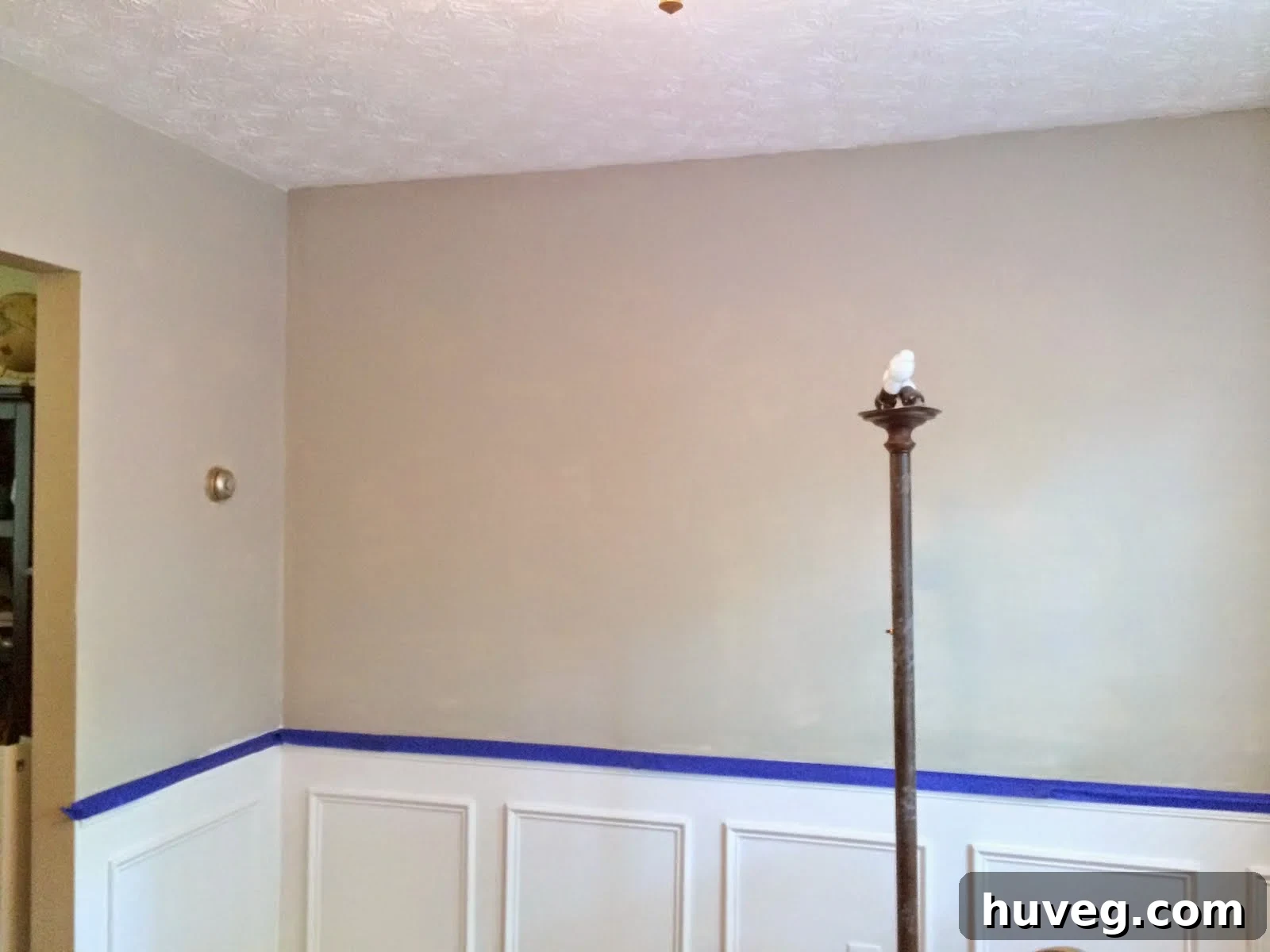
Applying primer is also the ideal time to mask off any areas you want to protect from paint splatter. For instance, taping along the top edge of a chair rail or baseboard can prevent stray flecks from a roller from landing on your trim. The line created by the primer doesn’t need to be absolutely perfect, as it will be covered by the final paint coat. The goal is even, comprehensive coverage to prepare the surface for painting.
I was thoroughly satisfied with my chosen primer. It was low-odor, dried quickly, and effectively smoothed out the surface, making the walls perfectly ready for paint in record time. This step truly sets the stage for a superior paint job.
Step 5: Applying the Final Paint Coat
With the walls meticulously cleaned, primed, and prepped, you’re now ready for the exciting part: applying the final paint color. The dramatic transformation that a fresh coat of paint brings is truly rewarding, especially when backed by such diligent preparation. The smoothness, consistency, and depth of color achieved on a properly prepped surface are unparalleled.
This careful sequence of preparation ensures that every drop of your chosen paint contributes to a uniform, beautiful, and durable finish. Get ready to unveil a stunning new look for your space! (Stay tuned for the grand reveal of the finished dining room and its bold new color!)
More Drywall Tips
SEE ALL DRYWALL
Drywall projects can seem daunting, but with the right guidance, they are entirely manageable. Explore our comprehensive collection of posts to master every aspect of drywall repair and finishing!
-
Painting Prep after Drywall Repair
-
Skim Coating Tips: Bubbles, My Favorite Primer, and More
-
DIY Drywall Over Wood Paneling
-
How to Seal Damaged Drywall
-
How to Prep Kitchen Walls for a Tile Backsplash
-
How to Seamlessly Transition Crown Molding Where Tile Meets the Wall