Flawless Integration: New Floors Around Your Stone Fireplace

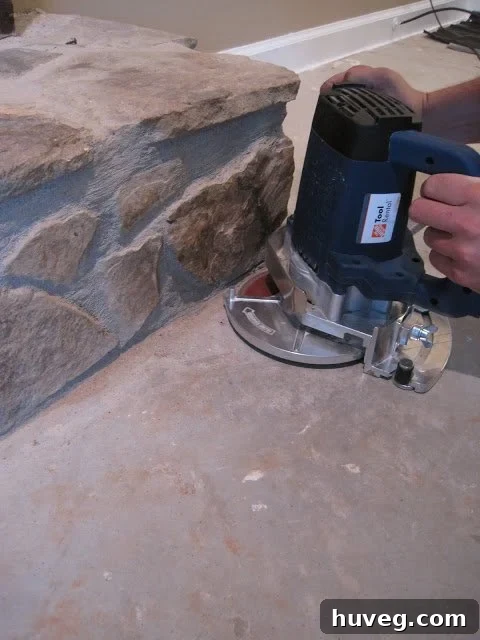
Mastering Laminate Flooring Installation Around a Stone Fireplace: An Undercutting Guide
Embarking on a home renovation project often brings a mix of excitement and unexpected challenges. One common hurdle many DIY enthusiasts face is seamlessly integrating new flooring with existing architectural features, particularly a rugged, natural stone fireplace. The transition between sleek new laminate and the uneven, jagged silhouette of a stone hearth can present a significant design and installation dilemma. Our recent flooring journey in the downstairs area brought us face-to-face with this very predicament: how do we achieve a professional, gap-free finish around a notoriously irregular stone fireplace?
The Flooring vs. Fireplace Conundrum: Seeking a Flawless Transition
The challenge was clear: installing laminate flooring around a natural stone fireplace demands precision to avoid unsightly gaps. These gaps are not just an aesthetic concern; they can collect dust, allow drafts, and compromise the overall integrity and cleanliness of your floor. We brainstormed several initial approaches:
- Using quarter round molding: While effective for straight walls, quarter round often looks out of place and difficult to fit perfectly around the irregular contours of natural stone, leading to an amateurish finish.
- Filling the gap with putty or caulk: This might seem like a quick fix, but caulk can crack over time with floor movement, and matching the color and texture to both the stone and the flooring is incredibly difficult, making the repair obvious and often temporary.
- Cutting the laminate to the exact lines of the fireplace: This is an incredibly labor-intensive and often impossible task, especially with the intricate, non-uniform nature of stone. Even skilled professionals struggle to achieve a truly flush fit with this method, and even tiny imperfections would result in visible gaps.
Each solution presented its own set of complications, leaving us truly stumped. The prospect of compromising the look of our beautiful new floors was disheartening, and we knew there had to be a better way to achieve a high-quality, professional outcome.
The Game-Changing Idea: Making the Fireplace Fit the Floor
We received numerous suggestions from friends and online forums, but most of them circled back to the same dead ends. Then, in a brilliant “why didn’t I think of this?” moment, a friend posed a fantastic question: instead of painstakingly trying to make the new laminate fit the fireplace, why not modify the fireplace to accommodate the laminate?
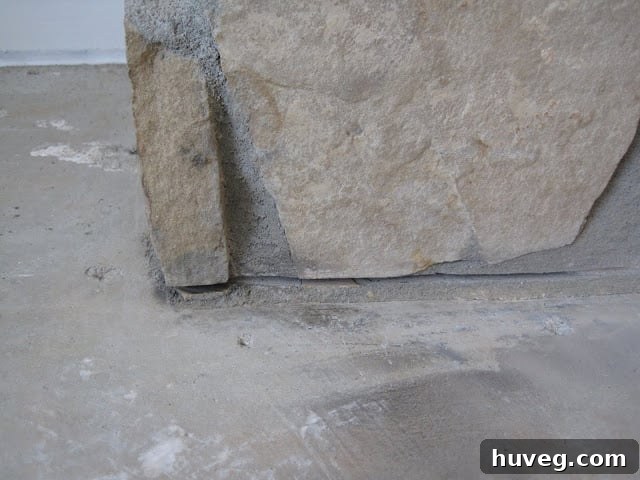
This simple reframing of the problem led us to the solution: undercutting. Undercutting involves cutting away a small portion of the bottom of the fireplace stone (or door jambs, which is its more common application) so that the flooring can slide neatly underneath. This method creates a perfectly seamless, professional appearance, eliminating any visible gaps and enhancing the flow of the room.
Introducing the Electric Jamb Saw: Your DIY Undercutting Ally
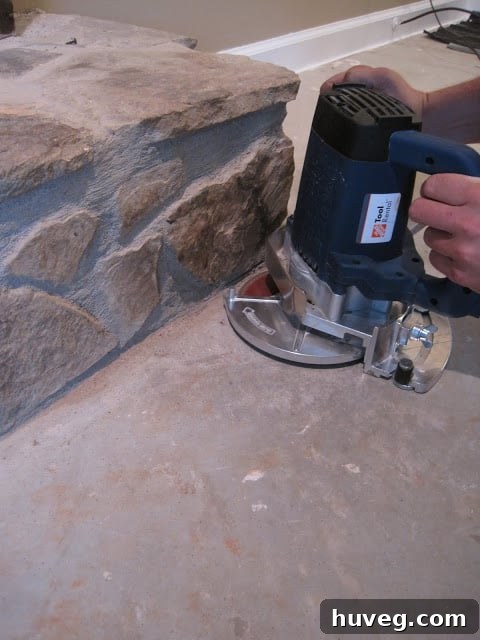
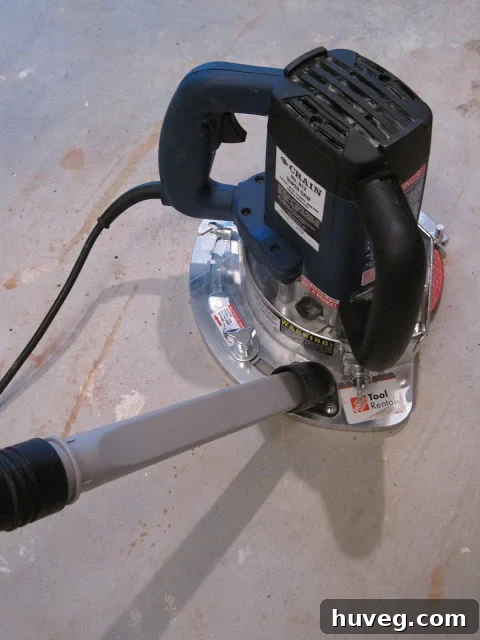
The tool required for this clever trick is an electric jamb saw, sometimes also referred to as a toe-kick saw or undercut saw. Despite having used a manual version for door jambs upstairs during our initial laminate installation, the electric counterpart was entirely new to us. As the name suggests, “jamb” refers to the vertical side post of a doorway, which is its primary use. However, its design makes it exceptionally versatile for undercutting other stationary fixtures like fireplaces, kitchen cabinets, and even baseboards.
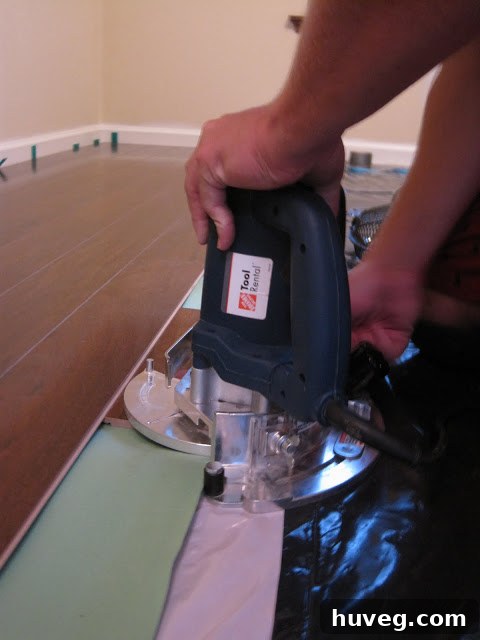
An electric jamb saw features a powerful motor and a rotating blade designed to cut horizontally at floor level. Its adjustable depth setting allows you to precisely match the height of your flooring, ensuring that the undercut is just deep enough for the laminate to slip beneath without creating a visible void. This precision is crucial for achieving that coveted flawless finish.
Securing the Right Tools: Rental and Expert Advice
Armed with this newfound knowledge, our next step was to acquire the electric jamb saw. A quick phone call to a local hardware store confirmed they had one available for rent. When renting tools, it’s always a good practice to call ahead, especially for specialized equipment like a jamb saw, as they are often rented on a first-come, first-served basis. We were fortunate that the store agreed to hold it for us until we arrived.
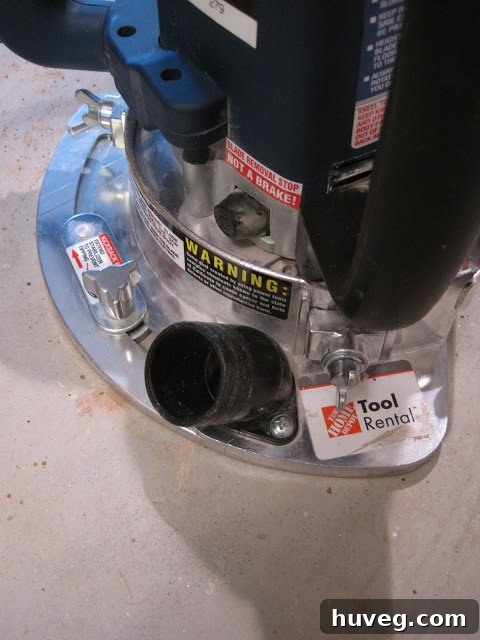
This is where expert communication becomes vital: always inform the hardware store representative about what you intend to cut. We explained that we needed to cut into our stone fireplace, and the knowledgeable rep immediately suggested a masonry blade specifically designed for cutting stone. This advice proved invaluable. Without it, we might have received a standard wood-cutting blade, which would have been ineffective and potentially damaged the tool or caused safety hazards. Always let the rep know your project details; their insight can save you time, money, and prevent costly tool replacements or safety incidents. For just $25, we were on our way home with a heavy-duty piece of equipment, feeling confident about our solution.
Understanding the Jamb Saw’s Features and Precise Adjustments
The jamb saw boasts several features that make the undercutting job significantly easier and more precise. One of its most critical aspects is its adjustable blade height. This allows you to tailor your cuts to the exact requirements of your flooring materials. For our laminate flooring project, this meant taking into account two crucial measurements:
- The thickness of the laminate planks: This is the primary height you need to accommodate.
- The thickness of the underlayment: The foam or cork underlayment beneath the laminate adds to the overall height.
By accurately measuring both these components, we could set the saw to the precise height required to create an opening where the laminate, with its underlayment, could comfortably float underneath the fireplace stone. This meticulous adjustment is paramount. If the cut is too low, the laminate won’t slide in. If it’s too high, even a millimeter, a tiny gap could still be visible, defeating the purpose of the undercut. Achieving this perfect level ensures that the laminate flooring extends neatly beneath the fireplace, creating a professional, gap-free, and integrated look.
Rigorous Preparation: Battling the Inevitable Dust and Debris
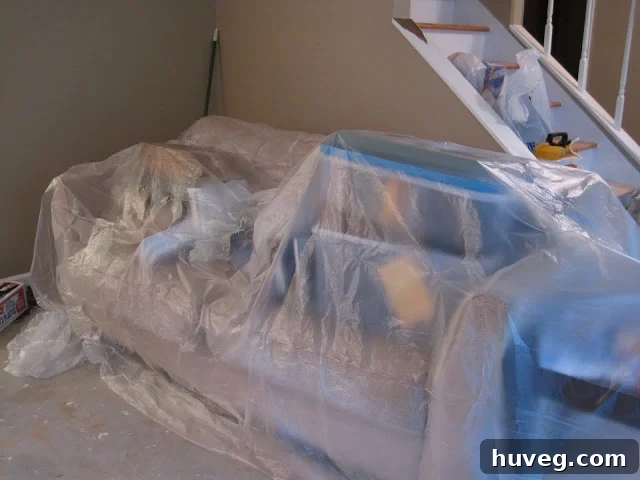
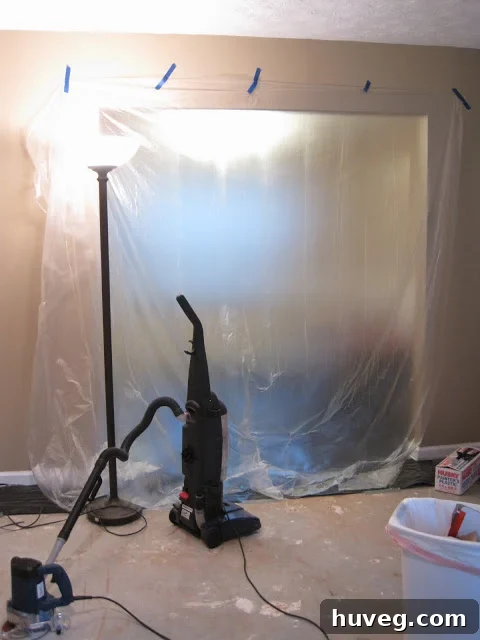
Before any cutting began, we prepared for what we knew would be a significant amount of mess. Cutting stone, even with a specialized tool, generates substantial dust and debris. We had read accounts of the extensive cleanup required, even when the saw is equipped with a hose attachment for dust collection.
To minimize the post-project cleanup and protect our home, we took comprehensive preventative measures:
- Covering all furniture and valuables: We draped everything in the room, including furniture, electronics, and decor, with thick plastic sheeting. This creates a protective barrier against fine dust particles that can settle everywhere.
- Sealing off the work area: We taped plastic sheeting over doorways and any open passages leading to other rooms. This creates a temporary containment zone, preventing dust from migrating throughout the house.
- Ventilation: Opening windows and using fans to direct airflow outwards can help, though caution must be taken not to simply blow dust around indoors.
- Personal Protective Equipment (PPE): Beyond covering the room, personal safety is paramount. We ensured we had proper protective goggles, sturdy gloves, and most importantly, a high-quality N95 respirator mask to protect against inhaling fine stone dust, which can be hazardous to respiratory health.
Such thorough preparation is not overkill; it’s an essential step in any major DIY project involving dust, saving immense time and frustration during the cleanup phase.
Dust Collection Improvisation: A Minor Setback
Our jamb saw came with a hose connection intended to attach to a standard shop vacuum for dust extraction. This feature is designed to capture a significant portion of the dust directly at the source, greatly reducing airborne particles. However, upon attempting to connect our shop vac, we discovered that the hose fitting on the saw was not a standard size and didn’t fit our vacuum’s hose. This is a common frustration in DIY projects where tool accessories don’t universally fit. Instead of giving up, we improvised, using one of our vacuum’s specialized tool attachments to create a makeshift connection. It wasn’t a perfect seal, but it certainly helped to mitigate some of the dust, proving that a little ingenuity can go a long way when faced with unexpected compatibility issues.
First Cut Fails: Sparks, Slow Progress, and Blade Revelation
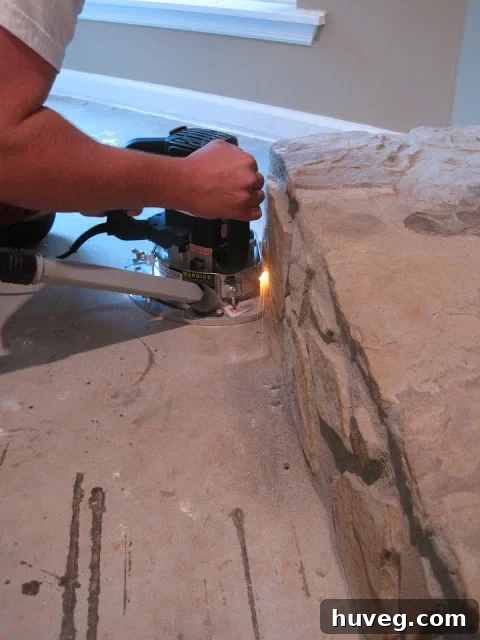
With everything covered, protective goggles securely in place, and a deep breath, Scott initiated the first cut into the fireplace stone. Almost immediately, as the blade made contact with the rugged surface, a shower of sparks erupted. While some sparks are expected when cutting hard materials, the sheer volume and persistence, coupled with remarkably slow progress, quickly indicated that something was amiss. The tool was indeed cutting, but it was struggling, moving at a snail’s pace that made the task feel dauntingly inefficient.
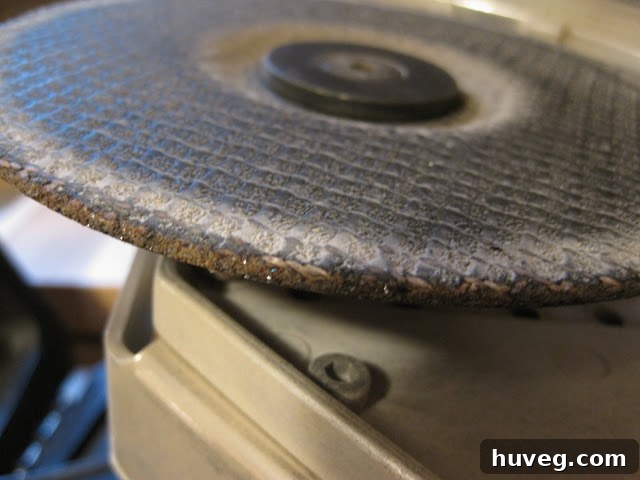
We paused, turned off the tool, and carefully inspected the blade. What we found was telling: the masonry blade, which started in relatively good condition, was already significantly worn down. The abrasive material on its edge had eroded rapidly, indicating it wasn’t holding up to the hardness of our particular fireplace stone. It became clear that continuing with this blade would not only be agonizingly slow but would also necessitate purchasing multiple replacements, quickly turning our economical rental solution into a costly endeavor. This initial setback served as a crucial lesson: even with the “right” type of blade (masonry), there’s a spectrum of hardness within stone, and sometimes, a tougher solution is needed.
The Diamond Blade Difference: A Necessary Upgrade for Tough Stone
Disappointed but not discouraged, Scott immediately turned to the internet to troubleshoot. It quickly became apparent that while a “masonry blade” is suitable for many brick and softer stone applications, for particularly hard natural stone or fireplace rock, an even tougher option is required: a diamond blade. Diamond blades are engineered with industrial diamonds embedded in their cutting edge, making them significantly more durable and effective for cutting extremely hard materials like granite, concrete, and dense natural stone with greater speed and precision.
A follow-up call to the same hardware store, and several others in the Atlanta area, yielded no success. No local stores carried the specific diamond blade needed for our jamb saw. This was a frustrating realization; we were left empty-handed with no immediate fireplace fix, no suitable blade, and the cost of a wasted tool rental weighing on us.
This experience highlighted a critical aspect of DIY: sometimes, even with good planning, unforeseen obstacles arise, particularly when dealing with specialized materials like unique stone types. The lesson was clear: always research not just the tool, but the specific type of consumable (like blades) required for your exact material, and confirm local availability.
Pivoting and Persevering: The Online Solution
Facing a double setback, we had to re-evaluate. While the $25 tool rental felt like a temporary waste, we rationalized it as part of the inevitable learning curve in DIY projects – no more a mistake than buying the wrong paint color, a mishap I’m certainly no stranger to. The only way forward was to leverage online resources. We decided the most efficient path was to purchase the correct diamond blade online, even if it meant a slight delay in the project timeline. Ordering online provides access to a much broader inventory of specialized tools and accessories that might not be available in local stores.
This setback, though initially frustrating, reinforced our commitment to achieving a professional finish. It taught us valuable lessons about material specificity, tool accessories, and the importance of thorough upfront research, even for seemingly straightforward tasks. It’s a reminder that flexibility and problem-solving are just as crucial as the initial planning when taking on home improvement projects.
Anticipating Success: The Journey Continues
It looks like this fireplace flooring fiasco will indeed be a two-part saga. We are now patiently awaiting the arrival of our new diamond blade in the mail. Despite the initial frustrations and the unexpected detour, our resolve remains strong. We are confident that once the correct blade is installed, we will be able to make clean, precise cuts into the fireplace stone, allowing our laminate flooring to slide seamlessly underneath. This will not only resolve the unsightly gap issue but also elevate the overall aesthetic of our downstairs living space.
With any luck (fingers crossed!), we’ll soon resume the installation of the laminate floors, eager to see our vision of a perfectly finished room come to life. This journey underscores the unpredictable nature of home improvement, but also the immense satisfaction that comes from overcoming challenges and learning valuable skills along the way. Stay tuned for the successful completion of our fireplace undercutting adventure and the beautiful, seamless flooring transition!