Achieve Perfect Straight Paint Lines Without Painters Tape

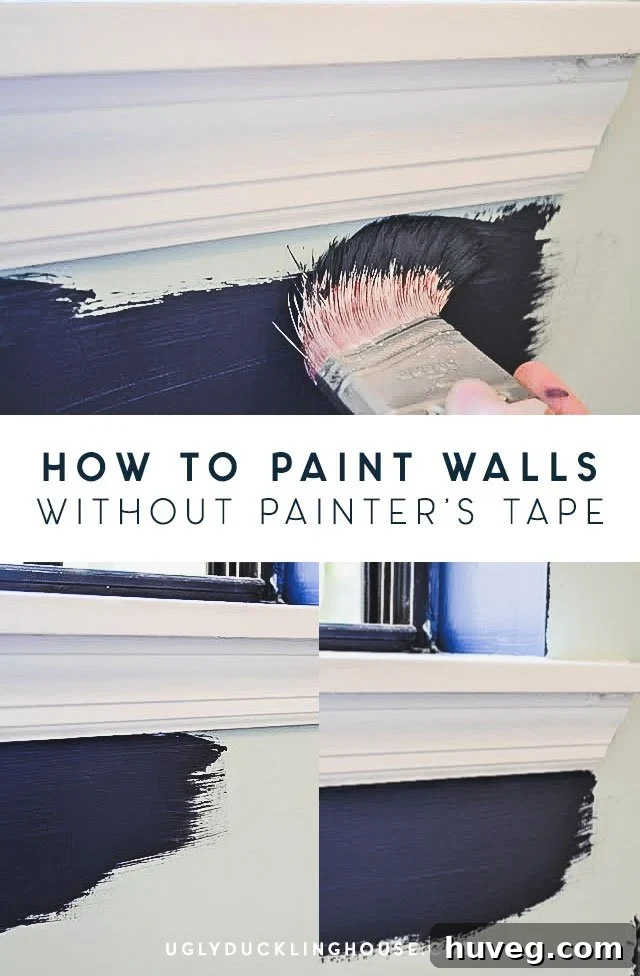
Achieving perfectly straight paint lines without the hassle of painter’s tape is a skill that transforms any painting project from tedious to efficient. Once you’ve navigated through countless rooms, you begin to appreciate the time-saving and precision benefits of mastering the “cutting in” technique. This comprehensive guide will empower you to paint like a seasoned pro, creating crisp edges around trim, ceilings, and other architectural features with ease and confidence.
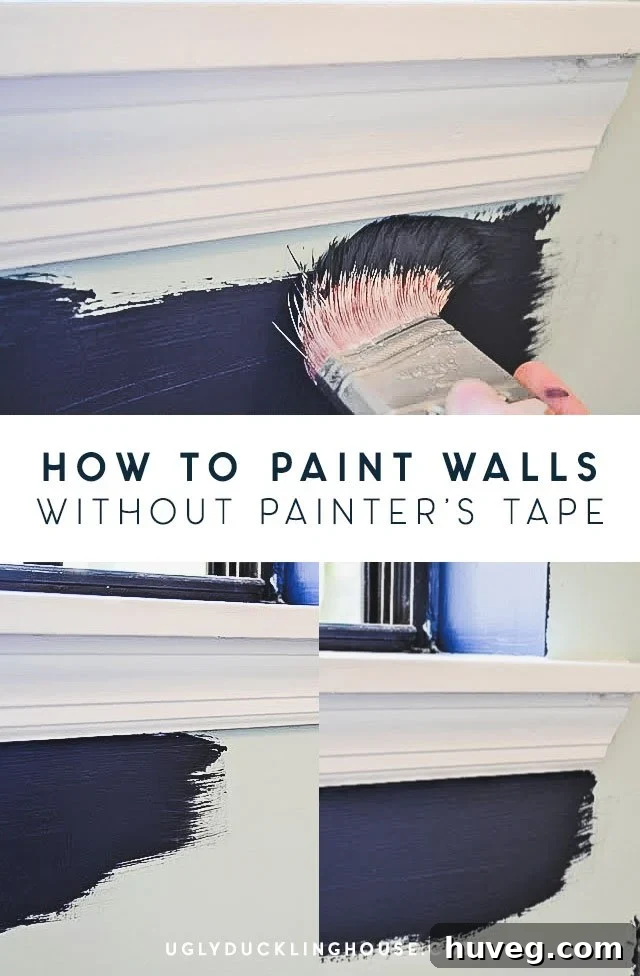
While many techniques exist for achieving sharp edges, they all share a common thread: practice. However, with the right approach and a few expert insights, you’ll be amazed at how quickly you can develop this invaluable skill. Forget the frustration of paint bleeding under tape or the laborious process of taping off every surface. Let’s dive into the method that seasoned DIYers swear by.
Mastering the Art of “Cutting In”: Achieve Flawless Edges on Walls, Ceilings, and Trim
The “cutting in” technique is fundamentally about using a specialized brush and careful control to create a straight, clean line where two surfaces of different colors meet, or where paint meets an unpainted surface like trim or a ceiling. It eliminates the need for painter’s tape, which can sometimes fail or even pull off fresh paint if not removed properly. Beyond saving time and money on tape, it often results in a cleaner, more integrated finish.
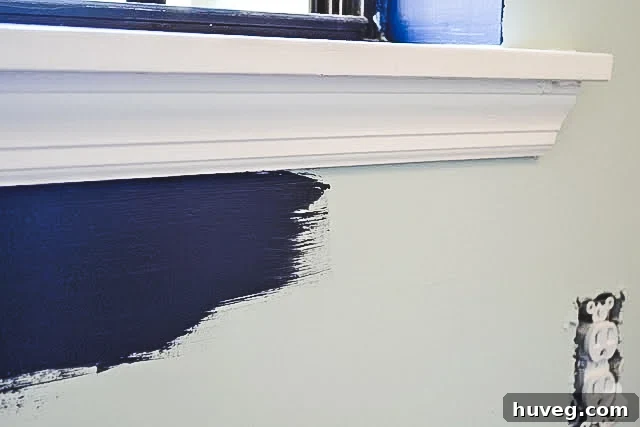
Essential Tools for Perfect “Cutting In”
Having the right equipment is half the battle when it comes to precision painting. Invest in quality tools, and they will serve you well for many projects to come. Here’s what you’ll need:
- High-Quality Angled Sash Brush: My absolute favorite angled brush for edging is crucial. The angled bristles allow for much greater control and the ability to reach into tight corners and along straight lines with precision. Look for one with a comfortable grip and synthetic bristles that hold paint well and release it smoothly. A 2-inch or 2.5-inch angled brush is typically ideal for most cutting-in tasks.
- Small Paint Container or Bucket: Dipping directly into a large paint can can contaminate your paint with dust or debris and is cumbersome, especially when working on a ladder. A smaller, handy container or paint pail with a built-in brush holder and a scraping edge is far easier to manage. It reduces the risk of spilling and allows you to load your brush efficiently without over-saturating it.
- Painter’s Rags or Wet Cloth: Always keep a damp rag nearby for quick clean-ups of any accidental drips or smudges. Speed is key for removing mistakes before they dry.
- Drop Cloths: Protect your floors and furniture from paint splatters.
- Stepladder or Extension Ladder: Ensure you have stable footing when working on ceilings or high walls. Safety first!
Step-by-Step Guide to Flawless Edge Painting: The “Cutting In” Method
1. Proper Brush Loading and Establishing Your Paint Reservoir
The journey to a perfect line begins with how you load your brush. Dip your angled brush into your paint container, ensuring that only about one-third to one-half of the bristles are submerged. Tap off any excess paint gently against the side of the container; avoid wiping too much off, as you need enough paint for control without drips. The goal is a loaded brush that’s wet but not dripping.
With your loaded brush, begin by creating a “paint streak” or reservoir on the wall, roughly a half-inch to an inch *below* the actual line you intend to paint. This initial swipe serves a critical purpose: it unloads the bulk of the paint from your brush onto the wall. This ensures that when you go to make your precision line, your brush isn’t oversaturated, preventing drips and allowing for finer control. The paint in this reservoir should be wet but not excessively thick or drippy – it will be your source for subsequent passes.
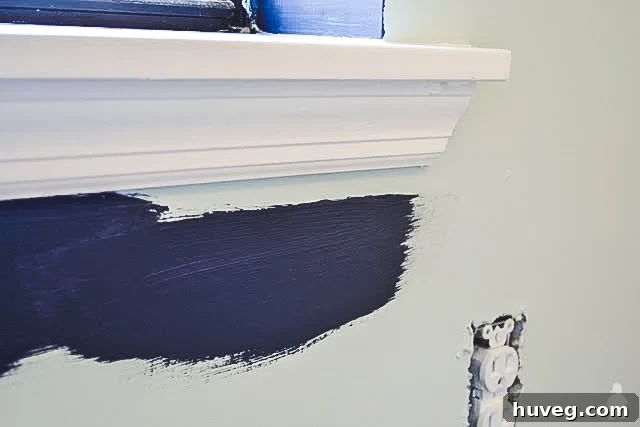
Now that you’ve effectively unloaded the majority of the paint onto the wall, this wet stripe becomes your immediate paint source. Instead of constantly dipping back into your paint container for the precision line, you’ll simply pick up paint from this pre-laid reservoir and drag it smoothly towards the edge.
2. Executing the Precise Line: The “Cutting In” Motion
This is where the magic happens. Position your brush with the angled tip facing the line you want to create. Start by lightly pressing the brush into the wet paint reservoir you just created. As you move the brush upwards (or sideways, depending on your edge), apply gentle, consistent pressure, allowing the bristles to slightly “smush” or fan out. The key is to let the very edge of the brush bristles create the line, using the adjacent surface (trim, ceiling) as a guide or a “fulcrum” for stability.
Move your hand and brush slowly and steadily. Do not rush. The slower you go, the more control you’ll have over the brush and the straighter your line will be. You’ll naturally get faster with practice. As the paint on your brush begins to thin out and the line becomes streaky, simply move your brush back down into the thicker, wet paint in your reservoir. Reload your brush from this spot on the wall and continue the motion along the edge. This technique ensures a continuous flow of paint and a consistent line without needing to return to your main paint container as frequently.
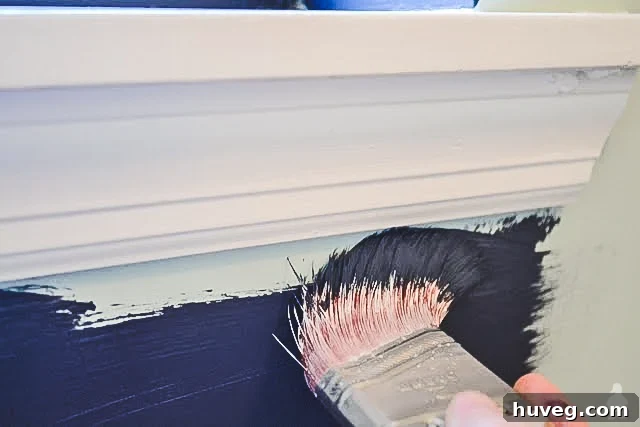
Maintain a consistent angle and pressure throughout the stroke. For ceilings, it often helps to brace your non-painting hand on the wall for added stability, especially if you’re on a ladder. For trim, you can often rest your pinky finger or wrist on the trim itself to act as a guide.
3. Embrace Initial Streaks: Perfection Comes in Passes
As you make your first pass, your primary focus should be on creating a straight, accurate line. It is perfectly normal and expected for this initial line to appear somewhat streaky or uneven in thickness. Do not worry about achieving full opacity or perfect smoothness on the first attempt. The goal here is accurate placement.
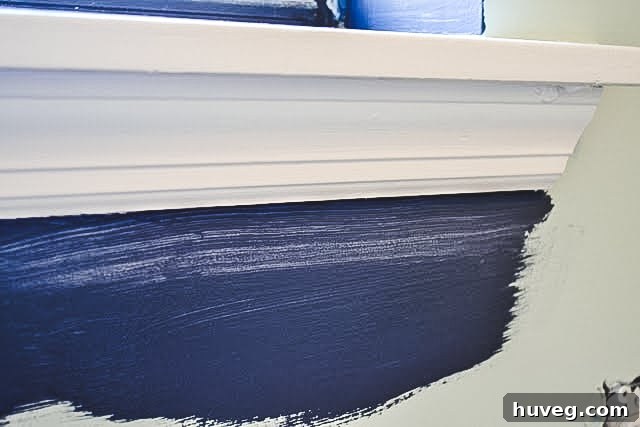
This initial pass lays the groundwork. Trying to get a perfectly opaque and smooth line in one go often leads to overloading the brush, drips, or losing control over the straightness. Trust the process; the subsequent steps will address the coverage and consistency.
4. Refining Your Line: Clean Up with More Paint
Once you have your straight baseline, it’s time to refine it. Load your brush again, as you did in step one, ensuring it’s not oversaturated. Now, make another pass over your initial, streaky line. This time, focus on smoothing out the paint, filling in any thin spots, and ensuring uniform coverage. Use a light touch, letting the bristles gently spread the paint evenly. You’re essentially “feathering” the paint along the edge to achieve a solid, crisp, and fully opaque line.
This second (or even third, if necessary) pass builds up the paint to the required thickness, eliminates streaks, and reinforces the straightness of your edge. Work in manageable sections, blending the freshly applied paint seamlessly with the areas you’ve already covered. The result will be a professional-looking, perfectly straight edge that seamlessly meets the adjacent surface.
Pro Tips for Enhancing Your “Cutting In” Skills
- Practice Makes Perfect: Don’t expect perfection on your first attempt. Choose an inconspicuous area, like inside a closet, to practice your technique before tackling a prominent living space.
- Maintain a Steady Hand: Deep breaths can help steady your hand. Some professionals even find it helpful to hum softly or listen to music to maintain a rhythmic, consistent pace.
- Work in Sections: Don’t try to paint an entire wall’s edge in one continuous stroke. Work in manageable sections, typically 2-3 feet at a time, allowing you to maintain control and keep the paint wet for blending.
- Wipe the Ferrule: Periodically wipe the metal band (ferrule) of your brush with a damp rag. Paint can build up here and drip, creating a mess.
- Natural Light is Your Friend: Use natural light to your advantage. It will highlight any imperfections or areas that need a second pass, making it easier to spot and correct them.
- Brush Care: Properly clean your brush immediately after use. Good quality brushes are an investment, and proper care ensures they last for many projects. Warm water and soap are usually sufficient for latex paints.
Common Mistakes to Avoid When Cutting In
- Overloading the Brush: Too much paint leads to drips and reduced control. Always tap off excess.
- Applying Too Much Pressure: Pressing too hard can splay the bristles, making it impossible to get a straight line and wearing out your brush prematurely.
- Rushing the Process: Patience is crucial. Slow, deliberate strokes yield better results than hasty ones.
- Inconsistent Paint Load: Failing to replenish paint from your reservoir or container regularly will result in streaky, uneven lines.
- Ignoring Preparation: While not directly about cutting in, ensuring your walls are clean, smooth, and primed will drastically improve the final look of your edges.
There you have it! Mastering “cutting in” requires a steady hand, a little concentration, and consistent practice, but the rewards are immense. You’ll save countless hours of taping and untaping, eliminate paint bleed, and significantly reduce material costs. More importantly, the immense satisfaction and pride of knowing you’ve achieved truly professional-quality painting skills are invaluable.
Ready to explore more transformative painting techniques and time-saving hacks for your next DIY project? Dive into our extensive collection of articles on the power of paint and expert DIY tips!