A Warm Welcome for Daisy

Unlocking the Secrets to Thriving Gerbera Daisies: A Comprehensive Guide
Gerbera daisies, with their vibrant, cheerful blooms, are a beloved addition to any garden or home. Their striking beauty and wide array of colors, from sunny yellows to fiery oranges and soft pinks, can instantly brighten up any space. However, their dazzling appearance often belies a somewhat particular nature, challenging even experienced gardeners. Like many enthusiasts, my journey with Gerbera daisies has been a mix of triumph and perplexity, a continuous learning curve that has taught me invaluable lessons about patience and plant care.
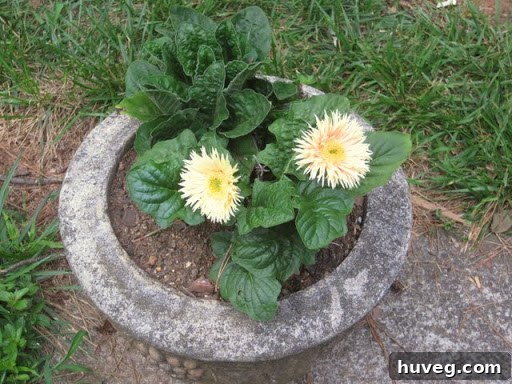
My recent experience began with planting four promising Gerbera daisies at the end of spring. It was an exciting endeavor, filled with the hope of a season brimming with their characteristic cheer. Yet, the unpredictable nature of gardening soon revealed itself. Out of the four, one plant unexpectedly “croaked” overnight. It was a sudden demise, leaving me wondering what could have gone wrong so quickly. This initial setback, however, was balanced by the resilience of its companions. The other three, after an initial period where their blooms faded, surprised me by growing back with renewed vigor, a testament to their inherent robustness under the right, or perhaps even slightly imperfect, conditions.
Even on a cloudy day, the spirit of a Gerbera daisy shines through, though its foliage may appear less vivid in muted light.
Understanding Gerbera Daisies: A Foundation for Success
To truly cultivate healthy and vibrant Gerbera daisies, it’s essential to understand their basic needs. Originating from South Africa, these perennials thrive in conditions that mimic their native environment: plenty of sunshine, well-draining soil, and consistent moisture without waterlogging. While they are often grown as annuals in cooler climates, with proper care and protection, they can happily return year after year, offering a continuous display of color and joy.
Choosing the Right Gerbera Daisy for Your Garden
When selecting Gerbera daisies, whether from a local nursery or a garden center, always opt for healthy plants. Look for vibrant green leaves, free from spots or yellowing, and sturdy stems. Avoid plants that show signs of wilting, pest infestation, or stunted growth. If possible, choose plants with a few unopened buds, as this indicates good health and promises future blooms. Consider the mature size of the plant and whether it is best suited for pots, borders, or mass planting in your garden design. Different varieties can offer slightly different growth habits and flower sizes, so a little research into specific cultivars can go a long way.
Essential Care Tips for Thriving Gerbera Daisies
The key to transforming a struggling Gerbera into a flourishing specimen lies in understanding and consistently providing for its fundamental requirements. From the moment they are planted, through their blooming cycles, and even during periods of dormancy, attentive care can make all the difference.
1. The Sunshine Equation: Light Requirements
Gerbera daisies are sun-worshippers. They perform best when they receive at least six hours of direct sunlight per day. In cooler climates, full sun is ideal. However, in regions with intense summer heat, especially afternoon sun, a location that offers some partial shade during the hottest part of the day can prevent their delicate petals from scorching and help prolong their bloom time. Insufficient light is a common reason for sparse flowering and leggy growth, so choose your planting spot wisely to maximize their sun exposure.
2. Watering Wisely: Moisture Management
Consistent watering is crucial for Gerbera daisies, but overwatering is their nemesis. The soil should be kept consistently moist but never soggy. Before watering, check the top inch or two of the soil; if it feels dry, it’s time to water. When watering, apply water directly to the soil around the base of the plant, avoiding wetting the foliage excessively, especially in the evening, as this can encourage fungal diseases. Proper drainage is paramount. If growing in containers, ensure pots have drainage holes, and use a well-draining potting mix. In-ground plants benefit from amendments that improve soil structure and drainage.
3. The Foundation: Soil Preferences
Gerbera daisies thrive in rich, well-draining soil with a slightly acidic to neutral pH (6.0 to 7.0). Heavy clay soils that retain too much moisture are detrimental and can lead to root rot, which was a likely culprit for my daisy’s sudden demise. Amend heavy soils with organic matter like compost, peat moss, or well-rotted manure to improve drainage and aeration. For container planting, a high-quality potting mix formulated for flowering plants or a mix specifically designed for good drainage is ideal. Ensure good air circulation around the root system.
4. Fueling the Blooms: Fertilization for Vibrant Color
This brings me to a point of personal reflection. After their initial regrowth, my Gerbera blooms seemed less colorful than before. This observation, combined with the general vigor of the plants, led me to suspect a nutrient deficiency. Gerbera daisies are relatively heavy feeders, especially during their active growing and blooming periods. A balanced, all-purpose liquid fertilizer, applied every 2-4 weeks during spring and summer, can provide the necessary nutrients. For enhanced bloom color and production, look for fertilizers with a higher phosphorus content (the middle number in the NPK ratio). Always follow the manufacturer’s instructions to avoid over-fertilizing, which can burn the roots and lead to more problems than it solves. Regularly feeding your daisies is key to maintaining those intensely rich and captivating hues that make them so appealing.
5. The Art of Deadheading: Encouraging Continuous Blooms
Deadheading, the practice of removing spent or faded flowers, is not just about aesthetics; it’s a vital part of Gerbera daisy care. By removing old blooms, you prevent the plant from putting energy into seed production and redirect that energy into creating new flowers. To deadhead effectively, cut the flower stalk back to the base of the plant, near the foliage, rather than just snipping off the flower head. This encourages new growth from the crown and promotes a more continuous and abundant display of blossoms throughout the season.
6. Pest and Disease Vigilance
Even with optimal care, Gerbera daisies can occasionally fall victim to pests and diseases. Common culprits include aphids, whiteflies, spider mites, and powdery mildew. Regularly inspect your plants for any signs of trouble. Early detection is key to effective management. For pests, a strong spray of water can dislodge them, or insecticidal soap can be used for more persistent infestations. For fungal issues like powdery mildew, ensuring good air circulation and avoiding overhead watering can help. Organic fungicides can be applied if the problem persists. Healthy, well-cared-for plants are generally more resistant to pests and diseases, so maintaining good cultural practices is your best defense.
Common Gerbera Daisy Problems and Solutions
Despite their charm, Gerbera daisies can present a few common challenges. Understanding these issues can help you quickly diagnose and treat problems, saving your plants from significant distress.
Why Did My Gerbera Daisy “Croak” Overnight?
The sudden death of a Gerbera daisy, as I experienced, is often attributed to root rot. This usually occurs when the plant sits in consistently waterlogged soil, depriving the roots of oxygen and leading to decay. Other factors could include a sudden and drastic change in temperature, exposure to severe frost, or an aggressive pest or disease at the root level. To prevent this, ensure excellent drainage and never let your plant sit in standing water. If transplanting, minimize root disturbance and water thoroughly but not excessively.
Blooms Died, Then Grew Back: A Sign of Resilience
The phenomenon of blooms dying back only to regrow is quite common with Gerbera daisies and often a sign of their inherent resilience. This can happen due to environmental stress such as extreme heat, drought, or even a period of intense cold that causes the plant to temporarily shut down flower production. Once conditions improve, the plant uses its stored energy to produce new foliage and subsequent blooms. This cycle emphasizes the importance of consistent care and protecting your plants from harsh conditions. It’s also a natural part of their blooming cycle; individual flowers don’t last forever, but the plant itself can keep producing new ones.
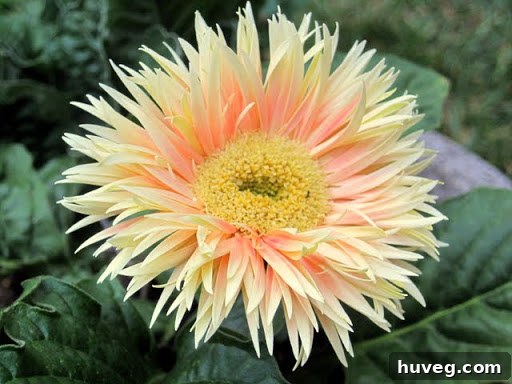
The return of fresh blooms is always a delightful sight, signifying a plant’s enduring strength and proper care.
Gerbera Daisies: Indoor vs. Outdoor Cultivation
While Gerbera daisies are traditionally grown outdoors, they can also make stunning houseplants with the right conditions. When grown indoors, they require a sunny window with at least 4-6 hours of direct light. Adequate humidity is also important, which can be provided by misting or placing the pot on a pebble tray. Watering should be done carefully to avoid overwatering, and ensure the pot has excellent drainage. Indoor plants may require less frequent fertilization. Outdoors, they thrive in full sun and well-draining garden beds or containers. Remember that they are not frost-hardy, so in temperate zones, they are often treated as annuals or brought indoors for winter protection.
My Ongoing Gerbera Journey: Lessons Learned and Hopes for the Future
Reflecting on my own Gerbera daisies, I’m genuinely hoping I can maintain their current health and encourage even more vibrant blooms. The one that died overnight was a tough lesson in understanding the critical need for perfect drainage. For the others, seeing their blooms die and then return was a reassuring sign of their inner strength, prompting me to be more diligent with consistent watering and deadheading. The subtle shift in their color intensity, however, has definitely spurred me to investigate my fertilizer regimen more closely. Perhaps a different formulation, specifically one richer in phosphorus, will help them reclaim their former glory and produce those strikingly colorful petals that first captivated me.
Gardening, especially with plants like Gerbera daisies, is a continuous process of observation, experimentation, and learning. It’s a journey that constantly reminds us that even with setbacks, there’s always an opportunity for growth and renewal. I wouldn’t hold my breath entirely, as garden surprises are always around the corner, but I do feel a bit more prepared and knowledgeable this time. Each bloom, each vibrant petal, is a small victory, and the resilience of these plants continues to inspire me.
Cultivating Joy, One Daisy at a Time
Gerbera daisies offer more than just beauty; they offer a lesson in perseverance and the rewards of dedicated care. By providing them with ample sunlight, appropriate watering, rich soil, and consistent nutrition, you can unlock their full potential and enjoy their breathtaking blooms season after season. Whether you’re a seasoned gardener or just starting, the cheerful presence of a thriving Gerbera daisy is a truly rewarding experience, transforming any space into a haven of natural artistry and vibrant life.
Did you enjoy this post and find these tips helpful? Please subscribe to get the latest updates delivered directly to your reader or inbox for free!