Night Shift Sowing: Rapid Spring Revitalization

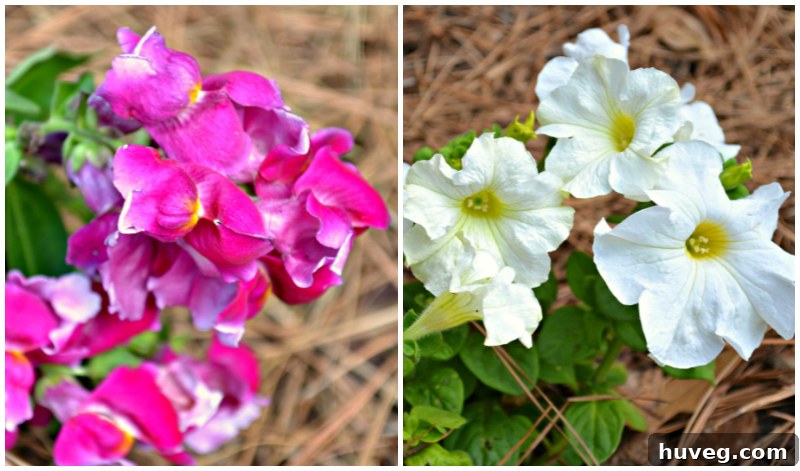
You know how it goes… you walk into Home Depot intending on grabbing another gallon of paint so you can finish up the living room windows… and then suddenly a bunch of 99-cent snapdragons jump into your cart. It’s a common tale for many home improvement enthusiasts and DIY gardeners – the magnetic pull of the nursery aisle is often too strong to resist, especially when spring is in the air. What starts as a focused mission can quickly transform into a delightful detour into the world of plants, promising vibrant colors and the fresh scent of blossoms. This particular day was no exception, as my well-intentioned paint run quickly evolved into an impromptu gardening adventure, a testament to the irresistible charm of blooming beauties and unbeatable prices.
Here’s how it went down: the plants were less than a buck each and vibrant purple, instantly catching my eye. The pot clearly stated they were “full sun” plants, which is precisely what my sun-drenched garden desperately needed. Living in Georgia, the relentless heat and direct sunlight are major considerations for any outdoor planting. There is absolutely no shade directly in front of the house, meaning anything I plant here has to be a true sun-lover, capable of thriving even under the most intense rays. On top of that, these resilient plants would also have to put up with a notorious plant killer like me. It’s true; my gardening style leans more towards hopeful neglect than meticulous care, so tough, low-maintenance varieties are always a win.
The charm of the bargain bin didn’t stop there. Petunias, another “full sun” variety according to the handy garden stick (I’m truly terrible at garden knowledge and rely heavily on these little guides to avoid plant casualties!), were also a mere 99 cents. It was as if they saw their snapdragon counterparts making their way into my cart and decided to join the party. I swear I had nothing to do with it; I just turned around, and they were there, nestled amongst the snapdragon containers, seemingly asking, “Can we come too?” And honestly, I didn’t have the heart to tell them they weren’t invited. This spontaneous expansion of my plant collection meant I was now the proud, albeit accidental, owner of 17 new plants, ready to bring an explosion of color to my front yard.
This impulse purchase underscored a valuable lesson in gardening: sometimes the best projects are the unplanned ones. The sheer affordability of these plants meant that experimenting with new varieties or filling empty spots in the garden didn’t require a significant financial commitment. For budget-conscious gardeners or those just starting out, finding high-quality plants at such low prices is a true treasure. It encourages spontaneity and removes the pressure of having to make “perfect” choices, allowing for more creative freedom and a more relaxed approach to cultivating a beautiful outdoor space. Moreover, the promise of cheerful purple hues from both snapdragons and petunias meant an instant uplift for my home’s curb appeal, transforming a blank canvas into a welcoming splash of vibrancy.
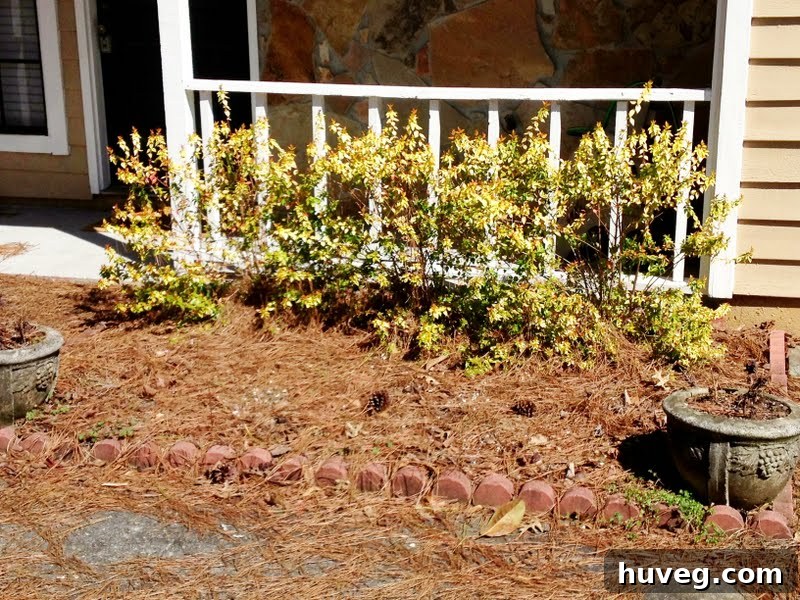
I was stopping into the store on my way home from work, and the clock was ticking. I knew I wouldn’t have much time to get them in the ground before the sun began its descent – perhaps thirty minutes to get home, let the dog out, and then plant all 17 individual plants. The weather was finally going to start warming up, promising the first real taste of spring after a long winter, and I was eager to capitalize on it. I figured I might be able to squeeze in a sprint in the remaining daylight and benefit from a (finally) spring-like garden view by morning. There’s something incredibly motivating about the approaching dusk, pushing you to complete a task, especially when the reward is a burst of natural beauty. The thought of waking up to a garden full of fresh color was all the motivation I needed to tackle this rapid planting mission. And if not, I’d have an interesting surprise the next morning when I headed out and could finally see if I spaced them correctly under the cloak of night. It was a gamble, but a fun one.
As you might have seen on Instagram, I didn’t exactly make it by sunset. Despite my best efforts and a rather hurried approach, I was three plants shy of getting everything into the dirt before I had to turn the porch light on and finish up the last few under its artificial glow. It wasn’t the ideal scenario for precision planting, and admittedly, I was a bit sloppy. But then again, we’re talking about digging in the dirt – a process inherently messy and wonderfully grounding – so I wasn’t all that concerned with things looking pristine. The goal was to get these delicate new additions into their new home, protecting them from the impending chill of the night and giving them the best possible start.
To give them a fighting chance, I threw down some free pine straw that just happened to be lying around (since, oh, the minute it fell from the pine tree). This wasn’t some elaborate mulching plan, but a practical, immediate solution to keep the newly planted petunias and snapdragons protected overnight. Pine straw is excellent for insulation, helping to retain soil moisture and regulate temperature, which is crucial for young plants. It also acts as a natural weed barrier, albeit temporarily in this quick setup. By the next morning, as the first rays of sunlight touched the garden, my rushed efforts paid off. Stepping outside, I was greeted not by bare earth, but by an unexpected and delightful burst of color, a vibrant testament to the power of spontaneous gardening. The garden, previously a somewhat dull patch, was now alive and buzzing with the promise of spring, all thanks to a few 99-cent plants and a little bit of after-work hustle.
This “quick & dirty” approach to gardening might not be featured in professional landscaping magazines, but it’s perfectly fine with me for now. It perfectly encapsulates the spirit of DIY – making do with what you have, when you have it, and celebrating the imperfections along the way. The immediate visual impact was fantastic, and it provided instant gratification for minimal effort and cost. This weekend, I’ll get a chance to uncover them properly and replace the temporary pine straw with a more permanent and aesthetically pleasing layer of proper mulch. This will not only enhance the garden’s appearance but also provide long-term benefits such as superior moisture retention, better weed suppression, and improved soil health. Selecting the right type of mulch, whether it’s cedar, cypress, or a decorative shredded bark, will add a finished look and further protect these resilient plants as they settle into their new environment.
But for a spur-of-the-moment decision and a frantic rush to plant after a long workday, this initial spring project of the year turned out remarkably well. It truly shows that gardening doesn’t always have to be a grand, meticulously planned affair. Sometimes, the most rewarding transformations come from an unexpected find, a low-cost opportunity, and a willingness to embrace a little bit of chaos. This project has injected a fresh wave of enthusiasm into my gardening endeavors, proving that even a notorious “plant killer” can cultivate beauty. It’s an inspiring reminder that anyone, regardless of their perceived green thumb status or budget, can bring life and color to their outdoor spaces. So, next time you find yourself at the home improvement store, keep an open mind – you never know what delightful, budget-friendly treasures might jump into your cart, ready to kickstart your next beautiful garden adventure!