Craft Your Raised Garden Oasis

Backyard Oasis in Progress: DIY Raised Garden Beds for Beauty and Boundary
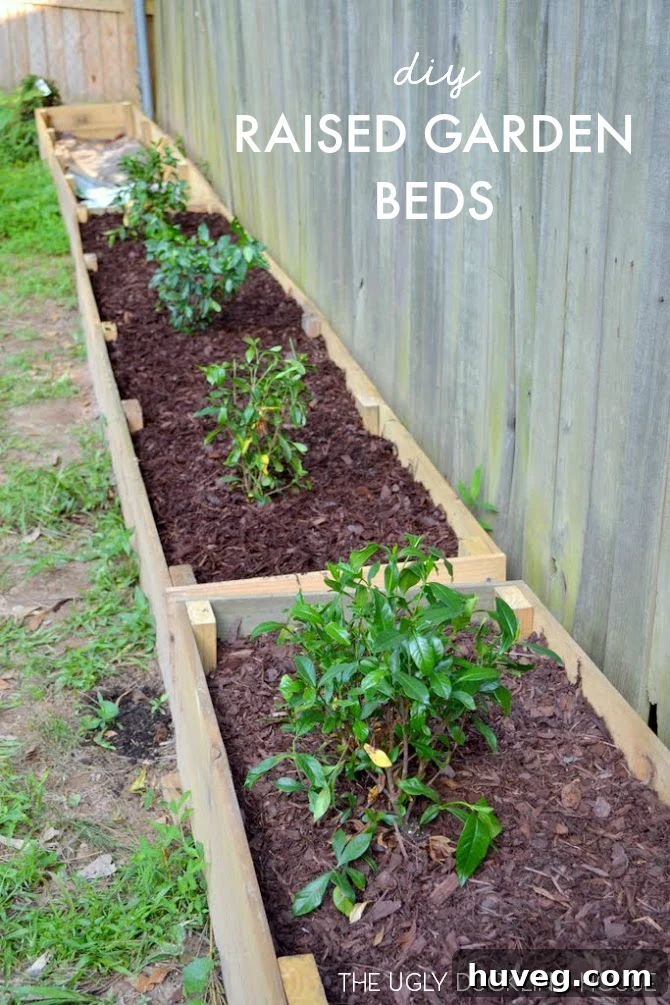
It’s always incredibly rewarding to see a long-awaited outdoor project come to life, and our backyard transformation is no exception! I’m thrilled to share a significant update on our DIY raised garden beds: two of the three planned beds are now fully constructed and planted. Watching this vision take shape, it’s clear that this decision was absolutely the right move for enhancing both the aesthetics and functionality of our outdoor space.
For those just joining the journey, let’s rewind a bit to understand the motivation behind these garden beds. The idea didn’t just sprout overnight; it was born from a combination of practical needs and a desire to elevate our backyard’s appeal. The initial challenges presented by an aging fence and a mischievous pup led us down this rewarding path of sustainable landscaping.
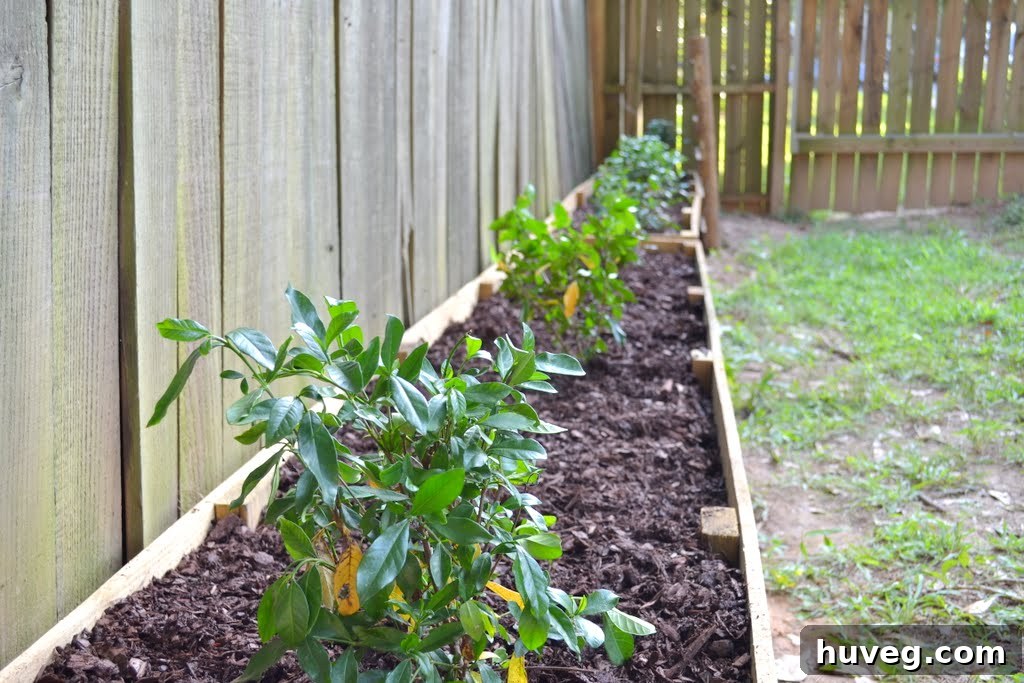
Addressing Backyard Challenges: An Aging Fence and a Puzzling Pup
A significant catalyst for this project was the deteriorating fence line bordering our property. As I’ve mentioned in previous updates, the fence to the right belongs to my neighbor, and it has undeniably seen better days. Years of weather exposure have taken their toll, but the most significant damage appears to be a direct consequence of bamboo being planted immediately next to its base. This serves as a crucial word of warning to any aspiring gardeners: resist the temptation to plant bamboo too close to any structure, especially a fence. Its aggressive root system can cause irreparable damage, leading to costly repairs and potential neighborly disputes.
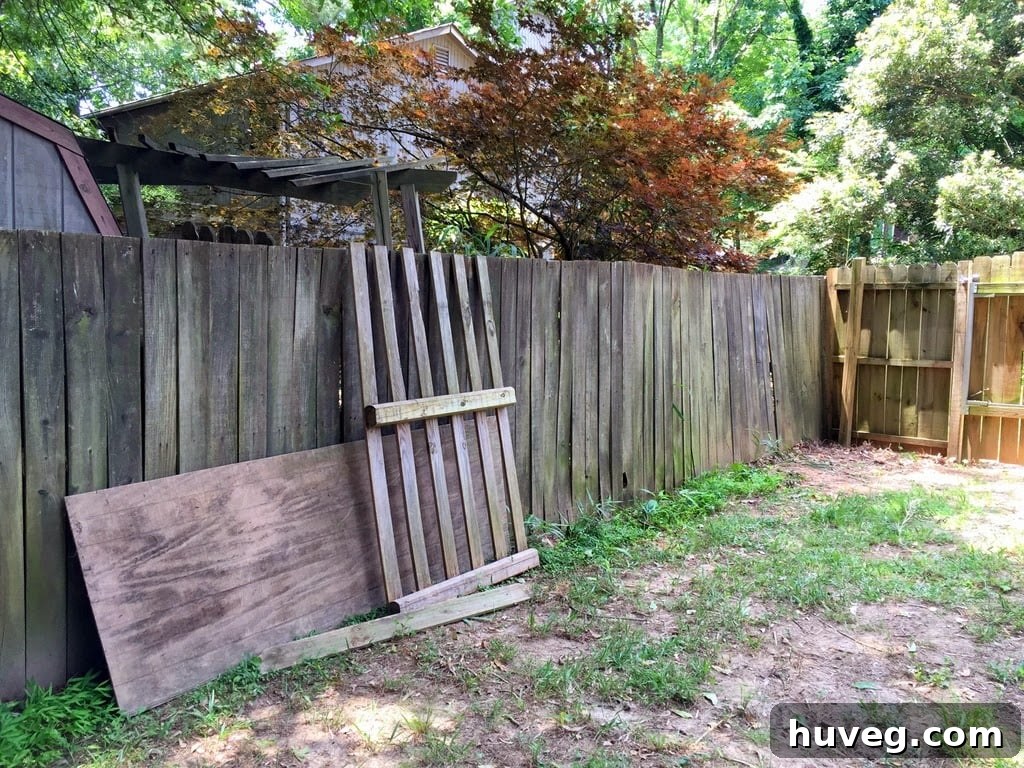
While the financial burden of replacing an entire section of a fence that isn’t mine isn’t appealing, I was determined to find a creative solution to improve its appearance and add some much-needed greenery to the area. Beyond the aesthetic upgrade, there was a secondary, equally important, motivator: our clever pup, Charlie. She has a particular spot along that fence line where she attempts to jump whenever she thinks no one is looking or if I’m inside. This persistent habit was, to put it mildly, quite annoying and required a robust, yet beautiful, deterrent.
Raised garden beds quickly emerged as an ideal solution. Not only would they introduce lush foliage and hide the less-than-perfect fence, but their elevated structure would also create a physical barrier to discourage Charlie’s adventurous jumps. The timing was perfect, as I had a significant stash of old fence boards salvaged from my sister’s own fence project. I had used some of these materials for my own fence repairs, but there was still plenty left over – making this an incredibly cost-effective and sustainable endeavor.
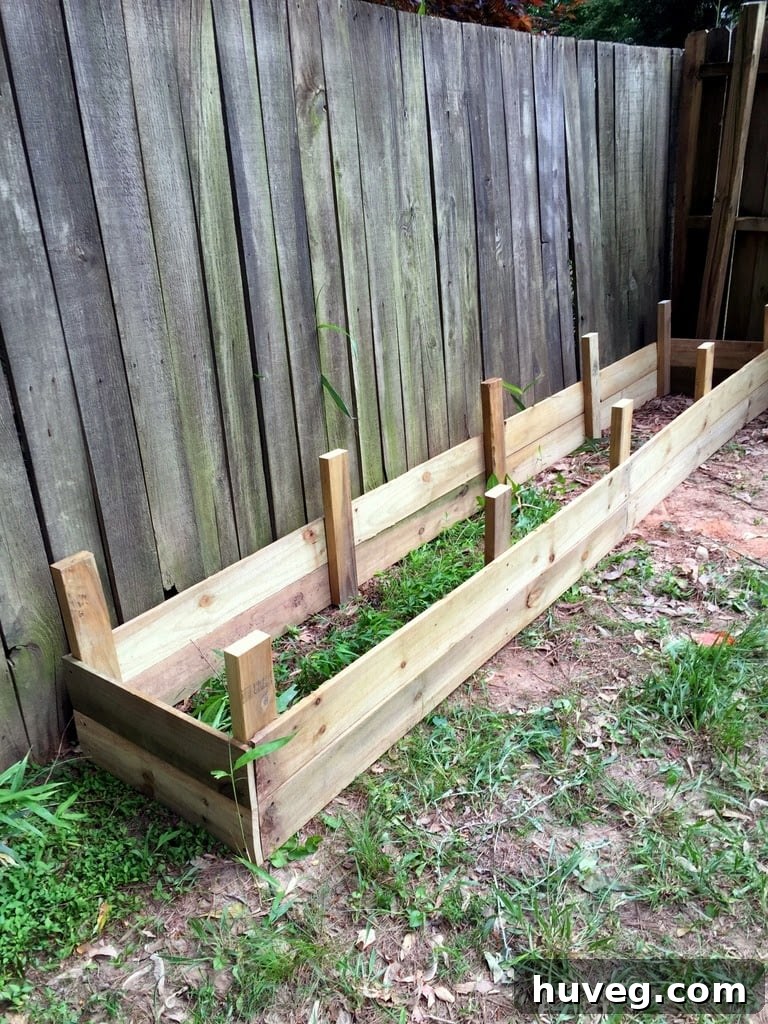
Sustainable Building: Reusing Materials and Embracing Lasagna Gardening
Working with salvaged materials, especially fence boards that had been exposed to the elements, presented its own set of minor challenges. Many of the boards were slightly warped, but their rustic character only added to the charm of the finished garden beds. More importantly, they were structurally sound enough to get the job done efficiently. The most appealing aspect was the almost zero cost involved in the construction itself. This project became a testament to the power of repurposing, as the only significant purchases required were the plants themselves, the final layer of nutrient-rich topsoil, and a few bags of decorative mulch for the surface. This approach significantly reduced the overall expense, proving that beautiful landscaping doesn’t have to break the bank.
The majority of the beds were filled using the incredibly effective and eco-friendly “lasagna gardening” technique. This method involves layering organic materials such as cardboard, newspapers, leaves, grass clippings, and other leftover yard debris. Over time, these layers break down, creating a rich, fertile soil that dramatically improves drainage, suppresses weeds, and provides a sustainable environment for plants to thrive. It’s a fantastic way to utilize what you already have, turning waste into valuable garden resources. This technique saved countless bags of expensive garden soil and significantly reduced the amount of organic waste going to the landfill, aligning perfectly with our sustainable gardening goals.
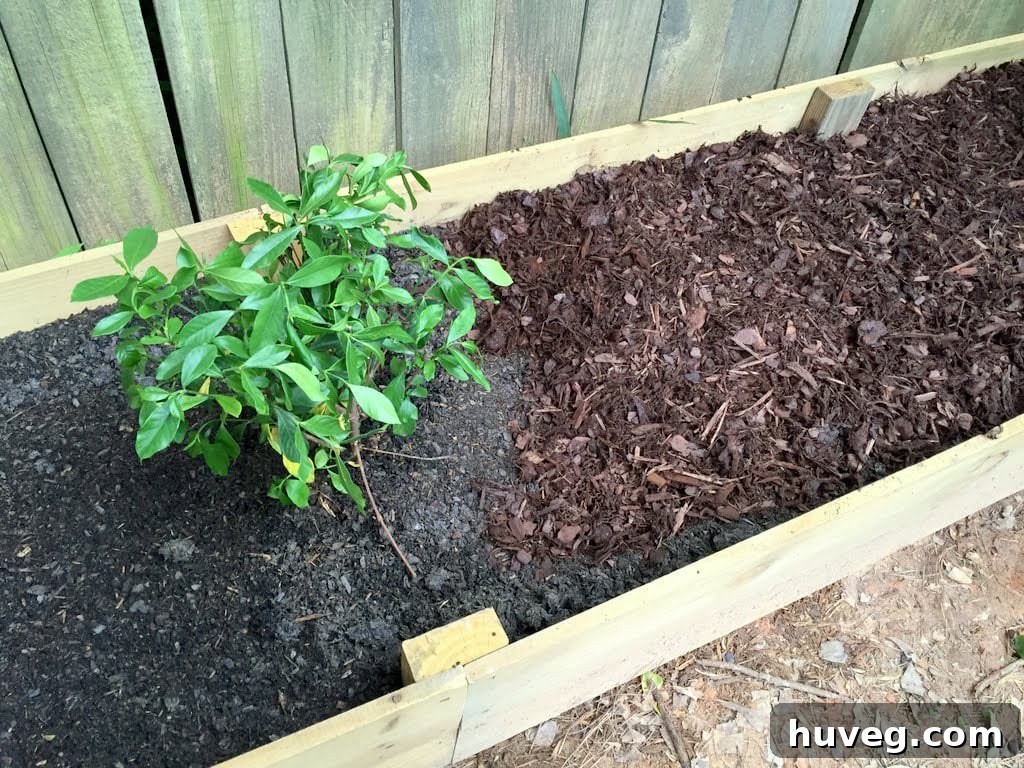
Cultivating Beauty: Selecting the Perfect Plants for Our Backyard Sanctuary
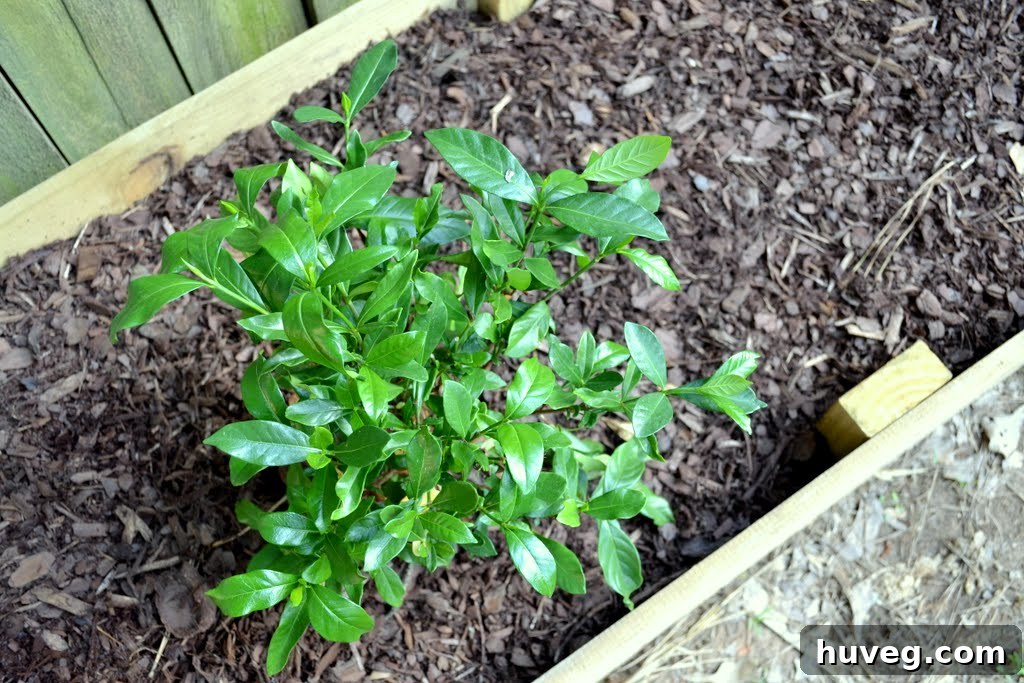
Choosing the right plants for these new raised beds was a decision carefully weighed against several factors, including aesthetics, maintenance, and suitability for our climate. Gardenias quickly rose to the top of the list. They hold a special place in my heart, reminding me of the beautifully fragrant shrubs that grew in the backyard of my childhood home with virtually zero maintenance. Their vibrant green foliage and exquisitely fragrant white blooms make them an irresistible choice.
Beyond nostalgia, gardenias offered practical advantages. This particular variety is known for growing tall and wide, meaning I wouldn’t need an excessive number of plants to create a full, lush hedge effect along the fence line. While other options like azaleas and hydrangeas were considered, they didn’t quite fit the bill. Hydrangeas, though beautiful, aren’t evergreen, leaving bare spots in winter. Azaleas, while colorful, tend to remain squat and can appear a bit scraggly when mature, which wasn’t the desired look for a dense, elegant barrier. The evergreen nature and robust growth habit of gardenias sealed their selection as the perfect fit for this prominent location.
The Mulch Marathon: A Resourceful Approach to Filling the Beds
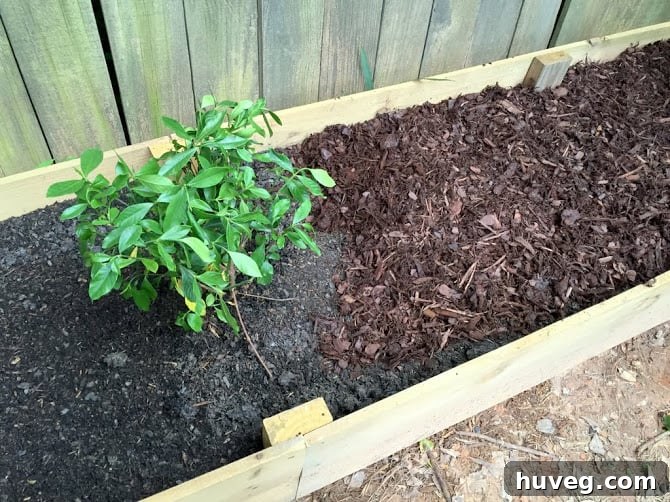
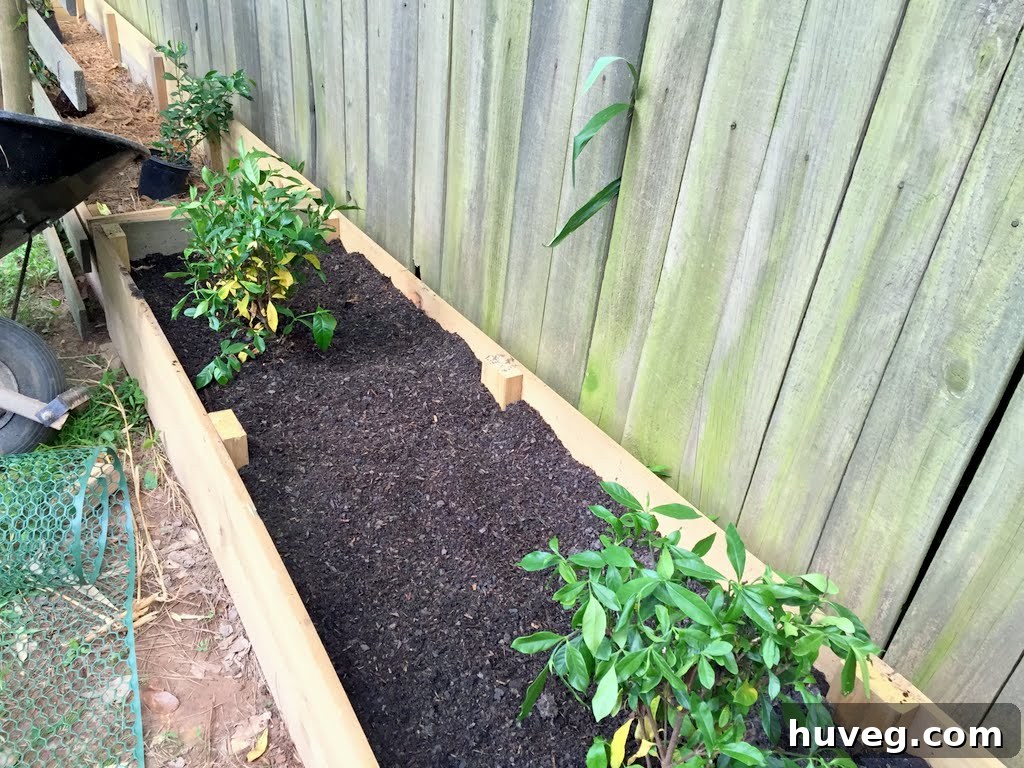
After the gardenias were strategically planted, the next significant task was filling the beds to the brim, a process that proved to be quite the marathon. Fortunately, we had an ample supply of pine mulch on hand, a beneficial byproduct from the large pile created when I removed several trees earlier this year. This not only provided a free and organic filler but also helped to cycle resources within our own yard, further enhancing the sustainable nature of the project.
The most efficient method I discovered for transporting and distributing this mulch was to utilize Charlie’s frequent outdoor excursions. Whenever she needed a potty break, I’d seize the opportunity to fill a wheelbarrow. This turned what could have been a monotonous chore into a regular, manageable routine, avoiding the grueling effort of trying to do it all at once. Of course, I made sure to avoid the scorching mid-afternoon heat and any periods after dark, making the task as comfortable as possible.
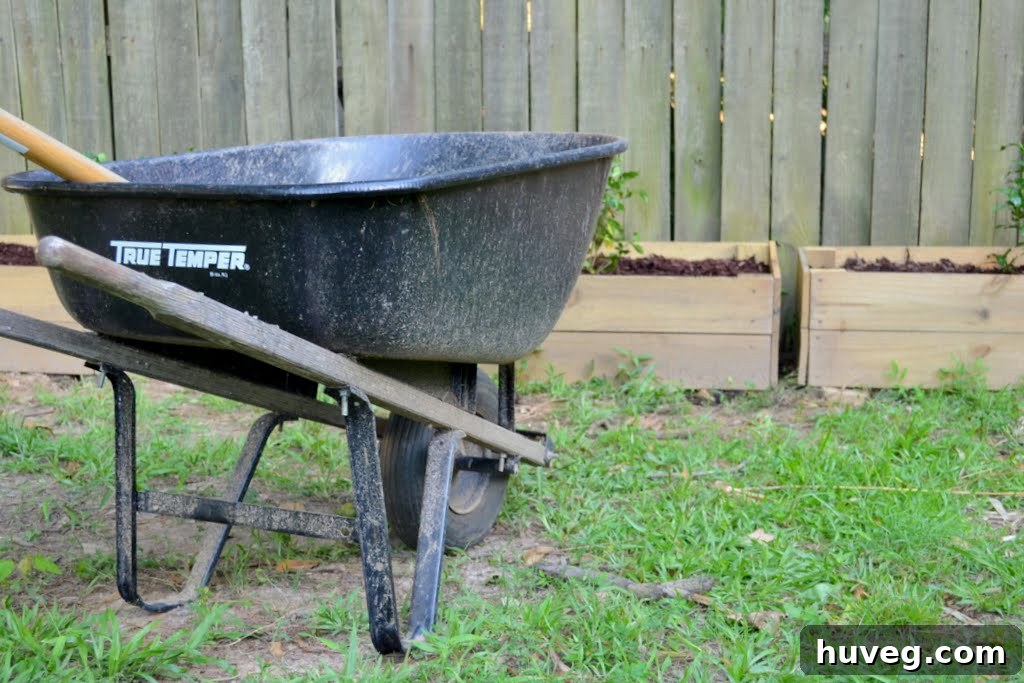
Each of the raised beds required a substantial amount of material – roughly four to five full wheelbarrows each – to reach the desired level for optimal plant growth and aesthetic appeal. This meant that Charlie’s “potty breaks” indirectly contributed to quite a few trips back and forth, slowly but surely transforming empty beds into vibrant new planting spaces. It was a true team effort, even if one member was entirely unaware of her invaluable contribution!
Nearing Completion: The Final Touches and a Pet-Proofing Plan
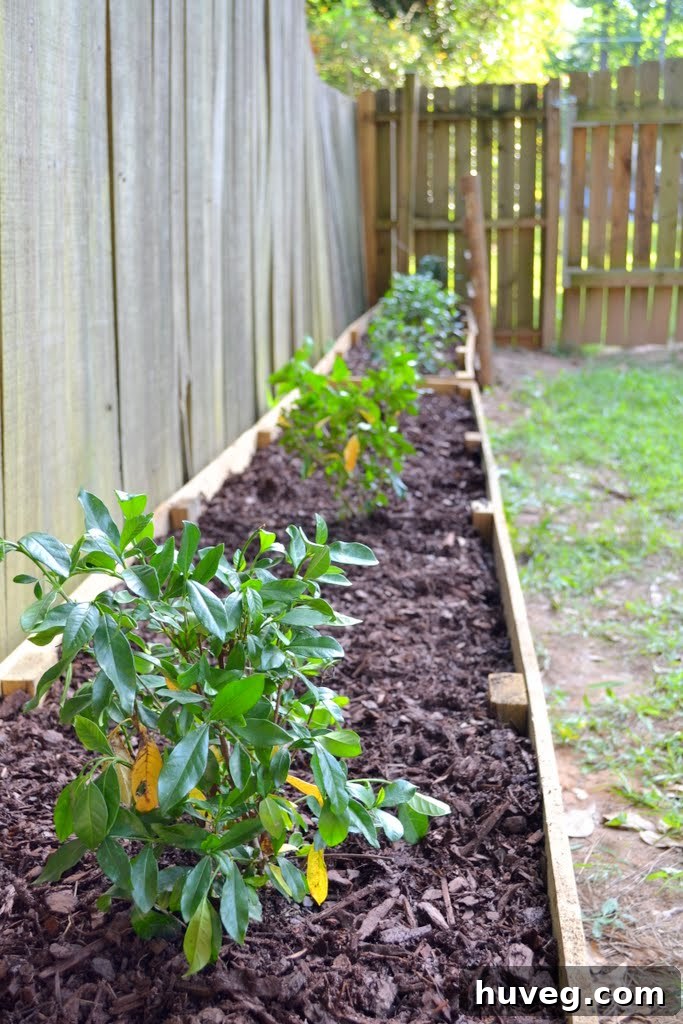
With two beds successfully completed, only one remains. Fortunately, this final bed is the shortest of the three, so I anticipate little trouble getting it fully filled and ready for planting by the upcoming weekend. The sense of accomplishment is tangible as we get closer to realizing the complete vision for this side of the backyard.
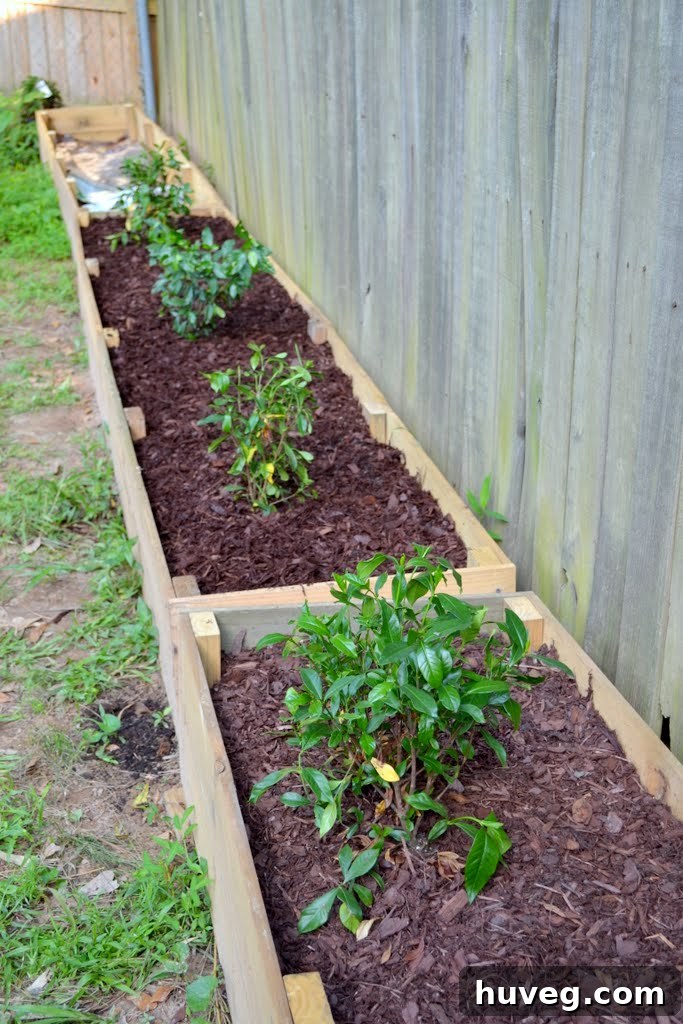
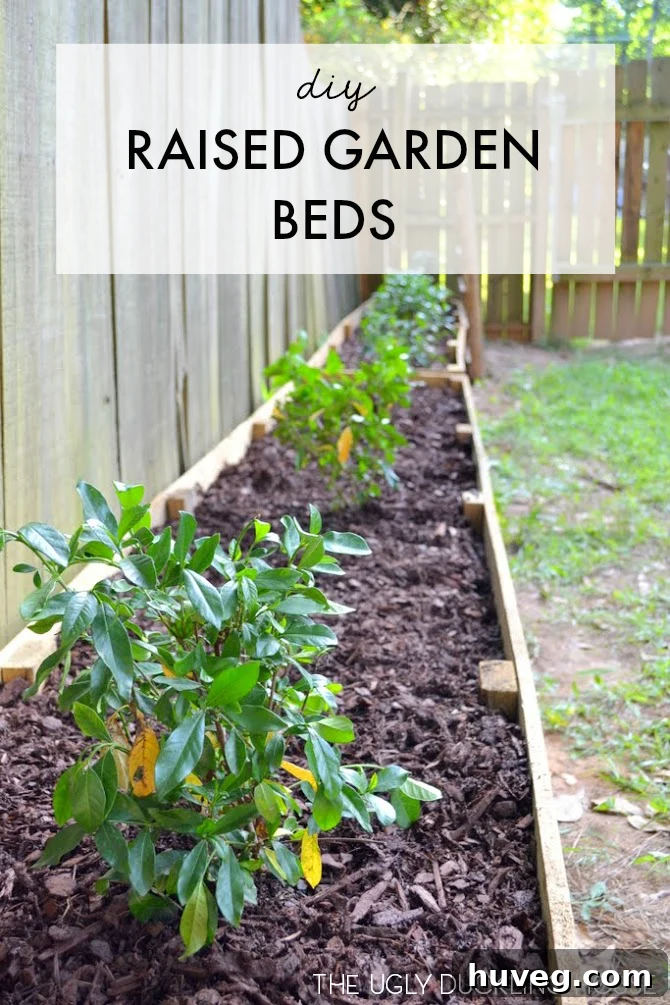
Sourcing the plants has been a slight adventure. During my last trip, Lowe’s only had six of the nine gardenia shrubs I needed to complete the entire project. This means I’m still on the hunt for those final three plants to fill the remaining bed once its base layer of mulch is in place. The bed closest to the gate is strategically the most important from Charlie’s perspective, as it directly addresses her favored jump-point. I used this as my starting point, spacing each plant approximately three feet apart. My hope is that as they mature, these gardenias will grow together to form a beautiful, dense hedge, effectively creating a natural and impenetrable barrier.
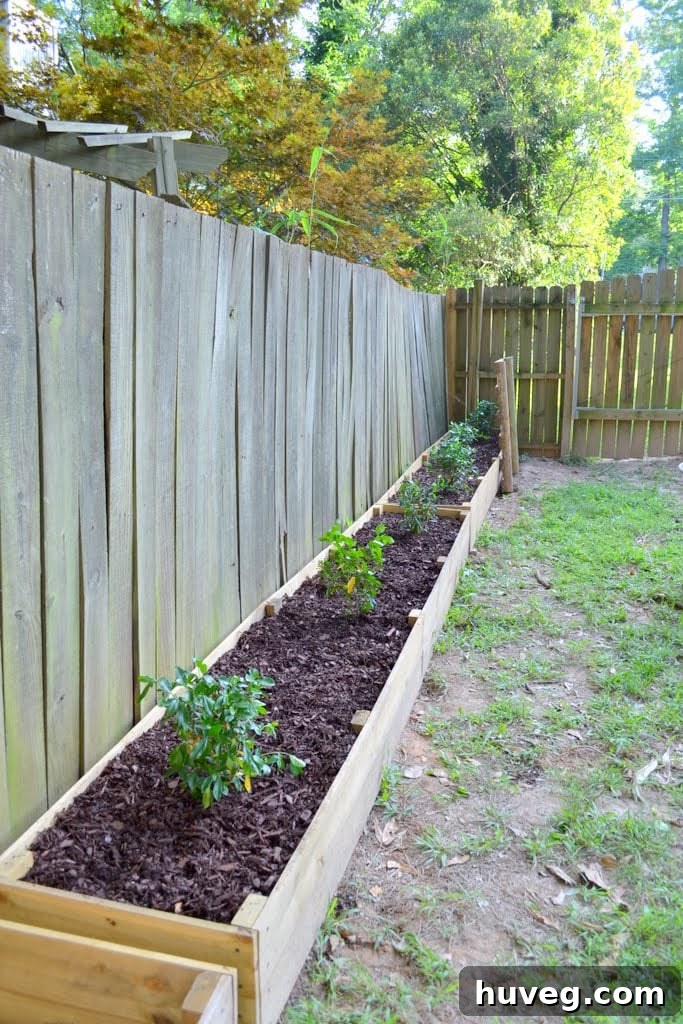
Until these young gardenias have sufficient time to establish and grow into that protective hedge, I still need a temporary solution to keep Charlie safely homebound. For now, I’ve strategically propped a section of an older pallet into place at the end of the bed. It might not be the most elegant immediate solution, but it effectively keeps her from attempting to clear the fence. While I have a plan to DIY a more permanent and aesthetically pleasing barrier soon, this temporary fix is saving me a lot of headaches, and for that, I am incredibly happy!
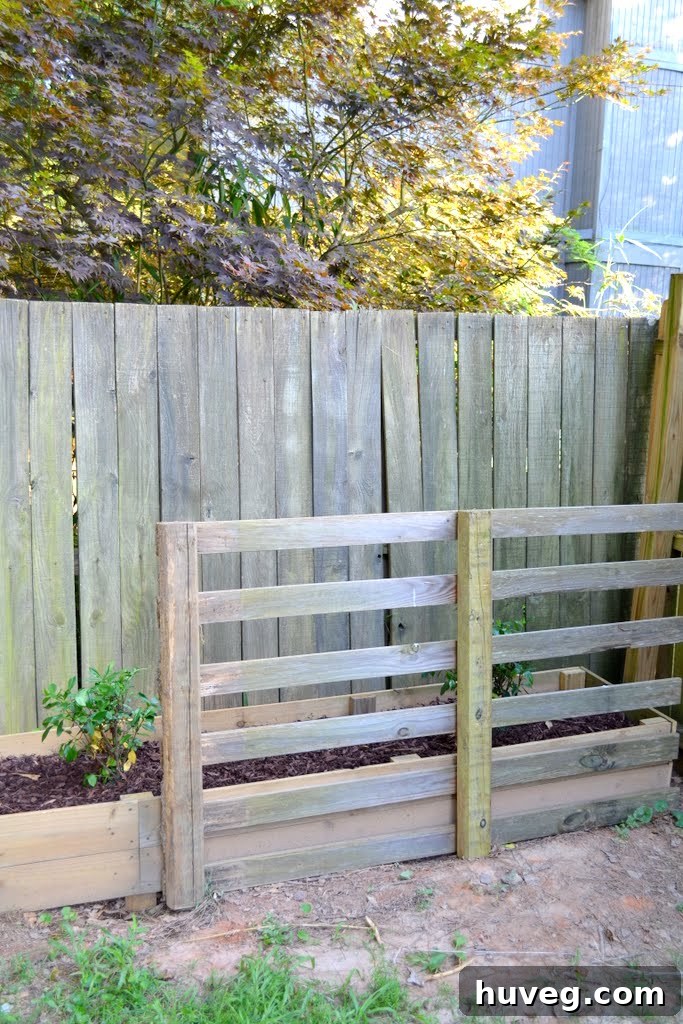
I’ll be sure to share more details on that upcoming DIY project once it’s complete. For now, it feels incredibly good to be this far along with my outdoor project goals for the summer. The backyard is steadily transforming into the beautiful and functional space I envisioned, proving that with a little creativity and elbow grease, significant improvements are always within reach. What exciting projects have you been tackling in your own home or garden?