Optimized Craft Room Designs

Transforming a Tiny Space: Ultimate Craft Room Design & Organization Ideas
Every passionate crafter dreams of a dedicated sanctuary where creativity can truly flourish, a space free from the distractions of daily life and brimming with inspirational potential. After the exhilarating fresh paint job in my craft room, the time has come to shift focus from mere aesthetics to achieving ultimate functionality. For too long, an old, paint-stained folding table has served as my primary workspace—a testament to sheer determination, but hardly a beacon of efficiency or comfort. It’s undeniably clear that a major overhaul is needed to unlock the full potential of this precious creative corner.
The vision is ambitious: to design a craft room that not only accommodates a multitude of projects but actively inspires new ones, fostering an environment where ideas can take physical form. Several critical issues demand immediate attention. Firstly, there’s a dire need for more integrated and intelligent storage solutions to tame the growing collection of supplies. Secondly, a significantly larger and more versatile surface area is crucial for various crafting tasks, from cutting fabric to assembling intricate pieces. Finally, the creation of distinct, dedicated zones for different crafting functions—such as paper crafts, jewelry making, or sewing—is essential for streamlined workflows. This transformation isn’t just about tidying; it’s about meticulously engineering an optimized environment that nurtures passion projects and maximizes creative output.
Planning the Layout: Maximizing a Compact 10×10 Craft Room
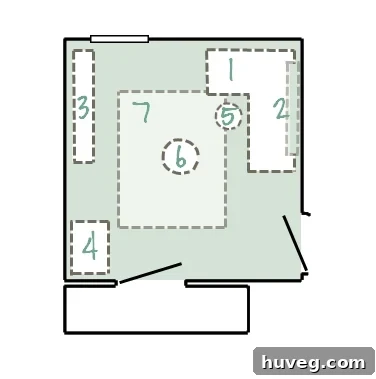
The inherent challenge in this endeavor is amplified by the room’s humble dimensions: a mere 10 feet by 10 feet. This compact footprint, while intimate, absolutely necessitates intelligent, space-saving design to prevent creative endeavors from overflowing and encroaching upon other areas of the home. With a plethora of projects eagerly awaiting execution, every single square inch must be thoughtfully considered and meticulously utilized. After spending considerable time analyzing a blank floorplan, meticulously weighing flow, ergonomics, and aesthetic potential, a coherent and exciting vision for this small craft room has finally emerged. This comprehensive plan meticulously addresses both practical needs and aesthetic desires, ensuring that the finished space will be both wonderfully inspiring and incredibly efficient, a true haven for creative exploration.
Craft Room Mood Board: Visualizing the Dream Space and Design Cohesion
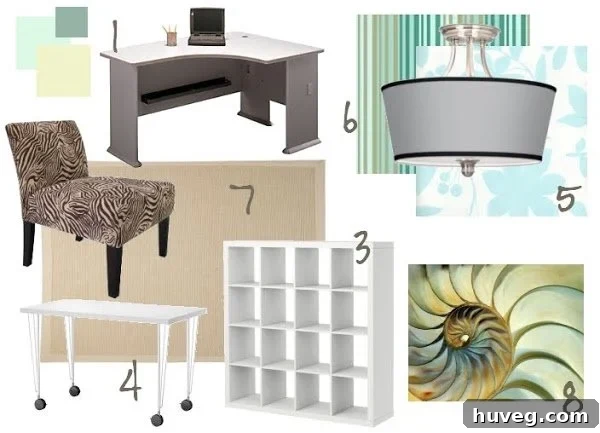
Much of the core inspiration for both this carefully devised floorplan and the accompanying mood board stems directly from a previous post where I extensively explored various craft room ideas and drew inspiration from existing successful designs. The discovery of examples with remarkably similar room shapes made the initial design phase surprisingly straightforward, providing an invaluable and robust foundation upon which to build. A mood board, in this context, proves itself to be an indispensable tool; it allows me to visually consolidate potential color schemes, furniture styles, textures, and accessory ideas, thereby ensuring a cohesive, harmonious, and truly personalized final design. It’s far more than just a collection of pretty pictures; it serves as a strategic and living guide for every single decision, from the selection of paint swatches to the final fabric choices for upholstery, ensuring every element aligns with the overarching vision.
Key Elements for a Highly Functional and Inspiring Craft Room
1. The Essential Craft Desk: A Dynamic Hub for Uninterrupted Creativity
The first and arguably most crucial element in any productive craft room is a robust, ergonomic, and highly functional workspace. My current, makeshift folding table simply doesn’t cut it anymore; it lacks the stability, space, and organizational potential required for serious crafting. A brand new craft desk, specifically an L-shaped design, sits prominently at the very top of my priority list. This innovative configuration is paramount for maximizing the often underutilized corner space, thereby providing ample surface area crucial for managing various projects simultaneously without overwhelming the room’s compact dimensions. I’ve been diligently researching several promising options (which I promise to delve into in a separate, dedicated post), each carefully vetted to ensure a perfect fit into the room’s right corner. This significantly expanded surface will not only comfortably accommodate my laptop for research, tutorials, and digital design work, but will also house stylish, small containers designed for keeping frequently used, aesthetically pleasing items neatly organized and always within arm’s reach. The overarching goal is to create a workspace that is both visually inspiring and supremely efficient, facilitating seamless transitions between different crafting activities and fostering an environment where ideas can flow freely.
2. Smart Overhead Storage Solutions: Harnessing Vertical Space for Organization
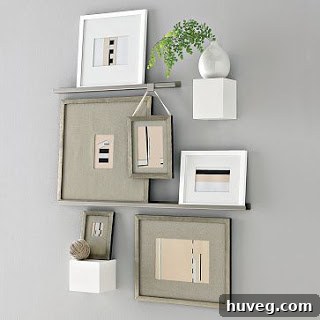
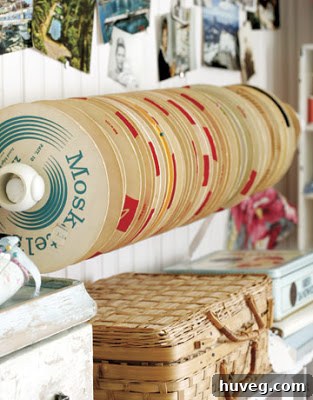
In a small room where floor space is a premium, embracing and optimizing vertical space is absolutely critical. Above the primary craft desk, I envision implementing a strategic system of overhead storage, meticulously designed to keep essential supplies accessible yet neatly out of the way. I’m actively exploring several innovative solutions, but one particularly appealing idea involves installing two or three sleek, modern picture ledges. These aren’t merely for displaying photos; they offer the perfect display and accessible storage solution for my extensive rubber stamp collection, keeping them visible, perfectly organized, and instantly ready for use. Below these ledges, I plan to ingeniously integrate a custom ribbon holder. This brilliant addition will finally liberate my diverse collection of ribbons from their current dusty, cumbersome wooden box, presenting them in an aesthetically pleasing, organized, and effortlessly accessible manner. This vertical organization strategy is key to ensuring that essential tools and supplies are always at hand, fostering an uninterrupted creative flow and maximizing the room’s storage potential without sacrificing precious work surface.
3. Versatile Large Storage Unit: The Core of Craft Room Organization
To the left of the room’s single window, a substantial and highly versatile storage unit will be absolutely essential for housing the bulk of my diverse crafting supplies and materials. Whether this piece is ultimately purchased ready-made or ambitiously built from scratch (a daunting yet exciting prospect!), this unit needs to be both capacious and adaptable, capable of evolving with my crafting needs. The iconic IKEA Expedit unit (now famously known as Kallax) serves as an excellent model for inspiration, brilliantly demonstrating how open shelving can provide organized yet incredibly accessible storage without feeling cluttered. While I realistically anticipate the room will still see its fair share of creative “mess” during active projects, I’m not entirely ruling out the possibility of a unit with some integrated doors for discreetly hiding less aesthetically pleasing items or works-in-progress. However, I am particularly drawn to the vibrant potential of open cubbies, especially if I use carefully color-coordinated storage boxes, baskets, and folders to inject a dynamic burst of color and personality, creating a “punchy” and visually cohesive look that perfectly complements the overall room design and mood board. This large storage unit will undoubtedly be the backbone of my craft room organization, ensuring every tool, material, and ongoing project has its designated, easily retrievable home.
4. The Mobile Workstation: A Flexible and Indispensable Extra Table
Depending on the final design and footprint of the main craft desk, an extra small table might transition from a mere consideration to an indispensable addition to my craft room. This incredibly versatile piece would be stored discreetly in a corner when not actively in use, yet easily and smoothly rolled into the center of the room thanks to its carefully selected caster wheels. Its inherent mobility is the key feature, allowing for crucial 360-degree access—an absolute game-changer for larger projects such as cutting expansive fabric pieces, assembling intricate multi-part crafts, or facilitating collaborative work sessions. These are tasks that would prove cumbersome or even impossible on a static, larger desk. I don’t foresee sitting down while utilizing this secondary table; therefore, it will likely need to stand a bit taller than the main desk, promoting a more active, standing working posture which can be beneficial for certain tasks. A sturdy, tiny pub table, cleverly modified with robust wheels, could very well be the perfect, custom-fit solution. This sounds like an ideal candidate for a budget-friendly, treasure-hunting expedition to Craigslist or a local Goodwill store, embodying both practicality and the charm of upcycling.
5. Comfortable Seating: Crafting in Style and Sustained Comfort
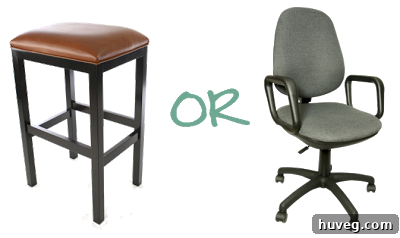
Long, intensive crafting sessions absolutely demand comfortable and supportive seating to prevent fatigue and ensure maximum creative output. A cushy, ergonomically designed chair is therefore not just a luxury, but an absolute essential in my new craft room. The primary dilemma remains whether to opt for a traditional, adjustable desk chair or a more versatile stool. Each option presents its own unique merits and drawbacks, largely depending on the final height of the main craft desk and the specific nature of the tasks I’ll be performing. I’m currently immersing myself in exploring various delightful fabric options for upholstery, envisioning a personal and tactile touch that truly reflects my individual style and injects personality into the space. This could involve anything from a serene, calming teal to a wonderfully vibrant geometric pattern, or even something completely unexpected, fun, and daring, like an eye-catching animal print – a quirky nod to adventurous and uninhibited creativity! The right chair isn’t merely a place to sit; it’s an integral component of the creative comfort zone, a supportive perch from which countless projects will come to life.
6. Optimal Lighting and Ambiance: The Perfect Ceiling Fan Upgrade
The current ceiling fan is as ancient as the house itself and, quite frankly, exhibits an alarming and distracting wiggle with every spin – definitely not conducive to focused or precise crafting! This unfortunate situation, however, presents an exciting and unparalleled opportunity to upgrade not just the room’s airflow and temperature regulation but also its overall aesthetic and crucial lighting scheme. While I’m strongly leaning towards incorporating something fun and perhaps a little quirky to infuse a distinctive personality into the space, the exact direction for the fixture’s design is still being carefully deliberated. A large, dramatic shade, perhaps adorned with a fun fabric, could potentially serve as a stunning focal point, providing both essential ambient light and a vibrant burst of stylistic flair. However, the valid concern about it potentially looking dated in a short period is a serious consideration. The key objective is to strike a perfect balance between timeless elegance and a playful, personal touch, ultimately ensuring the chosen lighting fixture contributes significantly to creating a bright, well-ventilated, and continuously inspiring atmosphere for all crafting endeavors, no matter how intricate.
7. Durable and Easy-to-Clean Flooring: Preparing for Creative Messes with Style
Carpet and active craft projects are, unequivocally, a recipe for disaster. Spills, errant glue drops, persistent glitter, and stray paint drips are not just possibilities but inevitable occurrences in a frequently used craft room, making carpet a highly impractical and frustrating choice. Therefore, the installation of either durable hardwood or resilient laminate flooring is a non-negotiable step in this comprehensive room transformation. Both options offer superior durability, are significantly easier to clean than carpet, and provide invaluable peace of mind during even the messiest creative processes. To introduce warmth, enhance comfort, and add an extra layer of protective charm, I plan to place a strategically chosen rug in the center of the room. This particular rug from IKEA is not only remarkably affordable (thus significantly reducing the heartbreak factor should a major spill occur), but also perfectly embodies a relaxed, inviting, and subtly beachy vibe that aligns beautifully with my desired aesthetic for the space. It’s all about creating a beautiful and inspiring environment that can also robustly withstand the realities and joyful chaos of passionate crafting.
8. Inspirational Artwork: Fueling Creativity and Personalizing the Space
No truly creative space is complete or fully realized without the presence of inspiring artwork. Visual stimuli can significantly boost imagination, provide a calming or energizing backdrop for projects, and personalize the environment. I am keen to select pieces that resonate deeply on a personal level and effectively tie the room’s overall design together. A captivating shell photograph from art.com has particularly caught my eye. Its intricate spirals and serene, organic colors beautifully pick up the newly painted wall color and introduce additional subtle hues that I plan to incorporate throughout the room’s decor. Such artwork isn’t merely decorative; it serves as a profound source of contemplation, a gentle yet powerful reminder of the inherent beauty in creation, perfectly complementing and enhancing the vibrant creative energy of the craft room. It’s about surrounding myself with visual cues that ignite imagination and provide a sense of peace.
Bringing the Craft Room Vision to Life: A Journey of Design and Dedication
So, what are your thoughts on this comprehensive and ambitious plan for transforming my small crafting corner? Does the whimsical idea of “zebras on a beach” resonate with a delightful paradox that fuels creativity, or perhaps strike you as a step too far into playful eccentricity? This entire process has been my very first immersive foray into creating a detailed “mood” or “room” board, and to honestly say I’m pleased with the outcome would be an understatement! It’s an incredibly satisfying and empowering feeling to witness such a clear and vibrant vision emerge from what was once just a blank, uninspired slate.
Transforming a compact 10×10 space into a highly functional, meticulously organized, and aesthetically pleasing craft room is undoubtedly a journey that demands careful planning, creative problem-solving, and thoughtful selection at every turn. Every single decision made, from the ergonomic design of the main desk to the inspiring choice of wall art, contributes incrementally to building an environment where inspiration can flow freely, materials are always at hand, and creative projects can truly come to life without constraint or frustration. I am immensely excited to embark on the next crucial phase of bringing this detailed vision to fruition and sharing the progress every step of the way. May your own creative spaces be as inspiring, functional, and deeply personal as you dream them to be! Happy crafting!