Framing the View

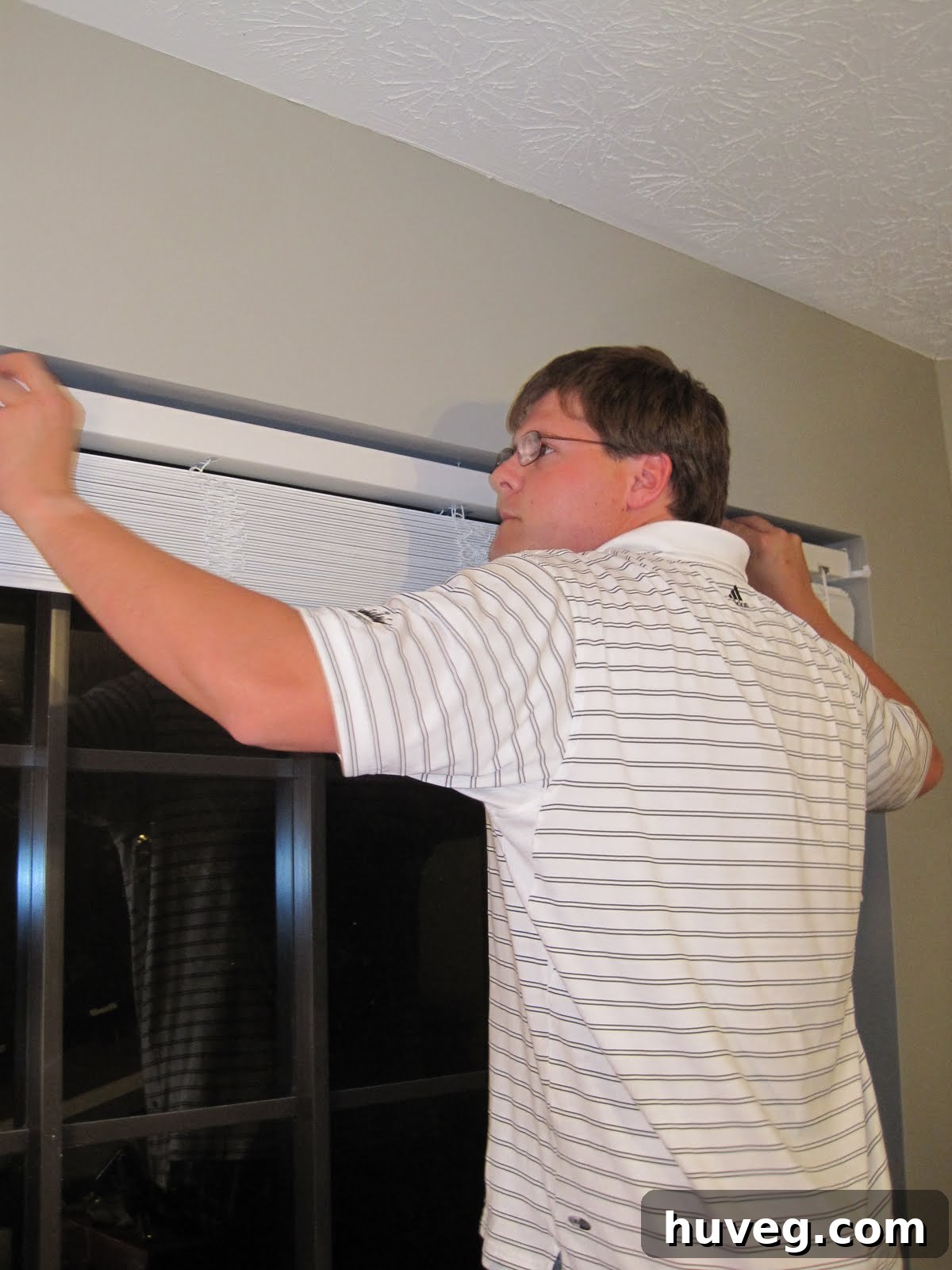
Transforming our home into a haven of comfort and efficiency has been an ongoing journey, and last night marked another significant step forward. While Scott expertly installed our brand-new blinds, my focus was on a persistent challenge: sealing the remaining window with a notoriously large gap. You might recall this stubborn problem from a previous update, where I first dipped my toes into the world of gap-filling with caulk.
Conquering Drafty Windows: When Caulk Just Isn’t Enough
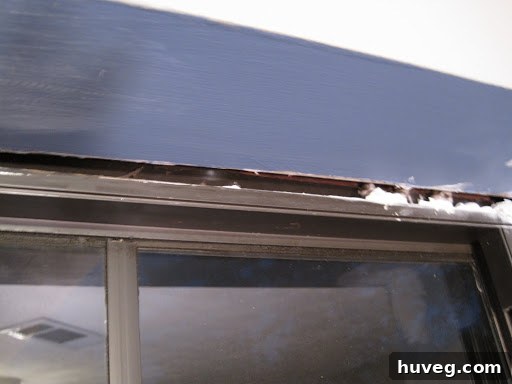
Every homeowner knows the frustration of drafty windows. They not only make your home uncomfortable with cold spots and uneven temperatures but also silently drain your wallet through inflated energy bills. While caulk is an absolute hero for minor cracks and small gaps, its limitations become glaringly obvious when faced with more substantial structural imperfections. One particularly pitiful window in our primary bedroom presented just such a dilemma; it boasted a gap far too expansive for even my newfound caulk talents to tackle effectively.
These larger gaps aren’t just aesthetic nuisances; they are significant culprits in heat loss during winter and air conditioning escape during summer. They can also be entry points for moisture, leading to potential mold and rot issues, and even unwanted pests. Recognizing that a more robust solution was needed, I turned to the ultimate DIY consultant: my Dad. As the “knower of all things fixable-on-the-cheap,” he wisely suggested I explore expanding foam.
Discovering the Power of Expanding Foam for Home Insulation
A few quick clicks on the internet confirmed Dad’s excellent advice. Expanding foam, often overlooked by DIY novices, is a miracle product for sealing those larger, more challenging gaps. I quickly found that both Home Depot and Lowe’s readily carry various types, and to my pleasant surprise, they are incredibly affordable – typically less than $10 per can. This budget-friendly aspect makes it an ideal solution for homeowners looking to improve their home’s energy efficiency without breaking the bank.
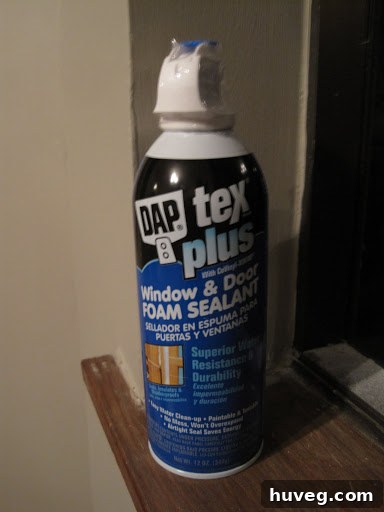
For windows, it’s crucial to select the right kind of foam. I opted for a flexible, water-resistant, low-expansion type designed specifically for weatherproofing and window/door applications. The “flexible” aspect is key because it allows for the natural movement of building materials due to temperature changes, preventing future cracks. The “low-expansion” feature is equally important to avoid bowing or damaging window frames, a common mistake with high-expansion foams. This choice also offered an extra layer of “Sarah-proofing” since its flexibility makes it more forgiving during application.
Step-by-Step Guide: Applying Expanding Foam Like a Pro
Using expanding foam is surprisingly straightforward, but a few key steps ensure a successful and lasting seal. Before you begin, gather your supplies: the expanding foam can, the plastic applicator tube that comes with it, gloves, safety glasses, a utility knife, and some paper towels or a damp cloth for immediate cleanup. Ensure the area is clean and dry, and consider covering surrounding surfaces with a drop cloth to protect against accidental drips.
1. Prepare Your Can and Applicator
The first step is to securely attach the thin plastic tube that accompanies the can to the nozzle. Make sure it’s firmly seated to prevent leaks and ensure precise application. Next, shake the can vigorously for at least 60 seconds. This step is crucial as it properly mixes the components within the can, ensuring optimal expansion and consistency of the foam. Without proper shaking, the foam might not expand correctly or could have an inconsistent texture.
2. Precise Application
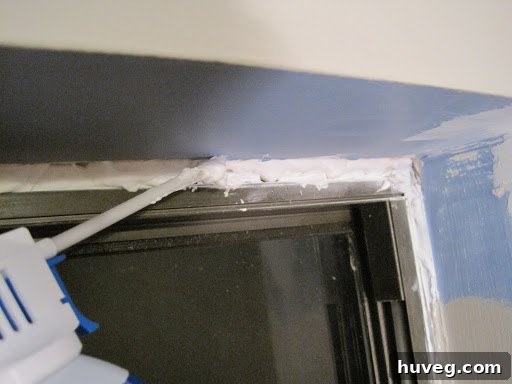
Once the can is prepped, point the tube directly at the gap you intend to fill. When dispensing the foam, it’s vital to remember the golden rule: only fill the gap approximately 80-90% full. This isn’t an arbitrary number; it accounts for the foam’s significant expansion as it cures. If you overfill the gap, the expanding pressure of the foam can be surprisingly powerful. This excess pressure could potentially force the gap even wider, bow the window frame, or even crack surrounding materials, leading to more damage than you started with. A steady hand and controlled bursts are recommended, allowing you to observe the initial expansion.
3. Smoothing and Cleanup
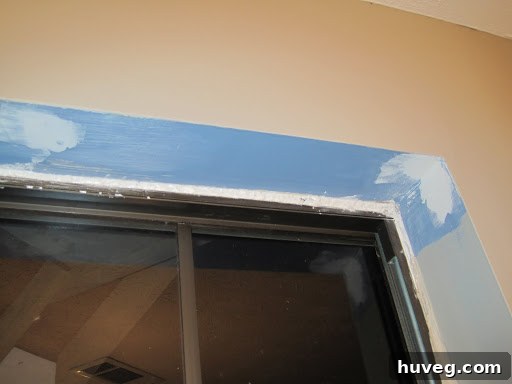
The foam will continue to expand for a period after application. For a cleaner finish and to prevent excessive overflow, gently smooth the freshly applied foam with whatever you have conveniently lying around. In my case, a simple paper towel did the trick. A plastic putty knife or even a gloved finger can also work well. Act relatively quickly after application, as the foam becomes tackier as it begins to cure. One significant advantage of working with expanding foam is that it is washable with water until it fully dries and cures. This means any overflow or drips can be easily wiped away with a damp cloth or paper towel, making cleanup surprisingly simple. However, once it’s dry, it becomes much more challenging to remove, often requiring mechanical scraping or specific foam cleaners. After smoothing, allow the foam ample time to dry and cure completely, following the manufacturer’s instructions, which typically takes several hours.
The Benefits of a Properly Sealed Window: Comfort, Savings, and Durability
And just like that, your once troublesome, too-wide-to-caulk, and energy-hogging window is transformed. The process might seem intimidating at first glance, but the results speak for themselves. With the gaps expertly sealed, your window becomes significantly more efficient, contributing to a more comfortable indoor environment and noticeable savings on your utility bills. This simple DIY project offers a multitude of benefits:
- Enhanced Energy Efficiency: By eliminating drafts, the foam creates an effective thermal barrier, keeping conditioned air inside during summer and warm air inside during winter.
- Reduced Utility Bills: Less wasted energy directly translates to lower heating and cooling costs throughout the year.
- Improved Comfort: Say goodbye to cold spots and uncomfortable drafts near windows, creating a more consistent and pleasant indoor temperature.
- Moisture Protection: The water-resistant nature of the foam prevents moisture infiltration, safeguarding your window frames and wall cavities from potential water damage, rot, and mold growth.
- Noise Reduction: Expanding foam also offers a degree of acoustic insulation, helping to quiet outside noise and create a more peaceful living space.
- Pest Control: Sealing gaps with foam effectively blocks entry points for insects, spiders, and even small rodents, contributing to a cleaner, healthier home.
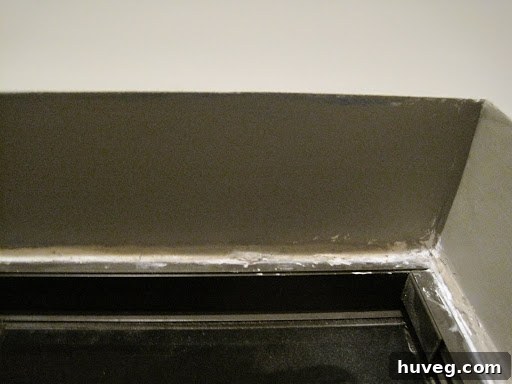
Once cured, the foam is stable, durable, and ready for the next phase of your project, whether that’s painting, applying a finishing layer of caulk for a perfectly smooth transition, or simply leaving it as is if it’s in a hidden area. The transformation from a compromised, inefficient window to a tightly sealed, high-performing one is incredibly satisfying.
Final Thoughts: A Simple Solution for a Big Problem
I was genuinely surprised by how easy this entire process was—almost as simple as using a can of mousse for my hair, not that I ever actually do that! The straightforward application and immediate results make expanding foam an indispensable tool for any DIY enthusiast looking to tackle home energy efficiency and repair projects. It’s a powerful reminder that sometimes the most effective solutions are also the most accessible and affordable.
For now, I’m making sure to keep my hair volumizer faaaarr away from the garage. The last thing I need is to confuse the two in the future, resulting in a window that looks like it’s ready for a salon photoshoot rather than ready for winter! Tackling projects like these not only enhances our living space but also empowers us with new skills and confidence. If you have a stubborn window gap, don’t hesitate to give expanding foam a try. Your home, and your energy bill, will thank you for it.