Fields of Fulfilled Promise

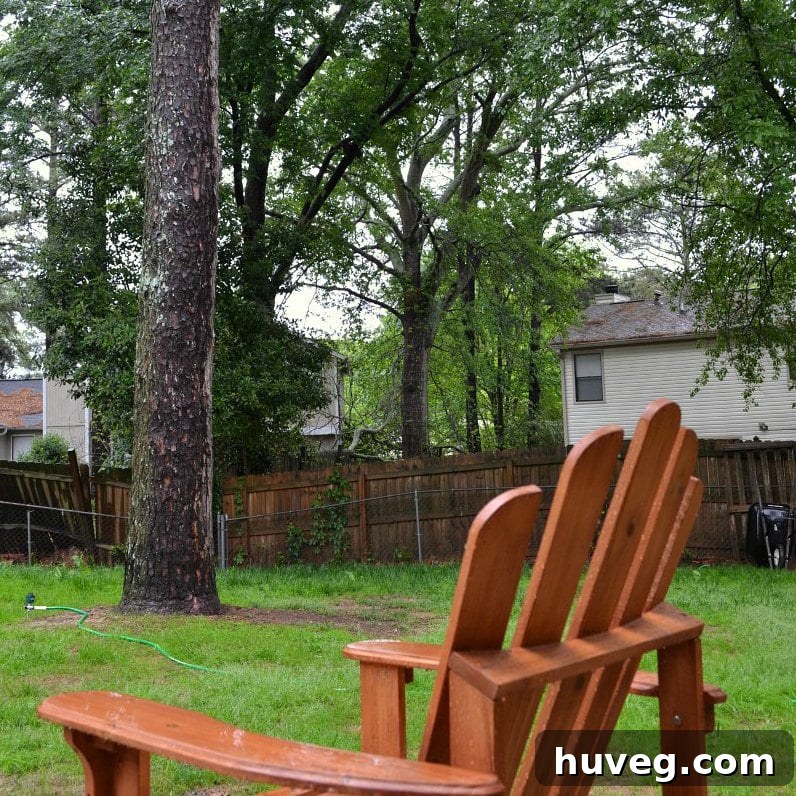
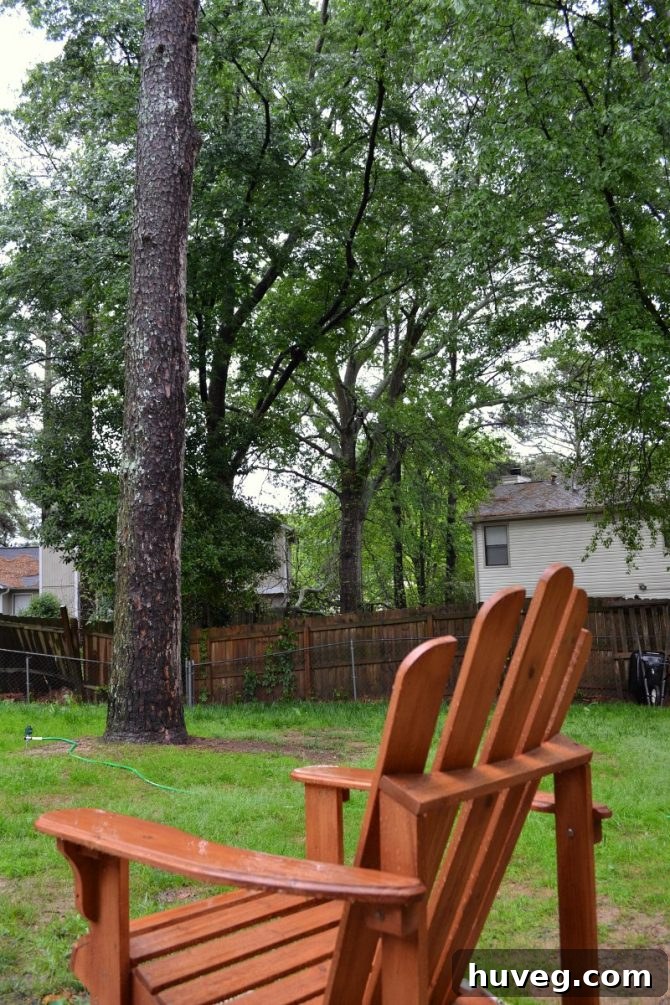
Houston, we have grass!
*Affiliate links may be used in this post, helping to support our DIY adventures at no extra cost to you.*
Transforming Your Backyard: From Dirt Pile to Green Oasis with Smart Lawn Care
After what feels like an eternity of planning, prepping, and a fair share of setbacks, I can finally utter those famous words with a sense of immense satisfaction: “Houston, we have grass!” What was once a daunting expanse of uneven dirt is slowly but surely evolving into a vibrant, green lawn. This journey, while at times a slow and testing process, has been incredibly rewarding, thanks to a few key insights, some essential tools, and a little help from a dedicated individual.
It’s fascinating how certain projects capture different interests. I’ve noticed a recurring theme among my friends: when it comes to nurturing a lawn, many of their partners and significant others enthusiastically embrace the role of grass-growing gurus. This observation became particularly relevant in my own backyard saga, where a “cute guy” I know played an instrumental role in getting this green initiative off the ground. His dedication, combined with an efficient automatic watering timer and a well-placed sprinkler system he helped set up, has been absolutely pivotal in transforming my yard.
The Critical Role of Consistent Watering: My Biggest Lawn Care Lesson
Let’s talk about a solid truth in the world of lawn care: if you’re like me – a self-proclaimed “lazy grower” – then automating your watering system isn’t just a convenience; it’s an absolute necessity. New grass seedlings are incredibly delicate and demanding, akin to needy babies that require constant attention. They need frequent, consistent watering to establish strong roots and thrive. As a busy DIYer, maintaining the rigorous watering schedule needed for a nascent lawn was a challenge I simply couldn’t meet manually. My previous attempts were, to put it mildly, disappointing, largely because I underestimated the sheer diligence required.
This realization was a game-changer. It became clear that without a reliable, automated system, my efforts were largely in vain. Investing in a quality sprinkler system paired with a programmable timer was the single most impactful decision in this entire lawn transformation project. It took the guesswork and the burden of constant supervision out of my hands, ensuring my thirsty seedlings received the precise amount of water they needed, exactly when they needed it. This setup not only saved me countless hours but also conserved water by preventing over-watering and ensuring efficient distribution.
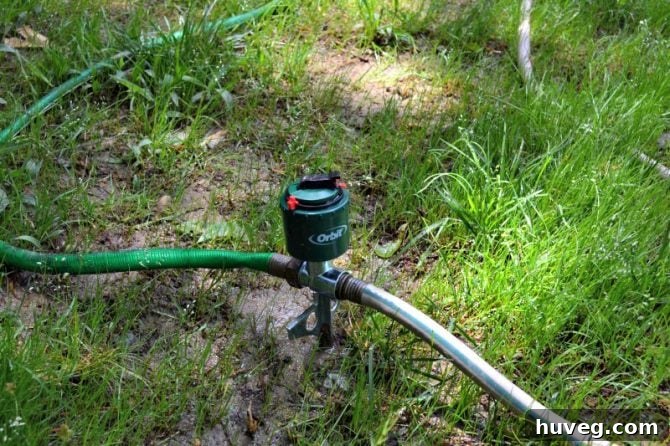
The DIY Sprinkler System: A Backyard Game-Changer
The beauty of a DIY sprinkler system, even a simple one, lies in its ability to deliver consistent moisture without requiring constant oversight. For anyone struggling with the initial stages of grass growth, especially in larger areas, I cannot recommend this solution enough. The timer allows for precise scheduling, ensuring that watering occurs during optimal times, typically early morning or late evening, to minimize evaporation and maximize absorption. This consistency is paramount for seed germination and early root development.
When selecting a timer and sprinkler, consider the size and shape of your yard. Oscillating sprinklers are great for rectangular areas, while impact or rotary sprinklers can cover larger, more circular spaces. A multi-zone timer can be invaluable if your yard has varying sun exposure or soil types, allowing for customized watering schedules. This level of automation means you can set it and almost forget it, trusting that your new lawn is getting the hydration it desperately needs.
From Dirt Pile to Green Oasis: A Transformation Story
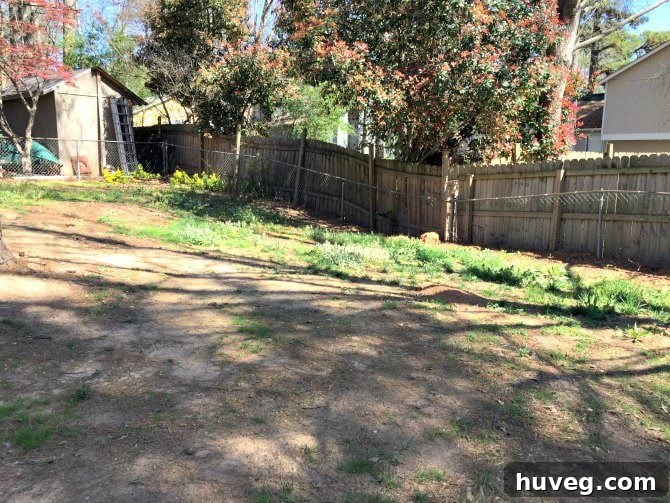
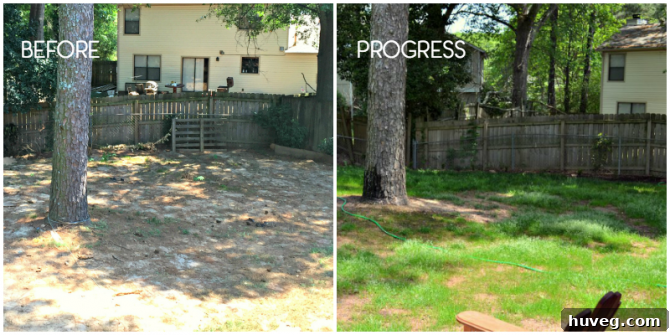
It wasn’t that long ago – less than two months, in fact – that my backyard presented a dramatically different picture. You might recall its humble beginnings as a giant dirt pile, the result of extensive efforts to fill in deeper spots and meticulously level the most challenging areas with the help of a backhoe. This was a multi-part saga that involved significant groundwork (see parts 1, 2, and 3 of that journey). After all that heavy lifting and preparation, I enlisted professional help for prepping the dirt and spreading new grass seed. However, the initial results were, to be frank, incredibly disappointing. The yard remained largely barren, a dusty reminder of what hadn’t taken hold.
We considered numerous factors that might have contributed to this failure: the unpredictable weather, my playful dog Charlie’s occasional escapades, birds feasting on the seeds, or perhaps even the quality of the seed itself. Yet, it wasn’t until I finally implemented a proper, automated sprinkler system that a crucial realization hit me: I was likely the biggest impediment to my lawn’s first attempt at success. My inconsistent, infrequent manual watering simply wasn’t sufficient for the delicate process of seed germination and seedling establishment. This stark truth underscored the importance of diligent and consistent moisture for new grass to thrive.
Battling Erosion: More Than Just Aesthetics
The urgency to establish a healthy, thick lawn became even more pronounced following a recent storm. A substantial piece of my neighbor’s fence, the one prominently visible in the “before” photos, was uprooted from a decaying tree, creating a significant hole directly on the other side of my property line. This incident brought a critical issue to the forefront: erosion. After investing so much time, effort, and resources into leveling and preparing my yard, the last thing I wanted was to see all that hard work undone by erosion, especially from a point beyond my direct control.
Since the water was draining from an area not on my property, my ability to intervene directly was limited. This made proactive measures on my side of the fence absolutely essential. The solution was clear: keeping the precious topsoil in my yard required the formidable network of plant roots and a dense layer of grass. Plant roots act as natural anchors, binding the soil particles together and preventing them from being washed away by rain or runoff. A thick lawn, therefore, serves as a crucial protective barrier, absorbing water and slowing its flow, thereby minimizing soil loss.
This heightened focus on erosion control spurred two immediate actions. The first was planting a new hedge, whose deep root systems would further stabilize the soil. The second, and perhaps most critical, was growing grass as quickly and robustly as possible. The old adage, “if at first you don’t succeed, try, try again,” became my mantra, with a significant amendment: “and put in a much better watering system.” As the new sprinkler system got to work, it quickly highlighted areas that were receiving too much water and, conversely, spots where the sprinkler was missing its mark entirely, allowing for further adjustments and optimization.
The Strategic Choice of Grass Seed for a Lasting Lawn
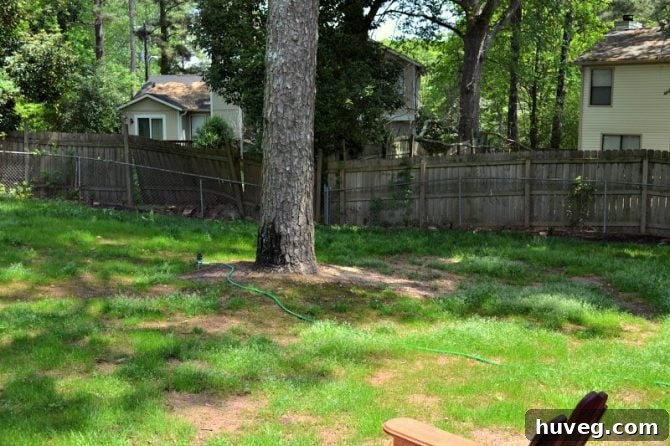
While a mature, dense lawn provides excellent erosion control, achieving that takes time. To address the immediate threat and give the slower-growing, permanent grass varieties a chance, I opted for a strategic blend of grass seeds. Some of the initial new growth has come from a quick-grow rye seed. Rye grass is renowned for its rapid germination and fast establishment, providing immediate ground cover and a temporary green carpet. This rapid growth serves a dual purpose: it helps to stabilize the soil almost instantly, mitigating the risk of erosion, and it creates a visually appealing green space much faster than other varieties.
However, rye grass is often an annual or biennial, meaning it will eventually die off after a season or two. This temporary cover buys precious time for the more permanent fescue grass to establish itself. Fescue is a popular choice for its hardiness, drought tolerance once established, and ability to create a thick, durable lawn that can withstand more foot traffic and varying weather conditions. By combining these two types of seed, I’m ensuring immediate protection and aesthetic improvement while laying the foundation for a long-lasting, resilient lawn. Choosing the right grass seed blend for your specific climate and yard conditions is crucial for long-term success, considering factors like sun exposure, soil type, and desired traffic tolerance.
Nurturing New Growth: Tips for a Thriving Lawn
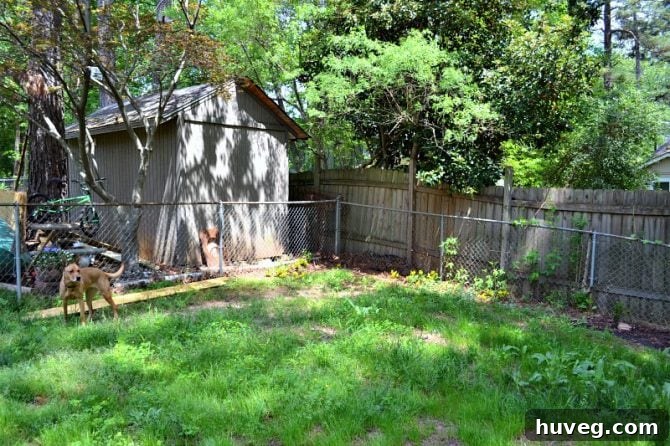
Even with the best watering system and seed choice, nurturing new grass requires ongoing attention and patience. While the quick-grow rye offers immediate gratification, the fescue needs time to mature into a robust lawn. This means limiting distractions and potential damage during its delicate early stages. For several weeks, I’ve had to implement strict “no-dog” rules for Charlie in the newly seeded areas and limit all human foot traffic to prevent undoing the incredible progress we’ve made. Compacting the soil or disturbing the young seedlings can severely hinder their development, so patience and protective measures are key.
Now, after weeks of diligent watering and careful management, I’m about to hit a major milestone: the first mowing! This is a moment of pure triumph for any new lawn grower, signifying that the grass is strong enough to withstand its first trim. While this initial growth is fantastic, I know this is just the beginning. I anticipate many more seasons of dedicated lawn care, including regular applications of fertilizer, diligent weeding, and ongoing maintenance, before it achieves the lush, thick perfection of my landscaper-neighbor’s yard. But with each green blade, I’m one step closer to that vision.
Beyond the Green: The Satisfaction of DIY and Looking Ahead
To be honest, I’m incredibly grateful that I was able to delegate the bulk of this intensive grass-growing project, especially during a period when I was deeply immersed in other significant home improvement endeavors. The ability to trust that the lawn was being cared for consistently allowed me to focus my energy elsewhere, and I’m thrilled to be revealing those other projects in just a week or two – so stay tuned for more exciting updates!
The transformation from a challenging, uneven dirt patch to a burgeoning green lawn is a testament to perseverance, smart planning, and not being afraid to ask for help or invest in the right tools. It’s a journey filled with small victories, like seeing the first sprouts emerge, and big celebrations, like the impending first mow. Every step, even the slow ones, contributes to the ultimate goal of creating a beautiful, functional outdoor space.
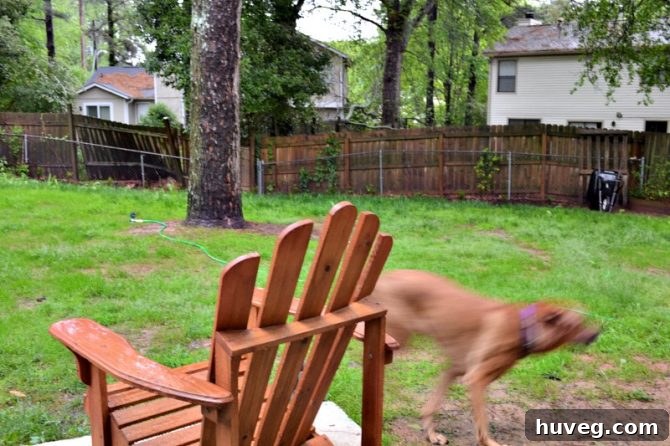
P.S. My happy, furry blur-ball, Charlie, definitely approves of the greener, softer landing spots in the backyard!
Your Backyard Journey: What Are You Growing?
Whether it’s a new lawn, a flourishing garden, or a challenging renovation, every DIY project has its unique story. I’d love to hear about your latest endeavors. What have you been working on lately that’s brought you a sense of accomplishment or taught you a valuable lesson?