Reader Remarks: Brilliant Organic Innovations

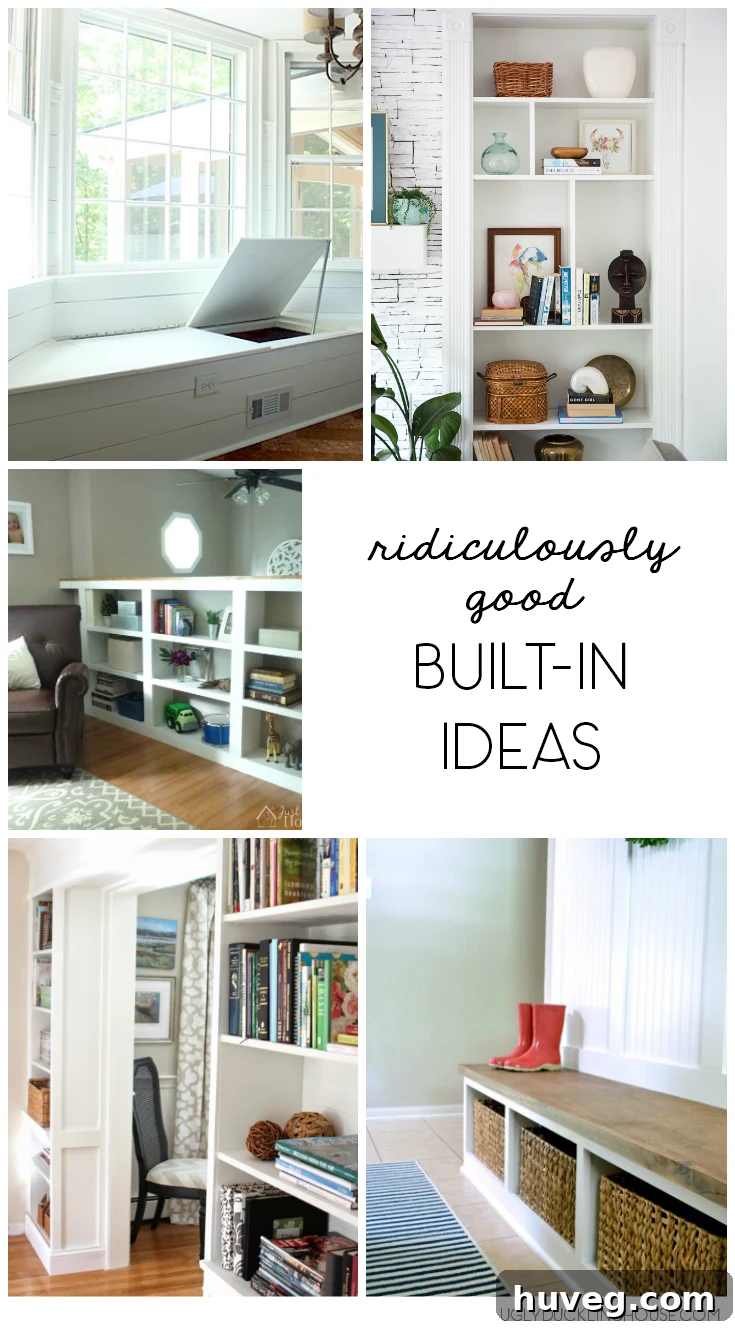
The journey of home improvement is a continuous one, often taking unexpected turns. While many recent projects have focused on the outdoors, the interior of the home remains a vibrant canvas for transformation. My ever-growing list of indoor projects requires careful planning, not just for execution, but to prevent the classic homeowner’s dilemma: rooms overflowing with items displaced from other, mid-renovation spaces. It’s a delightful chaos, but one that beckons for strategic organization.
Currently, I’m deep in the brainstorming phase, eagerly seeking fresh perspectives and practical advice—much like the invaluable input received previously, which you can revisit here and here. Lately, built-ins seem to be capturing everyone’s imagination, from seasoned DIYers to design enthusiasts. I envision several strategic built-in additions throughout my home, particularly in the primary closet, the entryway, and the living room. However, a significant question lingers: will the investment of time, labor, and finances truly be worthwhile? And crucially, what’s the best approach? Should I opt for pre-made bookshelves and integrate them into a built-in aesthetic, or does the superior quality and customizability of building directly from plywood justify the extra effort and expense? While my “hardcore builder” friends likely have strong opinions, I’m keen to explore all angles.
During my research, I’ve stumbled upon some truly inspiring examples online. Today, I’m laying out my current thought process, as articulating these ideas helps bring clarity to my to-do list. Your insights, as always, would be incredibly valuable!
(A quick note: if any of the project inspirations below catch your eye, please support the original creators by pinning directly from their sources!)
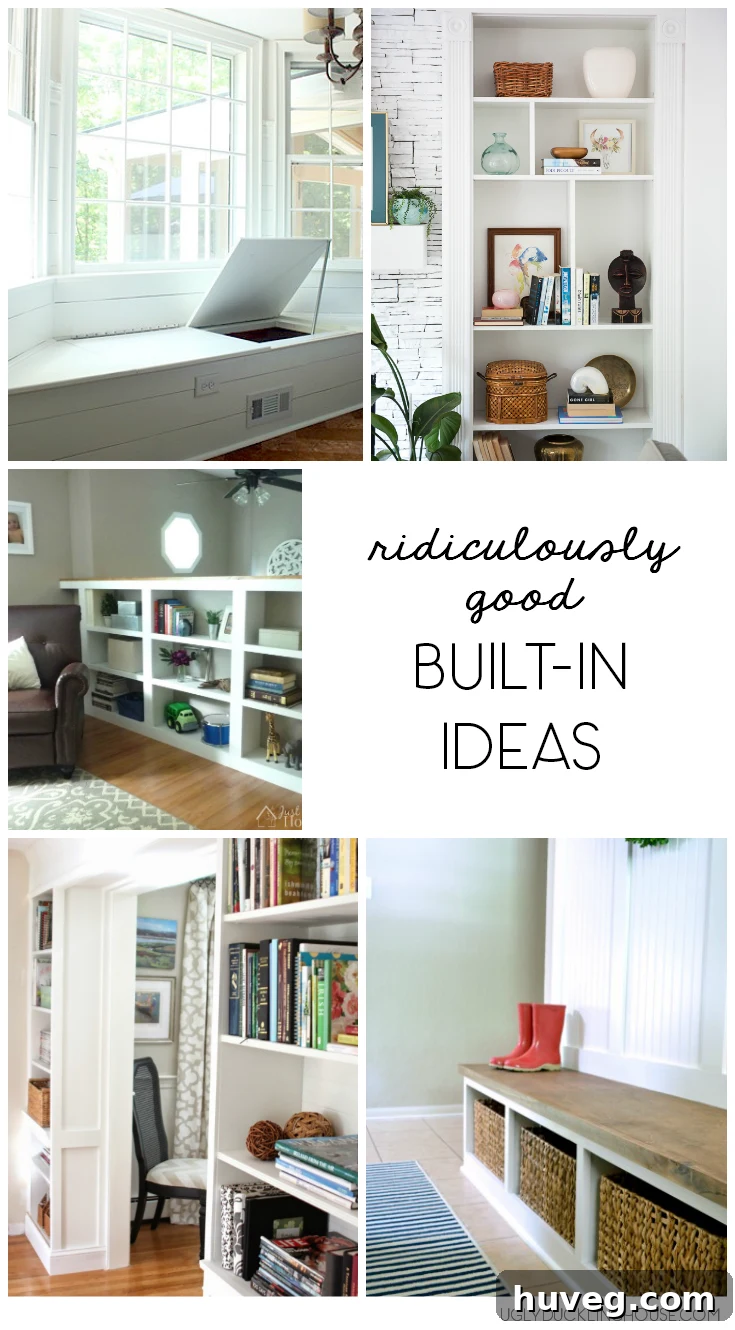
The Allure of Built-In Solutions: Why Invest?
Built-ins represent more than just additional storage; they are architectural enhancements that can profoundly impact a home’s functionality and aesthetic appeal. They maximize vertical and horizontal space, transforming awkward nooks or blank walls into purposeful features. Beyond simply reducing clutter, custom built-ins allow for tailored organization, ensuring every item has its designated place. Aesthetically, they offer a seamless, integrated look that standard furniture often cannot achieve, making a room feel more polished, deliberate, and expensive. From a financial perspective, well-designed and constructed built-ins can increase a property’s value, appealing to future buyers who appreciate smart storage and custom finishes. They provide an opportunity for personalization, reflecting the homeowner’s style through choices in materials, finishes, and hardware. Ultimately, investing in built-ins is investing in a more organized, beautiful, and valuable home.
The Great Debate: DIY Plywood vs. Pre-Made Hacks
This is arguably the most crucial decision when embarking on a built-in project. The choice between crafting everything from scratch using plywood or leveraging pre-made components like IKEA bookshelves and customizing them often comes down to a balance of budget, skill level, time commitment, and desired quality. Each approach has distinct advantages and disadvantages.
Building from Scratch with Plywood: The Customization Champion
For those with a solid foundation in woodworking and a penchant for precise control, building built-ins entirely from plywood offers unparalleled customization. This method allows you to dictate every dimension, material thickness, and joinery technique, resulting in a truly bespoke piece that fits your space perfectly. The quality of materials can be superior, leading to increased durability and longevity. From a design perspective, there’s no limit to the styles, finishes, or intricate details you can incorporate, ensuring the built-in perfectly complements your home’s existing architecture and decor. The sense of accomplishment derived from creating something entirely by hand is also a significant motivator. However, this route demands a higher skill set, a wider array of tools, and a considerable time investment. Material costs, especially for higher-grade plywood, can also add up, and any mistakes can be costly to rectify.
Utilizing Pre-Made Components (e.g., IKEA Hacks): The Budget-Friendly & Time-Saving Option
The rise of “IKEA hacks” and similar modifications to readily available furniture has revolutionized built-in projects for many homeowners. This approach involves taking affordable, modular units—like the ubiquitous IKEA Billy bookcases—and customizing them with trim, molding, paint, and fillers to create a seamless, built-in appearance. The primary advantages here are cost-effectiveness and a significantly reduced time commitment. Assembly is generally straightforward, making it an accessible option for DIY beginners or those with limited time. While the level of customization isn’t as extensive as building from scratch, clever hacks can achieve a highly polished and personalized look. The trade-off often lies in material quality and long-term durability, which may not match a custom-built plywood unit. However, for many, the balance of affordability, ease, and aesthetic improvement makes this a very appealing path. The Shine Your Light Blog (linked below) even offers an excellent comparison of these two methods, which is definitely worth a read for anyone on the fence.
Inspiration Corner: Exploring Built-In Design Ideas for Every Room
1. Cozy Reading Nooks: A Sanctuary for Serenity
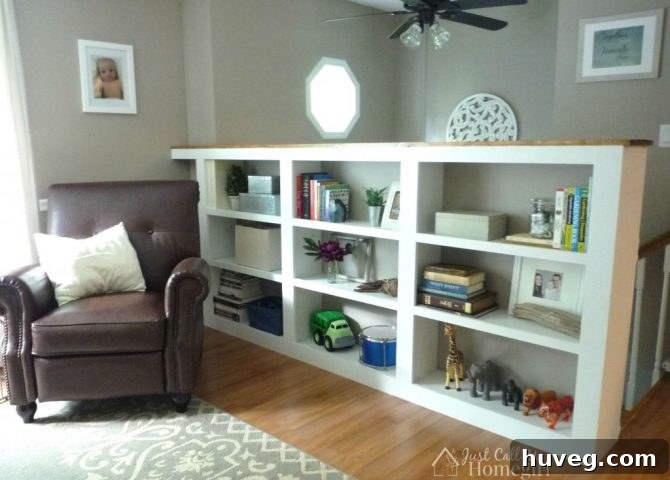
The vision of a dedicated reading nook, perhaps tucked into an unused corner or beneath a window, holds immense appeal. It’s more than just a place to store books; it’s a personal sanctuary, a quiet retreat from the daily hustle. I’ve always admired the concept of creating a “Field of Dreams” scenario for good habits: if I build it, the reading will come, right? Imagine a comfortable bench seat with plush cushions, surrounded by shelves brimming with beloved books, a warm blanket, and a soft reading lamp. Such a space encourages mindfulness, relaxation, and a deeper engagement with literature. It’s perfect for escaping into a novel, catching up on those intriguing online articles, or simply enjoying a moment of quiet reflection. This enchanting idea, beautifully demonstrated by Just Call Me Homegirl, could transform an underutilized upstairs landing or a wide hallway into a highly cherished feature, adding both charm and functionality.
2. Grand Statement: Living Room Bookshelves & Integrated Storage
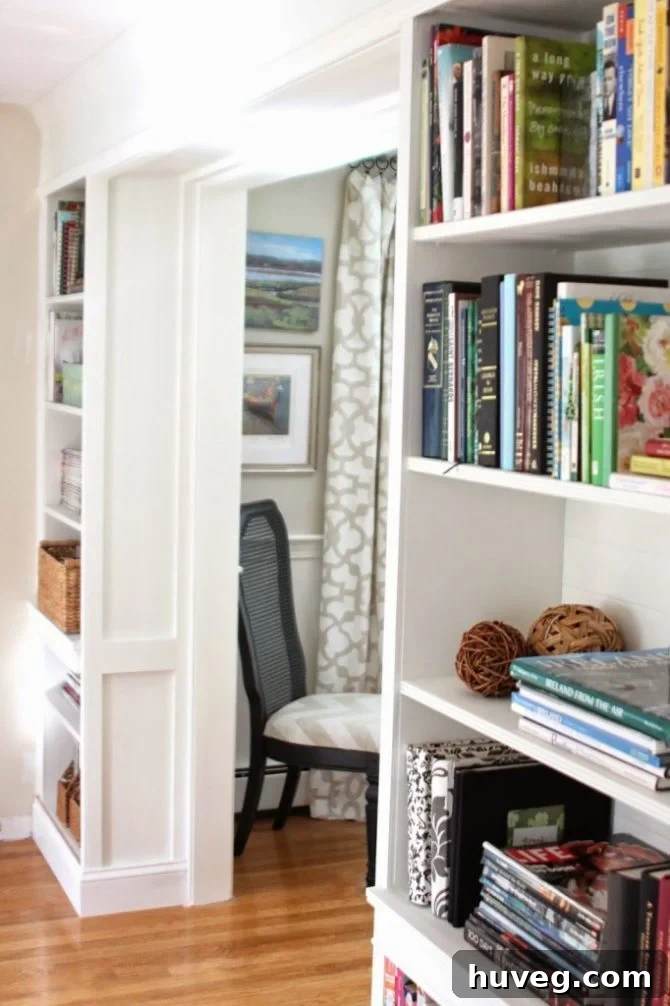
Moving from a cozy nook to a grander scale, my eyes have been drawn to the expansive wall separating my living room from the dining room. This space holds incredible potential for a stunning wall of built-in bookshelves. The timing is critical, as I’d prefer to address crown molding only once, or avoid undoing previous work to achieve a cohesive look. My vision involves integrating the bookshelves seamlessly with existing architectural details, particularly extending the crown molding across the top, much like Ciburbanity masterfully did with her Billy bookcase transformation. This approach creates an intentional, high-end finish that elevates the entire room.

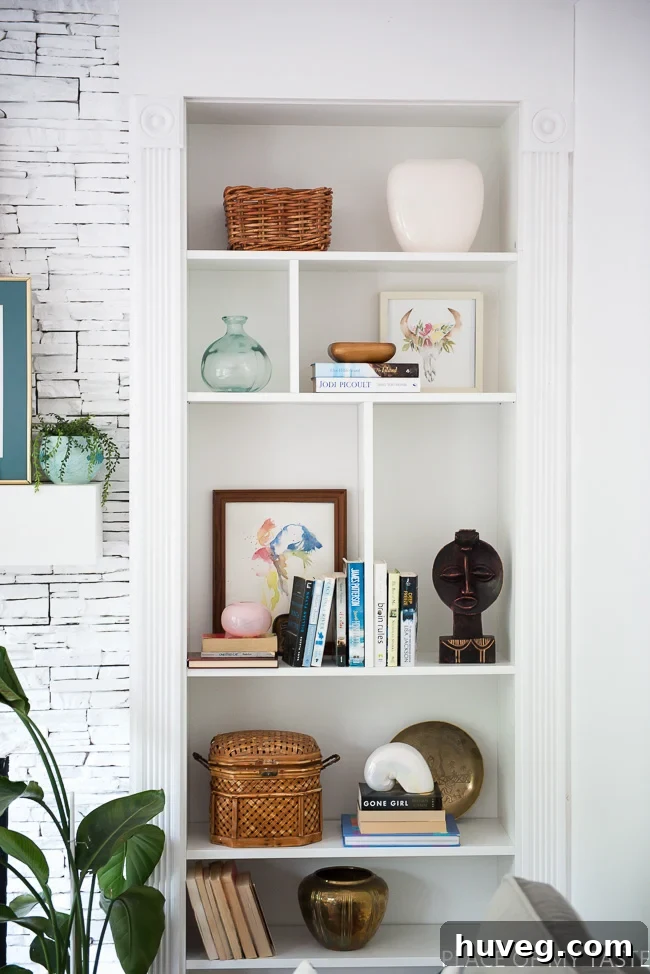
The core idea is to flank the large doorway between the living and dining rooms with two substantial bookcase openings. While my living room is currently a testament to closet makeover madness (a project I’ll touch on later, but you can get a general sense of the space here), I’ve seen how effectively this can be executed. Place of My Taste offers a fantastic example below. What particularly resonates with me is the dynamic way the shelves are broken up with vertical dividers, preventing the wall from appearing monolithic and instead keeping the eye engaged. This subtle design element adds visual interest and a sense of thoughtful design.
Shine Your Light Blog provides another brilliant illustration of a wall of built-ins that almost perfectly mirrors my vision. Their design cleverly incorporates the space around a door opening, transforming it into a single, purposeful unit rather than disjointed shelves. This seamless integration is key to achieving that high-end, custom look, making the built-ins appear as if they were always part of the home’s original design.
3. Functional Entryway & Mudroom Storage: Conquering Clutter
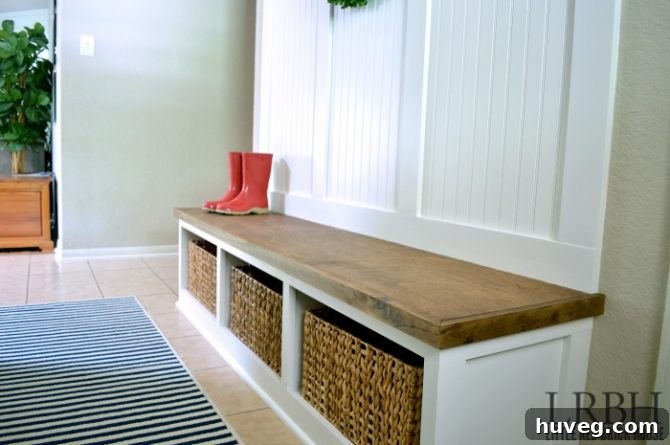
The often-overlooked entryway closet, located downstairs near the entryway, is my final major built-in consideration. While I haven’t shared sneak peeks yet (and won’t for a couple of weeks), I’m drawing heavy inspiration from mudroom designs. I’m leaning towards the practicality and ease of building a bench-like area that can house baskets, as elegantly showcased by Little Red Brick House. This solution provides a convenient spot for shoes, bags, and everyday essentials, keeping the entryway tidy and welcoming.
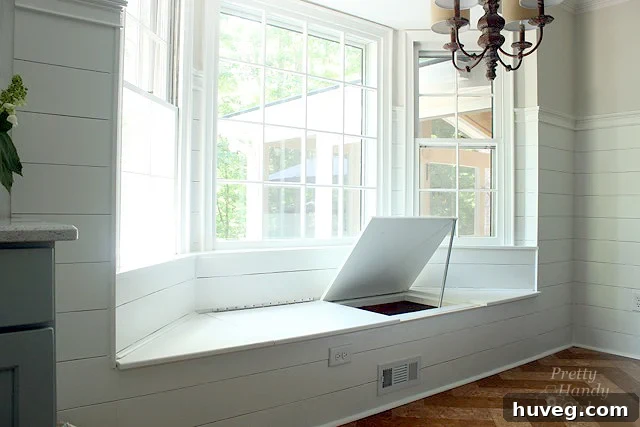
However, I’m also deeply impressed by how Brittany from Pretty Handy Girl created hidden storage within a window seat. This approach is particularly appealing for maximizing floor space that might otherwise go to waste. My recent acquisition of chest hinges from National Hardware (a fantastic sponsor, as you might recall from this post—I’m determined to put their hardware to excellent use!) makes this hidden storage option even more viable. While I don’t intend to remove the closet door, I’ve realized how infrequently I hang coats there compared to its potential for more versatile, concealed storage. A lift-top bench or cabinet could dramatically improve organization and access in this high-traffic zone, transforming a chaotic closet into a streamlined storage solution.
Your Turn: Join the Built-In Brainstorm!
Now, this is where I truly need your expertise and perspectives! I’m still weighing all the options and haven’t made any final decisions. What are your thoughts on built-ins in general? Have you embarked on a similar project, or are you contemplating one? Perhaps you have existing built-ins that you adore, or even some you’re eager to modify or remove. I’m especially interested in hearing your experiences with the DIY plywood versus pre-made components debate. Did you find the effort of building from scratch worth it, or did an IKEA hack exceed your expectations? Share your successes, challenges, and any advice you might have. Every bit of insight helps!