4 Simple Secrets to Thriving Hydrangeas

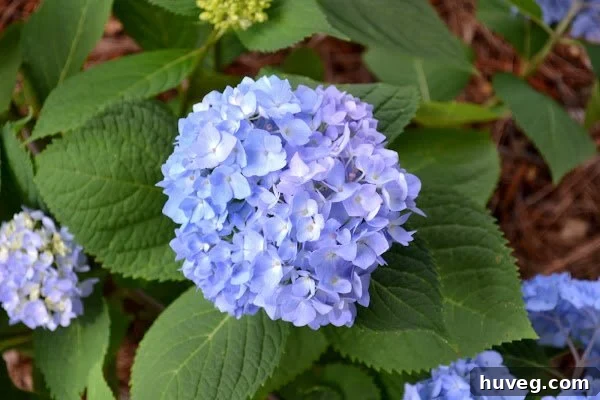
There are few sights more captivating in a summer garden than a hydrangea bush bursting with vibrant blooms. Whether their magnificent blossoms shimmer in shades of blue, green, white, purple, or pink, hydrangeas embody the very essence of summer beauty. For me, they represent one of the most rewarding additions to my landscape, transforming even a novice gardener’s space into a picturesque haven. These stunning shrubs were among the first I ever planted in my own yard, proving their resilience after an initial shrub succumbed to overgrown ivy. Thankfully, my current hydrangeas are thriving, growing back strong and beautiful year after year.
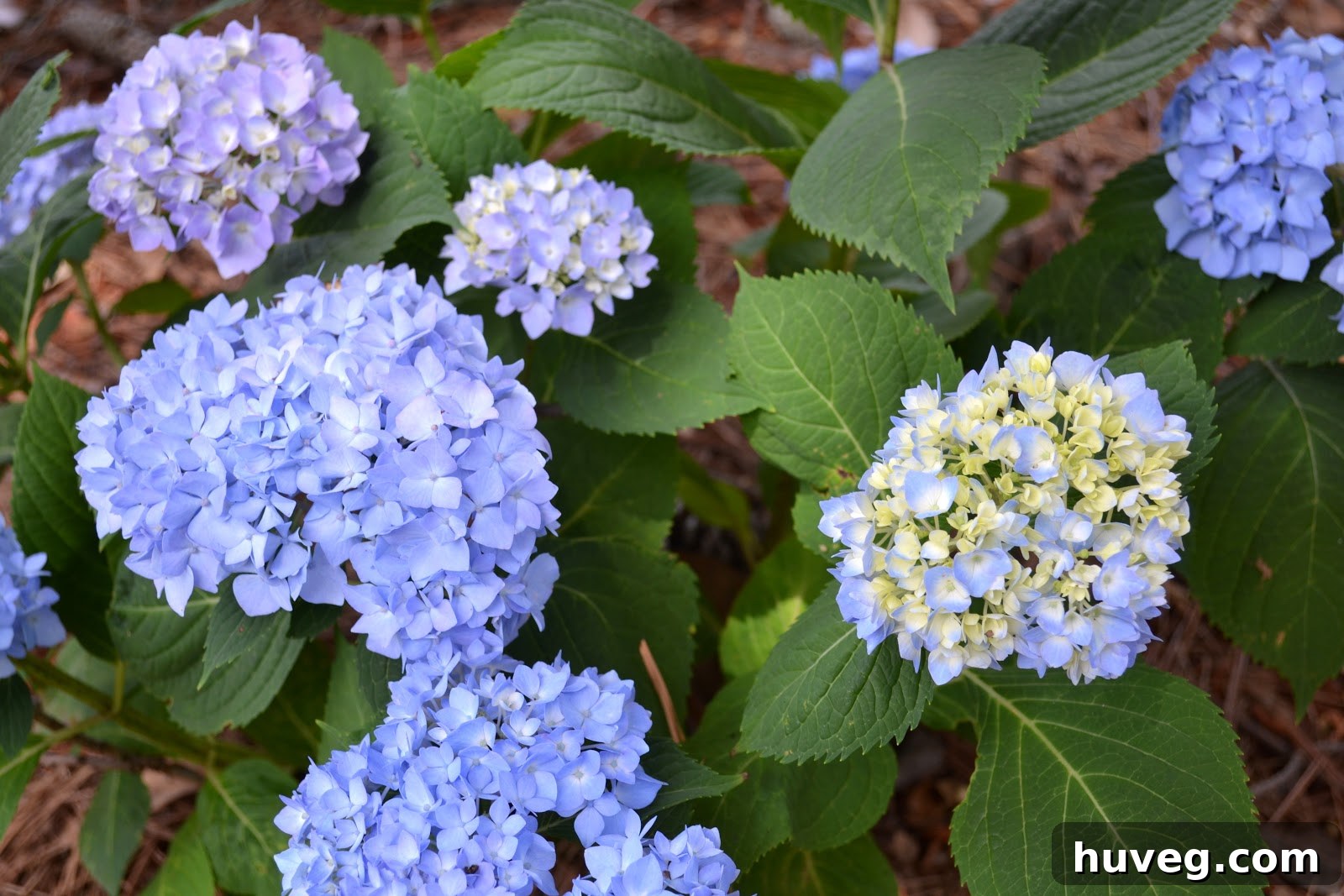
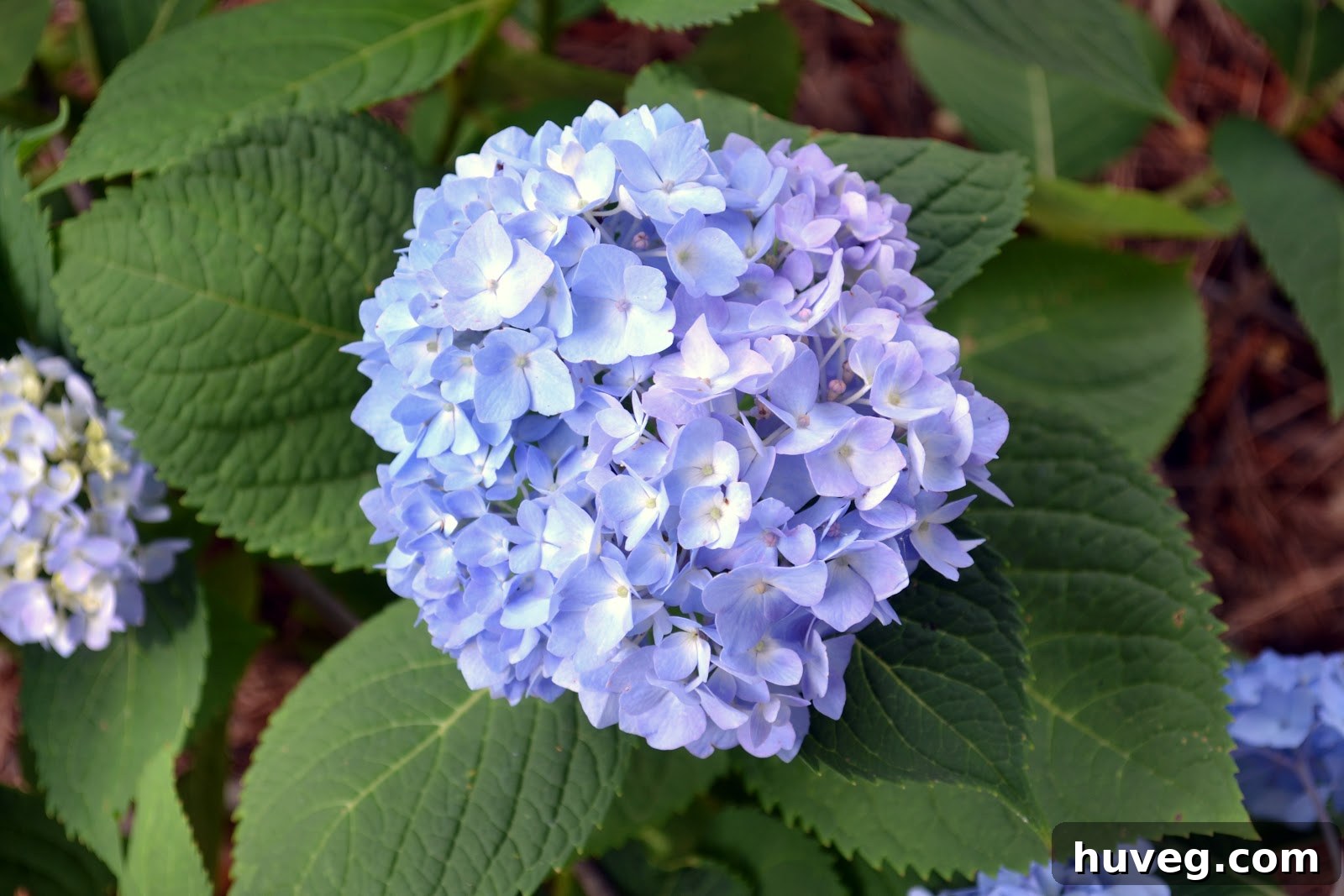
It’s important to admit upfront that when it comes to outdoor gardening, my “green thumb” is, shall we say, a work in progress. I’m not inherently a passionate gardener, yet my hydrangeas consistently flourish – healthy, blooming, and happy. This success, even with my minimal expertise, speaks volumes about the forgiving nature of these incredible plants. Based on my hands-on experience and a few crucial learnings, I’ve compiled a straightforward list of tips that have consistently worked for me, helping these magnificent shrubs thrive with remarkable ease. This guide is for anyone looking to add the stunning charm of hydrangeas to their garden, regardless of their gardening skill level.
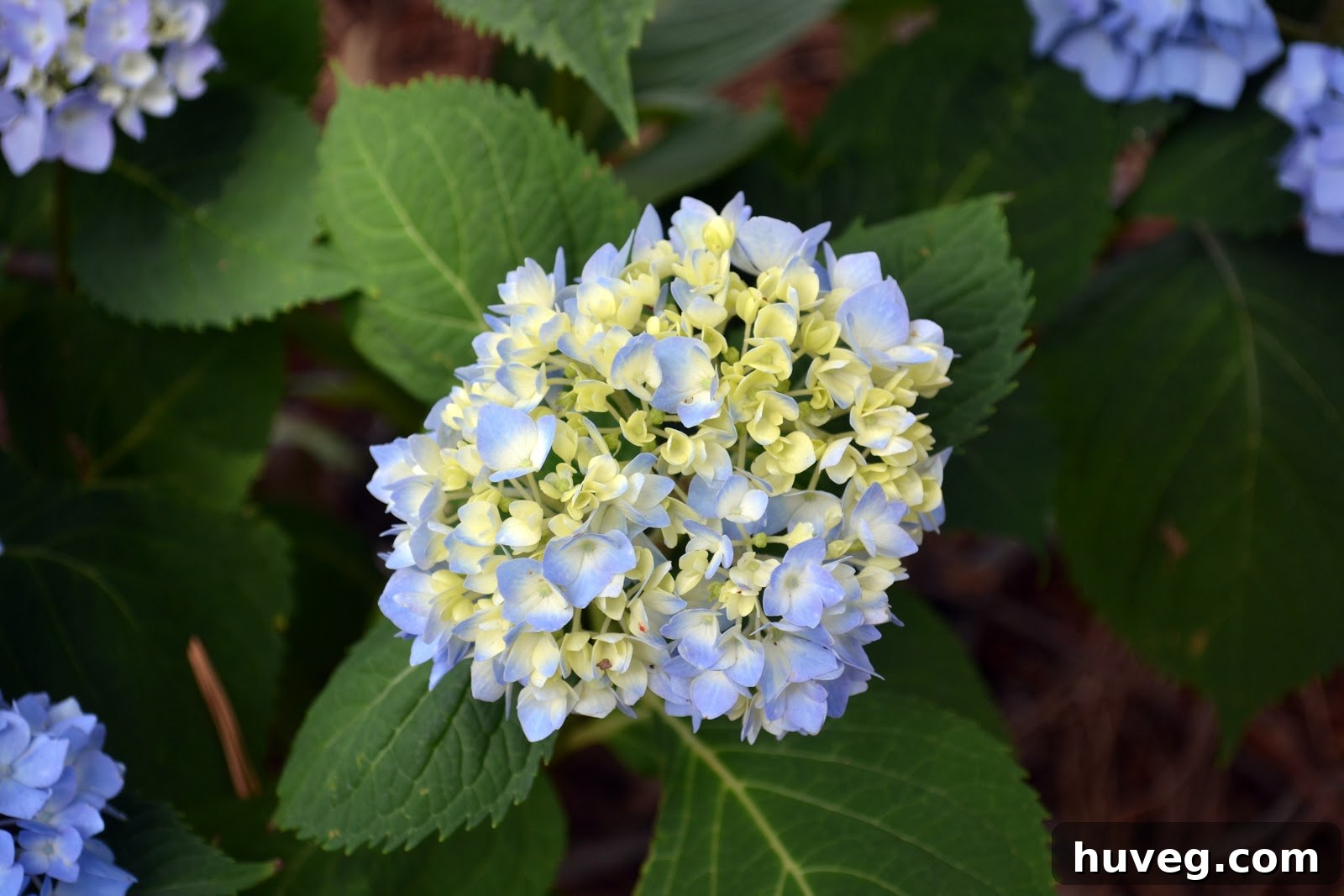
1. Plant Them Thoughtfully for Optimal Growth
One of the most common misconceptions about hydrangeas is their eventual size. My parents once had a mature hydrangea bush by their kitchen door, and by “mature,” I mean absolutely enormous. These plants possess the potential to grow incredibly large, given sufficient nutrients in the soil and adequate protection from harsh elements. Therefore, my first and most crucial tip for growing hydrangeas successfully is to meticulously choose their planting location.
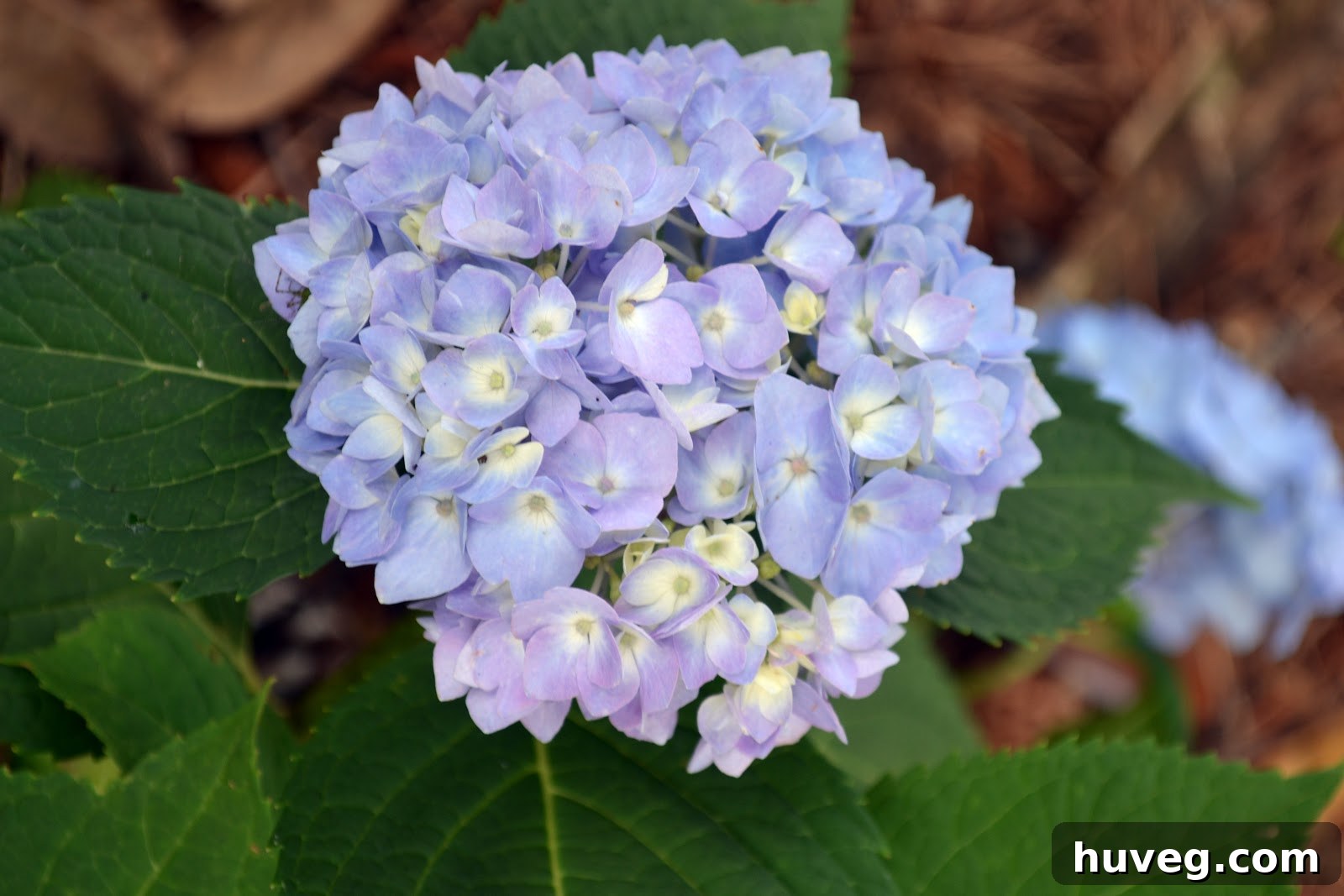
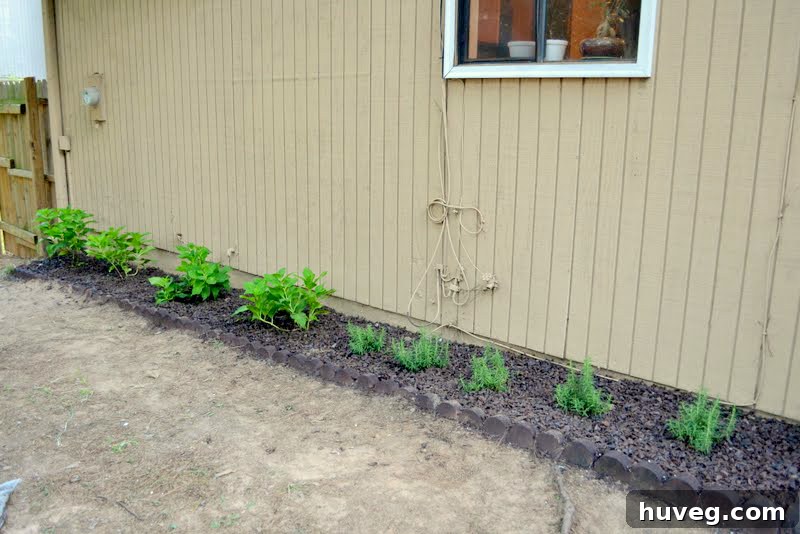
When selecting your hydrangeas, you’ll encounter a wonderful array of varieties, each with its own specific preferences. Some varieties, like certain Panicle (Hydrangea paniculata) and Smooth (Hydrangea arborescens) hydrangeas, tolerate more sun, while others, such as Bigleaf (Hydrangea macrophylla) and Oakleaf (Hydrangea quercifolia) hydrangeas, prefer partial to full shade. Always take the time to read the plant label thoroughly when purchasing from a nursery. The label will provide vital information regarding sun exposure, mature size, and hardiness zones. For instance, my chosen varieties specified a preference for shade and protection from strong winds. I identified two ideal spots around my home that met these criteria: the front yard near my camellia bushes (where large trees provide ample shade throughout the day, and the camellias act as natural windbreaks) and directly behind the house along an empty garden bed. This back area is consistently shaded by towering pine trees, and its proximity to the house offers excellent protection from wind. Living in Georgia, the primary challenge was shielding them from the intense afternoon sun, though gardeners in colder climates often find full sun exposure to be less detrimental.
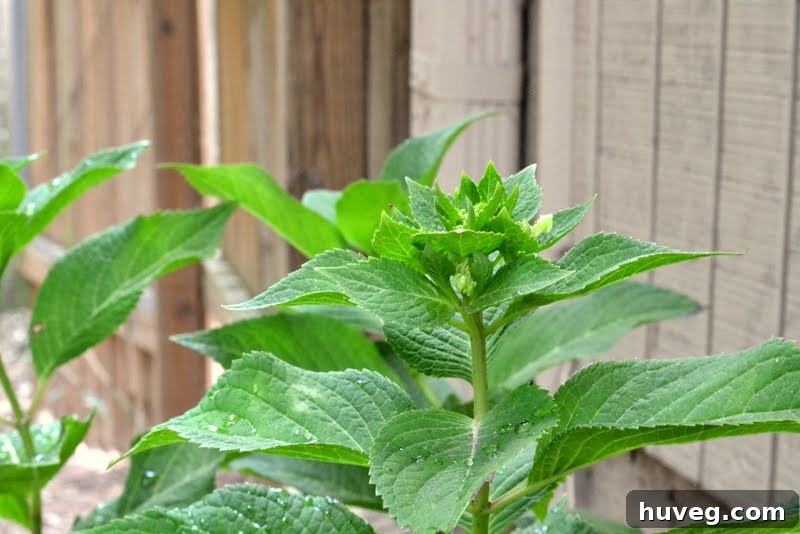
Beyond sun and wind, proper soil preparation is paramount. Hydrangeas thrive in well-draining soil rich in organic matter. Before planting, amend your soil with compost or peat moss to improve its structure and fertility. When you’re ready to plant, dig a hole that is twice as wide as the root ball and just as deep. Gently remove the plant from its container, loosen any circling roots, and place it in the hole so that the top of the root ball is level with the surrounding soil. Backfill with your amended soil, lightly tamp down to remove air pockets, and water thoroughly.
Crucially, ensure you give your hydrangeas plenty of space to grow. While they might appear sparse initially, providing adequate “elbow room” now will allow them to fill out beautifully over time, producing an abundance of new blooms without becoming overcrowded. A good rule of thumb is to plant them at least three to five feet apart, depending on the variety’s mature size. The hydrangeas I planted in the back are currently a little too close for their permanent placement, so my long-term plan involves transplanting the central ones as they mature further, ensuring each shrub has the room it needs to truly flourish and reach its full potential.
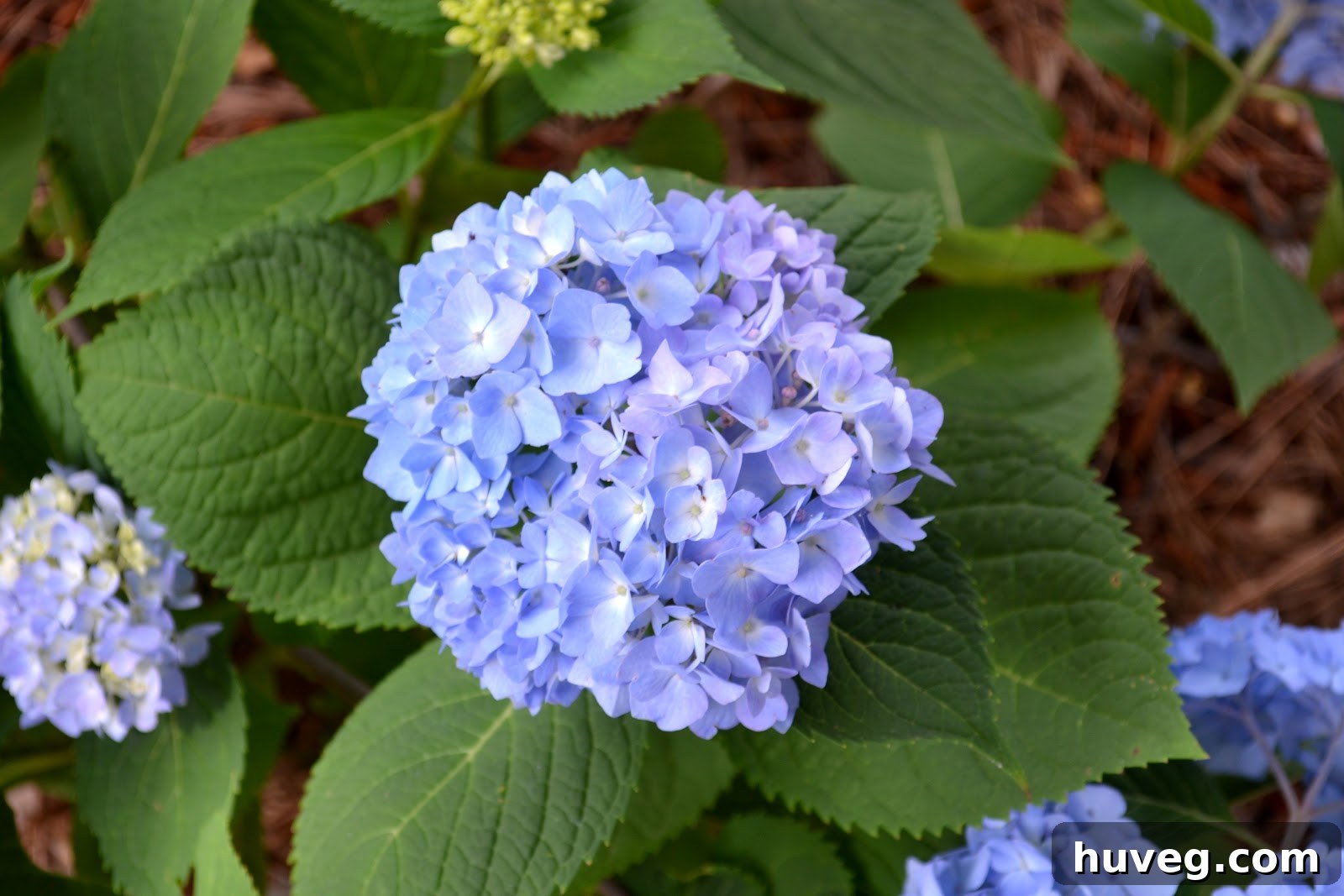
You can read more about my initial hydrangea adventures here and the backyard garden bed makeover here.
2. Nurturing Your Hydrangeas with Minimal Fuss
Once established, hydrangeas are surprisingly low-maintenance plants. Seriously, sometimes the best thing you can do for them is to simply let them be. Beyond consistent watering, particularly during their first year or in dry spells, they often thrive with minimal intervention. As for fertilization, my approach has been sporadic at best – a initial feeding the day I planted them, and then rarely again. Yet, they continue to flourish! Once a hydrangea is “established” (which, for a novice gardener like me, I interpret as showing consistent new growth and increasing in size over a season or two), they become quite hardy and resilient.
While they don’t demand constant attention, a little care goes a long way. Watering is key, especially when they are young. Aim for deep and consistent watering, providing about an inch of water per week through rainfall or irrigation. Avoid frequent, shallow watering, which encourages surface roots. For fertilization, a slow-release granular fertilizer formulated for acid-loving plants can be beneficial in early spring. However, avoid over-fertilizing, which can promote leafy growth at the expense of blooms. A soil test can help determine specific nutrient deficiencies if you’re experiencing issues.
Their remarkable resilience is perhaps their most endearing quality. I have a vivid memory of my neighbor, in a well-intentioned but misguided effort to tidy up my yard, cutting the hydrangea in my front yard down to practically nothing a couple of years ago. He mistook its dormant winter appearance for a dead plant, insisting it was lifeless. But as many gardeners know, hydrangeas often look like a collection of brittle, lifeless sticks during the colder months. To my immense relief, it not only grew back but also produced new blooms the very next year! I had anticipated that such a drastic trim would result in a bloom-less recovery year, but it seems hydrangeas are often more forgiving than we imagine.
3. Decoding Winter Care and Strategic Pruning
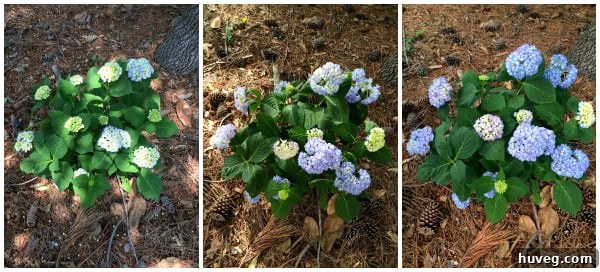
During the winter months, it’s true: hydrangeas often look quite unsightly. They typically shrivel up, turning into brown, spindly sticks that can easily be mistaken for dead wood. And sometimes, unfortunately, parts of them are indeed dead. However, resisting the urge to prune prematurely is key. Revisit the “let them be” rule from above. Unless a hydrangea has grown too large for its allocated space, aggressive pruning isn’t always necessary for its health or bloom production.
A critical aspect of hydrangea care that many beginners overlook is understanding how different varieties bloom. Bigleaf (Hydrangea macrophylla) and Oakleaf (Hydrangea quercifolia) hydrangeas typically bloom on “old wood,” meaning the flower buds for the following year are formed on stems that grew during the previous season. Pruning these varieties at the wrong time (e.g., in late winter or early spring) can inadvertently remove these precious flower buds, resulting in no blooms for the season. Conversely, Panicle (Hydrangea paniculata) and Smooth (Hydrangea arborescens) hydrangeas bloom on “new wood,” producing flowers on stems that emerge in the current growing season. These can be pruned more aggressively in late winter or early spring without sacrificing blooms.
Given my less-than-diligent approach to specific pruning times, I prefer to err on the side of caution. My general rule is: if it’s ugly, tough it out. The majority of what appears dead in winter is, in fact, merely dormant. Once spring truly arrives and you start seeing the plant greening up with new leaves (often around May, depending on your climate), then you can confidently remove anything that still looks truly dead, brittle, or doesn’t show any signs of life. This ensures you’re only removing non-viable wood and not inadvertently cutting off potential blooms. For varieties that bloom on old wood, if pruning is necessary to maintain size or shape, do so immediately after they finish flowering in summer. For new wood bloomers, light pruning can be done in late winter or early spring to shape the plant and encourage robust new growth.
In colder climates, providing a layer of mulch around the base of the plant in late fall can offer additional winter protection for the roots, helping them survive harsh freezes. However, be careful not to pile mulch directly against the stems, which can encourage rot.
4. Mastering the Art of Hydrangea Color Transformation
One of the most enchanting features of many hydrangea varieties, particularly the Bigleaf (macrophylla) types, is their ability to change bloom color. While I personally adore all shades of hydrangea blossoms (as long as they aren’t brown!), understanding how to influence their color can be a fun and rewarding aspect of their care.
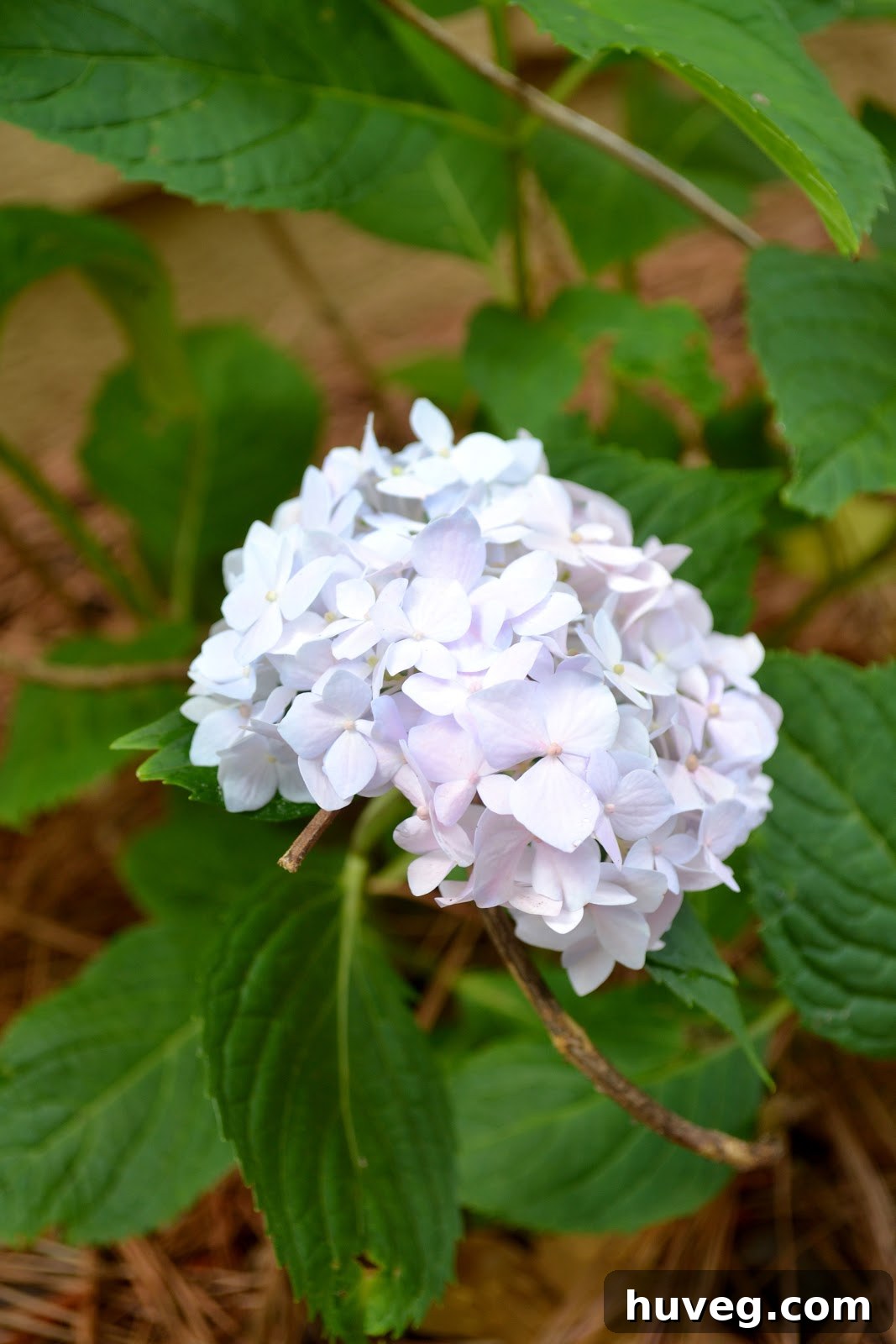
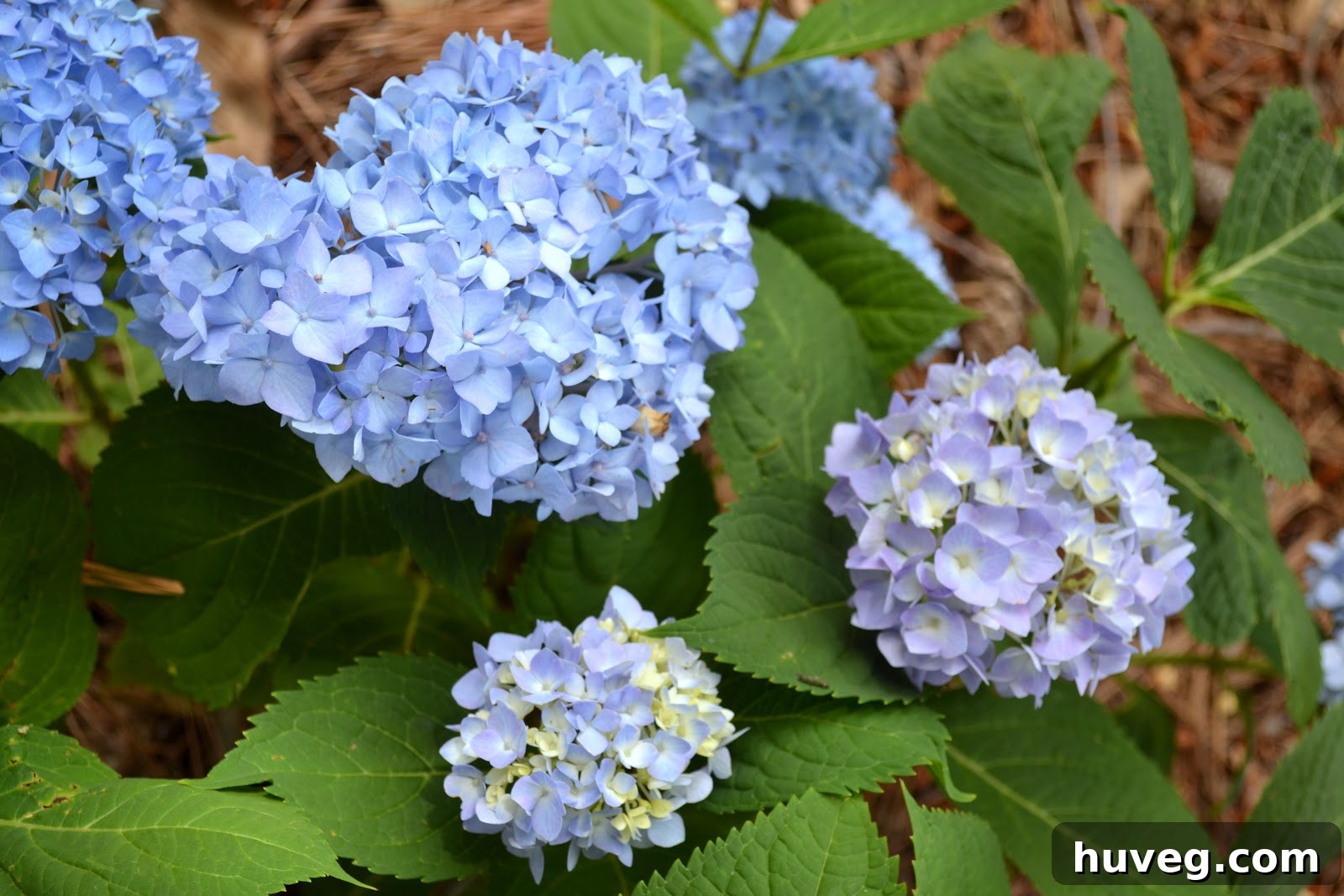
The secret to achieving vibrant blue or charming pink blooms lies in the soil’s pH level and the availability of aluminum. In acidic soil (pH 5.5 and lower), aluminum is more readily absorbed by the plant, leading to stunning blue flowers. Conversely, in alkaline soil (pH 6.5 and higher), aluminum becomes less available, resulting in beautiful pink blossoms. White and green hydrangeas, on the other hand, are generally unaffected by soil pH and will maintain their unique hues.
If your goal is to cultivate striking blue hydrangeas, one of the most effective and natural tips I’ve encountered is to cover the base of the plant with pine straw or pine bark mulch. The natural acidity released as these materials decompose significantly lowers the soil pH, making aluminum more available to the plant. I haven’t intentionally pursued blue blooms for my hydrangeas, but living in a pine-heavy region means pine straw is an abundant, natural mulch around my house (in fact, I often contend with an overabundance of it!). Beyond pine products, other organic materials like used coffee grounds, eggshells, and even citrus peels can help increase soil acidity considerably when composted into the soil. For a more direct approach, you can apply aluminum sulfate or garden sulfur to the soil, carefully following product instructions to avoid over-application.
Conversely, if you prefer lovely pink hydrangeas, you’ll want to raise the soil pH, making it more alkaline. This can be achieved by incorporating garden lime or wood ashes into the soil. It’s a gradual process, often requiring consistent application over time to see noticeable changes in bloom color. For instance, last fall, I opted to cover the hydrangeas in my backyard with rubber mulch (a practical choice for my cedar-sided home, as traditional pine bark mulch too close to the house can be a fire hazard). As you can see, these hydrangeas have subsequently grown in with more pink hues. Interestingly, some pine straw naturally fell onto the rubber mulch over the winter, leading to a subtle mix of colors, demonstrating the ongoing interaction of soil components.
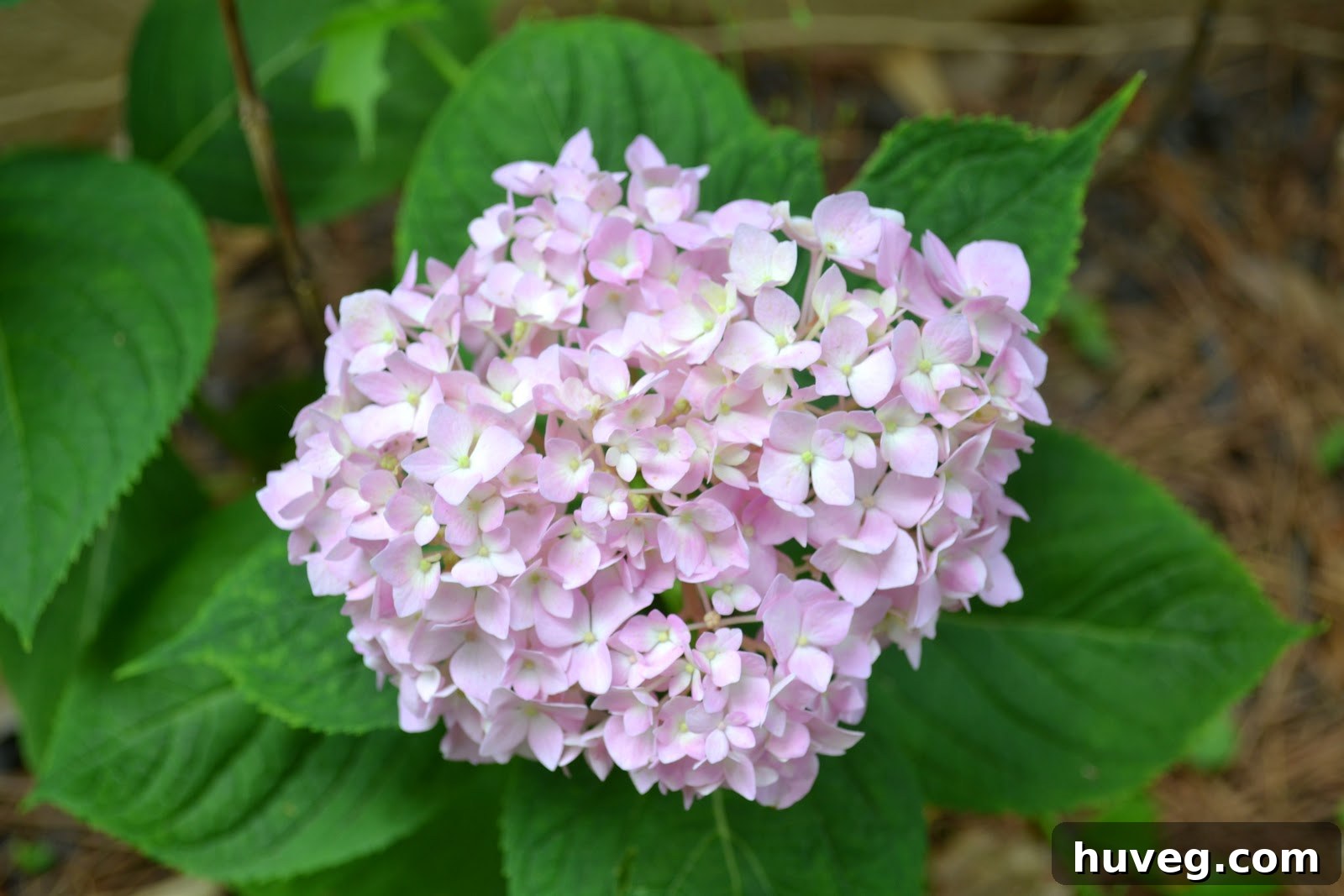
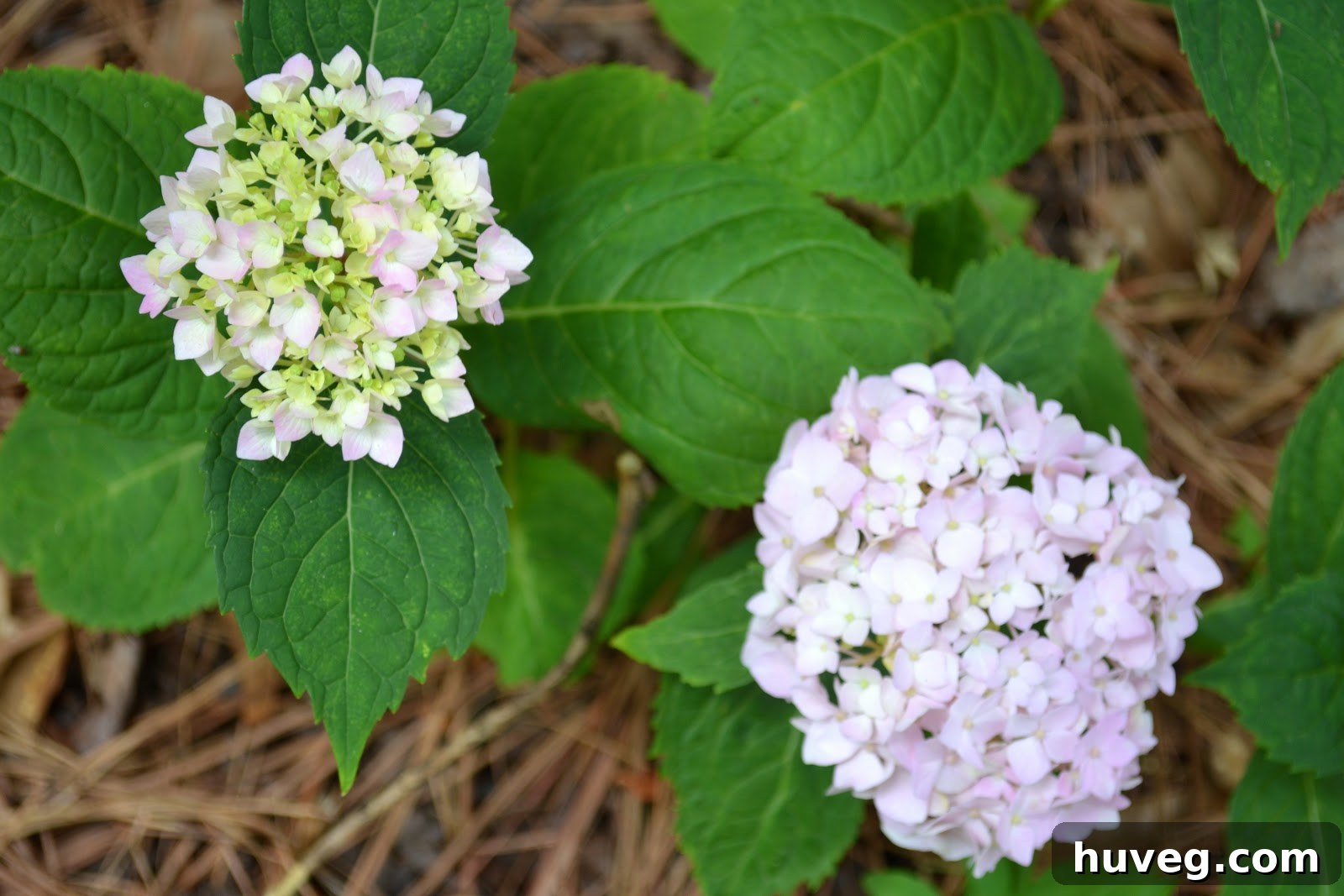
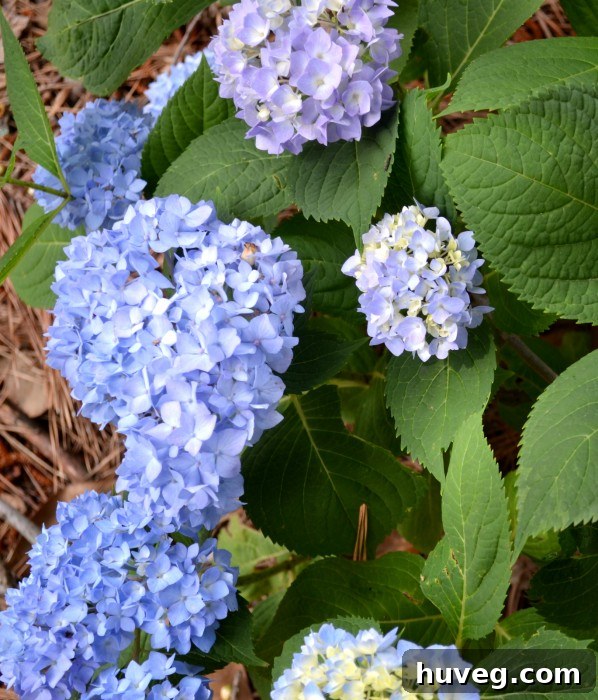
The hydrangea in my front yard, which has had a natural covering of pine straw for several years, consistently produces vibrant blue blooms. So, even without a deliberate effort to alter its color, the scientific principle behind pH and aluminum availability holds true in practice. Achieving your desired hydrangea color can be an enjoyable experiment, bringing an extra layer of personalized beauty to your garden.
While I haven’t extensively pruned any of my hydrangeas yet, largely because they are still relatively young and haven’t necessitated it, these four fundamental tips have been the cornerstone of my success. Growing hydrangeas doesn’t have to be complicated, and with a little thoughtful planning and minimal fuss, you can enjoy their breathtaking beauty season after season. Do you have any of your own tried-and-true tips for keeping your hydrangeas healthy and thriving? I would absolutely love to hear them and learn from your gardening experiences!