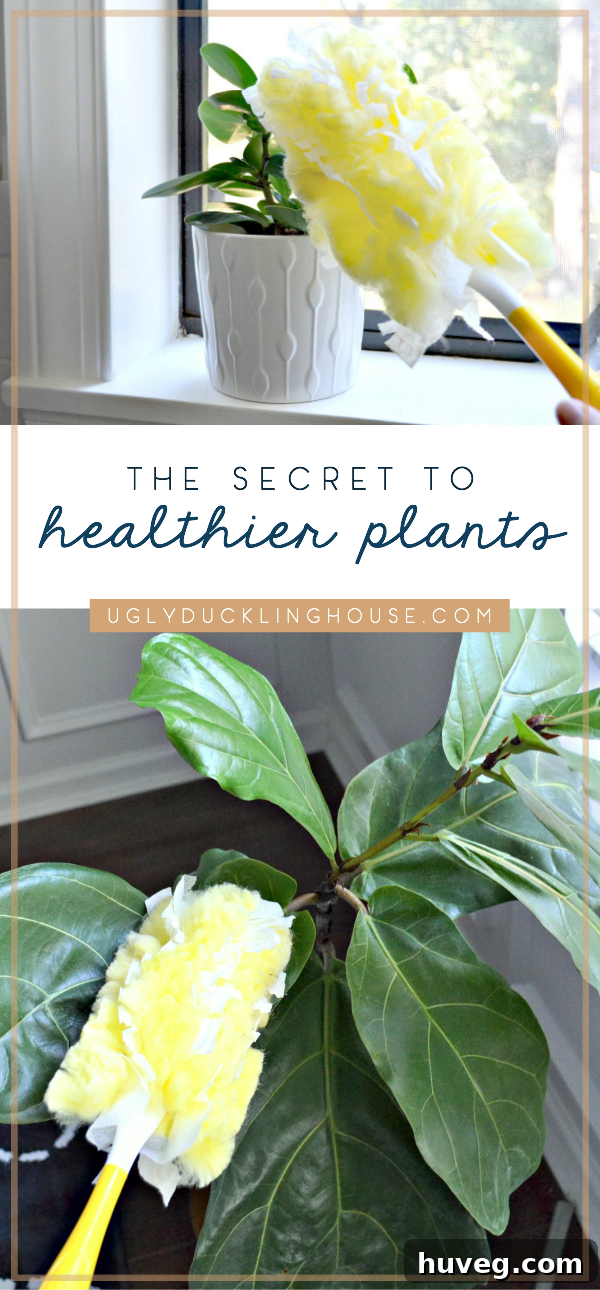
The Secret to Brilliant Houseplant Leaves

Thanks to Swiffer for sponsoring this post on adulting and quick cleaning tips! All opinions are, as always, 100% my own.
Unlock Your Green Thumb: The Essential Guide to Healthy, Dust-Free Houseplants with Swiffer
As a long-time enthusiast and proud partner of Swiffer, I’ve had the pleasure of discovering myriad innovative uses for their products around my home. Over the years, Swiffer has become an indispensable tool in my cleaning arsenal, not just for floors and surfaces, but for some unexpected tasks too. Today, I’m excited to share one of my favorite “adulting” hacks – a simple yet profoundly effective tip that helps me maintain a home that truly reflects a responsible, plant-loving grown-up. This isn’t just about making your space look tidy; it’s about nurturing your indoor plants for optimal health and vibrancy, making them shine brighter and live longer with minimal effort.
Embracing the journey of “adulting” often means tackling responsibilities that once seemed daunting, and for many, keeping houseplants alive and thriving is a significant milestone. When I first moved into my home, I was gifted a houseplant, a symbol of new beginnings. Alongside practical items like toilet paper (a recommendation I still stand by!), this plant presented a unique challenge. For months, I honestly wasn’t sure if it was even alive, let alone how to care for it. My early attempts at plant parenthood were, to put it mildly, a struggle, and countless plants met an untimely end under my care.
However, with persistence and a gradual learning curve, I eventually managed to save that first plant and develop a genuine connection with my indoor greenery. The transformation from a “brown thumb” to someone who can confidently offer plant care advice has been incredibly rewarding. It’s a testament that with a few good tips and a little dedication, anyone can cultivate their inner green thumb and create a flourishing indoor oasis. Today’s tip focuses on a often-overlooked aspect of plant care that can make all the difference: regular dusting.
The Unseen Threat: How Dust Harms Your Houseplants
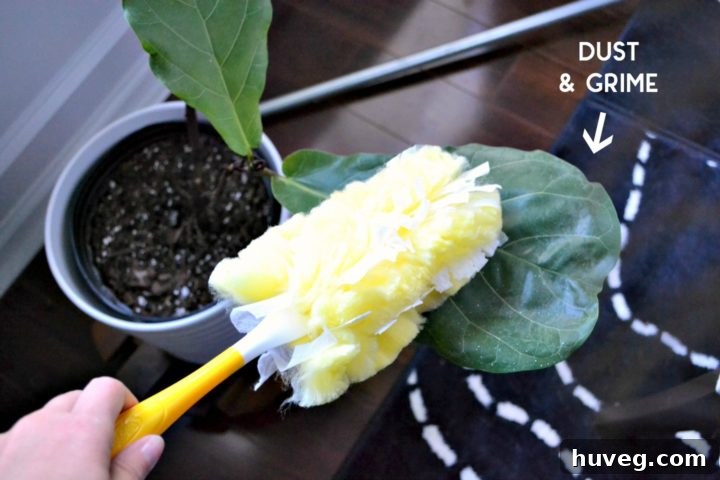
Do your indoor plants, much like mine, seem to be magnets for dust? While my home, affectionately known as the UDH, experiences a unique level of indoor pollution due to ongoing renovation activities—think drywall dust, sawdust, and the inevitable pet hair and dander from my furry friends—most households accumulate dust on their plants, albeit to a lesser extent. Before now, you might not have given much thought to the fine layer of grime silently settling on your plant leaves.
This seemingly innocuous layer of dust, however, poses a significant threat to the health and vitality of your green companions. Dust accumulation isn’t just an aesthetic issue; it actively hinders your plant’s ability to perform its essential life functions. To ensure my plants remain happy, healthy, and continue to perform their best, I’ve integrated a simple yet crucial step into my routine: periodically cleaning their leaves. This practice is a cornerstone of effective plant maintenance and contributes greatly to their overall well-being.
Why Regular Leaf Cleaning is Non-Negotiable for Thriving Indoor Plants
Indoor plants offer a plethora of benefits that extend far beyond their decorative appeal. They breathe life into any room, making spaces feel more vibrant and inviting. Beyond aesthetics, many plant varieties are renowned for their air-purifying qualities, actively removing toxins and improving indoor air quality – though some are indeed more effective than others. For a DIY blogger like myself, healthy, gleaming plants elevate “after” photos, adding a polished touch even when the rest of the project is still a work in progress. Intriguingly, research suggests that the presence of houseplants can even boost productivity and enhance attention spans, making them a wise addition to any workspace. So, perhaps a coffee break should now include both a fresh brew and a quick plant check?
However, the full spectrum of these benefits is severely diminished when plants are covered in dust. A dusty or dirty plant is akin to a stressed organism; it struggles to thrive. The primary reason is photosynthesis, the vital process by which plants convert light energy into chemical energy, effectively “eating” sunlight. Dust and dirt create a physical barrier on the leaf surfaces, blocking sunlight from reaching the chlorophyll-rich cells beneath. This impediment directly impacts the plant’s ability to photosynthesize efficiently, leading to stunted growth, weakened immunity, and a general decline in health. Furthermore, dust clogs the stomata, tiny pores on the leaves that facilitate gas exchange, essentially making it harder for the plant to “breathe.”
Visually, dusty leaves appear dull, lifeless, and neglected, robbing plants – especially those with naturally waxy leaves like my beloved fiddle leaf fig – of their natural luster. The vibrant green gives way to a muted, often grayish hue, signaling distress. More critically, a weakened plant is far more susceptible to diseases and pest infestations. As someone who once battled to keep even the hardiest plants alive, I understand the frustration and financial strain of constantly replacing wilting greenery. The noticeable improvement in stability and resilience my plants exhibited once I started wiping them down regularly was truly remarkable. Even during periods when I inadvertently forget to water them, they recover much faster when their leaves are clean, ready to absorb light and nutrients efficiently. An added bonus? The act of wiping them down often serves as a gentle reminder to check their soil moisture, indirectly contributing to more consistent watering habits.
Seamless Plant Care: Integrating Swiffer into Your Cleaning Routine
The beauty of this adulting hack lies in its simplicity and seamless integration into your existing cleaning regimen. If you’ve been following my blog, you already know my affinity for Swiffer products. The key to successful, consistent plant care for me is ensuring it doesn’t feel like a burdensome, separate task. That’s where Swiffer truly shines.
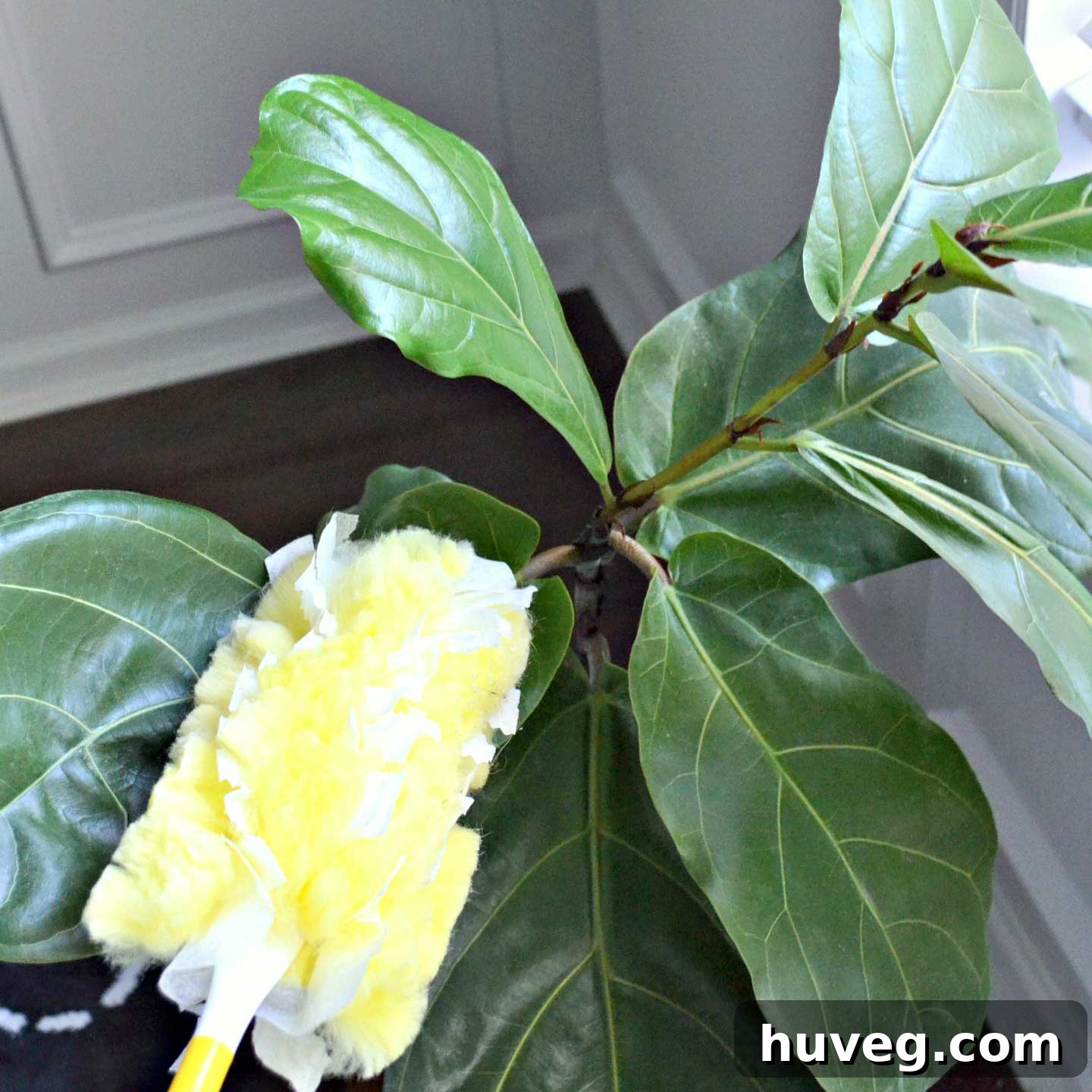
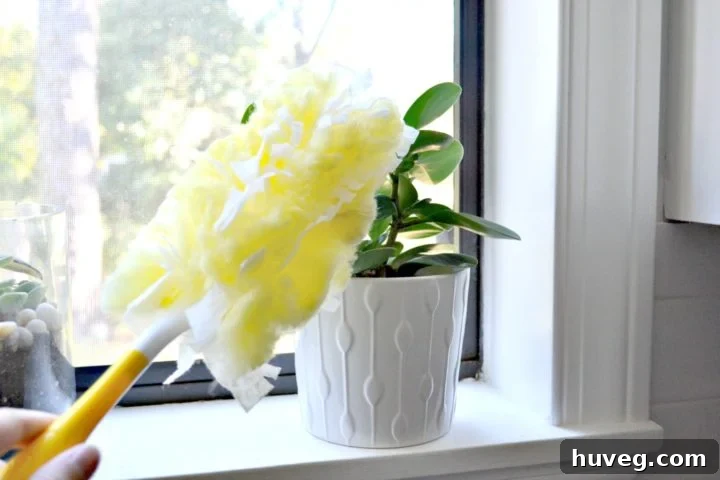
I don’t fanatically use the same Swiffer product every time; instead, I leverage whatever Swiffer tool I’m already using for general household cleaning. Whether it’s the versatile Swiffer dry cloth or the handy Swiffer duster, I simply incorporate a quick pass over my plant leaves. The electrostatic properties of Swiffer products are perfect for attracting and trapping dust, ensuring a thorough clean without the need for water or sprays that could damage delicate foliage. This method not only keeps dust buildup at bay but also encourages me to maintain a consistent cleaning schedule for my plants, transforming what could be a chore into a quick, satisfying habit.
For larger-leafed plants, the Swiffer Sweeper cloths are exceptionally effective. My routine often involves starting by gently wiping down the plant leaves with a fresh, clean cloth. The soft, textured material effectively lifts dust without scratching the leaf surface. Once the plants are gleaming, I then attach that same cloth to my Swiffer Sweeper to clean my floors. This ingenious dual-purpose approach maximizes efficiency, ensuring no Swiffer cloth goes to waste and drastically cuts down on my overall cleaning time. It’s an effortless way to keep both my plants and my floors sparkling clean, demonstrating how thoughtful integration can simplify complex tasks.
This regular, light dusting with Swiffer prevents significant dust accumulation, meaning I rarely need to resort to more intensive cleaning methods. In the past, when neglect led to heavy dust buildup, I occasionally used specialized plant products designed to restore waxy shine to leaves. However, since adopting the Swiffer routine, these products mostly gather dust themselves under my kitchen sink. I’ve even heard of people using mayonnaise for a similar cleaning and shine treatment, though I’ve never needed to try it, thanks to Swiffer’s effectiveness.
The Swiffer Duster is particularly ideal for plants with fuzzy or delicate leaves, such as African violets, which should not be watered directly on their foliage. The soft, flexible fibers of the duster gently reach into crevices and across textured surfaces, lifting dust without causing damage. This precision cleaning ensures that even your most sensitive plants receive the care they need to thrive. Maintaining clean leaves is not just about aesthetics; it’s about optimizing your plant’s ability to photosynthesize, breathe, and ultimately, flourish within your home environment.
Beyond the Dust: Holistic Houseplant Care for Lasting Vitality
While dusting with Swiffer is a remarkably effective and often overlooked component of houseplant care, it’s important to remember that it’s just one piece of the puzzle for ensuring lasting plant vitality. To truly foster a thriving indoor garden, a holistic approach is key. Beyond keeping leaves clean, consider these essential elements:
- Appropriate Lighting: Research your specific plant’s light requirements and place it in a spot where it receives the right amount of sun or shade. Too much or too little light can lead to stress and poor growth.
- Mindful Watering: Overwatering is a common killer of houseplants. Always check the soil moisture before watering. Many plants prefer to dry out slightly between waterings. Use a moisture meter or simply feel the soil about an inch or two down.
- Humidity Levels: Many popular houseplants, especially those originating from tropical climates, thrive in higher humidity. Consider misting, using a pebble tray, or placing a humidifier nearby, especially during dry winter months.
- Nutrient-Rich Soil: Ensure your plants are potted in well-draining soil and consider periodic feeding with a balanced liquid fertilizer during the growing season (typically spring and summer).
- Pest Prevention: Regularly inspect your plants for signs of pests. Clean leaves are less appealing to pests, but early detection and treatment are crucial.
- Repotting When Needed: As plants grow, they may become root-bound. Repotting into a slightly larger container with fresh soil every year or two can encourage continued growth and health.
Integrating dusting with these other fundamental care practices creates a robust framework for plant health. Swiffer makes the dusting part so simple and efficient that it frees up more time and energy for these other crucial aspects of plant maintenance. It’s about working smarter, not harder, to cultivate a lush and lively indoor environment.
Your Green Oasis Awaits: A Simple Step Towards Healthier Plants
So, there you have it – a straightforward, effective, and truly “adult” approach to keeping your houseplants healthier and happier, especially as spring heralds a season of new growth and renewed attention to our indoor green friends. This simple trick leverages the power and convenience of Swiffer products to transform a potentially tedious task into a quick, integrated part of your regular cleaning routine. By ensuring your plants’ leaves are free from dust, you’re directly contributing to their ability to photosynthesize, breathe, and resist disease, allowing them to truly flourish.
This method has made an undeniable difference in the vitality of my own plants, turning a once-struggling collection into a thriving indoor jungle. I encourage you to give it a try and witness the remarkable improvement in your own plants. Have you ever considered dusting your plants before? Do you have any other small, ingenious tricks or “adulting” hacks you use to keep your houseplants in peak condition? Share your insights and experiences in the comments below – I’d love to hear them!