Mid-Project: Conquering the Sinkhole and Reclaiming My Yard

This month has been remarkably productive, a refreshing surge of energy after a quieter period. Yet, despite the rapid pace of change transforming my property, I find myself surprisingly drained at night, making it challenging to revisit the day’s events in detail for a blog post. Nevertheless, the recent rain provided the perfect excuse to hunker down today and sift through the myriad of photos taken during the backyard sinkhole project. It’s time for Part Two of this exciting transformation! If you’re new here or missed the initial stages of my ambitious backyard makeover, you’ll want to catch up on Part One. There, I recount the saga of ordering a massive truckload of fill dirt, navigating the necessary utility company approvals, and the thrilling experience of renting a powerful backhoe to tackle this DIY challenge. Head over there for the full rundown, and I’ll be right here when you return, ready to dive deeper into the dirt.
Alright, if you’ve finished that first extensive post, grab another cup of coffee! We’re about to jump into even more action and transform this challenging backyard space. Let’s dig in!
After what was initially planned as two days—but unexpectedly stretched into five, a detail I’ll elaborate on soon—of meticulously relocating hundreds of cubic feet of dirt from my driveway to the backyard (due to power line obstructions and narrow gate access preventing direct delivery), a peculiar thought kept resurfacing. It was a simple, yet profound realization: “I’m standing in a part of my yard I’ve never truly stood in before.” This small observation underscored the monumental nature of the transformation underway, highlighting how previously unusable or inaccessible areas were slowly becoming part of a cohesive, functional landscape. It wasn’t just about moving dirt; it was about reclaiming my outdoor space.
Transforming the Landscape: A Decade of Backyard Evolution
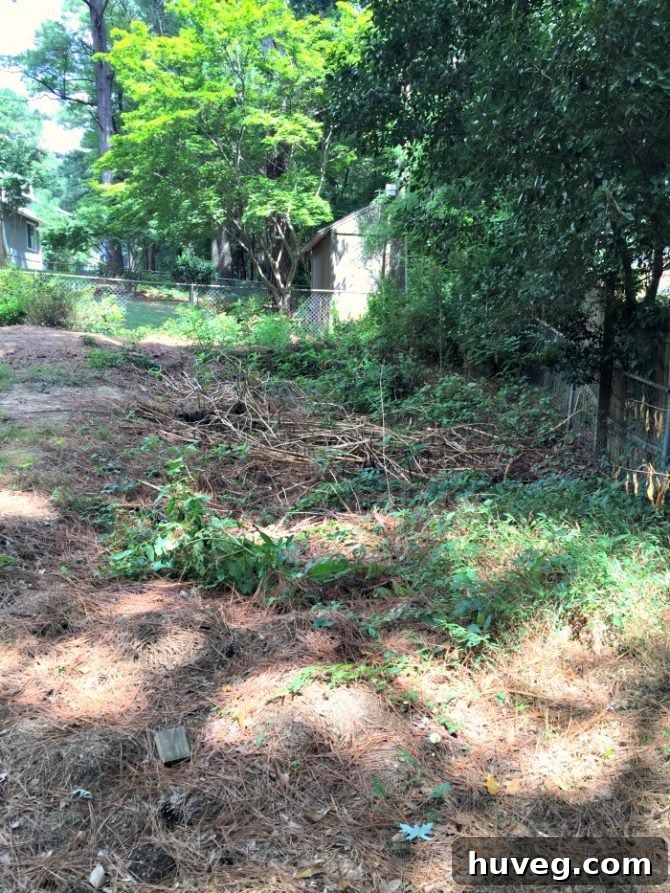
The “sinkhole fill project,” as I’ve affectionately dubbed it, has lingered on my home improvement list since the day I moved in. For nearly a decade, this meant significant portions of my yard remained uninviting – rough, uneven, often obscured by rampant weeds and accumulated yard debris. While my dog, Charlie, seemed perfectly content with the wild expanse, for me, it presented a constant challenge and a missed opportunity for outdoor enjoyment. The vision of a leveled, functional backyard felt like a distant dream, perpetually on the horizon.
In fact, when I first purchased this home in 2010, the backyard was far more daunting. It was riddled with even greater obstacles: an abundance of extra pine trees, thick layers of pine straw that suffocated any potential grass growth, and aggressive ivy that seemed to sprawl endlessly. The only practical use I could conceive for that unruly space was to ignore it completely, or perhaps, in a moment of extreme frustration, contemplate a controlled burn – I kid, mostly. I’m quite certain any visitor back then would have shared my assessment, perhaps even offered similar drastic suggestions for tackling the overgrown wilderness.
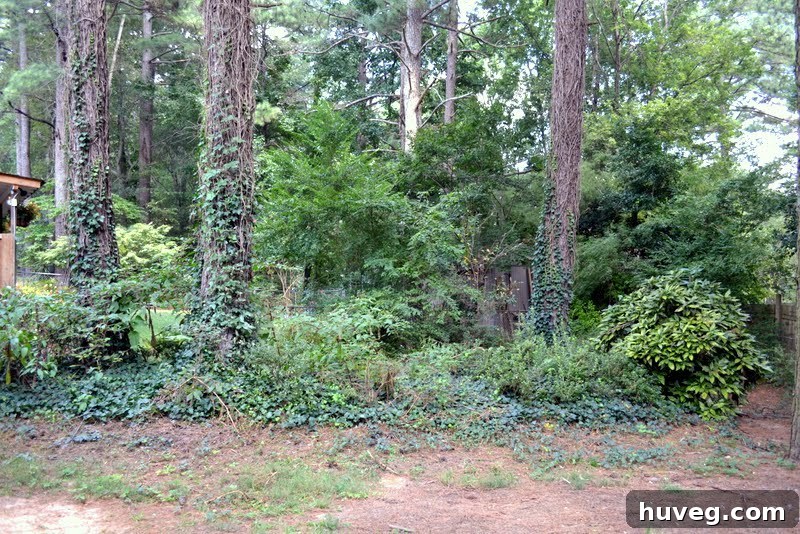
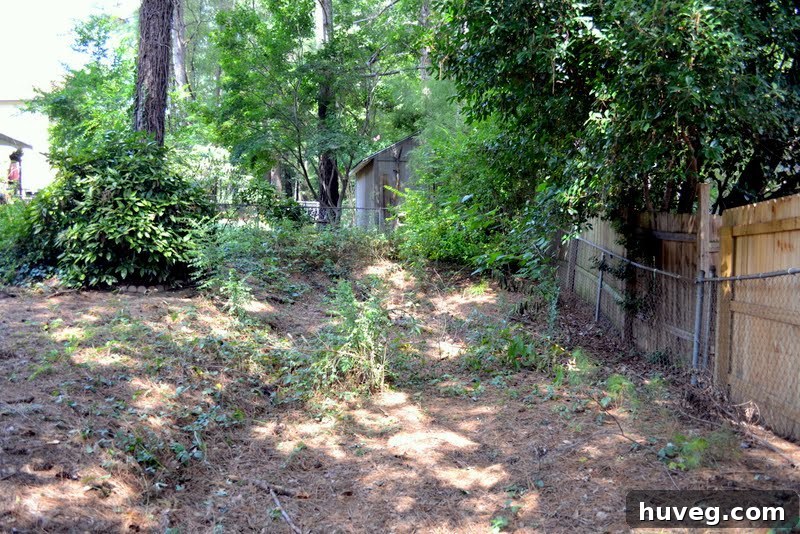
After dedicating a year or two to interior renovations, my focus finally shifted outdoors. My first major offensive was to aggressively tackle and permanently remove the pervasive ivy. This decision was driven by several factors: ivy is notorious for harboring countless bugs (a fact I learned firsthand when some of them, quite unpleasantly, found their way down my bra during the removal process) and, more critically, it poses a genuine threat to the health and vitality of established trees. Thankfully, my personal wardrobe remained otherwise uncompromised by the flora and fauna during this extensive project.
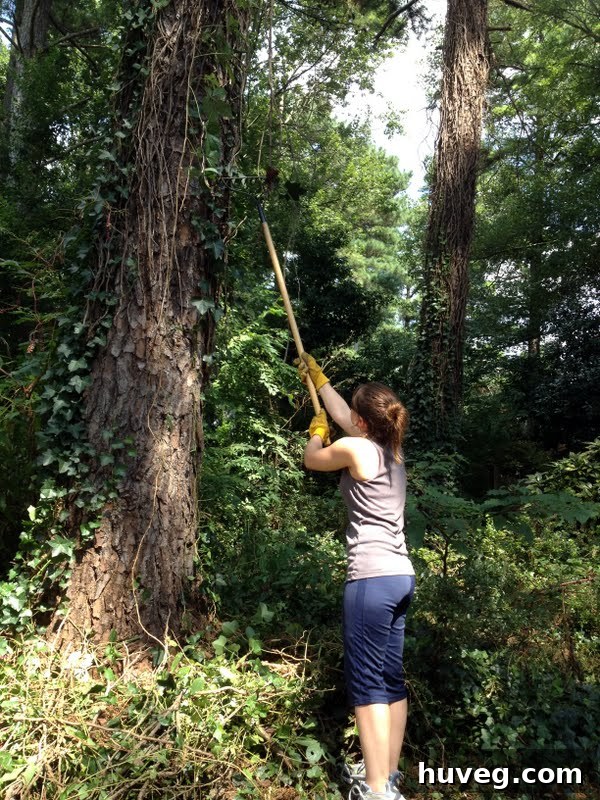
Ironically, with each improvement, the yard seemed to reveal new layers of desolation. While the ivy had, at least, provided a deceptive veneer of green, its removal exposed the stark reality of the underlying landscape. The absence of ivy, though beneficial for tree health, highlighted another critical issue: the sheer number of remaining pine trees. Their constant shedding blanketed the yard in persistent pine straw, contributing to an overwhelming sense of brown and muted tones. It was a visual reminder that true beauty and functionality required more than just clearing away the obvious problems; it demanded a holistic approach to design and cultivation.
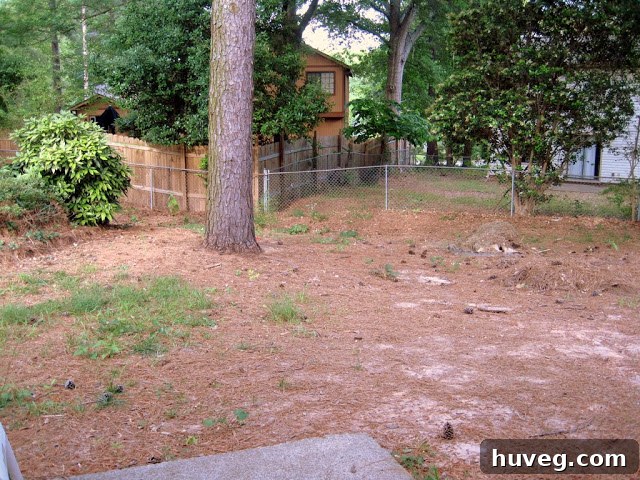
A few years later, after carefully setting aside some funds, I made another pivotal decision. Instead of merely hiring a company to prune and limb the problematic branches, I concluded it would be more effective, both aesthetically and financially in the long run, to invest in permanently removing several of the most troublesome trees. This bold move was a significant step towards opening up the canopy and allowing more light into the yard, fundamentally altering its character and future potential.
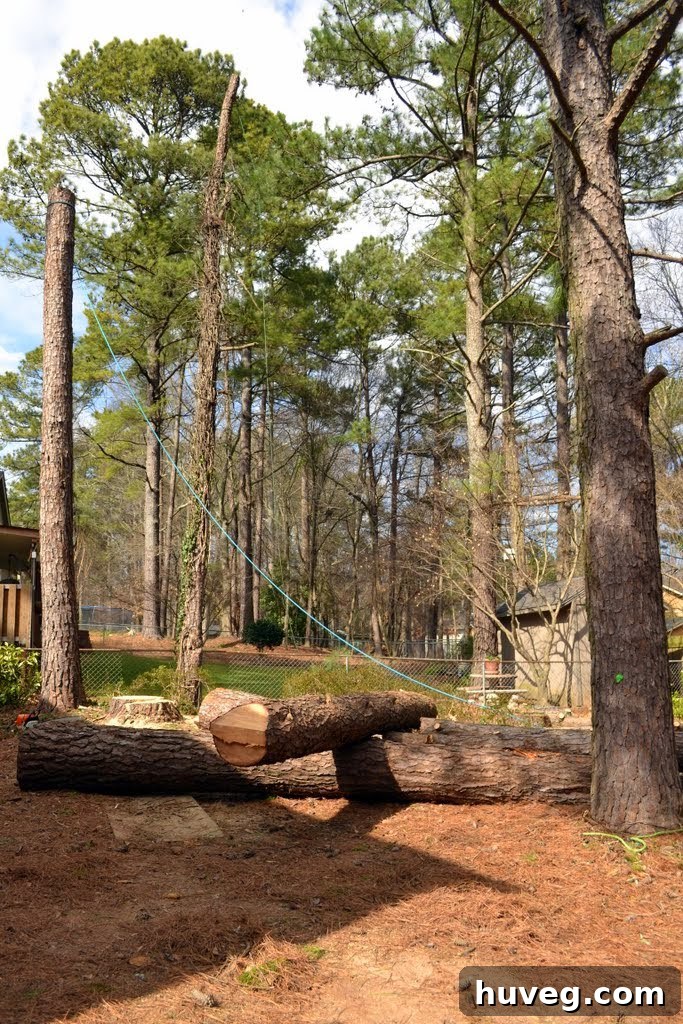
After the extensive tree removal and stump grinding, I intentionally left one sturdy tree standing in the center of the yard. This solitary sentinel serves a dual purpose: it provides a much-needed splash of natural shade, creating a cooler microclimate in the summer, and it offers a convenient tie-out point for Charlie when needed. Despite the investment in my tall privacy fence, Charlie, ever the adventurous spirit, is known to clear it if not leashed. Furthermore, the removal of the other trees brought into sharper focus a lingering issue: a substantial mound of dirt that stubbornly remained on the left side of the yard. While I had previously relocated some awkwardly placed plants closer to the fence line, the imposing dirt mound presented a new challenge, and I was uncertain of the best course of action.
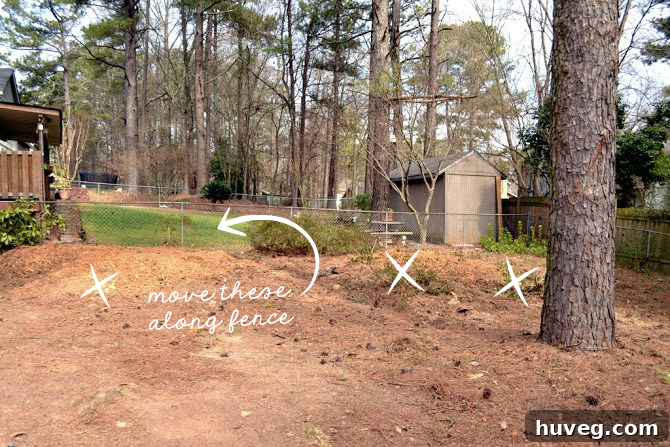
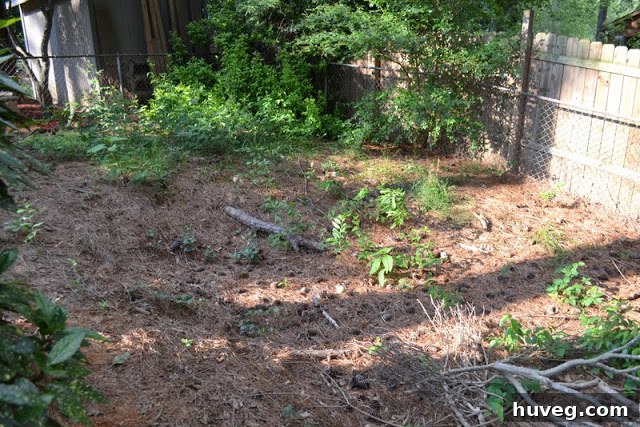
This imposing dirt hill seemed to directly mock the persistent sinkhole that sat just adjacent to it, creating a jarring contrast of elevation within the yard. It became increasingly clear that, at some point in the future, a comprehensive leveling of the entire space would be absolutely essential if I ever hoped to transform this area into anything more than a neglected, empty expanse. Despite the considerable progress already made on the property, the sheer scale of tackling both the dirt mound and the sinkhole simultaneously always felt like an overwhelmingly ambitious project—one that perpetually remained just beyond my immediate reach, waiting for the right moment.
The Serendipity of Timing: A DIYer’s Dream Partnership
My initial mental calculations for resolving the yard’s unevenness involved envisioning hired labor and heavy machinery, pushing the existing dirt mound to fill the depression, thereby reducing the mound’s height and elevating the lower section of the yard. I even anticipated the likely need to bring in additional fill dirt if the existing supply proved insufficient. Frankly, just contemplating the logistics and the potential costs of such an operation felt astronomically expensive at the time, prompting me to table the idea and focus on interior projects, deferring further research into this outdoor behemoth. Yet, this approach of juggling multiple projects often yields unexpected dividends; it not only maintains the momentum of home improvement but sometimes allows ideal solutions to gravitate directly toward me.
Such was the case earlier this spring when Compact Power Equipment Rental reached out, inquiring about any large equipment rental needs or potential sponsorship opportunities. To my genuine surprise and immense excitement, I discovered that through select Home Depot locations, they offer heavy machinery rentals—not just to seasoned professionals, but crucially, to passionate DIYers like myself. This was a game-changer, suddenly making a previously insurmountable task feel within reach. Their inventory included robust machines perfectly suited for my yard leveling ambitions, such as this impressive piece of equipment:
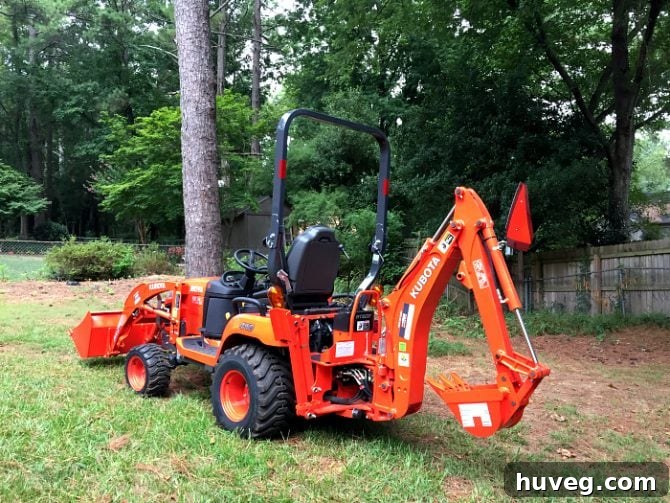
Hold on – are you telling me I could rent one of these powerful machines myself? And dramatically cut down on labor costs? My immediate reaction was an enthusiastic “Yes, I would absolutely love to discuss this further!” My excitement was palpable, nearly causing me to blurt out offers of cooking dinner or, more realistically, ordering copious amounts of Chinese food or pizza – after all, my “call to the pizza place” is truly a culinary specialty I excel at. The prospect of operating such a formidable piece of equipment transformed a daunting, expensive project into an exciting, achievable DIY adventure.
Day 1: Heavy Equipment Arrives and the Learning Curve Begins
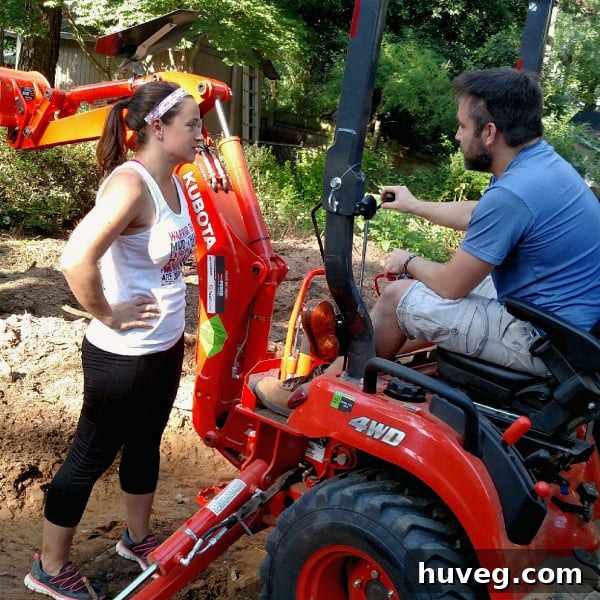
The planning phase involved a bit of coordination, as is typical when partnering with a brand, including establishing timelines and finalizing agreements. But all the groundwork paid off when, earlier this month, this magnificent piece of equipment made its grand debut on my street. The sheer excitement of seeing it arrive was almost overwhelming. The best part? It was all mine for the duration of the rental. After a moment of wide-eyed awe, a slightly embarrassing seal clap in front of Chuck, the regional representative who patiently guided me through its operation, I eagerly got to work.
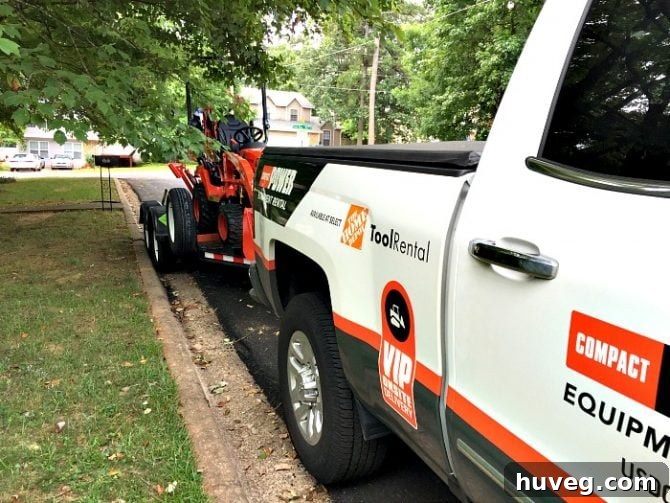
My “work” initially consisted of a crash course in operating heavy machinery, which proved to be more nuanced than simply pulling levers. Learning to precisely scoop bucketfuls of dirt, managing the weight and balance of a full load, required a surprising amount of finesse. Then came the challenge of carefully maneuvering the large machine around my yard, skillfully navigating through the relatively narrow opening of my fence, a task that demanded utmost concentration to avoid any mishaps. Finally, the satisfying process of depositing each load into the ever-shrinking sinkhole began.
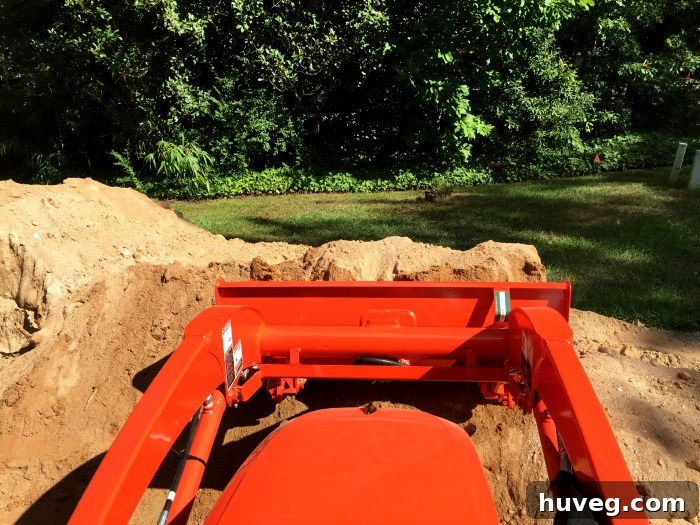
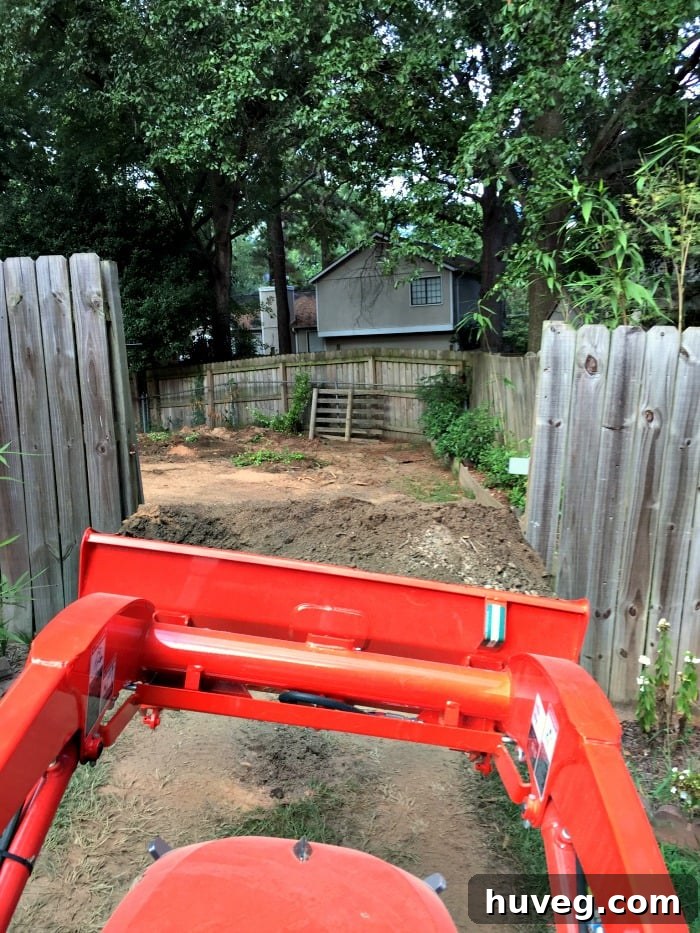
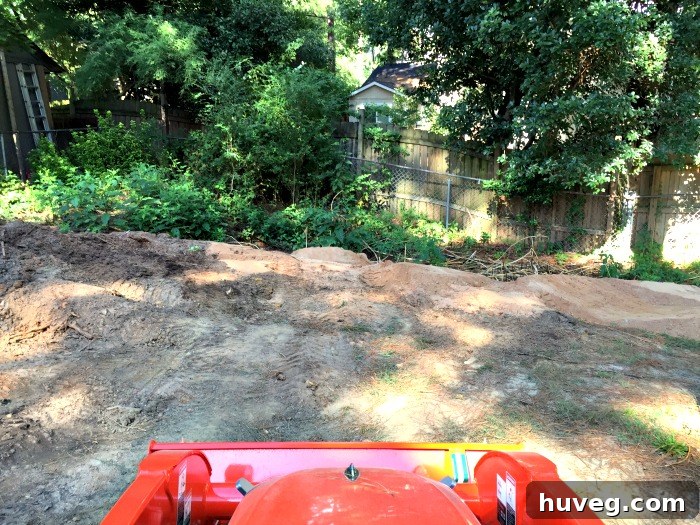
One of the more unique challenges was mastering the seat reset mechanism, which allowed me to switch seamlessly between operating the front loader and rotating the seat to control the backhoe. This particular model incorporated several safety features, requiring the seat to lock firmly into place. A seatbelt had to be audibly clicked and secured after each rotation; otherwise, the seat would dislodge over any bump, instantly cutting off the engine. This safety feature proved particularly humorous (and slightly frustrating) for a lighter individual like myself. My weight would occasionally bounce forward, causing the seat to click out of place. This resulted in frequent, abrupt engine stalls, prompting me to literally slam my butt back into the seat until it clicked into submission, before restarting the engine. I honestly lost count of how many times this comical scenario played out, much to the probable amusement of my neighbors.
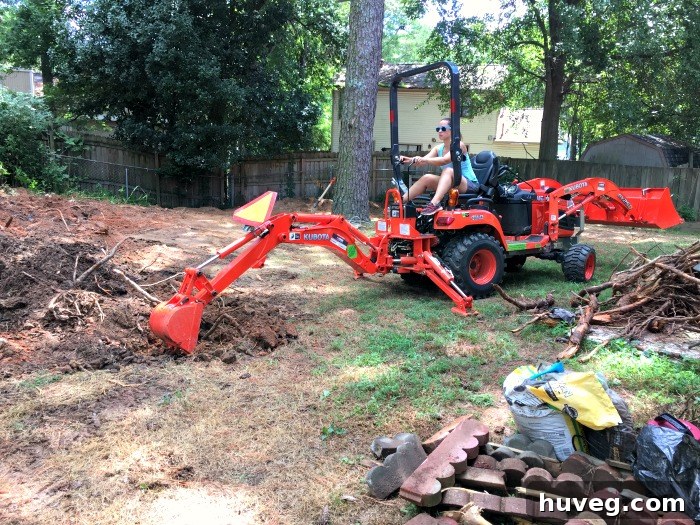
The backhoe also featured pins that ingeniously secured its arm, preventing accidental extension while the front loader was in use. These pins required precise alignment to disengage, but once freed, they unlocked the full, powerful capabilities of the backhoe. Learning these operational nuances was part of the exhilarating, hands-on experience that made this project so uniquely satisfying. Despite the learning curve and occasional comical missteps, I genuinely felt incredibly empowered and capable riding around on this machine. My neighborhood, characterized by relatively close-knit houses, naturally observed the spectacle with keen interest. However, one of the most rewarding aspects of any outdoor makeover is that exterior improvements tend to be contagious. I knew that if I executed this project well, I would not only achieve a stunning backyard but also potentially inspire others. Plus, I’ve always been “that neighbor” who’s perpetually engaged in some project, so I suspect most just offer a knowing shrug and think, “There she goes again.”
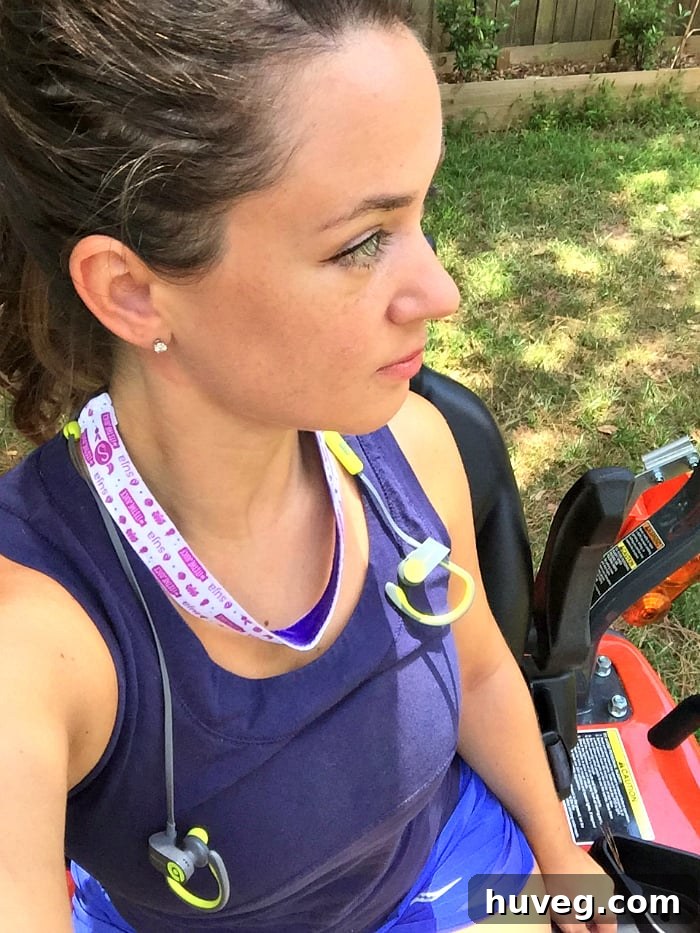
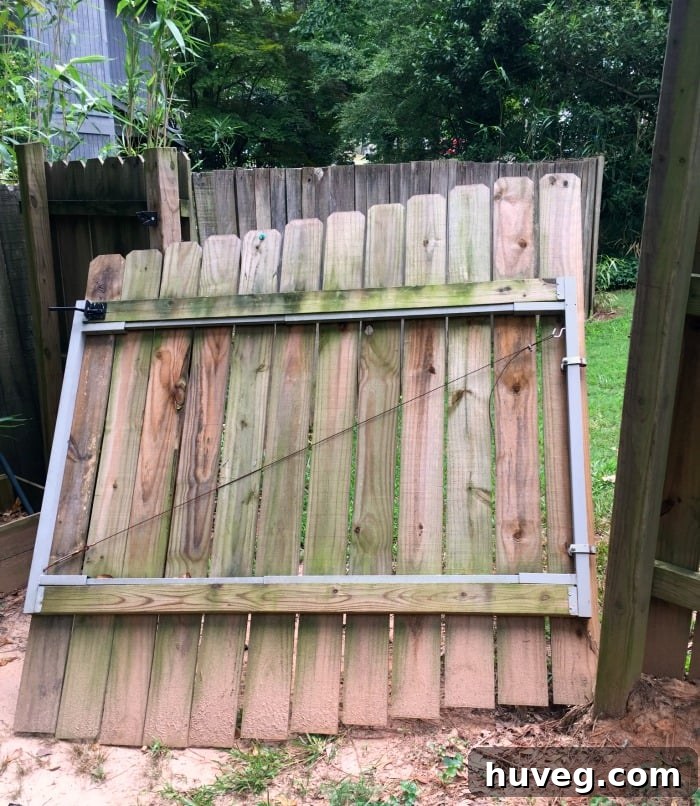
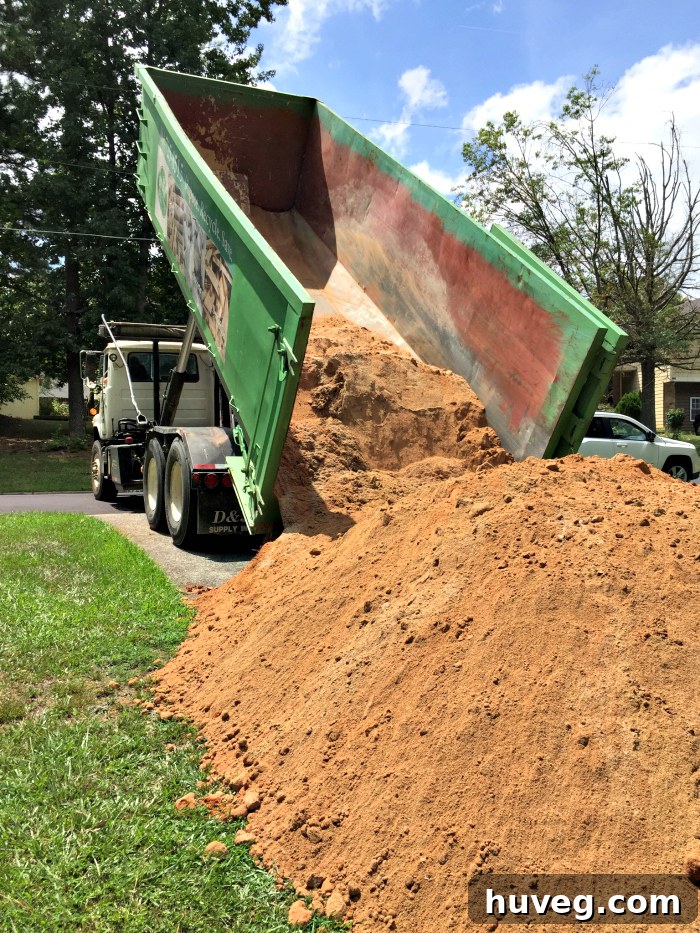
Speaking of the fence, the process of lifting and moving the heavy gate panel was another moment of unplanned physical comedy. Thankfully, it came off as a single unit, but being roughly a quarter of its size meant my efforts were less graceful choreography and more akin to a cartoon character’s struggle. By the end of the first day, despite my utter exhaustion, approximately half of the dirt from the driveway had been successfully redistributed into the sinkhole area. This initial progress also brought a crucial realization: my initial estimate for fill dirt was optimistic. It became clear I would likely need more, and strategically, a final load of nutrient-rich topsoil would be essential for establishing new grass. In my defense, the initial pile looked truly colossal. Wouldn’t you have thought it was plenty?
For a dynamic recap of my first day operating the backhoe and tackling the sinkhole, I recorded a quick live video on Facebook. You can catch all the action and my initial thoughts on the process by clicking over to my page: Watch the Day 1 Video on Facebook.
Day 2: Family Support, Friends, and a Backhoe “Party”
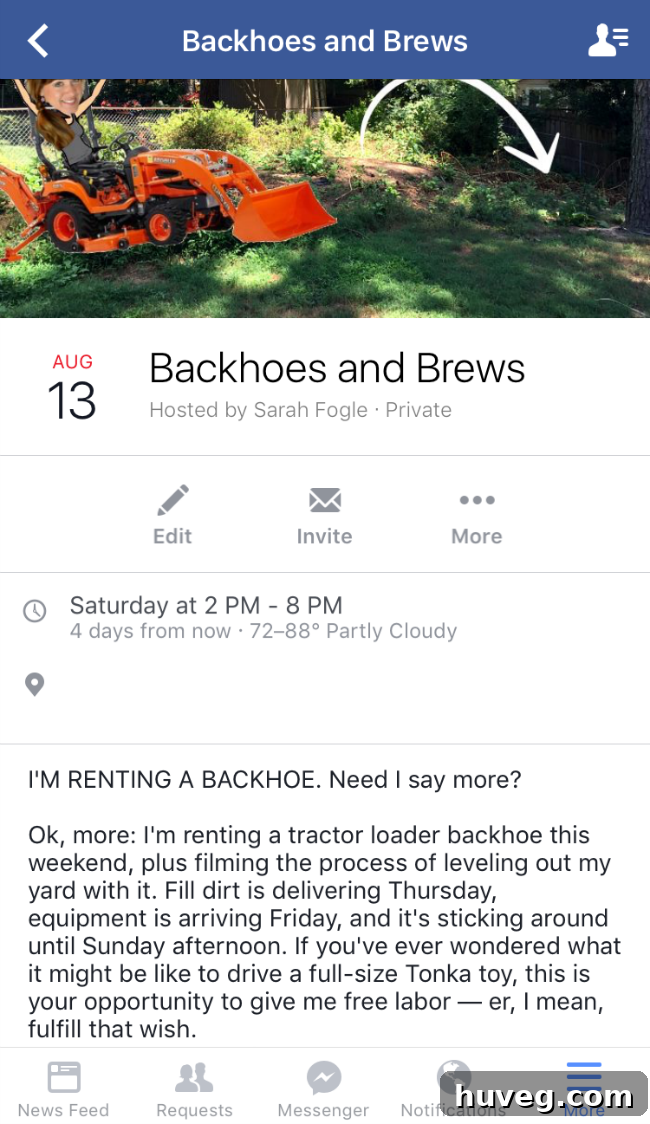
While perhaps not a full-blown party, Day 2 certainly took on a festive, collaborative atmosphere. I extended invitations to a few friends for a casual Saturday afternoon gathering, hoping they’d witness the backhoe in action, help capture some video footage (I’m planning a YouTube recap video for the final post), and perhaps, in their enthusiasm for operating heavy machinery, contribute a little “free labor.” To be clear, any celebratory brews were strictly reserved for after we officially called it a day – absolutely no drinking and backhoeing on my watch!
As the first few guests arrived, my role swiftly transitioned from student to instructor. I eagerly provided everyone with a comprehensive rundown on operating the backhoe, pointing out crucial levers for stabilization and controls for precise movement. It was a joy to share the newfound knowledge and see their curiosity ignite.
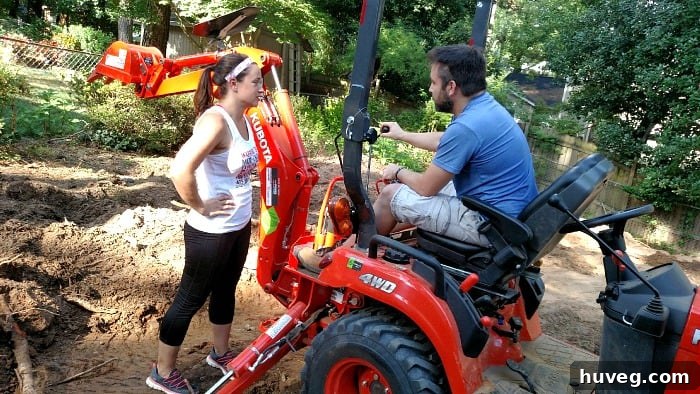
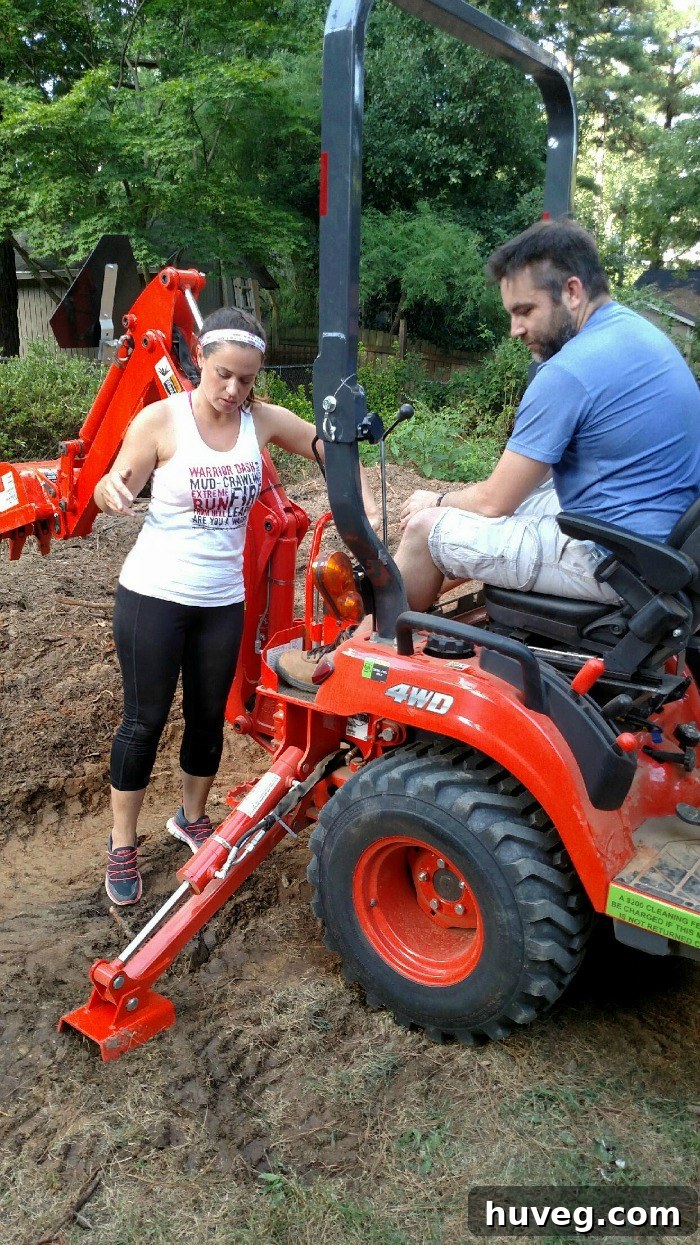
I honestly didn’t anticipate such a fantastic turnout, but a good number of my friends were game to hop on the backhoe for a few minutes and give it a try. The reactions were varied: some were understandably intimidated, especially when the backhoe gripped a stubborn root and threatened to lift or shift the entire machine, creating a sensation of imbalance. Others, however, took to it like seasoned pros, effortlessly ripping out stubborn roots while I, admittedly, mostly stood around making silly “dirty hoe” puns. This collective experience truly hammered home a realization: I need to host gatherings at my house far more often. DIY projects become exponentially more enjoyable and rewarding when shared with an enthusiastic audience willing to get their hands dirty. After all this effort, it just feels right to open up the space and share the journey, doesn’t it?
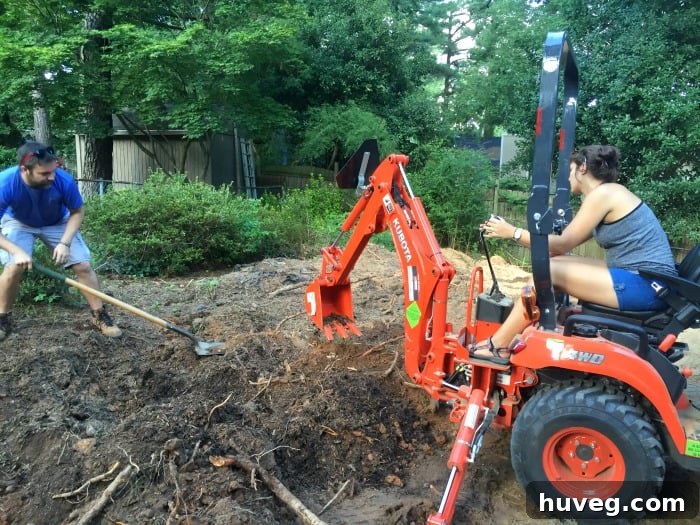
Before my friends arrived, however, my amazing dad had already dedicated yet another Saturday to helping me conquer this house project. I’m sorry to break it to you, folks, but my dad is probably far more awesome than yours. I’m sure your dad is lovely and all, but mine helped me level out an entire yard with a backhoe, so… the competition is stiff! His unwavering support and hands-on assistance were invaluable, significantly accelerating the progress and reinforcing the power of family in major DIY endeavors.
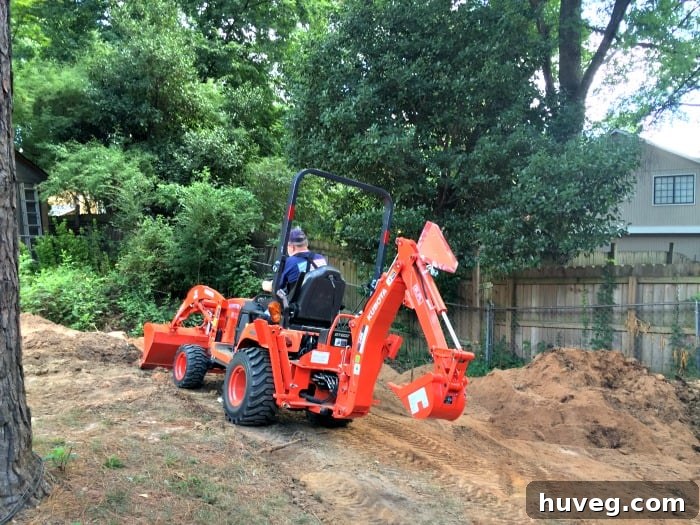
At the close of Day 2, I again went live on Facebook to showcase the remarkable progress achieved in just a single day. If the video doesn’t appear below, you can simply click over to my Facebook page to view the update.
For those who prefer static images over video, here’s a clear visual summary of the significant progress we’ve made:
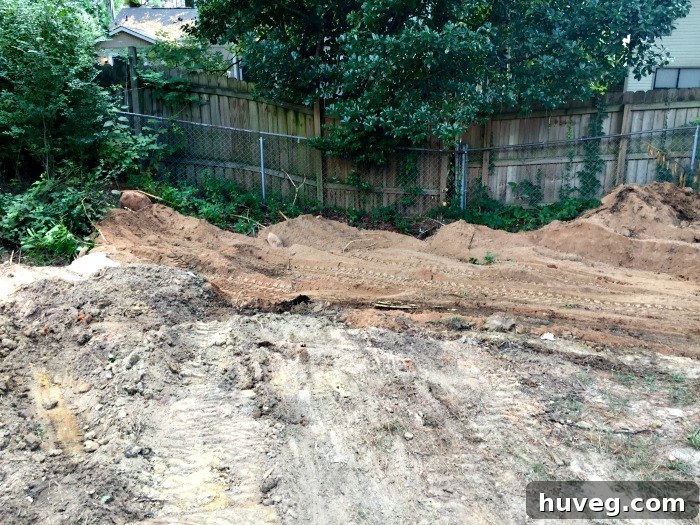
I captured an abundance of photos throughout this project, far too many to fit into a single post, which means a third installment will be necessary to cover the remaining details. And as a special thank you, there will be a fantastic giveaway for you all in Part 3! I also have more exciting progress to share with you soon, so please stay tuned for upcoming updates on the house and yard transformation. But first, I’m curious: what exciting projects or challenges have you been tackling this week?
Update: Eager to see the final results of this extensive backyard transformation? Click the image below to jump straight to Part 3 and discover the stunning conclusion!