The Illusion of Control

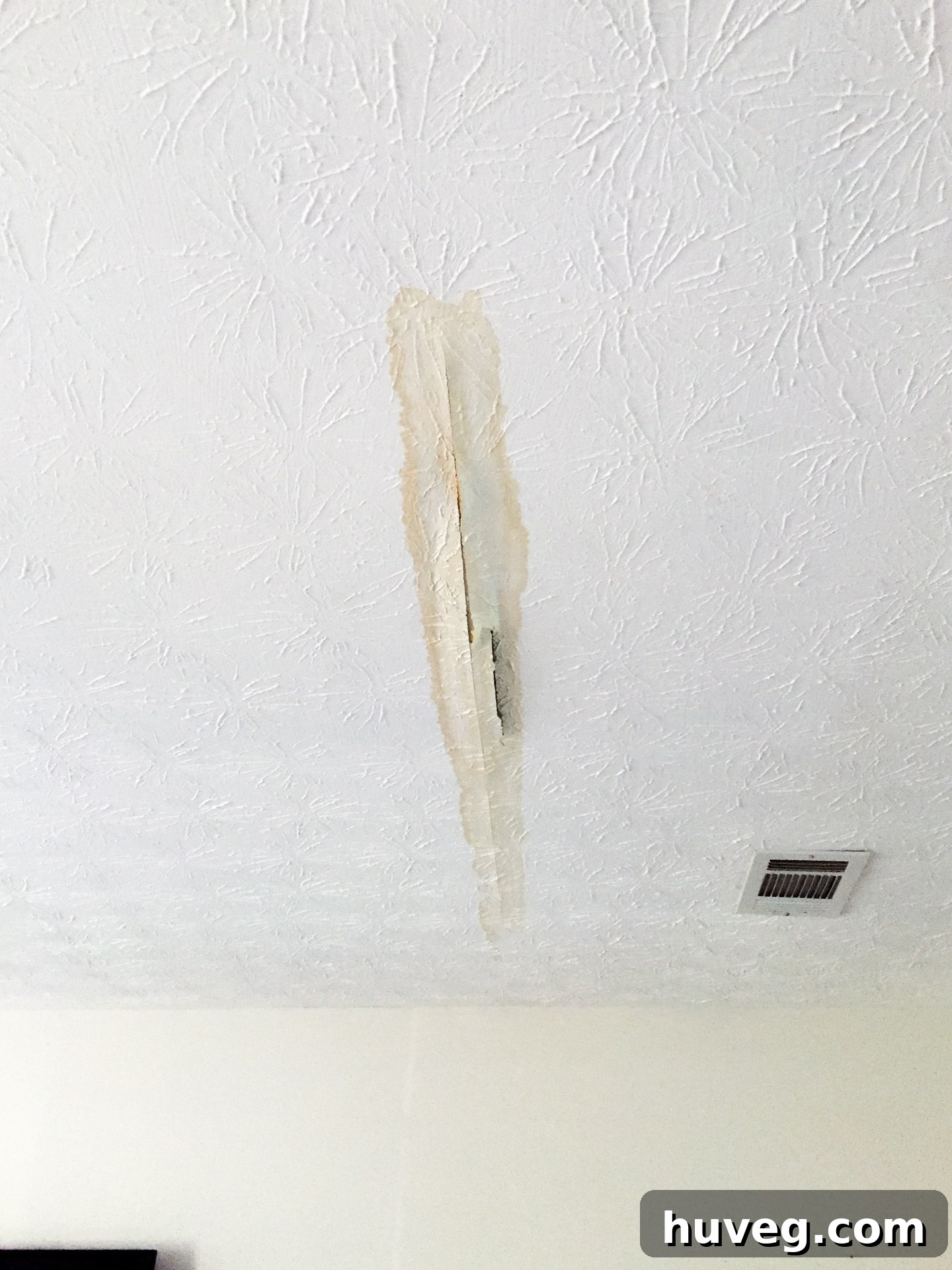
The joys of homeownership are many, but nothing quite sours the experience like the tell-tale sign of a ceiling leak. That dreaded discolored patch, slowly expanding, is often a homeowner’s worst nightmare, hinting at hidden problems and potentially costly repairs. While various issues can cause water damage, one of the most common and often overlooked culprits is a clogged air conditioner condensate drain line. This guide will walk you through understanding, preventing, and clearing this frequent household headache, saving you stress, time, and money.
I know this scenario all too well. My own journey into the world of ceiling leaks began with that familiar, unwelcome stain. It served as a stark reminder of a truth I’d recently heard from drywall experts: “When it comes to owning a house, it’s not a matter of IF you’ll have a moisture issue. It’s WHEN.” Little did I know how quickly that prophecy would manifest in my own living room. My house, with its peculiar personality, seemed to interpret this conversation as an invitation, presenting me with a real-life tutorial opportunity I hadn’t exactly requested. It felt like my home was saying, “You want to talk drywall? I’ve got a story for you!”
Of course, a ceiling leak was far from the exciting fall project I had envisioned. Instead, I found myself facing the unglamorous reality of water damage. At first, with summer rains practically a daily occurrence and humidity levels through the roof, I optimistically hoped it was merely a condensation issue – perhaps a result of cranking up the AC before leaving for a weekend trip. I’d learned before that leaving a door open could freeze an AC unit, so a slight miscalculation on temperature settings seemed plausible. The general sogginess of everything around the house, from the deck to the shed, only reinforced this initial, comforting thought. My initial instinct was to simply monitor it, hoping it would dry out, allowing for a quick cover-up and a lesson learned. But as I soon discovered, ceiling leaks rarely respect your schedule or your desire for convenience.
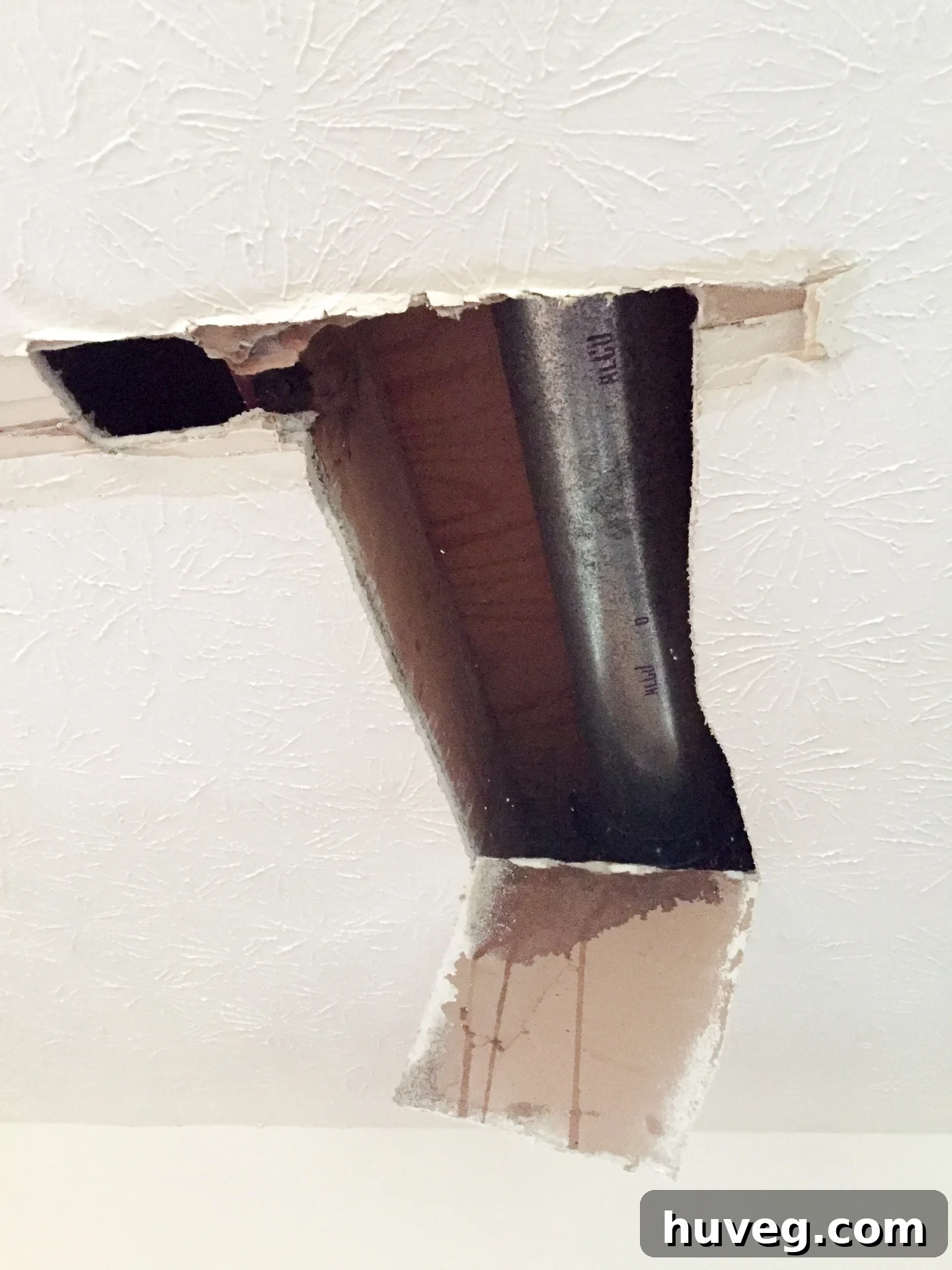
The next day, my cautious optimism turned to dread as the stain began to drip. This was no longer a minor condensation issue; it was a clear signal of a more significant problem. Knowing enough about drywall to handle a patch, my immediate priority shifted from mere observation to containment and investigation. I grabbed a tarp, a cardboard box, and a utility knife, preparing to open up the ceiling. The goal was twofold: protect the floor from further damage and, more importantly, locate the source of the persistent drip.
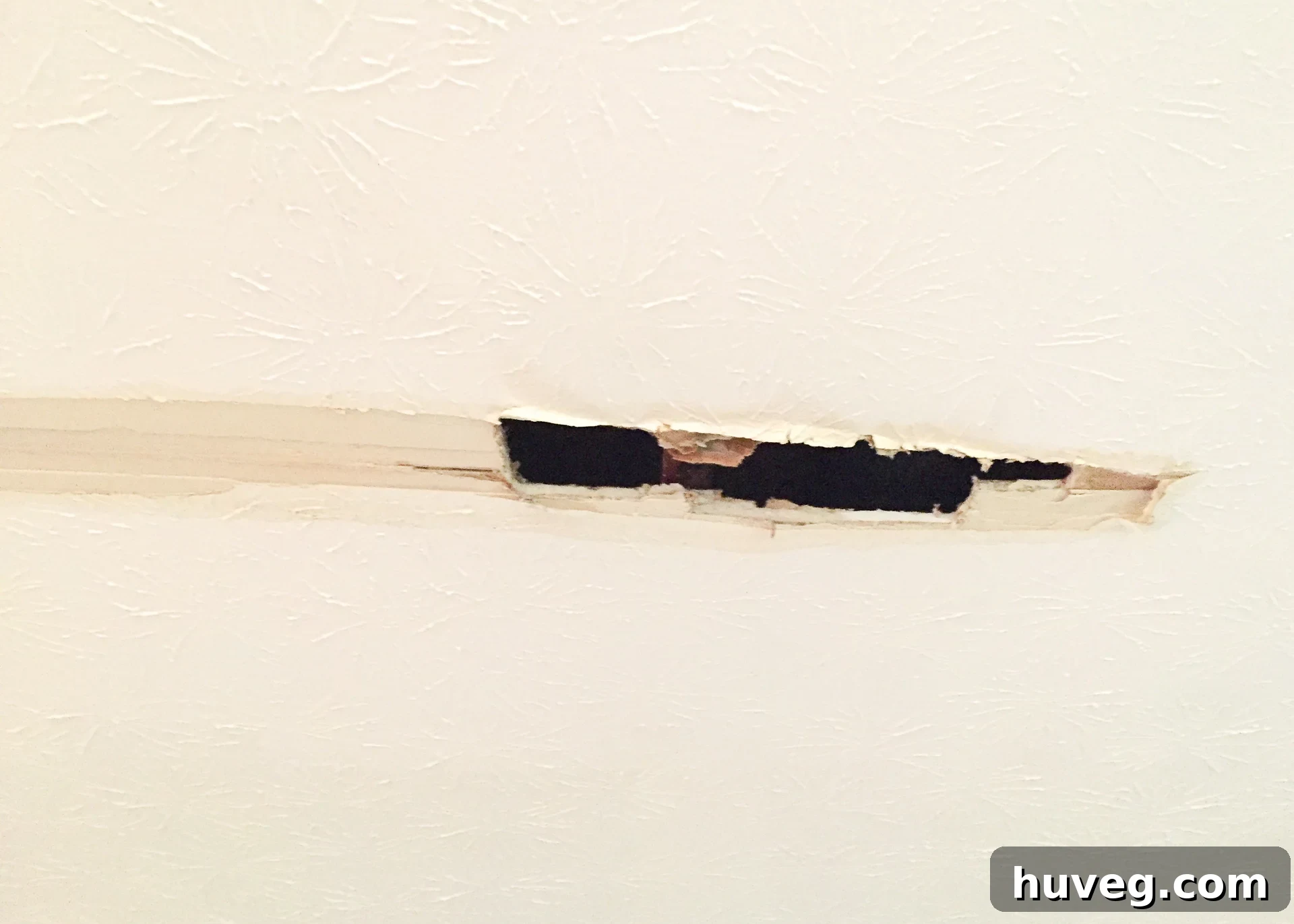
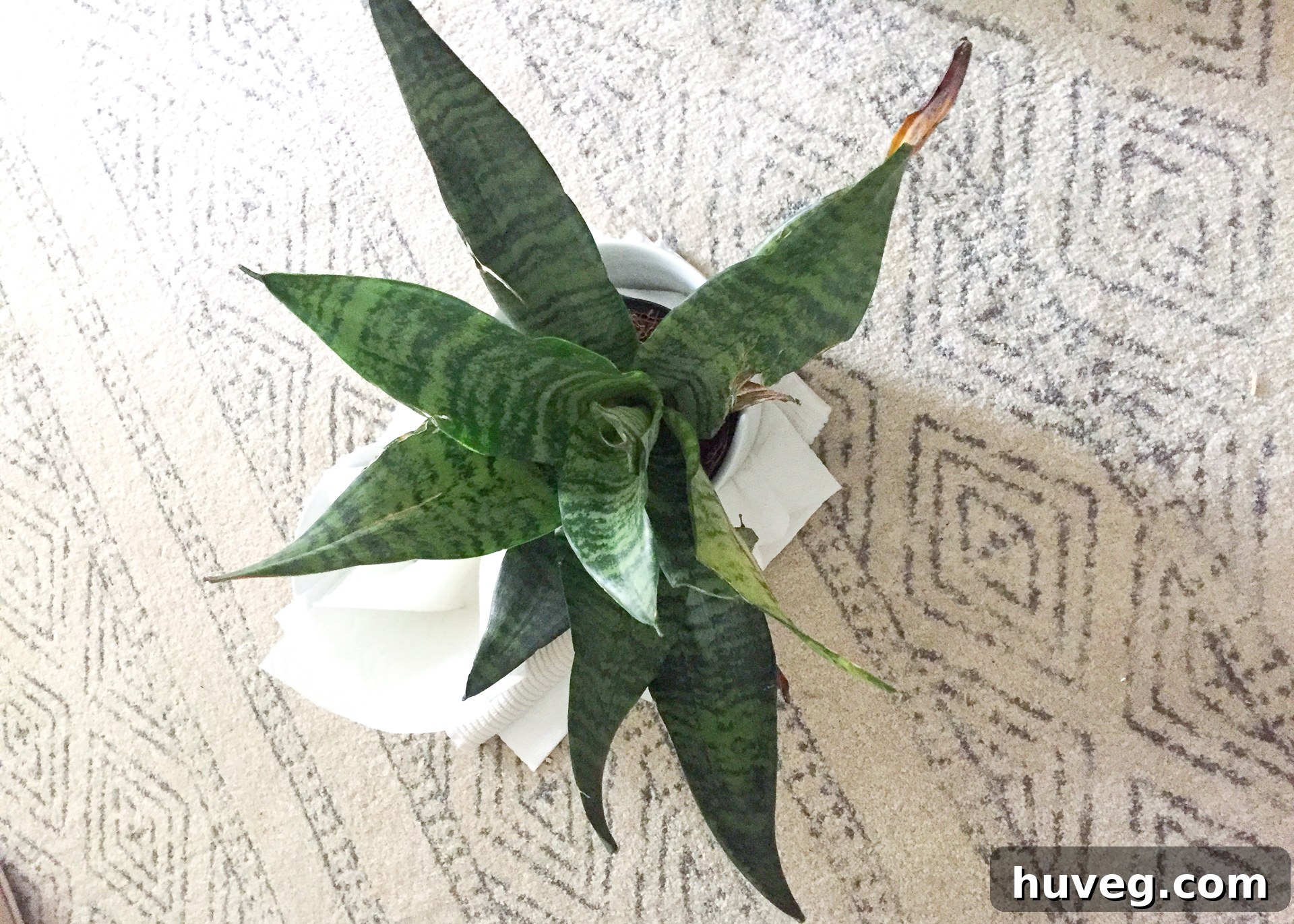
As I worked, trying to find a silver lining in the situation, I placed a neglected houseplant directly beneath the drip, musing on turning “lemons into lemonade” by providing it with some much-needed hydration. It was a small, humorous gesture in the face of a growing problem.
My partner, K, and I continued to expand the hole, following the trail of moisture. We suspected the true source might be further away than the visible stain, as water often travels along the path of least resistance – in this case, a drywall seam – before appearing. The actual leak turned out to be closer to a wall and joist, near a duct, directly above where our attic air conditioning unit resided. The more we cut, the more the drip intensified, transforming into a steady stream. It became clear: this was a direct consequence of a problem with the AC system in the attic.

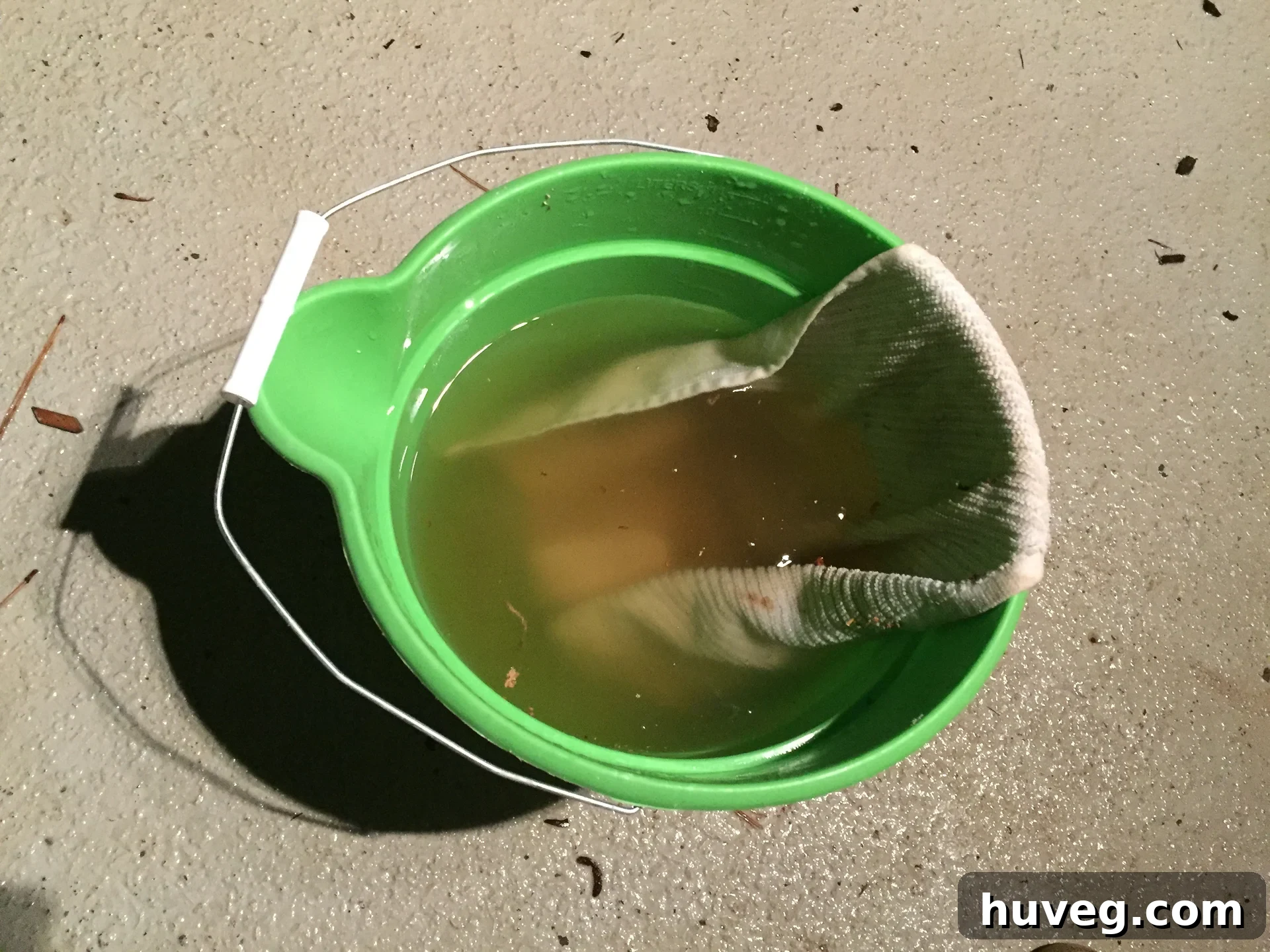
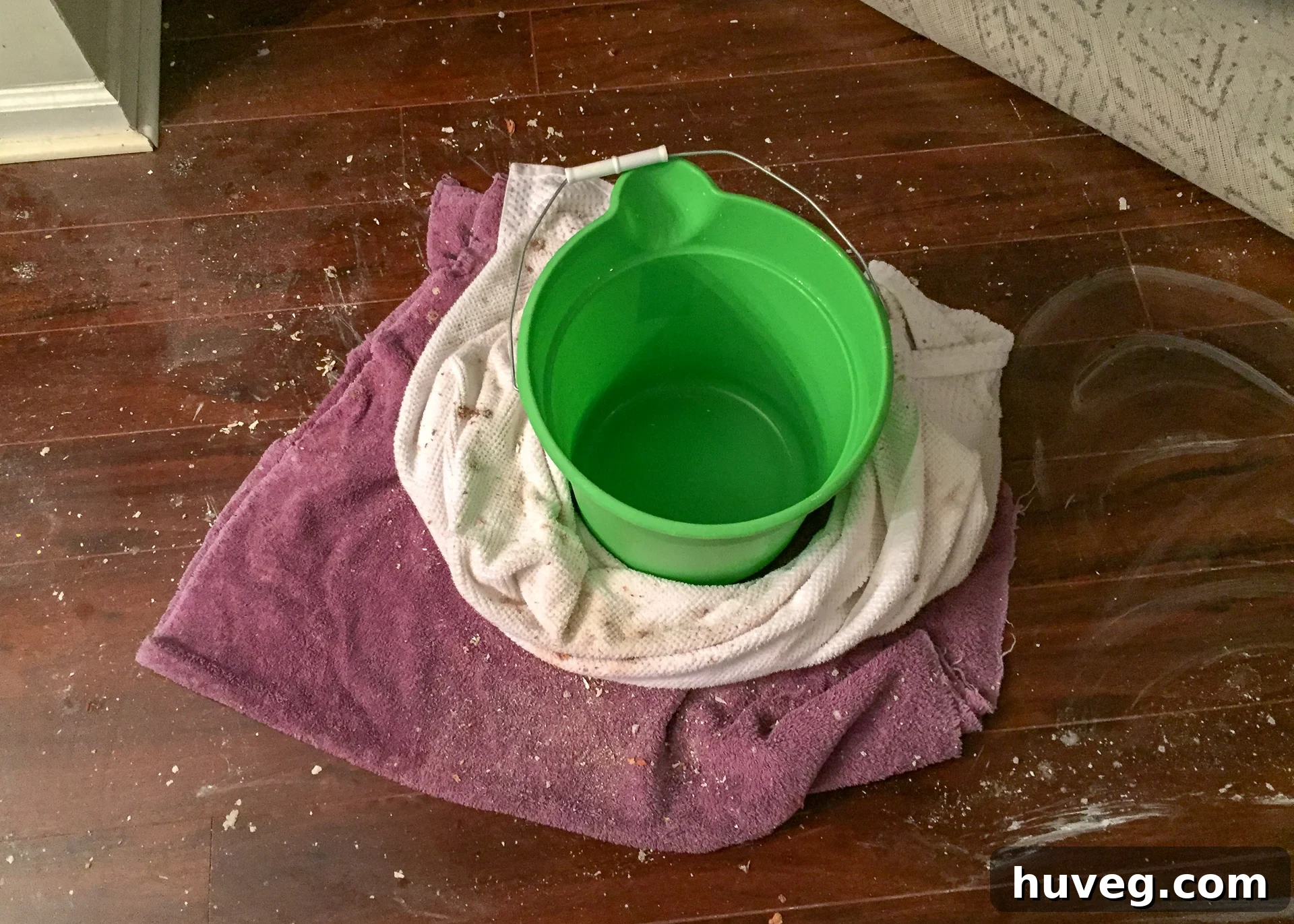
Pro Tip: If the dripping water starts splashing out of your collection bucket, drape a towel over the top to minimize mess and further floor damage.
After consulting numerous online resources, YouTube tutorials, and even my dad (a seasoned DIYer), the consensus pointed to one primary suspect: a clogged AC condensate drain line.
Understanding Your AC Condensate Drain System
To effectively prevent and address issues, it’s crucial to understand how your air conditioning’s condensate drain system works. As your HVAC system cools your home, it removes humidity from the air. This process causes condensation to form on the evaporator coil, much like water beads on a cold glass on a hot day. This collected water, often several gallons per day, needs a way to exit your home. That’s where the condensate drain system comes in.
- Evaporator Coil: The heart of the cooling process where condensation forms.
- Primary Drain Line: This is the main PVC pipe responsible for channeling the condensation from the drip pan, usually located beneath the indoor HVAC unit (in the attic, basement, or utility closet), out of your home. The end of this line is often visible outside, near your outdoor AC compressor unit, or sometimes directed to a specific drain.
- Condensate Drip Pan (Primary): A shallow pan situated directly under the evaporator coil, designed to catch all the condensate water.
- Secondary/Emergency Drain Line: A crucial backup system. If the primary drain line becomes clogged, water will fill the primary drip pan. Once it reaches a certain level, it should flow into the secondary drain line. This line typically terminates in a more visible location, like above a window or door, serving as an alert that the primary line is blocked.
- Safety/Overflow Drip Pan: An additional pan usually placed directly beneath the entire indoor HVAC unit (including the primary drip pan). Its purpose is to catch water from the primary drip pan if it overflows, or from leaks within the unit itself.
- Overflow Safety Switch: A vital component often installed in either the primary drip pan or the secondary drain line. When water levels rise due to a clog, this switch is triggered, automatically shutting down your AC system. This prevents catastrophic water damage by stopping the source of the leak, although it leaves you without AC until the issue is resolved. Not all systems have this, but it’s highly recommended.
So, if these safeguards are in place, why do leaks still happen? The unfortunate truth is that these systems often go unnoticed and unmaintained until damage occurs. Clogs typically form from a mixture of algae, mold, dust, and other debris that thrive in the moist, dark environment of the drain line. Over time, this “biofilm” accumulates, restricting water flow and eventually leading to a blockage. Additionally, older metal drip pans can rust through, creating new pathways for water to escape before reaching the drain lines.
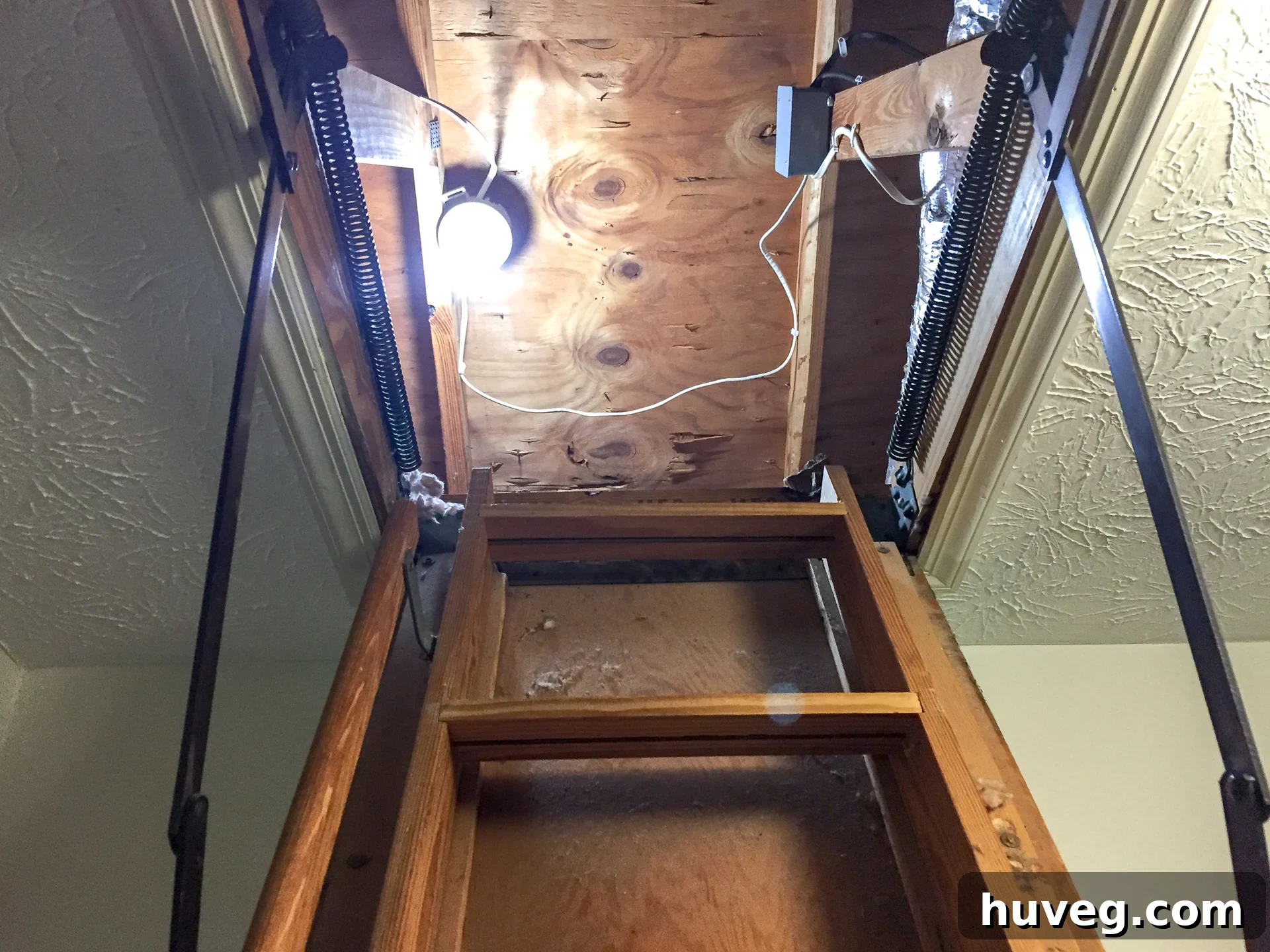
How to Prevent a Clog in Your Air Conditioner’s Condensate Drain Line
Preventative maintenance is by far the best defense against a clogged AC drain line and the subsequent water damage. Regularly cleaning your drain line can save you from significant headaches and expensive repairs. Here’s how to keep your condensate drain flowing freely:
- Regular Flushing: The simplest and most effective prevention method is to routinely flush your drain line with a cleaning solution.
- What to Use: Distilled white vinegar or a diluted bleach solution (one part bleach to four parts water) are excellent choices. These solutions kill algae and mold that cause clogs. Avoid using harsh chemical drain cleaners, as they can damage PVC pipes.
- How Often: Ideally, perform this maintenance every 1-3 months during cooling season, or at least once in the spring before you start using your AC extensively, and again in the fall when you switch to heating.
- The Process: Locate the access point on your condensate drain line, which often looks like a T-shaped PVC vent with a removable cap or a small opening. Remove the cap and, using a funnel or a watering can with a narrow spout, slowly pour about 1/4 to 1/2 cup of your chosen cleaning solution into the line.
- Follow with Water: After letting the solution sit in the line for 20-30 minutes (allowing it time to work on any buildup), flush it through with a cup or two of plain water. This ensures the cleaner is rinsed out of the system.
- Monitor for Warning Signs: Pay attention to any unusual sounds or smells. A gurgling or bubbling sound coming from your walls or near the indoor unit can indicate a partial blockage forming in the drain line. A musty odor around your AC vents can also signal mold or mildew growth within the system, potentially in the drain pan or line.
- Check Air Filters: A dirty air filter restricts airflow, which can cause the evaporator coil to become excessively cold and potentially freeze. When it thaws, it can produce an unusually large amount of condensation, overwhelming the drain line and contributing to clogs. Replace or clean your air filter according to manufacturer recommendations.
- Empower Your HVAC Technician: Many homeowners assume that annual HVAC servicing automatically includes cleaning the condensate drain line. Surprisingly, this crucial step is often overlooked by technicians unless specifically requested or if a problem is already evident. When scheduling your annual maintenance, explicitly ask them to inspect and flush your AC condensate drain line. Don’t assume; always verify.
How to Clear a Clogged Air Conditioning Drain Line
If you’ve unfortunately missed the preventative steps and now face a ceiling leak or an AC unit that’s shut down due to a clog, here’s a step-by-step guide to clearing the condensate drain line yourself. Always prioritize safety first.
You Might Need
- Shop Vac (essential for suctioning out clogs, much more effective than a household vacuum for water)
- Towels and a bucket (for catching spills and standing water)
- Duct tape (for sealing the Shop Vac hose to the drain line for better suction)
- Distilled white vinegar, bleach (diluted), or a specialized drain line buildup remover
- Funnel or a cup with a narrow pouring spout (like a watering can)
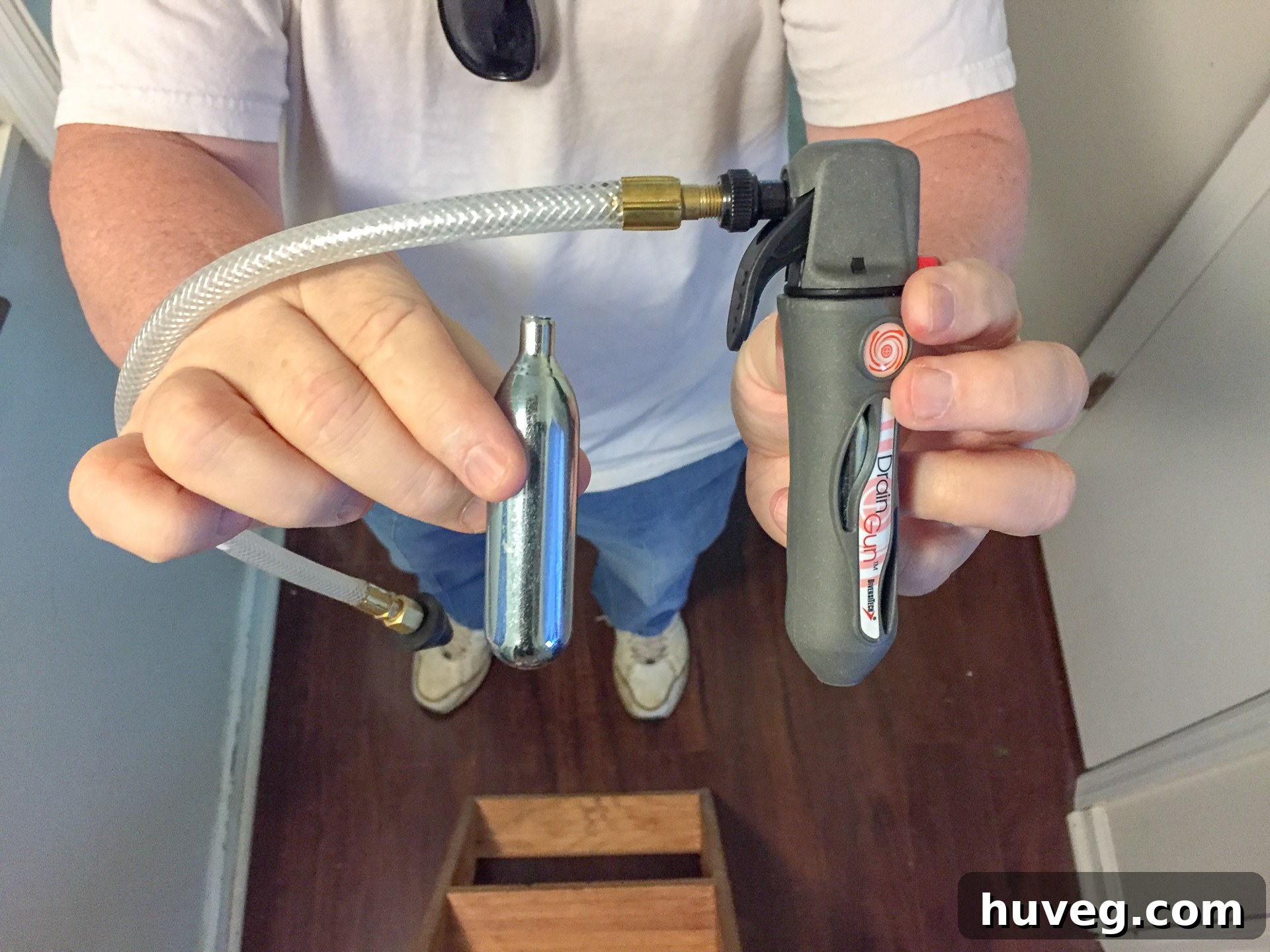
- Drain snake (a flexible tool for physically dislodging stubborn clogs) or a drain line gun (uses pressurized CO2 to blast clogs)
- Gloves and eye protection (for handling cleaners and debris)
Steps
- Power Down for Safety: Before touching any part of your HVAC system, always turn off the power. Go to your thermostat and set your AC system to “Off.” Then, locate the circuit breaker panel for your home and switch off the breaker that controls your air conditioning unit (it’s usually labeled “HVAC” or “AC”). This is a critical safety step to prevent electrical accidents.
- Inspect and Clear the Drip Pan: Access your indoor HVAC unit (often in the attic, basement, or a utility closet). Locate the primary condensate drip pan beneath the evaporator coil. If it’s full of standing water, you’ve confirmed a clog. Use your Shop Vac to remove all the standing water. Alternatively, you can use towels to soak it up, but a Shop Vac is far more efficient. Once the water is gone, gently wipe down the pan with a mild soap and water solution to clean away any algae or slime. This prevents immediate re-clogging.
- Clear the Outdoor Drain Opening: Go outside and locate the end of your primary condensate drain line. It’s usually a small, open PVC pipe, often near the outdoor compressor unit or a foundation wall. Position the hose of your Shop Vac over this opening, creating as tight a seal as possible. You might need to wrap a towel around the connection or use duct tape for a better seal to maximize suction. Turn on the Shop Vac for a minute or two. You should hear debris being sucked through the line. After, turn off the Shop Vac and check its contents – you might find a disgusting amount of sludge, mold, and other debris that was causing the blockage. This method is often preferred as it pulls the clog out rather than pushing it further into the system.
- Clean from the Access Valve (if available): Return to your indoor unit. Locate the access valve on your condensate drain line. It’s typically a T-shaped PVC fitting with a removable cap. Remove the cap. Using your funnel, slowly pour about 1/4 to 1/2 cup of distilled white vinegar or diluted bleach (remember, one part bleach to four parts water) into the line. The cleaner will flow down the pipe, dissolving and loosening any remaining algae or mold.
- Allow Dwell Time and Flush: Let the cleaning solution sit in the drain line for approximately 20-30 minutes. This gives it enough time to break down the clog-forming agents. After the waiting period, flush the line with 1-2 cups of plain water. To confirm the clog is cleared, it’s helpful to have someone outside monitoring the drain line’s exit point. They should see a steady stream of water exiting, indicating a clear path.
- Tackle Stubborn Clogs: If the above steps don’t resolve the issue and water still isn’t flowing freely, you may have a more stubborn blockage.
- Drain Snake: Gently insert a small drain snake (specifically designed for narrow pipes) into the access valve opening. Slowly push it through the line until you feel resistance. Twist and push gently to break up the clog. Be careful not to force it, as you could damage the PVC pipe.
- Drain Line Gun: As pictured, a specialized drain line gun uses compressed air or CO2 cartridges to blast through clogs. Follow the manufacturer’s instructions carefully for this tool. My dad often uses this method with great success.
- Call a Professional: If you’ve tried these methods and the drain line remains clogged, it’s time to call a qualified HVAC technician. They have specialized tools and expertise to safely diagnose and clear the blockage. Make sure to mention to them that you’d like the drain line checked during future routine maintenance.
Beyond the Clog: Addressing Systemic Issues and Future-Proofing
In my personal ordeal, the problem extended beyond just a simple clog. My investigation revealed several deeper issues that contributed to the ceiling leak and highlighted the importance of a comprehensive approach to AC drain maintenance.

- Rusted Drip Pan: My primary condensate drip pan, likely metal, had rusted through in one spot. This was a significant failure point, as water was simply leaking out of the pan itself rather than being directed to the drain line. A rusted pan necessitates replacement, as patching is rarely a permanent or reliable solution. Modern drip pans are often made of durable plastic to prevent rust.
- Absence of an Access Valve: My existing drain line setup lacked a convenient access valve, which made pouring cleaning solutions into the line extremely difficult, if not impossible, without dismantling parts of the system. While it’s sometimes possible to pour into the fitting on the edge of the drain pan, mine was stuck tight and poorly positioned. This oversight meant routine cleaning was a major hassle, contributing to years of unchecked buildup. Installing an accessible T-shaped valve is a critical upgrade for future maintenance ease.
- Improper Slope: Condensate drain lines rely on gravity to function efficiently. They are designed to have a slight downward slope (typically 1/8 to 1/4 inch per foot) to ensure continuous water flow. In my case, the line was not adequately sloped, hindering drainage and allowing water to sit, creating an ideal environment for algae and mold growth. Correcting the slope often requires re-piping sections of the drain line.
- Excessive Turns: My drain line featured multiple sharp turns. While sometimes unavoidable due to structural constraints, excessive bends create more friction points and areas where sludge and debris can accumulate, making clogs more likely and harder to clear. This design flaw likely contributed to the clog building up slowly over many years.
What’s Next for My System
As I mentioned, my journey isn’t quite finished. While we managed a temporary rerouting of the water flow to an overflow drain line to get the AC running again, the permanent solution requires more work. Our plan includes:
- Thoroughly clearing the long-standing clog in the primary drain line.
- Rerouting the drain line back to its proper configuration and ensuring it has an adequate downward slope.
- Installing a readily accessible access valve for easy future maintenance.
- Replacing the rusted-through primary drip pan with a new, durable one.
- Considering the installation of an overflow sensor within the secondary drain line. This smart technology can provide an early warning or even automatically shut down the AC if the secondary line starts accumulating water, preventing future ceiling leaks entirely.
And, of course, the final, satisfying step will be patching the hole in the living room ceiling – a tutorial I look forward to sharing in the future.
So, now you’re equipped with the knowledge to understand, prevent, and clear a clogged AC condensate drain line. Proactive maintenance is your best defense against unexpected ceiling leaks and costly water damage. My hope is that this detailed guide empowers you to tackle this common home maintenance task head-on. If this information helps you prevent a similar disaster or save on a repair bill, please do let me know. Knowing I’ve helped someone avoid the same headache makes my own “lemons” taste a little more like “lemonade.”