Keeping Your House Toasty All Winter

The biting chill of winter often brings with it the unwelcome worry of rising heating bills or, worse, a sudden furnace malfunction that leaves your home feeling like an icebox. This concern becomes especially acute when young children are involved, as one friend recently experienced when her home’s heating system seemed to fail, leaving her toddlers and infant shivering. The immediate dilemma: how to keep everyone warm without the exorbitant cost of emergency HVAC services or during an unexpected power outage. This article aims to provide a comprehensive guide, offering practical strategies to maintain a comfortable indoor temperature, whether through everyday habits for energy efficiency or immediate solutions during a heating emergency.
Beyond furnace failures, modern life presents other challenges. A widespread power outage can render even the most efficient heating systems useless, as many in Atlanta learned during the infamous “Snowpocalypse,” which trapped countless individuals in their vehicles without warmth. This guide compiles a wealth of knowledge, from personal experiences and shared tips to thoroughly researched advice, focusing on smart practices to prevent heat loss and innovative ways to generate warmth when your primary heating system is compromised. We’ll explore how to make your home a sanctuary against the cold, preserving that precious, ‘bought’ warm air and ensuring comfort for everyone inside.
Optimizing Home Warmth: Smart Everyday Habits for Winter
Maintaining a warm and energy-efficient home during winter doesn’t always require significant investment. Many effective strategies involve simple adjustments to your daily routine and minor home improvements. By adopting these regular habits, you can significantly reduce heat loss, lower your energy bills, and ensure your living space remains comfortable throughout the colder months.
Leverage Natural Light: Open Curtains by Day, Close Them at Night
One of the simplest yet most effective ways to utilize natural resources for heating is by strategically managing your window coverings. During daylight hours, especially when the sun is shining, open all curtains and blinds to allow as much solar radiation as possible to enter your home. The sun’s rays act as a natural, free heat source, passively warming up rooms and surfaces. This phenomenon, known as passive solar gain, can make a noticeable difference in your home’s internal temperature without consuming any energy. However, once the sun sets, the glass in your windows becomes a significant source of heat loss. To counteract this, close all curtains and blinds. Thick, insulated curtains or thermal drapes are particularly effective as they create an additional barrier, trapping the heat inside and preventing cold air from seeping in. For an economical alternative, consider using clear, heavy-duty shower curtains during the day in winter. While unconventional, they allow sunlight through while offering an extra layer of insulation against cold drafts. Just remember to secure them properly to avoid an odd aesthetic!
Upgrade to a Programmable or Smart Thermostat
While an old-school thermostat might possess a certain nostalgic charm, investing in a modern programmable or smart thermostat is a game-changer for energy efficiency and consistent home comfort. These devices allow you to set specific temperature schedules based on your daily routine. For instance, you can program the thermostat to lower the temperature when you’re at work or asleep, and then raise it just before you arrive home or wake up. This ensures you’re only heating your home when necessary, eliminating wasted energy. Smart thermostats take this a step further, often offering features like remote control via smartphone apps, learning capabilities that adapt to your preferences, and integration with other smart home systems. The convenience and significant energy savings these thermostats provide make them a worthwhile upgrade for any homeowner looking to optimize their heating strategy.
Enhance Insulation with Area Rugs on Bare Flooring
Bare floors, especially those directly above unheated spaces or on ground levels, can be a major source of heat loss. Just as you layer clothing to stay warm in cold weather, adding rugs to uncarpeted rooms can provide a crucial layer of insulation. Area rugs, especially those with thick padding, help trap warm air and prevent heat from escaping through the floor. This is particularly noticeable in rooms with laminate, tile, or hardwood flooring, which tend to feel colder underfoot compared to carpeted areas. The National Energy Foundation reports that properly placed rugs can reduce heat loss through floors by up to 10%, contributing significantly to a warmer home and lower heating costs. Beyond their practical benefits, rugs also add aesthetic warmth, texture, and character to your living spaces, transforming a cold room into a cozy haven.

Reverse Your Ceiling Fan Direction for Winter Warmth
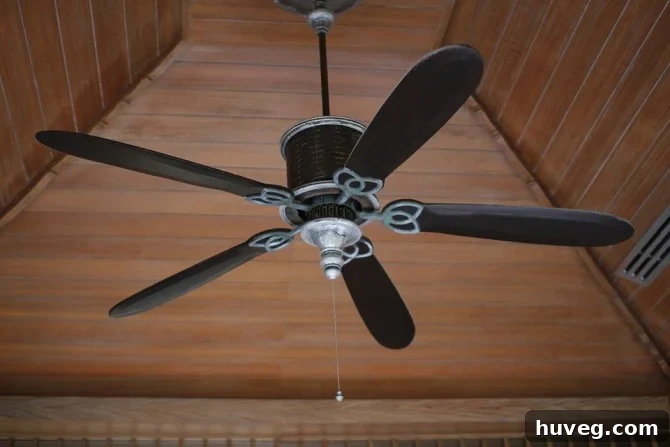
Many homeowners are familiar with using ceiling fans to cool rooms in the summer, but these versatile appliances can also be beneficial in winter. The key lies in reversing the direction of the blades. During summer, fans typically rotate counter-clockwise, pushing air directly downward to create a cooling breeze. In winter, you want your fan blades to rotate clockwise at a low speed. This setting gently pulls cooler air up towards the ceiling, while simultaneously pushing the warmer air that naturally rises near the ceiling down along the walls and back into the living space. Since heat rises, this action effectively recirculates the warm air that would otherwise remain trapped near the ceiling, distributing it more evenly throughout the room and making the space feel warmer. Most modern ceiling fans have a small reverse switch on the motor housing, making this seasonal adjustment quick and easy. This simple change can significantly improve heating efficiency and comfort.
Ensure Unobstructed Heating Vents for Optimal Airflow
One common mistake that inadvertently sabotages home heating efficiency is blocking heating vents. Furniture, curtains, or even decorative items placed directly in front of or on top of vents can severely restrict the flow of warm air into a room. When vents are blocked, your heating system has to work harder to achieve the desired temperature, leading to higher energy consumption and inconsistent heating. Take a moment to survey your rooms and ensure that all heating vents are clear of obstructions. Reposition furniture a few inches away from walls or adjust drapes so they don’t cover the vents. Proper space planning around your heating system’s output points guarantees that warm air can circulate freely and effectively throughout your home, maximizing comfort and minimizing energy waste.
Enhance Home Insulation: A Key to Lasting Warmth
Proper insulation is the backbone of an energy-efficient home, offering significant long-term savings on heating costs. Beyond the initial attic insulation, which often comes to mind, there are several other areas to consider. Adding weather stripping around attic doors creates an essential seal, preventing warm air from escaping into the unheated attic space. For hot water heaters (excluding tankless models), a fiberglass insulation blanket can be a remarkably cost-effective upgrade. This blanket helps reduce standby heat loss, meaning your water heater doesn’t have to work as hard to maintain water temperature, thus saving energy and money. Many homeowners report that such an investment pays for itself within about a year. Always check your water heater’s warranty before adding insulation. Beyond these, consider sealing air leaks around electrical outlets, light fixtures, and plumbing penetrations in exterior walls. These inexpensive upgrades collectively contribute to a more consistently warm home, sealing in the heat you’ve paid for.
Maximize Radiator Efficiency with Reflective Barriers and Shelves
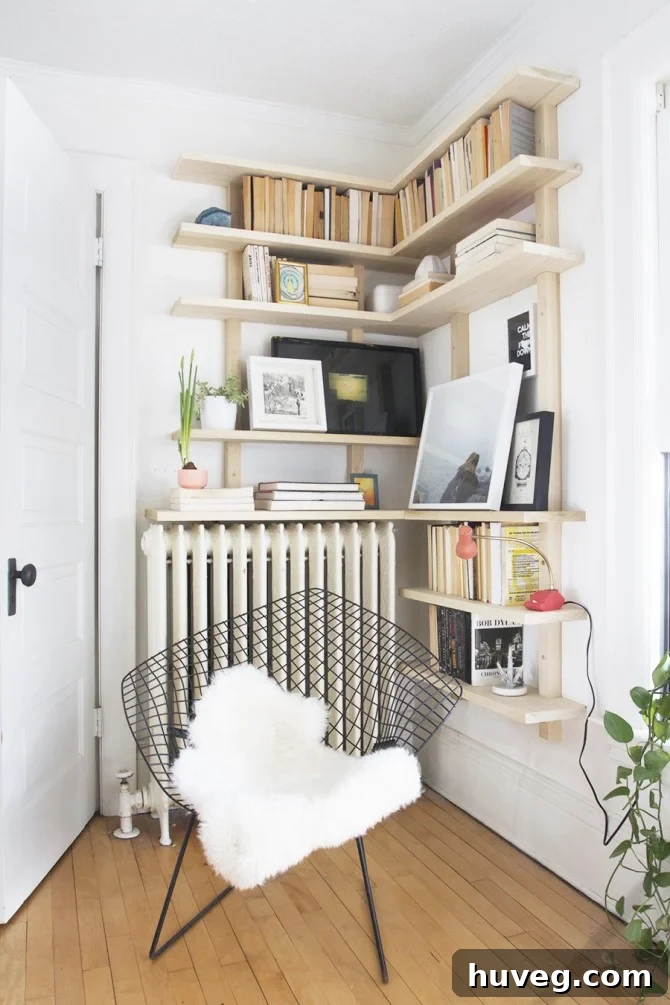
If your home relies on radiators for heat, there are specific techniques to enhance their performance and prevent heat loss. Radiators often sit against exterior walls, meaning a significant portion of their heat can be absorbed by the wall and lost to the outdoors. To combat this, place heat-reflective tinfoil or specialized radiator foil behind the radiator. This reflective barrier bounces heat back into the room, rather than allowing it to dissipate into the wall. Furthermore, installing a shelf a few inches above the radiator, particularly if it’s located under a window, can help. This shelf acts as a deflector, guiding the rising warm air away from the window (another common source of heat loss) and into the living space. Ensure the shelf is floated a couple of inches above the radiator for safety, preventing anything from resting directly on the hot surface. These simple additions can make your radiators much more effective at heating your home.
Strategic Heating: Close Off Unused Rooms
Heating every room in your house to the same temperature, especially those you rarely use, is an inefficient use of energy. A pragmatic approach to winter heating involves isolating and reducing heat to infrequently used spaces. Consider shutting the doors to guest rooms, storage areas, or even entire wings of your home that are unoccupied for extended periods. You can also close or partially close the heating vents in these rooms. While some HVAC professionals advise against completely closing vents in an effort to maintain system balance, a partial closure or simply closing doors can still yield savings. It’s important to experiment and observe how your specific heating system reacts. In some multi-level homes, closing off a main bedroom might paradoxically lead to the rest of the upper floor staying warmer due to altered airflow dynamics. Understanding your home’s unique heat distribution patterns will help you make the most effective decisions for isolating unused spaces.
Mind the Gap(s): Seal Drafty Windows and Doors
Drafts are notorious culprits for heat loss, making rooms feel colder and forcing your heating system to work harder. Old or poorly sealed windows and doors are prime entry points for cold air. If replacing them isn’t an option, a cost-effective solution is to thoroughly caulk around window frames and use weatherstripping for doors and operable windows. Caulk seals small cracks and gaps, while weatherstripping provides a flexible seal for moving parts. For additional insulation, especially under doors, consider DIY draft snakes. These can be simple fabric tubes filled with rice, sand, or even old towels, placed at the base of drafty doors and windows. While a towel in a pinch is better than nothing, a well-made draft snake can be a permanent and decorative solution. Investing time in identifying and sealing these gaps can dramatically improve your home’s warmth and energy efficiency, creating a much more comfortable indoor environment.

Fireplace Folly: When a Cozy Fire Costs You Heat
The allure of a roaring fireplace is undeniable, conjuring images of warmth and coziness. However, from an energy efficiency standpoint, most traditional fireplaces are more decorative than practical heat sources. They are often significant sources of heat loss, essentially acting as a large, unsealed opening in your home’s thermal envelope. As the fire burns, it draws in large volumes of air from the room, sending it up the chimney along with the smoke. This creates a powerful draft that not only pulls warm air out of the house but also sucks cold air in through other leaks and cracks. Even after the fire dies down, the flue must remain open for several hours to prevent dangerous carbon monoxide buildup, leaving a continuous pathway for warm air to escape. In many cases, it’s more energy-efficient to keep the flue closed and consider a fireplace insert or a decorative draft stopper when the fireplace isn’t in use. These inserts provide an effective seal, preventing both heat loss and cold air infiltration. Remember, never use weather stripping directly inside the firebox as it poses a significant fire hazard.
Immediate Strategies to Stay Warm During Heating Emergencies
Sometimes, despite all preventative measures, your heating system might fail, or a power outage might leave you without primary heat. In such critical situations, immediate, non-traditional methods become essential to keep yourself and your family warm. These strategies focus on utilizing available resources, body heat, and basic physics to create a more tolerable environment until regular heat is restored.
Embrace Culinary Warmth: Get Your Bake On!
Just as cooking in the summer can make your kitchen uncomfortably hot, using your oven and stovetop during winter can be a welcome source of supplemental heat. Baking a roast chicken, a batch of cookies, or even simply using a crock-pot can incrementally raise the ambient temperature in your kitchen and surrounding areas. The heat generated by these appliances, combined with the aroma of comfort food, contributes to a cozier atmosphere. Similarly, consuming warm fluids like hot tea, coffee, or soup helps to warm your body from the inside out. Eating also boosts your metabolism, which in turn generates body heat, so don’t shy away from healthy snacks. This strategy effectively uses everyday activities to combat the cold, making the most of your kitchen’s potential as a temporary heat source.
Prioritize Dryness: Avoid Unnecessary Moisture
When temperatures drop and heating is compromised, staying dry is paramount. Moisture amplifies the feeling of cold, making damp clothing or humid air feel much chillier than dry air at the same temperature. Therefore, avoid activities that introduce excessive moisture into your indoor environment, such as taking long, hot showers or boiling large pots of water unnecessarily. Steam and condensation can quickly make rooms feel colder and uncomfortable. However, if you anticipate a prolonged power outage or a significant period without heat, it might be a wise strategic move to take a quick, hot shower early on. Not only will this warm your body temporarily, but it also ensures you’re clean and presentable for potentially extended close quarters with family or friends, making shared warmth more agreeable for everyone!
Harness Physics: Relocate to Upper Floors
This is a fundamental principle of thermodynamics: heat rises. If your home has multiple levels, the upper floors will naturally be warmer than the lower ones when your heating system is struggling or non-existent. Gravity causes warm air to ascend, accumulating in higher spaces. If you find yourself in a heating emergency, consolidate your family and activities on the highest habitable floor of your home. To maximize this effect and mitigate the “stack effect” (where warm air rising creates a vacuum that pulls cold air in from lower levels), seal off lower floors as much as possible by closing doors and windows. This creates a warmer, more concentrated pocket of heat upstairs, allowing you to benefit from this natural phenomenon and conserve what little warmth is available.
Consolidate and Contain: Utilize a Single Room
For more extreme or prolonged heating outages, an effective but sometimes challenging strategy is to consolidate all activities into a single, smaller room. Smaller spaces are significantly easier to keep warm than larger, open areas. Choose an interior room with the fewest windows, as windows are major sources of heat loss. Gather all family members, pets, and essential supplies into this designated warm zone. Engage in all your daily activities, including sleeping, working, and relaxing, within this confined space (excluding cooking and bathroom use, of course). To further trap body heat, consider hanging blankets over doorways and windows within this room. For children, setting up a small tent with sleeping bags inside can turn a challenging situation into a fun adventure while simultaneously creating a super-insulated, body-heat-retaining cocoon, making them even warmer as they sleep.
Embrace the Snuggles: Cuddle with Pets
Your furry friends aren’t just companions; they can also be a wonderful source of warmth during a heating emergency. Pets, like humans, are living, breathing heat generators. Dogs and cats, especially larger breeds, emit a surprising amount of body heat. Don’t hesitate to invite your pets to snuggle up under blankets or even in bed with you. Most pets will eagerly accept the extra attention and warmth, and their body heat can significantly contribute to keeping you comfortable. While their affectionate invasion of your personal space might normally be an occasional annoyance, in a cold emergency, their natural warmth becomes a cherished asset. It’s a win-win: you get cozy, and they get extra cuddles!

Layer Up: The Power of Thermal Clothing
This might seem obvious, but wearing multiple layers of clothing is one of the most effective and immediate ways to stay warm without external heat. The principle behind layering is simple: air trapped between layers acts as an insulator, preventing your body heat from escaping. Start with a thin, moisture-wicking base layer against your skin. Add a middle layer for insulation, such as fleece or wool. Finish with an outer layer that can block wind or provide additional warmth. Don’t forget extremities: warm socks, gloves or mittens, and a hat are crucial, as a significant amount of body heat is lost through your head, hands, and feet. Even that quirky Snuggie, once deemed a questionable gift, can become your best friend during a heating emergency, proving that practicality often triumphs over fashion in the face of cold.
DIY Warmth: Handwarmers and Heating Packs
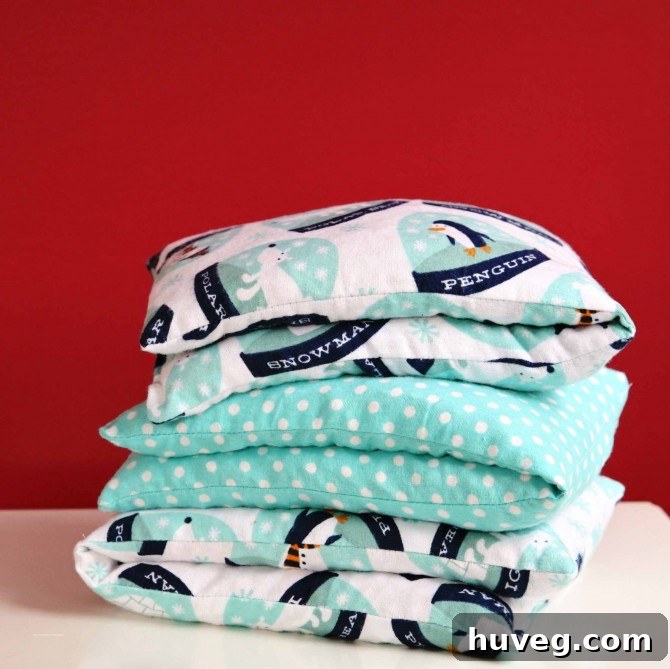
When the cold bites, concentrated sources of warmth can provide much-needed relief. Chemical hand warmers, readily available in sporting goods stores, are self-contained packets that produce heat through a chemical reaction lasting several hours. Similarly, therapeutic muscle heat wraps, often used for post-workout recovery, can offer prolonged warmth without external power. For a quick DIY solution if you have access to a microwave, create simple heating packs by filling a fabric satchel or an old sock with dry rice. A minute or two in the microwave will heat the rice, providing a comforting, albeit temporarily fragrant, warmth that can be placed on your lap, feet, or under blankets. These small but mighty heat sources can make a significant difference in personal comfort during a power outage or a cold snap.
Generate Internal Heat: Exercise!
If you’re feeling sluggish and cold, a burst of physical activity can quickly generate body heat. Even light exercise, such as jumping jacks, push-ups, or simply walking around the room, will raise your heart rate and improve blood circulation, making you feel warmer almost immediately. The metabolic process of muscle activity produces heat, which then radiates throughout your body. This is an excellent way to combat the chill without relying on external sources. Just be mindful of your surroundings and any others sharing your space. A little fresh air, if available and safe, can also be invigorating, but generally, stay indoors and get moving to create your own warmth. Just remember, if everyone is confined to one room, consider some deodorant!
Supplemental Heating Elements: Use with Caution
When electricity is still available, supplementary heating elements can be a lifesaver. Electric blankets are incredibly efficient, directly warming your body rather than the entire room, making them perfect for staying toasty in bed or on the couch. Space heaters have also come a long way, with many modern, energy-efficient models available. However, extreme caution is paramount when using any portable heating device or open flame. Space heaters are a significant cause of house fires if not used correctly. Always place them on a flat, stable surface, away from anything flammable like curtains, bedding, or furniture. Never leave them unattended, especially when sleeping. Similarly, while candles can provide a small amount of heat and light, they are an open flame and carry inherent risks. Prioritize safety above all else to prevent a dangerous situation that could result in more heat than you ever bargained for.
Emergency Preparedness for Your Vehicle in Winter
The lessons learned from events like Atlanta’s “Snowpocalypse,” which left countless drivers stranded in freezing conditions, highlight the critical importance of a well-stocked emergency kit for your car. Being caught without heat in your vehicle can quickly become a life-threatening situation. While many of the items below are similar to those for home emergencies, their presence in your car can provide essential, potentially life-saving warmth and support:
- Chemical Warmers: These disposable packets provide hours of concentrated heat for hands, feet, and pockets, offering immediate relief from the cold.
- Thin Thermal Blankets: Compact and highly effective, these Mylar blankets reflect up to 90% of body heat, providing crucial insulation. Keep several in your car.
- High-Energy Food: Non-perishable items like energy bars, nuts, and dried fruit are essential. Eating raises your metabolism, generating internal body heat, and provides sustenance if you’re stranded for an extended period.
- Extra Layers of Clothing: Keep a dedicated bag in your car with cheap fleece jackets, hats, gloves, and warm socks. These inexpensive items, easily found at dollar stores, can make a huge difference in retaining body heat.
- Other Emergency Essentials: Beyond warmth, a comprehensive car emergency kit should include items like emergency flares, a reflective vest, a rain poncho, bottled water, jumper cables, a comprehensive first aid kit, duct tape, multi-tool pliers, a whistle, zip ties, and a powerful flashlight with extra batteries. These tools can address various unforeseen circumstances, ensuring your safety and preparedness on the road.
Being proactive about home heating and emergency preparedness can save you stress, discomfort, and potentially significant costs during the colder months. These tips, ranging from everyday habits to immediate solutions, empower you to create a warmer, more secure environment for your household. Do you have any other clever tips or strategies for staying warm in winter? We’d love for you to share them!
Sources: BBC, wikiHow, The Art of Manliness, HuffPo, Common Sense Home, Mom