Repairing a Dripping Outdoor Spigot

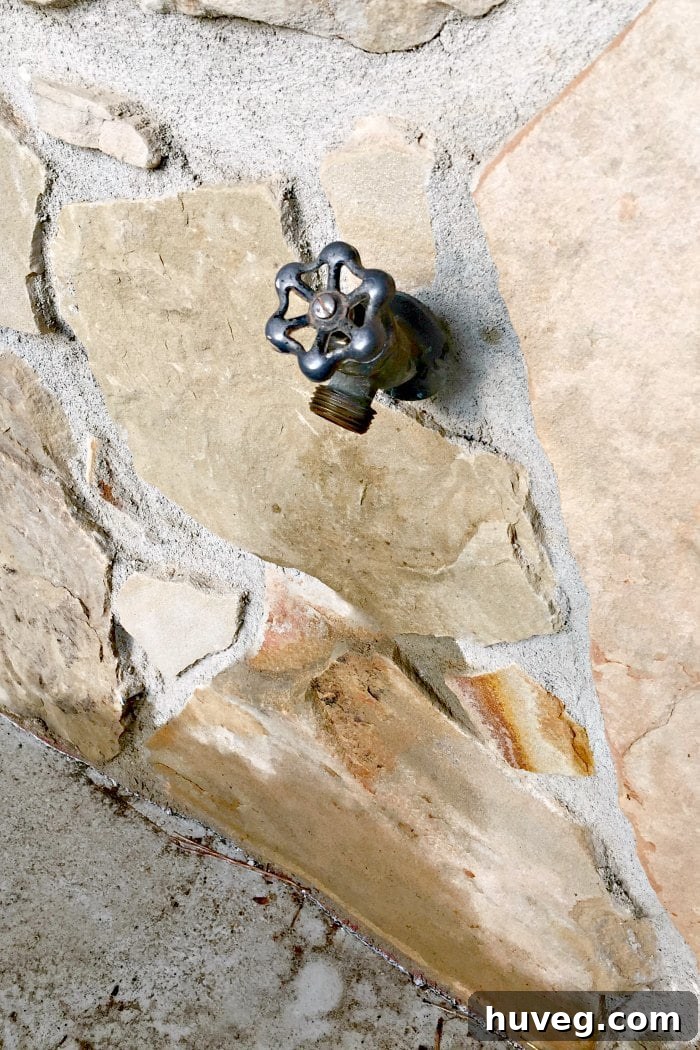
The sound of a dripping faucet is more than just an annoyance; it’s a constant reminder of wasted resources, rising utility bills, and potential damage. For many homeowners, the phrase “faucet leaks” immediately conjures images of unexpected repairs, escalating water bills, and the intimidating prospect of professional plumbing services. While the thought of tackling plumbing issues can be daunting, especially when dealing with water supply lines, it’s a challenge that can be overcome with the right approach. Equipping yourself with practical knowledge, a few essential tools, and a willingness to learn can transform plumbing anxiety into a rewarding DIY experience.
This comprehensive guide aims to demystify the process of fixing a leaking outdoor faucet, often referred to as a hose bib or sillcock. While some home repairs can feel like a “figure-it-out-as-you-go” journey, understanding the fundamental steps and common pitfalls can save you significant time, money, and frustration. It’s important to remember that while this tutorial provides detailed instructions, it’s always wise to assess your own comfort level with plumbing tasks. However, many outdoor faucet leaks are surprisingly simple to fix, and successfully resolving the issue can bring immense satisfaction, not to mention a noticeable reduction in your water consumption.
Say goodbye to that nagging drip and the guilt of watching your water meter spin unnecessarily. With this guide, you’ll gain the confidence to address common outdoor faucet problems, ensuring your outdoor water supply is efficient and leak-free. No longer will you need to avoid eye contact with your water bill or fret over expensive call-out fees. Let’s dive into the practical steps to diagnose, repair, and maintain your outdoor faucet, turning a household headache into a simple DIY triumph.
Understanding Your Outdoor Faucet: Types and Common Issues
Before beginning any repair, it’s helpful to understand the type of outdoor faucet you have and the common reasons they leak. Outdoor faucets primarily fall into two categories: standard hose bibs and freeze-proof sillcocks. Standard hose bibs have a simple valve mechanism located close to the exterior wall, making them susceptible to freezing in colder climates if not properly winterized. Freeze-proof sillcocks, on the other hand, have a much longer stem that extends into the heated interior of your home, with the valve mechanism situated well inside the wall, reducing the risk of freezing.
Regardless of the type, the most common culprits behind a leaky outdoor faucet include:
- Worn Washers: The main washer at the end of the faucet stem can become hard, cracked, or worn over time, failing to create a watertight seal when the faucet is closed.
- Damaged O-Rings: O-rings provide seals around the stem or spout, and if they become brittle or cracked, water can seep through.
- Loose or Worn Packing Nut/Packing Material: The packing nut compresses packing material (like string or a rubber washer) around the stem to prevent leaks where the stem exits the faucet body. If this nut loosens or the packing material degrades, a leak will occur around the handle.
- Corrosion and Mineral Deposits: Over years of use, mineral deposits can build up on internal components, preventing proper sealing, and corrosion can damage metal parts.
- Freeze Damage: Even “freeze-proof” faucets can be damaged by freezing if a hose is left attached in winter, trapping water in the sillcock and allowing it to burst. A crack in the faucet body or stem from freeze damage usually necessitates a full replacement.
Essential Tools and Materials for Outdoor Faucet Repair
Having the right tools on hand is crucial for a smooth repair process. Depending on the specific issue, you might need:
- Adjustable Wrench or Pipe Wrench: For loosening and tightening various nuts and the faucet body.
- Hex Wrench (Allen Key): Sometimes needed for packing nuts or handle screws.
- Screwdrivers: Flathead and Phillips head for removing handle screws.
- Locking Pliers: Extremely useful for gripping stubborn or corroded parts, especially when trying to loosen old components that are stuck.
- Utility Knife or Pick Set: For carefully removing old O-rings and washers.
- Wire Brush: To clean threads if corrosion is present.
- Penetrating Oil (e.g., WD-40) or Acetone: To help loosen seized or corroded nuts and parts. Nail polish remover (containing acetone) can be a convenient substitute.
- Thread Seal Tape (Teflon Tape): Essential for creating watertight seals on threaded connections during reassembly.
- Replacement Parts: A selection of new washers (various sizes), O-rings, packing string or pre-formed packing washers, or a complete replacement valve stem assembly specifically designed for your faucet type. In some cases, a brand new outdoor faucet might be the most straightforward solution.
- Rag or Towel: For cleanup and absorbing drips.
- Bucket: To catch any residual water when the faucet is disassembled.
- Safety Glasses and Gloves: Always recommended for protection.
Step-by-Step Guide to Diagnosing and Repairing Your Leaky Outdoor Faucet
Addressing a leaky outdoor faucet requires a systematic approach. Follow these steps for a successful repair:
Step 1: Safety First – Shut Off the Water Supply
This is the most critical initial step. Locate the main water shutoff valve for your home, which is typically found near your water meter or where the main water line enters your house. Alternatively, many homes have individual shutoff valves for outdoor faucets, often located on the interior wall directly behind the faucet (e.g., in a basement, crawl space, or utility room like a laundry room). Turn this valve clockwise until the water supply is completely off. Even if the access is cramped and inconvenient, like having to move a dryer or remove a counter, getting to this valve is non-negotiable. Skipping this step can lead to significant water damage.
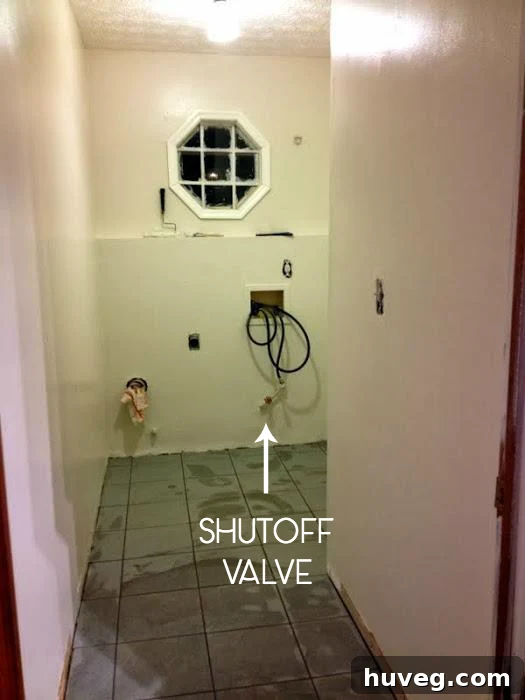
It’s worth noting that inconveniently located shutoff valves are a common source of frustration during DIY projects. While the allure of a perfectly organized utility space is strong, sometimes the practicalities of maintenance demand temporary disruption. The goal is to get the fix done so you can return your space to its ideal state.

Step 2: Draining Residual Water
Once the water supply is off, open the outdoor faucet completely. This will relieve any remaining water pressure in the line and allow residual water to drain out. Have a bucket ready beneath the faucet to catch any drips.
Step 3: Initial Inspection and Simple Fixes
Sometimes, the fix is simpler than you think. Visually inspect the faucet for any obvious cracks or damage. If the leak is around the handle or where the stem enters the faucet body, the packing nut might just need tightening.
- Tighten the Packing Nut: The packing nut is typically a hexagonal nut located directly behind the faucet handle, where the stem emerges from the main body. Using an adjustable wrench, gently tighten this nut clockwise by a quarter turn. Avoid overtightening, as this can damage the packing material or strip the threads.
- Test: Turn the water supply back on slowly and check for leaks. If the leak stops, you’re done! If not, proceed to the next step.
This initial step can often resolve minor drips and save you from further disassembly. Many online resources and videos highlight this as the simplest solution, and it’s always worth trying before digging deeper into the faucet’s internal components.
Step 4: Disassembling the Faucet
If tightening the packing nut didn’t work, you’ll need to disassemble the faucet to inspect the internal components. Ensure the water supply is still off.
- Remove the Handle: Use a screwdriver to remove the screw holding the handle in place (it’s often on top or in front of the handle). Pull the handle straight off.
- Remove the Packing Nut: With the handle off, use your adjustable wrench to fully unscrew the packing nut.
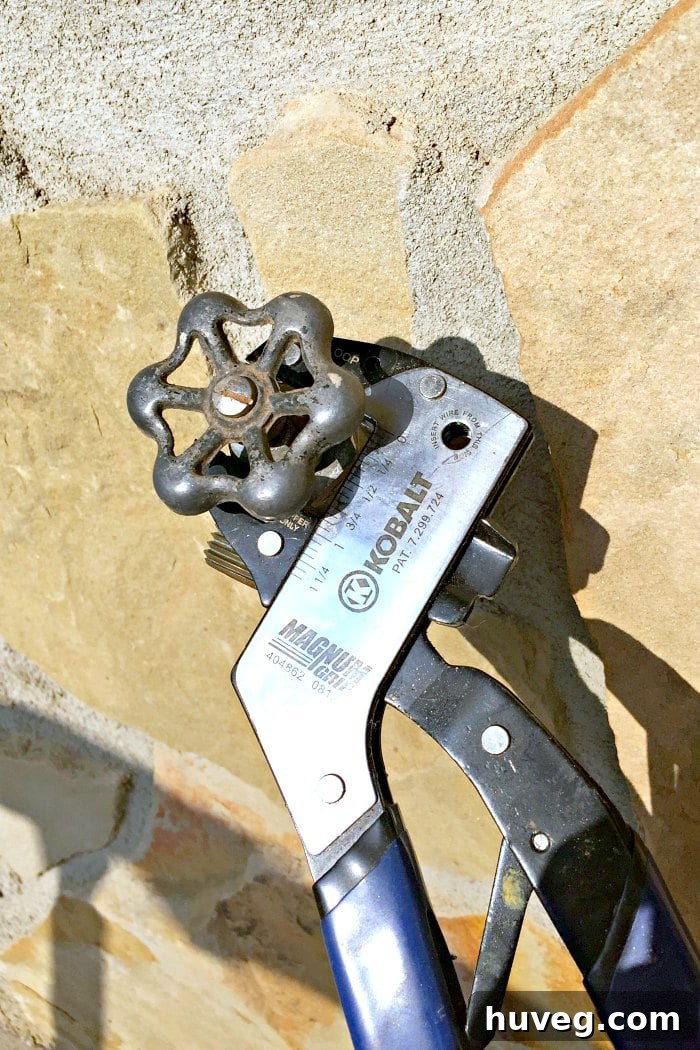
- Remove the Faucet Stem: Carefully pull the entire stem assembly out of the faucet body. For older or heavily corroded faucets, this can be challenging. You might need to gently wiggle it or use locking pliers to grip the stem and pull it out. If it’s heavily seized, apply penetrating oil or acetone around the base of the stem and let it sit for a few minutes before trying again. Be persistent but avoid excessive force that could damage the faucet body.
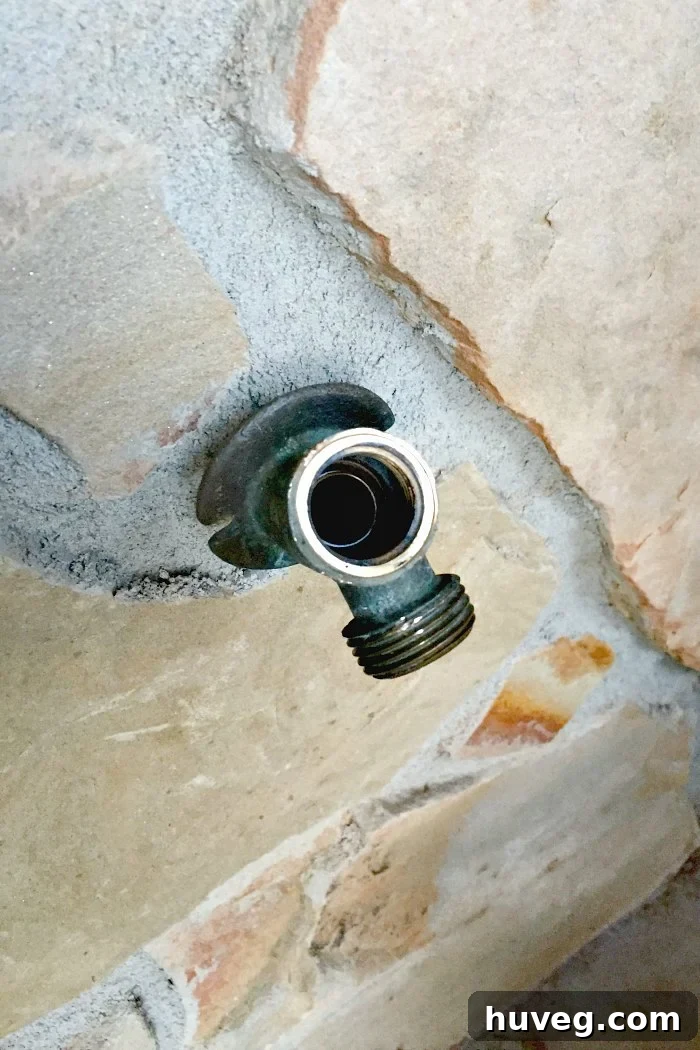
Encountering stubborn parts is common with older plumbing, especially those exposed to the elements. Corrosion, mineral deposits, and simple age can fuse components together. This is where patience and the right tools, like locking pliers and penetrating oil, become invaluable. Don’t be discouraged if it doesn’t come apart easily on the first try.
Step 5: Inspecting and Replacing Worn Components
With the stem assembly removed, you can now identify the specific parts causing the leak. The terminology can be confusing (washer assembly, hose bibb, retaining nut), but focus on the rubber components.
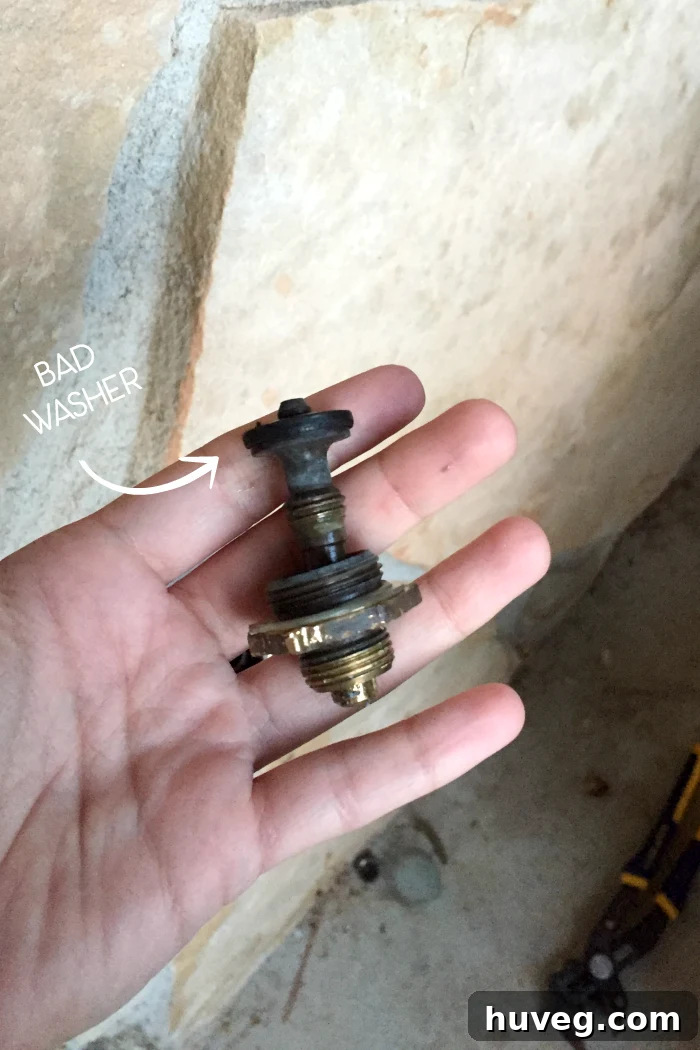
- The Main Washer: At the very end of the stem, there will be a rubber washer held in place by a screw. Remove this screw and carefully pry off the old washer using a utility knife or pick. Replace it with a new washer of the exact same size and thickness. It’s crucial to get the right dimensions; even a slight difference can lead to continued leaks.
- O-Rings: Inspect any O-rings on the stem for cracks, flattening, or brittleness. Use a pick to carefully remove old O-rings and replace them with new ones. Apply a thin layer of plumber’s grease to new O-rings for smoother operation and better sealing.
- Packing Material: The packing nut usually contains either a rubber packing washer or packing string wound around the stem. If it’s a washer, replace it. If it’s string, remove the old string and wind new packing string tightly around the stem in the groove provided, then re-tighten the packing nut to compress it.
When purchasing replacement parts, it’s highly recommended to take the old, worn parts with you to the hardware store. This helps avoid the common frustration of staring at a daunting display of similar-looking washers and O-rings, unsure which to choose. Different faucets use slightly different sizes, and a millimeter can make all the difference. While variety packs exist for some generic items, specialized plumbing washers often need precise matching. Don’t let a small, inexpensive part delay your project by months.
Step 6: Reassembling the Faucet
Once all worn parts are replaced, reassemble the faucet in reverse order:
- Slide the stem assembly back into the faucet body.
- Thread the packing nut back onto the faucet body and tighten it finger-tight, then an additional quarter to half-turn with a wrench. Do not overtighten.
- Reattach the handle and secure it with its screw.
For any threaded connections, especially if you’re replacing the entire stem assembly or a new faucet body, apply thread seal tape (Teflon tape) clockwise around the threads before tightening. This helps create a more secure and watertight seal.
Step 7: Testing for Leaks
With everything reassembled, slowly turn the water supply back on from the shutoff valve. Open and close the outdoor faucet a few times, then check thoroughly for any drips or leaks around the handle, spout, and any connections. If you find a small drip from the packing nut, try tightening it slightly more. If the leak persists from the spout, you may need to re-examine the main washer or consider a full stem replacement.
Step 8: When to Consider a Full Faucet Replacement
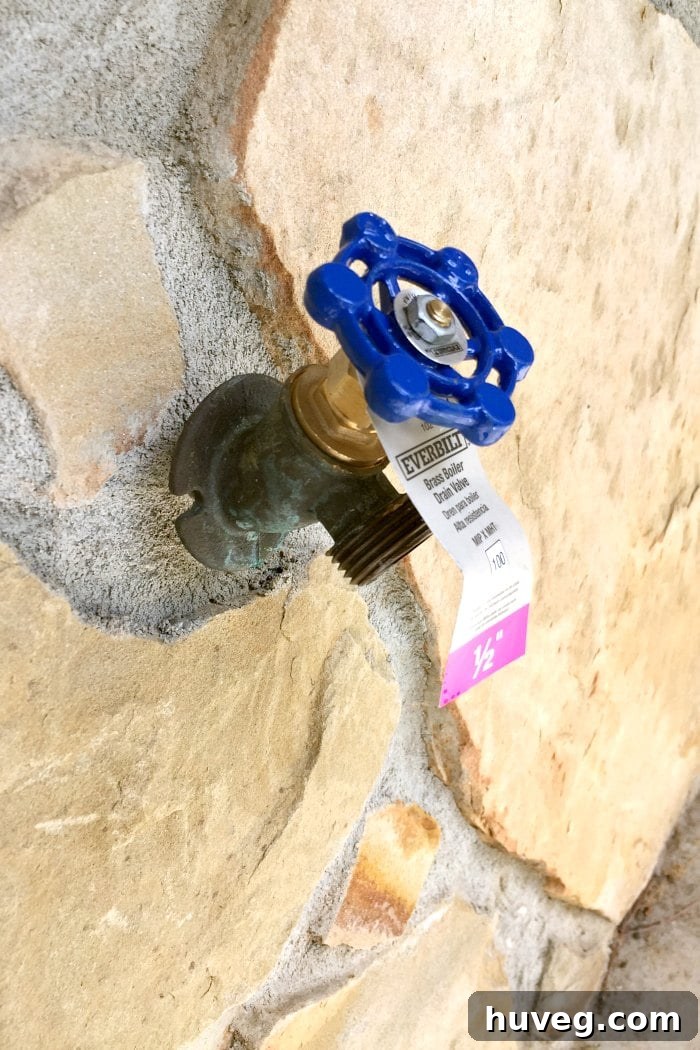
There are times when repairing individual components isn’t the most efficient or cost-effective solution. If your faucet is very old, heavily corroded, or if you’ve tried replacing washers and O-rings without success, a full faucet replacement might be the best course of action. This was the case in the experience shared, where replacing the entire valve stem assembly from a new faucet proved simpler and more reliable than trying to pinpoint the exact washer issue on a 30-year-old fixture.
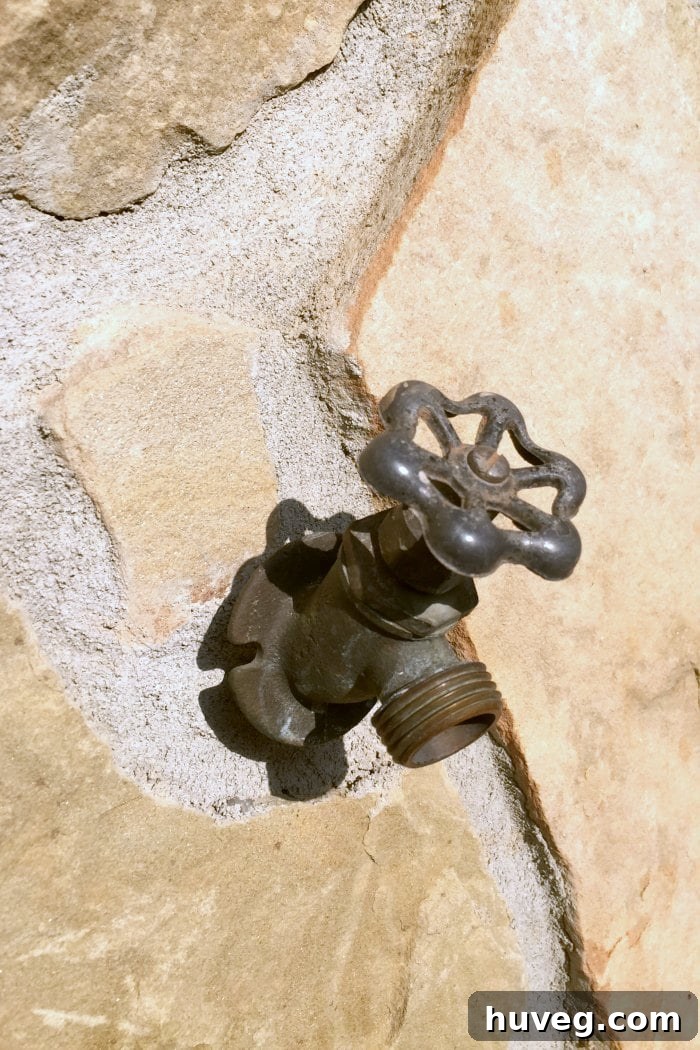
When opting for a full replacement, take a photo of your existing faucet and measure its size (e.g., 1/2-inch or 3/4-inch pipe connection). This ensures you purchase a compatible new faucet. Often, you can buy a new faucet and simply use its internal valve stem components, or the entire faucet if it’s easy to unscrew from the wall. This approach ensures all internal parts are new and perfectly matched, minimizing the chance of future leaks.
Preventative Maintenance for Your Outdoor Faucet
Once your outdoor faucet is leak-free, implement some simple maintenance practices to prevent future problems:
- Winterize Properly: For standard hose bibs, always disconnect hoses and drain the faucet completely before the first freeze. For freeze-proof sillcocks, disconnect hoses to ensure the internal valve can drain properly. Leaving a hose attached, even to a freeze-proof faucet, can trap water and lead to burst pipes.
- Regular Inspection: Periodically check your outdoor faucets for any signs of dripping or seepage, especially after heavy use or seasonal changes.
- Avoid Overtightening: While it might seem intuitive to tighten a dripping faucet harder, overtightening can crush washers and damage the stem, leading to more significant leaks. Turn the handle just until the water stops.
- Use a Hose Shutoff Nozzle: When using a hose, ensure the nozzle has a shutoff feature so you can easily stop the flow of water without constantly turning the faucet on and off, reducing wear on the faucet’s internal components.
Conclusion: Empowering Your DIY Journey
Successfully fixing a leaky outdoor faucet repair is a small victory that yields big benefits. Not only do you save water and reduce your utility bills, but you also gain invaluable confidence in your DIY abilities. What might initially seem like an intimidating plumbing problem can, with a clear plan and the right tools, become a straightforward home repair project. The satisfaction of a job well done, coupled with a perfectly functioning, drip-free faucet, is a powerful motivator for tackling other home improvements. So, arm yourself with knowledge, a few basic tools, and get ready to enjoy the quiet efficiency of a leak-free home!
Now, with your outdoor faucet restored, you can focus on putting your home back in perfect order, knowing you’ve successfully conquered another common household challenge.
More Home Repair Guides
SEE ALL HOME REPAIR
DIY tips on how to repair your home and save on costly mistakes.
- Bugged Out
- It’s WAR!
- Solved! How to Remove Wallpaper Step by Step
- Fence Post Foam vs. Concrete
- 6 MORE HVAC Tips to Keep You Cool (and On Budget!)
- How to Fix a Leaking Outdoor Faucet