Achieving Flush and Secure Outlets After Tiling

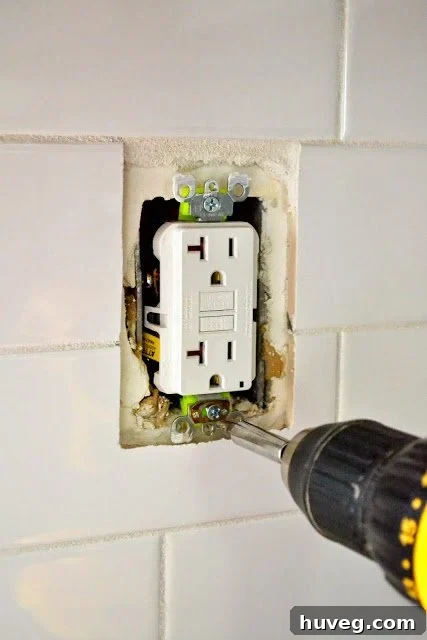
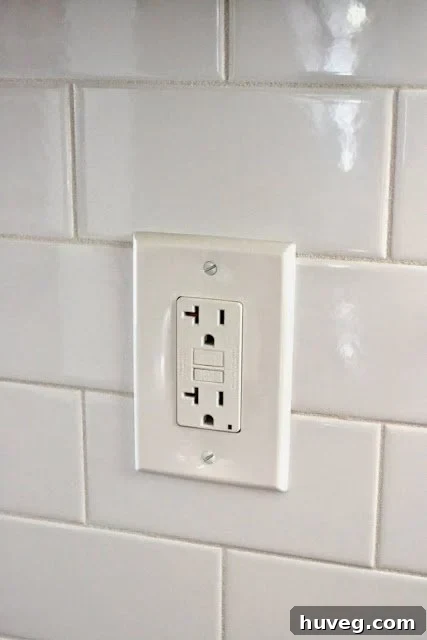
After successfully completing a tiling project, particularly in a kitchen or bathroom, many DIY enthusiasts encounter a common challenge: electrical outlets that no longer sit flush with the wall or, worse, feel loose and wobbly. This issue arises because the new tile adds thickness to the wall surface, causing the outlet to recede or lose the vital support that keeps it stable. While seemingly minor, a loose or recessed outlet can be an aesthetic nuisance and, more importantly, a potential safety hazard. Fortunately, this is a very fixable problem, and you don’t need to be an electrical expert to solve it. This comprehensive guide will walk you through the process of extending and securing your outlets to sit perfectly flush and firm with your newly tiled wall, ensuring both safety and a professional finish.
The journey of home improvement is often filled with unexpected turns and learning opportunities. We embark on projects, sometimes with a confident stride, only to discover a new puzzle piece that needs solving. Tiling a backsplash, for instance, can transform a kitchen, but it also introduces a layer of material that wasn’t there before. This added depth often leaves electrical outlets hanging precariously, no longer firmly anchored against the wall. Instead of perfectly flush outlets, you might find them recessed into the wall or frustratingly loose, making them unsafe and inconvenient to use. This guide aims to demystify the process of bringing those outlets back into alignment, offering a clear, straightforward solution that many DIYers might overlook.
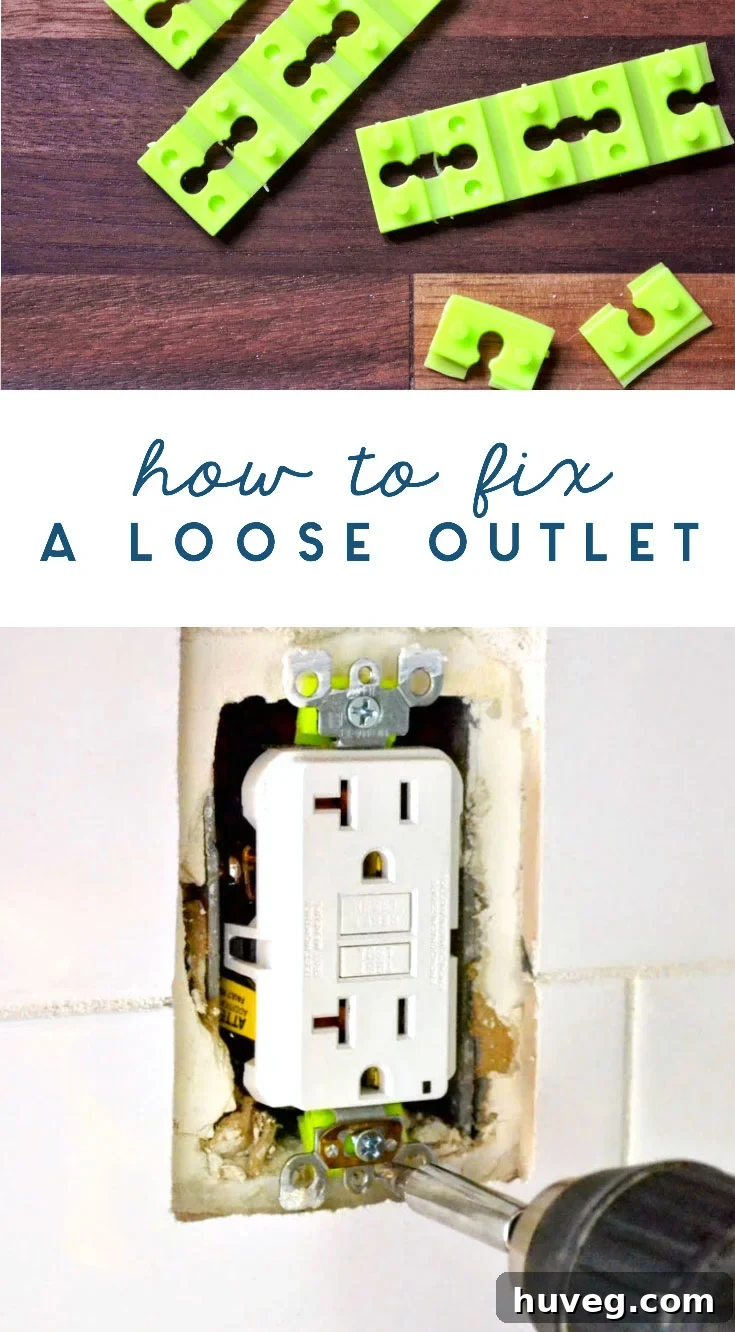
Understanding the Loose Outlet Problem After Tiling
Before diving into the fix, it’s crucial to understand why outlets become problematic after tiling. Electrical outlets are designed with small metal tabs, often called “ears” or “mounting tabs,” on their top and bottom. These ears are meant to rest against the finished wall surface (typically drywall) and be secured by screws to the electrical box embedded within the wall. This setup ensures the outlet is stable and flush.
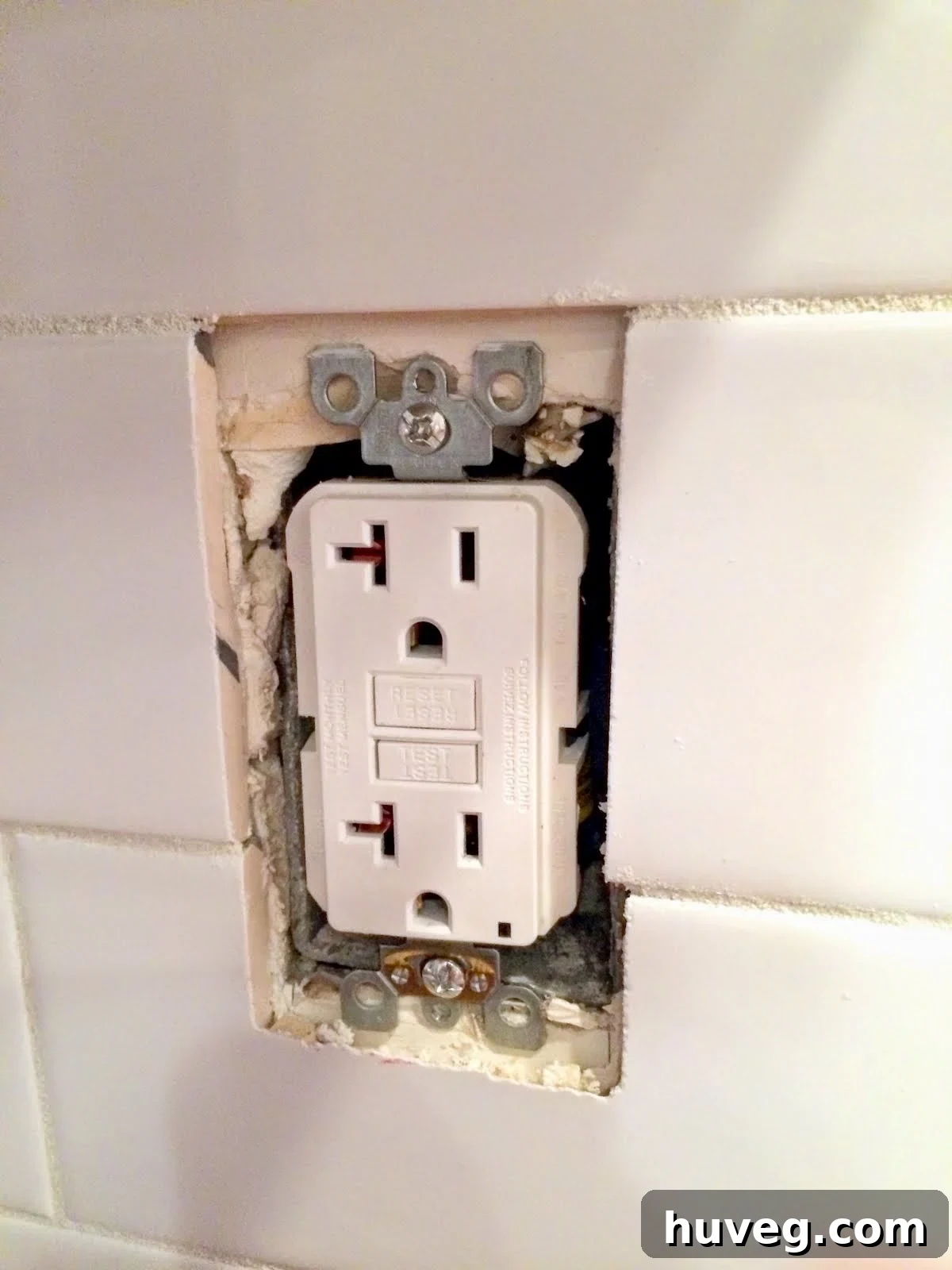
When you add a layer of tile (and thinset), you increase the wall’s thickness. This means the original wall surface is now further back, and the outlet’s ears suddenly find themselves suspended in an empty space – an air gap – between the electrical box and the new tile surface. Without proper support, the outlet can no longer be tightened flush. It either recedes into the wall or remains loose and wobbly. This isn’t just an aesthetic issue; a loose outlet can put strain on the electrical wires, potentially leading to wear, arcing, and even a fire hazard over time. Additionally, repeatedly plugging and unplugging devices from a wobbly outlet can damage both the outlet and the connected devices.
Essential Tools and Materials for a Secure Outlet Fix
To tackle this project safely and effectively, gather the following tools and materials:
- Screwdriver: Typically a Phillips head, but a flathead might also be needed for some outlet screws.
- Non-Contact Voltage Tester: An absolute must for safety, to confirm power is off before you touch any wiring.
- Utility Knife or Wire Strippers: Potentially useful for adjusting wires or cutting spacers, though not always necessary.
- Longer Mounting Screws: Often, the original short screws won’t be long enough to reach the electrical box through the added thickness of spacers. Keep a variety of lengths on hand, typically 1.5 to 2 inches.
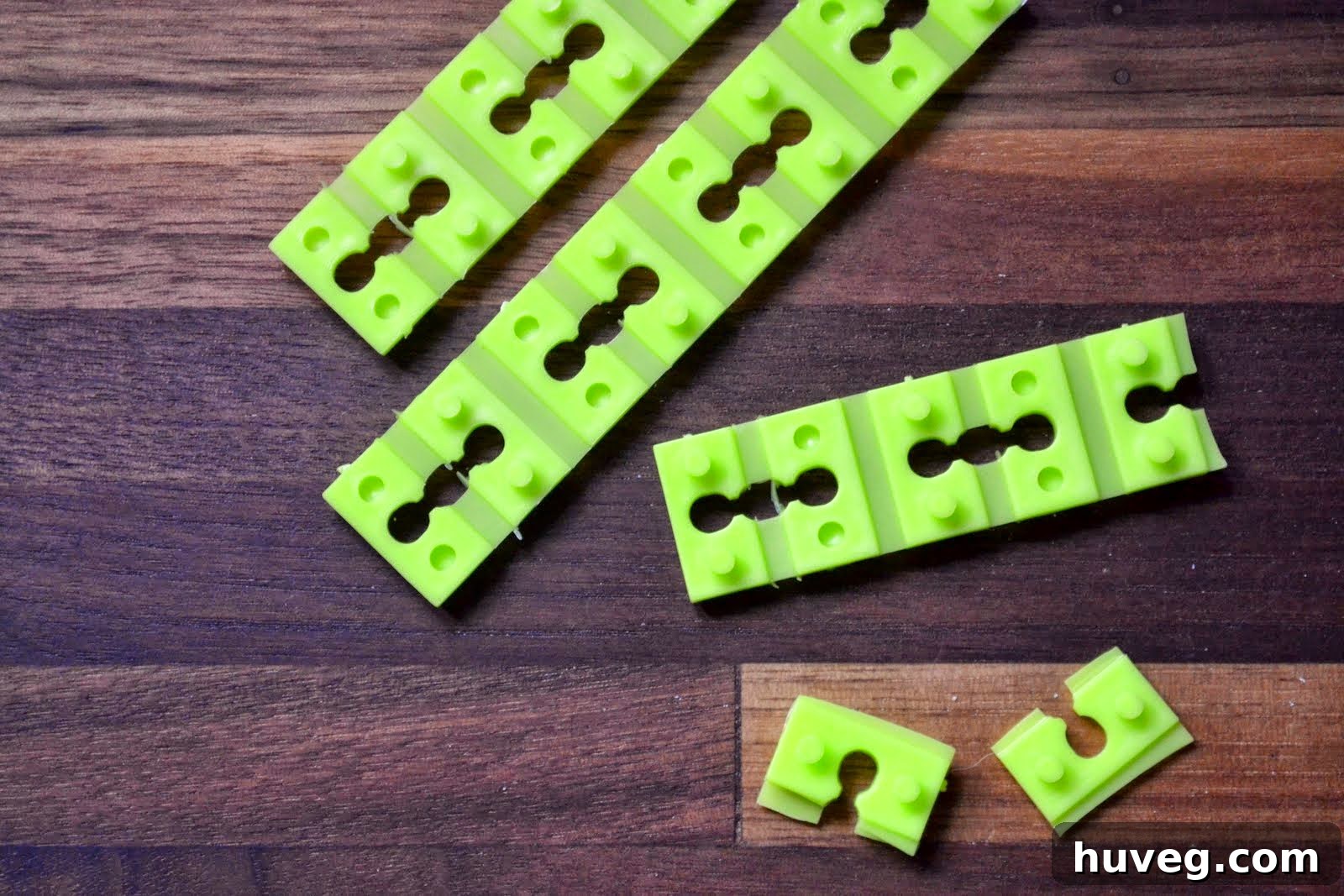
- Switch and Receptacle Spacers (Caterpillar Spacers): These are the heroes of this project. They are typically neon yellow or orange plastic strips designed with interlocking segments, allowing you to easily snap off the desired length and stack them to bridge various gaps.
- Pliers (optional): Can be helpful for manipulating wires or tightening connections.
- Work Gloves and Safety Glasses: Good practice for any DIY project involving tools and electricity.
Safety First: Always Turn Off the Power!
Working with electricity demands the utmost caution. Before you begin any work on an electrical outlet, you MUST cut off the power to that circuit. Do not skip this step under any circumstances.
- Locate Your Breaker Box: This is usually in a basement, garage, utility closet, or outdoor panel.
- Identify the Correct Breaker: If your breakers are labeled, find the one corresponding to the kitchen or the specific outlet you’re working on. If not, you might need to flip breakers one by one until the outlet loses power.
- Test the Outlet: Once you’ve flipped what you believe is the correct breaker, return to the outlet. Plug in a lamp or use your non-contact voltage tester to confirm that there is absolutely no power. The voltage tester is particularly useful as it will glow or beep if any current is detected, even without a load.
- Double-Check: It’s always a good idea to test a second time, just to be sure.
Never assume the power is off without verifying it. Your safety is paramount.
Step-by-Step Guide: How to Extend and Secure Your Outlets
Step 1: Accessing the Outlet and Assessing the Gap
With the power confirmed off, you can safely begin. First, remove the faceplate of the outlet. This typically involves unscrewing a single screw in the center of the plate. Once the faceplate is off, you’ll see the outlet itself, usually held in place by two screws at the top and bottom, which connect it to the electrical box. Carefully unscrew these two mounting screws. Gently pull the outlet straight out from the wall. The wires connected to the outlet are typically stiff and will hold it in place, allowing you enough room to work without disconnecting them. Observe the gap between the outlet’s mounting ears and the front of the electrical box; this is the space you need to fill.
Step 2: Choosing the Right Extension Method
While various products exist for extending outlets, the “caterpillar spacers” (also known as switch and receptacle spacers) are often the most versatile and effective for general-purpose use, especially after tiling.
- Standard Box Extenders (Plastic Boxes): The author of the original content initially tried these plastic box extenders. These are designed to extend the entire electrical box forward. While effective for very deep recesses, they can be overkill for a thin layer of tile and sometimes don’t fully solve the “wobbly ears” problem if the tile cut isn’t precise. Their rigid structure means they might not conform to slight irregularities.
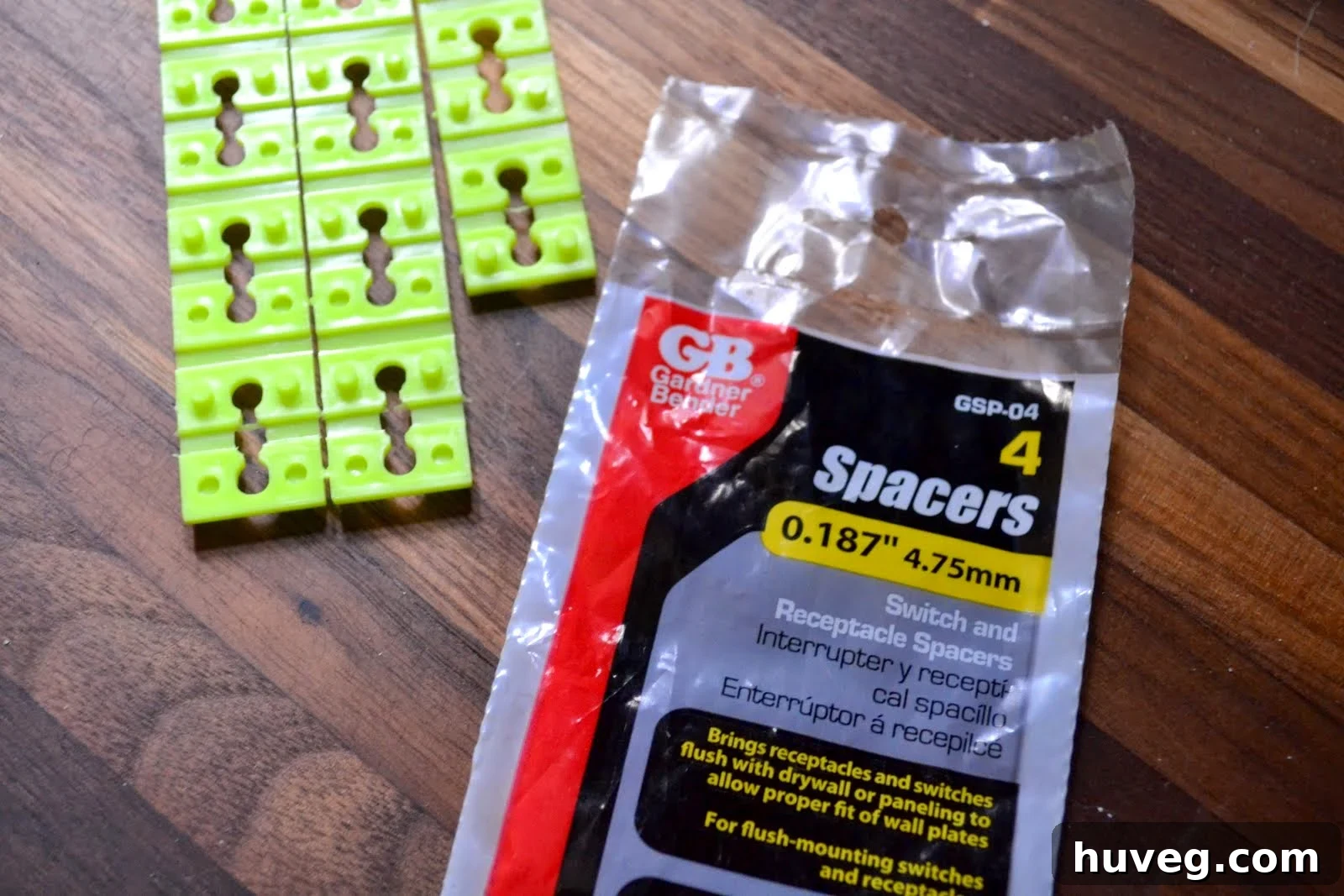
- Caterpillar Spacers: These flexible plastic shims are designed specifically to provide support behind the outlet’s mounting tabs. Their segmented design allows you to easily break off or stack pieces to achieve the exact thickness needed, making them highly adaptable for various wall depths. They ensure the outlet’s ears have a firm surface to rest against, eliminating wobbling. The author’s “super awesome friend” Carrie’s suggestion for these spacers proved to be the winning solution. You’ll usually find these neon yellow or orange strips in the electrical aisle of your hardware store.
Step 3: Installing the Caterpillar Spacers
The beauty of caterpillar spacers lies in their simplicity. Each spacer strip consists of several interlocking segments. You’ll need to determine how many segments are required to fill the gap between the outlet’s mounting ear and the electrical box. The required number can vary slightly between different outlets, so don’t be surprised if some need two segments and others three.
- Break Apart Segments: Gently break or cut off the necessary number of segments from the strip. They are designed to easily snap apart.
- Stack if Needed: If one segment isn’t thick enough, simply stack two or more together. The interlocking nubs on each piece allow them to securely click into place.
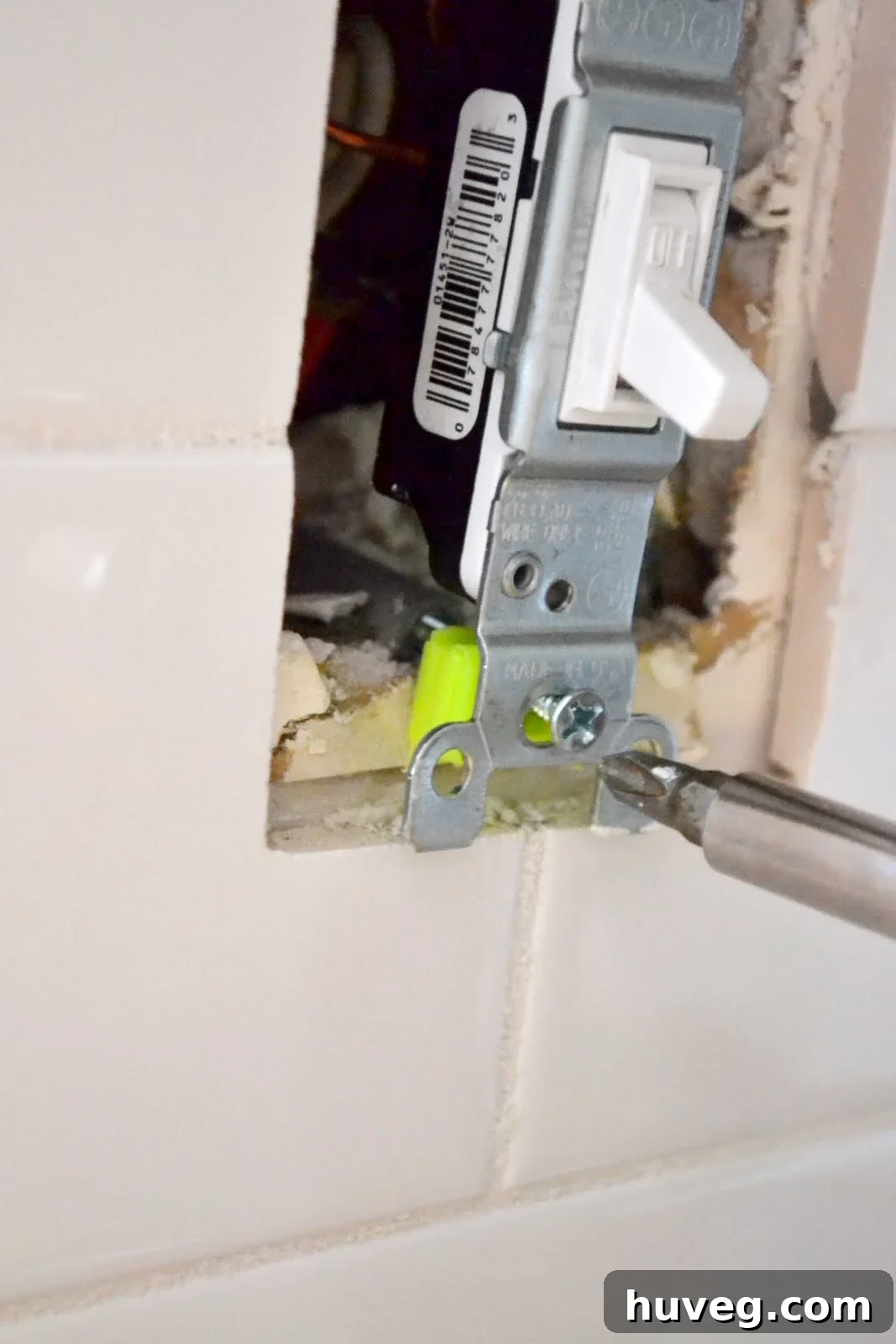
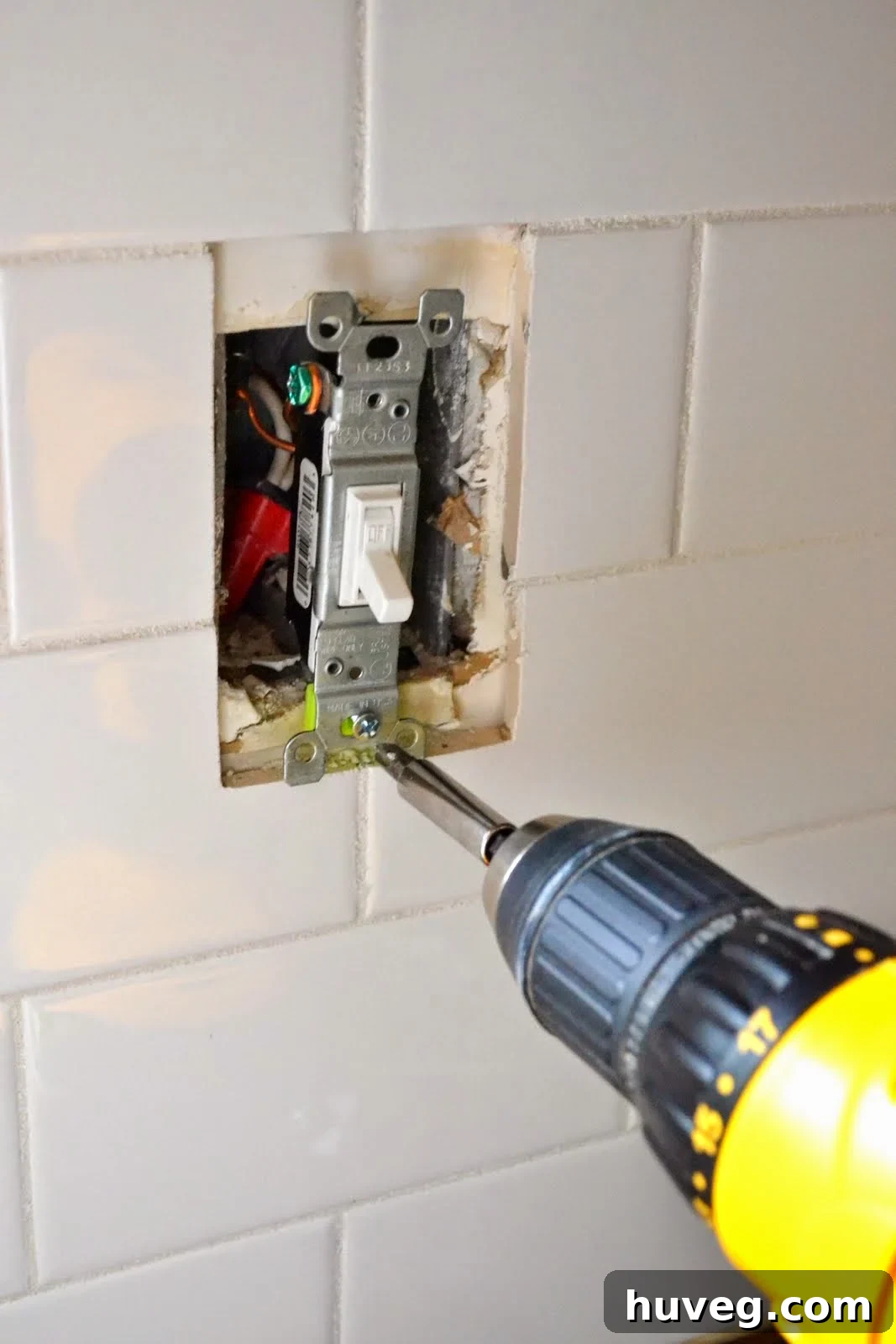
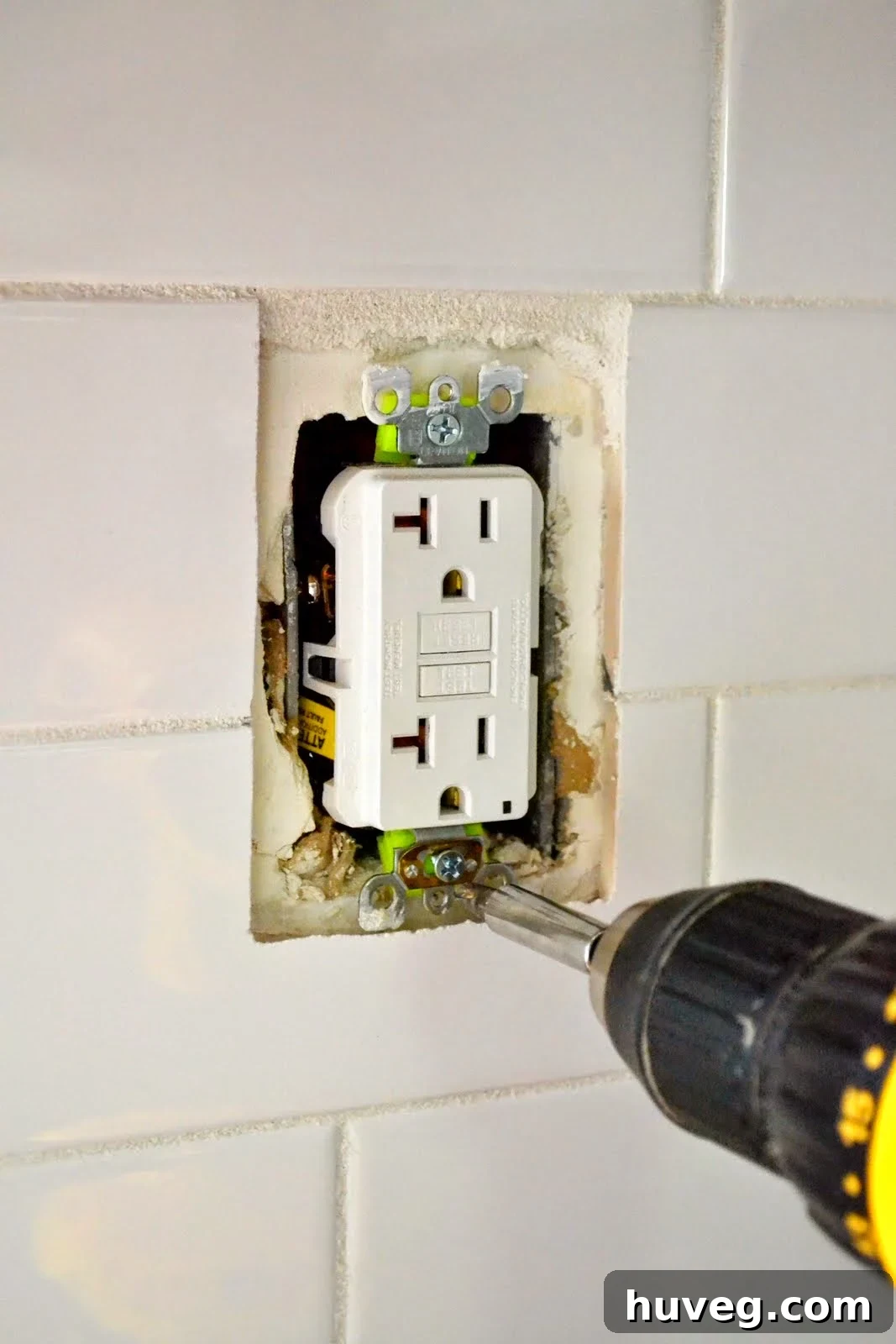
- Position the Spacers: Carefully slide the stacked spacers behind the metal mounting ears of the outlet, ensuring they sit flush against the electrical box at one end and the back of the outlet’s ear at the other. You’ll place one set of spacers behind the top ear and another set behind the bottom ear.
Step 4: Securing the Outlet with Spacers
With the spacers in place, it’s time to secure the outlet. This is where those longer mounting screws often come in handy, as the original screws might be too short to pass through the spacers and engage the electrical box threads.
- Align and Insert Screws: Carefully align the screw holes on the outlet’s ears, through the spacers, and into the electrical box. Insert your longer mounting screws.
- Tighten Gradually: Begin to tighten the screws. As you tighten, ensure the spacers remain in position and don’t slip entirely into the wall cavity. You may need to adjust the position of the spacers slightly to get them seated just right.
- Achieve Flush Fit: Tighten until the outlet is firm, stable, and perfectly flush with the new tile surface. Do not overtighten, as this can strip the screw threads or crack the electrical box. The goal is snug and secure, not clamped down with excessive force.
Step 5: Final Checks and Reassembly
Once the outlet feels firm and flush, give it a final inspection.
- Inspect Wiring: Before pushing the outlet back, ensure none of the wires are pinched or seem strained.
- Gently Push In: Carefully guide the outlet back into the electrical box, tucking the wires neatly behind it.
- Reattach Faceplate: Replace the faceplate, aligning it properly and securing it with its screw.
- Restore Power: Return to your breaker box and turn the power back on to the circuit you were working on.
- Test the Outlet: Plug in a small appliance, like a lamp or phone charger, to confirm the outlet is functioning correctly.
Troubleshooting Common Issues
- Still Wobbly: If the outlet still feels wobbly, the spacers might not be thick enough, or they might not be positioned correctly. Pull the outlet out again, add another spacer segment, or adjust their placement. Ensure they are providing even support to both mounting tabs.
- Screws Won’t Reach: This is a common indication that you need longer mounting screws. Don’t force them; acquire screws that are long enough to pass through the spacers and securely engage the electrical box threads.
- Spacers Slipping: If the spacers keep slipping into the wall cavity, try using a small piece of electrical tape to temporarily hold them to the back of the outlet’s ears while you guide the screws in. Once the screws are partially engaged, the spacers should stay put.
- Wires Too Tight/Short: While less common for simple spacer installation, if the wires feel too taut or seem difficult to work with, it’s best to consult a qualified electrician. Never force electrical wires or work with damaged insulation.
Beyond Backsplashes: Other Uses for Outlet Spacers
While fixing outlets after a backsplash installation is a primary use case, these versatile spacers can solve a multitude of common outlet problems:
- Loose Outlets on Any Wall: Even without tiling, drywall can become brittle over time, or the electrical box might not be perfectly flush, leading to a loose or wobbly outlet. Spacers can easily firm these up.
- Thicker Wall Coverings: If you’ve installed decorative paneling, shiplap, or another wall covering that adds thickness, these spacers are an ideal solution for extending outlets.
- Minor Drywall Imperfections: Sometimes, the drywall around an electrical box isn’t perfectly flat, causing the outlet faceplate to not sit flush. Spacers can help compensate for these small discrepancies.
Embracing the DIY Mindset: Learning and Overcoming Challenges
The original author’s candid reflection on DIY mistakes resonates with every home improver. The truth is, DIY is an ongoing learning process. It’s rare for a project to go exactly as planned, and encountering unexpected challenges, like a loose outlet after tiling, is part of the journey. What truly matters is the willingness to research, learn, and find creative solutions. Every “mistake” is an opportunity to expand your skill set and deepen your understanding of your home. The satisfaction of overcoming a hurdle, like securing a previously wobbly outlet, is immensely rewarding and makes all the effort worthwhile.
So, the next time a DIY project throws a curveball, take a deep breath. Chances are, someone else has faced the same issue, and a simple, effective solution is often closer than you think. With the right tools, a bit of patience, and a commitment to safety, you can tackle these challenges and enjoy the fruits of your labor – in this case, perfectly flush, secure, and safe electrical outlets that complement your beautifully tiled space.