Ateşimi Yak Ya da Kalsın

The Day the Backyard Almost Went Up in Smoke: A Personal Fire Safety Lesson
It began as many perfect Sundays do: a crisp, clear morning, promising a day of gentle sunshine and productive outdoor work. The kind of day that makes you want to tackle those lingering yard chores. For us, that meant a thorough backyard cleanup, specifically addressing the accumulating pinestraw that had blanketed sections of our property. Pinestraw, while offering a certain rustic charm to the landscape, is also an undeniable fire hazard when dry and abundant. My partner, Scott, took on the task of gathering the voluminous piles, intending to burn them in our designated fire pit. What started as a routine chore, however, very quickly escalated into a heart-stopping moment, proving just how quickly a seemingly controlled fire can turn into a serious threat. In a span of mere minutes, Scott inadvertently lit my yard on fire, bringing us perilously close to a far greater catastrophe.
A Perfect Sunday, An Imperfect Plan for Fire Safety
The allure of a beautiful Sunday is often tied to the freedom it offers to catch up on various projects, both inside and out. That particular Sunday was no different. The air was still, the sky a brilliant blue, making it an ideal day for tackling the sprawling expanse of our yard. Our property, with its mature trees, is prone to accumulating vast quantities of pine needles, or pinestraw, especially after a blustery week. While effective as mulch for certain plantings, large, dry heaps of pinestraw are essentially kindling, just waiting for a spark. Scott, ever the proactive one, decided it was time to clear these flammable materials. His plan, seemingly straightforward, was to consolidate the pinestraw and burn it in our robust backyard fire pit – a common method of yard waste disposal in many areas, provided it’s done with extreme caution. What he hadn’t fully considered, however, was the critical factor of proximity and the speed with which a small fire can become an uncontrolled inferno.
The Moment of Truth: From Routine Chore to Terrifying Crisis
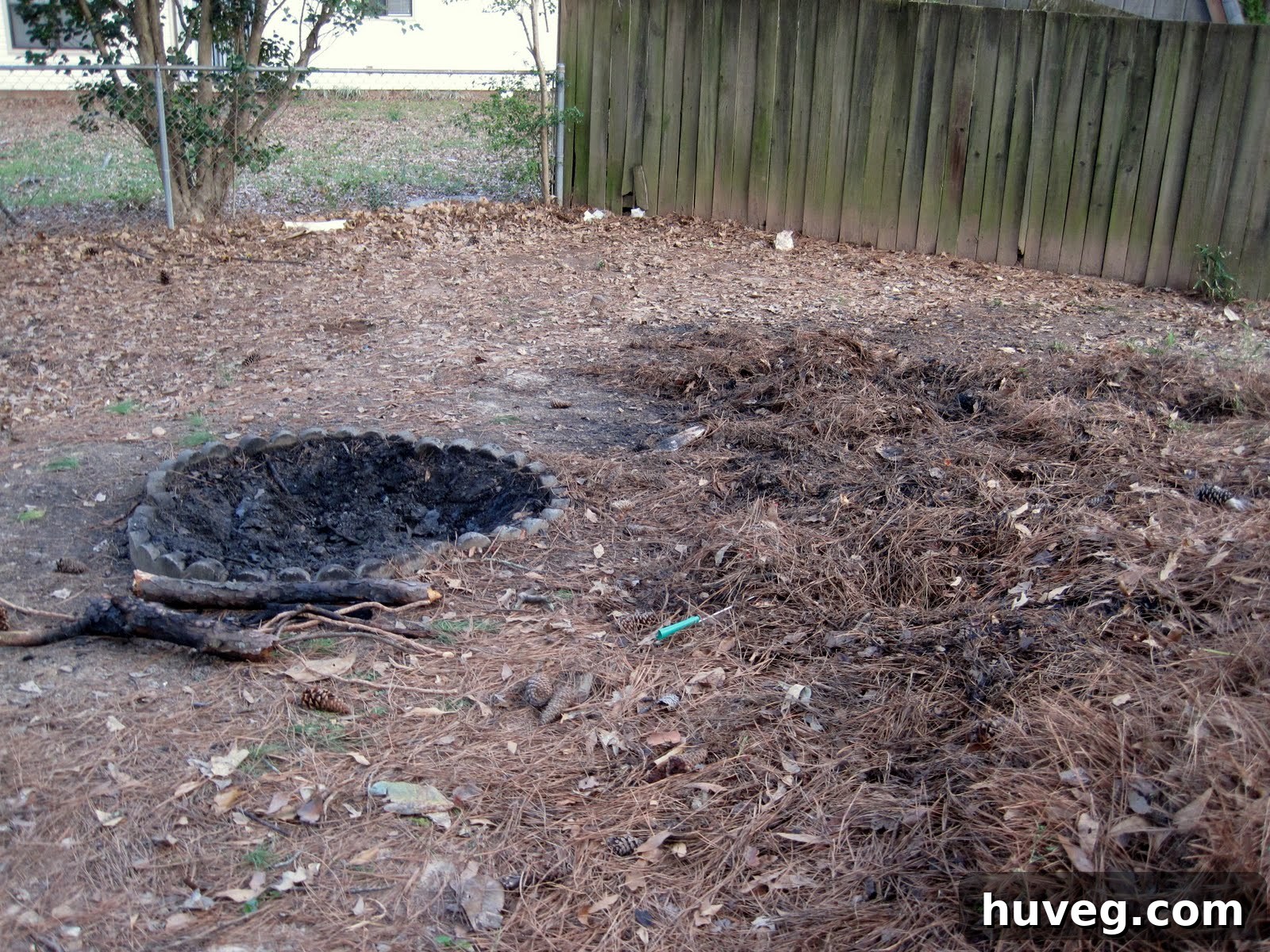
While Scott was engaged in his outdoor endeavors, I was comfortably ensconced upstairs, immersed in various indoor projects. The gentle hum of the house, punctuated by the occasional distant sound of Scott working, created a peaceful atmosphere. I was completely unaware that just a few dozen feet away, a routine yard task was rapidly veering towards a full-blown emergency. Scott, in his effort to efficiently clear the large volume of pinestraw, had made a critical misjudgment. He piled the highly combustible material not just *near* the fire pit, but dangerously close to its edge, with some even extending beyond the protective barrier, creeping towards the house itself. The initial flames, meant to consume the pinestraw safely within the pit, found an immediate and eager fuel source in the surrounding dry needles. The fire, no longer contained, began to spread with alarming speed, creeping across the ground like a vibrant, dangerous serpent, heading straight for the foundation of our home.
The Shout Heard ‘Round the House: “I Almost Set the House on Fire!”
The tranquil Sunday afternoon shattered abruptly. A sudden, frantic shout pierced the quiet, echoing from the kitchen below: “I almost set the house on fire!” The sheer panic in Scott’s voice was unmistakable and instantly propelled me into action. My heart leaped into my throat as I raced down the stairs, fear clutching at me with icy fingers. By the time I reached the kitchen, Scott was already there, visibly shaken but thankfully unharmed. He quickly explained what had happened, his words tumbling out in a rush, detailing the rapid spread of the fire and his frantic efforts to extinguish it. My immediate relief that he was safe was quickly followed by a chilling realization of just how close we had come to a devastating disaster. He had managed to douse the flames himself, likely with a garden hose or a bucket of water, before they reached the house. But the lingering smell of smoke and the charred patches on the ground served as stark, undeniable evidence of the very real danger we had narrowly escaped. It was a visceral reminder that even with the best intentions, a single oversight can have catastrophic consequences.
Lessons Learned the Hard Way: Pinestraw, Fire Pits, and Critical Proximity
The incident served as a powerful, albeit terrifying, masterclass in backyard fire safety. The core lesson, glaringly obvious in retrospect, is astonishingly simple yet frequently overlooked: distance is paramount. Look at the image above. It visually encapsulates the cardinal sin of outdoor burning. Do not, under any circumstances, create a giant dry pile of highly flammable pinestraw and push it riiiiight up next to your fire pit, let alone near any structures. Pinestraw, especially when dry, acts as an incredibly efficient fuel. Its fine, airy structure allows oxygen to circulate freely, meaning it ignites rapidly and burns intensely, spreading fire at an alarming rate. What might seem like a small, controlled burn can, in the blink of an eye, become an out-of-control blaze capable of destroying property and endangering lives. The heat radiated by even a small fire can be enough to ignite nearby combustible materials, and stray embers can easily be carried by a gentle breeze, igniting new fires far from the original source. Understanding the nature of your fuel and maintaining adequate clearance is not just a suggestion; it is a critical requirement for responsible outdoor burning.
Beyond Pinestraw: Comprehensive Backyard Fire Safety Tips
Our experience underscored the need for a comprehensive approach to fire safety, extending beyond just pinestraw. Here are essential guidelines for anyone considering outdoor burning or using a fire pit:
- Site Selection is Key: Always choose a clear, level area for your fire pit, far away from your house, garage, wooden fences, sheds, and any overhanging trees or branches. A minimum of 10-25 feet is often recommended, depending on local regulations and fire pit size. Ensure there are no flammable materials, such as dry leaves, grass, or, of course, pinestraw, within this clearance zone.
- Monitor Weather Conditions: Never start a fire on windy days. Wind can carry embers long distances, igniting new fires. Also, be mindful of dry conditions or drought warnings, which increase the risk of rapid fire spread. Always check for local burn bans before lighting any outdoor fire.
- Manage Your Fuel Wisely: Only burn natural, untreated wood or designated fire pit logs. Never use accelerants like gasoline or lighter fluid, which can cause dangerous flare-ups. Avoid burning trash, plastics, painted wood, or chemically treated lumber, as these can release toxic fumes and create hazardous sparks. Keep your fuel pile organized and away from the active fire.
- Essential Safety Equipment on Hand: Before lighting anything, ensure you have appropriate fire suppression tools readily available. This includes a garden hose connected and turned on, buckets of water or sand, and a shovel or rake. A fire extinguisher specifically rated for outdoor fires is also a wise investment and should be easily accessible.
- Constant Supervision is Non-Negotiable: Never, under any circumstances, leave an outdoor fire unattended, not even for a moment. A responsible adult should always be present until the fire is completely out. Children and pets should be kept at a safe distance.
- Proper Extinguishing Protocol: Do not just walk away from a smoldering fire. Douse the embers thoroughly with water until all sizzling stops. Stir the ashes and embers with a shovel, then douse them again to ensure every speck is cool to the touch. It’s truly out when it’s cold.
- Adhere to Local Regulations: Always check with your local fire department or municipality for specific outdoor burning laws, permit requirements, and seasonal restrictions. Regulations vary widely by location and can change based on environmental conditions. Ignorance of the law is not an excuse, and violations can result in hefty fines or worse.
The Unspoken Costs: Damage, Danger, and the Emotional Toll
While we were incredibly fortunate that the physical damage to our property was minimal – a few scorched patches of grass and the lingering smell of smoke – the potential costs weighed heavily on us. The thought of losing our home, or worse, someone being injured, cast a long shadow over the immediate relief. Beyond the tangible destruction, there’s the profound emotional toll that such an incident inflicts. The initial shock, the surge of adrenaline, and the subsequent dread create a lasting imprint. For days, every faint smell of smoke or unexpected sound outside brought a jolt of anxiety. This emotional aftermath is a hidden cost, a reminder of the fragility of safety and the constant vigilance required to maintain it. It also led to a serious, yet understanding, conversation between Scott and me about the immense responsibility that comes with managing fire, even in a seemingly harmless backyard setting. Trust is an essential element in any relationship, and while Scott’s intentions were good, his momentary lapse in judgment underscored the need for enhanced caution and open communication about potential hazards. Forgiveness was swift, but the lesson, and the commitment to safer practices, was etched deep.
Do You Have “Boyfriend Insurance”? A Lighthearted Look at Serious Protection
In the immediate aftermath, as the adrenaline slowly subsided and the gravity of the situation began to settle, a lighthearted (though somewhat nervous) thought popped into my head: “I wonder if Allstate has a special category for boyfriend insurance.” It was a moment of levity born from a desire to lighten the mood, but it also pointed to a very real and crucial aspect of home protection: insurance. While “boyfriend insurance” isn’t a real policy, standard home insurance absolutely is, and it’s your frontline defense against unforeseen disasters like fires. A robust home insurance policy typically covers damage to your dwelling and personal property due to fire, among other perils. It’s not just about protecting your investment; it’s about providing peace of mind knowing that if the worst happens, you have a financial safety net. Our near-miss served as a potent reminder of the value of being adequately insured, ensuring that our policy was up-to-date and comprehensive enough to cover potential fire damage, should our luck ever run out. Prevention is always the best strategy, but preparation for the unexpected is equally vital. It’s about combining diligent safety practices with robust financial protection.
Moving Forward: Embracing Safer Practices and Shared Responsibility
The backyard fire incident, while unnerving, ultimately became a powerful catalyst for change in our approach to outdoor living. It transformed a beautiful Sunday into a day of profound learning, a stark reminder of the immense power of fire and the critical importance of respect, vigilance, and preparedness. Moving forward, our commitment to backyard fire safety is unwavering. Every outdoor burning activity is now approached with heightened caution, meticulous planning, and a renewed understanding of the risks involved. We actively review and reinforce our safety protocols, ensuring that both of us are fully aware of and adhere to best practices. This shared experience has cemented a deeper appreciation for the simple act of prevention, underscoring that a small amount of foresight can avert monumental damage and distress. We hope our story, while personal, serves as a cautionary tale for others. Learning from our near-disaster can help ensure that your beautiful Sunday remains just that – beautiful and safe.