Effortless Gate Latch Installation

Overcoming Procrastination: The Saga of a Simple Gate Latch Repair
We all have those tasks, don’t we? The ones that seem ridiculously simple, yet we put them off indefinitely. For me, it was a gate latch – a humble, easily replaceable piece of hardware on the fence leading to my backyard. This isn’t just a story about a broken latch; it’s a testament to the powerful grip of procrastination and the surprising satisfaction of finally conquering a long-overdue, minor household repair.
Two Years of Delay: The Broken Latch and the Escapist Canine
For over two years, the gate to my backyard fence suffered from a poorly positioned, then ultimately broken, latch. It was an inconvenience, a minor eyesore, but nothing that screamed “urgent.” Or so I told myself. The reality was, this broken latch had consequences. My dog, a clever escape artist with a clear preference for the front yard’s greener pastures and friendly passersby, saw it as an open invitation. Every walk became a strategic mission to ensure the gate was propped shut, a constant battle against his tenacious attempts to bypass the flimsy barrier.
Months turned into seasons, and still, the broken latch remained. The dog continued his escapades, requiring constant vigilance. The “easy fix” became a chronic source of low-level stress and a symbol of my own inaction. It wasn’t a matter of skill or tools; it was purely a matter of inertia. The task was so small, so trivial, that it felt even harder to start, a strange paradox of procrastination.
The Moment of Truth: From Excuses to Action
Then, one unassuming evening, something shifted. There was no grand epiphany, no dramatic intervention. Perhaps it was the cumulative weight of two years of inconvenience, or maybe just a sudden, unexpected burst of motivation. Whatever the catalyst, I finally decided to stop making excuses. “Tonight,” I declared, “the gate latch gets fixed.” It was a simple commitment, but a profound one in its implications.
Gathering Supplies for DIY Gate Repair
A quick trip to the hardware store for a new gate latch felt like the first real step towards reclaiming my backyard security. I picked out a sturdy, galvanized steel latch, designed for outdoor use and promising durability. The package came with a set of screws, but I knew from experience that often, the included hardware isn’t always ideal for every situation. I also considered bringing a few different sizes of screws from my own stash, just in case.
Back home, armed with the new latch and a determined spirit, I began the process. The first step was to remove the old, dilapidated latch. Unscrewing the rusted, stubborn fasteners took a bit of effort, a battle against years of neglect and the elements. And then, as if to test my resolve right from the start, I immediately dropped one of the rusty screws into the damp dirt beneath the gate. A minor setback, yes, but a classic omen of DIY projects where the simplest tasks often present unexpected hurdles.
The Installation Process: A Step-by-Step Guide with Minor Hiccups
Despite the initial fumble, the rest of the installation proceeded with a surprising degree of smoothness, albeit with a few characteristic DIY moments. Installing a gate latch, while seemingly straightforward, benefits greatly from a few fundamental practices to ensure longevity and proper function. This wasn’t just about screwing in a new piece of metal; it was about doing it right.
1. Drilling Pilot Holes: Preventing Wood Splitting
The most crucial first step was drilling pilot holes. This is a golden rule in woodworking, especially when dealing with outdoor structures exposed to varying temperatures and moisture. Wood, particularly older wood, can be brittle and prone to splitting when screws are driven directly into it. Pilot holes create a path for the screws, reducing friction and preventing unsightly, weakening cracks. Using a drill bit slightly smaller than the screw’s diameter ensures the threads still have plenty of wood to grip, providing a secure hold.
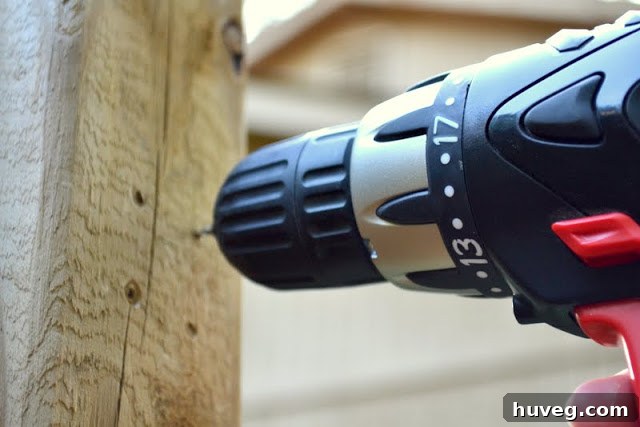
2. Securing the Latch Mechanism
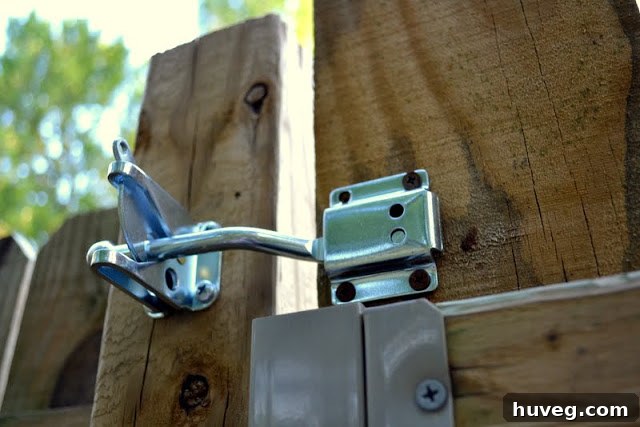
Next, I began screwing in the three remaining rusty screws from the old latch. Why reuse old, rusty screws? Because, as anticipated, the shiny new screws that came with the package were simply too long. Had I used them, they would have protruded ungracefully and dangerously from the other side of the gate, creating a hazard and compromising the gate’s aesthetics. Sometimes, the best solution involves repurposing existing, albeit imperfect, hardware. It’s a pragmatic approach to DIY, valuing function and safety over pristine newness. I carefully aligned the latch mechanism, ensuring it was level and positioned correctly for optimal function and appearance.
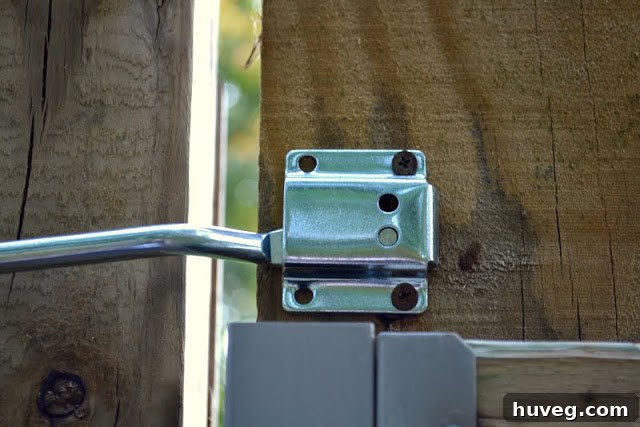
With one side of the latch securely fastened, it was time to tackle the other component – the strike plate or receiver. This is where another common DIY snag occurred. As I reached for my drill to attach the strike plate, I realized the drill bit I was using for the pilot holes was now too short to reach the recesses of the new latch’s design. This required a quick pause, a search for a longer drill bit, and a moment of lighthearted frustration. It’s these little unexpected detours that define the true DIY experience, reminding you that even the simplest projects can throw curveballs. As the adage, or rather, the joke goes, “size matters” – especially when it comes to drill bits and accessing tight spaces.
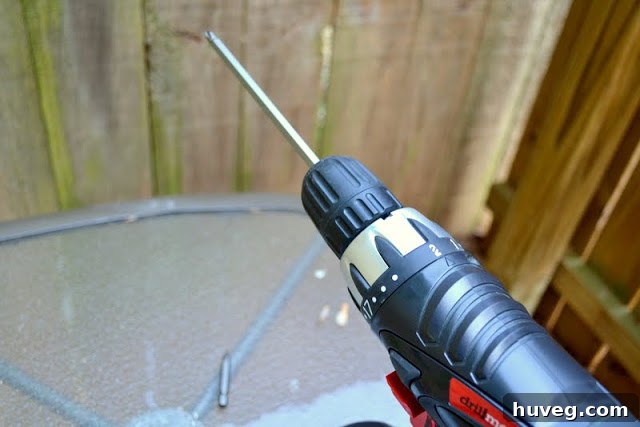
3. The Two-Handed Technique and the Photo Op
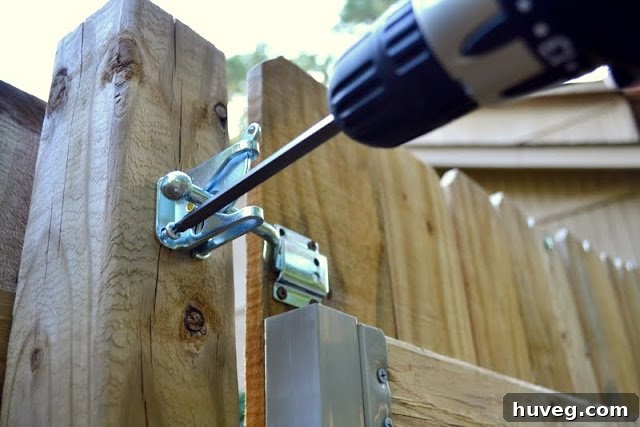
Installing the final screws, particularly while holding the latch steady and ensuring proper alignment, often requires a delicate balance of coordination. This is especially true for tasks that technically require two hands to perform optimally. I took a moment to capture a picture of this precise operation. I’m quite proud of the shot, actually. It’s not easy to snap a clear photo of something that demands your full, two-handed attention and steady focus. It captures a small, authentic moment in the journey of completing a hands-on project.
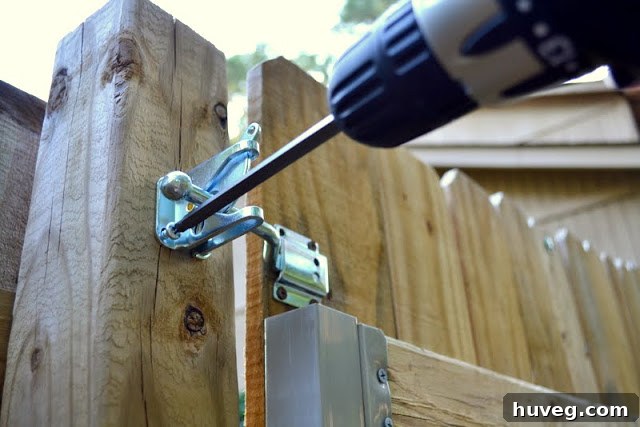
The Sweet Victory: Two Years and Fifteen Minutes
And then, it was done. The new latch was perfectly aligned, securely fastened, and functioning flawlessly. The gate swung shut with a satisfying click, providing a sense of security and finality that had been missing for far too long. The total active time spent on the project? A mere fifteen minutes. Fifteen minutes of actual work for a problem that had persisted for over two years. The irony was palpable, the lesson undeniable. It’s a classic example of how the mental burden of procrastination often outweighs the actual effort required to complete a task.
The feeling of accomplishment was immense, disproportionate to the simplicity of the task itself. It wasn’t just about a fixed gate; it was about a conquered mental block, a small victory over my own tendency to delay. My dog, perhaps sensing the newfound security (or simply wondering why his escape route was suddenly impenetrable), seemed less restless. The convenience of simply opening and closing the gate without fuss or fear of canine breakout was a small but significant improvement to daily life.
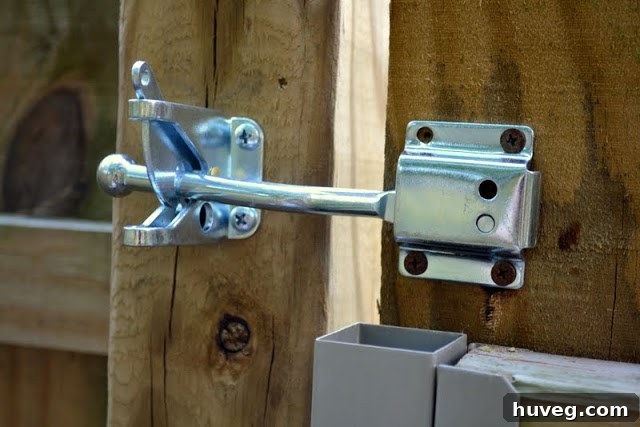
The Universal Question: What Are You Putting Off?
This experience served as a powerful reminder that many of our daily frustrations stem not from insurmountable challenges, but from a reluctance to simply begin. Whether it’s a broken gate latch, an overflowing inbox, a daunting cleaning project, or a long-delayed phone call, the initial hurdle of starting is often the highest. The mental energy expended in avoiding a task can far exceed the energy required to complete it. And the peace of mind that comes with finally checking it off the list is invaluable.
So, I pose the question to you, my reader: What simple task or nagging repair have you been putting off for too long? What small victory awaits you, just fifteen minutes (or perhaps a little more) away from completion? Take a moment, gather your tools, and tackle that lingering project. The satisfaction, I assure you, is well worth the initial push. Let this be your sign to finally get it done.