Our Next Grand Folly

The journey of transforming a house into a home, or a vintage camper into a renewed classic, is always brimming with excitement and unexpected turns. We’re absolutely thrilled by the overwhelming enthusiasm for the Ruby’s Revival project. Your encouragement fuels our passion, and knowing so many of you are on board with our adventures, both big and small, means the world to us.
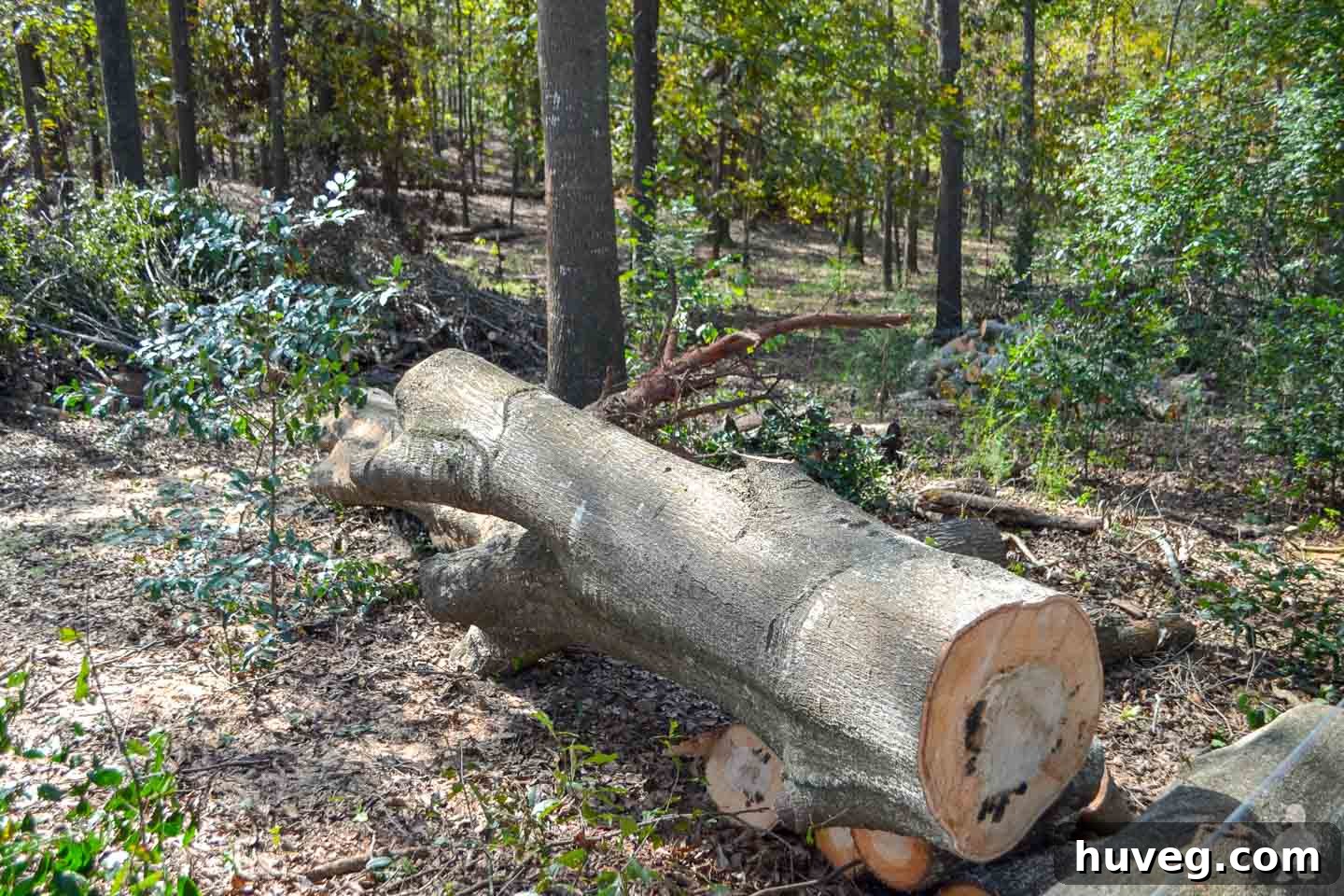
However, even amidst the excitement of Ruby’s restoration, a new, perhaps even crazier, idea has taken root in our minds. As hinted in the Ruby “before” tour post, our recent trip to South Georgia, where we assisted K’s parents with extensive land cleanup, unveiled an extraordinary opportunity. The devastation left by Hurricane Michael presented a unique challenge and, surprisingly, an exciting new frontier for DIY woodworking.

The Aftermath of Hurricane Michael: A Family Cleanup Mission
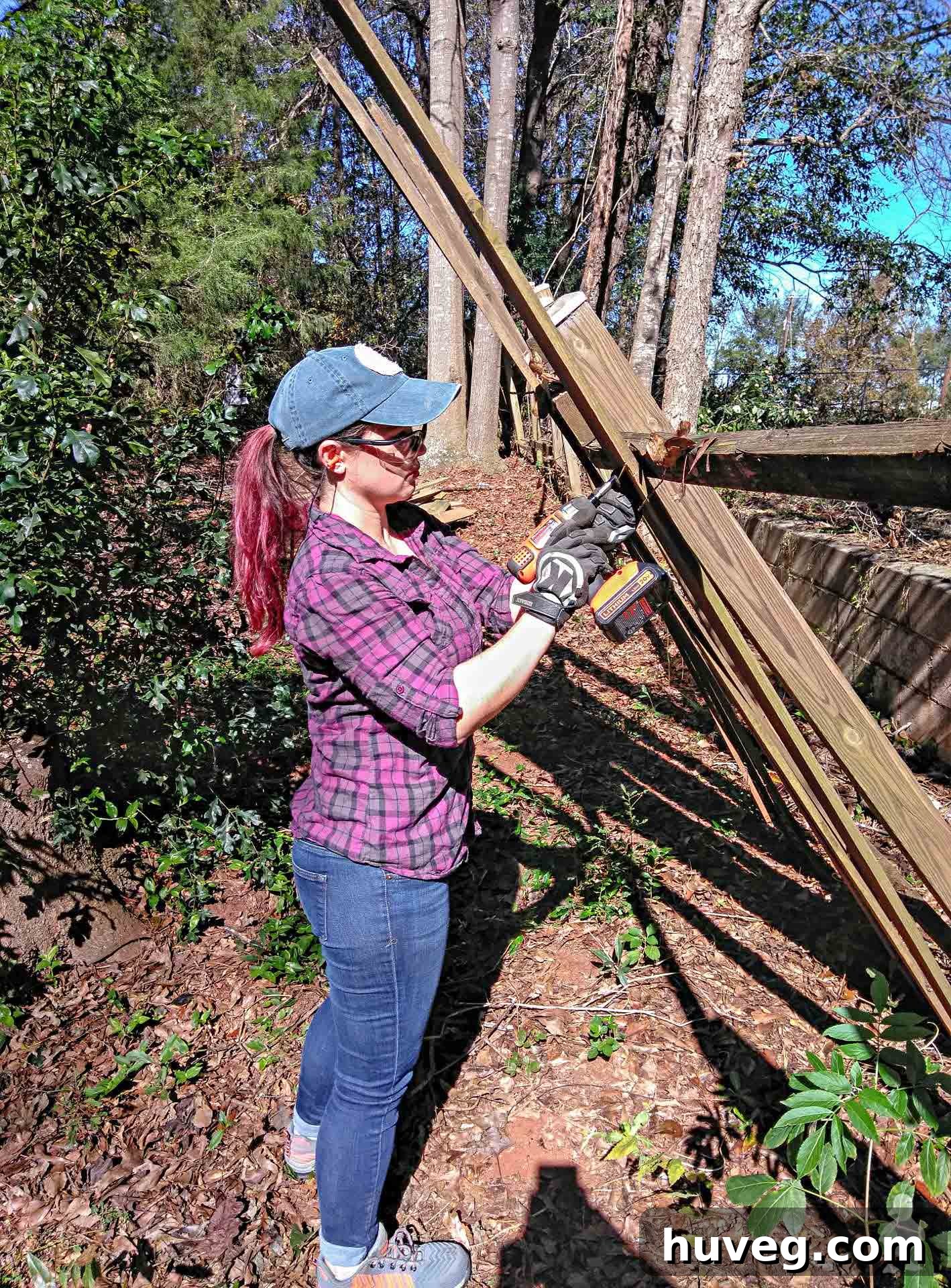
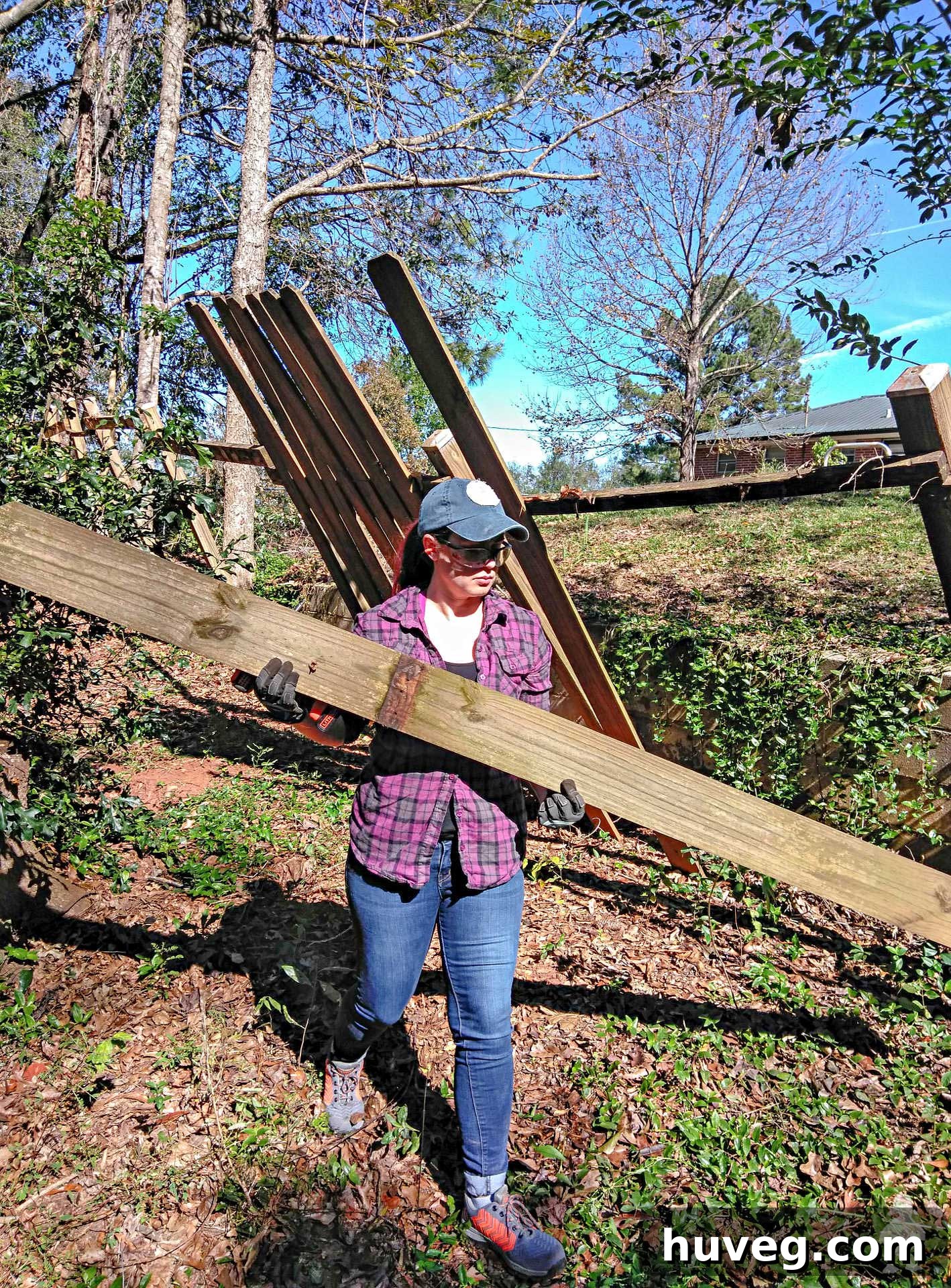
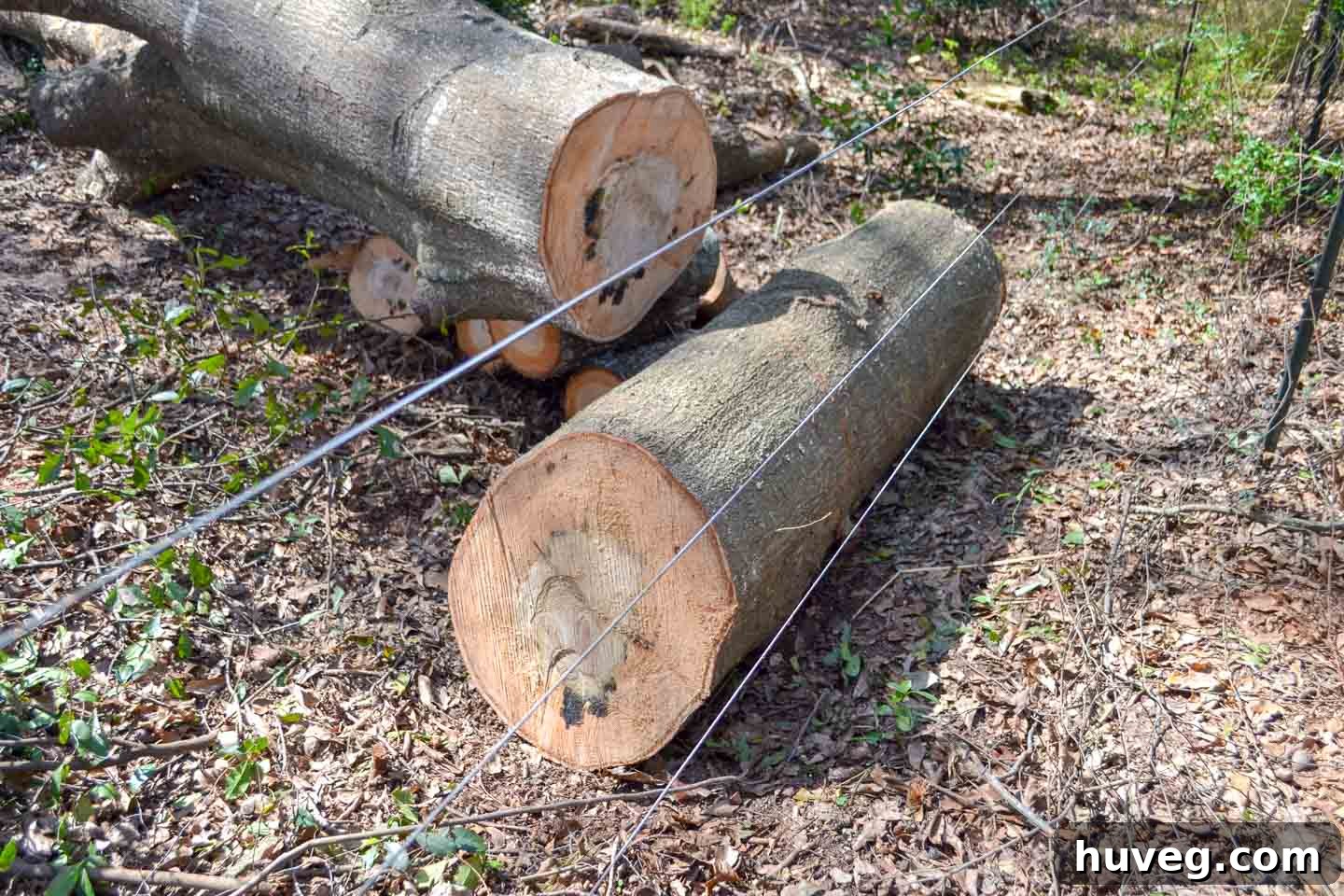
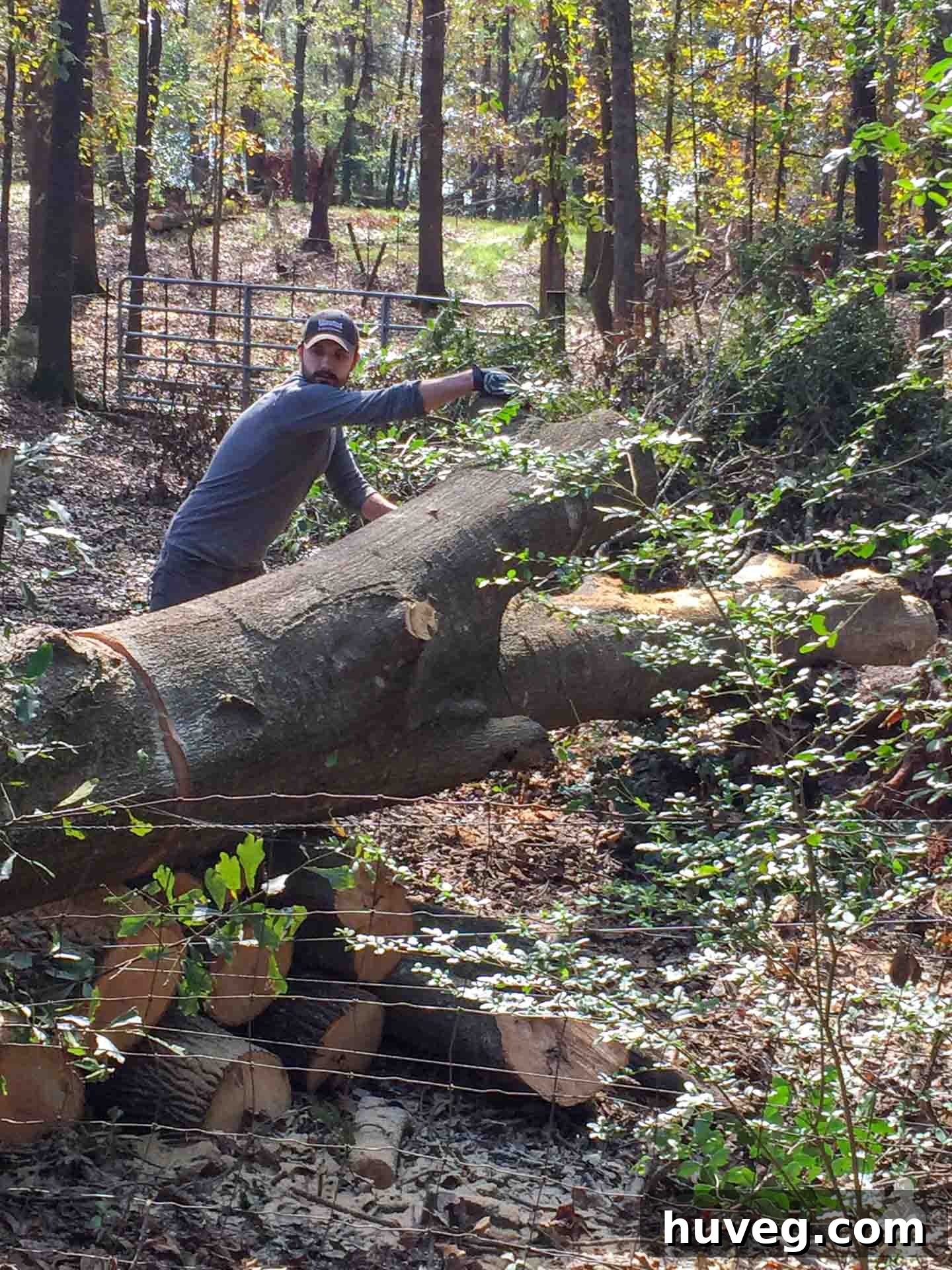
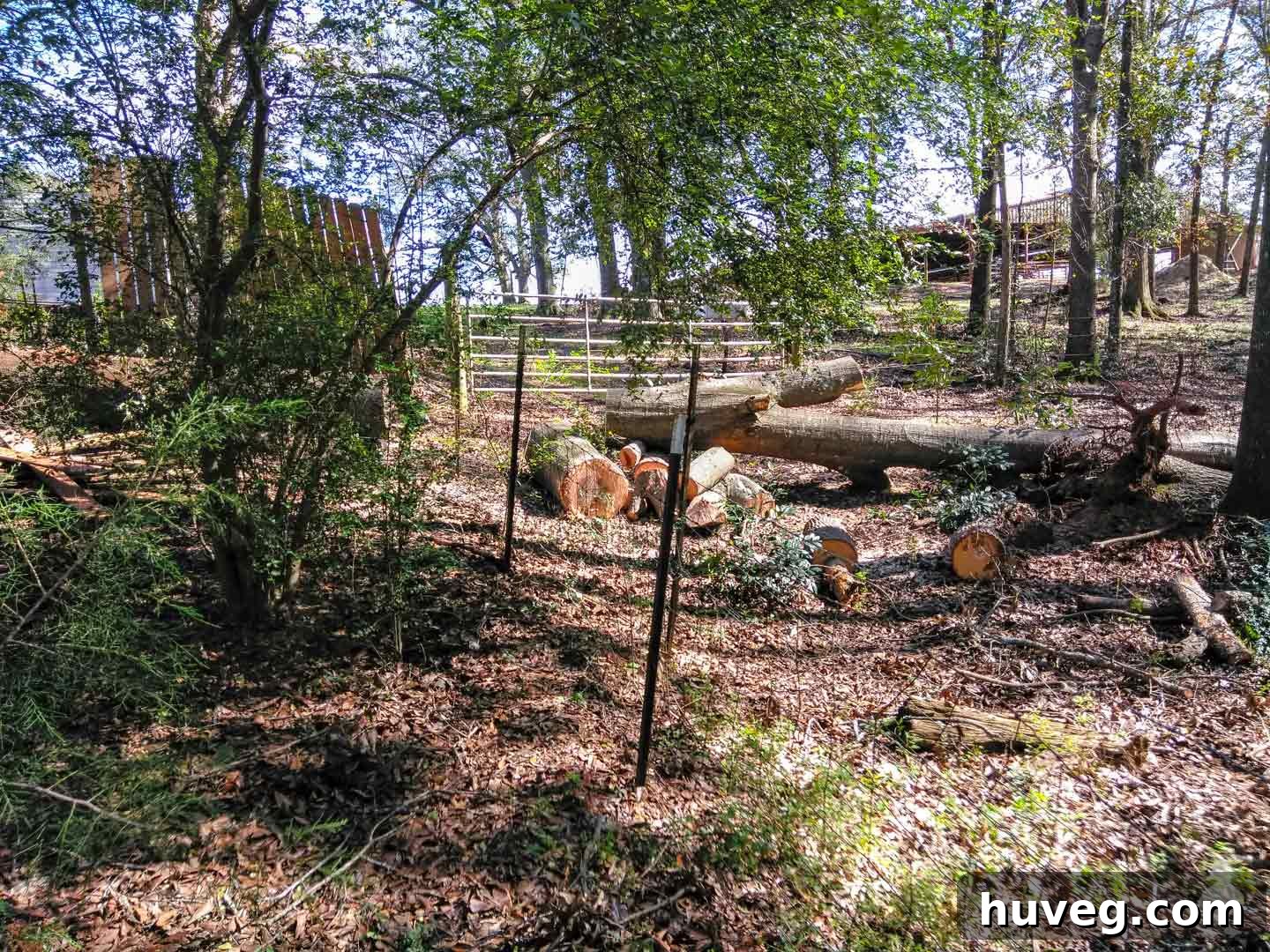
Hurricane Michael had ravaged the landscape, leaving a trail of destruction primarily in the form of countless fallen trees. The cleanup effort was monumental. On the very first morning, I found myself tackling an entire fence line that had been damaged beyond repair. It was a laborious task, requiring persistent effort, and I later discovered I had an unexpected, and somewhat unsettling, audience from a watchful neighbor throughout the entire process.
The land is abundant with various species, notably cedar and oak. As we assessed the widespread damage and the sheer volume of fallen timber, a thought began to sprout: “What incredible potential lies within these natural resources?”
Unearthing Opportunity: The Value of Fallen Timber
While many fallen trees are dead or dying, often with rotting interiors less ideal for fine woodworking, they still offer immense value. Those that had broken and fallen against healthy trees posed a continued threat, as one fallen tree can domino into further damage. Even if not suitable for intricate projects, this wood serves as excellent firewood – a much-needed commodity. We meticulously cut down several such trees, including a particular cedar, which we sectioned into logs and transported home in the back of my SUV. These efforts not only cleared the land but also provided valuable resources for future projects, like the cute DIY firewood stand with free plans we’re developing!

For those new to the art of tree felling, I previously shared some tips on cutting down smaller trees earlier this summer, which you might find useful.
Witness some of the intense cleanup operations in the video below:
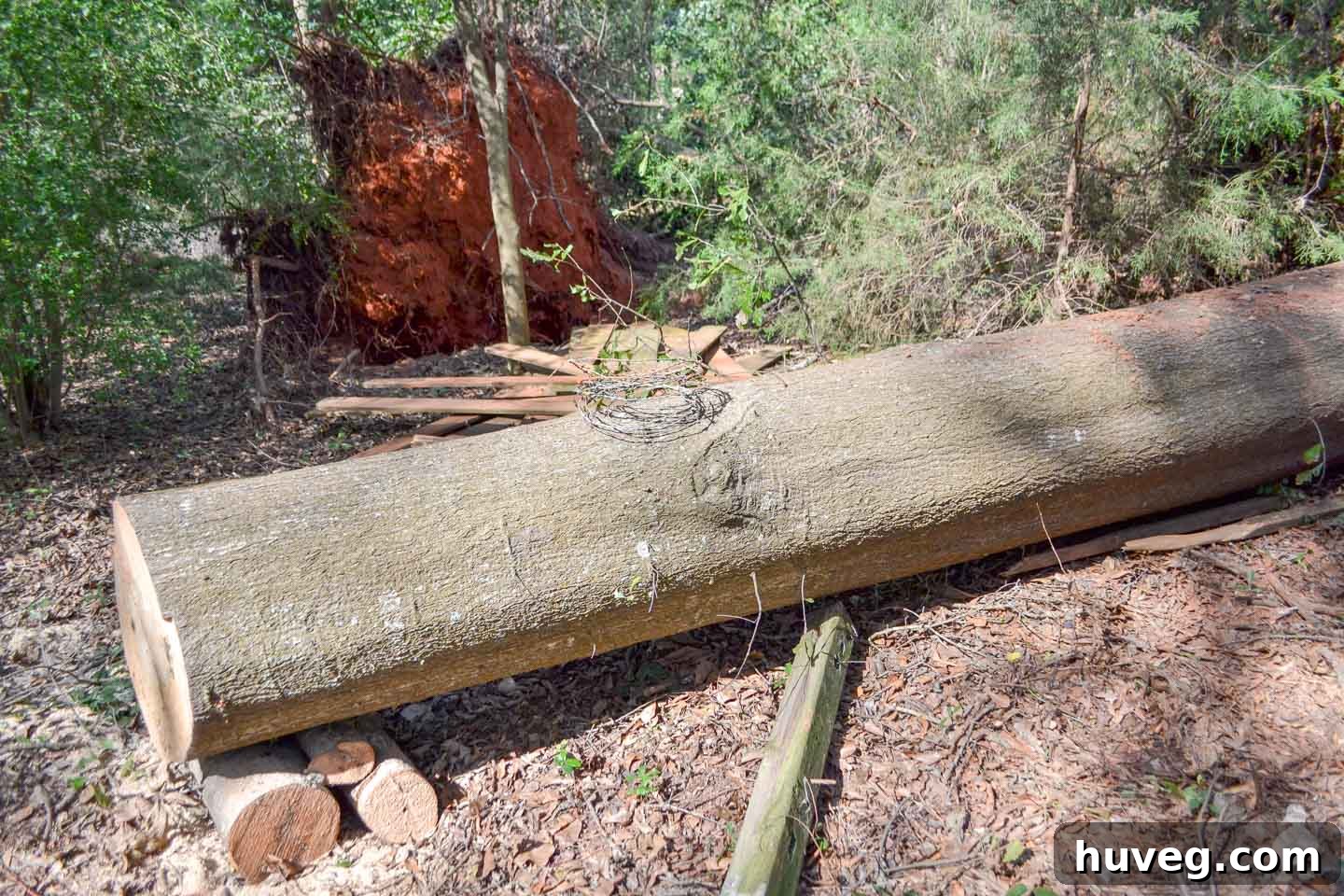
However, the larger fallen trees presented an entirely different challenge—and an even grander opportunity. This is where the truly “crazy” idea began to form. We’re talking about the potential for unique projects like bowl making, intricate wood carvings, and perhaps the most ambitious of all: milling down a custom slab for our headboard.
The Allure of Live Edge Wood: Crafting Dreams from Nature’s Scraps
In the vibrant world of woodworking, a captivating trend known as “live edge wood” has captured my imagination. Unlike traditional lumber, which is typically squared off, live edge wood preserves the natural contours of the tree bark along one or more sides of the cut. This method celebrates the organic beauty of the tree, creating pieces with unparalleled character. Depending on how the tree trunk is cut, these pieces can be either crosscuts or rip cuts.
Crosscuts and Cookies: Small-Scale Charm
- Crosscut: When a trunk is sliced directly across its full width, revealing the mesmerizing tree rings, the resulting piece is affectionately called a “cookie.” These versatile pieces can be transformed into a myriad of DIY projects. Imagine crafting charming coasters, elegant plate chargers, or rustic tree ornaments. For larger crosscut sections, the possibilities expand to stunning furniture, such as unique coffee tables.
Rip Cuts and Slabs: The Headboard Vision
- Rip Cut: A cut made along the length of a fallen tree produces what is known as a “slab.” These magnificent pieces, with their preserved live edges, are truly statement makers. My desire for a live edge slab as a headboard is no secret; I even shared my aspirations when showcasing the new rugs for our primary bedroom. The allure of a unique, natural headboard is so strong that I’ve been prepared to allocate a significant portion of our decorating budget to find the perfect slab. However, these exquisite pieces can be incredibly expensive.

Faced with huge sections of magnificent oak and cedar just lying on K’s family’s land, perfectly ripe for slicing, a compelling question ignited my imagination:
Is it truly possible for us to mill one of these trees into slabs ourselves?
The Bold Venture: DIY Chainsaw Milling
To assure you that this isn’t an entirely wild fantasy, I’ve seen accomplished woodworkers successfully tackle this very challenge using a chainsaw mill. Inspirational figures like April Wilkerson and Aaron from Mr Fix It DIY have demonstrated its feasibility. The knowledge that it’s “possible” is now driving my research into “how” we can make it happen. This ambitious idea truly crystallized only after I witnessed the impressive scale of these fallen giants.
Is DIY Milling for Me? Weighing the Pros and Cons
The potential benefits of undertaking this DIY milling project are substantial. Firstly, we could acquire a stunning, custom headboard for a fraction of the retail cost. Secondly, a single large tree could yield multiple slabs, opening the possibility of selling any excess, which could further offset costs or fund other projects. Beyond the financial advantages, the experience itself would be an invaluable learning opportunity, immensely satisfying to know we crafted our headboard “from tree to furniture.” The slab would also carry immense sentimental value, having originated from K’s childhood home and transformed through our own hands, rather than simply purchased.
Of course, this ambitious endeavor comes with its own set of risks. The potential for missteps is considerable, and there’s always the chance that our efforts might result in nothing more than high-quality firewood. However, even if DIY milling proves too complex, engaging a professional mobile sawmill service remains a viable “middle ground.” This approach could still offer significant savings compared to buying a pre-milled slab and would ensure a professionally cut product. Regardless of who does the initial milling, the crucial next step is properly drying the slab, either through air-drying or kiln-drying, before it can be transformed into a functional headboard.
The Essential Step: Proper Wood Drying
Understanding the critical importance of wood drying cannot be overstated. Freshly cut lumber, known as “green wood,” contains a high moisture content that must be reduced significantly before it can be used in furniture. This process, essential for preventing warping, cracking, and insect infestation, can be achieved through two primary methods: air-drying or kiln-drying. Air-drying involves stacking the slabs in a well-ventilated, covered area for an extended period, often years, allowing nature to slowly draw out the moisture. Kiln-drying, on the other hand, uses controlled heat and humidity in a specialized chamber to accelerate this process, reducing drying time considerably but at a higher cost. For a piece as prominent as a headboard, ensuring the wood is stable and properly seasoned is paramount for its longevity and aesthetic integrity.
Beyond the Cut: Transforming Raw Slabs into Masterpieces
Once the initial challenge of milling is overcome, the subsequent DIY steps remain consistent, whether we acquire the slab ourselves or purchase it. This includes the meticulous process of acclimating the slab to our home environment, carefully removing the bark, flattening the dried surface, stabilizing any natural cracks, filling voids with epoxy, applying the chosen finish, and finally, securely mounting it to the wall. Each stage demands patience, precision, and a willingness to learn new techniques. While I’ve considered faux alternatives for a headboard, the desire for an authentic, “real deal” live edge piece is simply too strong. We anticipate multiple trips back to K’s parents’ land in the coming months, not just to complete the extensive cleanup but also to dedicate ample time to planning and executing this ambitious project. There was simply too much damage to address in a single visit, providing us with plenty of opportunities to refine our strategy and embark on this exciting woodworking adventure.

Embracing New Horizons: The DIY Journey Continues
After nearly a decade immersed in DIY projects, I’ve learned that fear often dissolves with research and the right tools. The thought of chainsaw milling a tree still feels audacious, but there’s a growing sense of courage, especially with a partner who shares the same enthusiasm. The past year, filled with significant construction and intensive woodworking, has truly broadened my perspective on the vast possibilities that still await exploration in the DIY realm. It’s a continuous journey of learning and discovery.
- I’m eager to delve deeper into creating more intricate small wood carvings and art pieces.
- A long-held desire is to undertake a challenging chainsaw project, perhaps even crafting a unique bowl using a chainsaw in conjunction with various angle grinder disks.
- My collaboration with Bernzomatic ignited a passion for darkening wood with fire, a technique that adds incredible depth and character.
- Just this month, a friend introduced me to the fundamentals of welding, a skill I’m incredibly excited to explore further (a recap on that experience is coming soon!).
Looking Ahead: A Year of Creative Endeavors
As 2019 rapidly approaches, I anticipate it will be a year of remarkable creative growth and ambitious projects. While renovation work continues to occupy a significant portion of my mental space, I’m equally energized by the “what else” pile of exciting new ventures. In fact, I have at least half a dozen projects already underway that I haven’t yet had the chance to share, and the long-awaited pub shed series is still in its nascent stages. The upcoming Thanksgiving break feels like the perfect opportunity to make tangible progress on some of these endeavors before the new year arrives. To all our readers in the U.S., I extend my warmest wishes for a truly wonderful holiday week filled with cherished moments with family. And keep an eye out—my much-anticipated gift guides and festive Christmas decorating ideas are just around the corner!