Remove Water Stains From Butcher Block Counters

Mastering Kitchen Cleanliness: Tackling Tough Water Spots on Butcher Block and Rust on Undermount Stainless Sinks
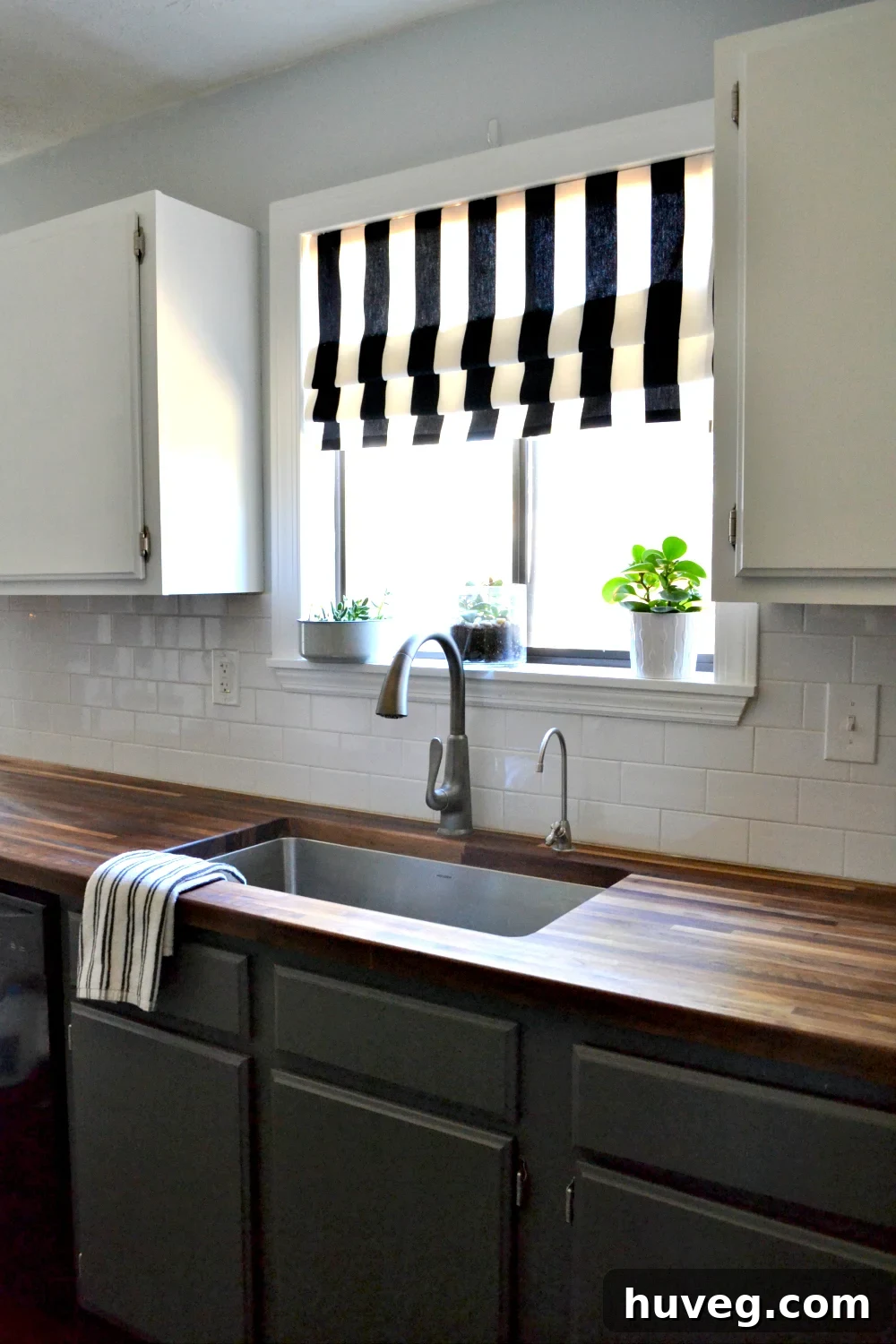
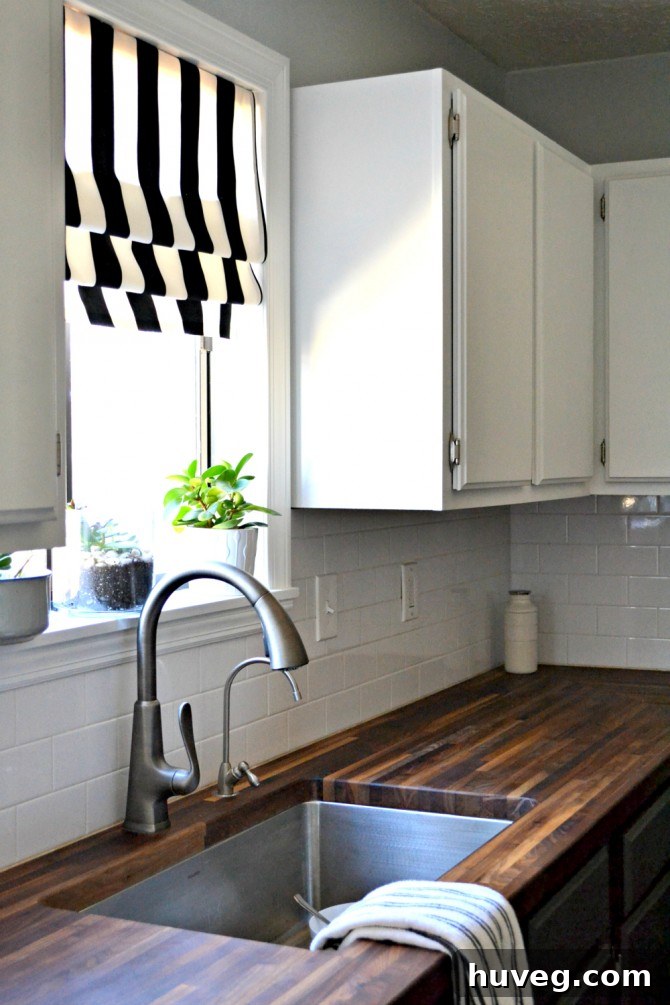
Transforming a kitchen into a beautiful, functional space is one of the most rewarding home improvement projects. For many, the heart of the home lies within its kitchen, and for me, my recently renovated kitchen stands out as my favorite project to date. Specifically, the area around the kitchen window holds a special charm, blending practicality with aesthetic appeal. This space features a charming striped window treatment, a sun-drenched sill perfect for my thriving succulents, a sleek new faucet, and, perhaps most importantly, my ultra-deep undermount stainless steel sink. The journey from its humble beginnings to its current polished state fills me with immense pride.
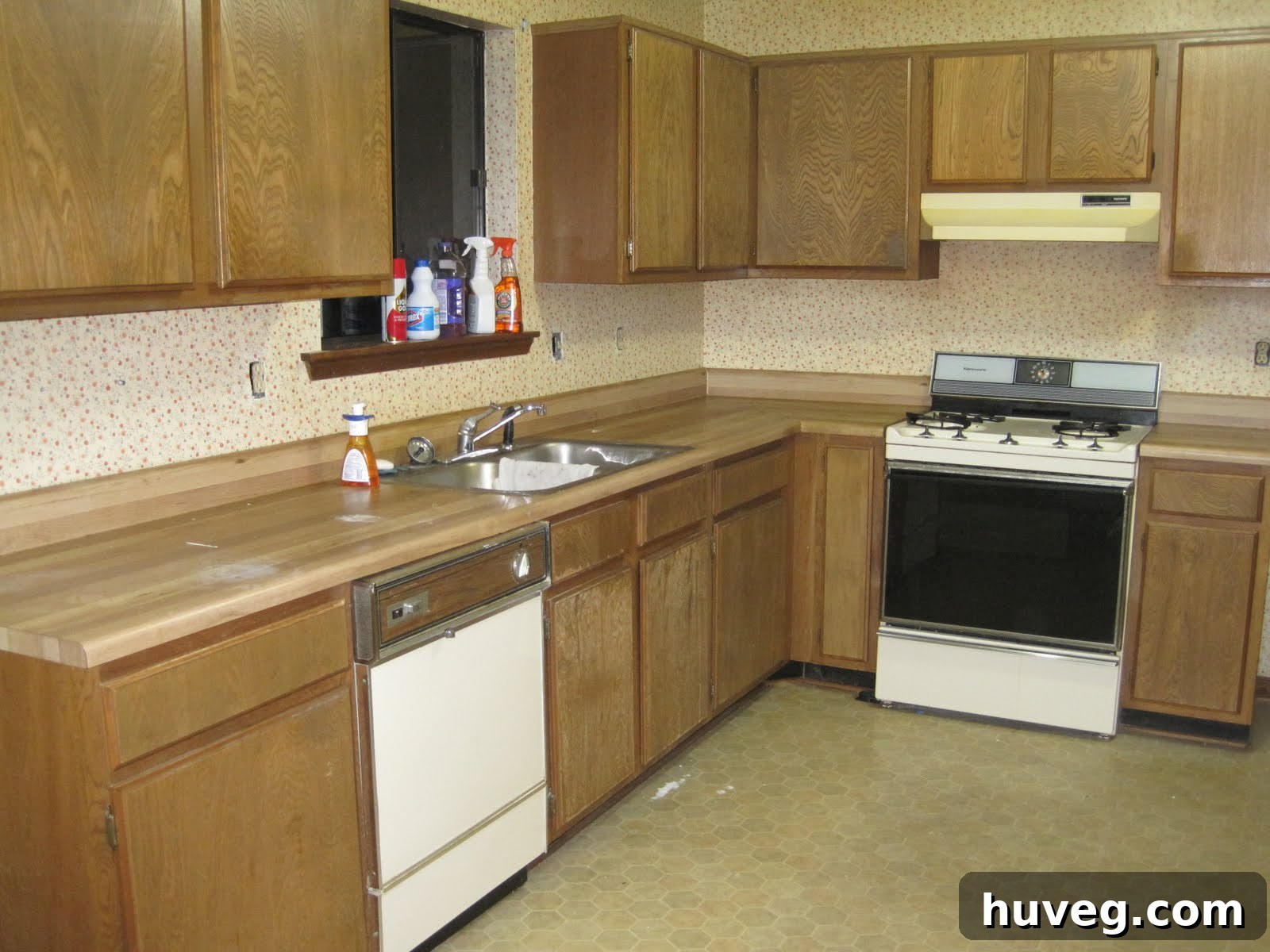
It’s hard to believe this vibrant space once looked so outdated and tired:
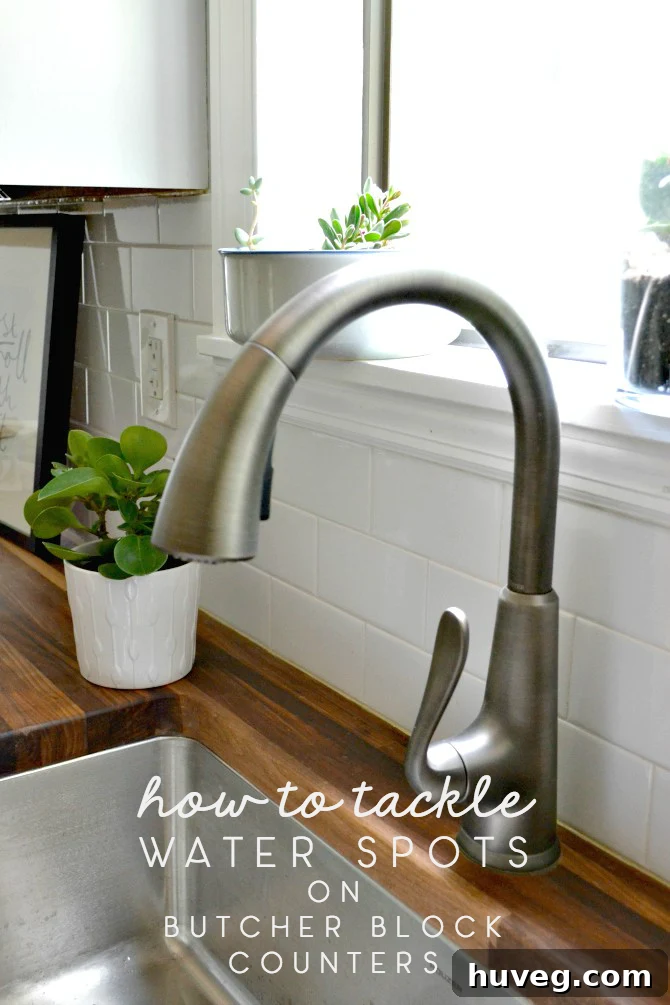
While I’ve previously shared all the intricate details about the faucet installation, I also promised to delve into the specifics of the sink and address the most frequently asked questions about its maintenance. Having lived with and extensively used this particular sink model for several years, I’ve navigated a learning curve of trial and error, discovering effective strategies for keeping both the sink and the surrounding countertops in pristine condition. Today, I’m excited to share those hard-won insights with you, ensuring your kitchen remains a source of joy, not frustration.
This post may contain affiliate links — for the full disclosure policy, click here.
Common Challenges: Maintaining Undermount Sinks and Butcher Block Counters
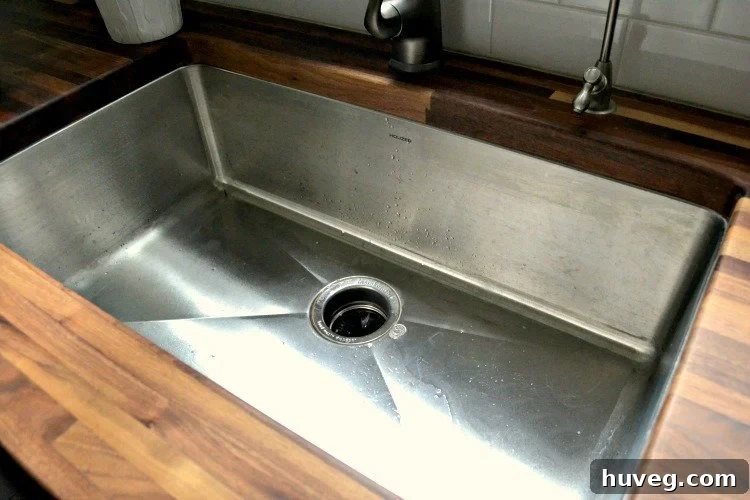
My current sink is truly fantastic. It’s a significant upgrade from the beat-up old double sink I had before. One of its standout features, and a key reason for my choice, is its single, deep basin. This design dramatically enhances functionality, making it easier to wash large pots and pans without splashing water everywhere. This particular model was generously provided by National Builders Supply, now recognized as Supply.com, a company rooted in Austell, GA, my hometown. The exact sink model is crafted by Houzer (a similar, slightly smaller version is available here), and I particularly adore the subtle drain grooves at the bottom, which lend it a sophisticated, upscale appearance. The curved corners are another design element I appreciate, though I must confess, I experienced a moment of panic when cutting the countertop hole didn’t go quite as smoothly as anticipated.
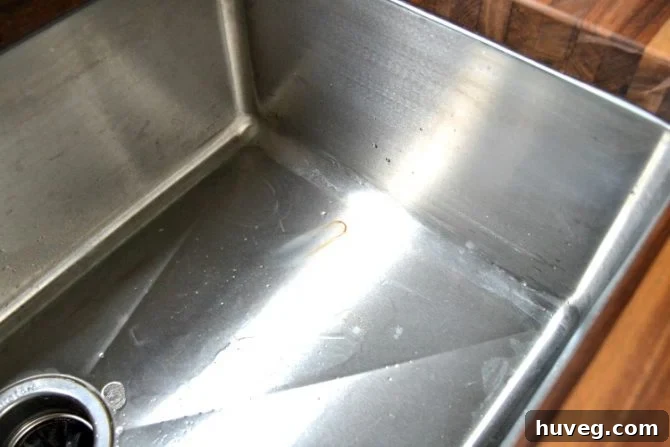
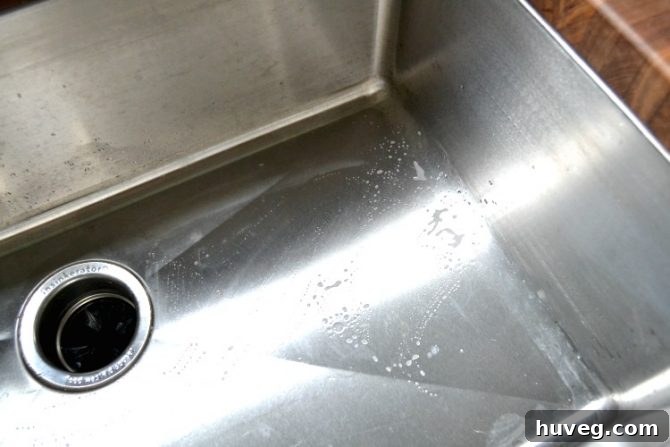
The undermount installation of the sink with butcher block counters, while aesthetically pleasing, often presents two common maintenance issues: stubborn water spots on the surrounding countertop lip and unsightly rust stains within the stainless steel basin. As you can see in the image below, the sink isn’t perfectly clean – I intentionally left it that way to demonstrate the problems we’re about to solve. You might spot a rust stain on the right side of the basin. But as this blog is dedicated to sharing real-world DIY lessons, I’m here to equip you with the knowledge and tools to overcome these challenges and maintain a sparkling clean kitchen sink area.
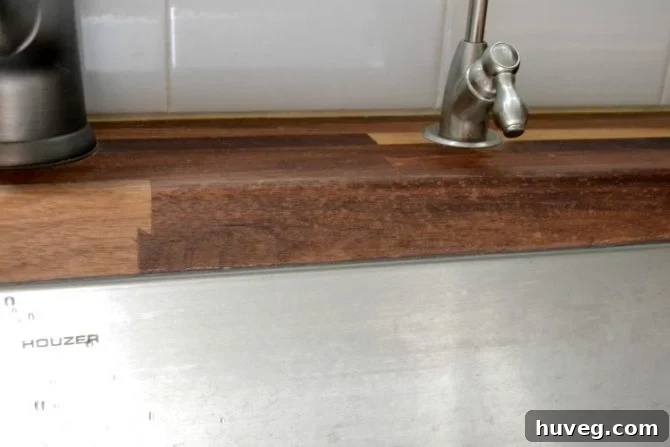
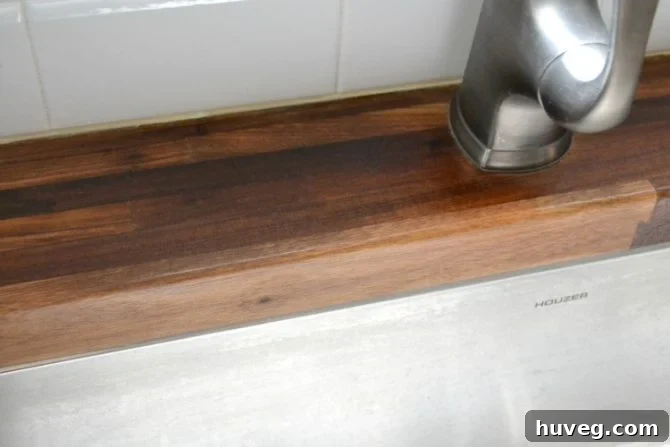
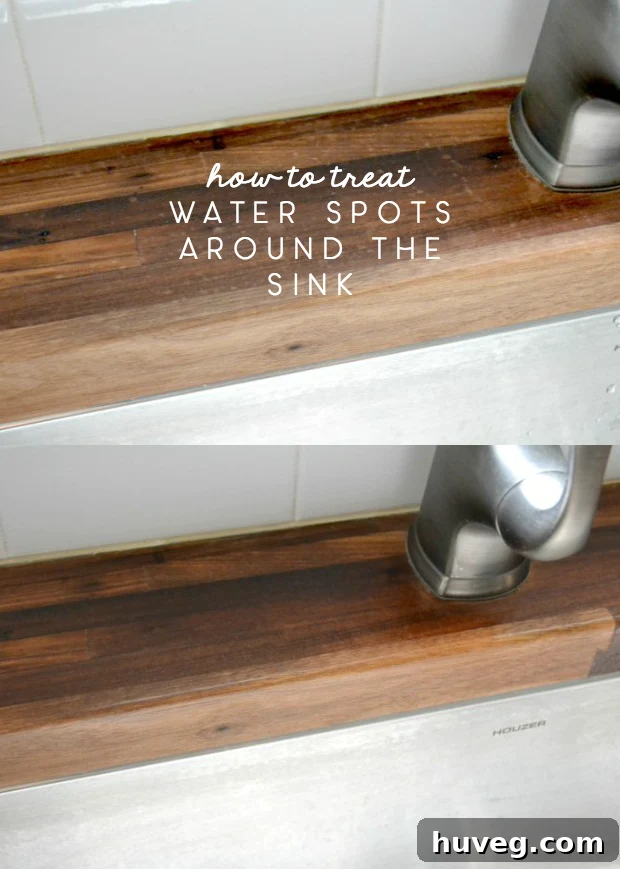
These persistent water spots are a familiar sight, especially around the sink. While I try my best to wipe down splashes immediately, I admit I’m not always the most diligent about regularly oiling the butcher block counter – I typically do it only every few months. Consequently, water spots tend to form quite easily on the counter’s surface, particularly along the lip of the sink where water tends to collect. From a distance, these spots are barely noticeable, and they don’t usually bother me in day-to-day use. However, a closer inspection, as shown in the photo below, reveals their presence.
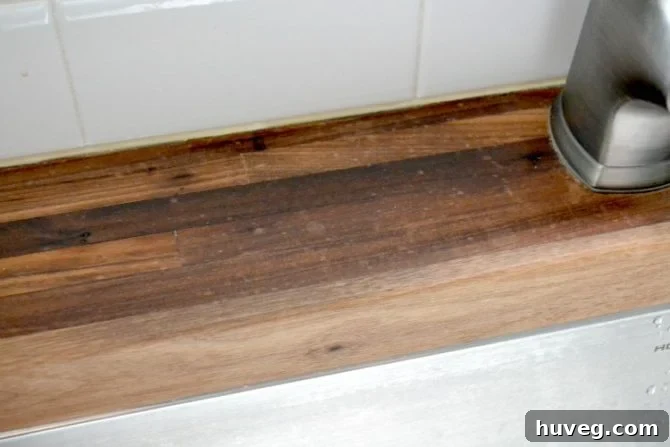
Whether it’s from washing hands, doing dishes, or watering the succulents by the window, those small water spots inevitably appear. While butcher block counters are known to develop a unique “character” over years of use, these specific water stains are an unwelcome addition. Thankfully, I’ve discovered a couple of highly effective products that consistently resolve these issues, making quick work of both sink rust and counter spots.
Achieving a Sparkling Undermount Stainless Steel Sink
When it comes to cleaning, my philosophy is simple: minimize effort for maximum results. I’d honestly rather haul heavy rocks than spend hours scrubbing. This preference drives my search for cleaning solutions that do the heavy lifting for me. After trying various products, I found my ultimate ally in Bar Keepers Friend, especially its convenient spray foam version.
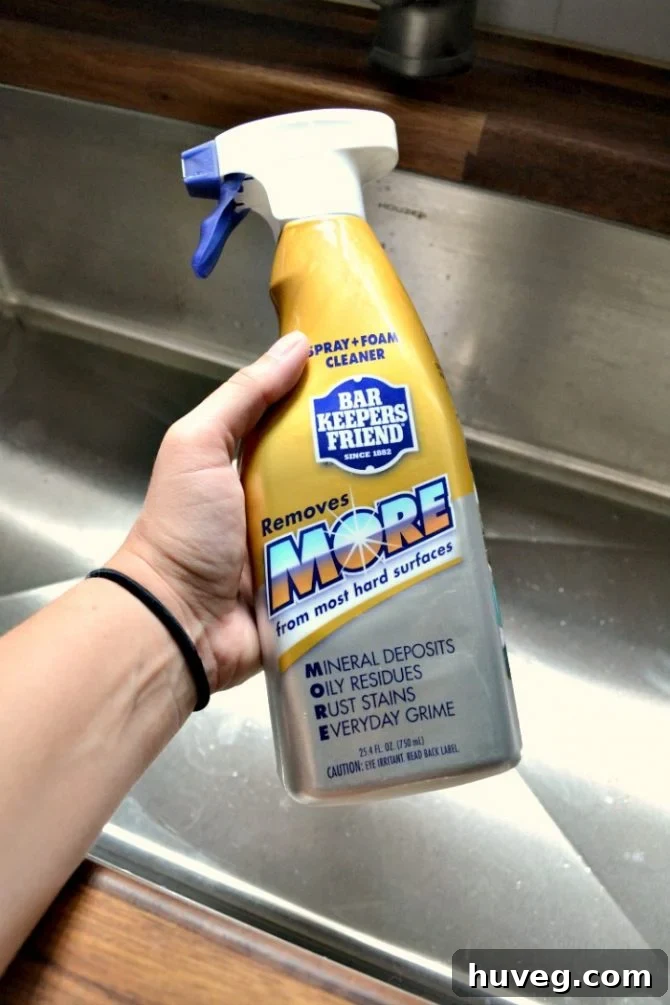
The process couldn’t be simpler: I spray the foam directly onto the sink’s surface, ensuring it covers any rust marks, water spots, residues, or lingering grime from food prep. I let it sit for just a few minutes, allowing the powerful oxalic acid formula to work its magic. A light scrub with a sponge or brush, and a quick rinse, is usually all it takes. This product effortlessly removes even stubborn rust spots that form from leaving wet cast iron pans or other metallic items in the sink, as well as general buildup. In virtually no time, my stainless steel sink is restored to a brilliant, streak-free shine. It’s a truly satisfying transformation that allows me to quickly move on to more enjoyable tasks – or perhaps, simply enjoy a clean kitchen without the chore of cleaning the sink again for a while.
Effective & Safe Countertop Cleaning
Maintaining a non-toxic environment in the kitchen, especially on surfaces that come into contact with food, is a top priority for me. That’s why I rely on Seventh Generation products for my countertop cleaning routine. I regularly use both their disinfecting all-purpose spray (and handy wipes for quick cleanups) and their specialized wood cleaner. The wood cleaner is particularly versatile, serving double duty for my butcher block counters, dining room table, and other wooden surfaces throughout the house, ensuring a clean and fresh feel without harsh chemicals.
My Secret Weapon for Stubborn Butcher Block Water Spots
For those more challenging water spots on my butcher block counters, I turn to the same trusted oil and wax treatment I’ve used since the day I installed them: Howard Butcher Block Conditioner. This product isn’t just a cleaner; it’s a deep conditioning treatment that penetrates the wood, restoring its natural luster and creating a protective barrier against future moisture damage.
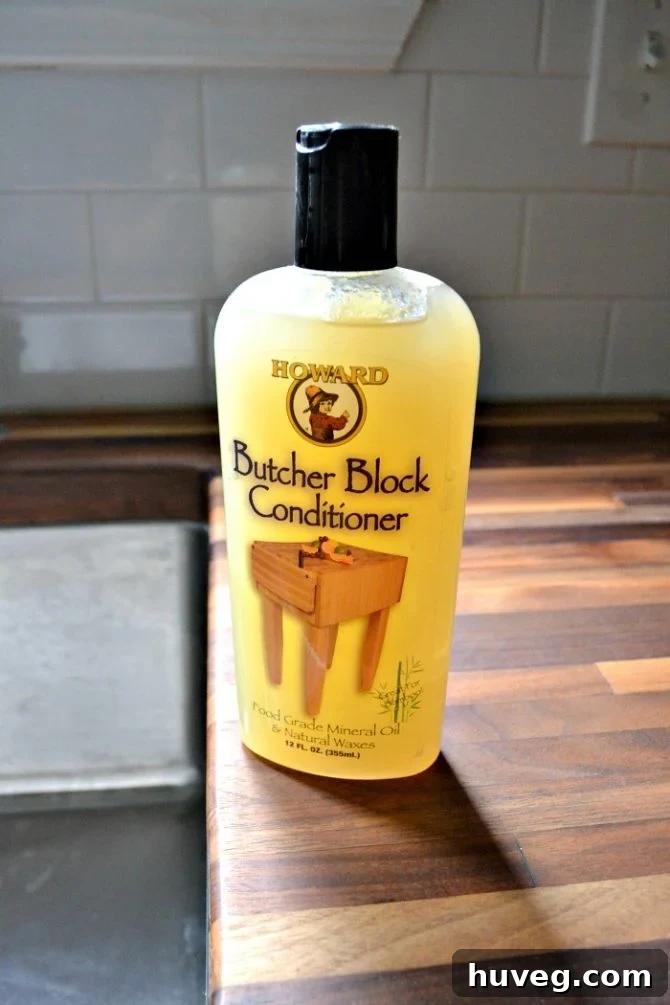
To make the application easier, especially in colder weather, I often warm the conditioner slightly in the microwave for a few seconds. This helps the wax become more fluid and spread evenly. I then apply a generous amount using either a piece of paper toweling or, for an eco-friendly approach, a clean piece of old, well-washed t-shirt fabric, which is lint-free and highly absorbent. I slather the rich mixture onto the butcher block, paying close attention to the water-stained areas, and allow it to deeply soak into the wood fibers, typically leaving it overnight. By morning, any excess that hasn’t absorbed is simply wiped away with a clean cloth, preventing the surface from feeling sticky or gummy. For deeply ingrained spots, a second or even third application might be necessary, but with patience, the water marks almost always vanish, leaving the wood nourished and revitalized.
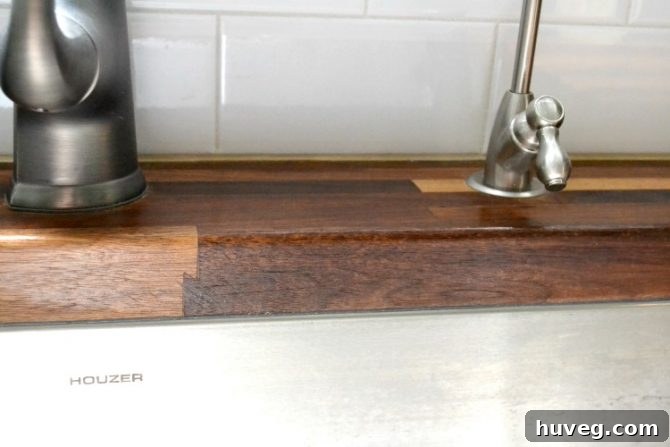
Should a particularly stubborn spot resist the conditioner, a gentle touch of super-fine sandpaper (like 220-grit or higher) can work wonders. After carefully sanding the affected area to lightly remove the surface stain, I clean off any dust or debris and then re-apply the Howard Butcher Block Conditioner. This combination ensures a smooth, uniform finish, effectively erasing any remnants of water damage and preserving the beauty of the wood. It’s a simple yet powerful technique that never fails to deliver impressive results.
The addition of the deeper sink has genuinely revolutionized my kitchen habits, making it significantly easier to keep the entire area neat and tidy. For those on “Team Beside The Sink,” who prefer to leave dishes on the counter, I understand the struggle. However, for those like me, firmly on “Team In The Sink,” this deep basin is an absolute game-changer, allowing me to contain messes effectively. And to all you “Team Immediately In The Dishwasher” folks… well, perfection must indeed be a lovely state!
Addressing the Imperfections: A Hidden DIY Reality
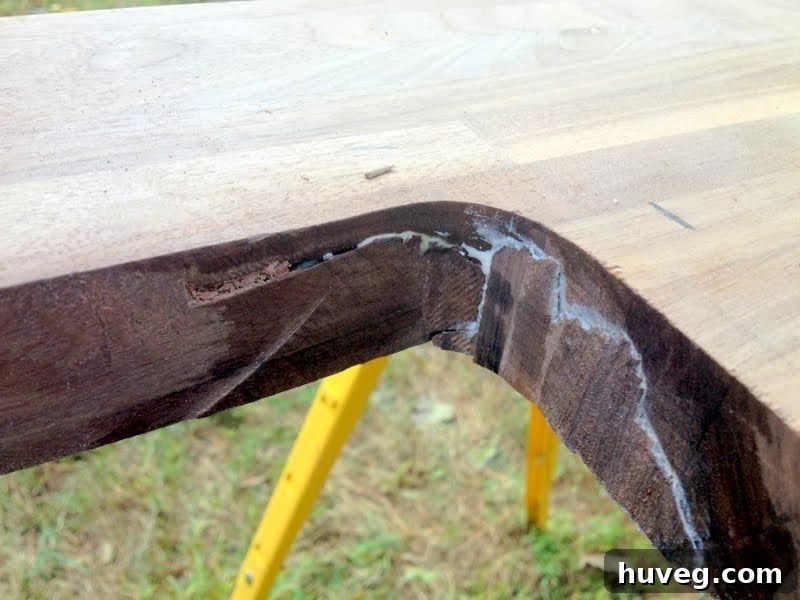
As I touched upon earlier, no DIY project is without its hiccups, and my sink installation was no exception. During the process of cutting the hole for the undermount sink, the blade unfortunately bent slightly around one of the curves, resulting in an over-cut on the underside of the corner. This was a moment of significant stress, but my uncle and I worked together to minimize the damage and conceal the imperfection. We carefully cut a small sliver of wood by hand, re-attached it with wood glue, and then filled the gap with walnut putty. This quick thinking helped to stabilize the area and improve its appearance.
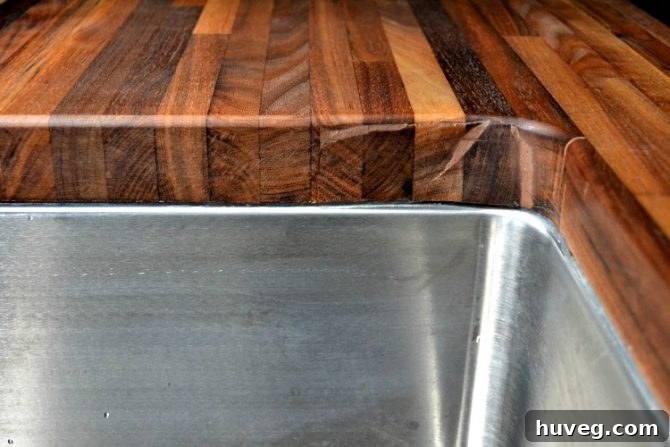
While the walnut putty did its job in filling the void, its color doesn’t perfectly match the surrounding butcher block. I might eventually go back and attempt to darken it for a more seamless blend. However, honestly, I rarely notice it anymore. The angle of the countertop means this particular corner faces away from most viewpoints in the room, making it virtually invisible to casual observers. Furthermore, it’s common practice to fill imperfections in butcher block with wood putty; these small details merely add to the unique character and story of the wood over time. It’s a testament to the fact that even with minor imperfections, a well-executed DIY project can still be a source of immense satisfaction.
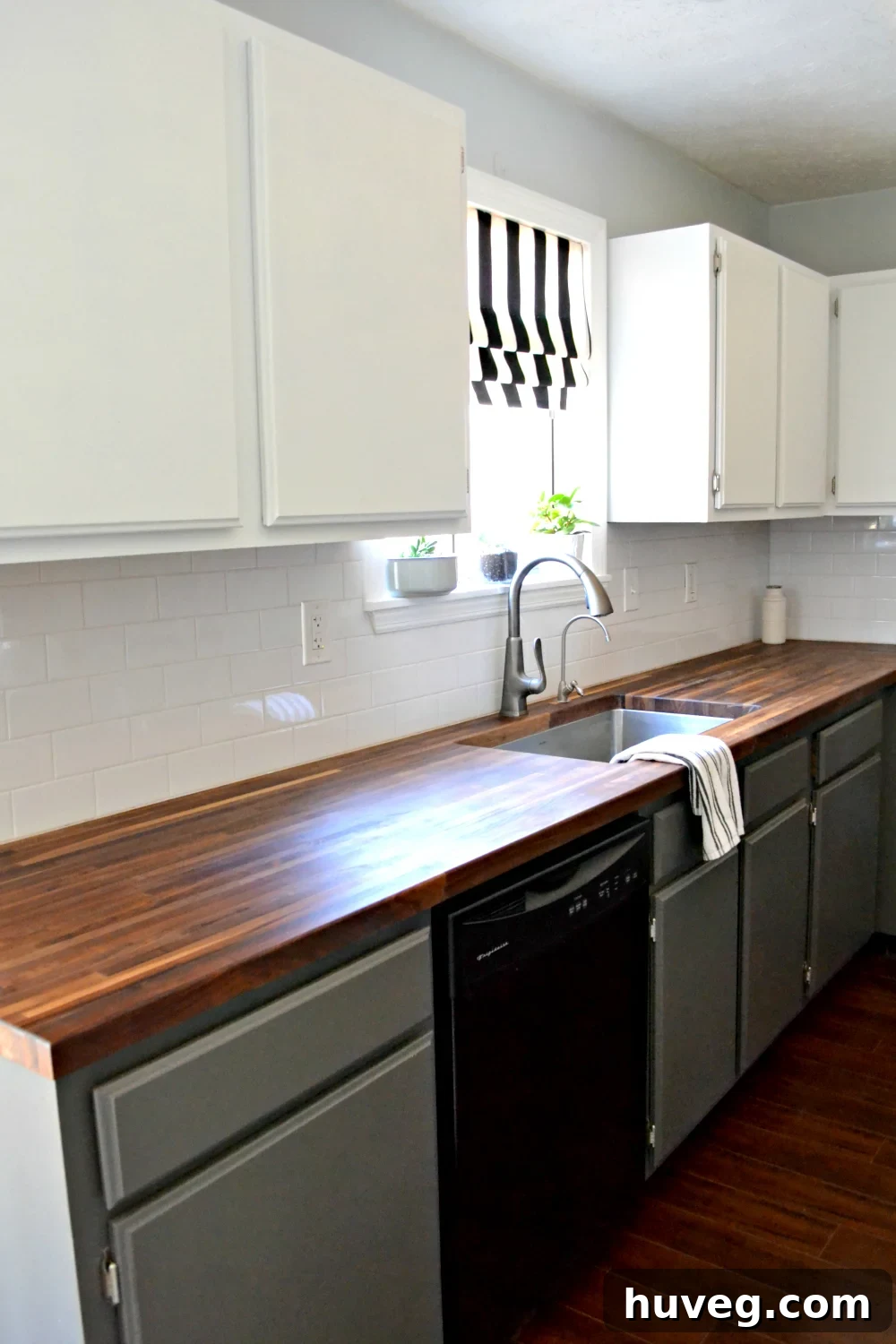
It’s incredibly fulfilling to see this small but significant piece of the kitchen puzzle come together beautifully, and even more so to have figured out effective ways to maintain its beauty. Knowing these simple solutions for tackling common issues like water spots and rust stains gives me peace of mind and allows me to truly enjoy my transformed kitchen.
What’s your favorite feature in your kitchen, and what cleaning tips have you found indispensable?
Like this post? Pin it to share with others!
For more detailed information on my complete kitchen makeover journey and other home improvement projects, be sure to explore the House Tour pages.
More Butcher Block
SEE ALL
Butcher block countertops infuse a kitchen with unparalleled warmth and natural beauty. Discover how we successfully installed these counters during our kitchen remodel, along with essential tips and tricks for their ongoing care and maintenance!
-
How to Protect Butcher Block Counters During Projects
-
How to Treat Water Spots On Butcher Block Counters
-
Installing a Kitchen Bar + Weekend Work
-
How to Fix a Bad Cut in Butcher Block Counters with an Undermount Sink
-
Installing a Butcher Block Countertop: Part 2
-
Installing a Butcher Block Countertop: Part 1
More Kitchen Remodeling
SEE ALL KITCHEN
Seeking more inspiration for your kitchen projects? Whether you’re planning to tile a backsplash, install new countertops, or embark on another ambitious kitchen transformation, I’ve got a wealth of ideas and step-by-step guides to help you succeed!
-
How to Tile a Backsplash (Step by Step Guide)
-
How to Protect Butcher Block Counters During Projects
-
How to Fix a Bad Cut in Butcher Block Counters with an Undermount Sink
-
No-Sew Faux Roman Shade and My Christmas Kitchen Window
-
How to Seal Damaged Drywall
-
How to Prep Kitchen Walls for a Tile Backsplash