Sustainable Futures Revealed: 2011 Washington DC Solar Decathlon

Exploring Sustainable Futures: A Deep Dive into the Solar Decathlon in Washington D.C.
My recent journey to Washington D.C. for the Solar Decathlon was an experience brimming with innovation, sustainable design, and visionary architecture. While my initial recap post offered a glimpse into this remarkable event, there was simply too much to share. This follow-up delves deeper into the standout features, emerging trends, and the profound impact of this competition on the future of green housing, ensuring every detail of this inspiring trip is covered.
For those who missed the first installment, I had the privilege of being invited by the Plastics Make It Possible team to tour the Solar Decathlon. This prestigious competition challenges collegiate teams to design, build, and operate cost-effective, energy-efficient, and attractive solar-powered homes. As someone not typically associated with extreme green living, the allure of a trip to D.C. to explore cutting-edge home design, especially with the added bonus of an HGTV host like Brooks Utley, was an undeniable opportunity. It was a chance to witness firsthand how sustainable living can be both practical and beautiful, pushing the boundaries of traditional home construction.
Appalachian State’s Standout Design: Where Nature Meets Innovation
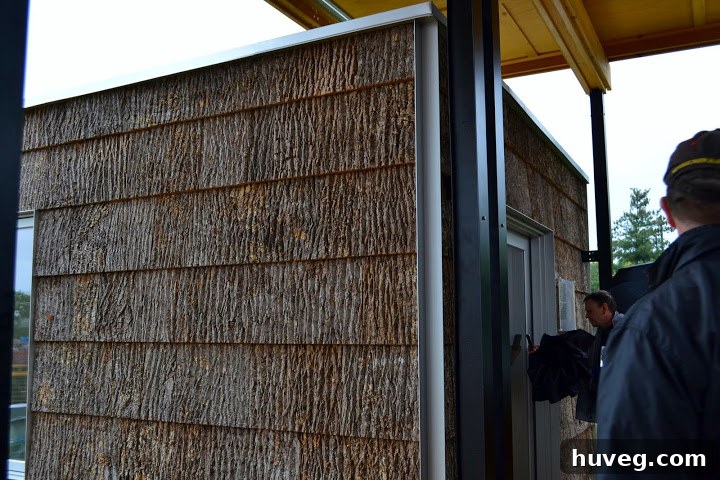
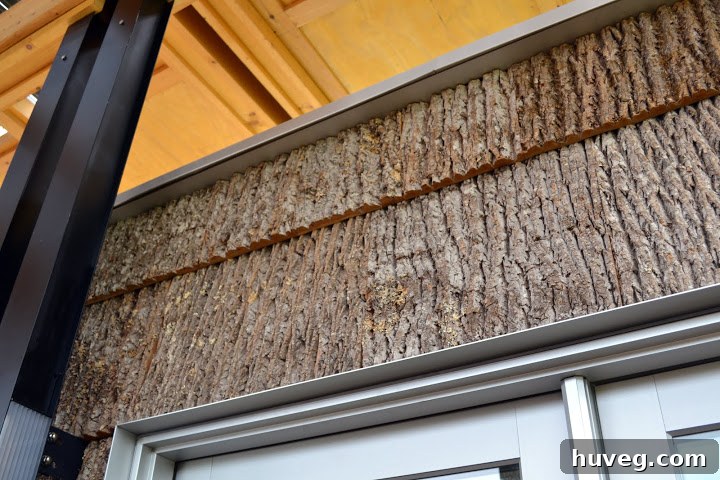
Among the many impressive entries, Appalachian State’s house resonated deeply with me, not just for its overall charm but for specific design elements that truly captivated. While I previously noted it as my favorite, several unshared reasons underscore its brilliance. One of the most striking features was the incredible bark siding, completely untreated, adorning the exterior office/guest room. This natural material provided a unique, organic aesthetic that immediately caught the eye, demonstrating a harmonious blend of rugged charm and eco-consciousness. The use of untreated bark highlighted a commitment to natural, sustainable building materials, reducing the environmental footprint while offering a distinctive visual texture. It challenged conventional notions of exterior finishes, proving that beauty and sustainability can go hand-in-hand.
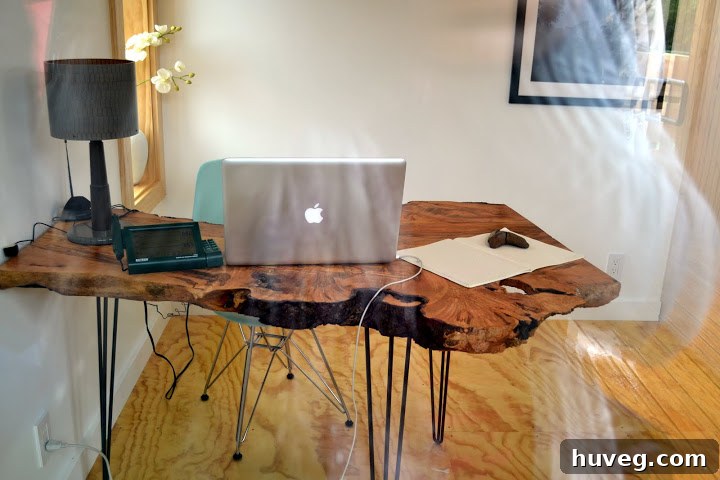
Inside the same office area, a stunning desk commanded attention. Despite the challenge of getting a clear shot through the glass doors – a common occurrence in many homes where certain areas, particularly bathrooms, were cordoned off for public viewing – the desk’s allure was undeniable. Crafted from a live edge wood slab and supported by elegant mid-century iron legs, it was a masterpiece of natural design and craftsmanship. This piece exemplified how furniture can be both functional and a work of art, integrating natural forms with refined aesthetics. The raw, organic edge of the wood contrasted beautifully with the sleek, industrial legs, creating a focal point that I instantly coveted. It wasn’t just a desk; it was a statement about embracing natural materials and artisanal quality within modern, sustainable interiors.
Emerging Trends in Eco-Friendly Interior Design
The Solar Decathlon served as a powerful showcase for both architectural innovation and interior design trends that prioritize sustainability and aesthetic appeal. Walking through the various homes, I observed several exciting design patterns that are likely to influence future eco-friendly living spaces. One such trend was the experimental use of vertical subway tiles. While classic subway tiles are a perennial favorite, their vertical application offered a fresh, modern twist, creating an illusion of height and adding a dynamic visual interest to bathrooms and kitchen backsplashes. This simple reorientation transformed a traditional material into a contemporary design statement, demonstrating how minor adjustments can have a significant impact on a space’s overall feel and functionality.
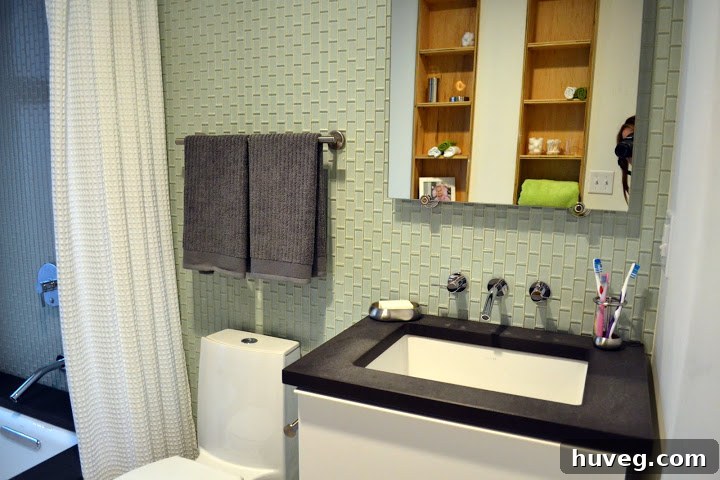
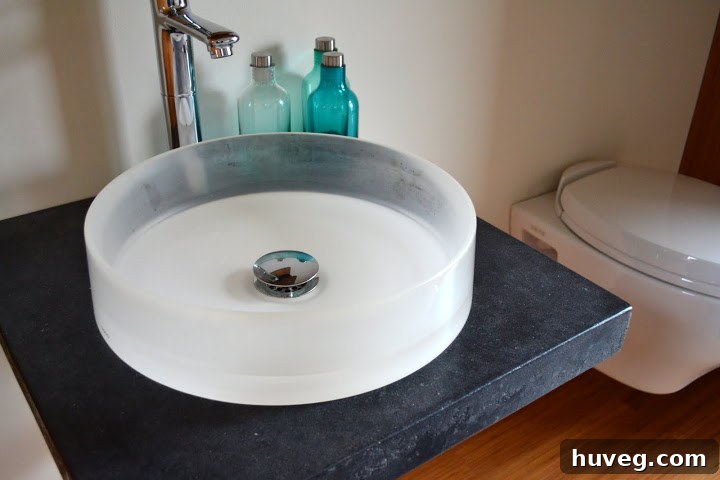
Another prominent feature seen in several houses was the integration of stained concrete countertops. These countertops offered a sleek, industrial aesthetic that perfectly complemented the modern, minimalist designs often found in sustainable homes. Beyond their visual appeal, stained concrete countertops are highly durable, low-maintenance, and an environmentally conscious choice, often utilizing recycled content and reducing the demand for new materials. The ability to customize the stain color allowed teams to create unique finishes that harmonized with their specific design palettes, proving that sustainable materials do not equate to limited design options. They are a testament to how recycled and readily available materials can be transformed into elegant, functional surfaces for kitchens and bathrooms alike.
Maryland’s “Watershed” Home: A Triumph of Water Conservation
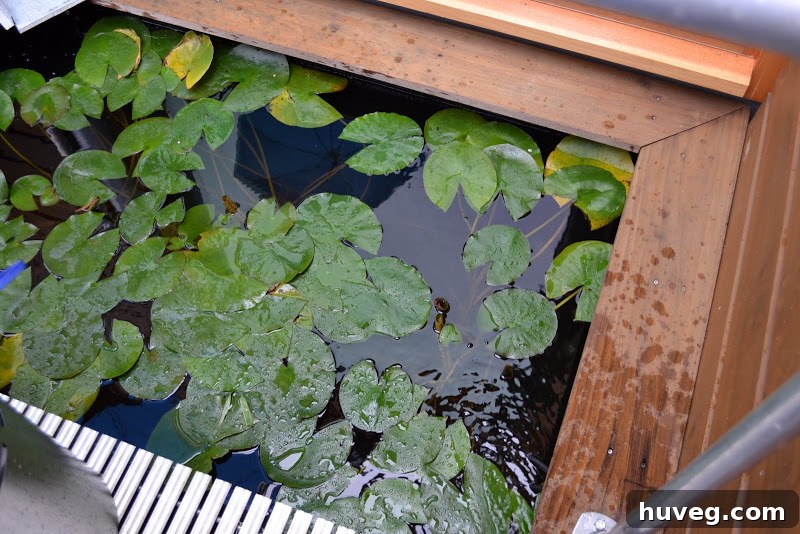
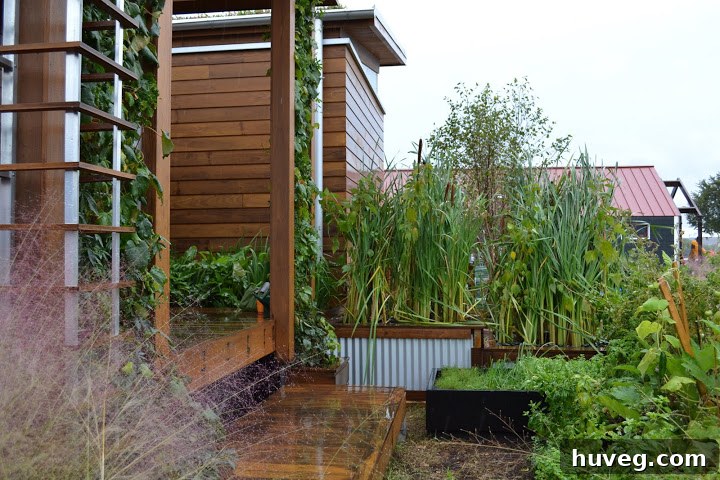
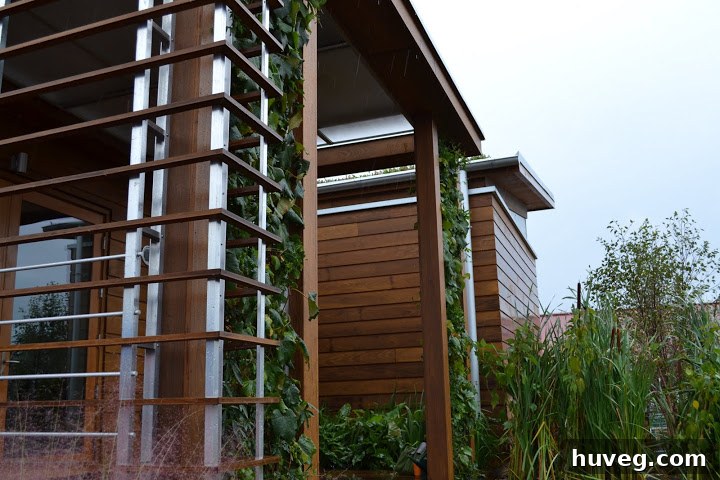
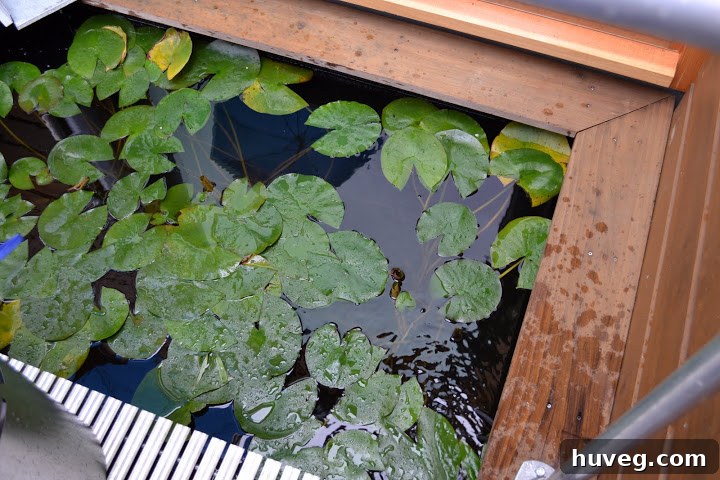
Lately, I’ve developed a particular fondness for exceptional bathroom designs, and the Solar Decathlon certainly delivered. One bathroom, in particular, left an indelible impression, not only for its seamless integration of the outdoors but also for its pioneering water recycling system. This innovative design allowed washwater, known as “grey water” in green terminology (I’ll let you infer what “black water” refers to!), to flow directly outside to constructed marshlands. These natural filtration systems were designed to naturally cleanse and recycle the water, showcasing a closed-loop approach to water management. This level of environmental thoughtfulness in a residential setting was truly inspiring, highlighting the potential for homes to actively contribute to ecological balance rather than merely consuming resources.
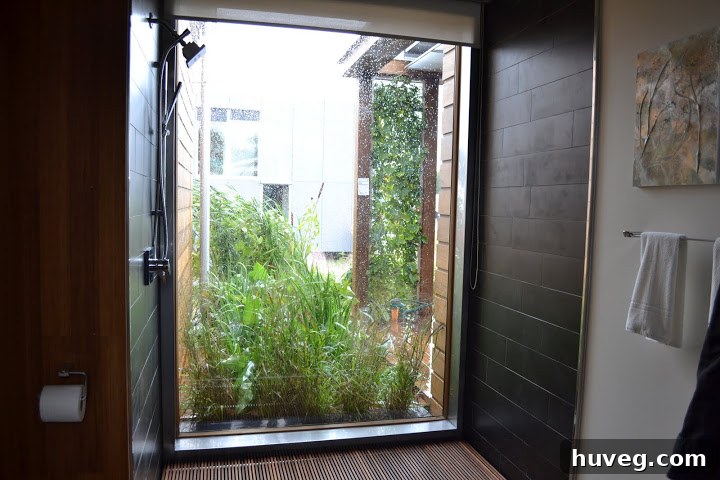
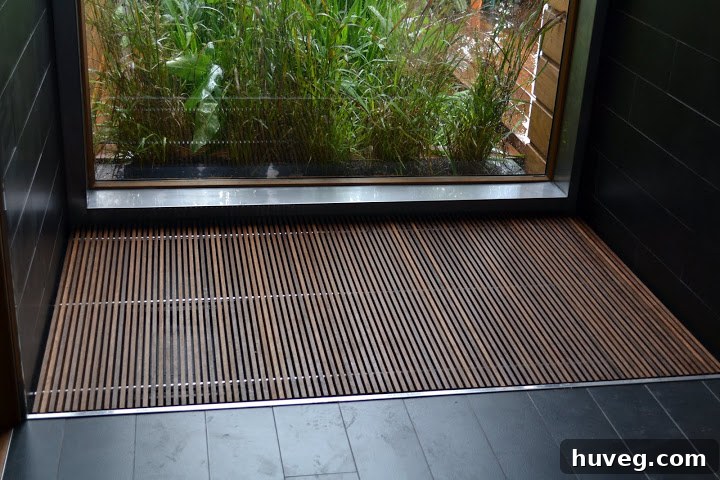
The entire house, Maryland’s “Watershed” home, was a testament to holistic water recycling design. It was conceptually built as if it were nestled right within a marsh, demonstrating an intrinsic connection to its natural surroundings. This profound commitment to water conservation and integration with the environment made it no surprise that the “Watershed” home was crowned the Solar Decathlon’s overall winner. Imagine the immense quantity of water that could be recycled in just a single week within such a system! This design not only showcased advanced engineering but also provided a tangible example of how homes can become living, breathing ecosystems that work in harmony with nature, significantly reducing reliance on municipal water supplies and promoting ecological restoration.
A Home for Humanity: The Habitat for Humanity Partnership
While most of the competition homes were either purchased or fully sponsored, one particular collaboration stood out for its profound social impact. Only one house entered into a partnership with Habitat for Humanity, pledging to donate the entire structure to a deserving family once the competition concluded. We were incredibly fortunate to witness the new family beginning to personalize their future home, turning it into their own. Despite the slight awkwardness of onlookers peeking into their intimate moments, the family radiated excitement and joy. Their heartwarming expressions truly underscored the incredible mission of making sustainable, affordable housing accessible to everyone. This partnership beautifully illustrated how advanced green building technologies can be harnessed not just for academic competition, but for tangible community benefit, providing not just a house, but a healthy, energy-efficient home for a family in need. It was a powerful reminder that sustainable design extends beyond environmental benefits to encompass social equity and well-being.

Interior Decor & Furnishing Highlights
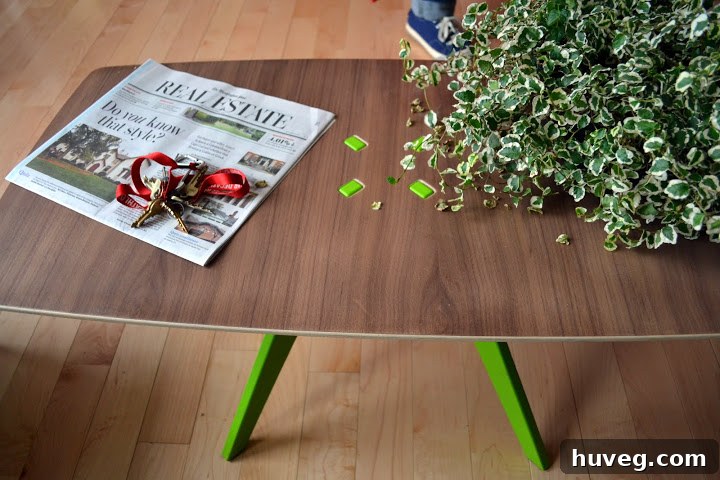
Of course, no comprehensive home tour would be complete without a closer look at some of the furniture that furnished these innovative spaces. The attention to detail in the interior decor was just as impressive as the architectural feats. One piece that particularly caught my eye was a mid-century inspired coffee table. What made it truly unique was how its legs were artfully integrated into the tabletop design, visible as a decorative inlay. This clever detail transformed a functional support structure into an integral part of the table’s aesthetic, adding an unexpected layer of sophistication and craftsmanship. It spoke volumes about the careful consideration given to every element within these homes, where even a coffee table could embody both form and function with a touch of playful design. Such pieces not only enhance the living experience but also inspire homeowners to seek out furniture that tells a story and contributes to a thoughtfully curated space.
Beyond Green Homes: A Glimpse of D.C.
While the primary focus of my trip was the Solar Decathlon, a visit to Washington D.C. wouldn’t be complete without taking in some of its iconic sights. Despite the inclement weather, marked by persistent rain and strong winds, we braved the elements to catch a few glimpses of the capital’s grandeur. A first-time visit to D.C. demands at least a brief encounter with its monuments and museums, even if it meant a quick dash between downpours. We managed to capture a few goofy photos, creating lighthearted memories amidst the serious context of sustainable building. These moments, albeit brief, provided a refreshing counterpoint to the intense focus on design and innovation, reminding me that every journey offers opportunities for both discovery and simple joy. It added a personal touch to the professional expedition, blending architectural insights with memorable travel experiences.

Looking Ahead: Embracing Sustainable Living Post-Decathlon
It seems I inadvertently brought the uncooperative weather back home with me, as the persistent cold and damp conditions have unfortunately delayed my mailbox project. However, the wet ground might just be a blessing in disguise, making it considerably easier to drive the stakes and erect the post independently. The Solar Decathlon experience has ignited a renewed enthusiasm for tackling home improvement projects with an eye towards efficiency and sustainability. Inspired by the innovative solutions witnessed in D.C., I’m eagerly planning to share a really cool interactive home design site later this week, courtesy of Plastics Make It Possible. This platform will empower you to experiment with your own design ideas, and as an added bonus, there’s a chance to win $250! Furthermore, if the weather finally decides to cooperate long enough for some yard work, I’m hoping to scatter some grass seed, taking advantage of the damp soil for optimal germination. As always, life remains busy and full of exciting plans, so be sure to stay tuned for more insights, projects, and perhaps even some further explorations into sustainable living trends gleaned from this extraordinary Solar Decathlon experience. The journey towards a more sustainable home is ongoing, and I’m thrilled to share every step of it with you.