Beat the Heat: 7 Ways to Keep Your Dog Cool All Summer

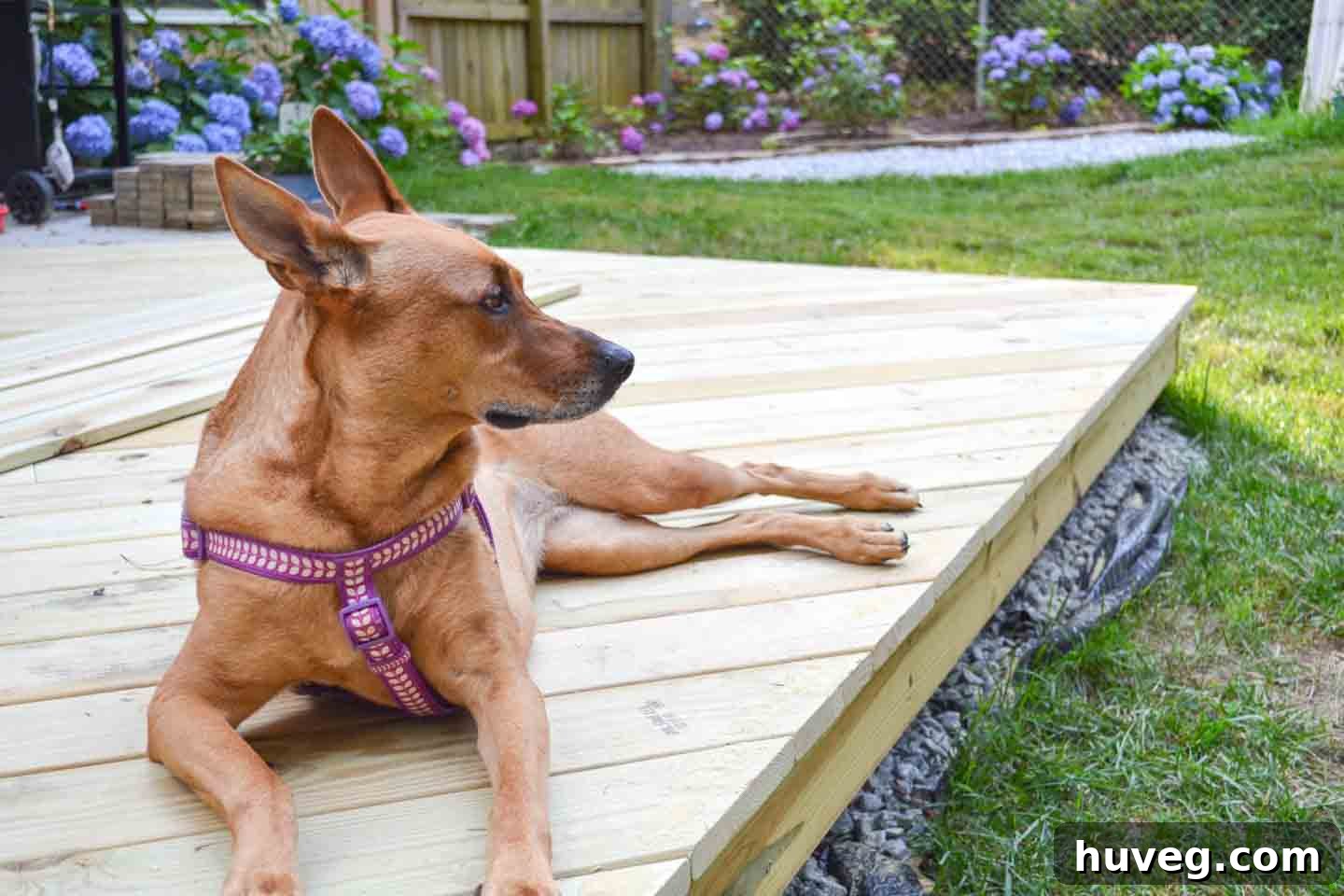
As the mercury rises and summer’s embrace tightens, ensuring the comfort and safety of our beloved canine companions becomes a paramount concern. Just like humans, dogs can suffer from the intense heat, and their inability to cool down as efficiently as us means we need to be extra vigilant. My own furry family, Charlie and Stella, and I have spent countless hours enjoying the outdoors this season, which has inevitably led to a deep dive into effective strategies for keeping them cool and comfortable. Through observation, research, and a bit of trial and error, we’ve gathered a collection of tips that have proven invaluable in helping them beat the heat. I’m excited to share these insights with you, along with a plethora of adorable pup photos, hoping they provide practical solutions for your furry friends too!
Beat the Heat: Comprehensive Strategies for Keeping Your Dog Cool All Summer Long
The summer months, while perfect for outdoor adventures, bring with them the challenge of intense heat, posing a significant health risk to dogs. Understanding how to keep dogs cool is not just about comfort; it’s about preventing serious conditions like heatstroke. Whether you’re navigating scorching summer days or simply dealing with a warm climate, these proven methods will help your canine companions stay safe, hydrated, and happy.
Essential Tips for Dog Heat Safety and Cooling
1. Provide Ample and Effective Shade
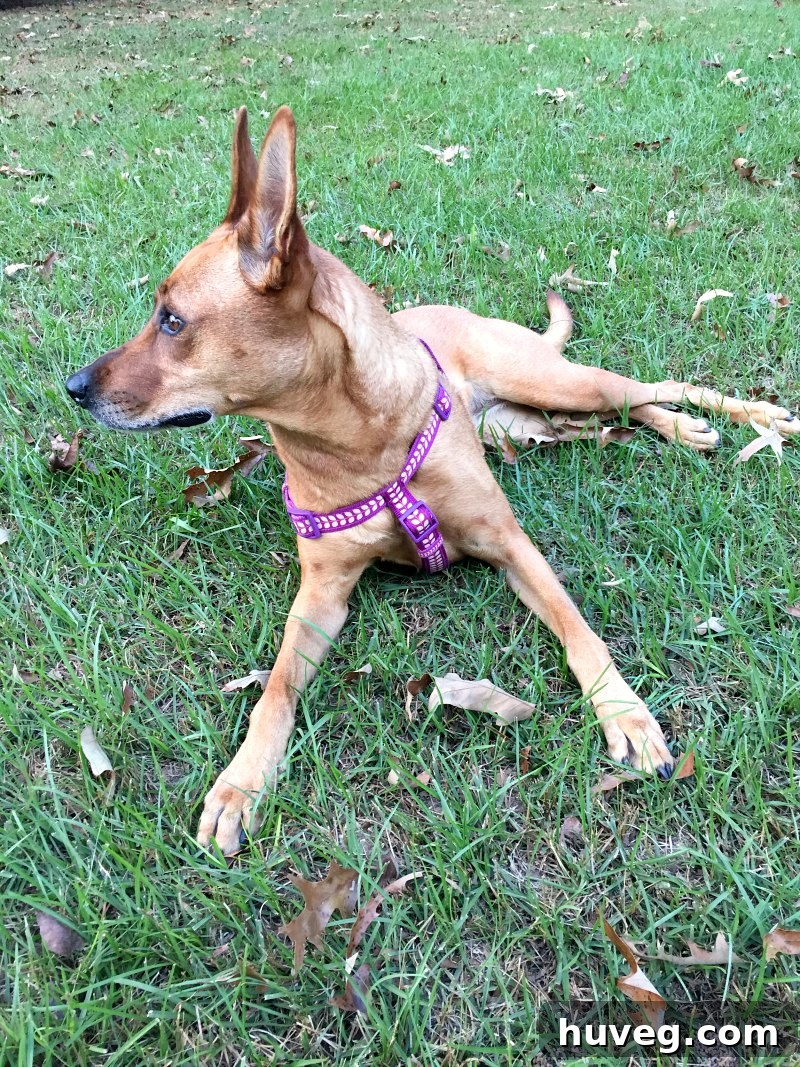
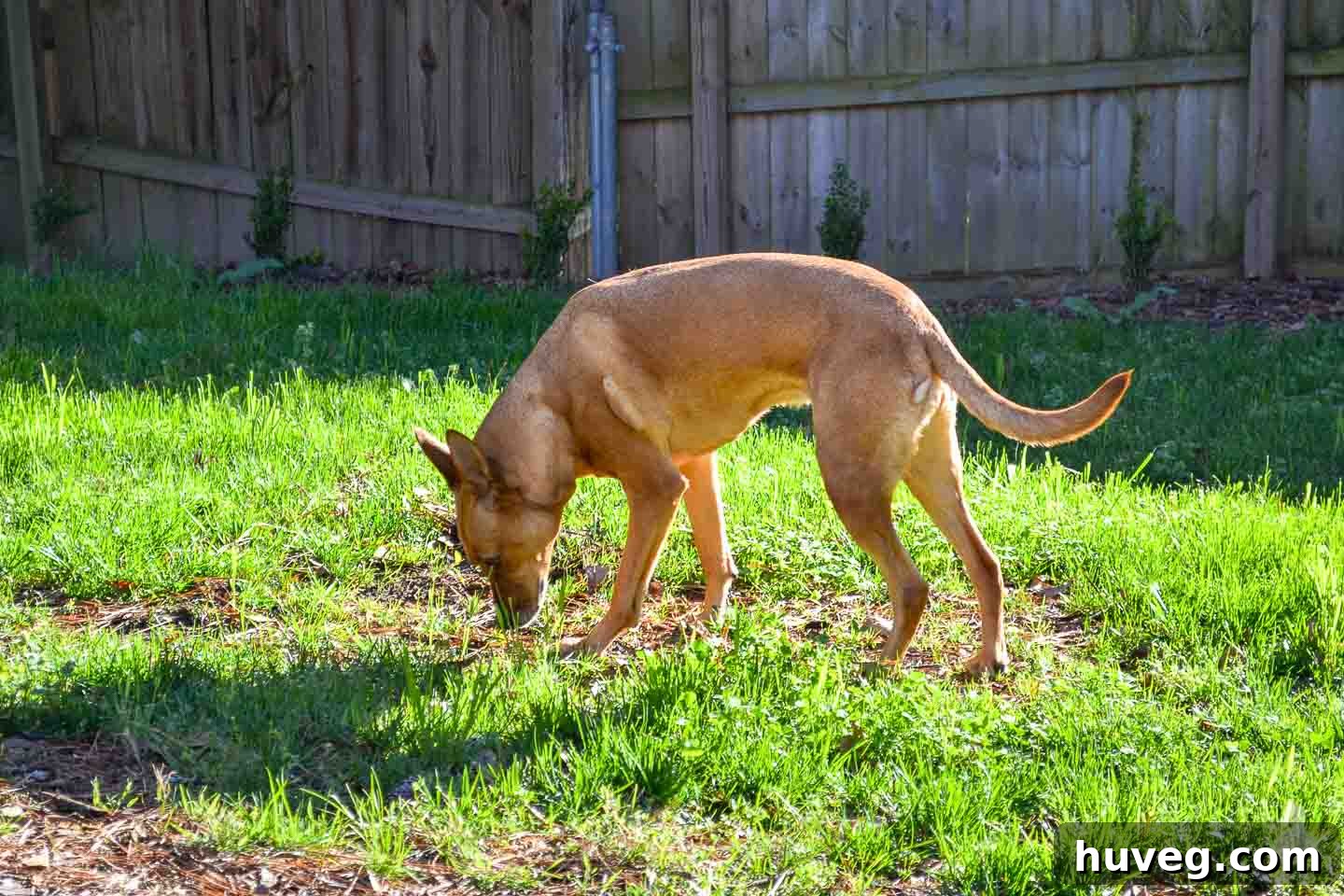
Shade is not just a luxury; it’s a necessity for dogs during warm weather. Direct sunlight can quickly elevate a dog’s body temperature, leading to overheating. While a dog house might seem like a good option, many lack proper ventilation, effectively turning into an oven. Instead, focus on providing natural or artificial shade solutions that allow for air circulation. Think about strategically placed trees, a large patio umbrella, or a well-ventilated overhang. If you’re considering a more permanent solution, designs like Jen’s ingenious doghouse gazebo offer both shade and crucial airflow, creating an ideal retreat. Charlie, for instance, has found her perfect haven on the cool, shady patches of grass near our house, benefiting from a mix of sun and shade throughout the day. Smaller dogs like Stella often seek out hidden, shaded nooks under bushes or outdoor furniture, demonstrating their natural instinct to escape the sun. Always ensure there’s more than one shaded spot available, allowing your dog to move as the sun shifts.
2. Ensure Constant Access to Fresh, Cool Water
Hydration is paramount for dogs in hot weather, as it helps them regulate their body temperature. Always have multiple bowls of fresh, clean water available both indoors and outdoors. Ceramic or stainless steel bowls are often preferred as they keep water cooler for longer than plastic. To make the water even more appealing and cooling, consider tossing a few ice cubes into their outdoor water bowl. While some dogs might view this as a fun game – bobbing for ice or trying to crunch it – others, like a certain blue-steel-gazing pup I know, might half-snort the water in their enthusiasm! This playful interaction also encourages them to drink more. For continuous access to fresh water, a pet drinking fountain can be an excellent investment, as the circulating water is often more enticing and stays cooler. Regularly check and refill water bowls, especially on hot days, and consider bringing water with you on walks or outings.
3. Utilize Fans for Enhanced Air Circulation
Fans aren’t just for humans; dogs greatly benefit from the increased air circulation they provide. The gentle breeze aids in evaporative cooling, much like sweating helps us. My dogs are big fans (pun intended!) of this method. This past summer, as we tackled a shed project, Charlie and Stella would comfortably lounge directly in front of the fan, which was strategically placed in the doorway of our work tent. The cool air made their supervised presence much more comfortable. A bonus benefit? Fans can help deter pesky mosquitoes. These weak flyers struggle against a strong breeze, making outdoor spaces more enjoyable for your pets. This is particularly vital for Stella, who is sensitive to many common flea and tick medications, requiring us to rely on alternative methods, like a good fan, for pest control.

4. Regular Grooming and Shedding Reduction
Excess fur can act as an insulating layer, trapping heat and making it incredibly difficult for dogs to regulate their body temperature during warmer months. Regular grooming, particularly de-shedding, is crucial for helping your dog stay cool. Indoors, managing loose fur is a continuous task, and Swiffer products have been a lifesaver for quick and easy cleanup – as you all already know, I’m a huge advocate! Nothing quite compares to the horror of finding dog hair in the butter, especially with long-haired breeds where fur seems to travel everywhere. With two pups living inside, minimizing shedding is more important than ever. #ShedHappens, but we can manage it!
After giving Charlie a bath, I take her outside for a thorough comb-out. She absolutely adores the attention and the feel of the brush, standing patiently on our new deck until the job is done. Despite regular brushing, there’s always a substantial pile of fur, especially during seasonal transitions from winter to summer when their coats thin out. This routine is vital for removing dead undercoat that traps heat.
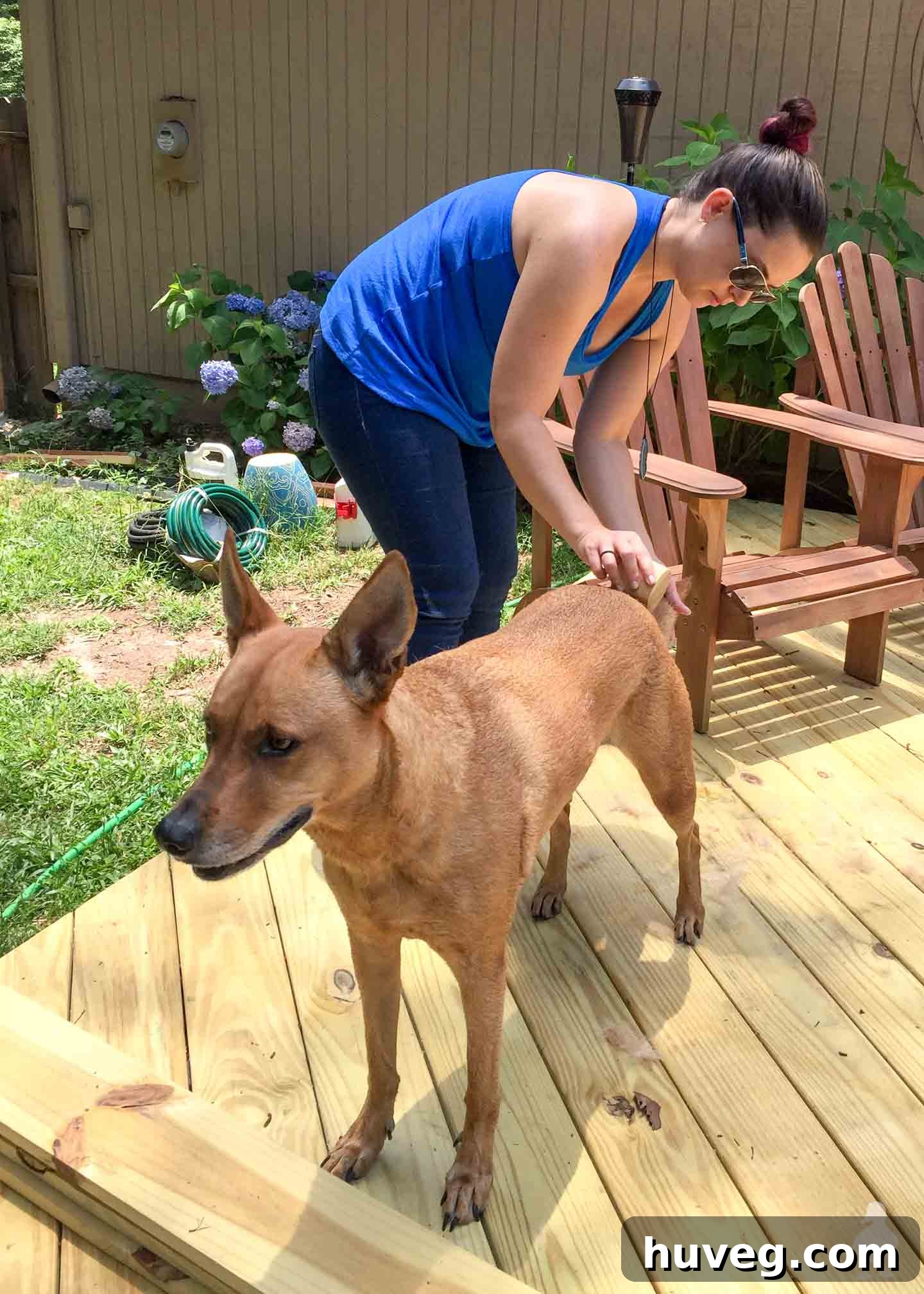
Pro Tip: After a comprehensive brushing session, I often use a Swiffer dry sheet to wipe down Charlie’s coat. Her wiry fur gets wonderfully trapped in the cloth’s fibers, picking up all those stubborn loose hairs that might not clump and brush out with a regular comb. It’s an excellent final touch to truly de-shed.
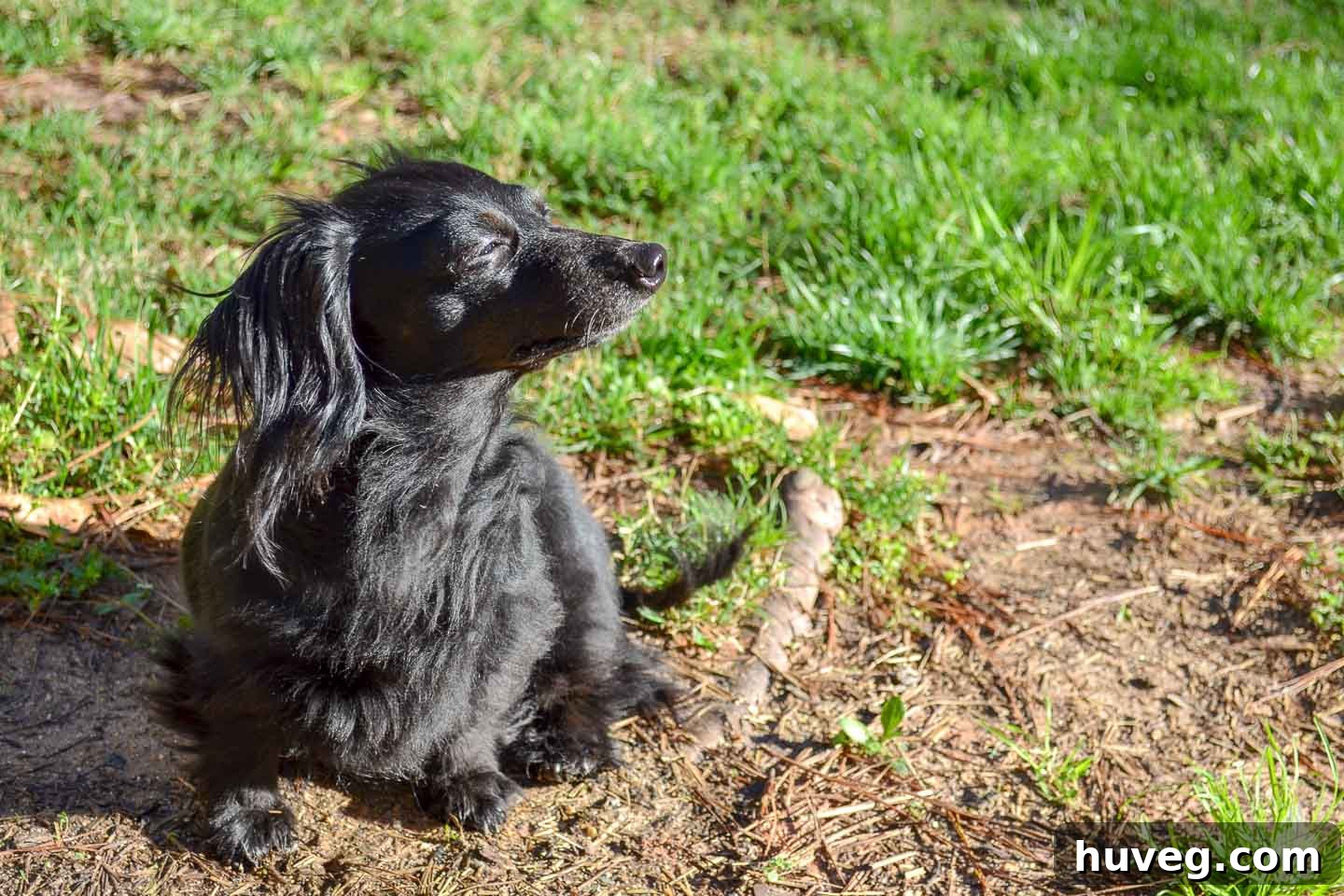
Stella, on the other hand, is generally more compliant during bath time and enjoys the pampering. This is fortunate, as her long hair often requires more frequent baths to prevent matting. Her adventurous spirit means she loves to dig for chipmunks, and occasionally, she gets “marked” by my sister’s sweet but sometimes misguided male pup, Dobby, who could certainly work on his aim! These regular baths, combined with a proper de-shedding routine, are essential. They remove excess fur that would otherwise trap heat, making it much easier for both dogs to regulate their body temperatures. Remember, dogs grow thicker coats in winter and shed them in summer for a reason – we’re just helping nature along!
5. Delight Them with Frozen Treats
Frozen treats are a fantastic way to offer hydration, provide mental stimulation, and help cool your dog from the inside out. They’re simple to make and can be customized to your dog’s preferences. While I’ll be sharing a specific recipe soon, I can tell you that a blend of banana and peanut butter is a huge hit around our house. However, for the discerning palates like Stella’s (who, strangely, isn’t a fan of peanut butter – I know, a little psycho!), there will be other delicious, dog-safe options available. You can use ice cube trays, KONG toys, or even special silicone molds to create these cool delights. Consider ingredients like plain yogurt, pureed pumpkin, unsalted chicken or beef broth, or various fruits like berries and melon (always checking for dog-friendliness). These icy snacks are a wonderful way to beat the summer doldrums and provide a refreshing break.
6. Schedule Walks During Cooler Hours
The heat radiating from pavement, asphalt, and even sand can be excruciatingly hot for your dog’s paw pads, leading to severe burns. Always test the surface with the back of your hand; if it’s too hot for you to hold for five seconds, it’s too hot for your dog’s paws. During the brutal summer months, especially with high humidity, it’s crucial to adjust your dog’s exercise schedule. Early mornings, just after sunrise, and late evenings, well after sunset, are the ideal times for walks. The cooler air and ground temperatures make these outings much safer and more enjoyable. Charlie, for example, has been making great strides with K on their nightly walks around the neighborhood, and I’m thrilled to see her leash training improve significantly (I’m a bit ashamed to admit I wasn’t the best at it previously!). These morning and evening walks also often coincide with beautiful soft lighting, making for some truly cute photos.
7. Use Wet Towels to Cool Paws and Ears
Rapidly cooling specific areas of your dog’s body can significantly help lower their overall temperature. Think of it like applying a cool compress to your neck or wrists. Dogs have capillaries close to the surface of their skin in areas like their paw pads, ears, and groin. Wiping these spots down with a damp, cool towel can provide quick and effective relief. The evaporation of water from the towel helps to dissipate heat from these pulse points. It’s important to use cool, not freezing cold, water. Just as you wouldn’t appreciate an ice cube sliding down your back unexpectedly, your dog will find anything extremely cold startling and uncomfortable. A simply cool, wet cloth is sufficient and much more pleasant for them. This method is particularly useful after a short walk or if you notice your dog starting to feel warm.
8. Consider Dog-Specific Cooling Gear
Beyond the basics, there’s a range of specialized cooling products designed to help dogs combat the heat. Cooling vests and bandanas often contain materials that, when soaked in water, provide an evaporative cooling effect as the water slowly dissipates. Cooling mats, which can be gel-filled or water-activated, absorb heat from your dog’s body and offer a refreshingly cool surface to lie on. For water-loving dogs, a shallow kiddie pool filled with a few inches of water can be a fantastic way for them to splash and cool off. Always supervise playtime in pools and ensure the water is clean. These supplementary items can make a significant difference in your dog’s comfort levels during peak summer heat.
9. Designate an Indoor Retreat
Ultimately, the most effective way to protect your dog from extreme heat is to provide them with access to a cool, air-conditioned indoor space. My pups, despite being troopers who love the outdoors, are always allowed inside the house to cool down whenever we do. This allows them to escape the oppressive outdoor temperatures completely. If you don’t have air conditioning, consider creating a designated cool zone with a fan, cooling mat, and fresh water, perhaps in the coolest room of the house or a basement. Ensure they have easy access to this space and are encouraged to use it when temperatures rise.
Critical Warnings: Signs of a Heat Problem & Summertime Don’ts
Understanding the dangers of heat and recognizing the signs of heat stress or heatstroke in dogs is absolutely crucial for their safety. Heatstroke is a medical emergency that can be fatal if not addressed immediately.
Immediate “DO NOTS” for Dog Safety in Summer:
- NEVER Leave Them in a Hot Car: This cannot be stressed enough. The temperature inside a car can rise to dangerous levels in minutes, even on a mild day with the windows cracked. This is a life-threatening situation and should absolutely never be done.
- Don’t Keep Them Out All Day: Even the most resilient dogs need breaks from the heat. My pups are hardy, but we always allow them easy access in and out of the house, letting them follow us inside to cool down whenever we retreat from the sun. Prolonged exposure, even with shade and water, can still lead to overheating.
- Avoid Strenuous Exercise During Peak Heat: Save intense play, long runs, or demanding training for cooler parts of the day. Dogs don’t sweat like humans and can quickly overheat with too much activity in warm weather.
Signs of a Heat Problem (Monitor Carefully!):
Be vigilant and watch for any of these symptoms, which indicate your dog is struggling with the heat. Early detection and intervention can save their life:
- Excessive Panting or Difficulty Breathing: While panting is how dogs cool down, extreme, rapid, or labored panting is a red flag.
- Excessive Drooling: Thick, ropy saliva can be a sign of heat distress.
- Vomiting or Diarrhea: Gastrointestinal upset is a common symptom of heatstroke.
- Fatigue, Weakness, or Lethargy: Unwillingness to move, stumbling, or appearing unusually tired.
- Dizziness or Disorientation: Your dog may seem confused or wobbly.
- Bright Red Gums or Tongue: Indicates increased blood flow trying to cool the body.
- Seizures or Collapse: These are critical signs requiring immediate veterinary attention.
- Elevated Body Temperature: A rectal temperature over 104°F (40°C) is a strong indicator of heatstroke.
If you observe any of these severe symptoms, move your dog to a cool area immediately, offer small amounts of water, and apply cool (not ice cold) wet towels to their groin, armpits, and paws. Crucially, contact your veterinarian immediately for guidance, as professional medical intervention will likely be necessary.
Keeping our canine companions safe and comfortable during the warmer months requires diligence and proactive care. By implementing these strategies – providing ample shade, ensuring constant hydration, utilizing cooling aids, maintaining proper grooming, offering frozen treats, and adjusting exercise schedules – you can significantly reduce the risk of heat-related illnesses. Remember to always be attentive to your dog’s behavior and the environmental conditions, and never hesitate to seek veterinary advice if you suspect a heat-related problem. Our dogs rely on us to protect them, and with these tips, you can help them enjoy a cool, safe, and happy summer.
Do your dogs have any unique or tried-and-true habits for beating the heat? Share your wisdom in the comments below!
Disclosure: This post was sponsored by my awesome pals at Swiffer, but all opinions expressed are 100% my own and based on genuine experience.