Breathless Wonder

The Bradford Pear Tree: A Landscaping Dilemma of Beauty and Blemish
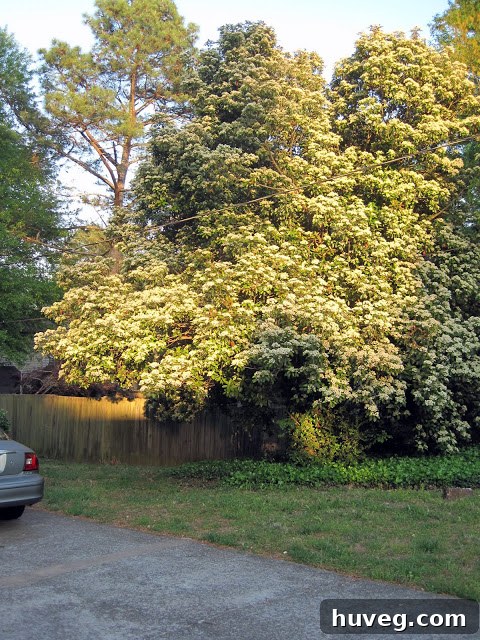
Ah, spring! A season heralded by vibrant colors, budding life, and the promise of warmer days. For many, it also ushers in the breathtaking sight of the Bradford Pear tree (Pyrus calleryana ‘Bradford’) in full bloom, adorned with dense clusters of pristine white flowers. These trees, once celebrated for their rapid growth and stunning aesthetic appeal, became a staple in suburban landscapes across the United States. They promised instant curb appeal, resilience, and a touch of elegance to new developments and commercial properties. Yet, beneath this beautiful facade lies a complex and often problematic reality, transforming a landscaping dream into a notorious dilemma. The very tree that offers such a glorious visual spectacle often comes with a distinct, pungent aroma and a host of ecological and structural issues that challenge its continued popularity.
The Allure of the Bradford Pear: A History of Popularity
Early Popularity and Aesthetic Appeal
The story of the Bradford Pear tree’s widespread adoption began in the mid-20th century. Introduced from China and Korea in 1909 by the USDA, the ‘Bradford’ cultivar was selected for its exceptional disease resistance and tolerance to various soil conditions. It wasn’t until the 1960s that it truly soared in popularity as an ornamental tree. Its distinct, upright, symmetrical shape and vigorous growth rate made it an instant favorite for urban planners and landscape architects. Within just a few years, a newly planted Bradford Pear could transform a barren plot into a vibrant, tree-lined street, offering immediate visual gratification. Its abundant white blossoms in early spring provide a striking display, often one of the first trees to bloom, signaling the end of winter.
Beyond its spring spectacle, the Bradford Pear continues to impress throughout the seasons. In summer, its leaves are a healthy, glossy green, offering dense shade. Come autumn, the foliage transforms into a breathtaking palette of yellows, oranges, reds, and deep maroons, providing a captivating display of fall color that rivals many other popular deciduous trees. This multi-seasonal appeal, combined with its uniform growth and perceived low maintenance, cemented its status as a top choice for mass plantings in residential subdivisions, commercial parks, and along roadways. It truly seemed like the perfect tree for the modern landscape, delivering maximum impact with minimal effort.
Cost-Effectiveness and Perceived Durability
Another significant factor contributing to the Bradford Pear’s ubiquity was its affordability and perceived hardiness. Nurseries could propagate them easily and quickly, making them readily available and cost-effective for large-scale landscaping projects. For developers looking to quickly enhance the curb appeal of new homes, the Bradford Pear offered an unbeatable combination of beauty, speed, and budget-friendliness. Its ability to thrive in challenging urban environments – tolerating compacted soils, pollution, and drought – further amplified its appeal. Homeowners and landscapers appreciated its “tough to kill” nature, believing it required little more than occasional watering and pruning to maintain its picturesque form. This perception of durability, coupled with its aesthetic virtues, created a landscaping phenomenon that saw millions of Bradford Pears planted across temperate regions of North America.
The Unpleasant Reality: Flaws of the Famous Bloom
The Infamous Odor: A Springtime Assault
Despite its visual splendor, the Bradford Pear harbors a secret that becomes undeniably evident each spring: a truly offensive odor. As its beautiful white flowers emerge, they release a smell that has earned the tree a notorious reputation. Descriptions of this pungent aroma vary wildly, but almost all are unflattering and often quite humorous. Common comparisons include rancid peanut butter, rotting fish, dead animals, dog feces, grilling “mystery” meat, a locker room, or even bodily fluids. The most frequent and discreetly hinted-at description, however, likens the smell to semen, making discussions about the tree’s fragrance an awkward and blush-inducing affair. This unique and pervasive stench is attributed to organic compounds, including trimethylamine, released by the blossoms. For homeowners with a Bradford Pear nearby, the arrival of spring often means holding one’s breath when stepping outside, especially on warm, humid days when the smell is most intense. It transforms what should be a pleasant seasonal experience into an olfactory assault, making the tree less of a landscape asset and more of a springtime nuisance.
Structural Weaknesses and Short Lifespan
Beyond its olfactory offenses, the Bradford Pear suffers from significant inherent structural weaknesses that severely limit its lifespan and pose potential hazards. While it grows rapidly, its branch structure is notoriously poor. The branches grow almost vertically, forming narrow, acute angles with the main trunk. This creates weak points where the bark is often “included” (bark grows inward rather than forming a strong union), preventing the wood from knitting together properly. As the tree matures and its canopy expands, these weak crotches become highly susceptible to splitting and breaking, especially during high winds, ice storms, or heavy snowfalls. It’s not uncommon for a Bradford Pear to catastrophically split apart, even in its prime, leading to significant property damage or even injury.
Consequently, the Bradford Pear tree typically has a much shorter lifespan than most other ornamental trees, rarely living beyond 20 to 30 years. This relatively brief existence means that the initial investment in planting is often followed by the costly and inconvenient necessity of tree removal and replacement within a couple of decades. What was once seen as a low-maintenance, long-term landscaping solution often becomes a recurring financial and practical burden, requiring property owners to deal with a large, decaying tree that may be encroaching on structures or utilities.
Ecological Impact: An Invasive Species
Perhaps the most profound and concerning drawback of the Bradford Pear is its classification as an invasive species in many regions. While the ‘Bradford’ cultivar itself was initially thought to be sterile, preventing it from producing viable seeds, this proved to be a critical misunderstanding. The ‘Bradford’ pear can cross-pollinate with other Callery pear cultivars (like ‘Cleveland Select’ or ‘Aristocrat’) and even wild Callery pear rootstock from which it is grafted. This cross-pollination leads to the production of fertile seeds, which are then readily dispersed by birds and other wildlife.
These seeds germinate easily in disturbed soils, roadsides, fencerows, and natural areas, quickly establishing dense thickets of thorny, brushy trees. These invasive Callery pears aggressively outcompete native plant species, disrupting local ecosystems and reducing biodiversity. Their dense growth shades out understory plants, and their thorns create impassable barriers for wildlife and humans alike. They are particularly problematic in woodlands, prairies, and open fields, where they alter habitats and diminish food sources for native insects and animals. The rapid spread of Callery pear threatens the ecological balance of natural landscapes, making its removal a priority for conservation efforts in many states. What began as a horticultural success story has evolved into an environmental nightmare, posing a serious threat to native plant communities.
Addressing the Dilemma: Management and Alternatives
Management and Removal Strategies
For homeowners currently living with a Bradford Pear tree, the dilemma is often pressing. Due to their structural instability and invasive potential, many experts recommend removing Bradford Pear trees, especially mature ones that pose a greater risk of splitting. However, removing a large tree can be a significant undertaking, often requiring professional arborists and considerable expense. For trees on one’s own property, removal allows for the opportunity to replace it with a more sustainable and less problematic species. When a neighboring property hosts a problematic Bradford Pear, as is often the case, the situation becomes more complex, requiring patience and a good relationship with neighbors to address potential hazards or shared concerns about the smell.
Proper disposal of removed trees is also crucial to prevent further spread of the invasive species. Chipping or burning are common methods, ensuring that any viable seeds are destroyed. Simply cutting down the tree might not be enough, as Callery pears are known to re-sprout vigorously from the stump, necessitating the application of herbicides or repeated cutting to prevent regrowth.
Seeking Sustainable Native Alternatives
Given the numerous drawbacks of the Bradford Pear, a growing consensus advocates for replacing it with native tree species that offer similar aesthetic qualities without the ecological harm or structural issues. Investing in native trees not only solves the problems associated with invasive species but also contributes to local biodiversity, supports native wildlife, and is often better adapted to regional climate and soil conditions, leading to greater long-term success and less maintenance.
Excellent native alternatives to the Bradford Pear include:
- Flowering Dogwood (Cornus florida): Offers beautiful white or pink spring flowers, attractive red berries for birds, and vibrant fall foliage.
- Serviceberry (Amelanchier spp.): Features delicate white spring blooms, edible berries, and lovely fall color, providing multi-seasonal interest.
- Redbud (Cercis canadensis): Known for its stunning magenta-pink flowers that hug its branches in early spring, followed by heart-shaped leaves.
- American Fringe Tree (Chionanthus virginicus): Produces wispy, fragrant white flowers in late spring, creating a soft, ethereal appearance.
- Hawthorn (Crataegus spp.): Offers charming white flowers, persistent berries for wildlife, and often a more resilient, thorny structure.
These alternatives not only provide the visual appeal sought in ornamental trees but also contribute positively to the local ecosystem, providing food and habitat for native insects and birds. By choosing native, responsible landscaping decisions can enhance both the beauty and ecological health of our communities.
Conclusion: A Lesson in Landscaping Choices
The Bradford Pear tree stands as a potent symbol of well-intentioned landscaping gone awry. While its initial appeal of rapid growth, breathtaking spring blooms, and vibrant fall colors captivated homeowners and developers for decades, its inherent flaws — from its structurally weak branches and short lifespan to its notoriously pungent odor and devastating invasive tendencies — have transformed its legacy. What once represented effortless beauty now serves as a cautionary tale in horticulture, highlighting the critical importance of understanding a plant’s full life cycle and its ecological impact before widespread adoption.
As we move forward, the story of the Bradford Pear underscores the need for informed and sustainable landscaping choices. Opting for native alternatives not only mitigates the problems associated with invasive species but also fosters healthier, more resilient ecosystems that support local biodiversity. So, the next time spring arrives, and you encounter that familiar, unmistakable scent, let it be a reminder: the true beauty of a landscape lies not just in its immediate visual charm, but in its long-term health, ecological balance, and enduring contribution to our natural world.